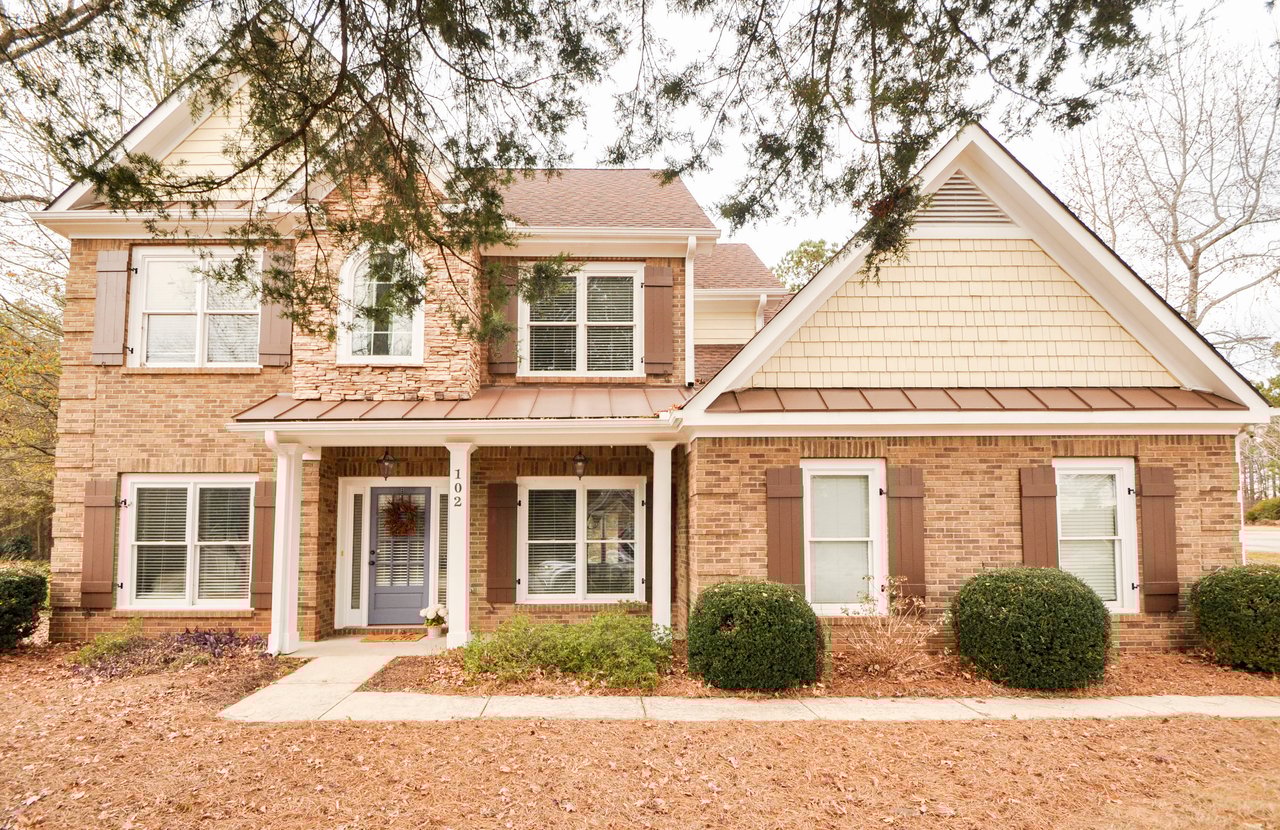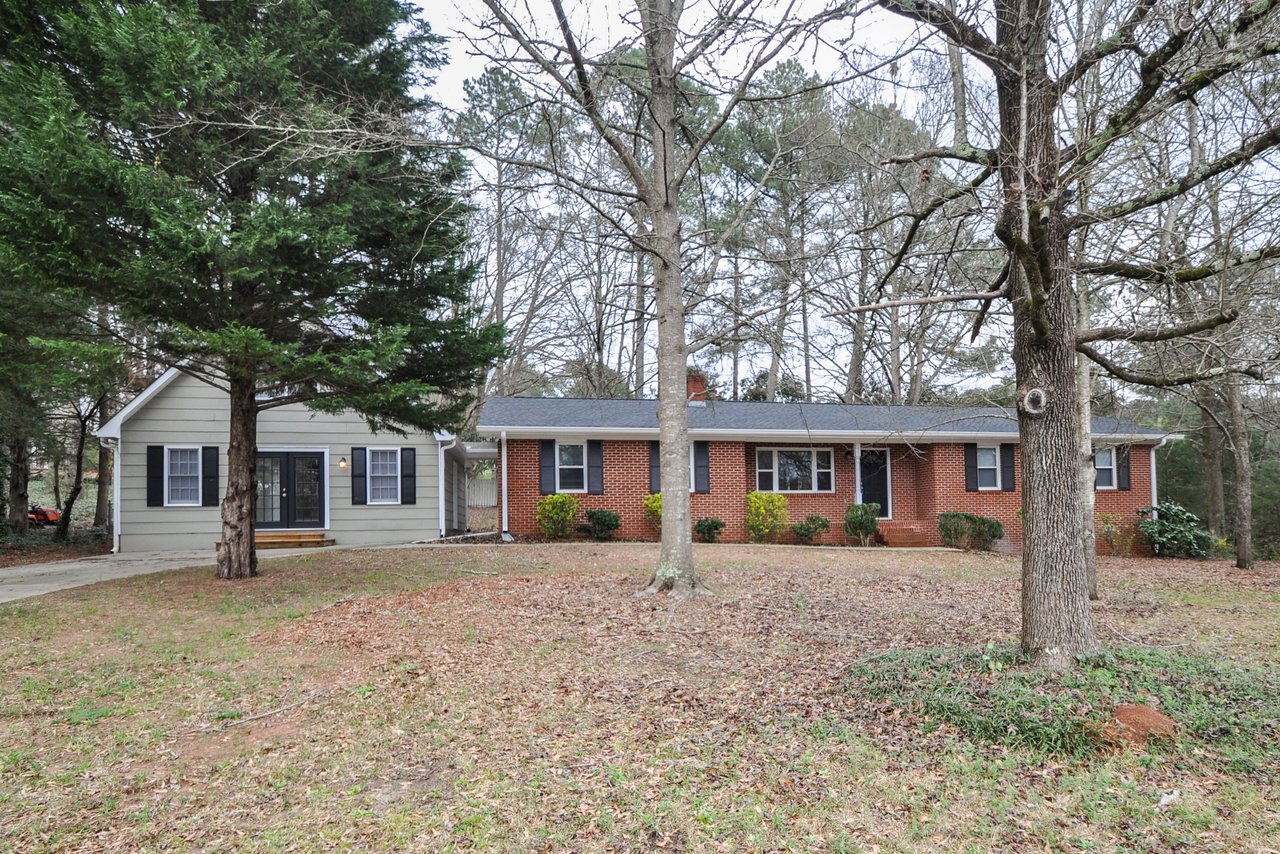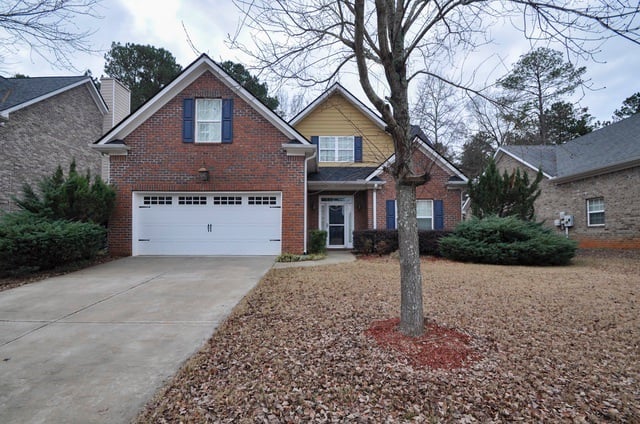
Thinking about selling a home or rental near the University of Georgia? Timing can make a meaningful difference in your price, days on market, and how smooth the process feels. You want to catch the right wave of buyer demand while working around leases, move-outs, and the local calendar. In this guide, you will learn the best months to list, how to line up your sale with the UGA academic cycle, and practical steps to prepare. Let’s dive in.
How UGA shapes demand
UGA creates steady, cyclical demand from students, graduate students, faculty, staff, and parents. That demand concentrates near campus for student rentals and along convenient commute corridors for faculty and staff. Family buyers often search across Clarke County and nearby areas for year-round living.
The academic calendar drives activity patterns. Late spring brings student move-outs and decisions for the next academic year. Summer is prime time for lease renewals and housing searches. Early fall can bring a secondary bump as the semester starts. Winter is the quietest period, though motivated buyers still shop.
The best months to list
Owner-occupant buyers: February to May
If you want to reach the largest buyer pool and maximize price competition, target late winter through spring. February through May aligns with rising curb appeal, buyers who plan summer moves, and traditional peak showing traffic. Listing early in this window can position you to close by late spring or early summer.
Investors and student market: May to July
If your buyer is likely an investor or a parent purchasing for a student, aim for late spring into early summer. Listing from May to July gives buyers time to inspect, finance, and prepare for August move-ins. This timing also helps investors plan re-leasing or improvements before the fall semester.
Early fall as a secondary window
August to September can work for sellers who miss the main summer window. Activity may be choppy during move-in and early semester weeks, so schedule showings thoughtfully. Expect more targeted buyer traffic rather than broad spring-style demand.
Occupied vs. vacant when you sell
Selling an occupied student rental is common and can be attractive to investors who value immediate rent revenue. If you take this route, highlight the lease terms, rent roll, and occupancy history in your marketing package. Coordinate respectful access for showings and avoid major exam weeks when possible.
If you want to attract owner-occupant buyers, consider listing after tenants move out. A vacant home is easier to stage and photograph and may appeal to buyers who plan to occupy. If leases run through summer, plan your listing date right after turnover for a clean launch.
Align with the academic calendar
Here is a simple timeline that maps preparation and listing to key university milestones:
- February to March: Prep for a spring launch, complete minor repairs, schedule staging and professional photos. List now to capture peak buyer traffic if you are targeting owner-occupants.
- Late April to May: As spring semester ends, student move-outs begin. List now to capture parent buyers and investors making decisions for next year’s housing.
- June to July: Peak leasing period for student housing. List now if you want a buyer in place before August move-ins, and allow time for inspections and any updates.
- August to September: Secondary surge tied to move-in. Listings can still perform with careful showing logistics.
- December to February: Quiet season with fewer shoppers. If you must list now, optimize pricing and presentation to stand out.
Timing by property type
- Condos and townhomes near campus: Follow spring and summer peaks. Highlight low-maintenance living, parking, and any HOA rules that affect rentals.
- Single-family rentals: Emphasize bedroom count, bathrooms, laundry, parking, and a clear rent roll. Aim for May to July if selling to investors.
- Short-term rentals: Confirm local ordinances and HOA rules before listing and market around event-driven seasonality if relevant.
Pricing, comps, and strategy
Use recent, seasonally comparable sales and compare your home to properties with similar proximity to campus. Adjust for seasonality when you evaluate comps. Spring comps often reflect stronger demand compared to winter. If your home is tenant-occupied, compare against properties with similar lease status.
Work with a local expert to create a pricing plan that fits your target buyer. For owner-occupant buyers, showcase lifestyle features and curb appeal. For investor buyers, lead with returns, occupancy history, and maintenance records.
Photos, staging, and presentation
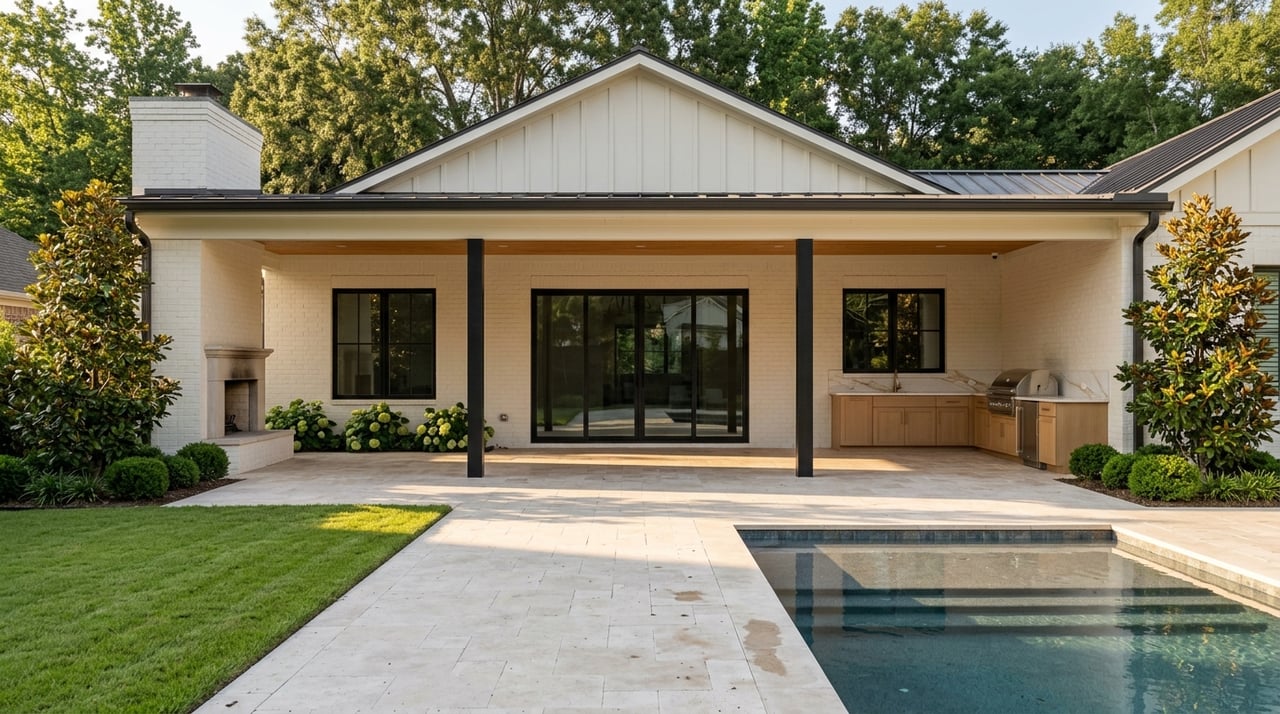
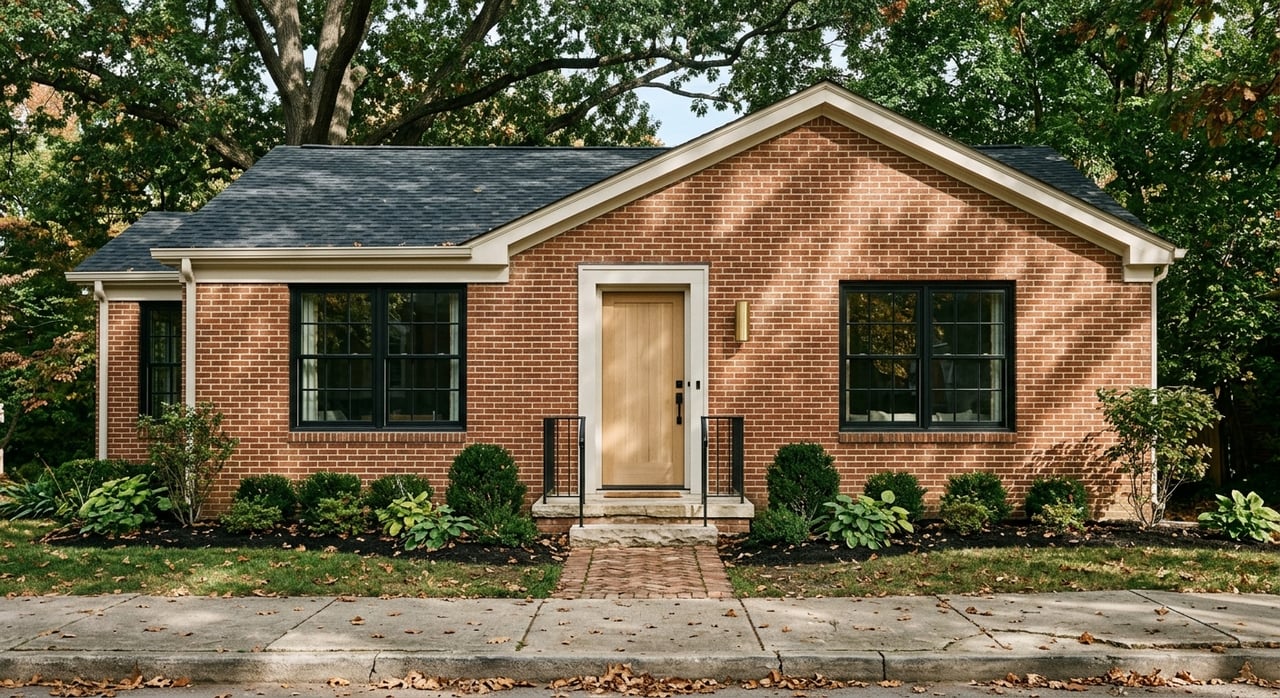
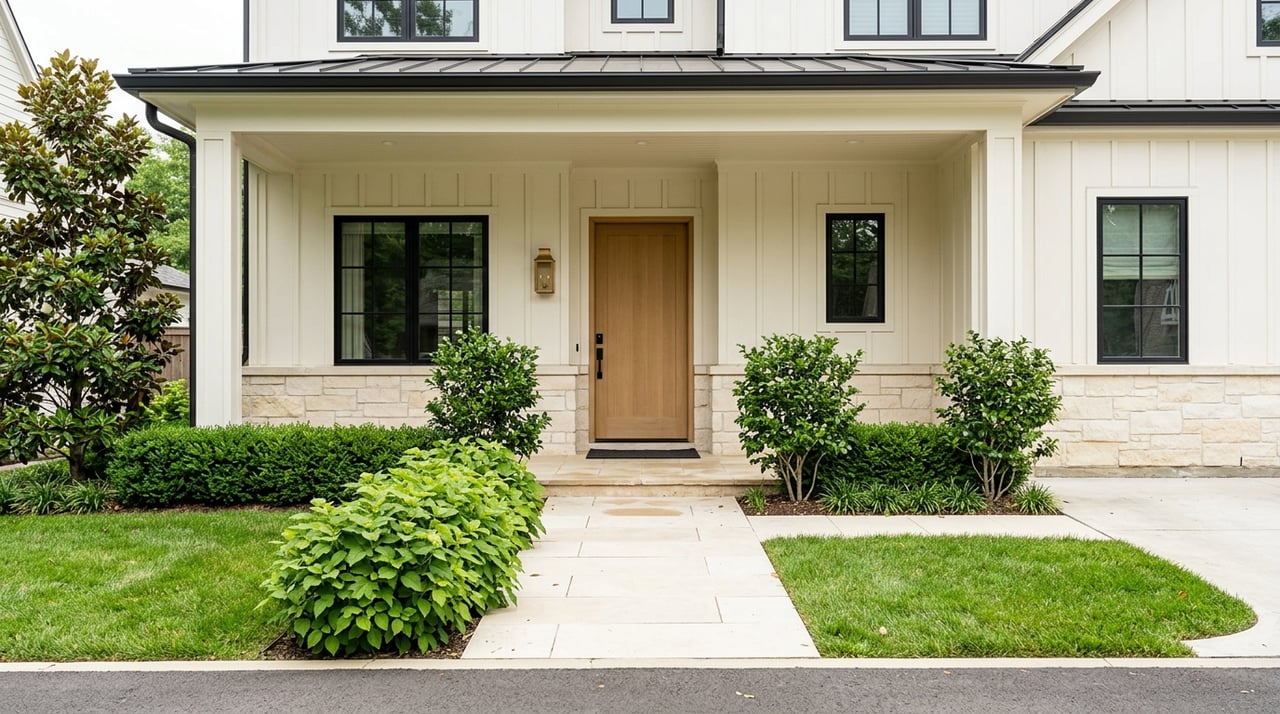
Schedule exterior photos in spring or early summer for the best light and landscaping. For student-oriented properties, highlight functional spaces, storage, and parking. For owner-occupants, stage to emphasize everyday living, quiet rooms, and outdoor areas.
If tenants limit access, consider virtual staging and a focused photo plan to minimize disruption. A clean, neutral presentation helps buyers picture move-in day.
Showings and tenant coordination
Set clear showing windows and provide ample notice. Avoid exam weeks and move-out days when possible. Offer a simple showing plan for tenants that respects their schedules.
Provide lease abstracts, rent rolls, and disclosures up front for investor buyers. The easier you make it to evaluate the property, the faster qualified buyers will engage.
Plan your closing date
Align closing with lease expirations to reduce vacancy or complex transitions. If you want to avoid carrying the property through the academic year, aim for summer closings. Investor buyers often appreciate a closing that leaves time for small upgrades before August.
Quick prep checklist
- Define your target buyer: owner-occupant or investor. This drives your timeline.
- Confirm key dates: UGA academic calendar, lease expirations, and your preferred closing window.
- Prepare the property: minor repairs, landscaping, paint touch-ups, and professional cleaning.
- Assemble documents: rent roll, lease copies, maintenance records, HOA rules, and recent utility costs.
- Plan marketing assets: professional photos, video, floor plan or Matterport, and a clear features list.
- Set a pricing strategy: review seasonally comparable sales and adjust for proximity to campus and lease status.
- Coordinate showings: set notice requirements with tenants and align with exam schedules when needed.
Where to validate timing now
- Local MLS or Athens-area brokerage reports: current inventory, days on market, and seasonal patterns in Clarke County.
- Athens-Clarke County Unified Government: zoning, permits, rental registrations, and short-term rental rules.
- University of Georgia offices: enrollment trends and the academic calendar to understand demand cycles.
- Local property managers and student housing companies: real-time leasing timelines, occupancy feedback, and rent benchmarks.
Partner with a local advisor
Listing near UGA rewards careful timing and a clear go-to-market plan. You gain leverage when your list date aligns with buyer intent, your pricing reflects seasonal comps, and your presentation speaks to the right audience.
With decades of Athens market leadership, a boutique team structure, and a premium marketing toolkit, our team brings a concierge approach that helps you capture the best of the season. From professional photography and video to strategic staging and investor-ready marketing packages, we tailor every detail to your goals and timeline.
Ready to find your best window and strategy? Schedule a personalized market consultation with Jennifer Westmoreland.
FAQs
Is spring always the best time to list near UGA?
- Spring offers the largest buyer pool for owner-occupants, while late spring to early summer can be better for investors targeting August occupancy.
When should I list to secure a buyer before August move-ins?
- List in late spring or early summer to allow time for marketing, inspections, financing, and any updates before the fall semester.
Should I wait for student tenants to move out before listing?
- If selling to investors, listing while occupied can be ideal; for owner-occupants, a vacant home after lease turnover often shows better and can attract broader interest.
How do existing leases impact closing in Athens near UGA?
- Align your closing with lease expirations when possible to minimize vacancy or complex tenant transitions and to support investor planning.
What local data should I review before setting my date?
- Check recent MLS reports for seasonal trends, the UGA academic calendar for move-in and exams, and Athens-Clarke County rules for any rental requirements.