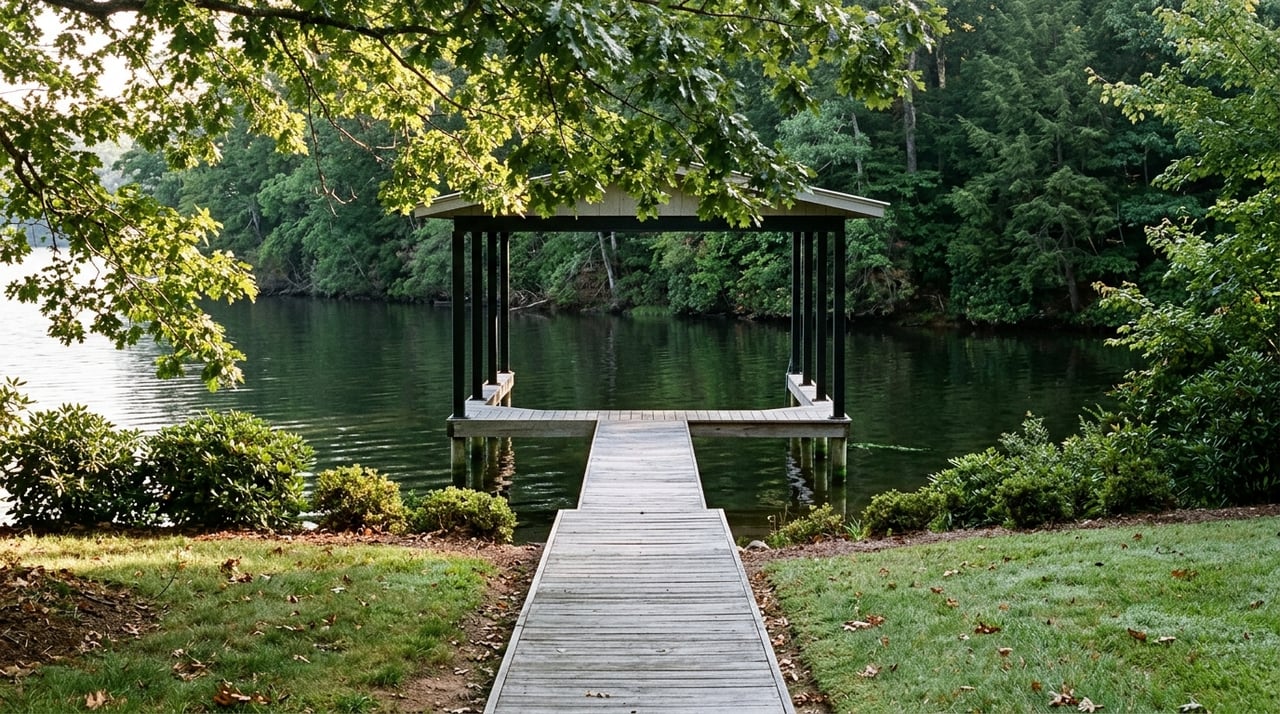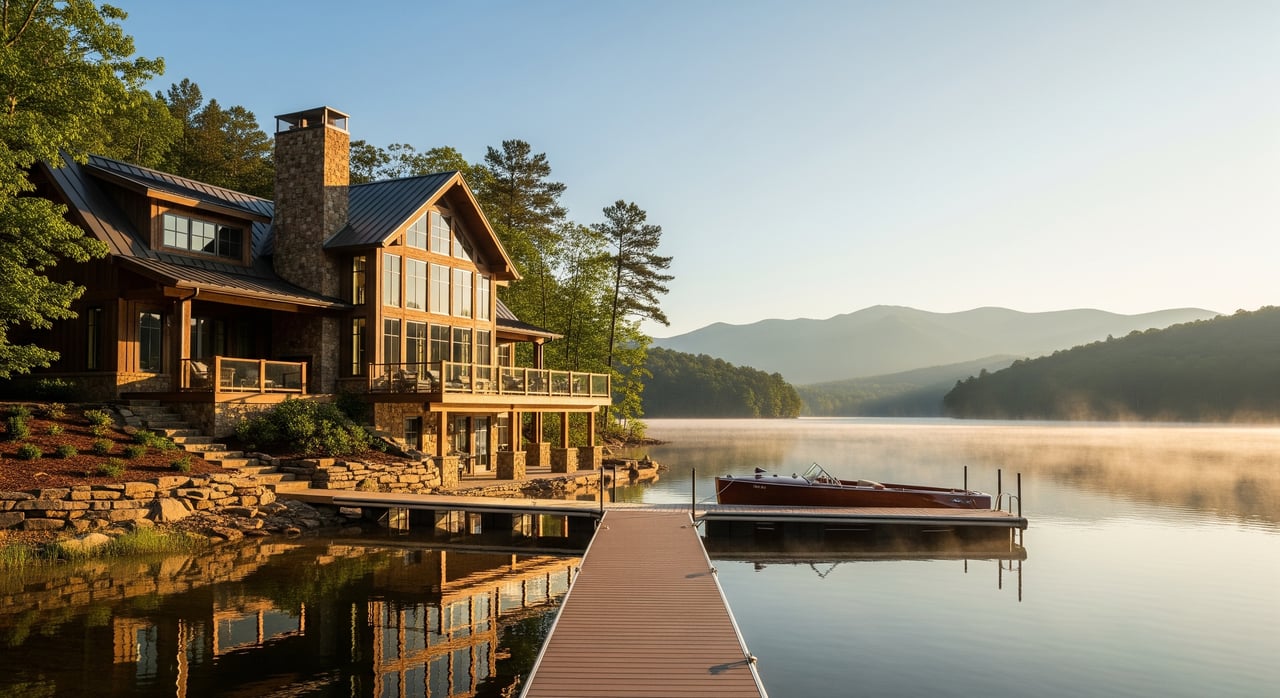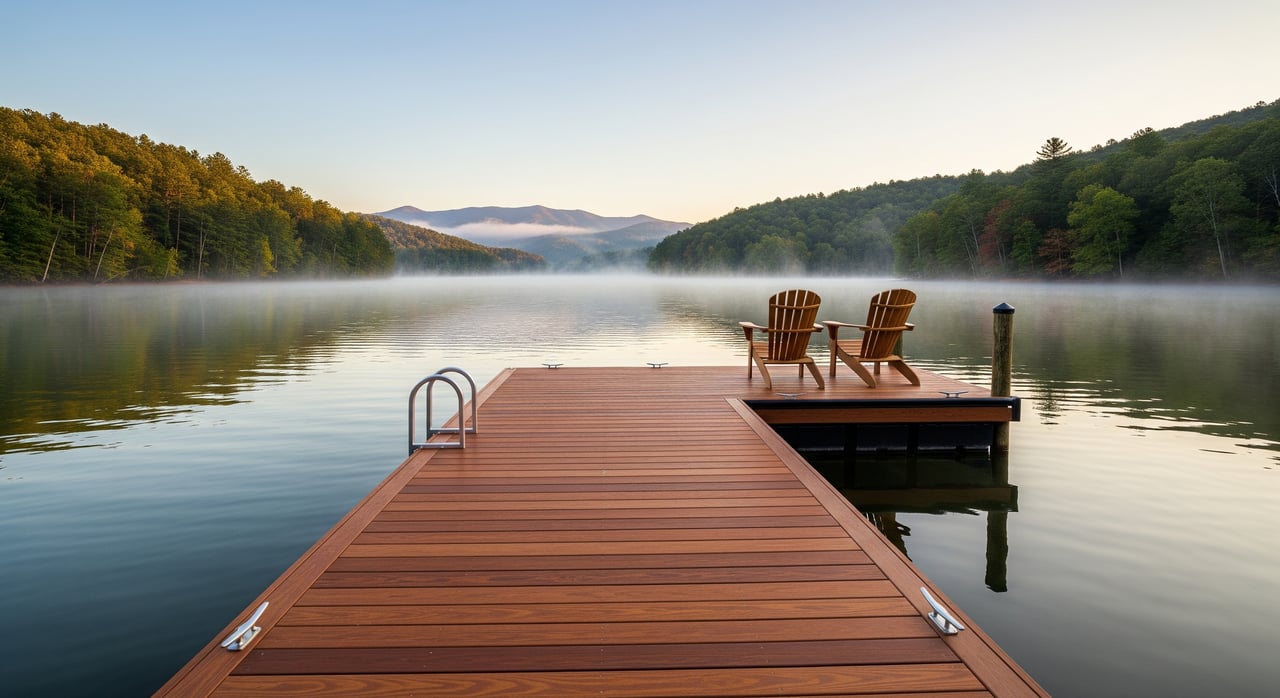
Thinking about buying a lake home on Lake Burton but unsure how dock permits work? You are not alone. Dock approvals on a managed reservoir involve more than a simple application, and the steps can affect your timeline and budget. In this guide, you will learn who regulates docks on Lake Burton, which approvals you may need, and a clear due diligence checklist to use before you write an offer. Let’s dive in.
Who regulates docks on Lake Burton
Lake Burton is a reservoir, and several layers of oversight can apply to private docks. Knowing who controls what helps you plan your purchase and project.
- Georgia Power. The utility operates Lake Burton and typically owns the lakebed to the ordinary pool elevation. Placing or modifying a dock usually requires Georgia Power permission or a license that sets design and use standards. Always verify whether approvals exist and if they transfer with the property.
- U.S. Army Corps of Engineers (USACE). The Savannah District regulates structures and work in navigable waters and waters of the U.S. Pilings, docks, and dredging may need federal authorization. Some small projects fit general permits, while larger ones can require individual permits.
- Georgia EPD/DNR. State reviews protect water quality and shoreline areas. If a federal permit is needed, state review or a 401 Water Quality Certification may also apply.
- Rabun County. Local permits may be required for upland elements like walkways, stairs, or land disturbance. County rules can also address setbacks, erosion control, stormwater, and floodplain compliance.
- Private restrictions. HOAs, covenants, or shared-dock agreements can limit dock size, location, lifts, and boathouses. Review all recorded documents.
Permits you may need
Every property is different, but these are the common approvals buyers encounter for Lake Burton docks.
Georgia Power dock permission or license
This is the typical authorization to place or modify a dock or associated structures over the lakebed. It often addresses footprint, pilings, materials, access, insurance, maintenance, and possible fees. Secure this early, even if other permits are not triggered.
USACE regulatory authorization
Federal review can apply to docks, pilings, or any dredging. Some projects qualify under nationwide or general permits. Larger or more impactful work can require an individual permit and more time for review.
State environmental review (Georgia EPD)
State protections cover work affecting state waters, wetlands, and buffer areas. If you need a federal permit, expect coordination with the state. Requirements vary with project scope and location.
Rabun County permits and inspections
Local permits may be required for anything on land, like access stairs, walkways, or grading. Plan for erosion and sedimentation controls, possible inspections, and verification of septic setbacks near the shoreline.
Dredging approvals
Dredging to deepen a slip or alter the lakebed faces the highest scrutiny. It nearly always triggers federal and state review and can be costly and time-consuming.
Buyer due diligence checklist
Use this checklist during your inspection period to avoid surprises and keep your purchase on track.
Confirm ownership and rights
- Request a title and deed review to confirm riparian rights language and any easements.
- Do not assume lakefront ownership includes the lakebed. On many reservoirs, the utility retains the bed and issues licenses.
Collect all existing approvals
- Ask the seller for copies of any Georgia Power dock license or approval.
- Request any USACE verifications, state permits, county permits, surveys, as-built drawings, and maintenance records.
- Confirm if approvals are transferable or tied to the prior owner.
Order current surveys
- Obtain a property survey that shows boundaries and the ordinary high-water line if applicable.
- Include the dock location, access path, and any encroachments or easements on the plat.
Inspect the dock and structures
- Hire a qualified dock or marine contractor to assess safety, structural condition, and compliance with current standards.
- Ask for repair estimates and guidance on feasibility for future upgrades or lifts.
Review covenants and HOA rules
- Check limits on footprint, height, lighting, lifts, boathouses, and number of watercraft.
- Verify any shared-dock agreements and responsibilities for upkeep.
Contact agencies early
- Reach out to Georgia Power’s lake management team to confirm current policies, required permissions, and transfer steps.
- Consult USACE (Savannah District) about permit applicability for your project.
- Ask Georgia EPD about any state reviews or 401 certification.
- Confirm Rabun County’s local permit needs and inspection process for upland work.
Verify insurance and liability
- Ask how the dock is insured today and whether coverage and liability will change at closing.
- Confirm any insurance requirements in licenses or permits.
Design, timeline, and costs
Planning your dock involves more than style. Consider these factors so you can budget and schedule appropriately.
Dock type matters
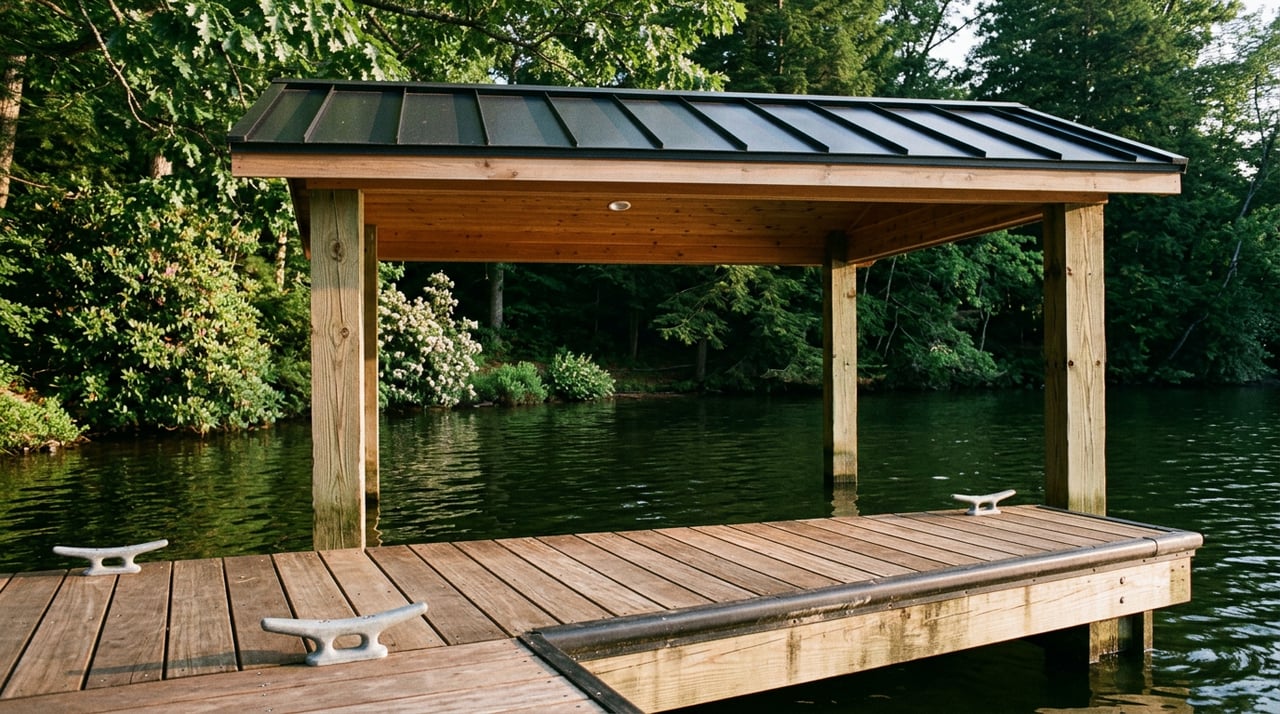
- Floating docks are generally less invasive to the lakebed but still need approvals for anchoring and access.
- Fixed piers with pilings can trigger more robust review and engineering.
- Boat lifts and boathouses often face added restrictions in approvals and covenants. Always verify before you design.
Environmental and navigation limits
- Wetlands, fish habitat, and submerged vegetation can limit where a dock can go and may require mitigation.
- Respect navigation channels and neighboring access. Layout should avoid encroachment and protect safe boating.
Lake operations and water levels
- As a hydroelectric reservoir, Lake Burton can experience seasonal or operational level changes. Design choices like adjustable ramps or lifts can improve year-round access.
Timelines and budgets
- Simple approvals can take weeks, while individual permits, dredging, or complex cases can take months.
- Budget for application fees, surveys, design or engineering, contractor costs, possible mitigation, and any license fees or bonds.
- Factor in long-term maintenance, materials, and insurance.
Smart next steps for buyers
- Start permit and license verification during your offer period, not after closing.
- Build time into your contract for surveys, agency responses, and a professional dock inspection.
- If you plan upgrades or dredging, consult a local marine contractor and, for complex plans, an engineer or environmental specialist familiar with Lake Burton.
Buying on Lake Burton should feel exciting and informed. If you want a seasoned advisor to coordinate due diligence, keep your timeline on track, and negotiate with confidence, connect with Jennifer Westmoreland for a personalized plan.
FAQs
Do Lake Burton buyers automatically have the right to build a dock?
- Not necessarily. Lake Burton is a managed reservoir, and dock rights often require written authorization from Georgia Power along with possible federal, state, and county approvals.
Are existing Lake Burton dock approvals transferable to a new owner?
- Sometimes. Some licenses or permits transfer, while others require re-approval. Always get copies of current approvals and confirm transfer steps with the issuing agencies.
Can I add a boat lift or boathouse to a Lake Burton property?
- Possibly, but lifts and enclosed boathouses often face additional restrictions through Georgia Power policies, covenants, and regulators. Verify before you design or buy.
Do I need permits for dredging a slip on Lake Burton?
- Almost always. Dredging typically requires federal and state review, can take longer, and may add significant cost and mitigation requirements.
Who should manage Lake Burton dock permits for my project?
- Hire a local dock or marine contractor experienced with Lake Burton. For complex projects, add an engineer or environmental consultant familiar with USACE and state processes.