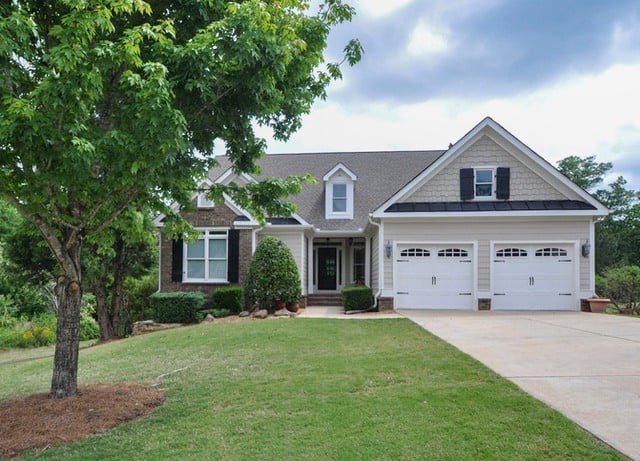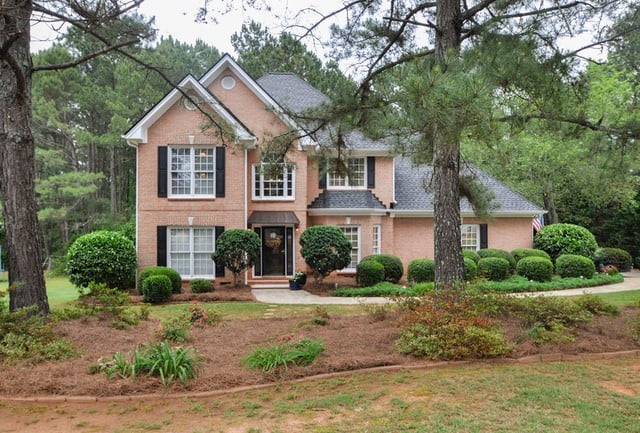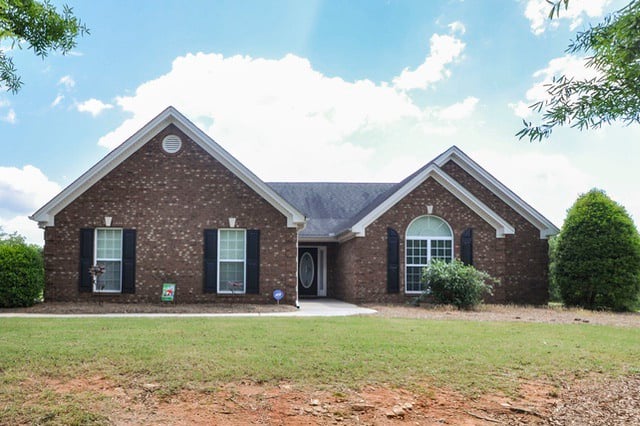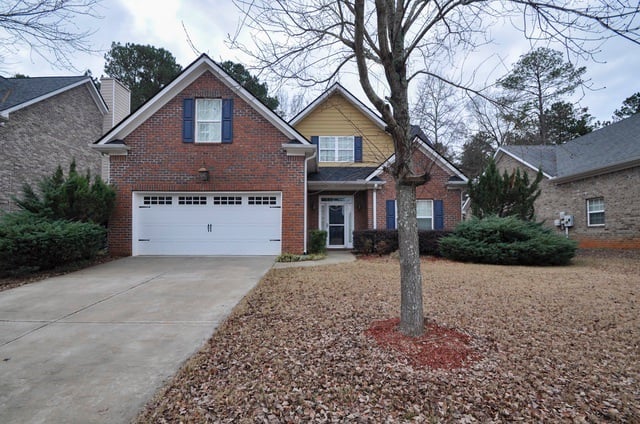
Wondering what your Winterville home is really worth today? Pricing is where your sale is won or lost, and it can feel tricky in a small, in-demand market next to Athens. With the right local data, a thoughtful strategy, and strong presentation, you can price with confidence and protect your bottom line. This guide walks you through how to set the right list price for Winterville, when to adjust, and what to do to support that price. Let’s dive in.
Know your local market
Winterville sits just east of Athens, and demand here is shaped by proximity to the University of Georgia, commuting patterns, and small-town appeal. That means state or national averages will not help you set price. You need hyperlocal facts.
Before you price, gather these metrics with a local Realtor through the MLS and public records:
- Recent closed sales, ideally from the last 3 months
- Pending sales and active listings that compete with you now
- Median days on market and list-to-sale price ratios
- Price per square foot ranges for homes like yours
- Inventory or months of supply for your segment
Avoid using the county assessed value as a price guide. It usually lags the market and does not reflect condition or recent upgrades.
Build a rock-solid CMA
A Comparative Market Analysis is the foundation for accurate pricing. You want comps that mirror your home as closely as possible.
Choose the right comps
- Geography: Start in the same subdivision or within about 0.5 to 2 miles.
- Timeframe: Use sales from the last 3 months when possible. Stretch to 6–12 months only if activity is low.
- Property type: Match single-family to single-family, not to attached or duplex properties.
- Size and layout: Stay within about 10–20 percent of your finished living area. Match bedroom and bath count when you can.
- Lot and exterior: Consider lot size and usability, parking or garage, and outbuildings.
- Condition: Note recent kitchen or bath updates, roof and HVAC age, and any structural issues.
Adjust for differences
Calculate price per square foot for each comp, then apply the realistic range to your home to create a price band. Make dollar adjustments for material differences like a new roof, an extra full bath, a finished basement, a fenced and level yard, or road noise. The direction matters. If a comp is superior, adjust your target down. If it is inferior, adjust up.
Factor in current competition
Buyers compare you to what is active and pending today. If similar active listings sit high and stale, that tells you where buyers will not bite. If pending listings were priced lower with quick activity, that is a signal to be competitive.
Time your price to the season
Seasonality matters in Winterville.
- Winter: Fewer listings and fewer casual shoppers, yet winter buyers are often more serious. A well-priced home can still sell quickly, but overpricing in winter risks long days on market.
- Spring and summer: More buyers and more competing homes. You might see a stronger price ceiling or multiple offers if your home shows well and is priced in the market.
If your timeline is flexible, early spring often produces strong traffic. If you need to sell sooner, a market-accurate price in winter can still achieve a great result.
Choose a pricing strategy
- Competitive at market: Price within the top of your realistic CMA band. This attracts showings without scaring off qualified buyers.
- Slightly aggressive: Price just under the middle of the band to spur showings and possible multiple offers in faster segments.
- Aspirational: List high if you have time and are ready to adjust. Expect longer market time and potential reductions.
- Price banding: Use search-friendly thresholds, for example $299,900 instead of $300,000, to capture more filters and attention.
Set an internal floor with your agent. That is the minimum net you are willing to accept after costs and concessions.
Presentation that supports your price
Buyers and appraisers reward homes that look move-in ready and well cared for. Small steps can protect your price.
- Cosmetic refresh: Neutral paint, deep cleaning, decluttering, and updated light fixtures.
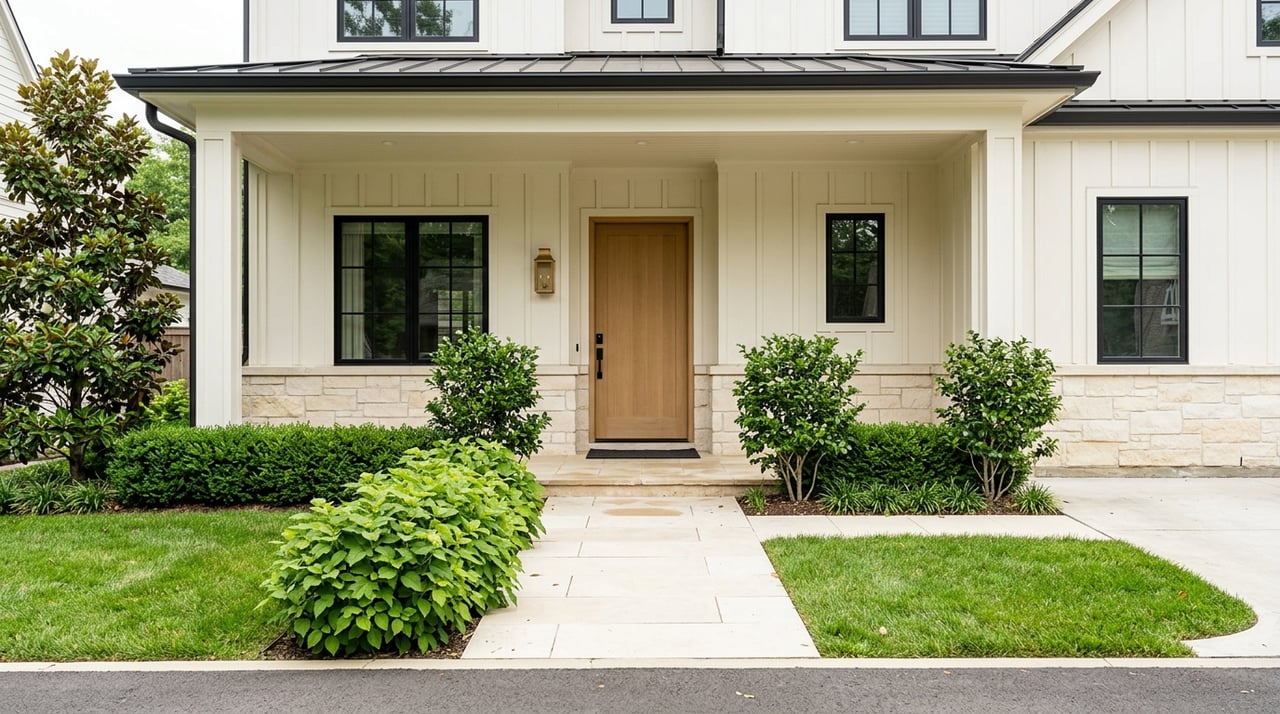
- Curb appeal: Fresh mulch, trimmed landscaping, pressure washing, and a tidy driveway or mailbox.
- Critical repairs: Fix safety issues and obvious defects before listing.
- Optional pre-listing inspection: Identify and address items early to build buyer confidence.
- Staging and media: Staged spaces, professional photos, and floor plans help you sell faster and closer to list price.
Plan for appraisal and negotiation
Most financed buyers need an appraisal. If your contract price is above what local comps support, the appraised value might come in low. That can force price changes or require extra cash from the buyer.
Discuss appraisal dynamics with your agent early. In multiple-offer situations, you can consider appraisal gap terms, yet use them carefully and with professional guidance.
When reviewing offers, compare your net, not just the top-line price. Subtract your estimated commission, closing costs, and likely concessions or repairs. Also look at timing, contingencies, and the buyer’s financing strength.
Legal and disclosure essentials in Georgia
- Seller disclosures: Georgia commonly uses a Seller Property Disclosure Statement provided by brokers and the MLS. Complete it fully and honestly. Ask your agent or an attorney about what is required for your sale.
- Lead-based paint: For homes built before 1978, federal rules require a lead disclosure and pamphlet.
- HOAs and local rules: Confirm if your home has HOA transfer fees, required disclosure packages, or restrictions.
- Material facts: Do not misrepresent or conceal known issues. Disclose structural, drainage, or environmental problems as required.
- Fair housing: Keep marketing language neutral and inclusive.
Avoid these common pricing mistakes
- Pricing from emotion instead of comps
- Relying only on online estimates
- Ignoring active competition and recent price reductions nearby
- Waiting months to adjust when showings and feedback are weak after 10–14 days
- Skimping on photos, staging, and maintenance
- Overlooking appraisal risk in a contract price
A simple Winterville pricing checklist
Two to six weeks before listing
- Request a full CMA and review 3–6 closed comps plus active and pending competition.
- Consider a pre-listing inspection and fix safety or high-impact items.
- Complete disclosures, confirm HOA details if any, and gather utilities and tax info.
- Stage rooms and schedule professional photography and a floor plan.
- Choose your pricing strategy and set an internal net “floor.”
Listing week, days 0–7
- Launch on the MLS with polished media and an accurate description.
- Track showings, online views, and feedback. The first two weeks matter most.
Review period, days 7–21
- Compare your activity to local days-on-market trends.
- If interest is light by day 10–14, consider a small price reduction or expanded marketing like virtual tours or open houses.
When offers arrive
- Compare net proceeds, timing, contingencies, and appraisal risk.
- In multiple offers, consider escalation clauses and appraisal-gap terms carefully.
If no contract by day 30–45
- Recheck the price band using the latest comps.
- Adjust price or incentives, such as a home warranty or a temporary rate buydown, if appropriate.
Why partner with a local expert
Your price should reflect Winterville’s micro-market, the UGA calendar, and the exact condition of your home. That is where a seasoned local team makes a difference. With more than 30 years of market leadership in the Athens area, premium marketing that includes professional photography, video, drone and Matterport, and senior-level negotiation, you get the strategy and exposure that support your price and your net.
When you are ready to talk timing, pricing, and presentation, connect with Jennifer Westmoreland for a personalized market consultation.
FAQs
How should a Winterville seller choose comps?
- Use 3–6 recent closed sales from the same subdivision or within 0.5–2 miles, plus current active and pending listings. Match size, layout, condition, and lot as closely as possible.
Can I price higher if I have major upgrades?
- Yes, if you can show local support through comps or receipts that indicate real value. Pricing too far above neighborhood sales increases appraisal and buyer risk.
Is winter a bad time to list in Winterville?
- Not necessarily. There are usually fewer buyers and fewer competing listings, so a well-priced home can still sell quickly. Overpricing in winter can lead to longer days on market.
How much room should I leave for negotiation?
- It depends on market conditions. In a balanced market, you might expect 2–5 percent negotiation room. In faster segments, price tighter to your target.
Do county tax assessments reflect market value?
- Rarely. Assessments often lag and do not capture condition or upgrades. Base your price on a current CMA and local market activity.
What happens if the appraisal comes in low?
- You can renegotiate price, the buyer can bring extra cash, or both parties can explore appraisal gap options if agreed in the contract. Talk through these choices with your agent early.