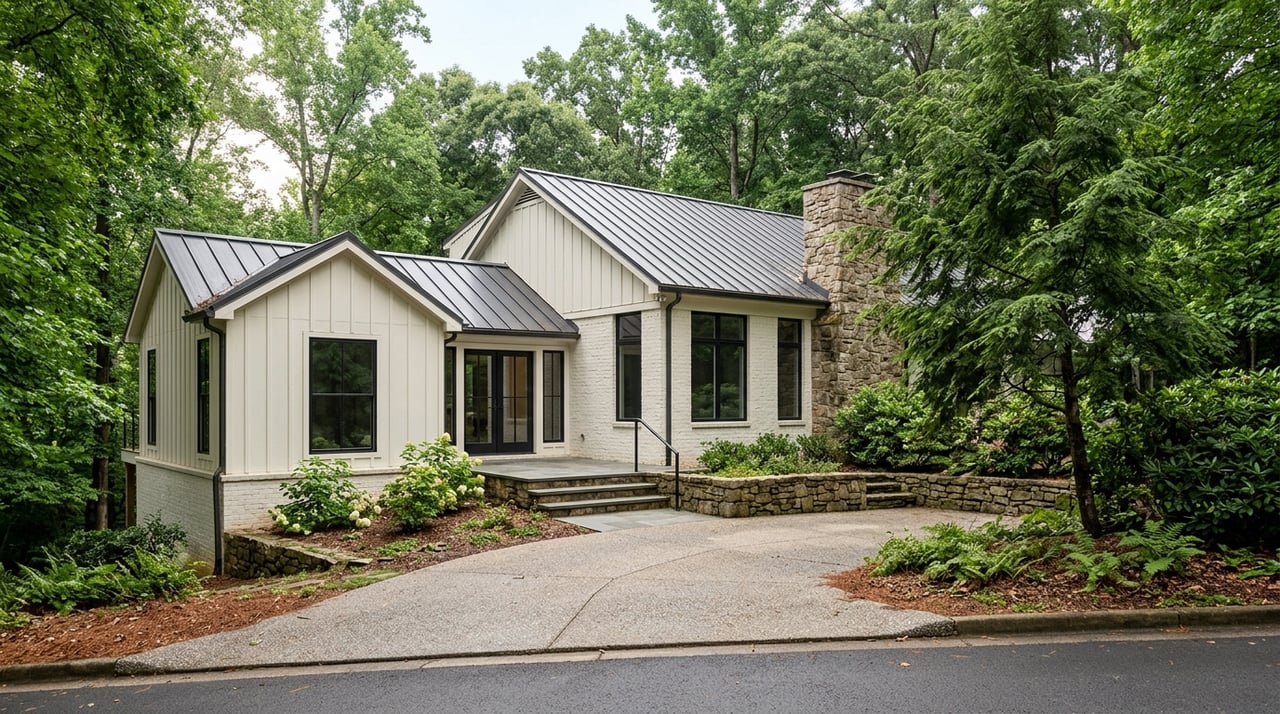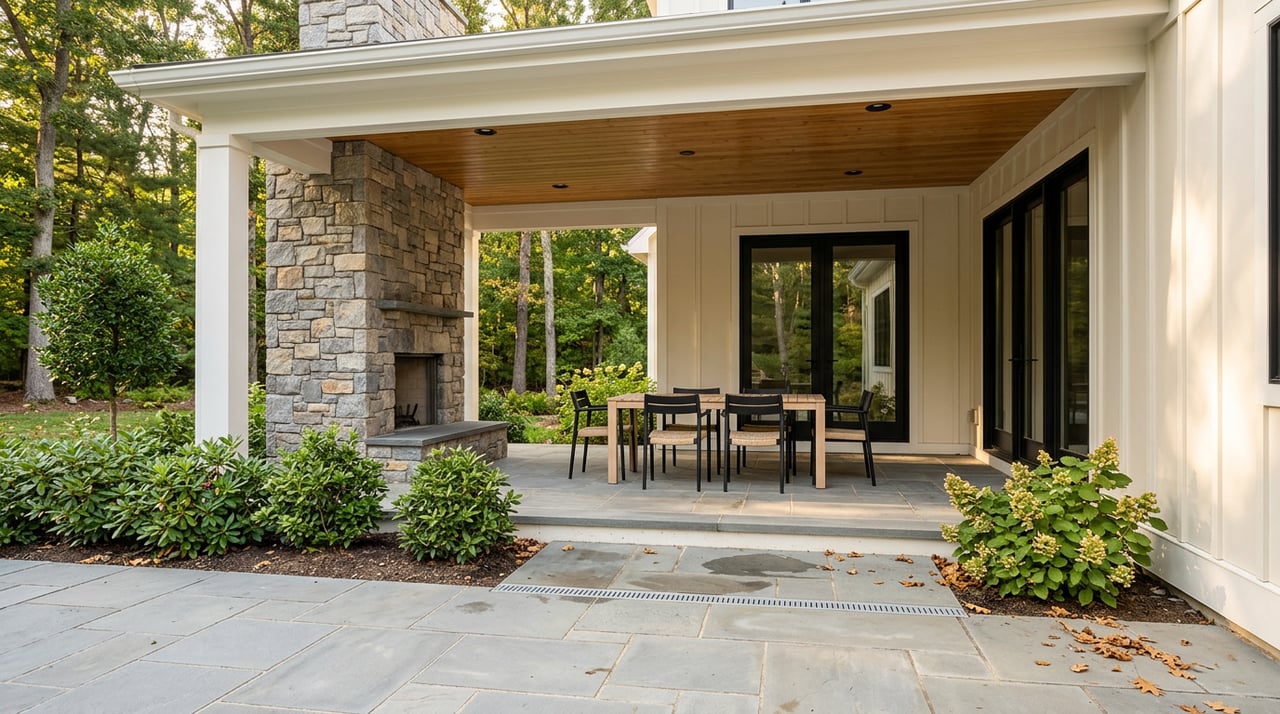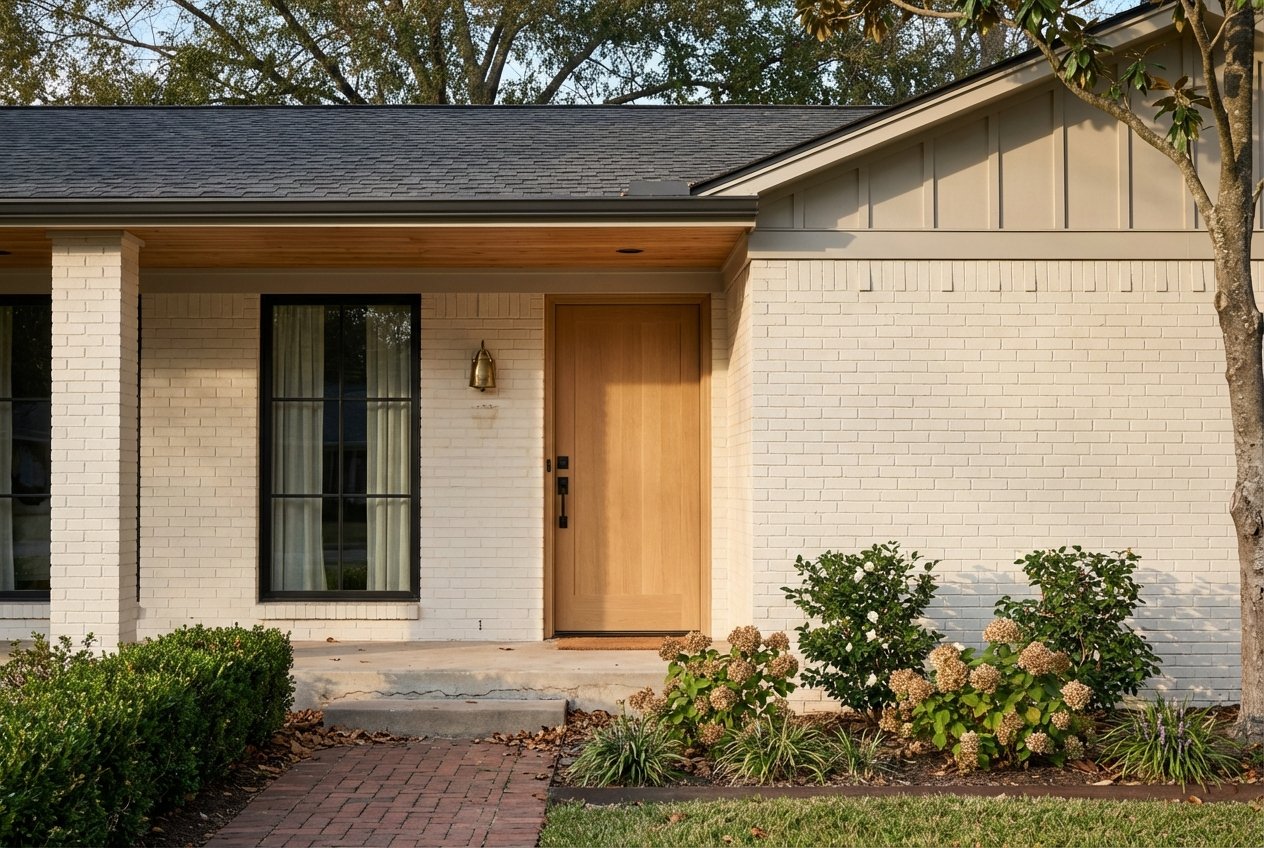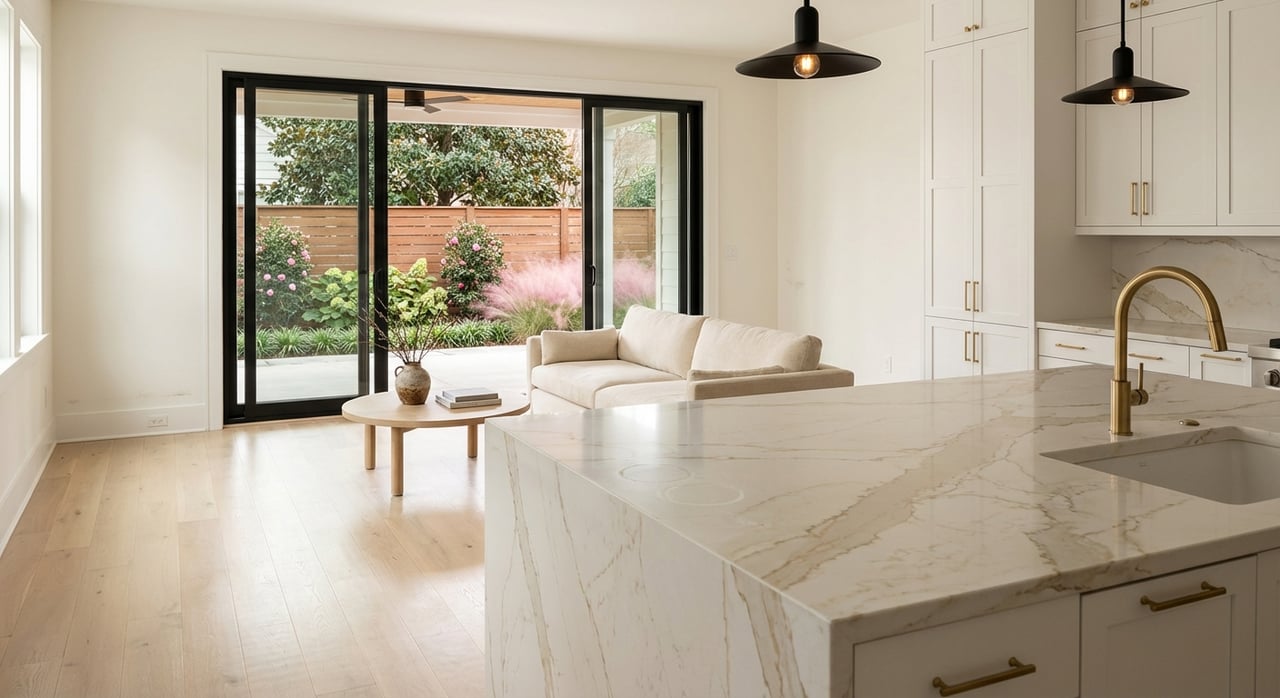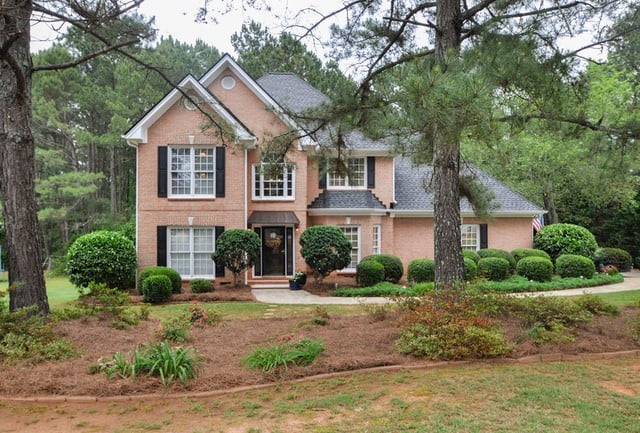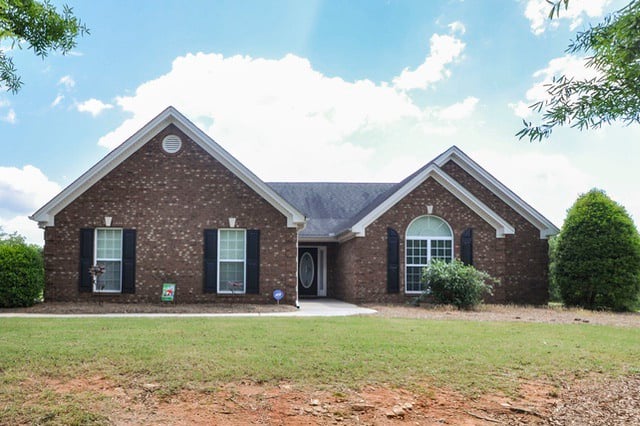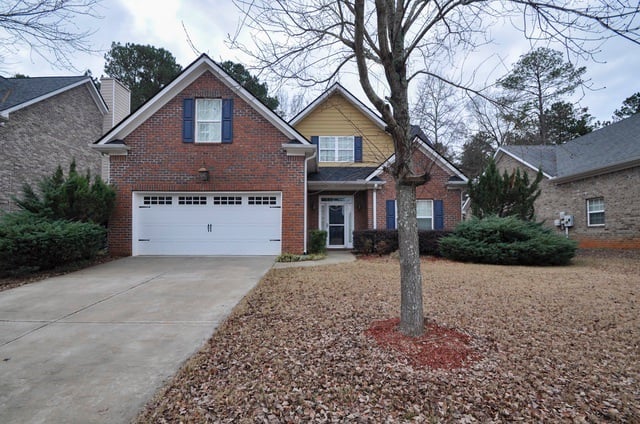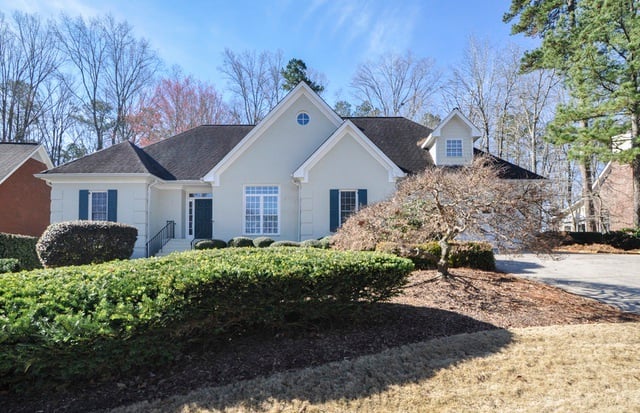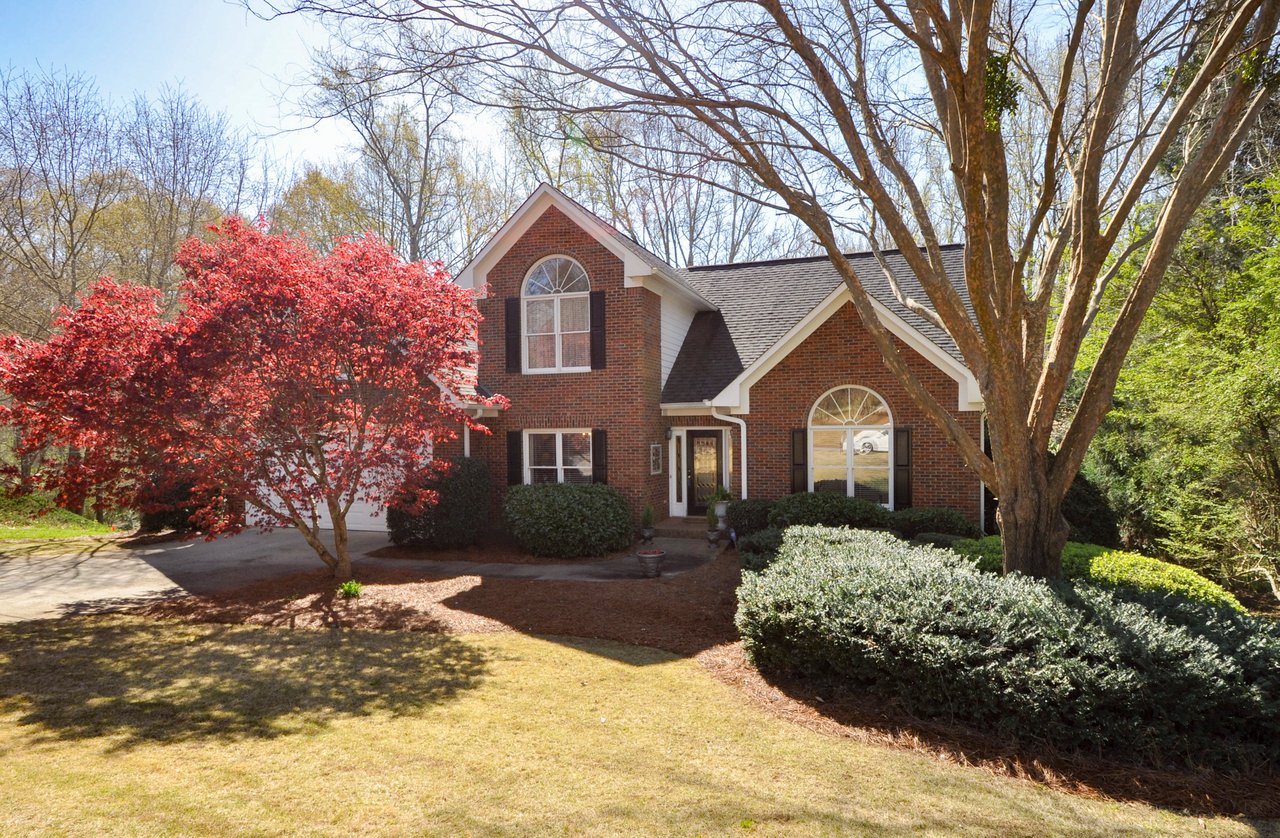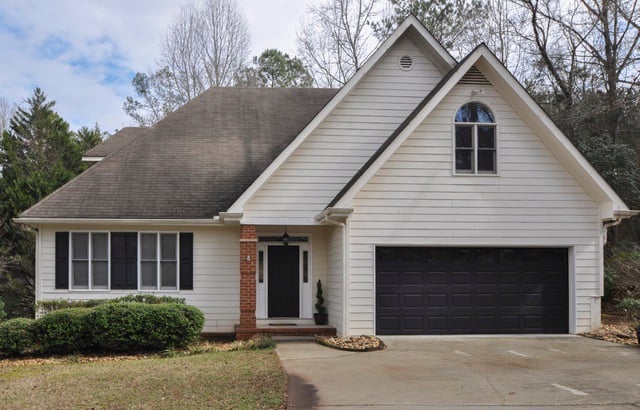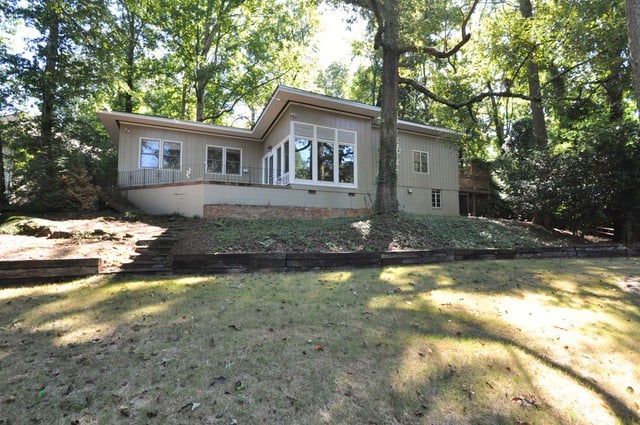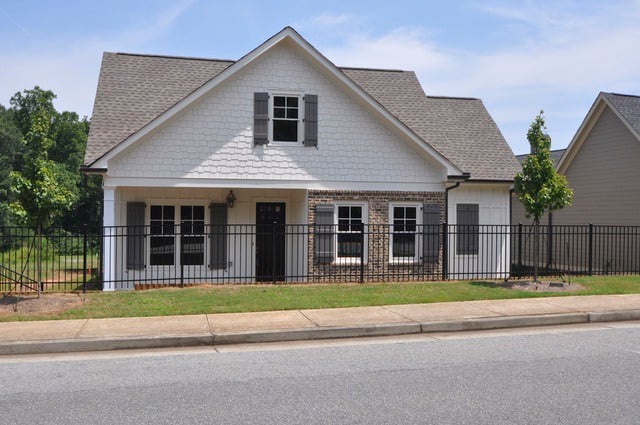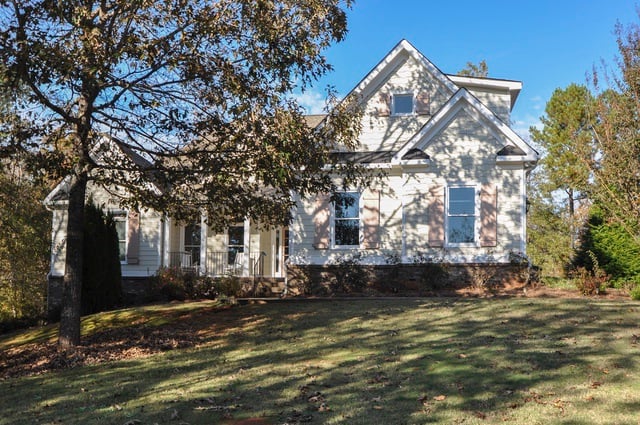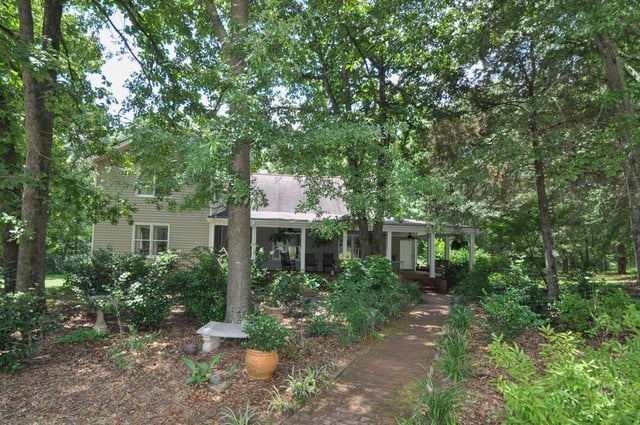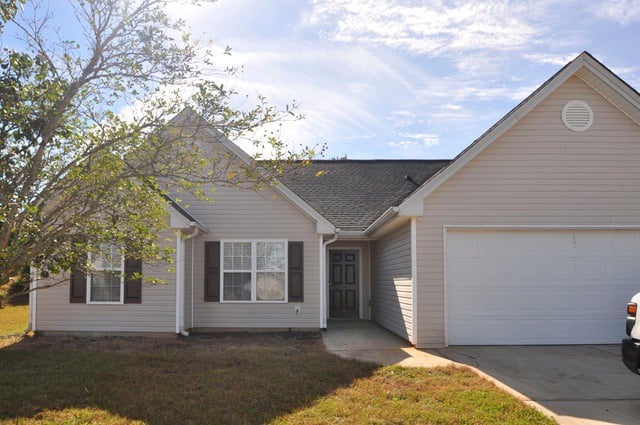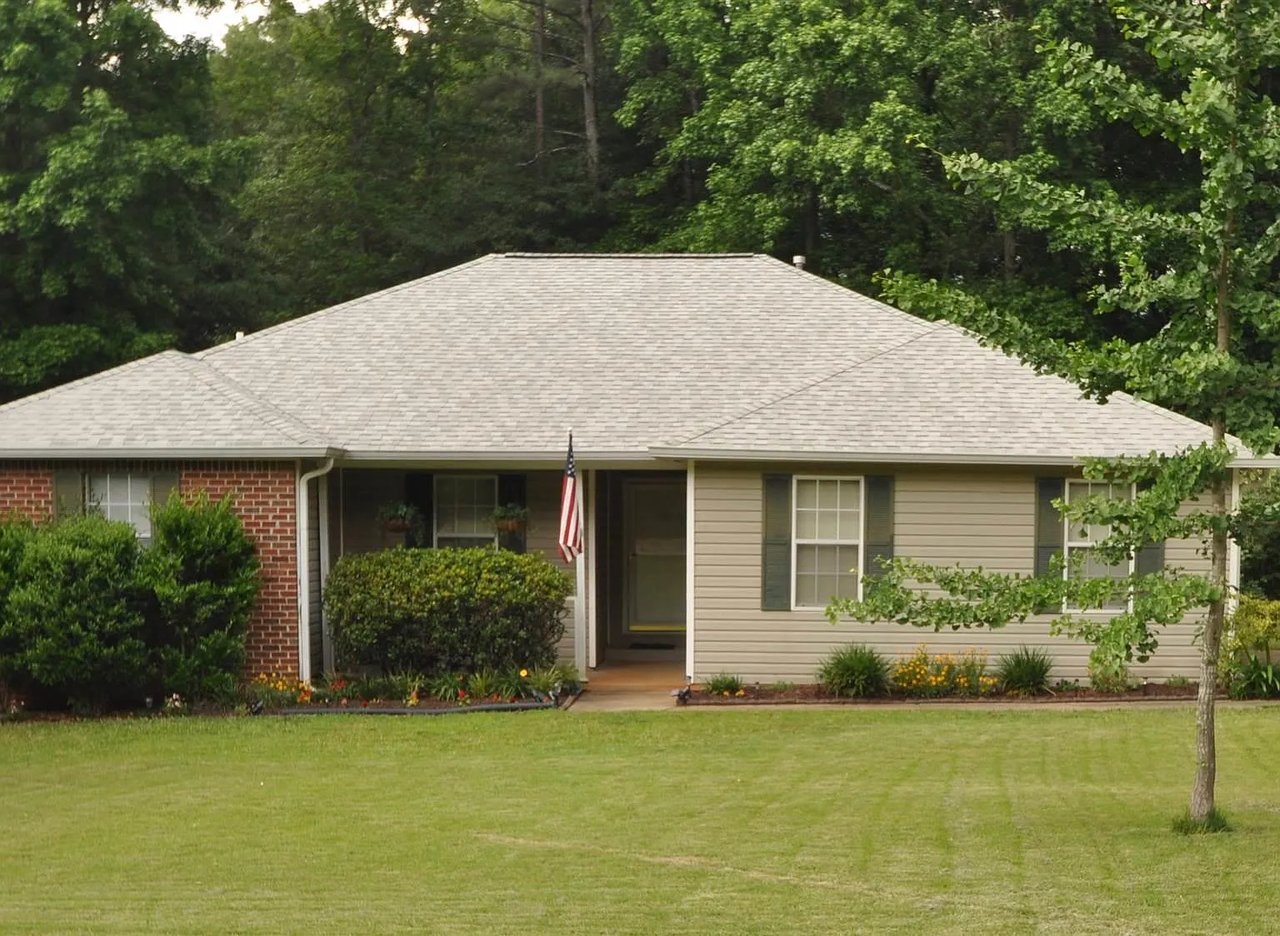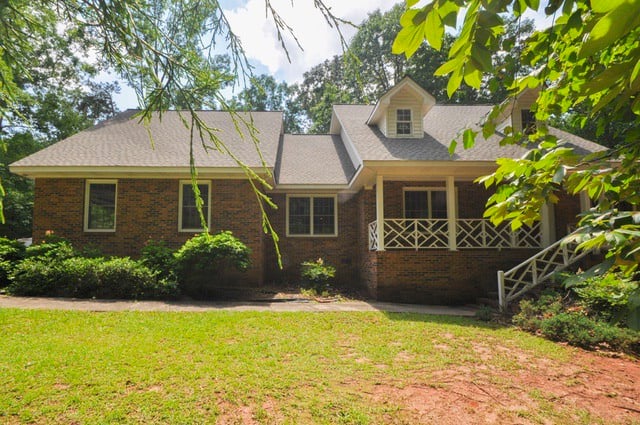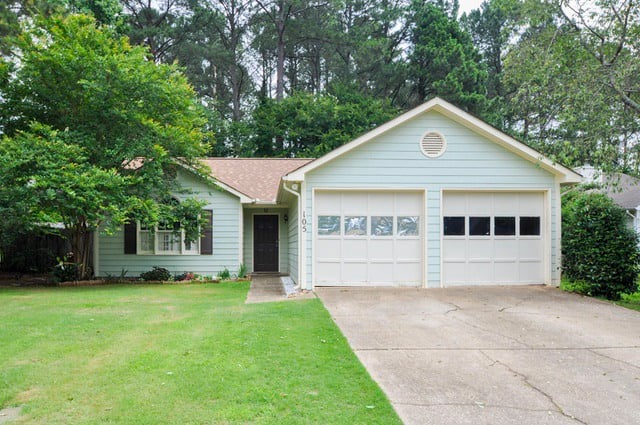
Thinking about a high-end home near the University of Georgia? You’re not alone. UGA’s energy, culture, and steady demand make Athens a smart place to plant roots or purchase a second home. In this guide, you’ll learn how luxury works in a smaller market, which areas fit different lifestyles, and what to verify before you buy. Let’s dive in.
What luxury means in Athens
Luxury in Athens is relative to local medians, not big-city price tags. You’ll see top homes defined by location, lot size, architectural character, and level of finish. Inventory at the upper end is thinner than in major metros, so timing, preparation, and local expertise matter.
Entry-level luxury
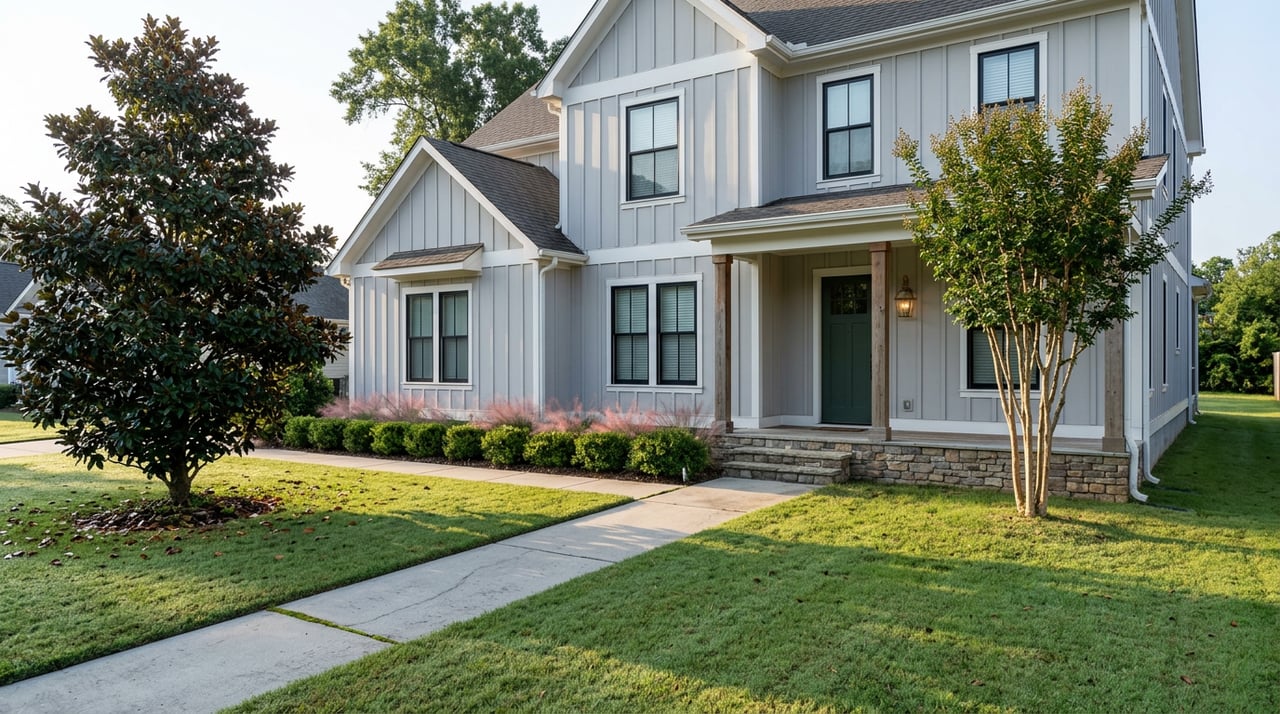
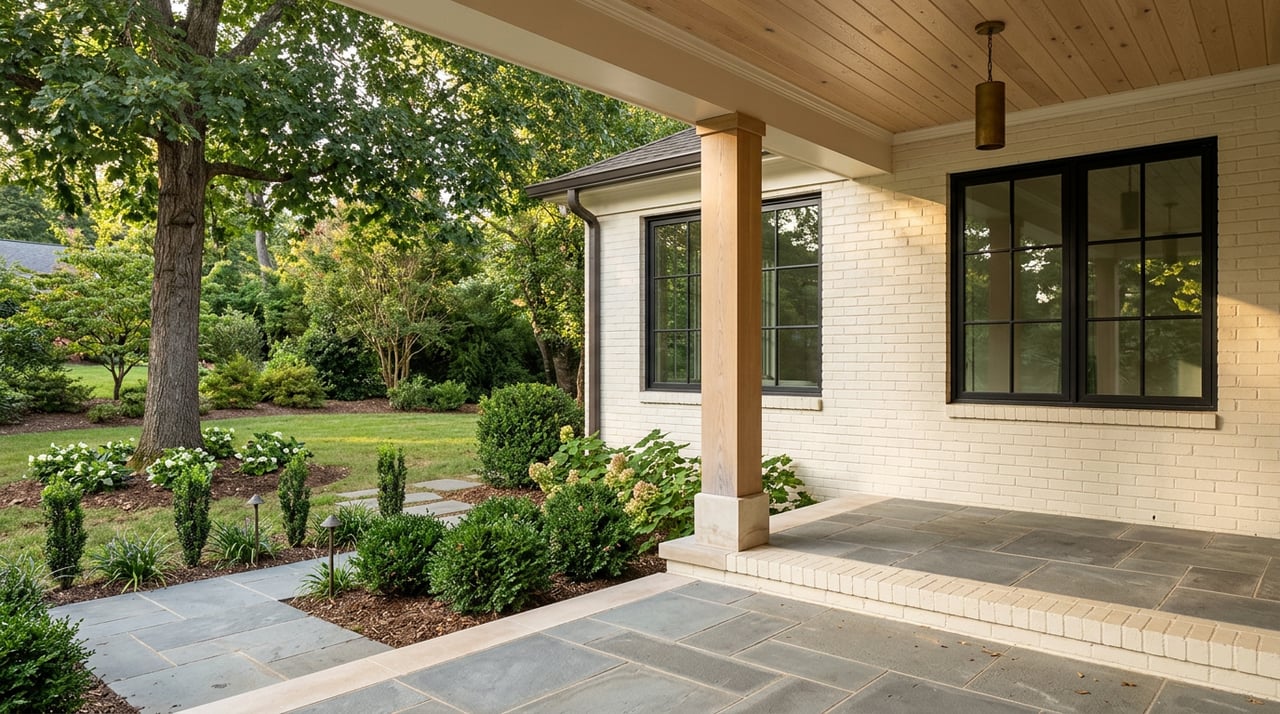
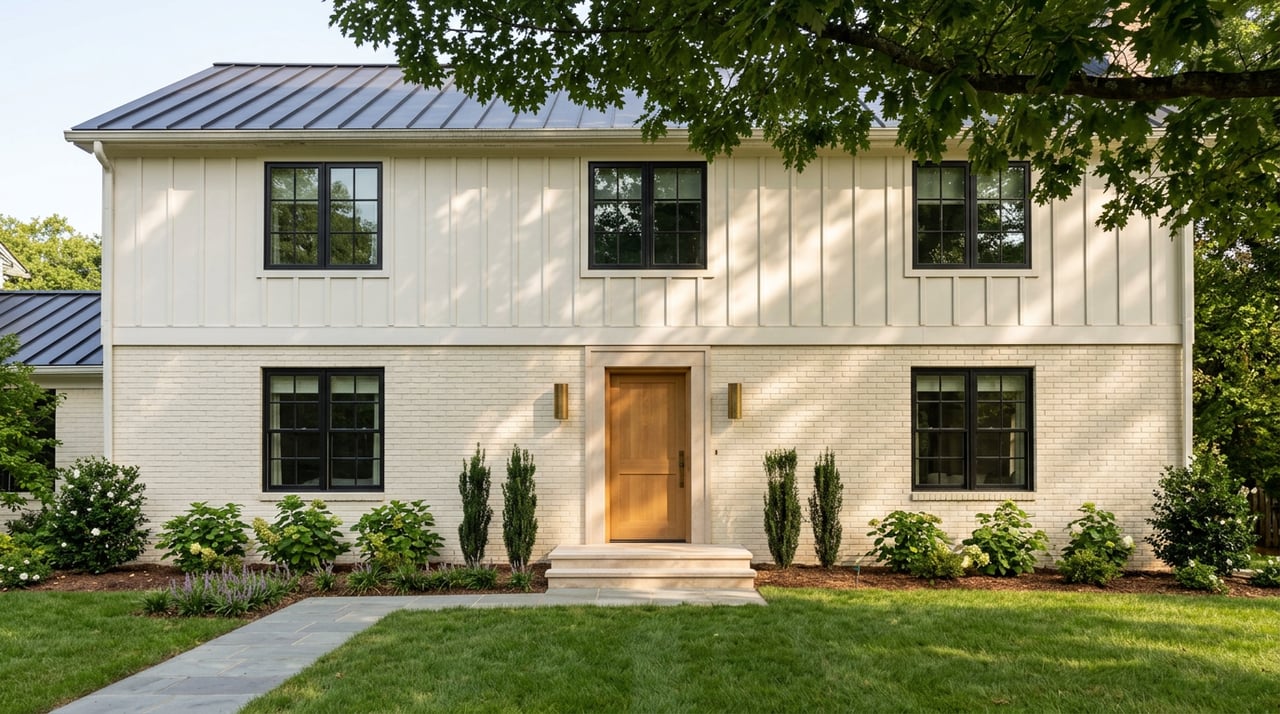
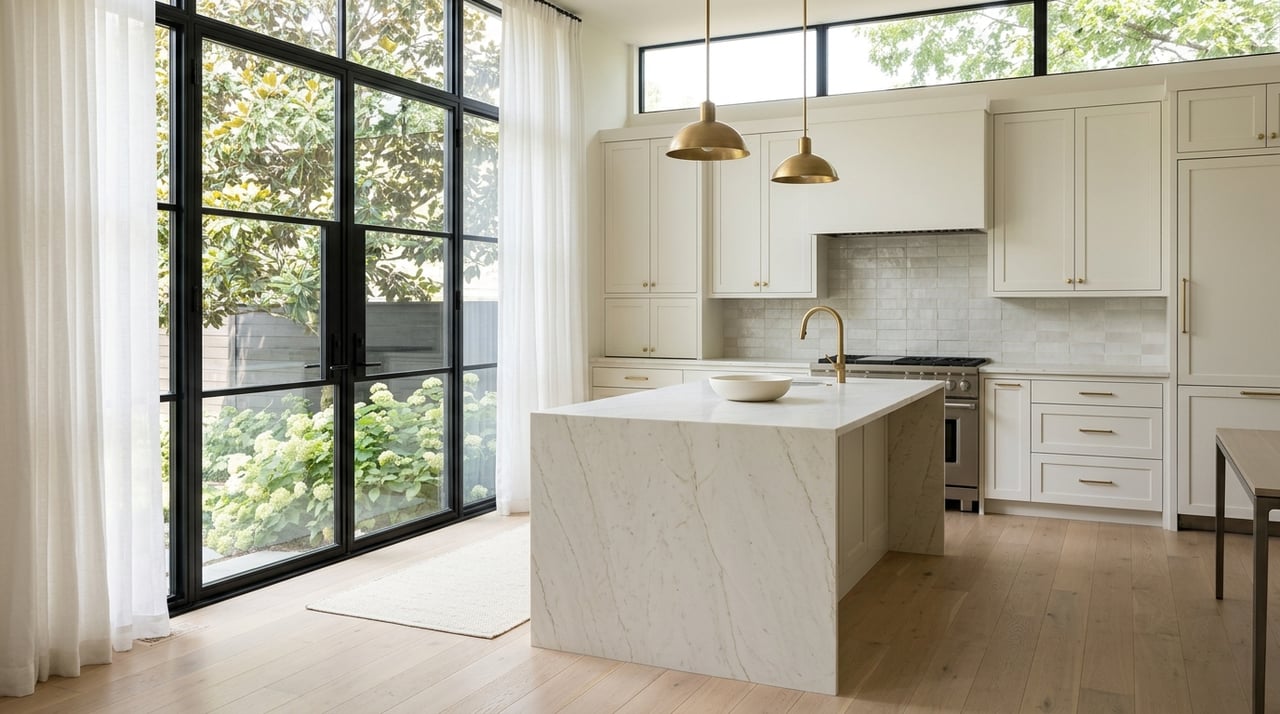
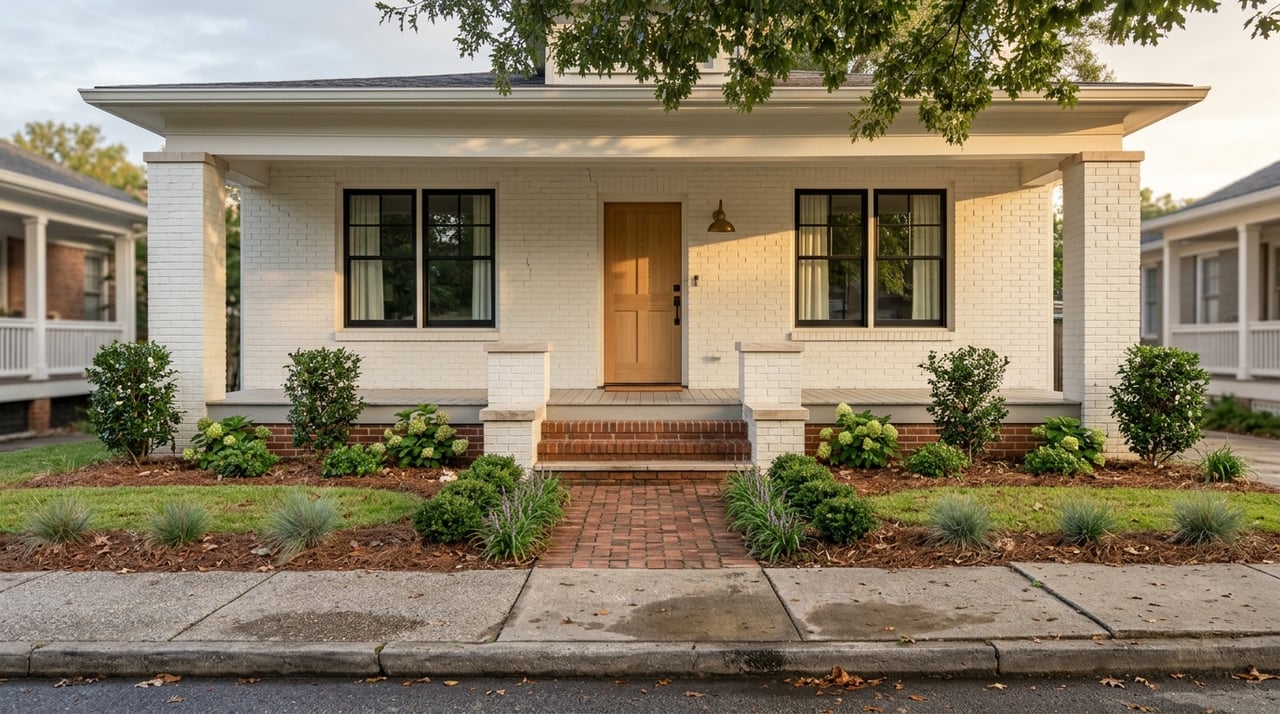
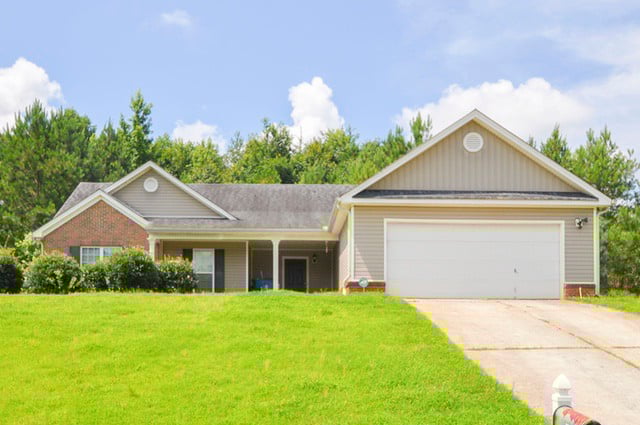
These homes sit above the local median and deliver premium finishes or a prime location. You might find renovated bungalows in walkable areas or newer homes with upgraded kitchens and baths. Expect quicker competition in desirable in-town streets and well-kept suburban pockets.
Mid-tier luxury
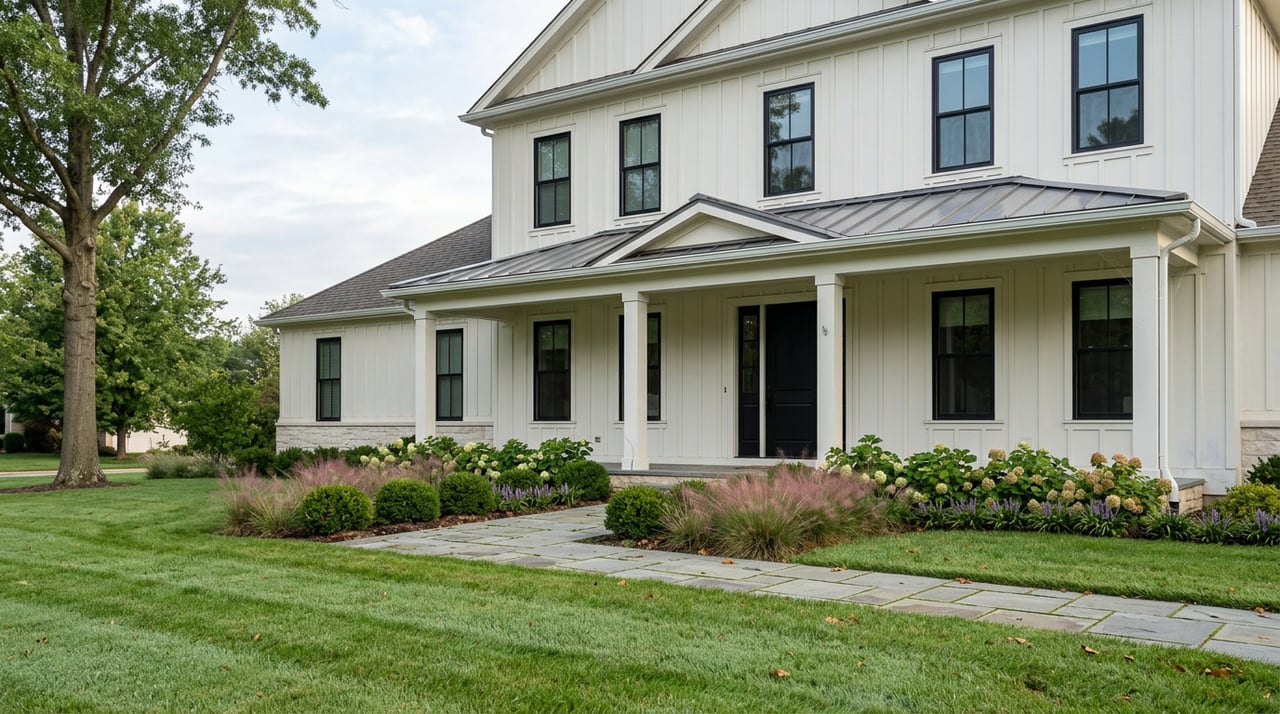
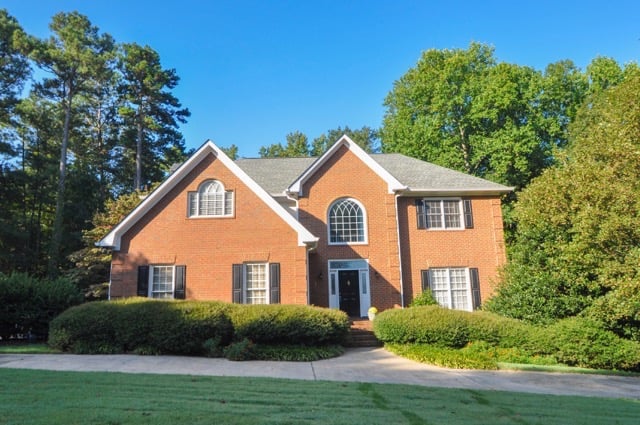
Mid-tier offerings include larger floorplans, premium lots, or standout in-town addresses. These homes often balance lifestyle access with more space, modern systems, and outdoor living. Inventory can be limited, so watch days on market and recent comparables closely.
Estate and acreage
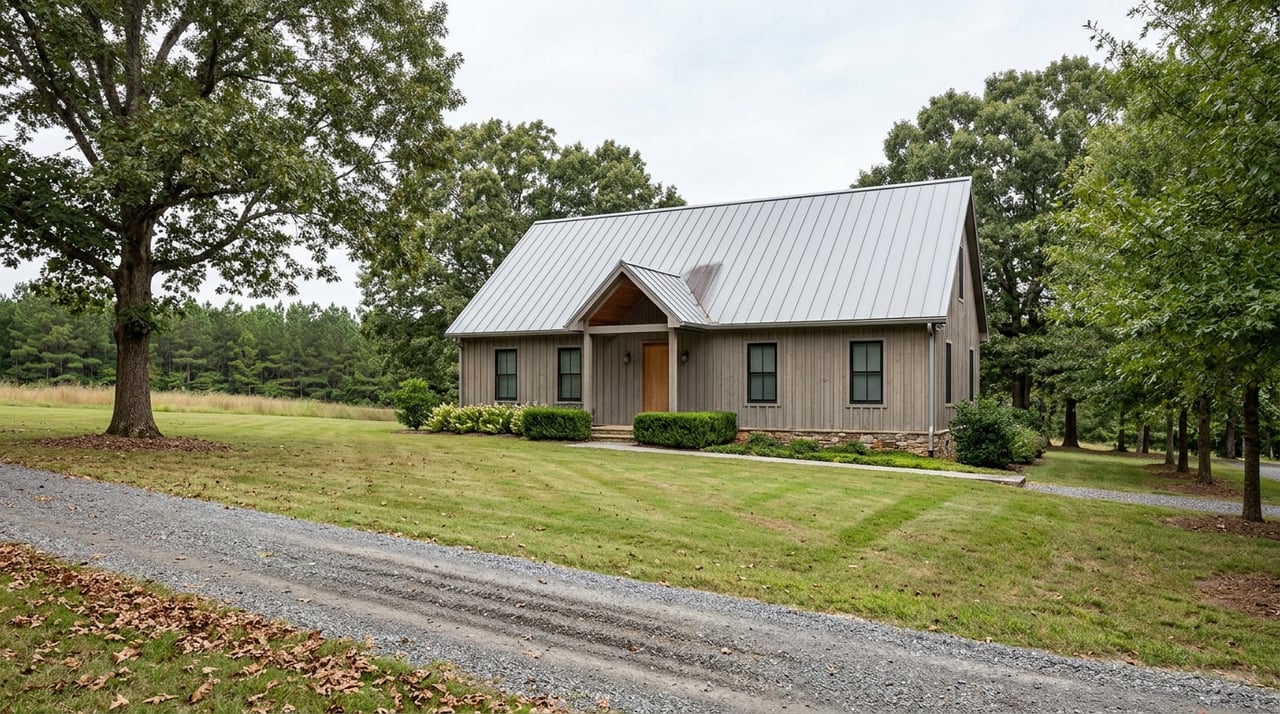
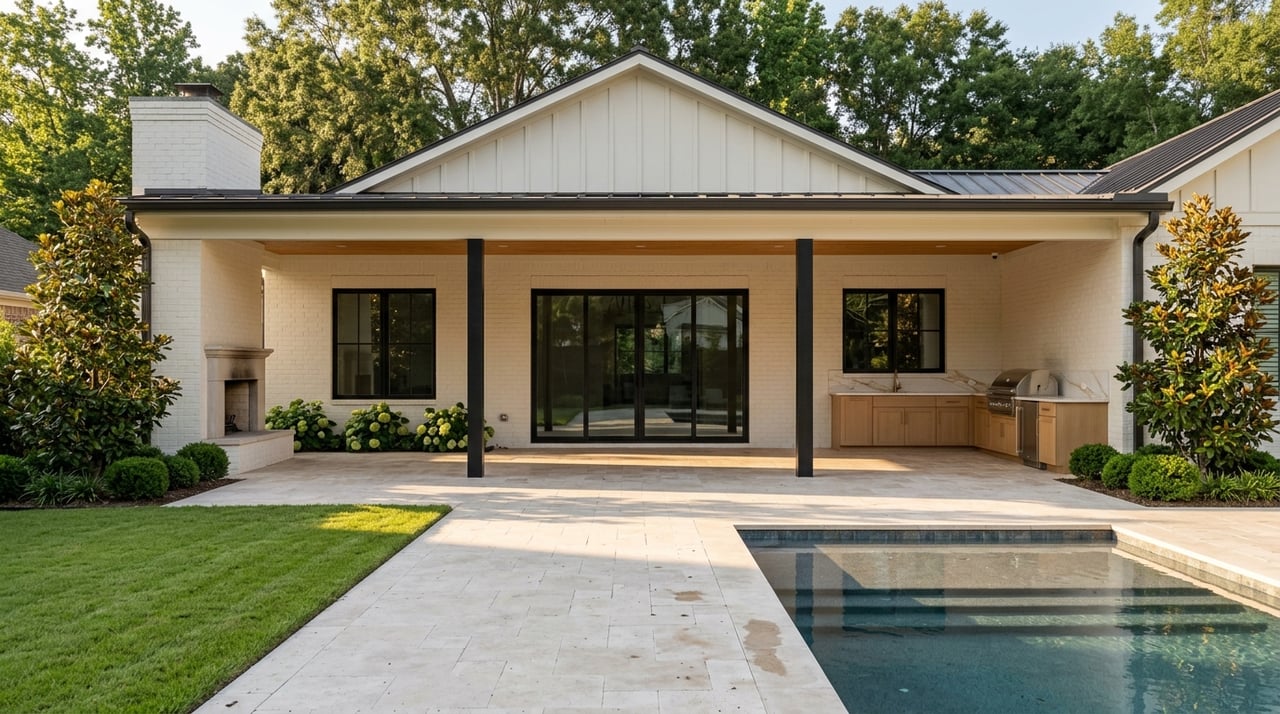
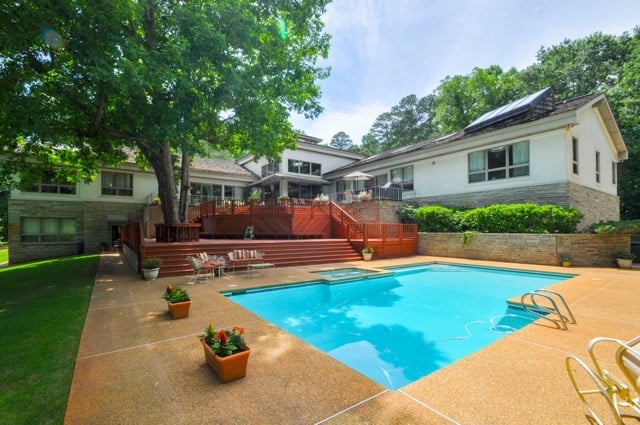
At the top tier, you’ll see custom builds, significant acreage, architecturally notable homes, or extensively renovated historic properties. Liquidity can be thinner, so pricing strategy and due diligence are critical. If privacy and land are priorities, broaden your search to the edges of Clarke County or nearby areas.
Where to live near UGA
Location choice comes down to lifestyle. Do you want to walk to concerts and restaurants, or do you prefer space and privacy with a short drive to campus? Start with how you spend your week, then map that to neighborhoods.
In-town walkable
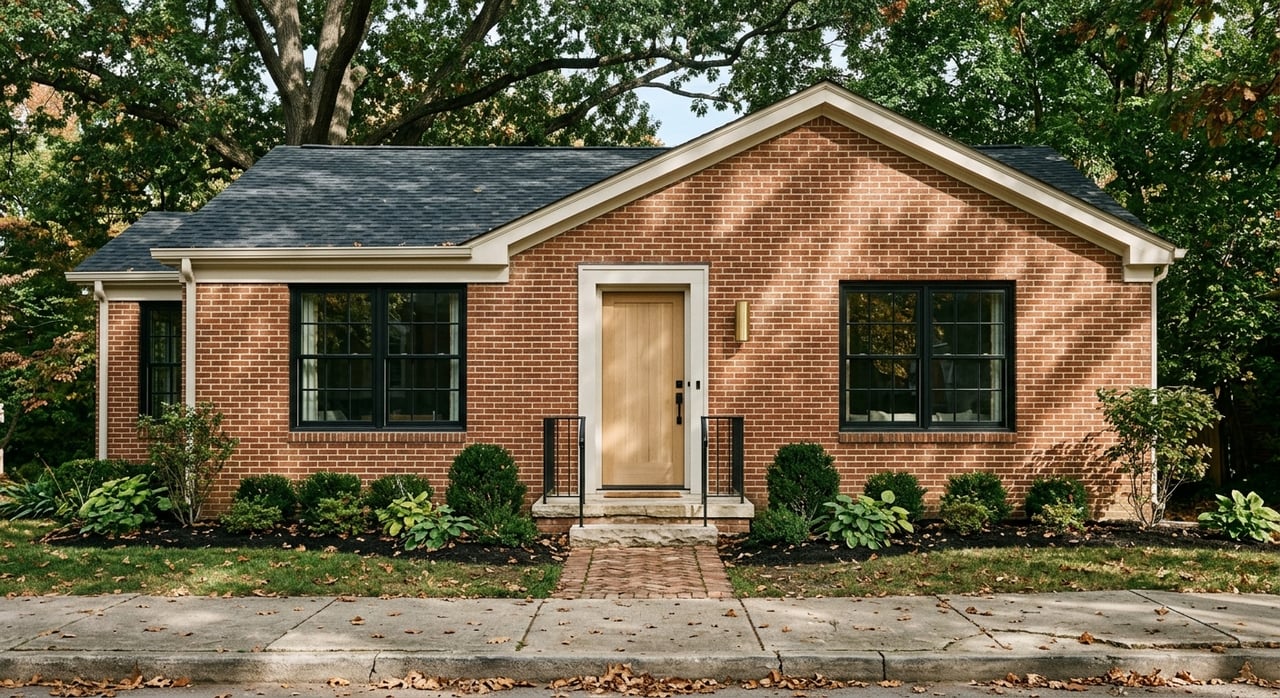
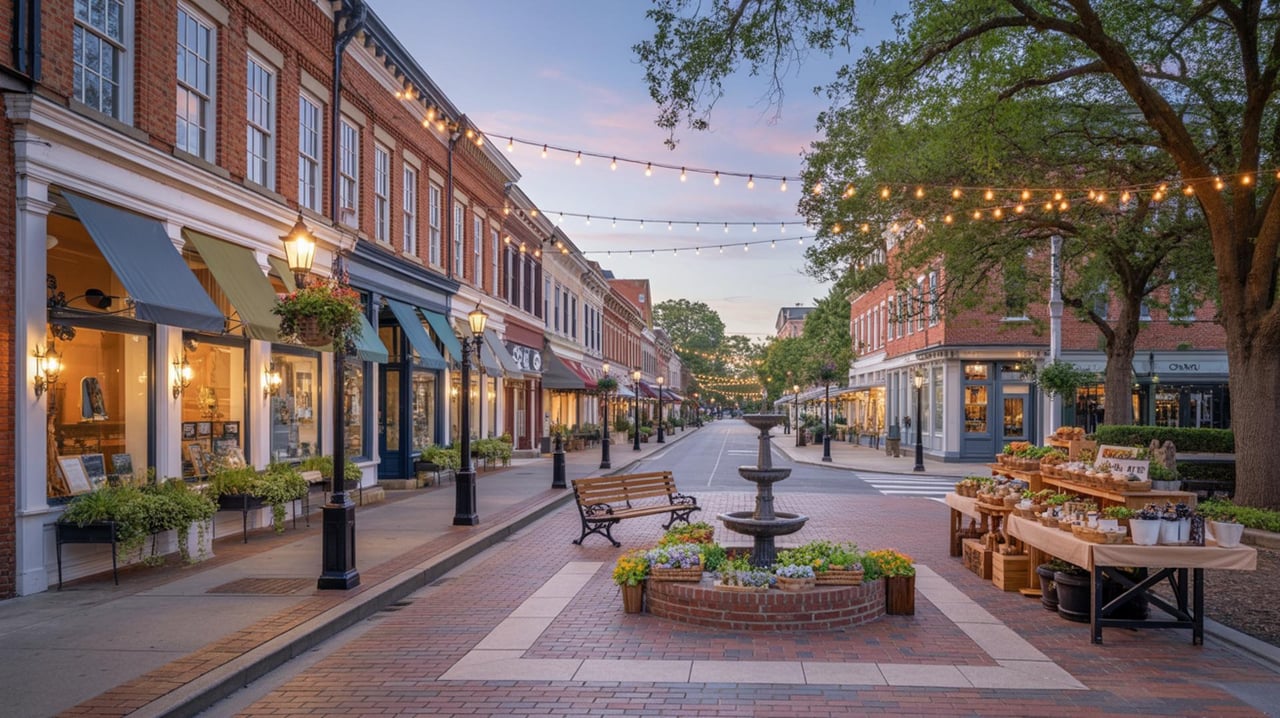
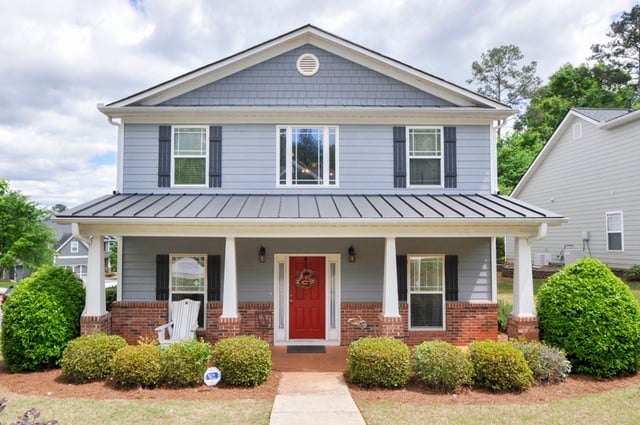
You’ll find historic homes, renovated cottages, and boutique infill close to downtown and campus. Walkability to music venues, galleries, and restaurants is the draw. Tradeoffs include smaller yards, on-street parking, and event noise during busy weekends.
Suburban and exurban privacy
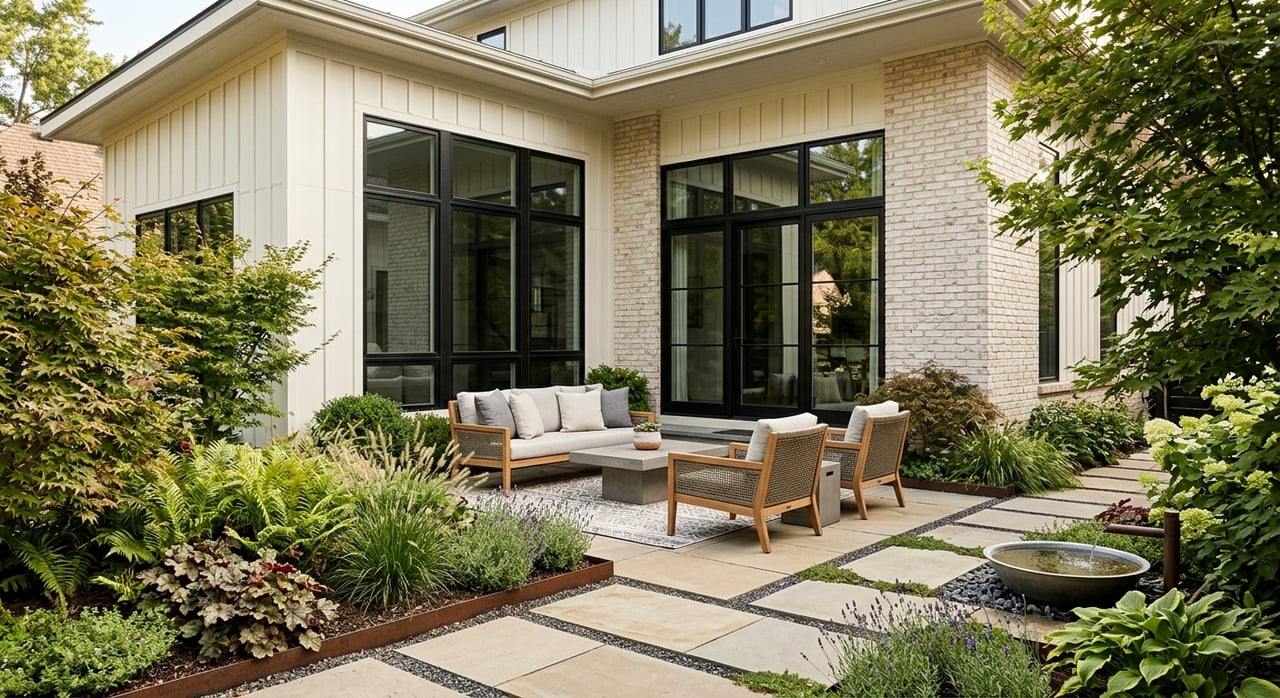
On the outskirts of Clarke County and in nearby areas, you’ll see newer construction, larger lots, and modern amenities. Drive times to campus are often manageable under normal conditions. These areas appeal if you value space, garages, and quieter streets.
Townhomes and condos
The luxury condo and townhome supply is more limited than in larger cities. Boutique options exist for low-maintenance living near downtown. If you want elevator access or lock-and-leave convenience, start the search early and act quickly when the right place appears.
Commute and game-day realities
Athens commutes are generally shorter than in big metros. That said, UGA events can change the daily rhythm, especially in core areas.
Everyday drives
Most weekday drives around Athens are straightforward. Still, check your typical routes during school-year rush times. If you plan to be near campus, test parking and street access in the late afternoon.
Game-day spikes
Home football weekends and major events bring localized congestion around Sanford Stadium and downtown. If you host guests, plan for parking and schedule errands around peak times. Evaluate whether you want to be in the center of the action or just outside it.
Atlanta trips
If you travel to Atlanta, pay attention to your access to major connectors to I‑85 and I‑20. Drive times vary with traffic and event schedules. Try the route at the times you would actually go.
Schools and services to verify
Public school assignments can influence your search if you have school-age children. Private school and childcare options are part of the decision set for many luxury buyers.
Public schools
Confirm school assignments for any property you consider and review current performance data directly with the district. Boundaries and ratings can change. Always verify before you write an offer.
Private and childcare
If you prefer private education or need childcare, map commute times from candidate homes. Ask about enrollment timelines and transportation options. Proximity can simplify daily routines.
Renovation, zoning, and historic districts
Regulations shape what you can change or build. Understanding them upfront protects your plan and budget.
Historic districts
Many in-town areas fall within local historic districts. Exterior changes, additions, or demolitions may require review and approval. Before you buy, confirm whether a home is in a district and what standards apply.
Zoning and future use
Zoning determines allowable uses, including single-family occupancy, accessory dwellings, and expansions. If you plan a studio, guest suite, or significant addition, check the code and any neighborhood covenants. Clear answers early will prevent costly surprises.
Inspections and insurance
Older and historic homes can carry higher maintenance and insurance costs. Order a thorough inspection and budget for systems, roof, HVAC, and potential foundation or moisture work. If the property sits near a creek or low area, review flood maps and insurance needs.
Short-term rentals and investment
UGA’s event calendar drives steady visitor demand. That can benefit owners, but only if local rules allow it.
STR rules
Short-term rental requirements can change. Confirm the current ordinance, permitting, and enforcement practices before assuming rental income. Factor any caps, license costs, and taxes into your numbers.
Demand patterns
Peak demand often aligns with move-in periods, graduations, and home games. Off-peak occupancy can vary by location and property type. Build conservative projections that account for seasonality.
Taxes and carrying costs
Plan your total cost of ownership across taxes, fees, insurance, and upkeep.
Property taxes and exemptions
Georgia property taxes are assessed at the county level. Verify current millage rates, recent assessments, and any homestead or other exemptions that might apply. Recheck the numbers after a purchase, since valuations can reset.
HOA fees and maintenance
If the home sits in an HOA community, review monthly or annual dues and what they cover. For larger or historic properties, build a reserve for routine upkeep and specialty trades. Accurate estimates will keep your budget realistic.
Smart buyer checklist
- Partner with a local agent who knows luxury and UGA-adjacent micro-markets. Ask for recent comps and any off-market options.
- Pull 6 to 12 months of comparable sales for your price band and neighborhood. Track price per square foot, days on market, and seller concessions.
- Confirm zoning, historic district rules, and neighborhood covenants early in due diligence.
- Review tax records, parcel lines, and assessment history. Clarify any changes anticipated post-closing.
- If you plan short-term or long-term rentals, verify current rules and build realistic income and cost scenarios for peak and off-peak periods.
- Order a comprehensive inspection. Get contractor bids for any planned renovations before you finalize price.
- Test drive times along your real routes at rush hour and during event periods. Assess parking and access if you plan to host.
- Verify school assignments and map transportation to private programs or childcare if relevant.
- Consult a tax advisor on deductions, depreciation (if renting), and ownership structure.
Selling to move up
If you’re selling a current home to move up, timing matters. Avoid listing on heavy game weekends when showings can be disrupted. Stage to highlight modern systems and flow, especially in historic homes where buyers expect turnkey function alongside character.
Work with a trusted local advisor
Buying luxury near UGA is about matching lifestyle with smart, detail-driven due diligence. You deserve senior-level guidance, discreet access to opportunities, and strong negotiation when the right home appears. For concierge-level representation and deep Athens expertise, connect with Jennifer Westmoreland to schedule a personalized market consultation.
FAQs
What counts as a luxury home near UGA?
- In Athens, luxury is defined relative to local medians and is driven by location, lot size, architectural quality, and finish level rather than a fixed statewide price.
Are there walkable luxury condos near campus?
- Supply is limited compared with big cities, but boutique condos and premium townhomes do come to market, so monitor listings and be ready to act.
How do UGA game days affect daily life?
- Expect localized traffic, parking constraints, and higher noise near downtown and Sanford Stadium on home-game weekends, which makes planning errands and hosting important.
Can I use a high-end Athens home as a short-term rental?
- Possibly, but rules vary and change; confirm the current ordinance, permits, and any caps before assuming rental income or advertising availability.
What should I check before renovating a historic home?
- Verify whether the property sits in a historic district, then review exterior-change guidelines and approval steps, along with contractor bids and permit timelines.
How should I plan for property taxes and fees?
- Review county assessments, potential exemptions, HOA dues if applicable, and insurance needs, then build a full annual budget that includes maintenance reserves.