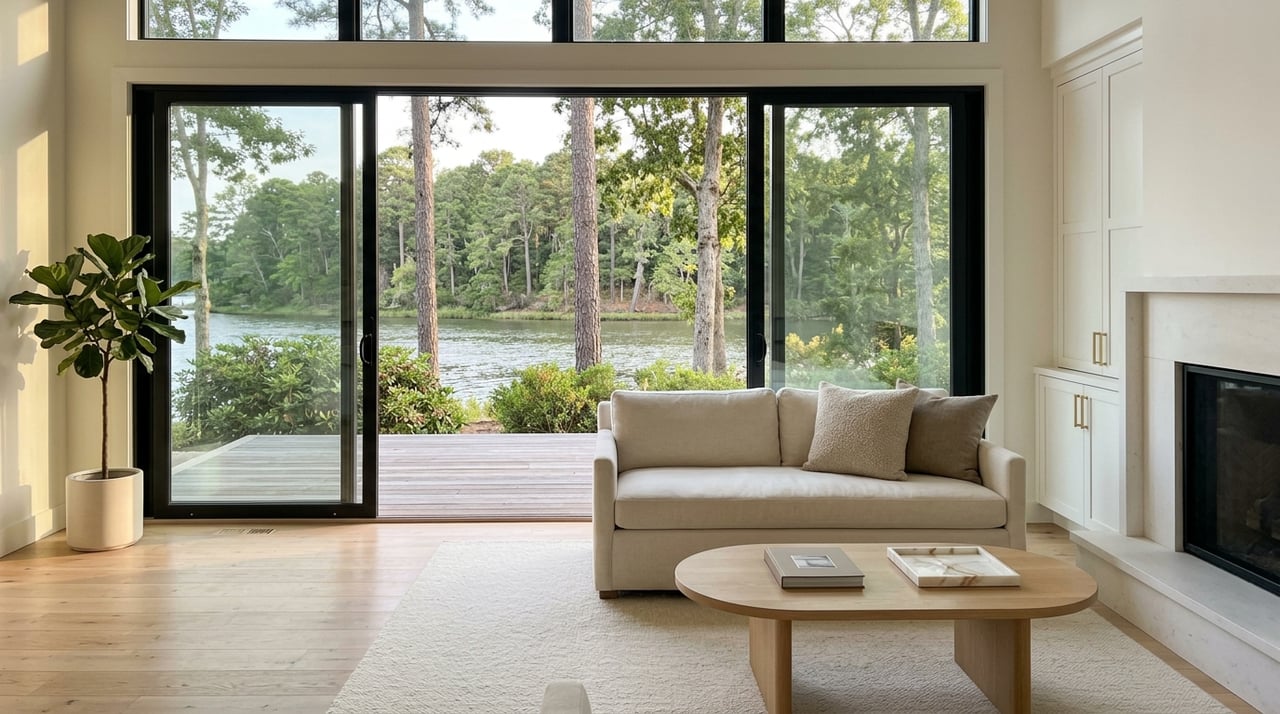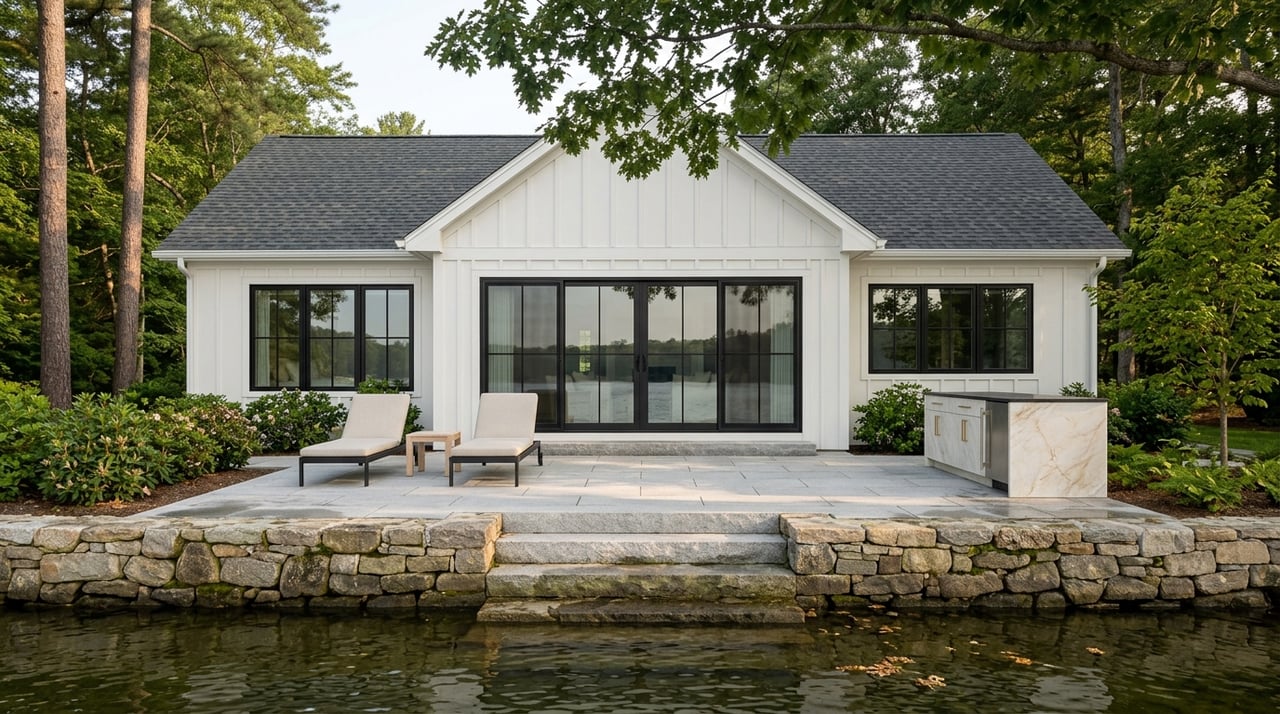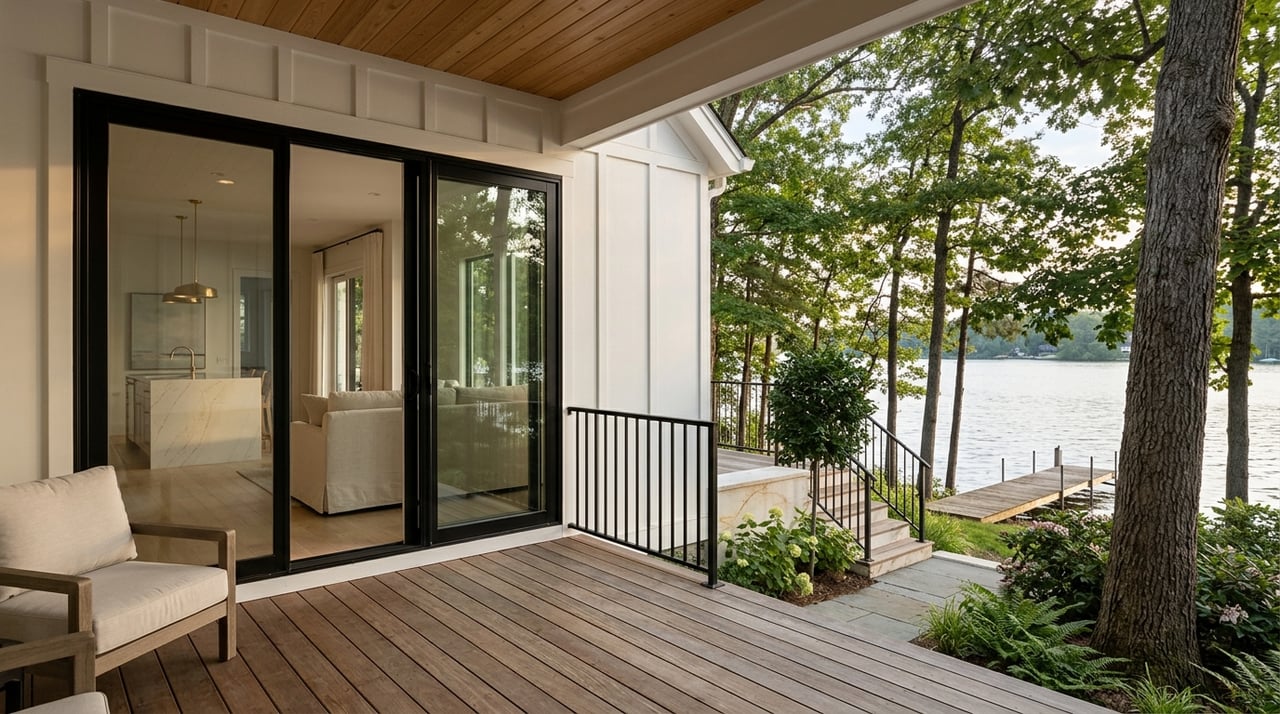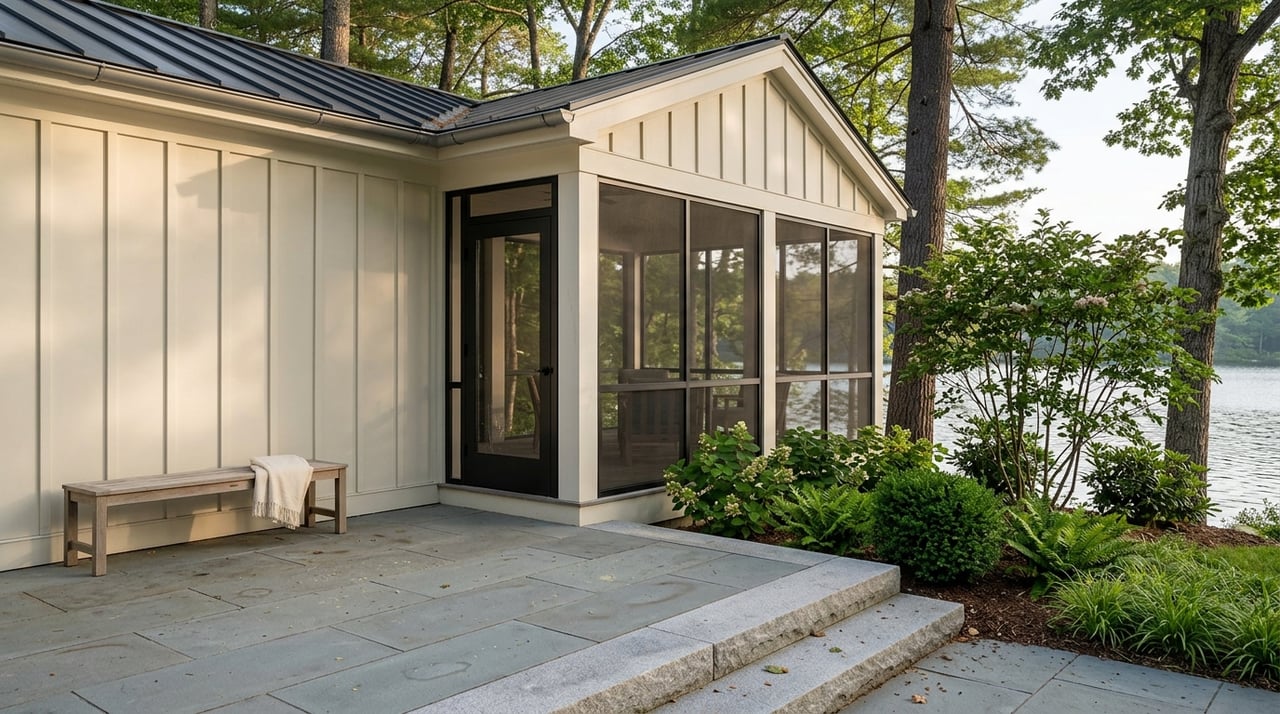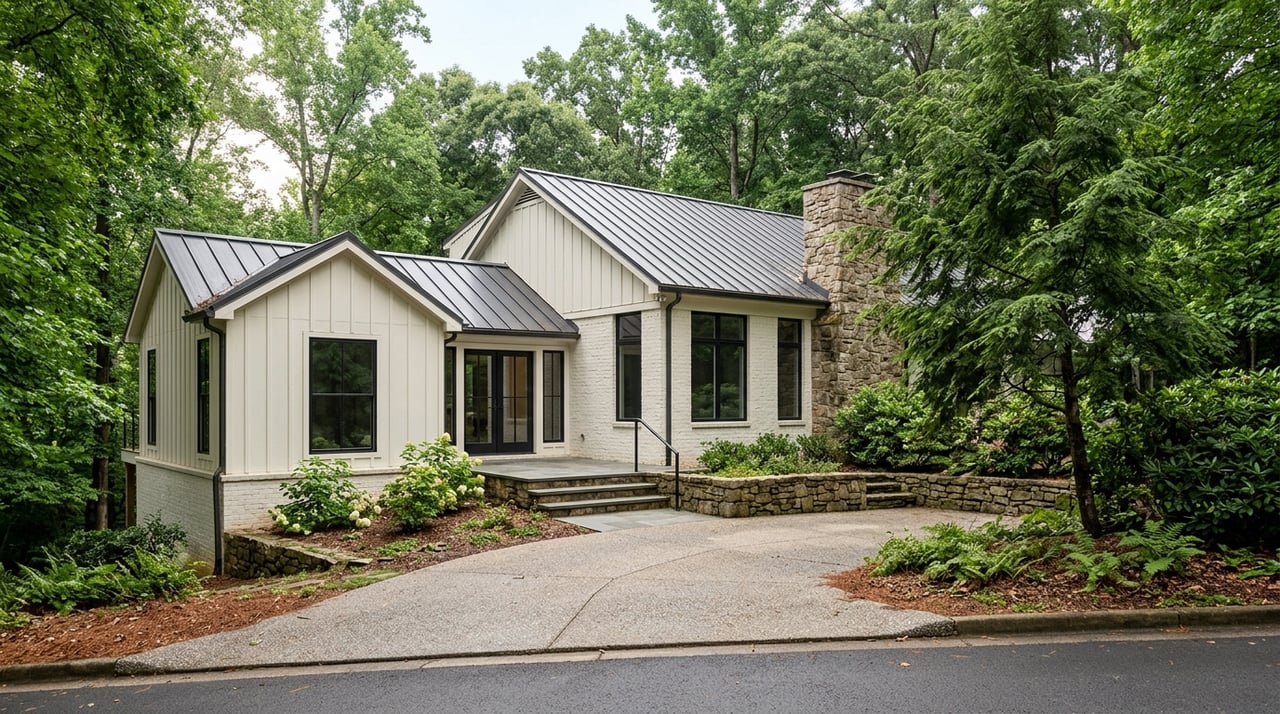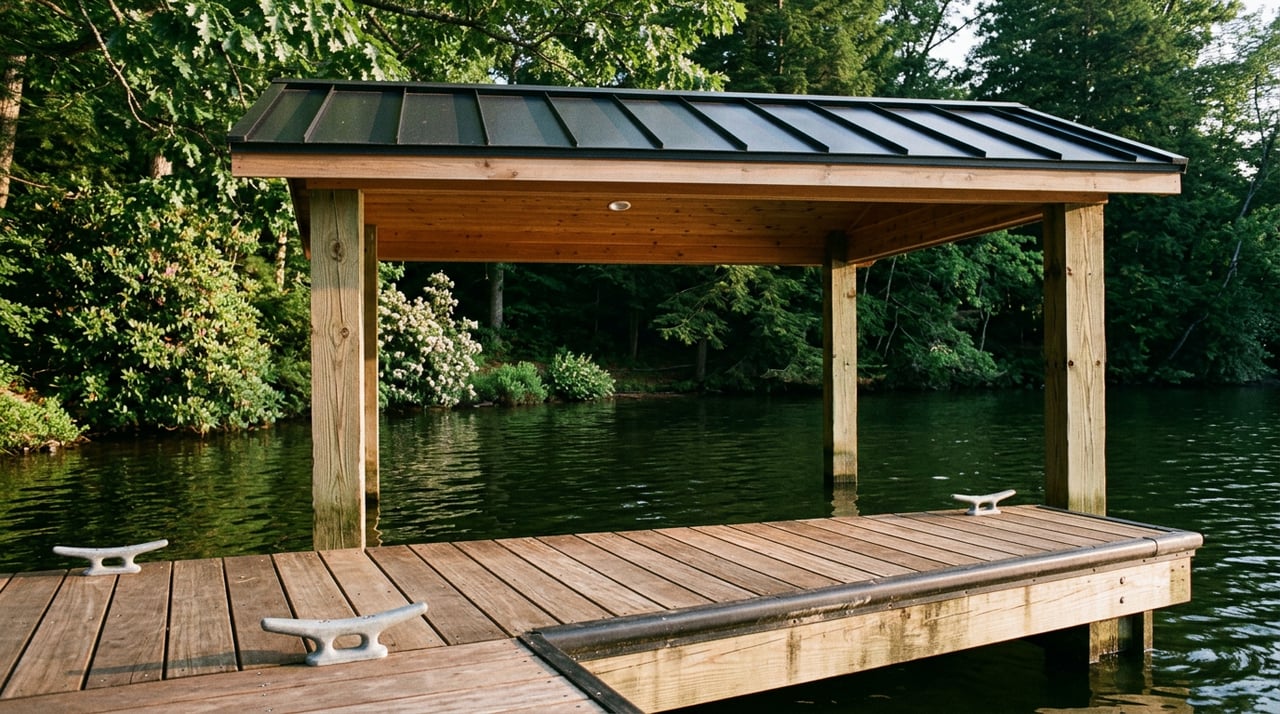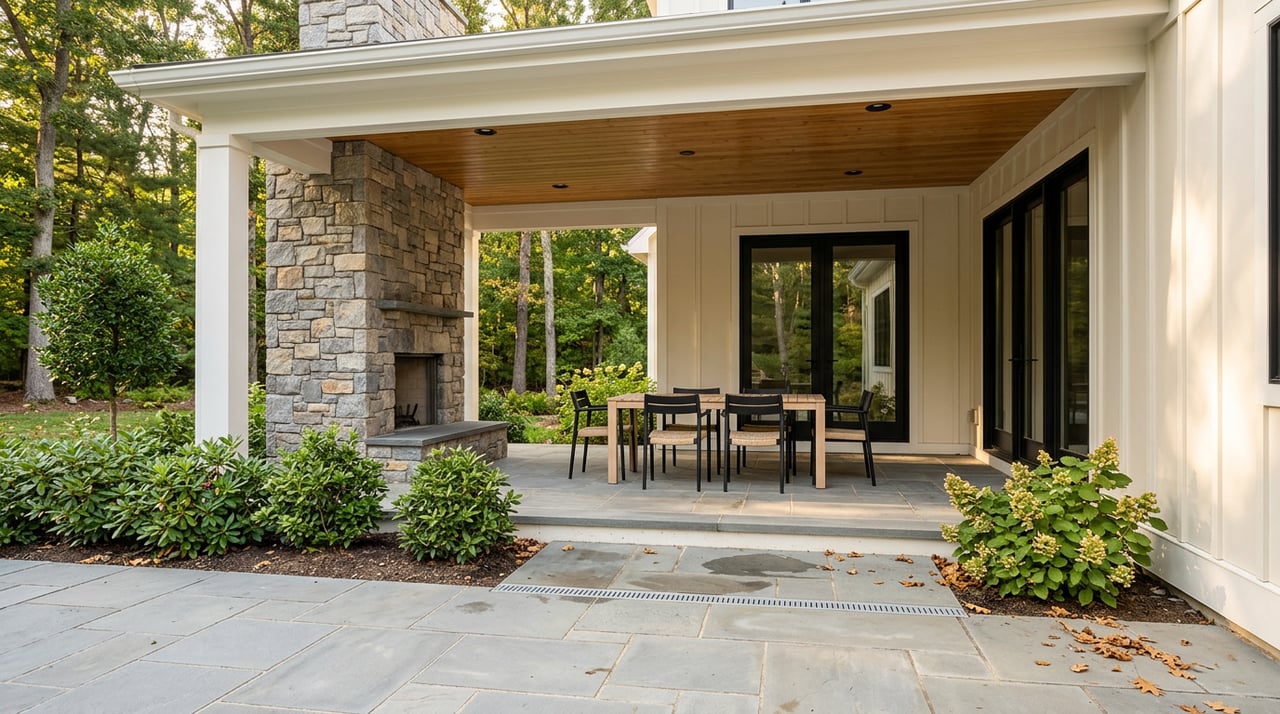
Thinking about trading city noise for mountain air and lake views? If the Northeast Georgia mountains and lakes are calling, you’re not alone. You want clear facts on lake rules, internet, commute time, and what it really costs to live here. This guide gives you practical steps, local context, and a simple checklist so you can move with confidence. Let’s dive in.
Why this region stands out
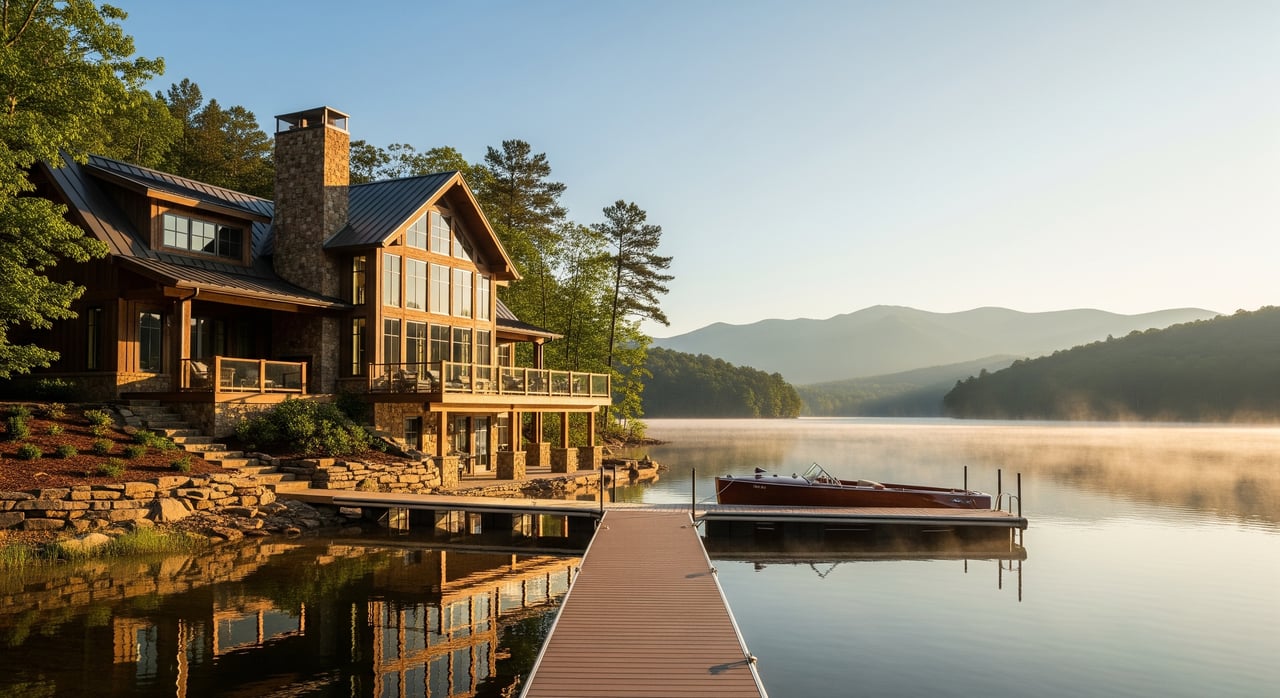
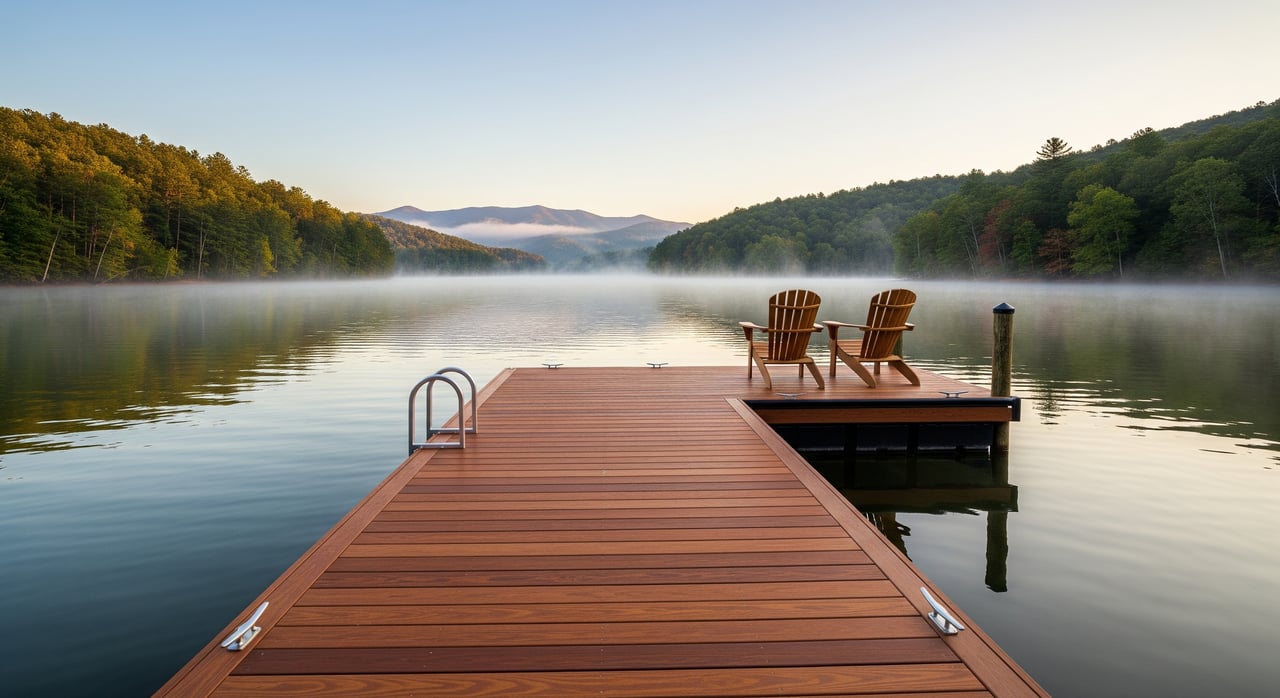
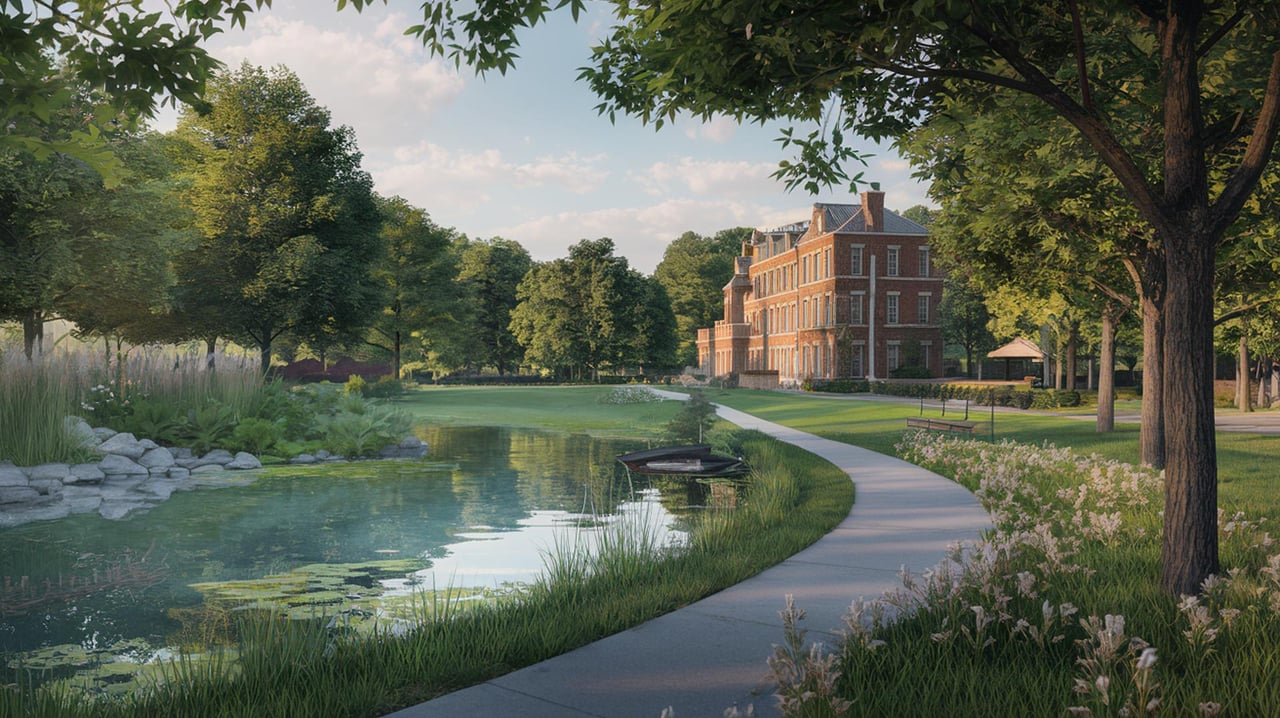
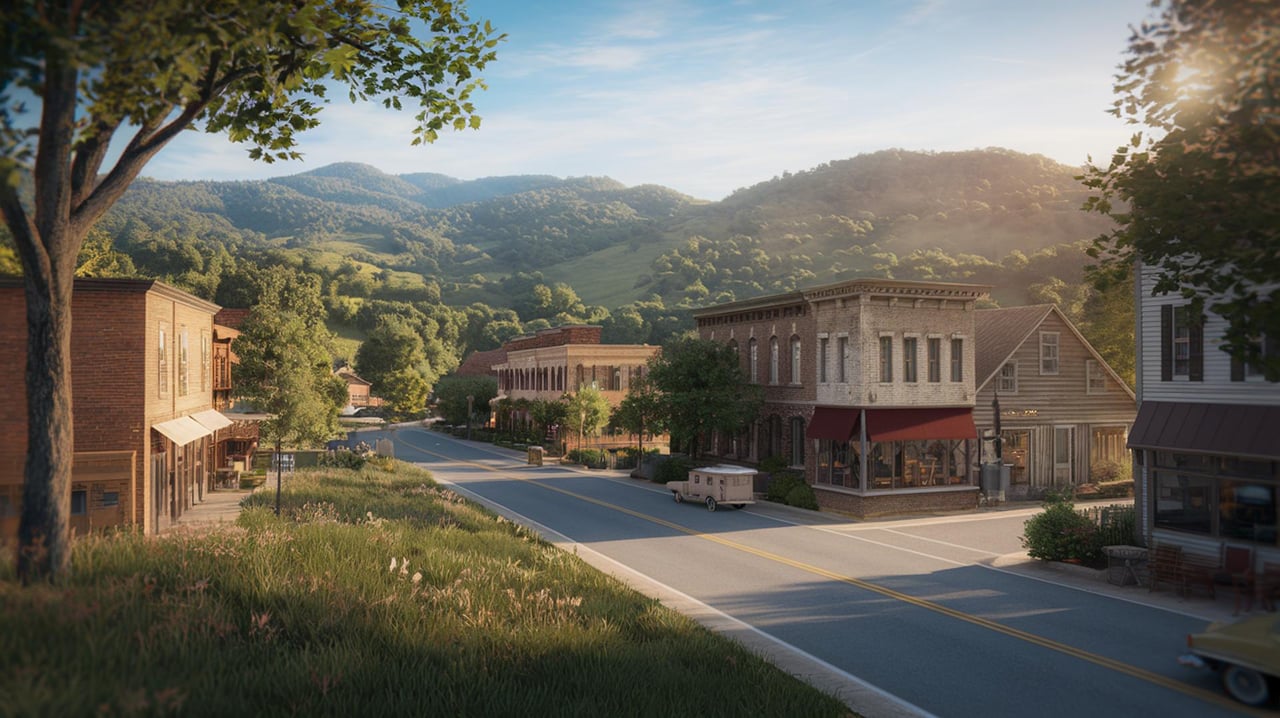
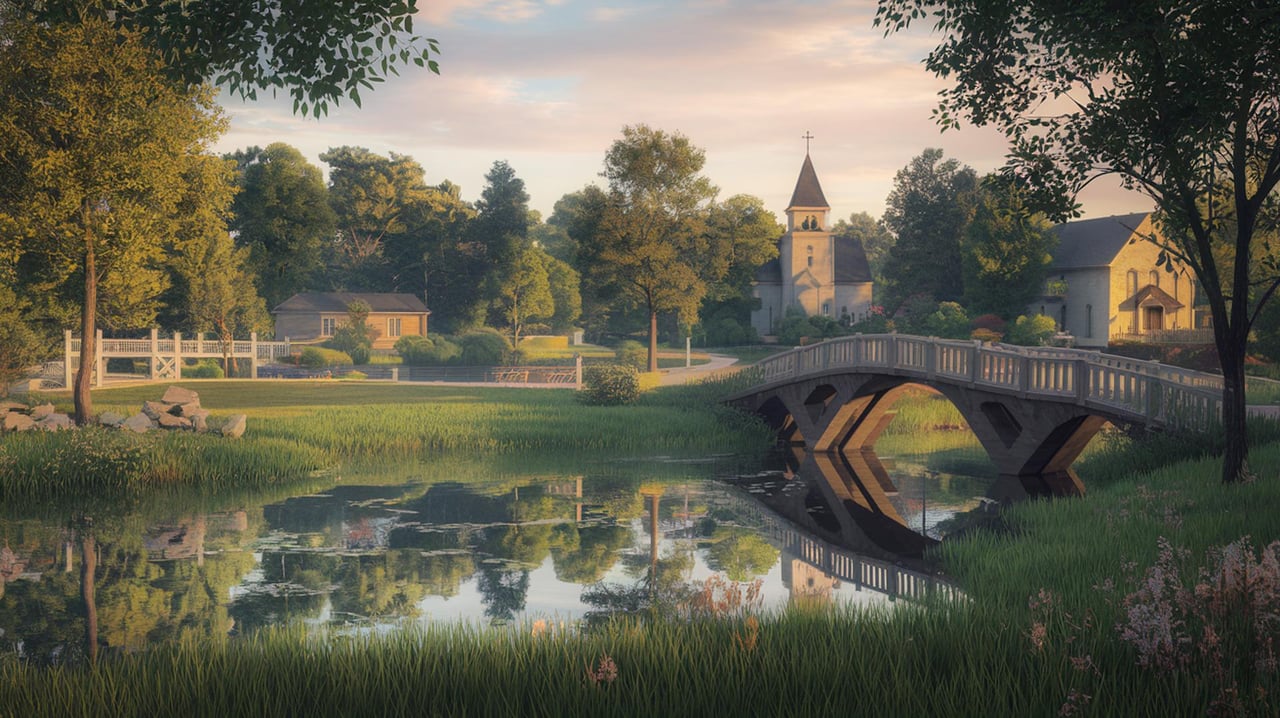
You get a rare mix here: shimmering lakes, rolling foothills, and true mountain scenery. Popular spots include Lake Lanier near Hall County, Lake Hartwell along the Georgia–South Carolina line, and mountain lakes like Burton, Rabun, Seed, Chatuge, and Blue Ridge Lake. Towns such as Dahlonega, Blue Ridge, Helen, Hiawassee, Clayton, Blairsville, and more offer small-town amenities with easy access to nature.
Seasonal life varies by elevation. Summers are warm and humid, while higher elevations feel cooler and can see occasional winter snowfall. Summer and fall foliage bring peak tourism, which affects traffic and rental demand in certain areas.
Know the lay of the land
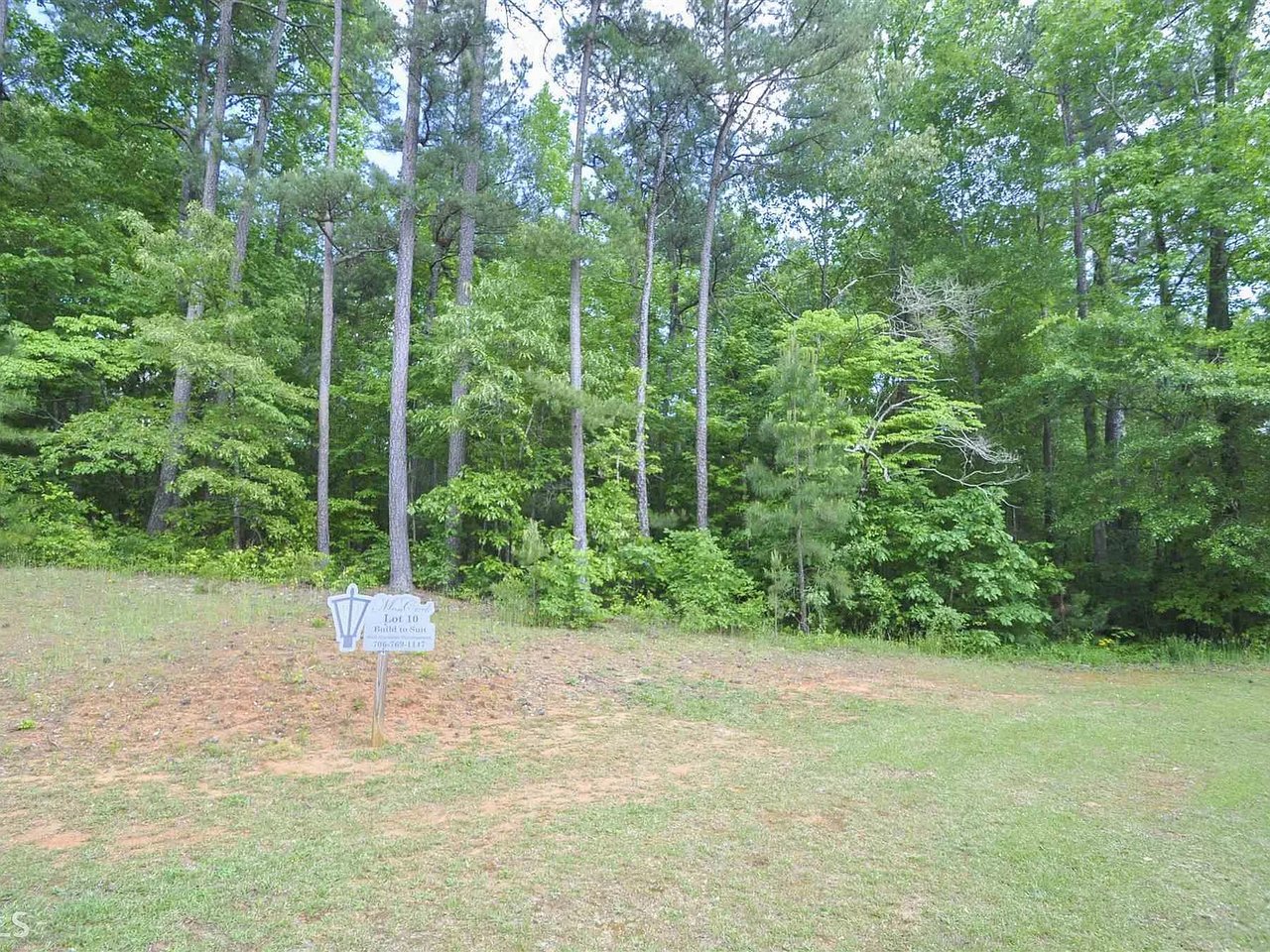
Terrain ranges from lakeside coves and gentle valleys to steep, wooded ridgelines. Microclimates are real; what happens on a mountain ridge can differ from a lakeshore just a few miles away. That means inspections, access, and build requirements can vary property by property.
Lakes are managed by different authorities. Lake Lanier and Lake Hartwell are federally managed by the U.S. Army Corps of Engineers. Smaller lakes like Burton, Rabun, and Seed have their own rules and permitting processes. This directly affects docks, shoreline work, and what you can do with waterfront land.
Lake living essentials
Lake ownership comes with benefits and responsibilities. The rules are not the same from one lake to another, so you need to verify details early.
Dock permits and shoreline
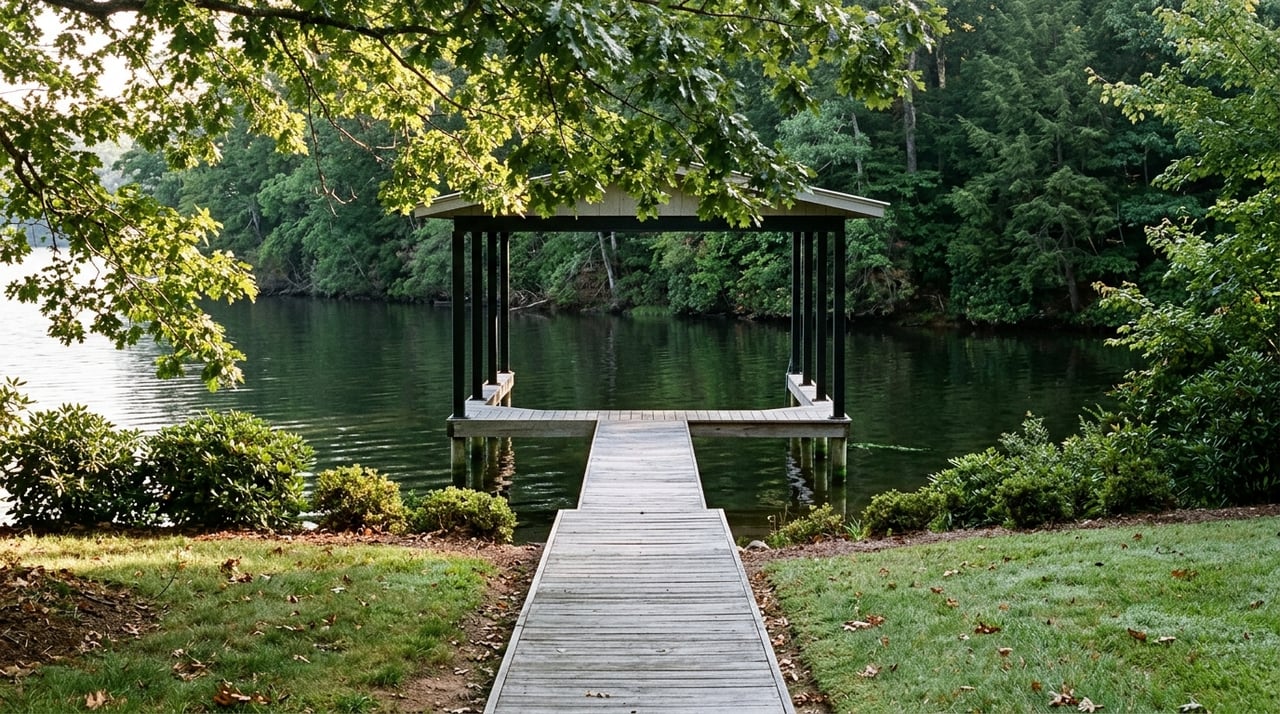
- On federally managed reservoirs like Lanier and Hartwell, dock and shoreline permits typically go through the U.S. Army Corps of Engineers.
- On other lakes, you may work with the Georgia Department of Natural Resources, county permitting, or a private association.
- Plan ahead for shoreline stabilization, riprap, and vegetation buffers. Rules exist to protect water quality and shoreline integrity.
Flood and erosion risk
- Lenders usually require flood insurance only if a home is in a FEMA Special Flood Hazard Area. However, lakeside properties outside mapped zones can still face erosion or localized flooding.
- Ask sellers about flood history, study FEMA maps, and evaluate erosion control measures.
Mountain and rural basics
Higher elevations can see colder snaps, icy roads, and occasional snow. Steep or rocky lots may require geotechnical evaluations, engineered driveways, and specialized foundations. In rural areas, you’ll often see septic systems and private wells. Neutralize risk by testing well water, confirming septic capacity, and getting full records before closing.
Home types and budgets
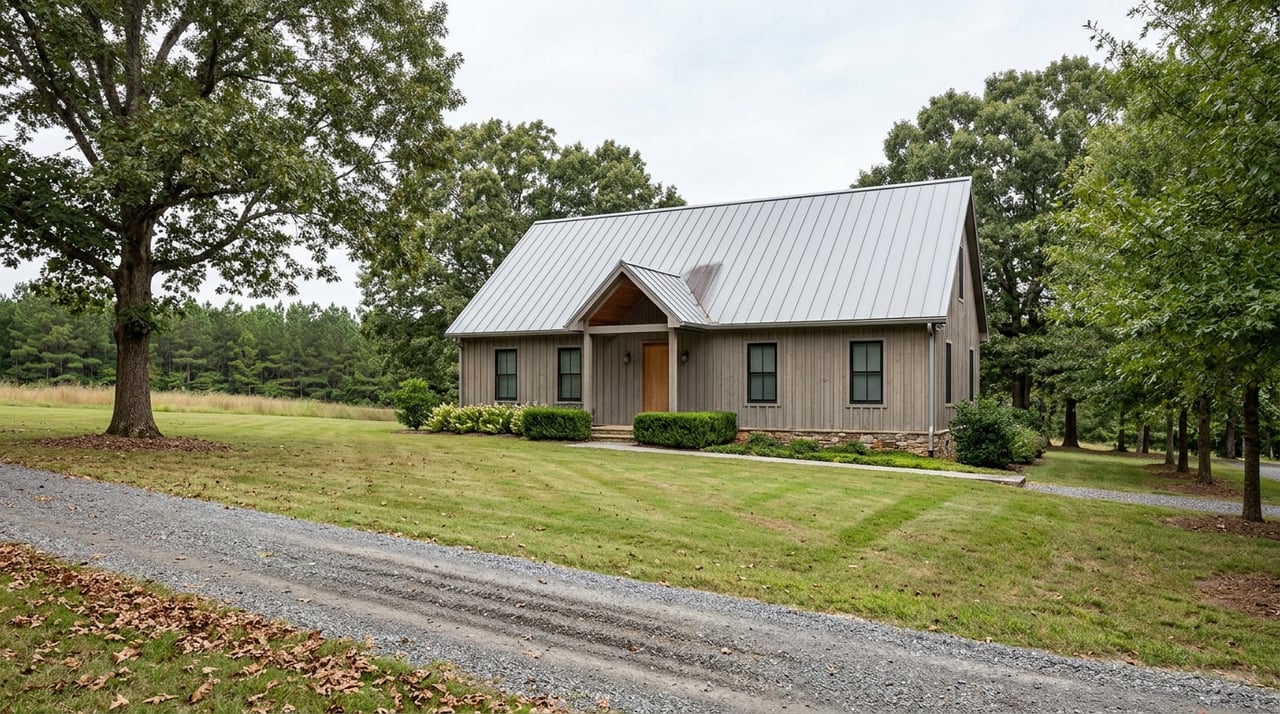
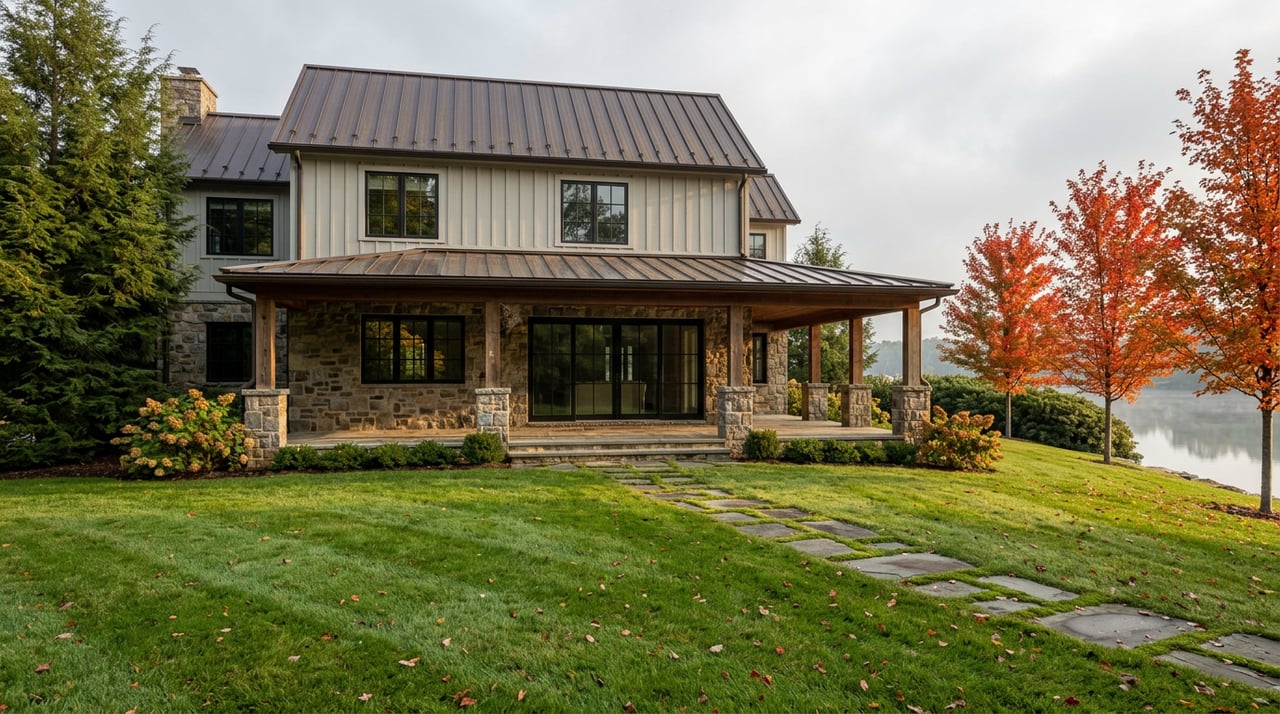
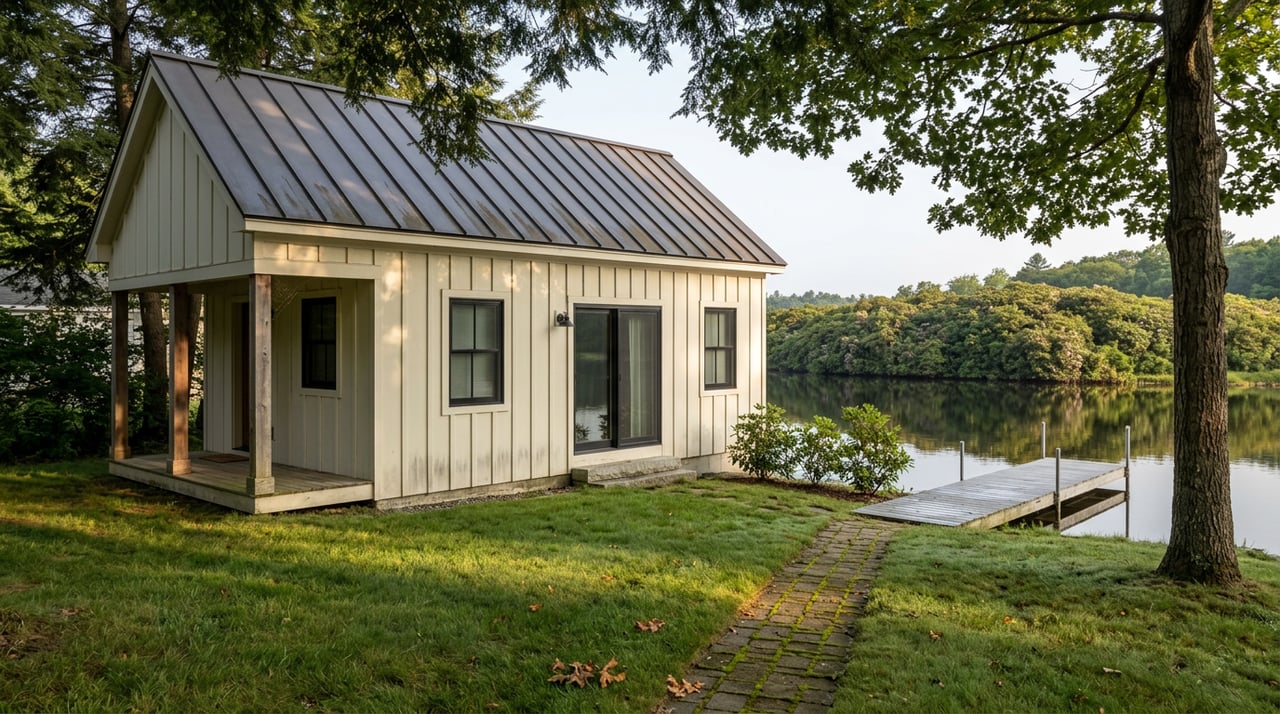
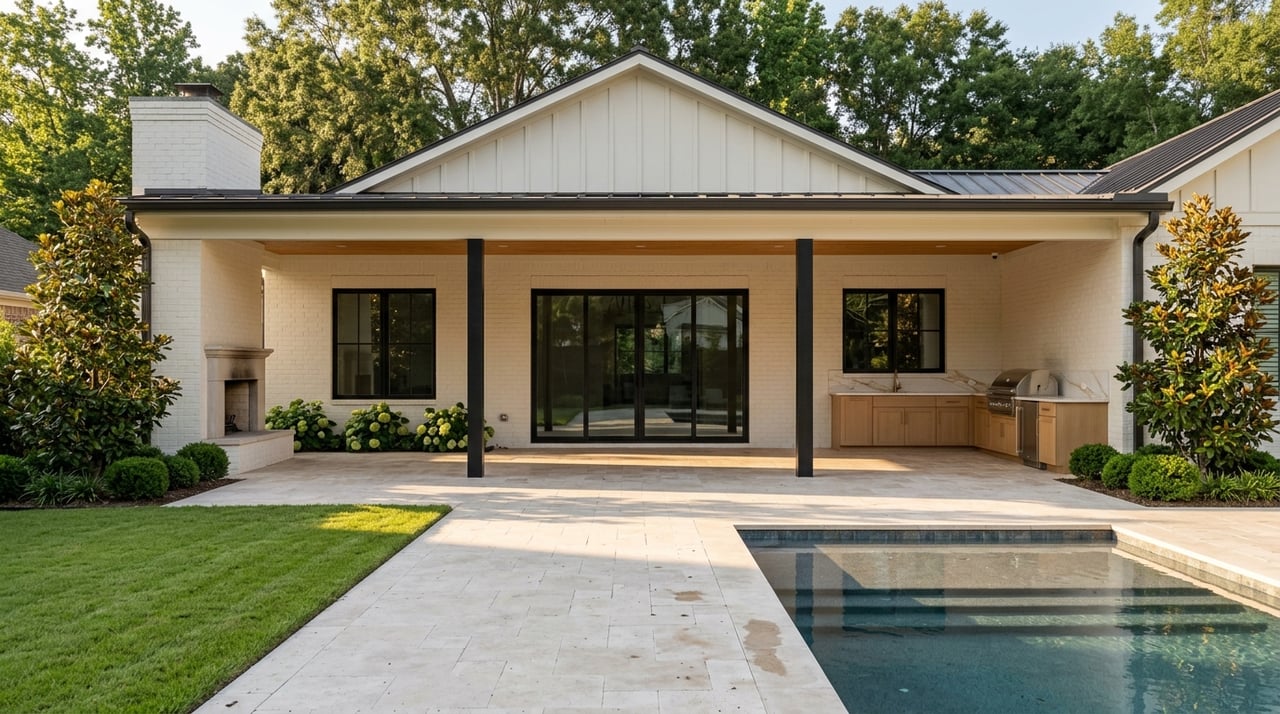
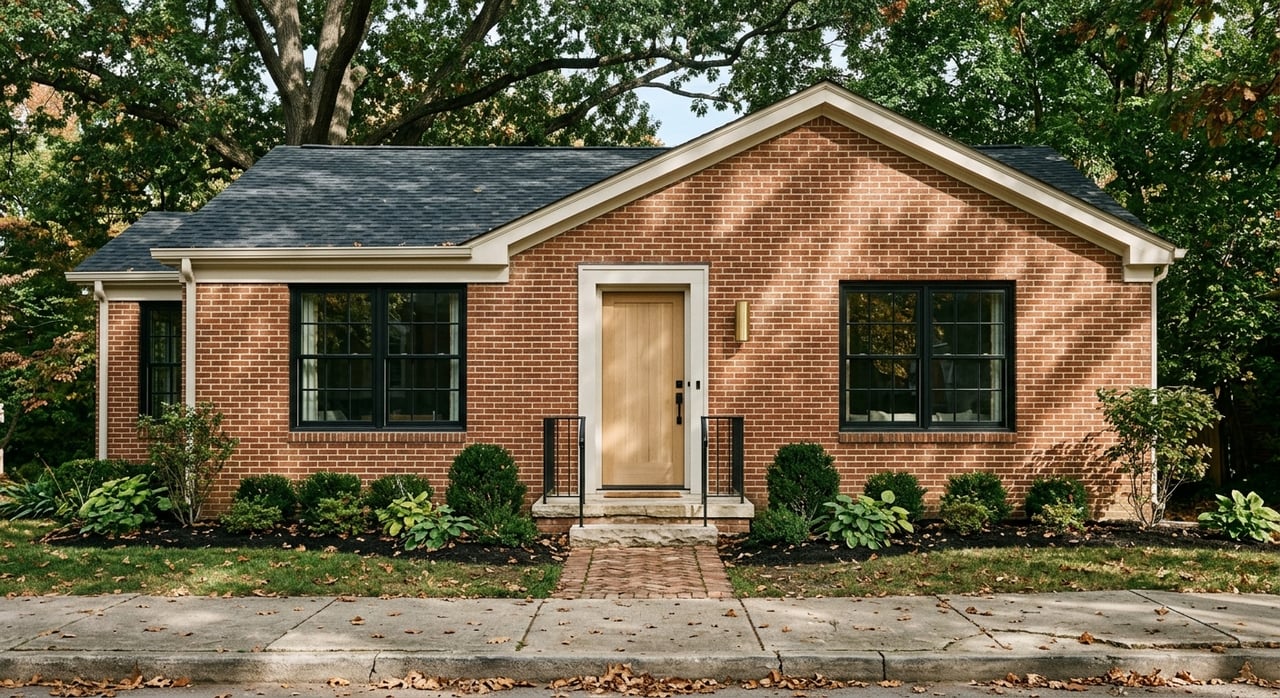
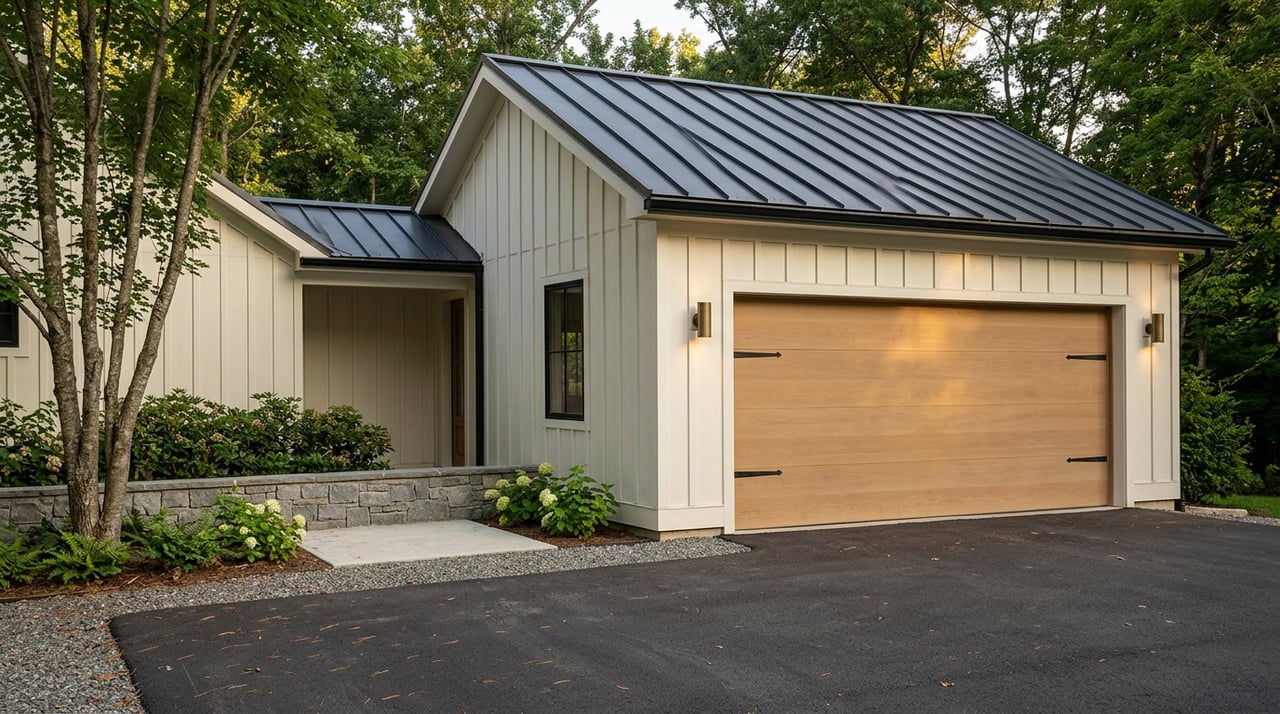
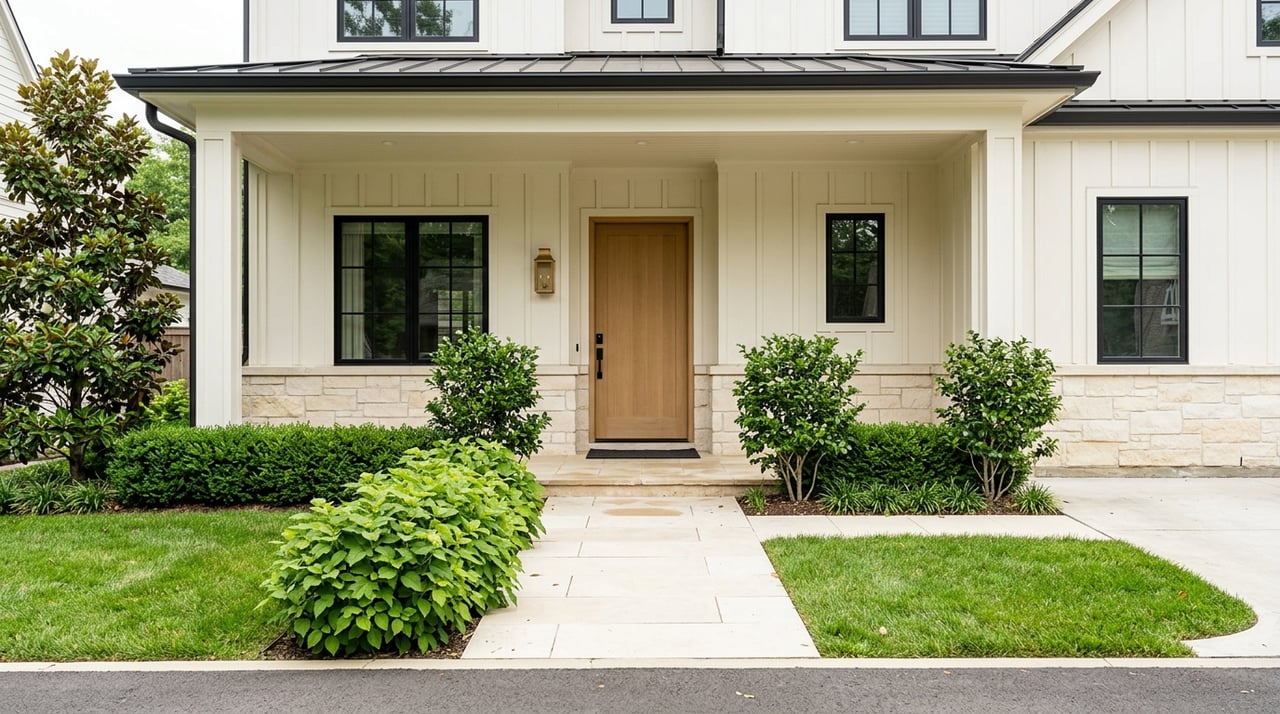
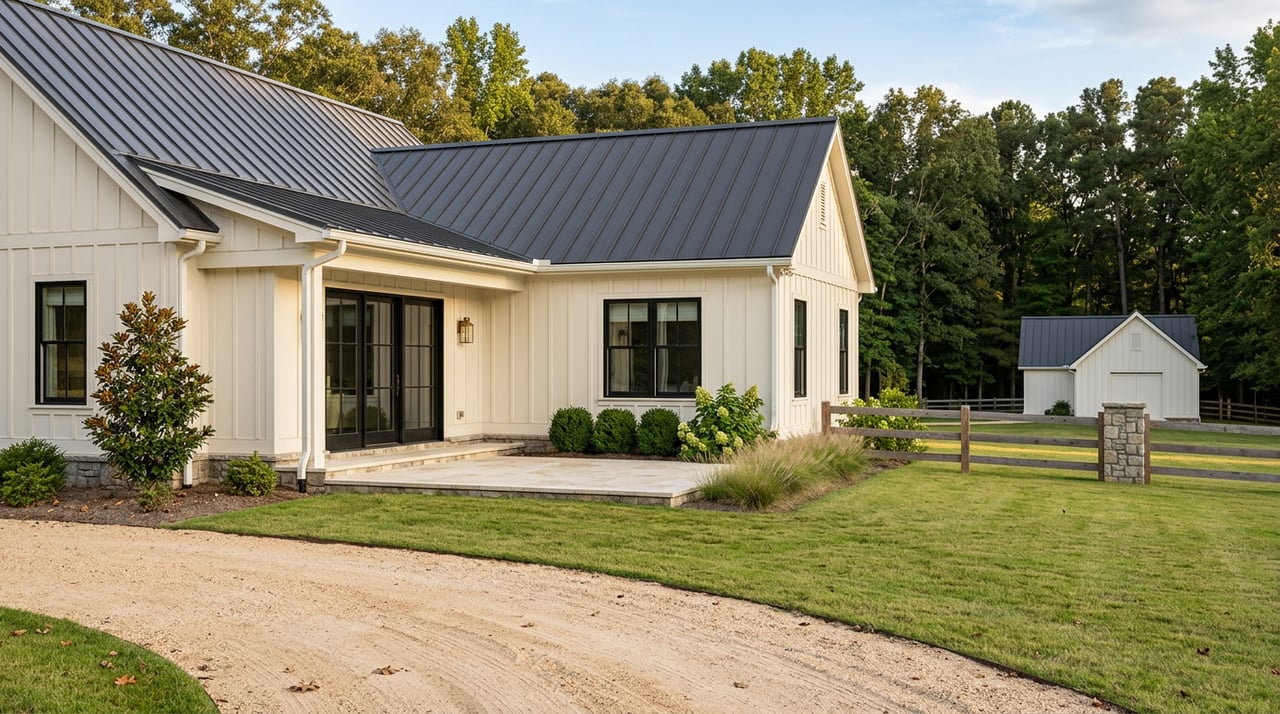
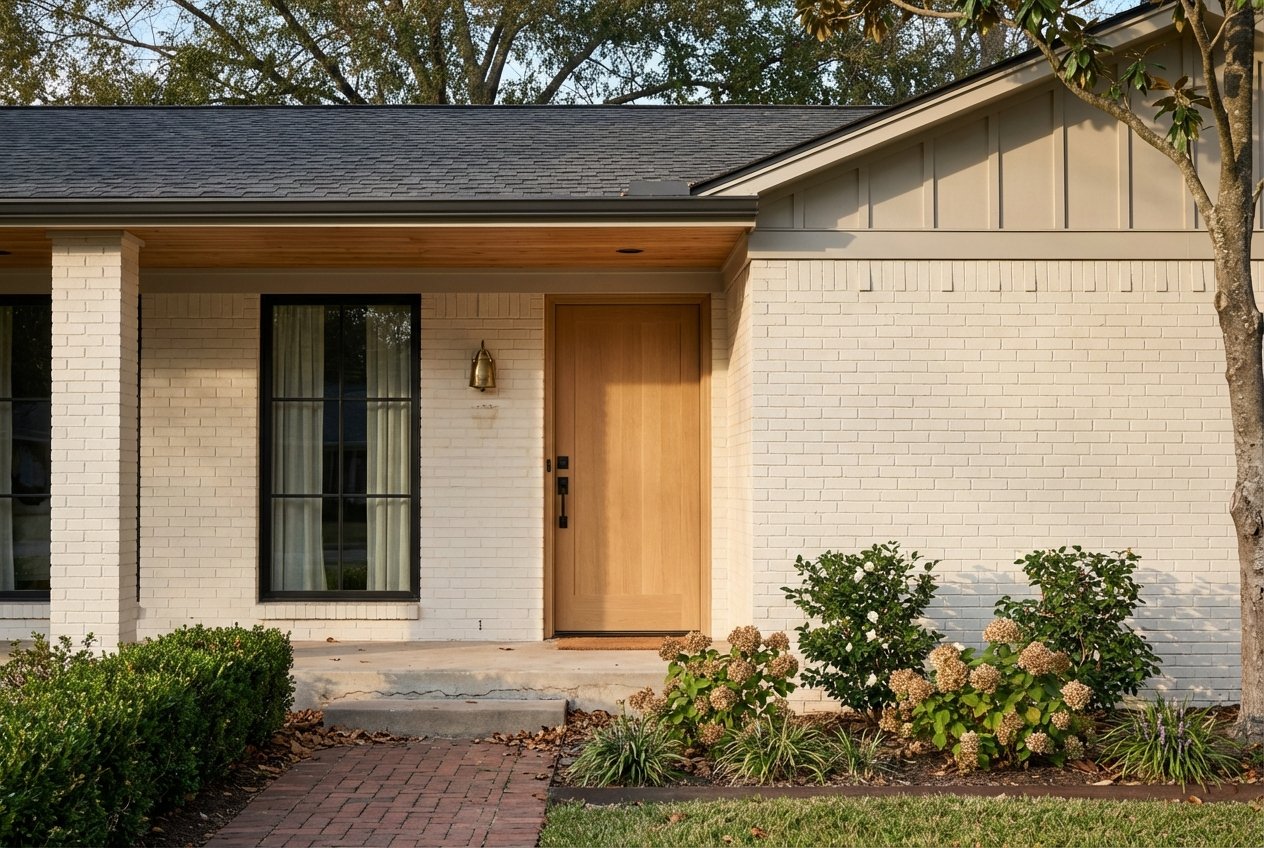
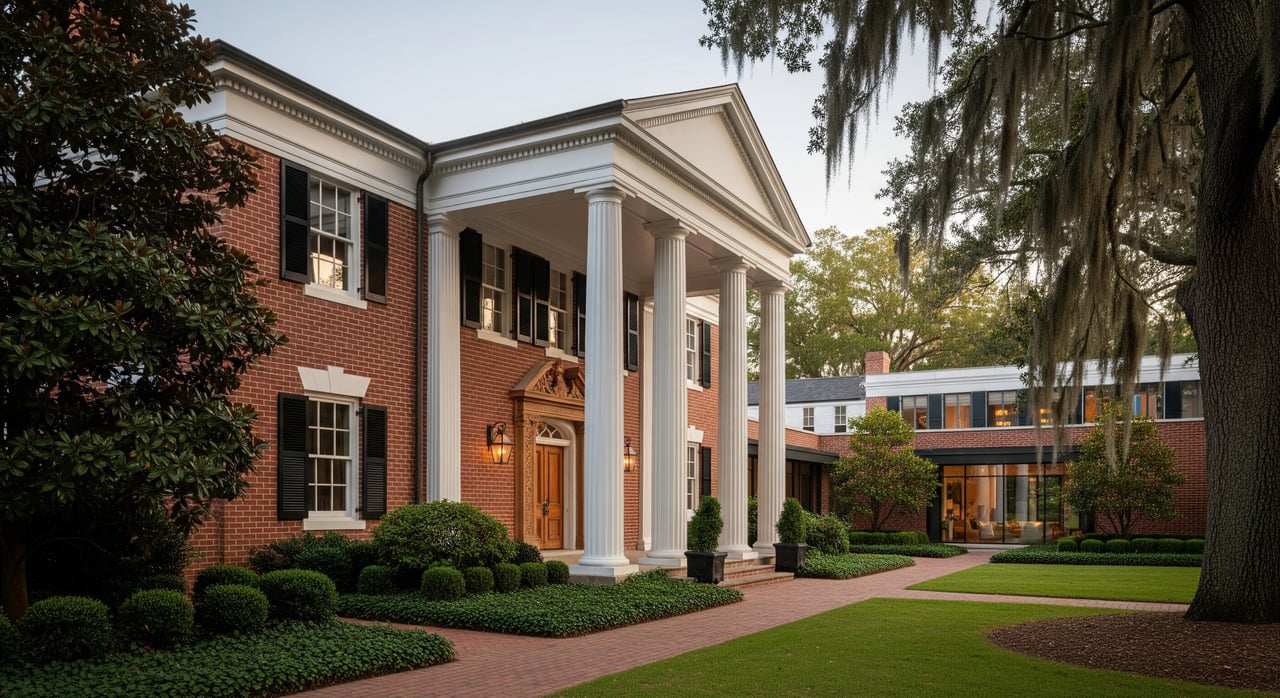
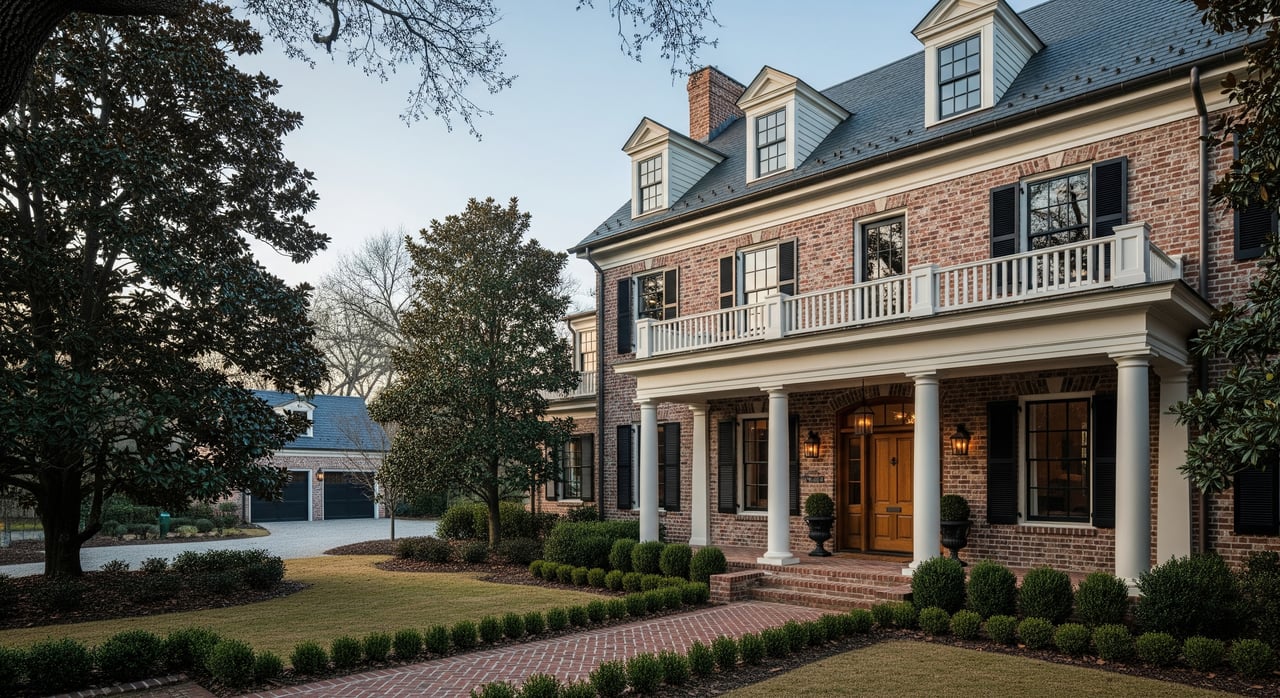
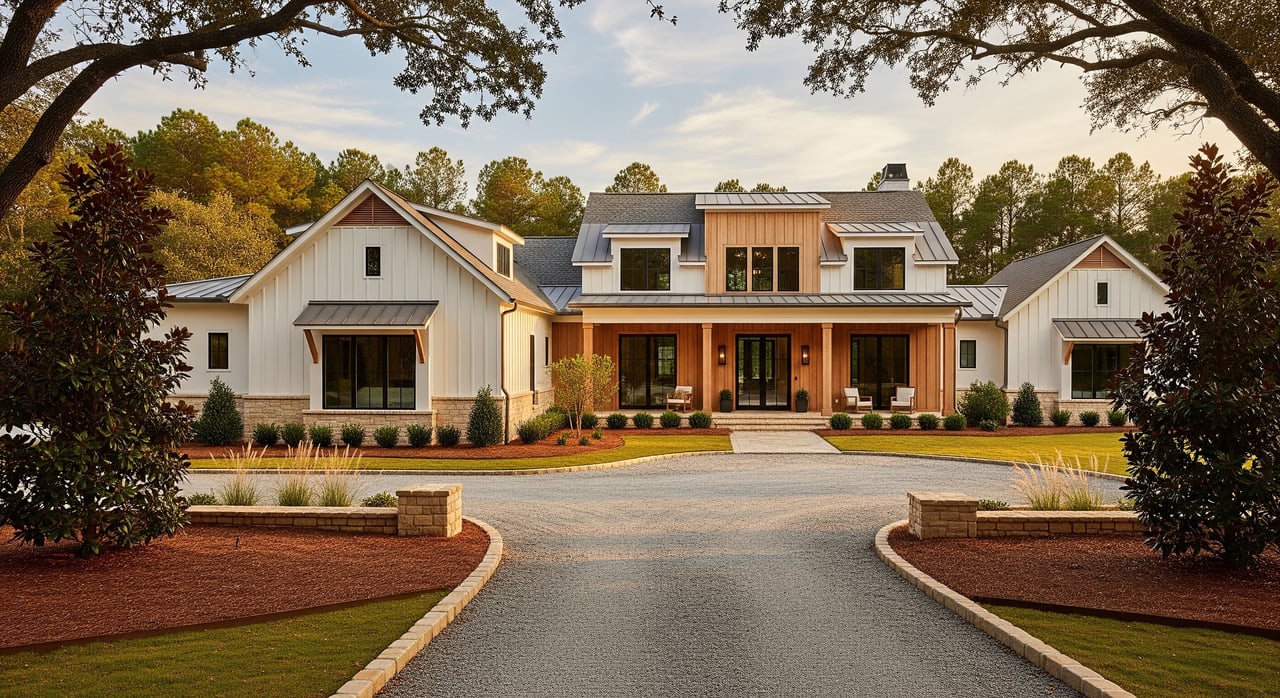
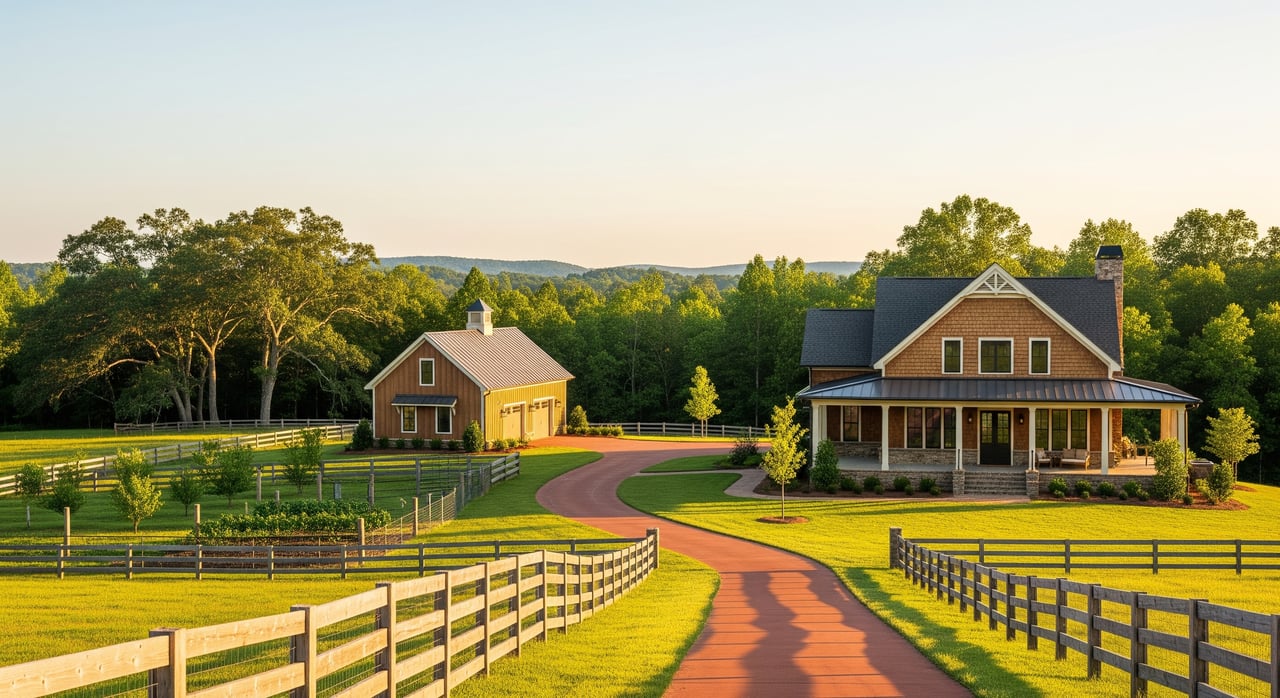
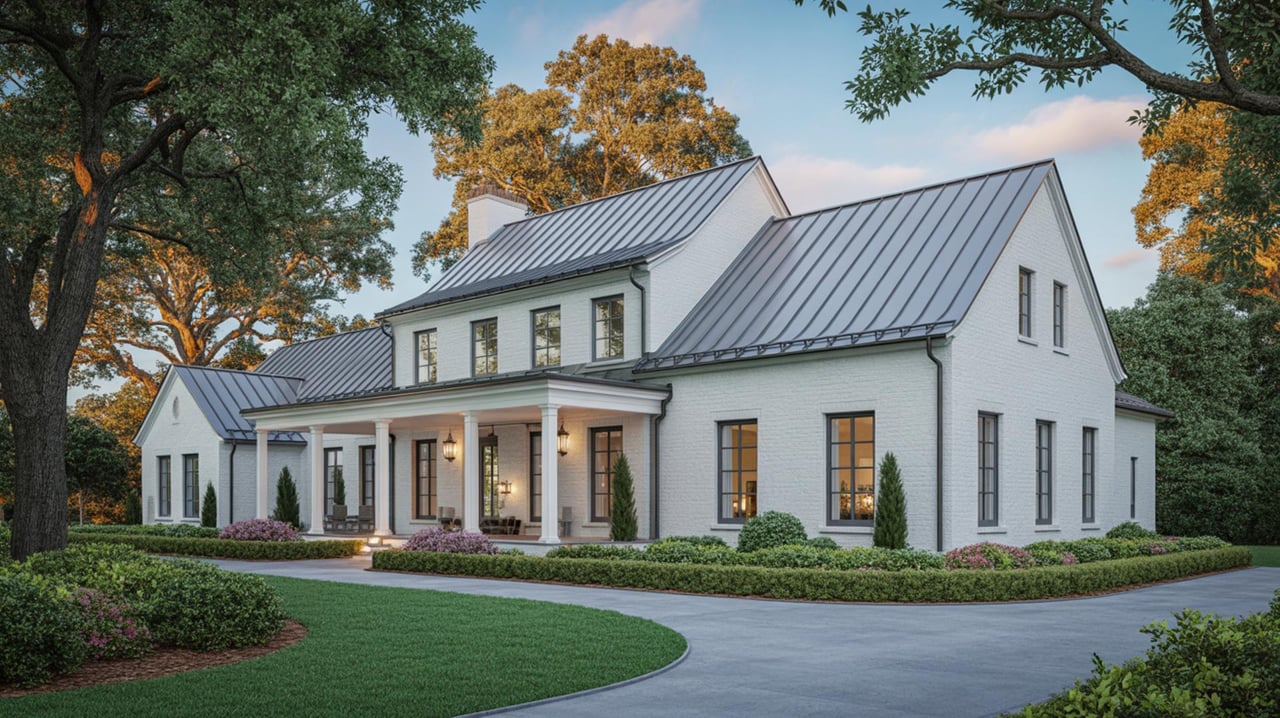
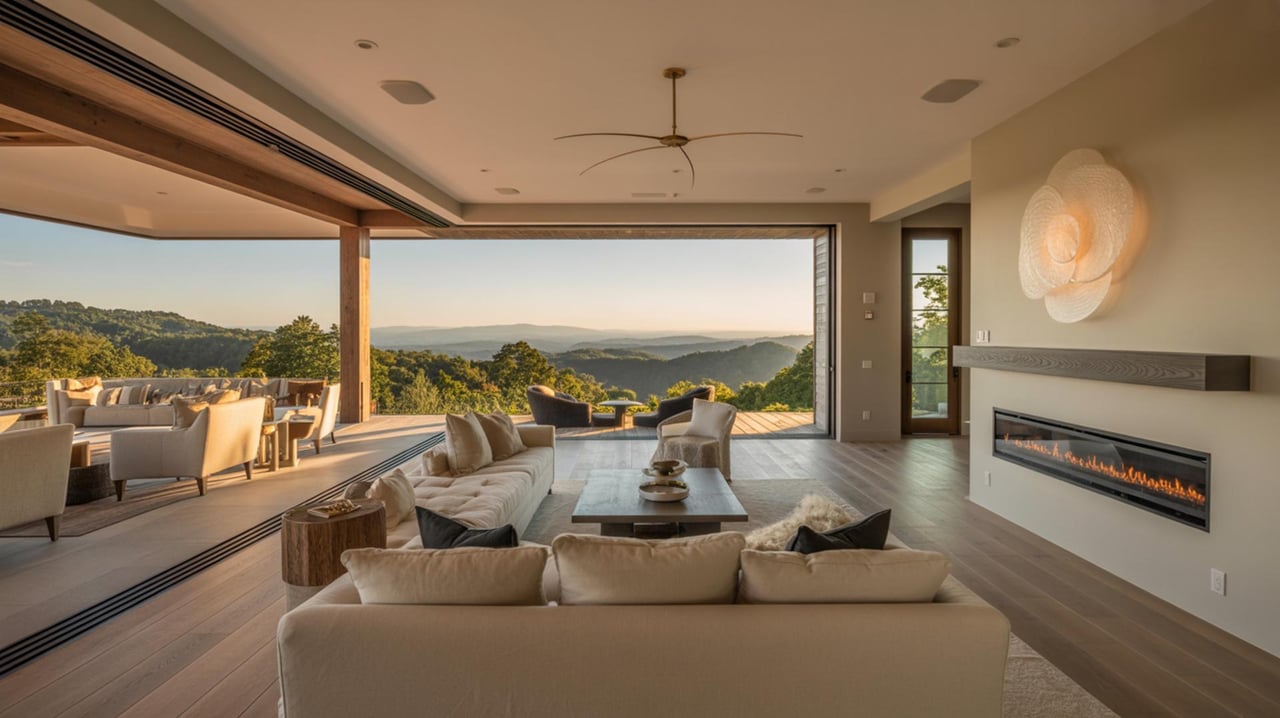
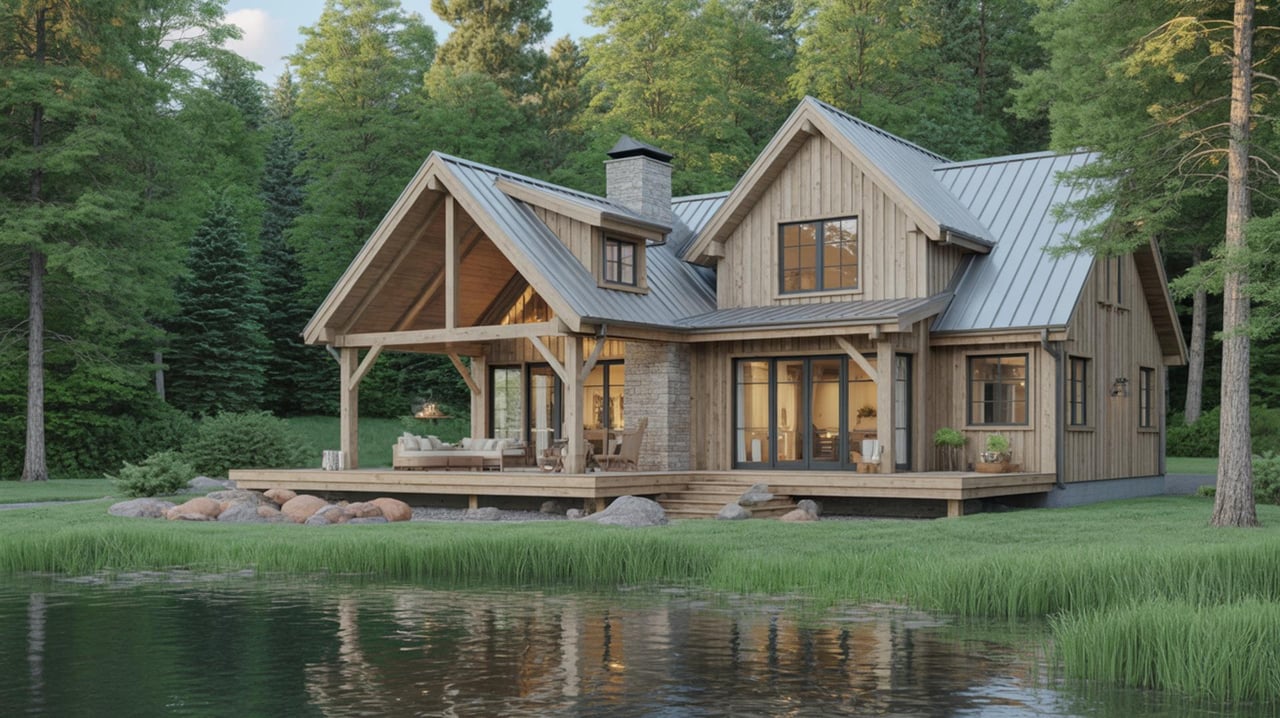
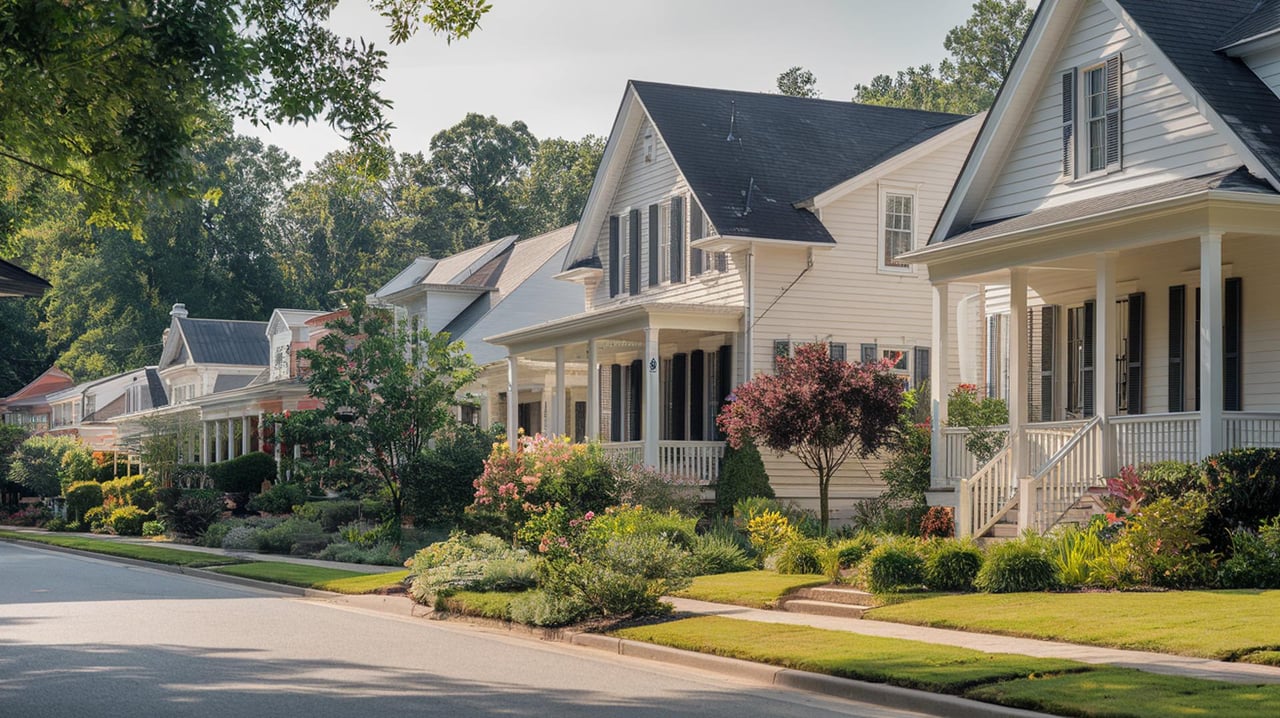
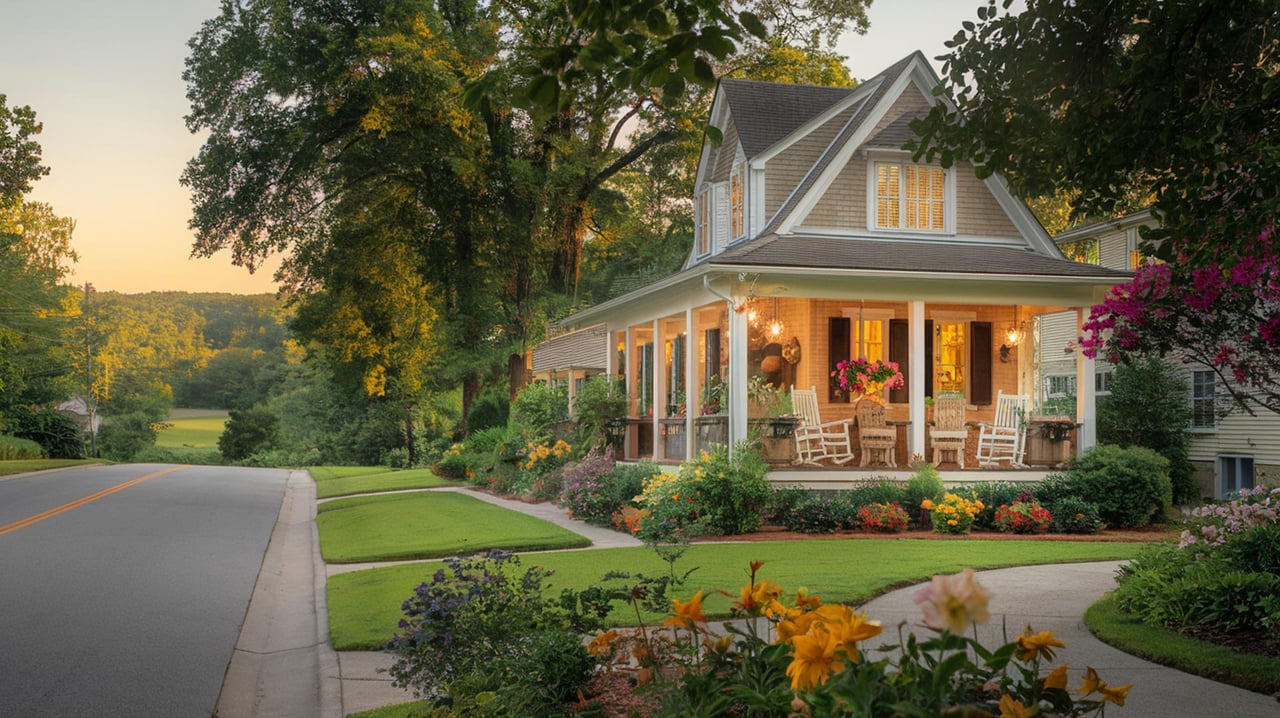
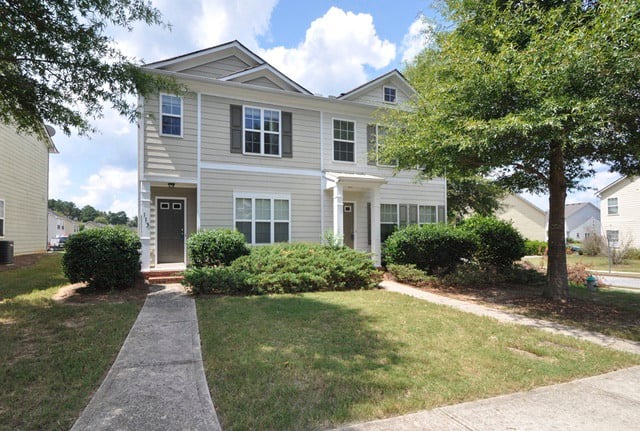
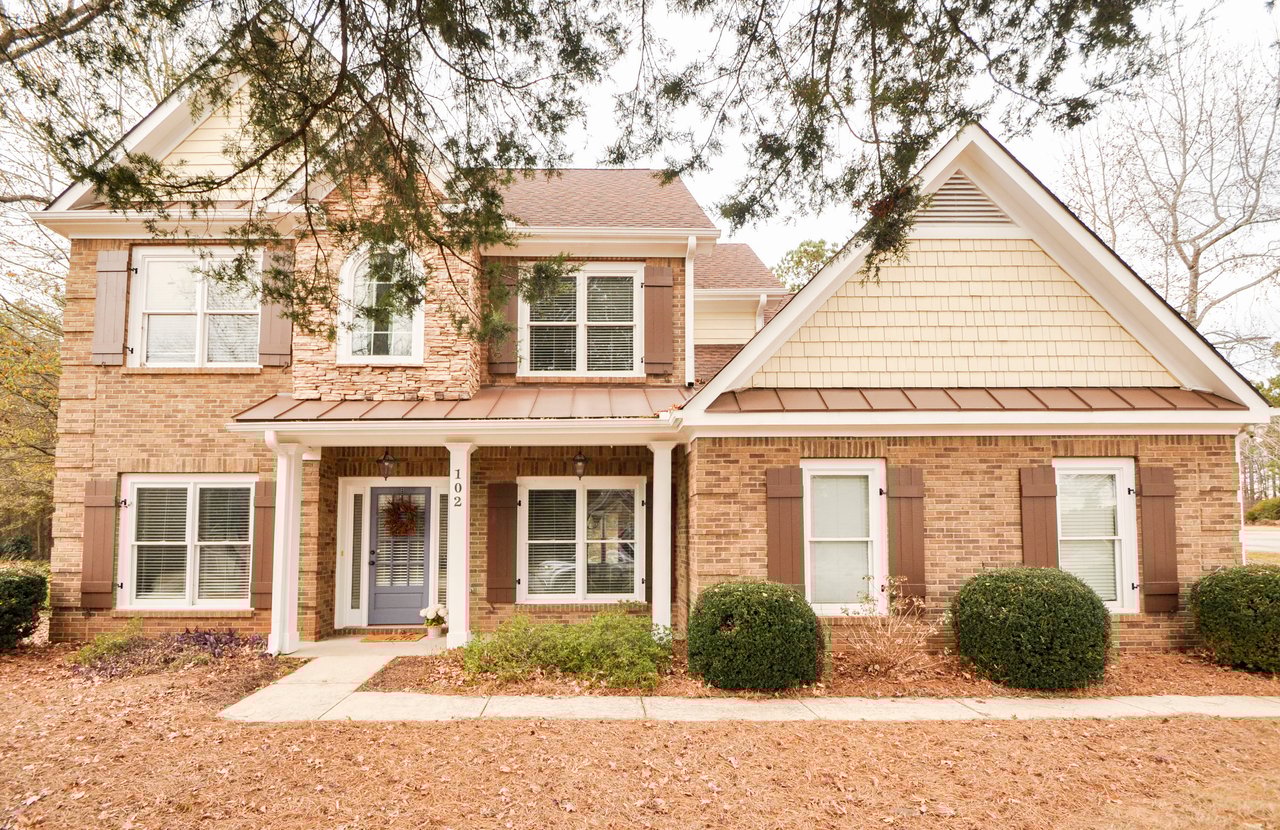
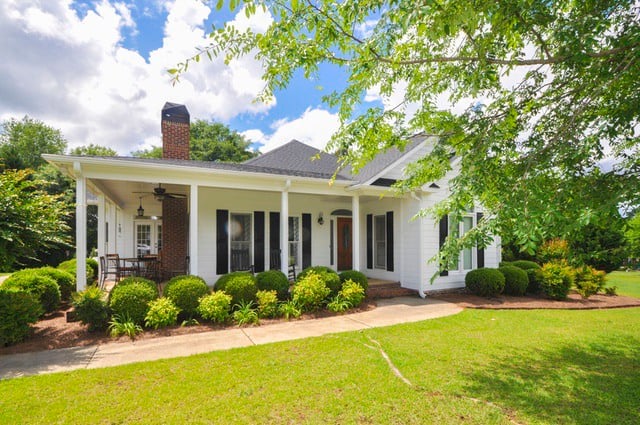
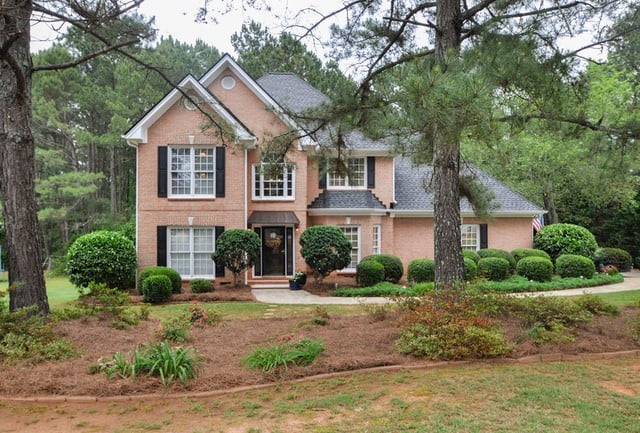
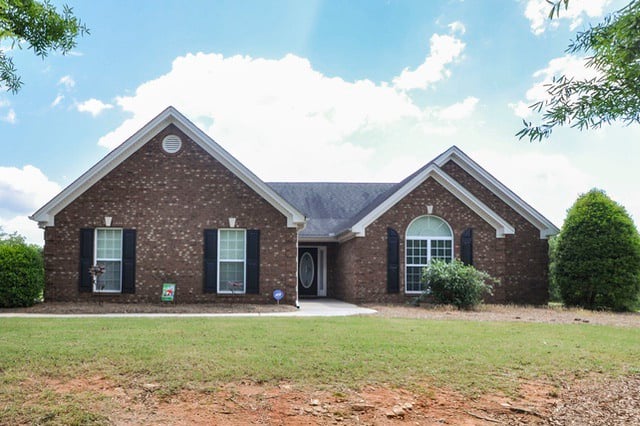
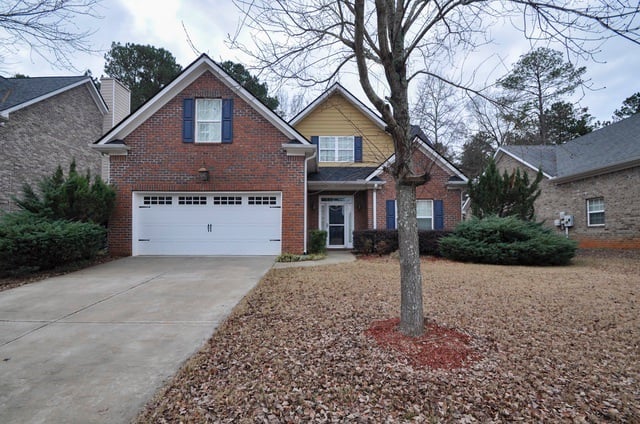
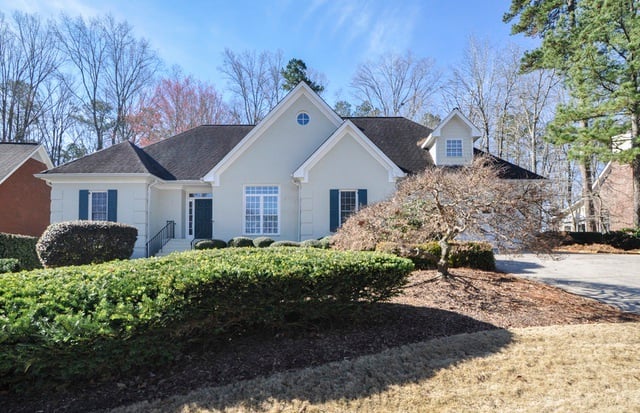
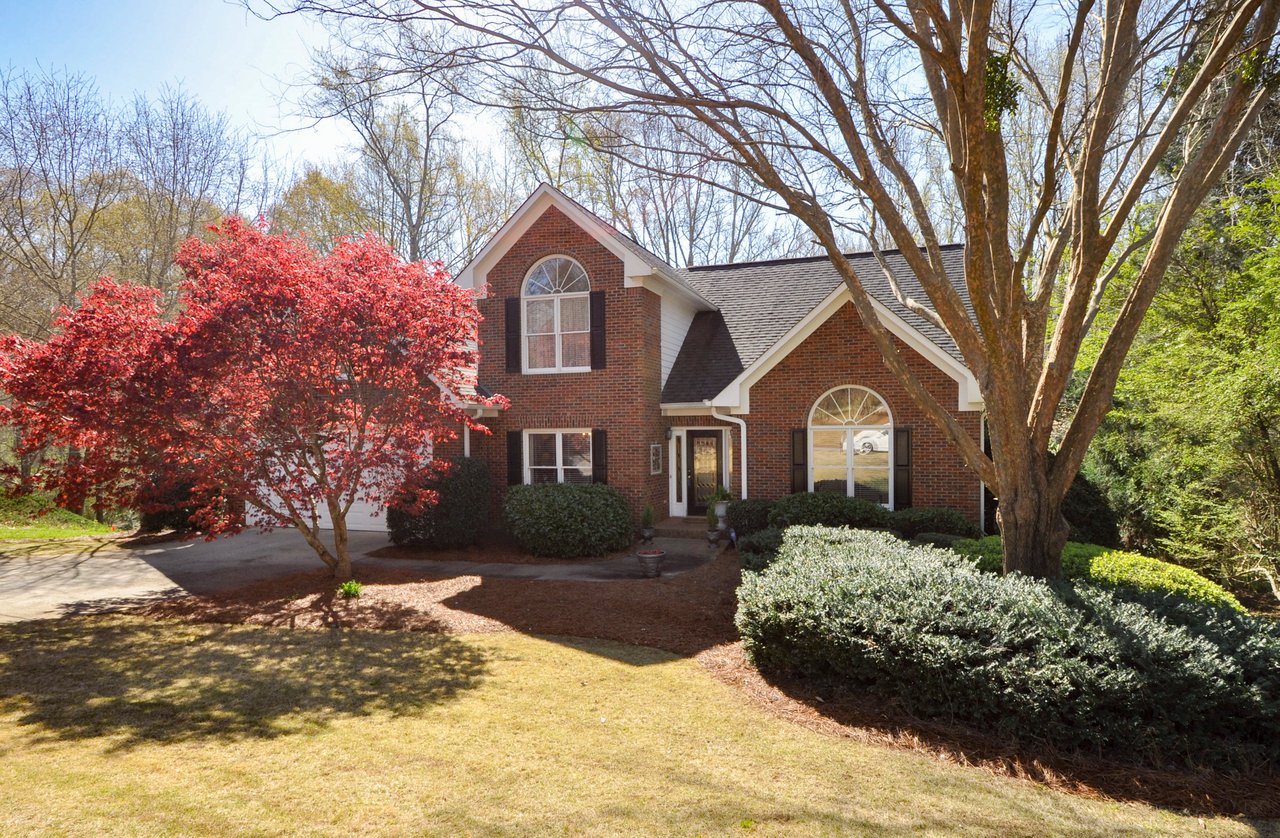
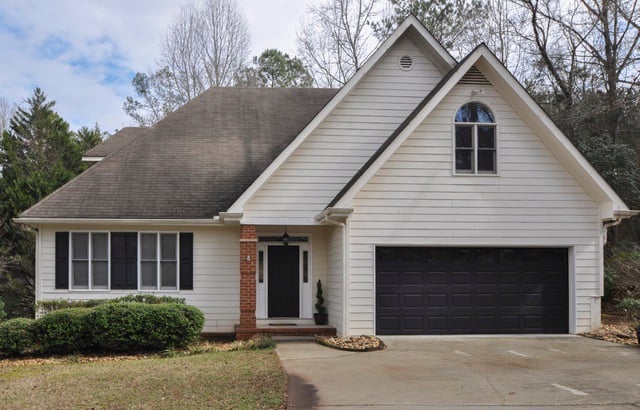
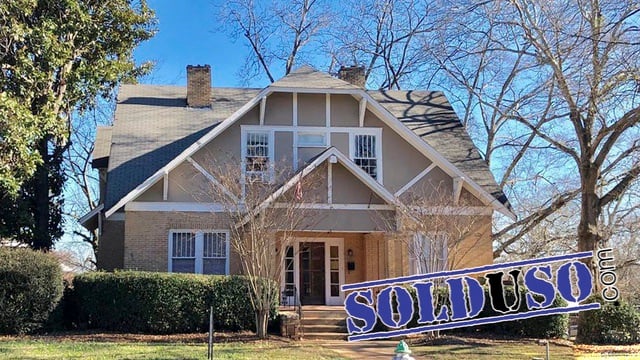
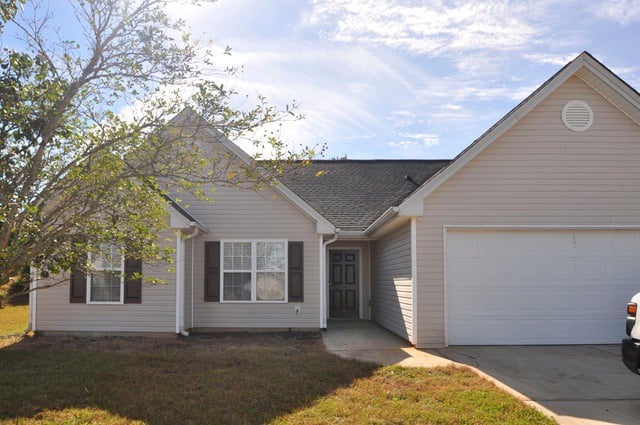
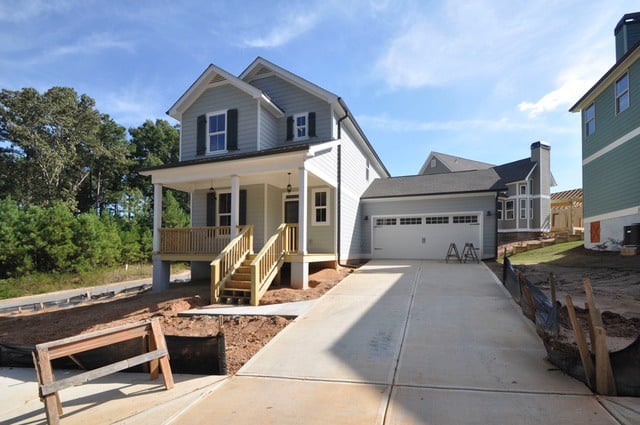
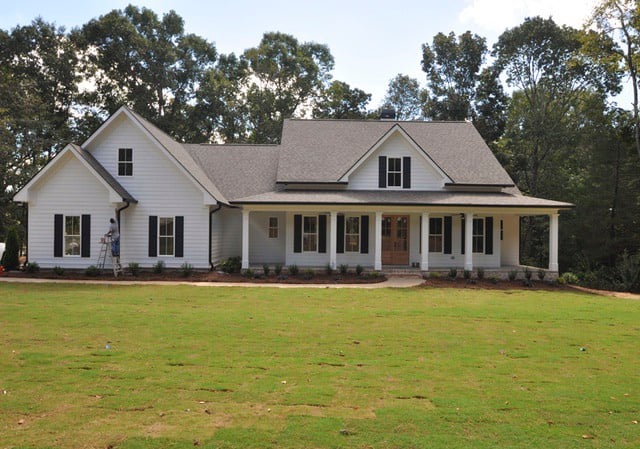
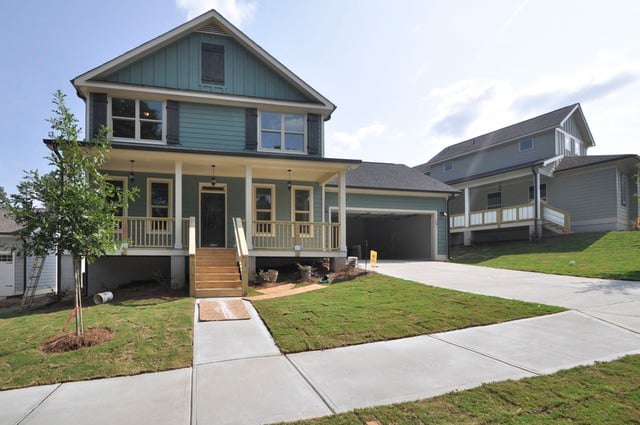
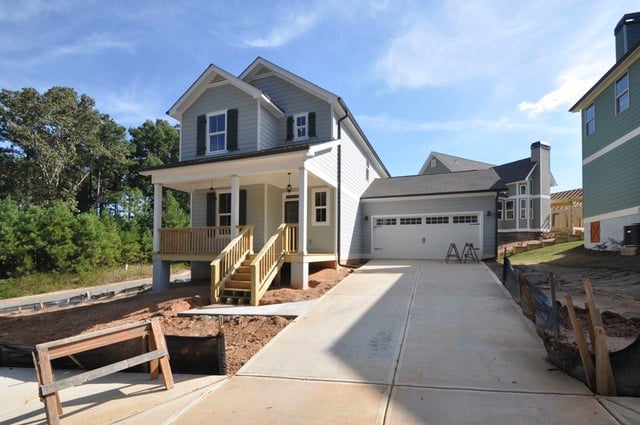
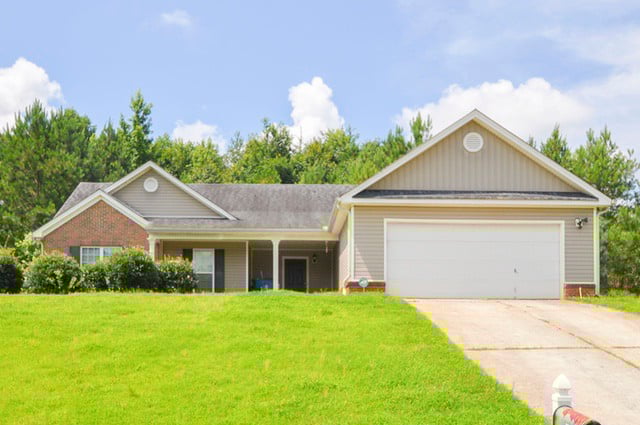
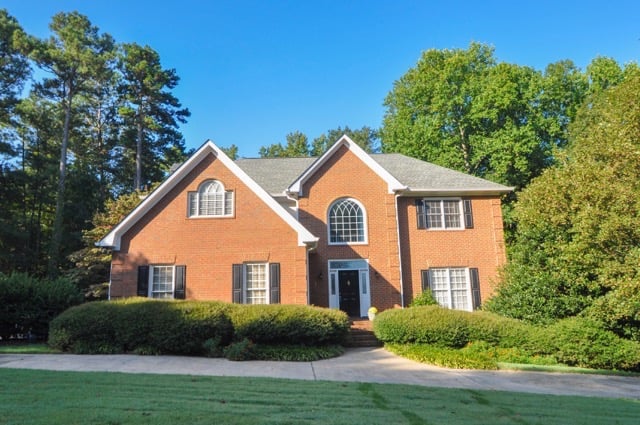
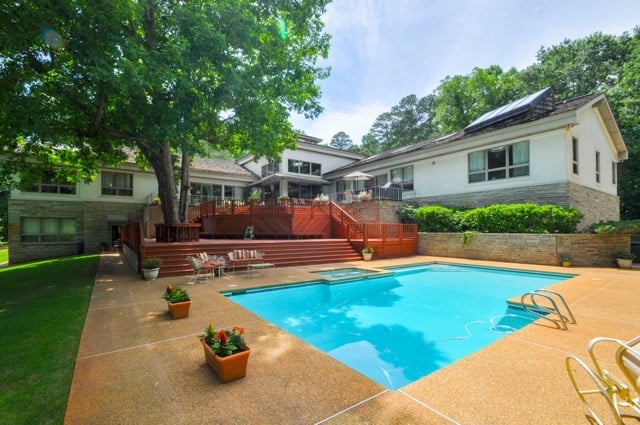
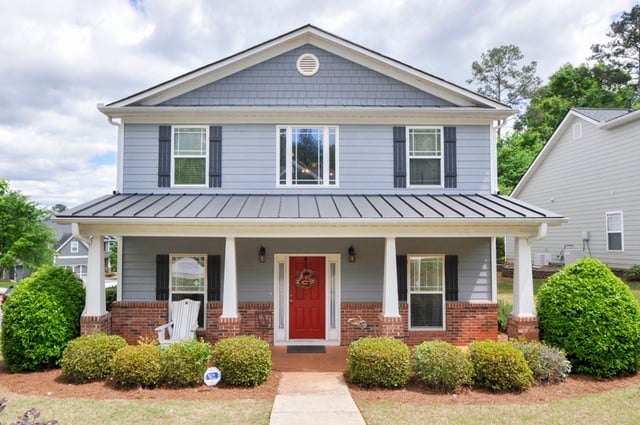
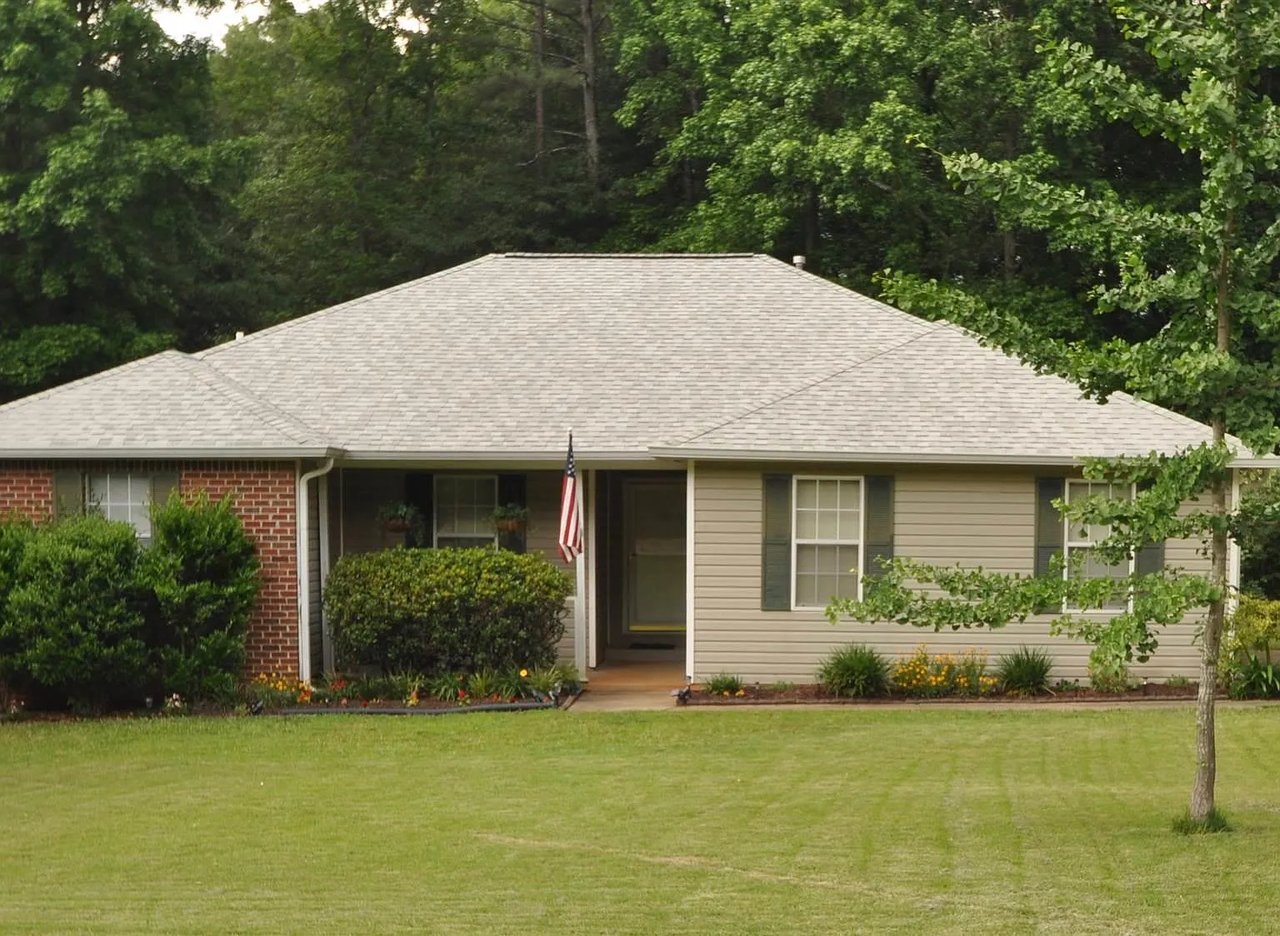
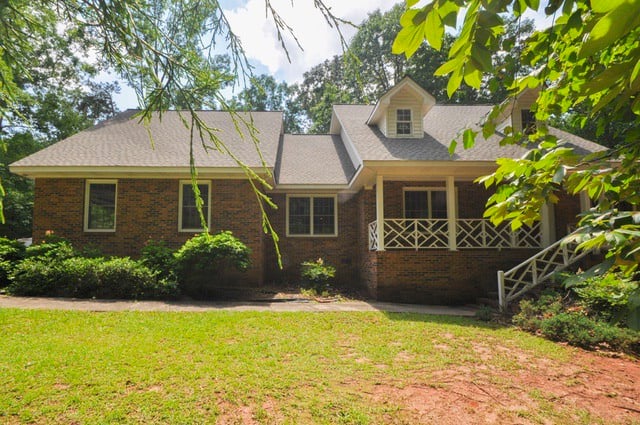
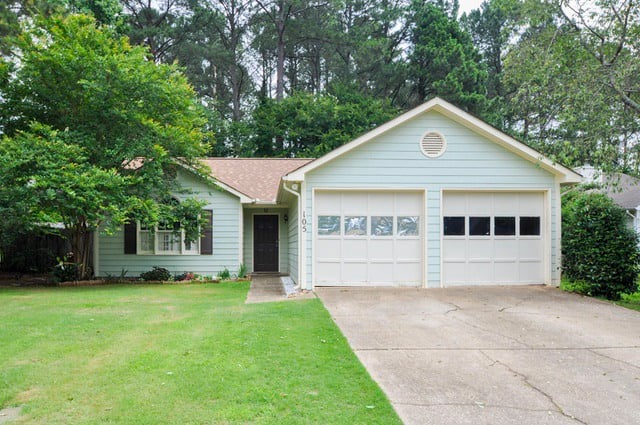
You’ll find everything from cozy cabins and modern mountain builds to lake cottages with docks, rural acreage, and small-town condos. Lakeside and lake-access homes often carry a premium over inland properties. Seasonality and second-home demand can tighten inventory during spring and summer.
Financing can be different for unique or remote properties. Lenders pay close attention to road access, wells and septic, steep slopes, and any waterfront documentation such as surveys and dock permits. Some properties need specialty or portfolio lending solutions.
Taxes, insurance, utilities
Property taxes and exemptions
Property taxes are set by the county. Georgia offers homestead and senior exemptions that vary by county. If this will be your primary residence, ask about eligibility and application timing.
Insurance considerations
Expect homeowners insurance to reflect terrain and exposure. Waterfront and mountain homes can have higher premiums. Flood insurance may be required in mapped flood zones and can be wise near shorelines even when not required. In forested areas, consider wildfire coverage and defensible-space planning.
Utilities and heat sources
Electric service can come from investor-owned utilities in towns and electric co-ops in rural areas. Natural gas lines are limited outside larger towns. Many homes use propane. Outside city limits, plan for well and septic. Ask for recent utility bills, service providers, and maintenance records.
Internet and connectivity
Broadband access varies widely. Some towns have fiber or strong cable internet, while rural areas may rely on DSL, fixed wireless, or satellite. If you work from home, verify actual speeds at the property. Ask sellers for a recent speed test and confirm options with local ISPs.
Jobs, commute, airports
The local economy includes tourism and hospitality, healthcare, education, construction, retail, and some manufacturing. Many residents work remotely or commute to larger regional hubs or the Atlanta metro. Commutes can be 1 to 2 or more hours depending on your exact location and the route. The nearest major international airport is Hartsfield-Jackson Atlanta International. Several towns offer regional or general aviation airports.
Schools and healthcare
Public schools are organized by county. District size, programs, and resources vary by community. For higher education, the University of North Georgia has a key presence in the area.
Hospitals are available in larger towns and regional centers. Specialty care and major trauma services often require travel to Gainesville, Athens, or Atlanta. In rural mountain areas, emergency response times can be longer, so plan accordingly.
Recreation and culture
Outdoor recreation is a top draw. You can boat, fish, and swim on lakes; hike sections of the Appalachian Trail; chase waterfalls; and enjoy mountain cycling. Towns host seasonal festivals, live music, arts markets, wineries, and historic downtown events. Short-term rentals are common in tourism corridors, which is important if you plan to rent your property.
Short-term rentals and investing
Short-term rental rules vary by town and county. Many places require registration, occupancy taxes, and safety inspections. Some subdivisions restrict rentals. Before you buy, confirm local ordinances, HOA rules, and projected operating costs.
Your pre-purchase checklist
- Confirm who manages the lake and shoreline: federal, state, county, or private association.
- Ask for flood history and review FEMA flood maps and local floodplain resources.
- Inspect septic and well; request permits, service records, and water-test results.
- Verify dock permits, shoreline stabilization, and any erosion-control history.
- Order a site-specific survey; for steep lots, get a geotechnical report.
- Confirm broadband availability and request recent speed tests.
- Review short-term rental rules, property taxes, and available exemptions.
- Get insurance quotes for homeowners, flood, and wildfire where applicable.
- Ask about services: garbage, recycling, road maintenance, and winter road treatment.
- If there’s an HOA or lake association, review covenants, fees, and restrictions.
How we help
Moving to a lake or mountain home is exciting, but the details matter. You deserve a senior-level advisor who can spot red flags early and streamline every step. With 30+ years of local leadership, boutique service, and proven negotiation, our team guides you through inspections, permitting nuances, and property-specific risks so you can buy with clarity.
We support buyers and sellers across Northeast Georgia, including lakefront, mountain, land, and new construction. From professional tours and digital marketing to coordinated due diligence, you get concierge-level service focused on smart outcomes. Ready to start a tailored plan for your move? Connect with Jennifer Westmoreland to schedule a personalized market consultation.
FAQs
Do I need flood insurance for a lake home?
- Lenders usually require it only in FEMA Special Flood Hazard Areas, but lakeside properties outside mapped zones can still face risk; consider coverage based on your property’s exposure.
Who handles dock permits on Lake Lanier or Hartwell?
- Federally managed reservoirs typically require permits from the U.S. Army Corps of Engineers; other lakes may involve state, county, or private associations—verify before you buy.
How reliable is mountain internet service?
- It varies by location; some towns have fiber, while rural areas rely on DSL, fixed wireless, or satellite. Confirm options and request recent speed tests for the specific address.
Are short-term rentals allowed in lake towns?
- Rules differ by county and city; many require registration and taxes, and some HOAs restrict rentals. Check ordinances and association covenants in advance.
What should I know about septic systems?
- Septic is common in rural areas. Age, maintenance, and drainfield capacity matter. Always order a septic inspection and request permits and service records.
How long is the commute to Atlanta from this region?
- Commutes can range from 1 to 2 or more hours depending on the town, route, and traffic. Evaluate your exact address and travel times during your typical commute window.