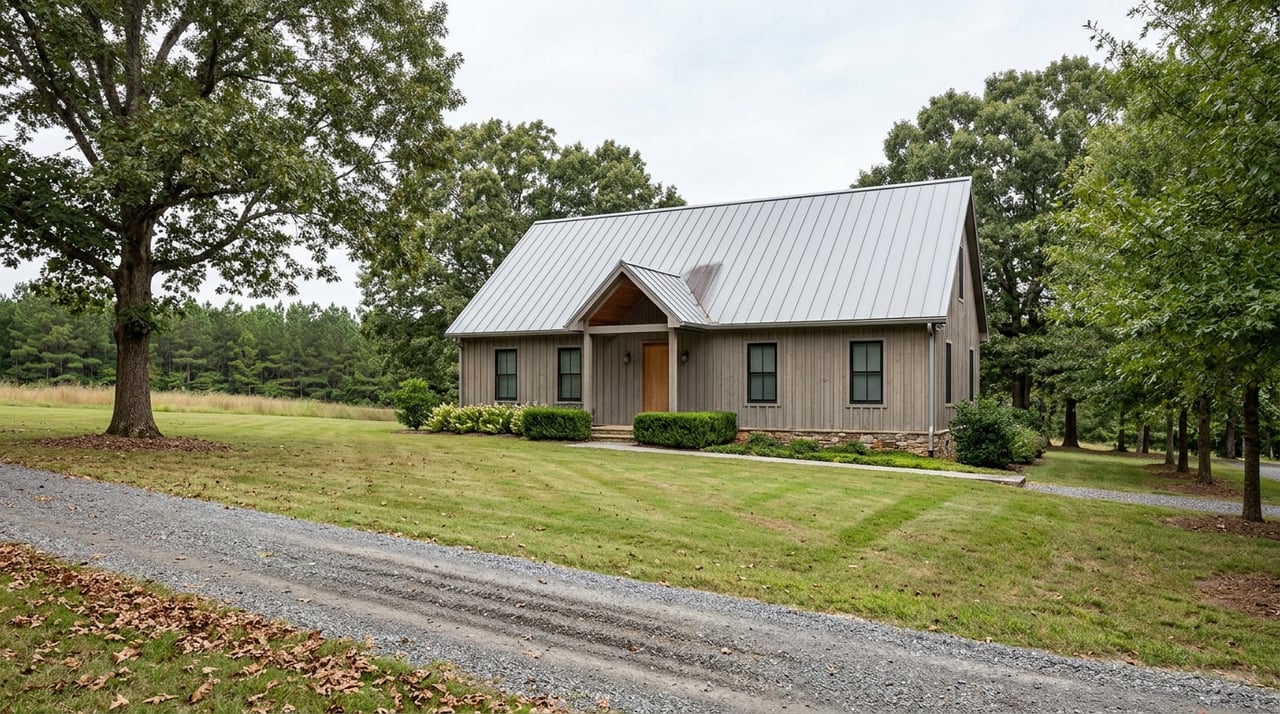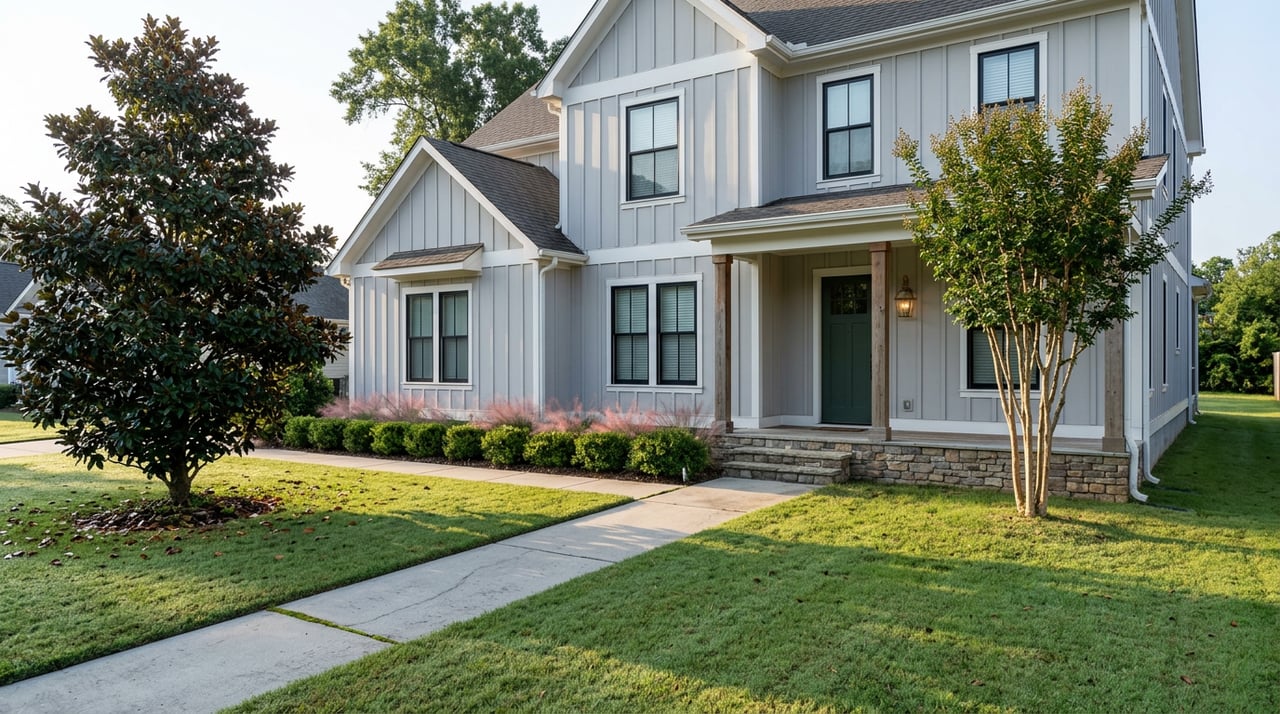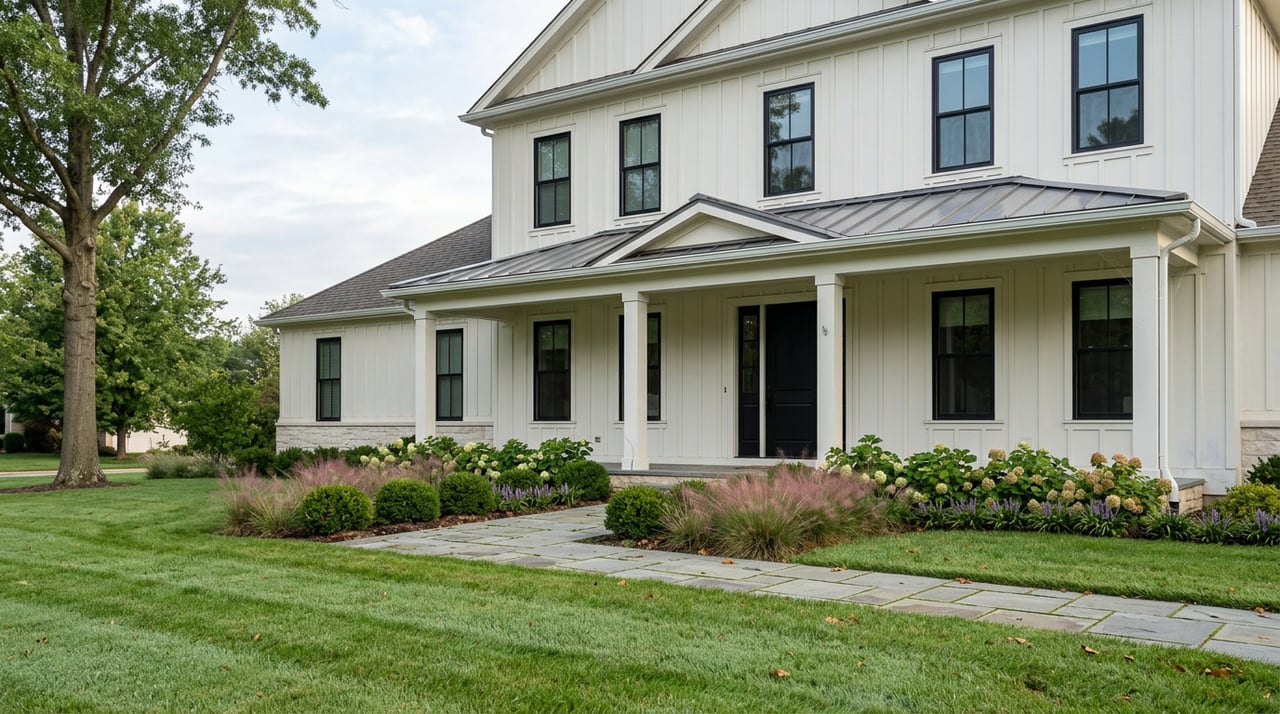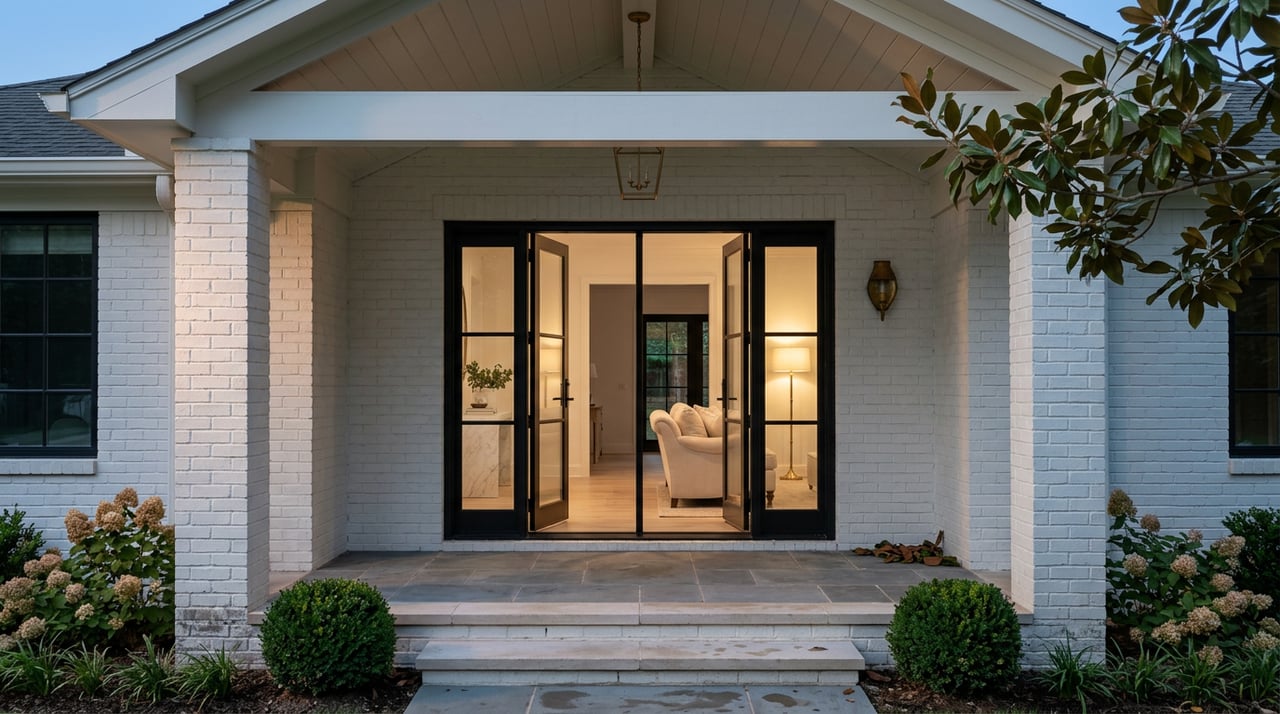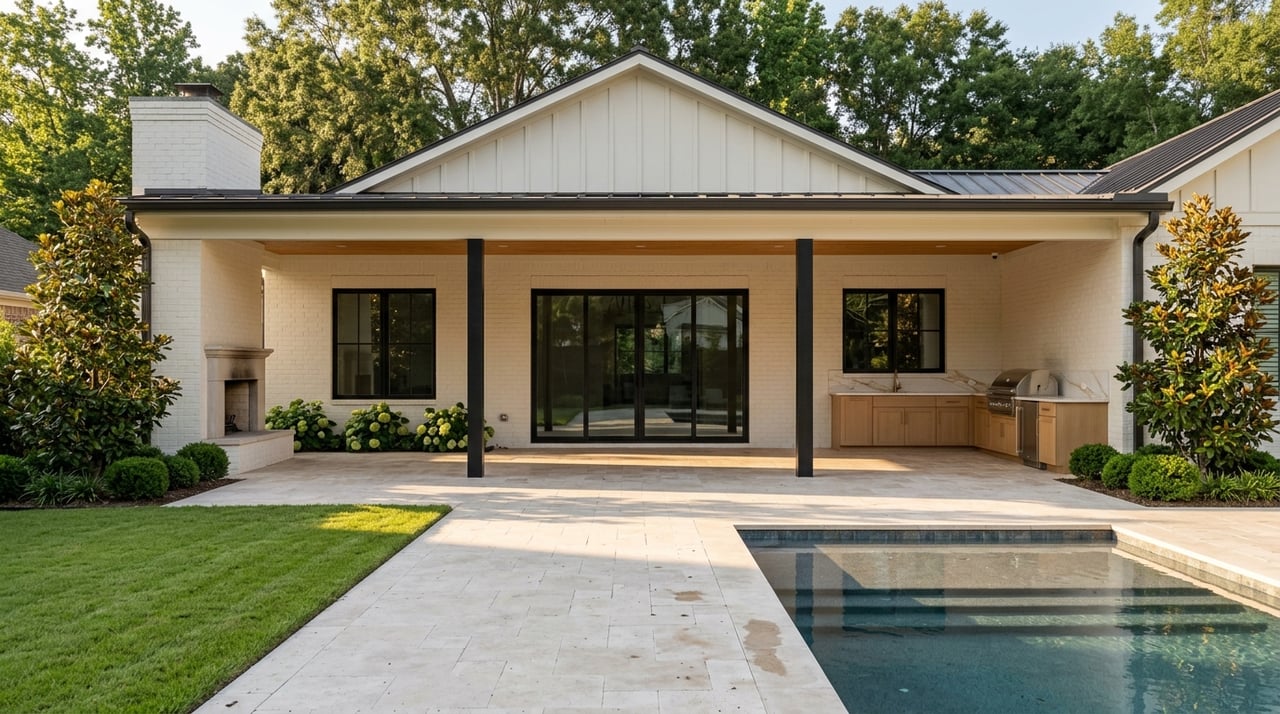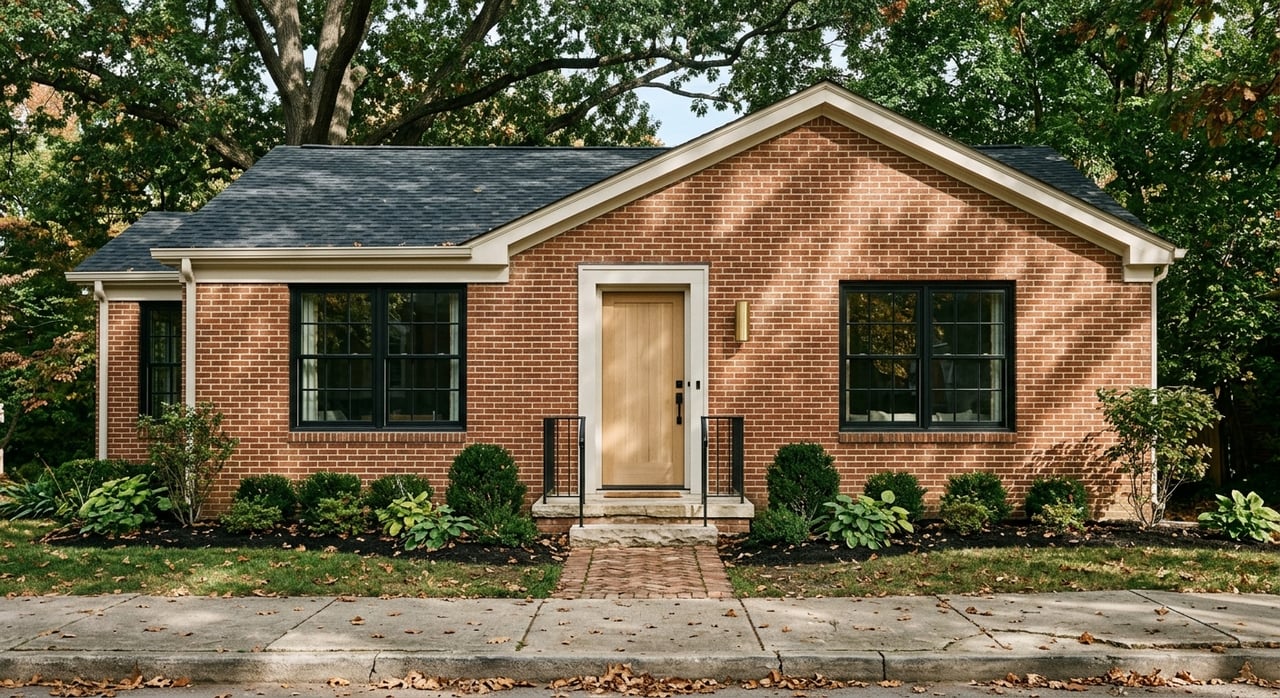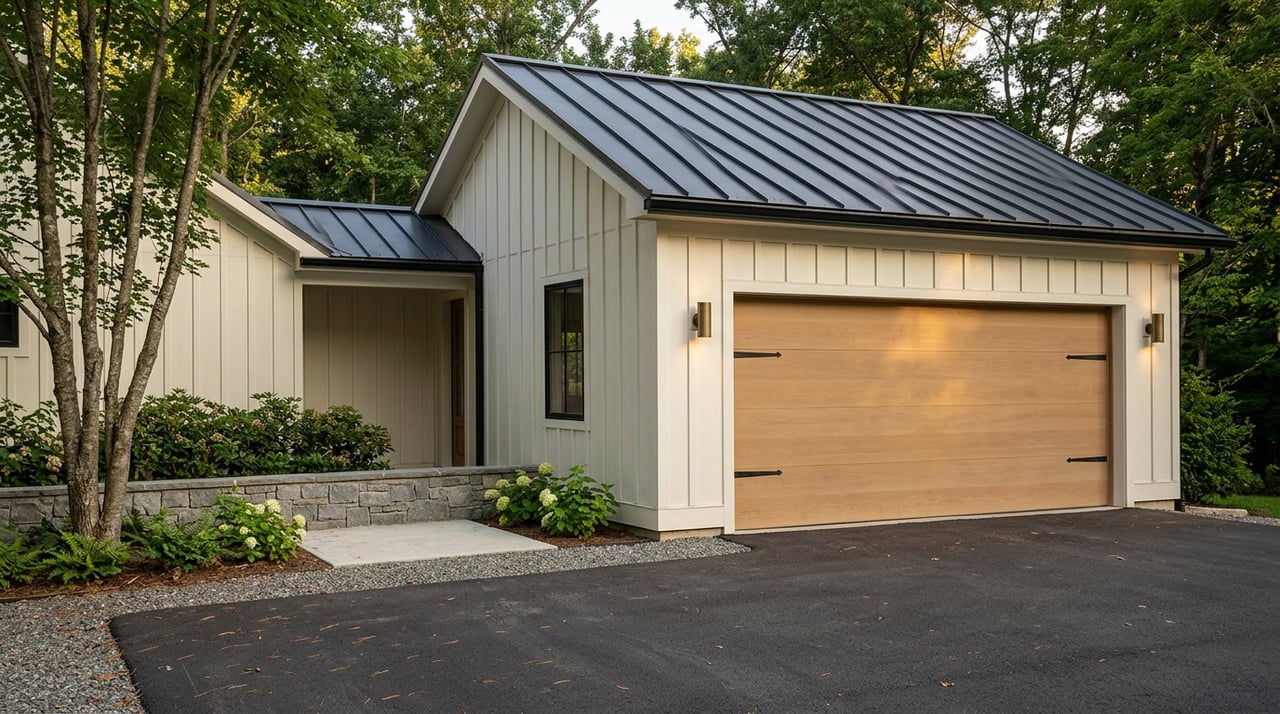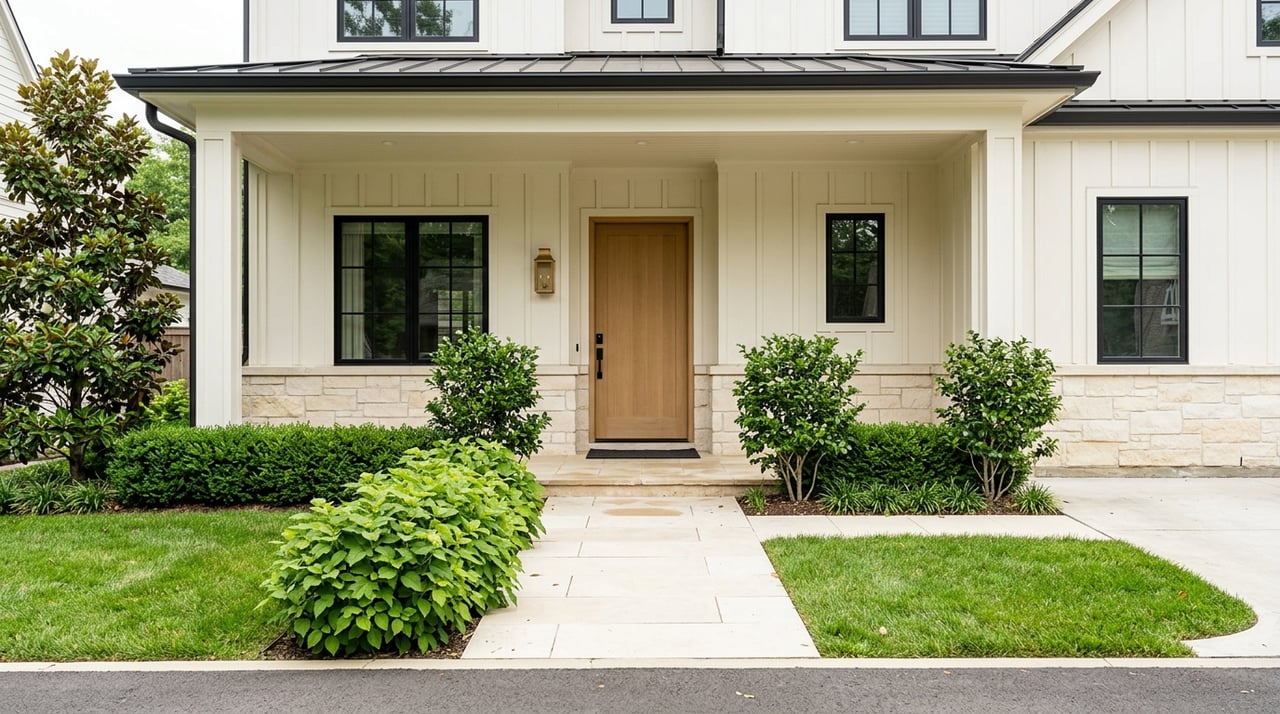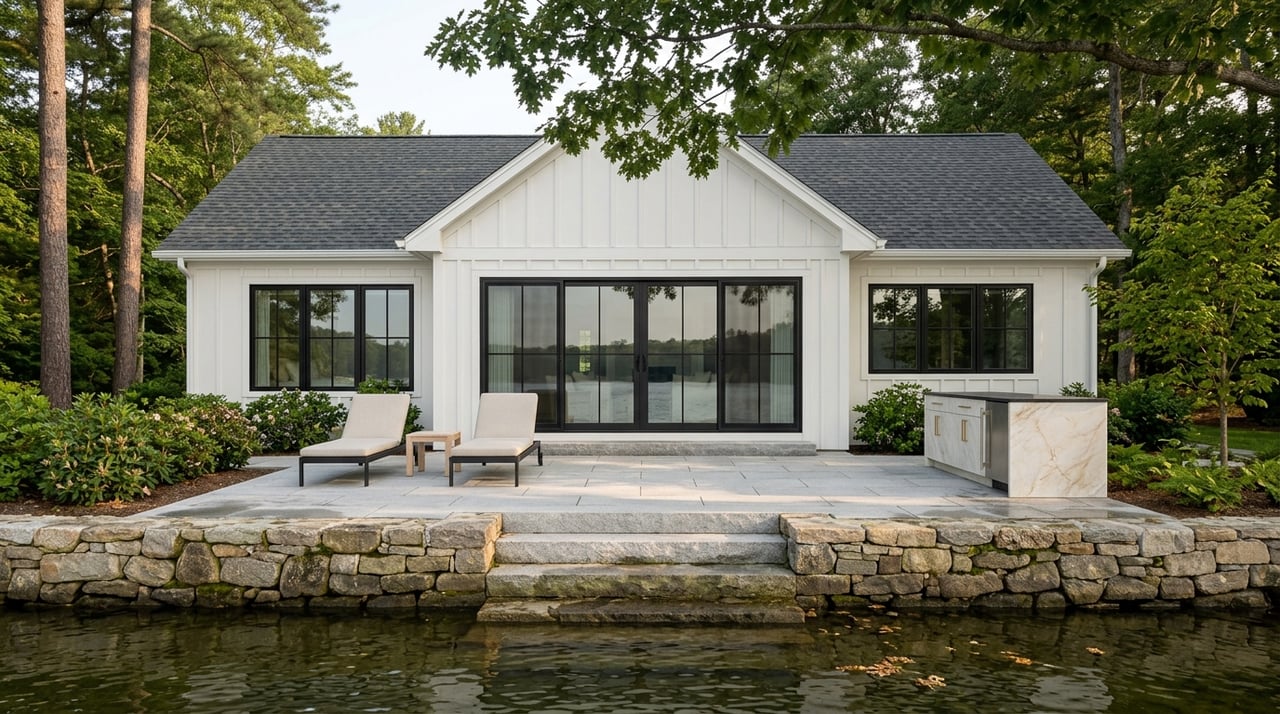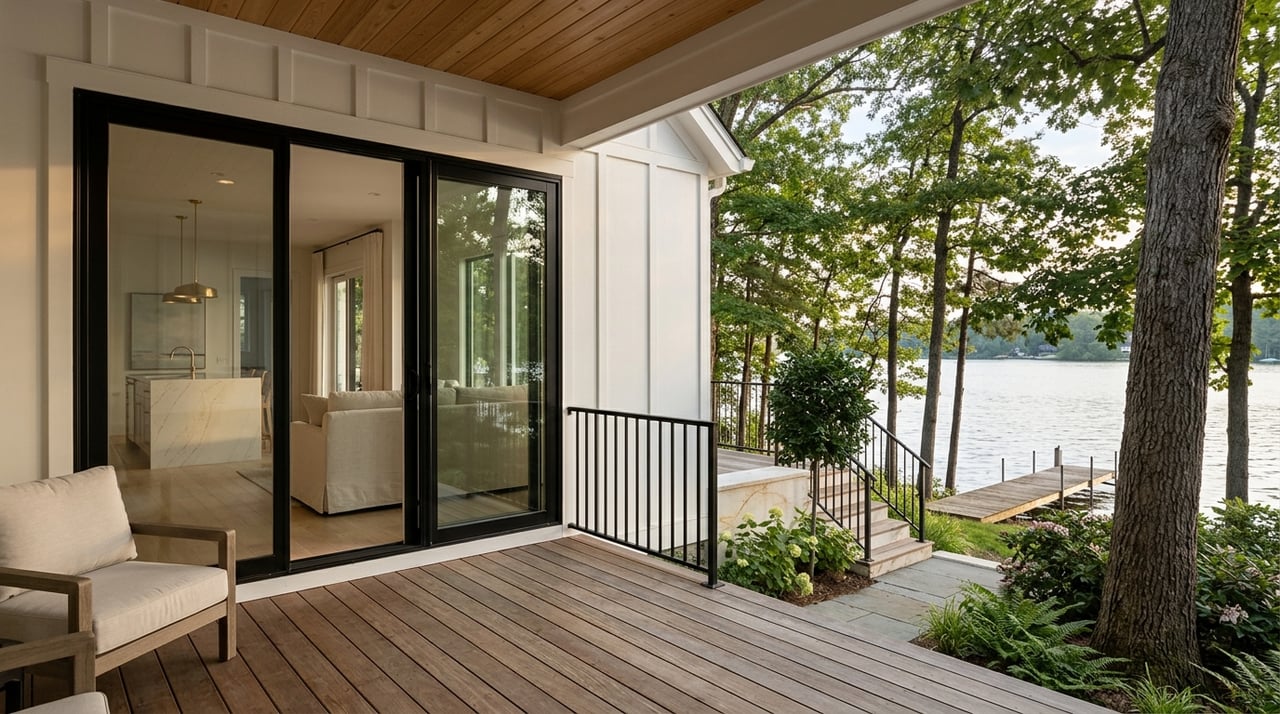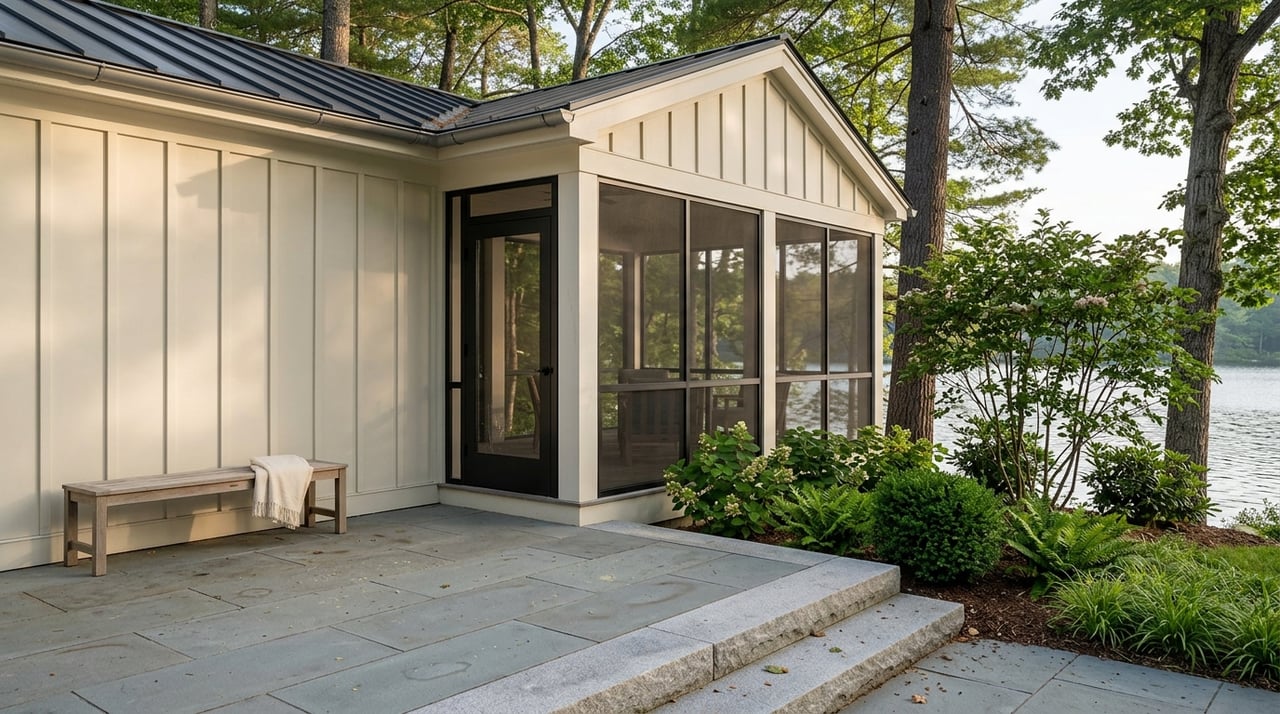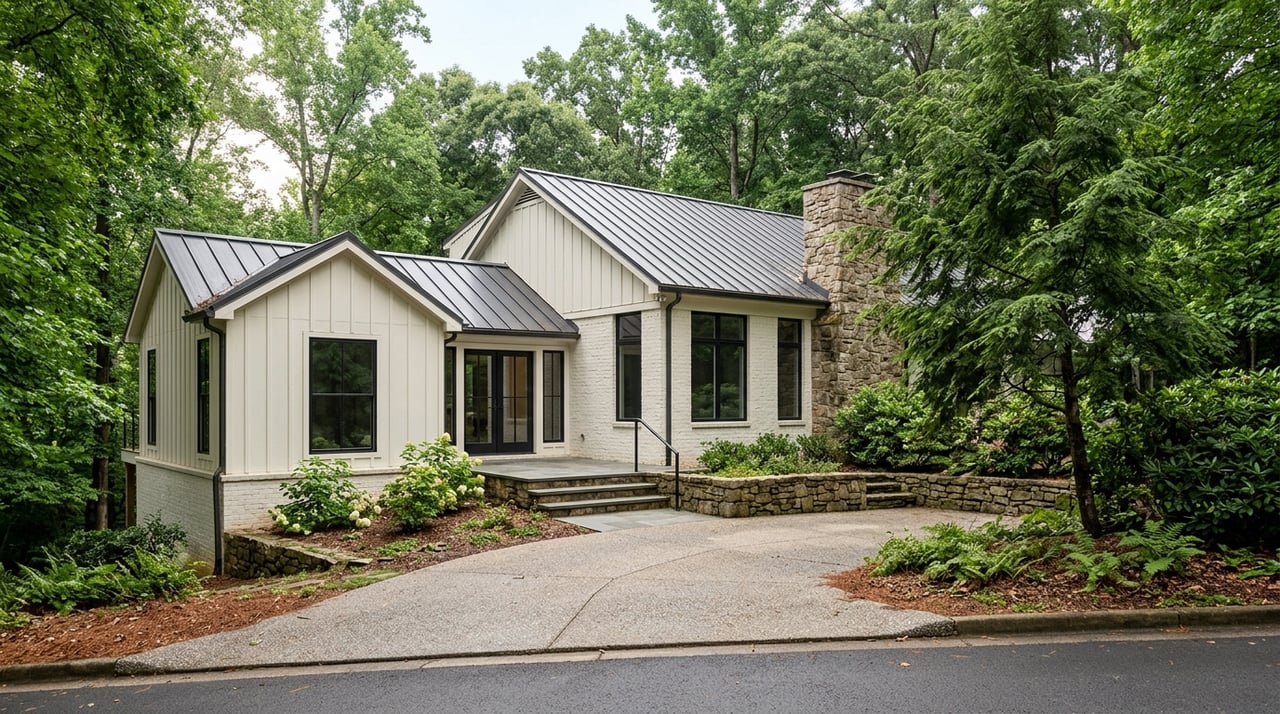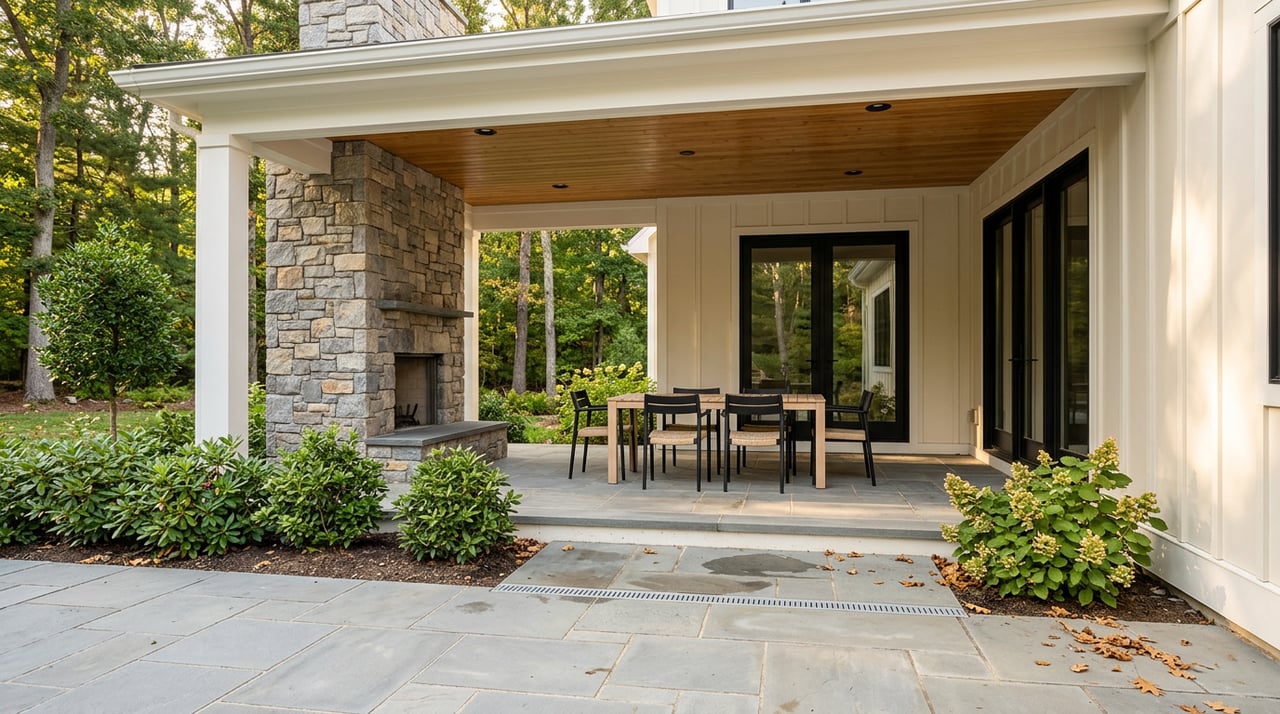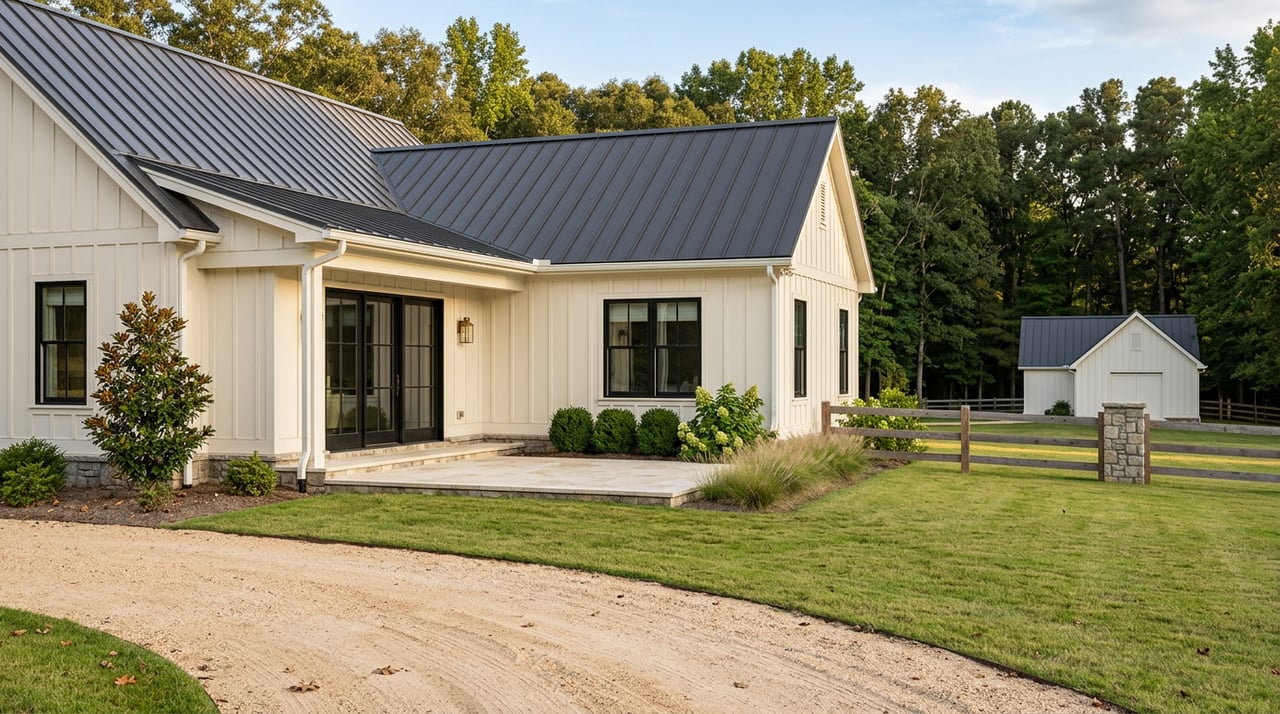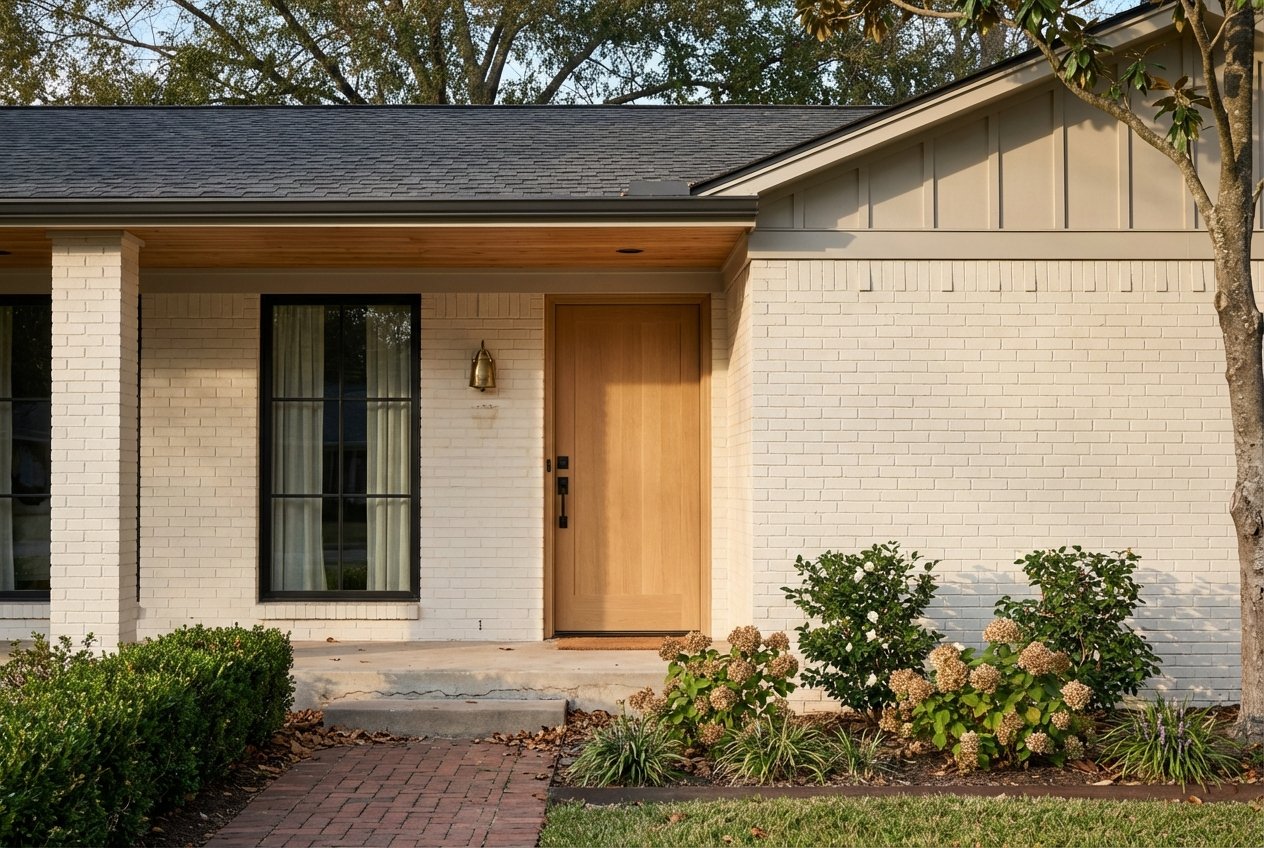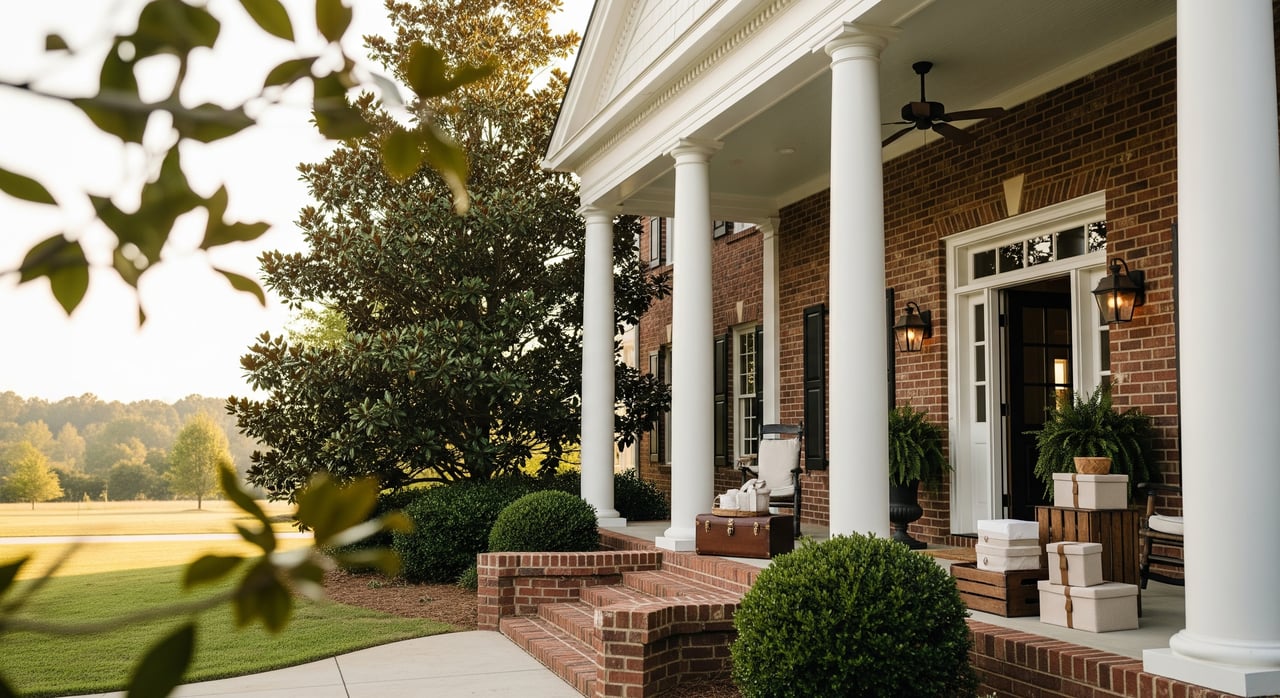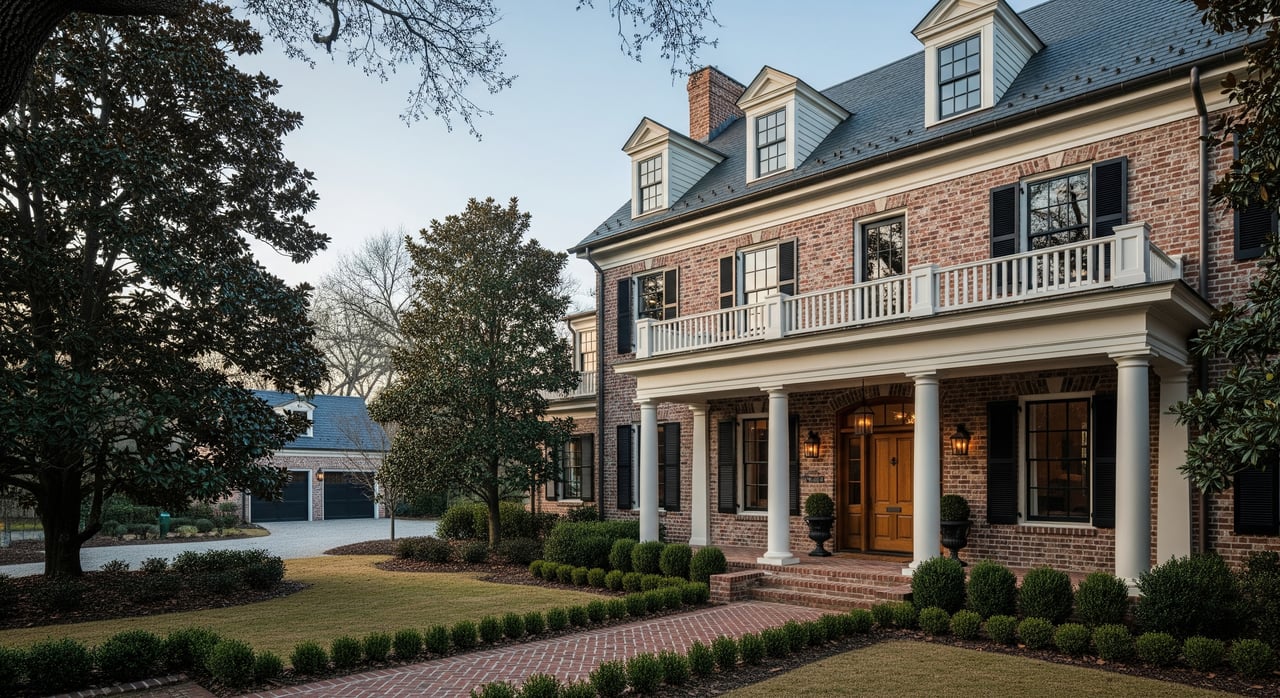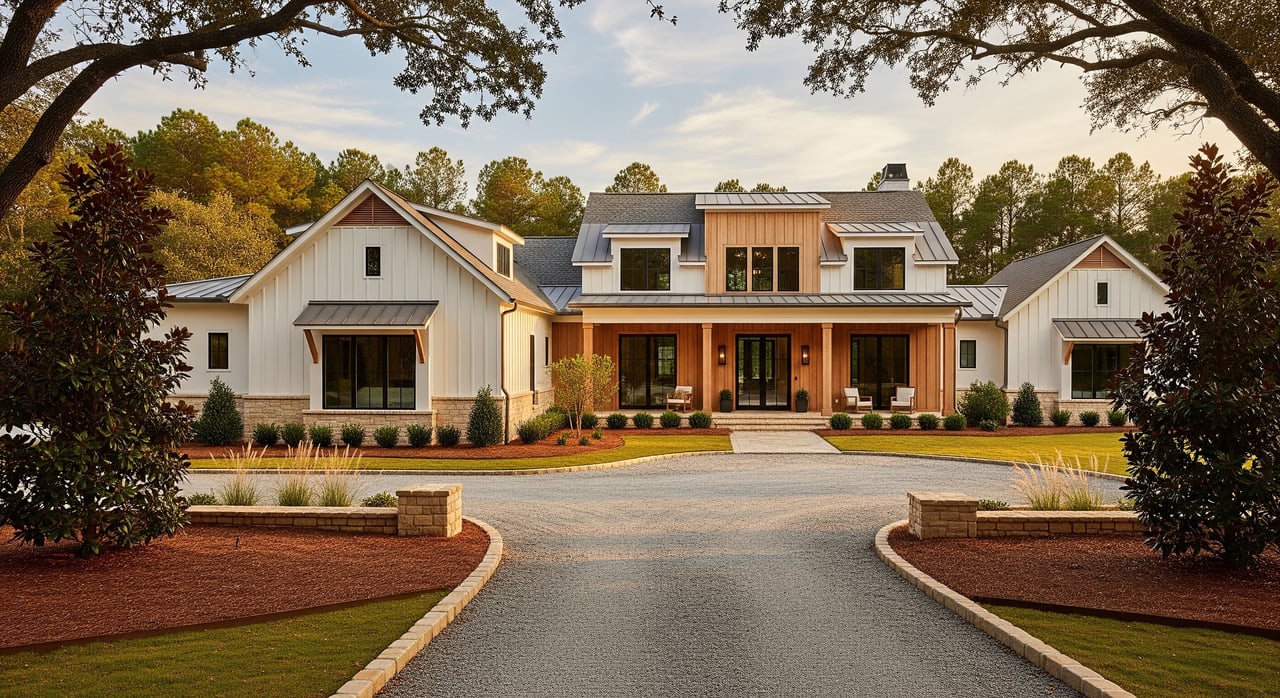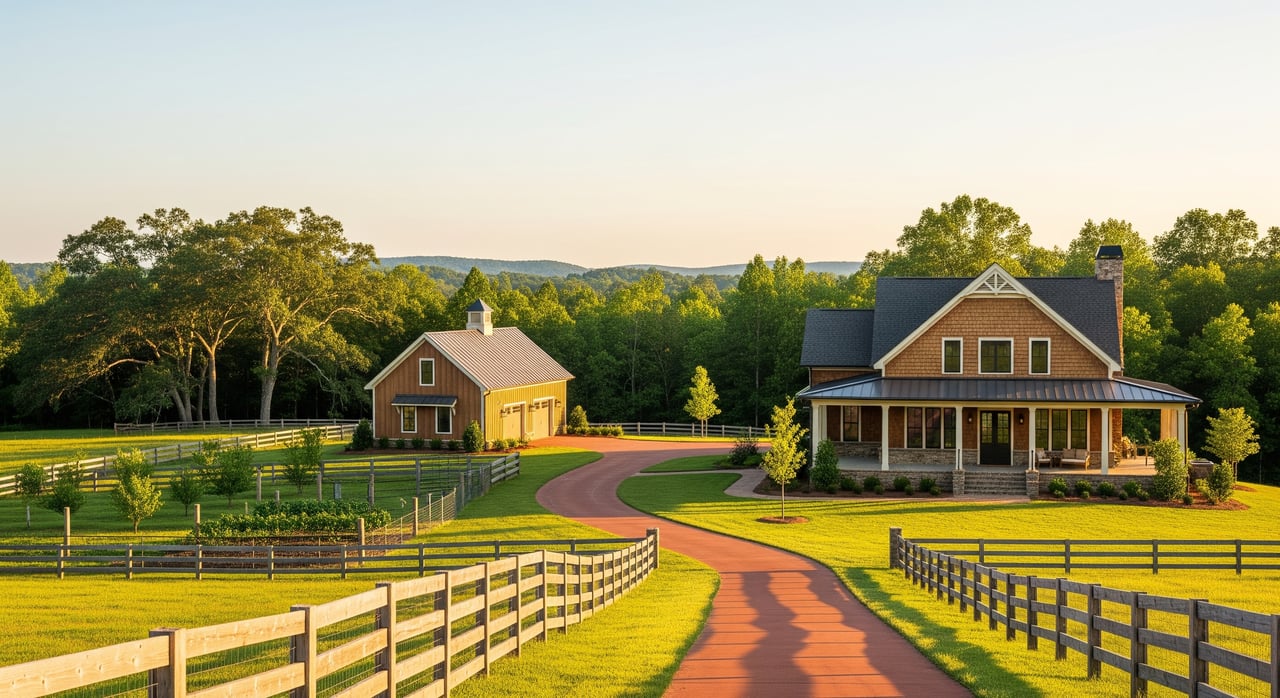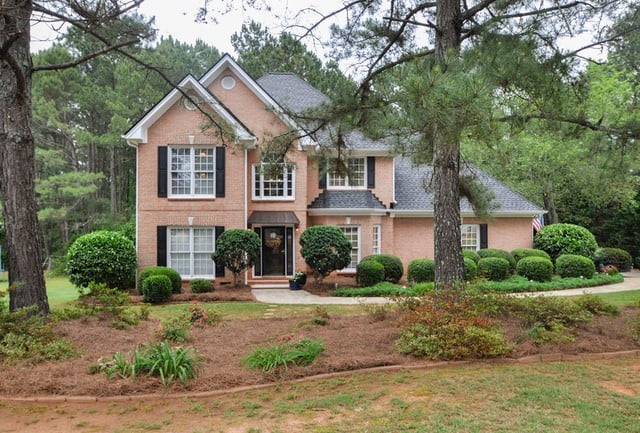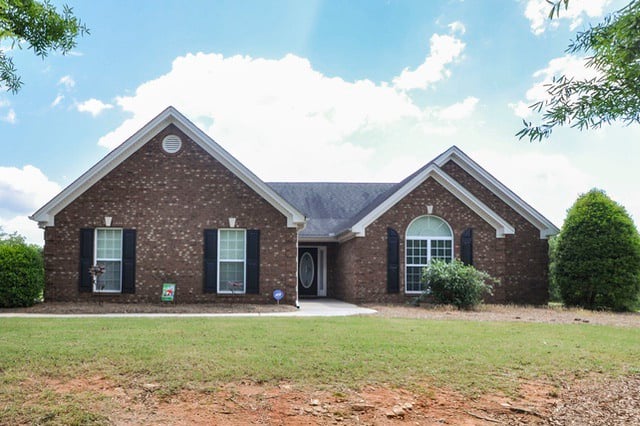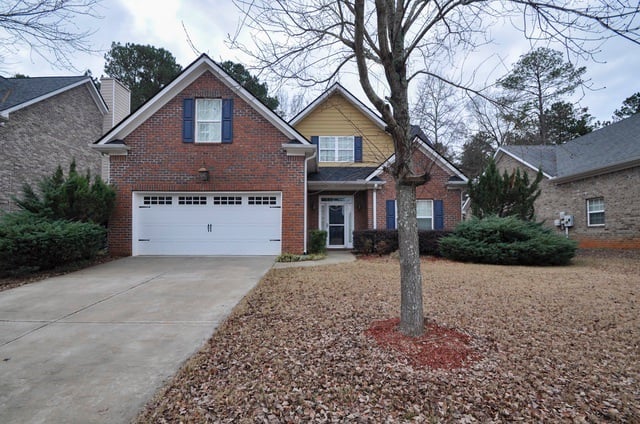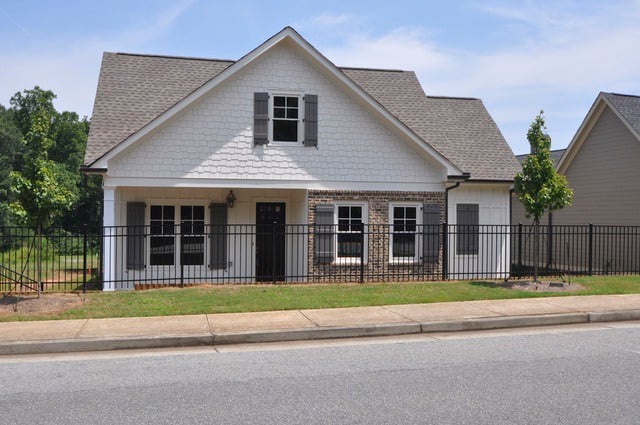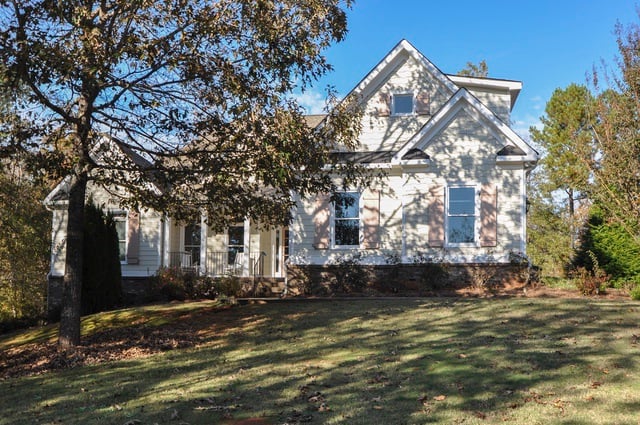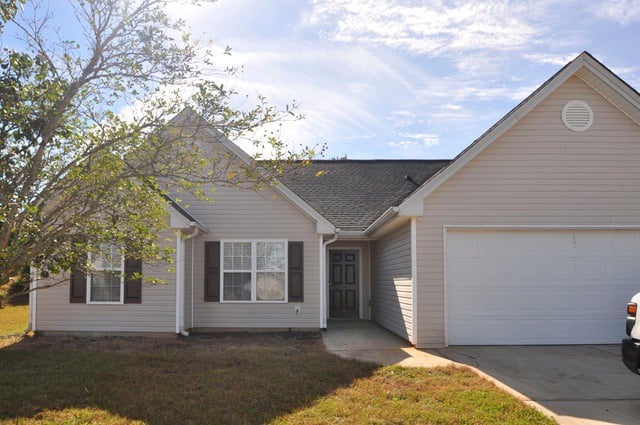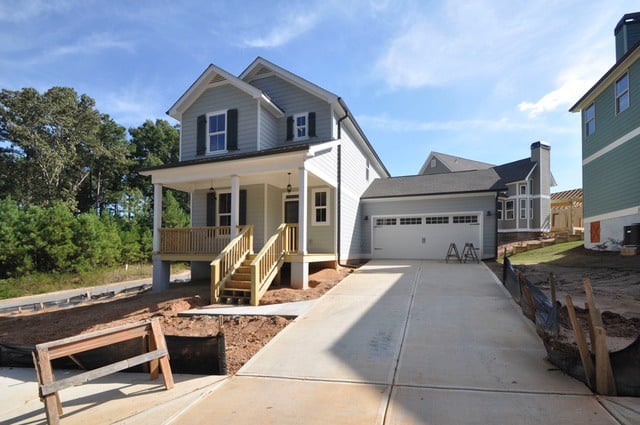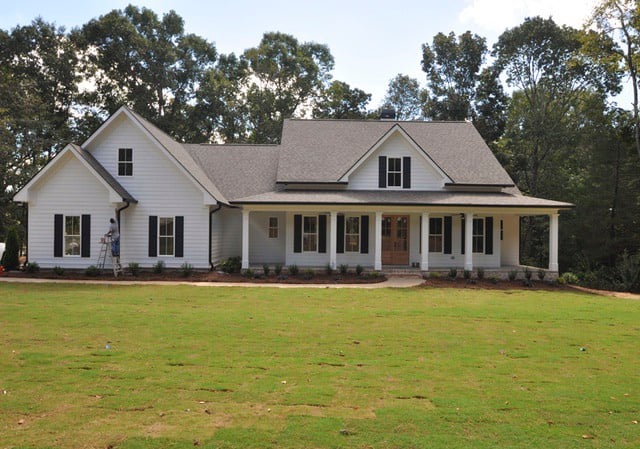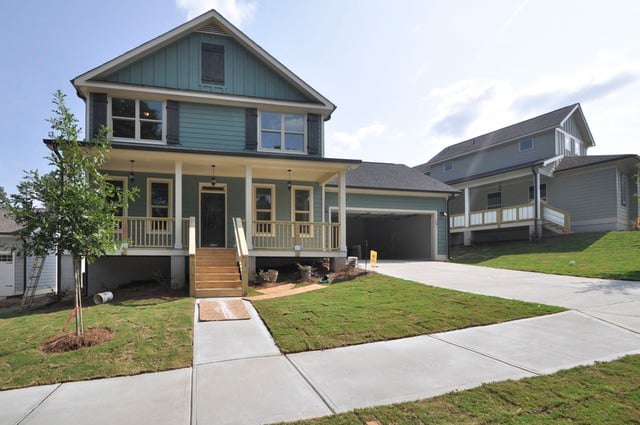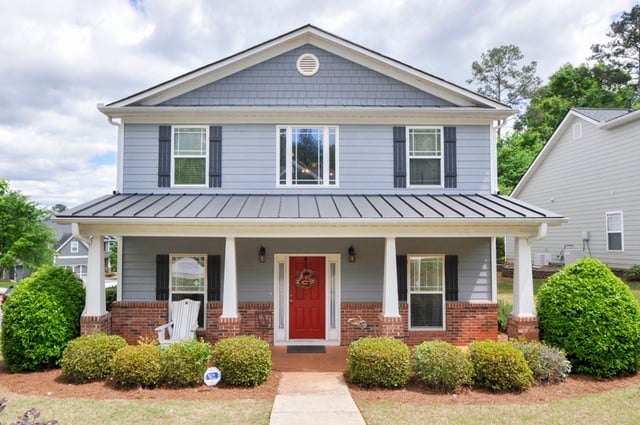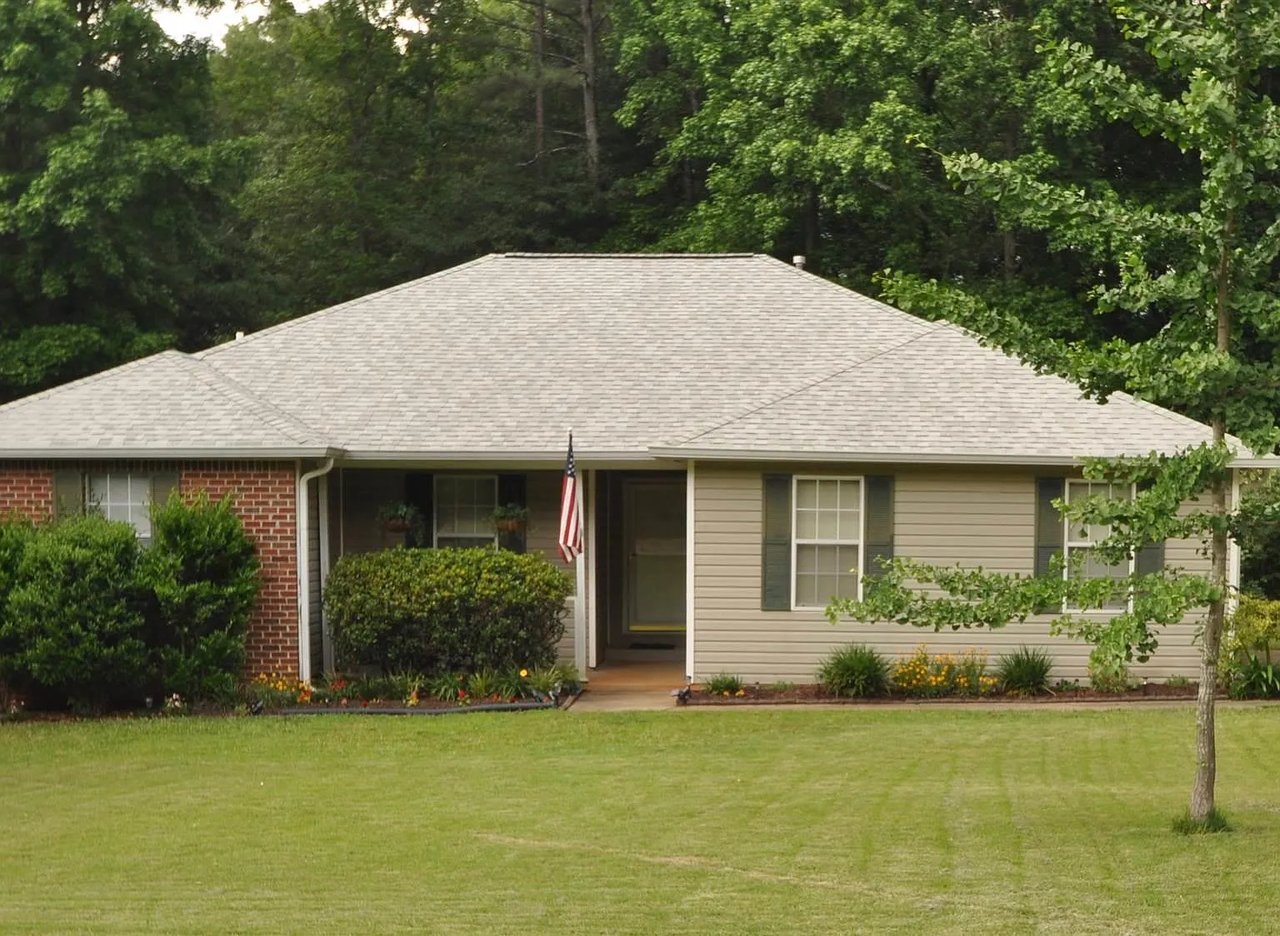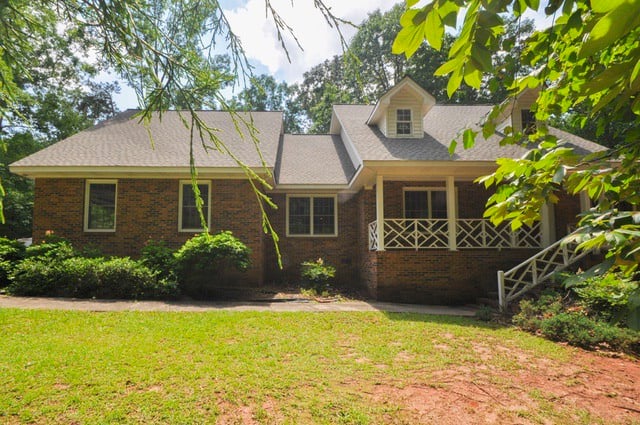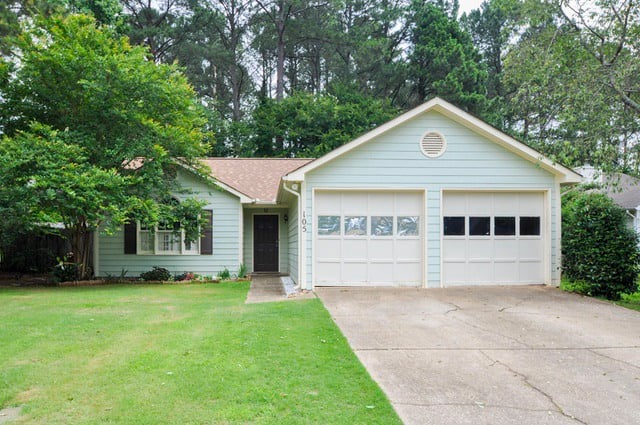
Thinking about building a new home in Bogart? You are not alone. Many buyers are choosing new construction to get a modern layout, energy‑efficient features, and a move‑in timeline that fits their life. If you want the small‑town feel of Bogart with easy access to Athens and the University of Georgia, new construction can be a smart path. This guide shows you how to pick the right builder and lot, structure your financing, protect your contract, and plan inspections so you can close with confidence. Let’s dive in.
Why build in Bogart
Bogart sits in Oconee County, where most permitting, inspections, and utility decisions are handled. That means your timeline, inspection schedule, and hookup costs are shaped by county processes. Many buyers also weigh commute and lifestyle with Athens and nearby job centers in mind.
As you plan, confirm the basics early. Ask about subdivision approvals, current utility capacity, and whether your lot will use public sewer and water or septic. These items affect costs, permits, and how long your build will take.
Choose your builder
Production builders: quick overview
Production builders often deliver homes in planned subdivisions with set floor plans and finish packages. Pros include faster delivery, standardized pricing, and the possibility of incentives through a preferred lender. The tradeoffs are less customization and limited negotiation once spec inventory tightens.
Custom and semi‑custom options
Semi‑custom and custom builders let you tailor floor plans, finishes, and lot orientation. You gain flexibility but should expect longer timelines and higher costs for upgrades or unique site work. These builds may require construction loans and more hands‑on oversight during selections and draws.
Vet builder quality
- Review the builder’s recent work in Bogart or nearby communities and tour model or completed homes.
- Check reputation through references, local reviews, and warranty claim history.
- Ask for written warranty terms and sample contracts to understand coverage and responsibilities.
Select the right homesite
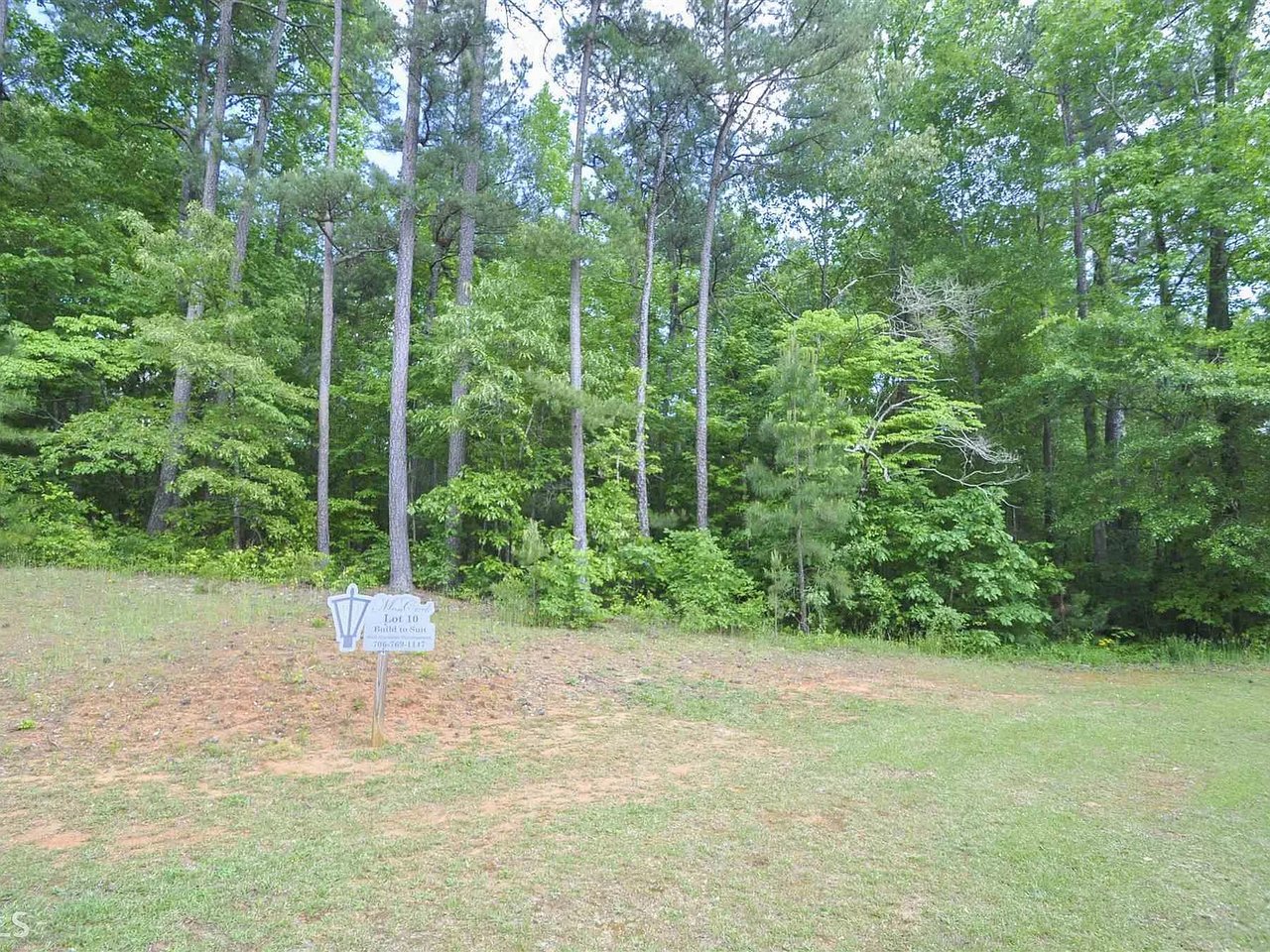
Lot choice matters for light, daily usability, and future resale. Corner and cul‑de‑sac locations, views, and larger lot sizes can carry premiums. Budget for site work if the lot is wooded or sloped, including grading, retaining walls, and erosion control. These line items can be significant and are not always obvious up front.
Sewer vs septic in Oconee
Confirm if the lot ties to public sewer or requires a septic system. Septic systems need soil testing and approvals and can add time and cost to your build. If you need septic, clarify who orders tests, who pays, and how results could change your plan.
Utilities and access
Ask about water and sewer tap or impact fees and which party pays them. Verify electric, gas, and internet availability before you finalize a lot. If the road is private, confirm who maintains it and whether the HOA has adequate reserves for long‑term upkeep.
Know your contract
Most production builders use their own purchase agreements that favor standard builder terms. Read carefully and confirm exactly what you are buying. Your goal is a clear price, a firm scope of work, and a defined path for any change orders.
Key items to check
- Full price and inclusions list, including structural, mechanical, and finish standards.
- Lot description and premiums and how any price changes will be handled.
- Construction timeline, what counts as a delay, and remedies if dates slip.
- Change order process, pricing, and payment schedule for upgrades.
- Warranty details, dispute resolution procedures, and any arbitration clauses.
- Financing contingencies and whether the builder requires a preferred lender.
Protect yourself
- Work with a buyer’s agent experienced in new construction.
- Consider an attorney review if the contract language is complex or one‑sided.
- Reserve funds for selections and expected change orders.
Plan your financing
Your financing structure depends on builder type and stage of construction. Production homes commonly close with a standard mortgage at completion. Custom and semi‑custom builds may require construction financing that later converts to a permanent mortgage.
Loan types for new builds
- Conventional mortgage after certificate of occupancy, common for production homes.
- Construction‑to‑permanent single‑close loan that converts at completion.
- Two‑close construction loan followed by a separate permanent mortgage.
- Government‑backed options like FHA, VA, or USDA for eligible buyers and properties.
Builder incentives
Preferred lenders sometimes offer rate buydowns or closing‑cost credits. These can be helpful, but always compare rates, fees, and the total cost of funds with outside lenders. Make sure any incentive is clearly stated in writing within your contract.
Budget for extras
Plan for lot premiums, structural upgrades, landscaping beyond the builder’s standard, window coverings, added utility fees, and potential construction interest if you carry a construction loan. Set aside a contingency, since selections often change as you see the build take shape.
Timeline and inspections
Timelines vary by builder, weather, and complexity. A production spec home can be ready in a few months if construction is already underway. A ground‑up semi‑custom or custom build often runs six to twelve months or more.
Common milestones
- Pre‑construction planning and any required soil or site studies.
- Foundation complete and inspected.
- Framing and roof in place.
- Pre‑drywall with electrical, plumbing, and HVAC rough‑ins visible.
- Final inspection and walk‑through before closing.
- Post‑closing orientation and punch list with a defined repair timeline.
Independent inspections
Independent inspections are recommended at major phases, even for brand‑new homes. Many builders limit site access during construction, so confirm inspection timing in the contract. A pre‑drywall and a final inspection typically offer the best value for catching issues early.
Warranties and service
Most builders follow an industry‑standard structure. Expect around one year for workmanship and materials, two years for major systems like plumbing, electrical, and HVAC, and ten years for certain structural elements. Some builders use third‑party warranty providers, so review the exact coverage and claim process.
How to stay on top of warranty care
- Keep copies of your contract, selections, and walk‑through punch lists.
- Note warranty deadlines and submit claims in writing through the builder’s process.
- Track response times and confirm agreed repairs in writing.
Taxes, insurance, and HOAs
Homeowner’s insurance must be in place before closing. Pricing reflects replacement cost and home features, which can differ from market value. Property taxes are assessed by Oconee County and can change after a new home is appraised at completion.
Before you buy, review HOA covenants, rules, and fees if the home is in a managed community. Look for maintenance responsibilities, architectural guidelines, amenity access, and reserve funding. Understanding these documents protects your budget and your future resale.
Appraisal and resale
Appraisals on new homes rely on recent comparable sales. In a new subdivision with limited closed comps, an appraisal can come in lower than the contract price. Prepare for this risk by understanding your lender options and how appraisal gaps are handled in your contract.
For long‑term value, focus on quality, layout, and energy‑efficient features that reduce carrying costs. Lot orientation, neighborhood amenities, and school assignments can influence resale over time. If many new homes are delivering at once, consider supply timing when you plan to sell later.
Step‑by‑step buyer checklist
Pre‑offer
- Research neighborhoods and recent sales through local MLS data.
- Confirm lot location, utilities, and HOA status.
- Get fully preapproved, not just prequalified.
- Interview builders and request references, warranty details, and sample contracts.
Offer and contract
- Have your buyer’s agent review the builder’s contract language.
- Clarify what is included versus upgrades and get prices in writing.
- Negotiate incentives and document them in the agreement.
- Confirm the build timeline and remedies for delays.
During construction
- Schedule independent inspections at agreed phases if allowed.
- Keep a written record of selections, change orders, and payments.
- Communicate with your builder and lender to verify draw schedules and progress.
Pre‑closing
- Complete a detailed final walk‑through and punch list.
- Confirm permits, certificate of occupancy, and lien waivers.
- Shop homeowner’s insurance and finalize coverage start dates.
Post‑closing
- Register your warranty and keep all documents together.
- Track punch‑list repairs and follow up before deadlines.
- Note warranty windows for workmanship, systems, and structural coverage.
How Jennifer Westmoreland & Associates helps
You deserve a seasoned advocate who understands how Oconee County approvals, utilities, and builder processes shape timing and cost. Our team advises you from lot selection through closing, using deep local knowledge of Bogart and the greater Athens market. We help you compare builders, read contracts for scope and selections, align financing with your timeline, and schedule the right inspections so there are fewer surprises.
With senior‑level negotiation, a curated team model, and long‑standing relationships across Athens and Oconee, we make new construction simpler and more predictable. If you are considering land, a production build, or a semi‑custom home, we will help you move from idea to keys with confidence. Ready to explore your options in Bogart? Connect with Jennifer Westmoreland to schedule a personalized market consultation.
FAQs
Should I use a builder’s preferred lender for a Bogart new build?
- Compare offers. Preferred lenders may offer incentives, but you should shop rates, fees, and terms to confirm the best overall deal for your budget.
How much should I budget for upgrades on a new home?
- Costs vary by builder and finish level. Get written prices for desired upgrades and set a 5–10 percent contingency for changes or unexpected items.
Do brand‑new homes still need inspections in Oconee County?
- Yes. Independent inspections at key phases, especially pre‑drywall and final, help catch issues early and supplement builder and county inspections.
What if my home is not finished by the target date?
- Review your contract for delay remedies. Many agreements allow extensions for weather or supply issues, so clarify options like liquidated damages before you sign.
Will a new Bogart home change my insurance or taxes?
- It can. Insurance is based on replacement cost and features, and Oconee County taxes reflect appraised value after completion, which may raise your property tax bill.