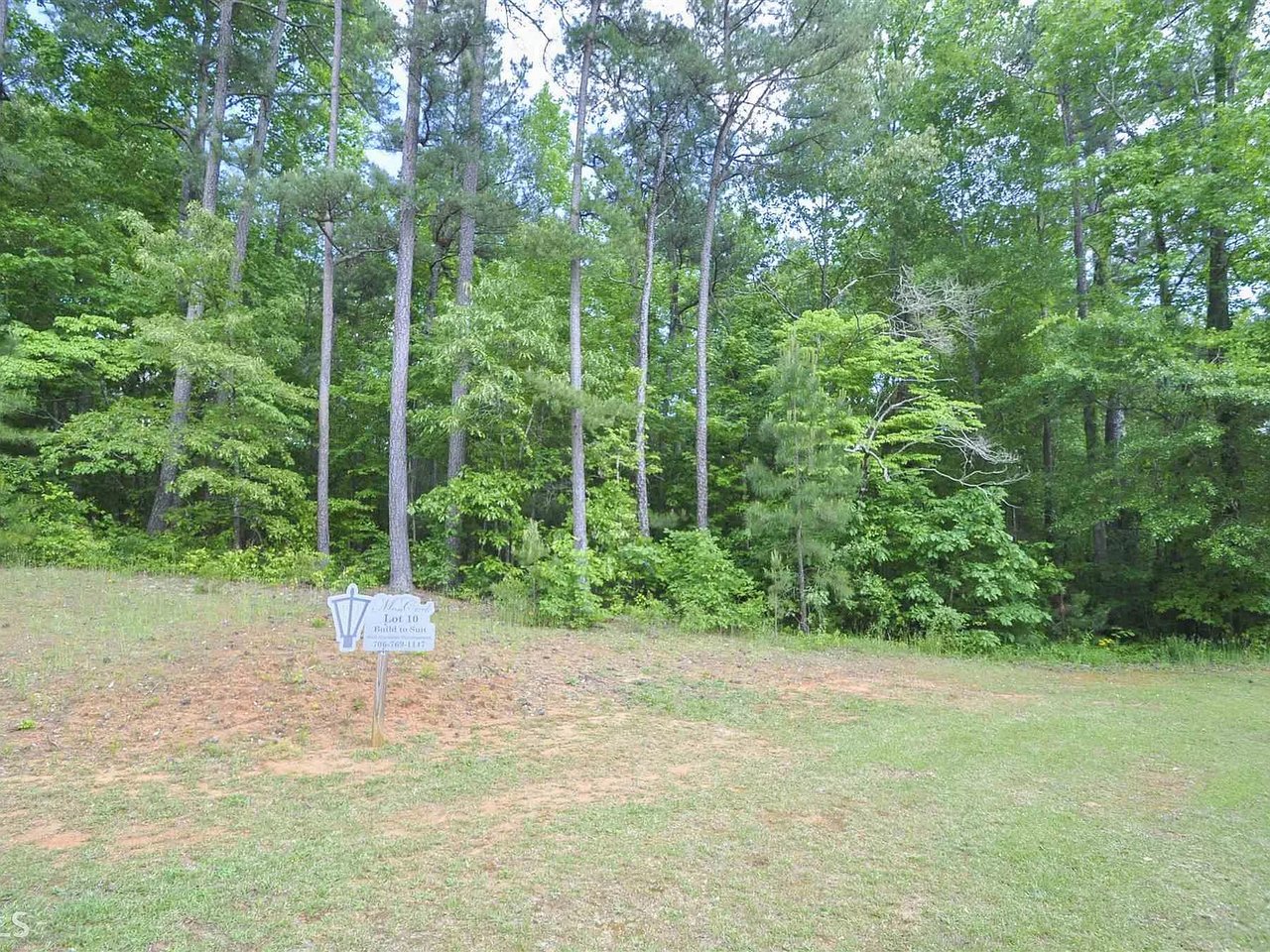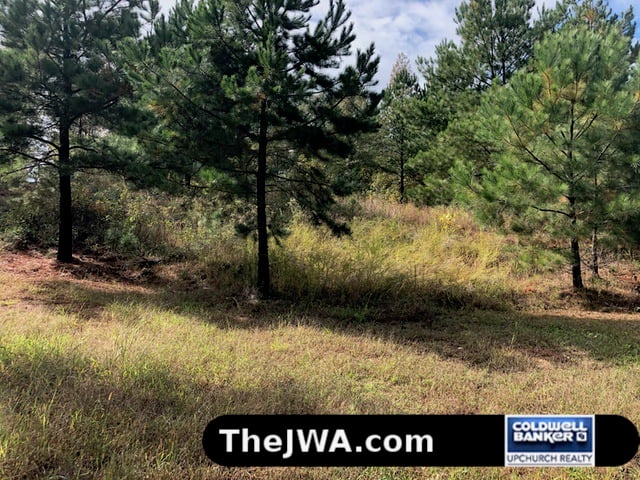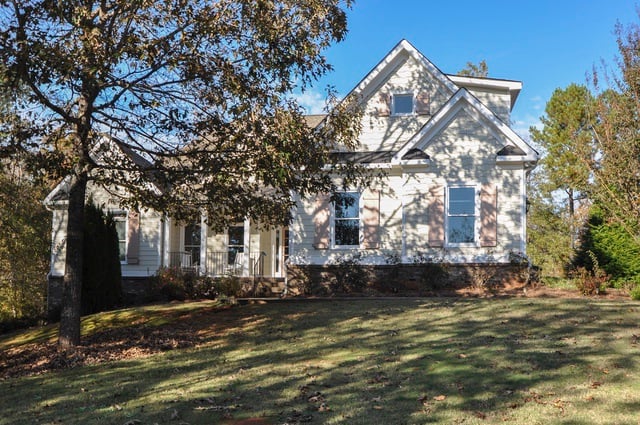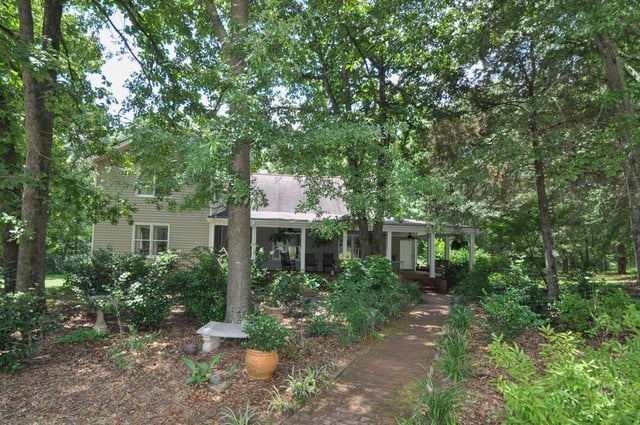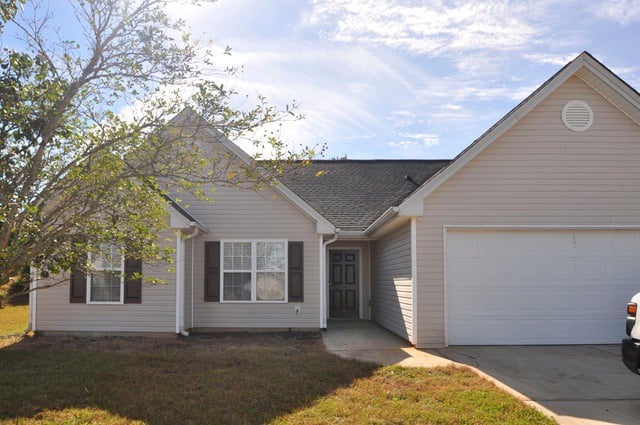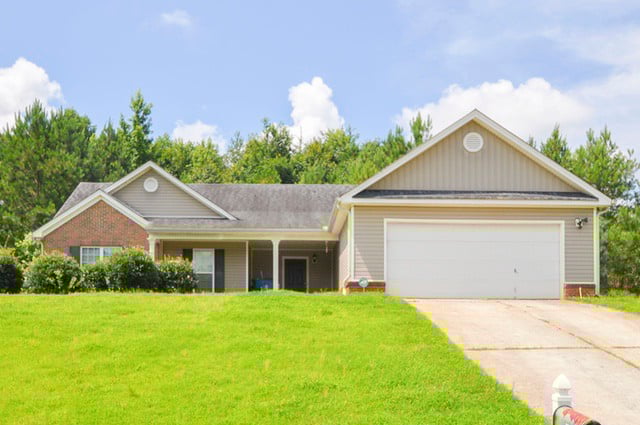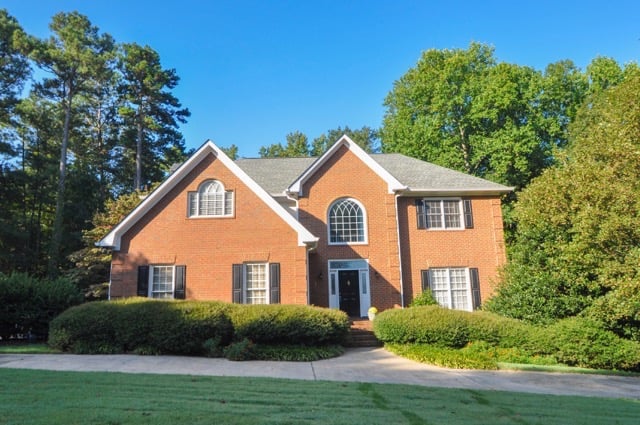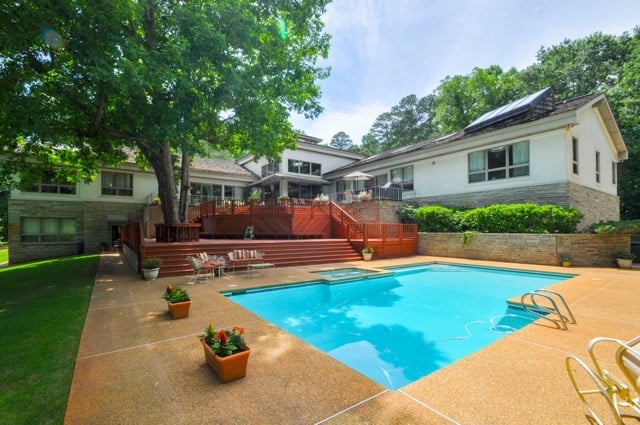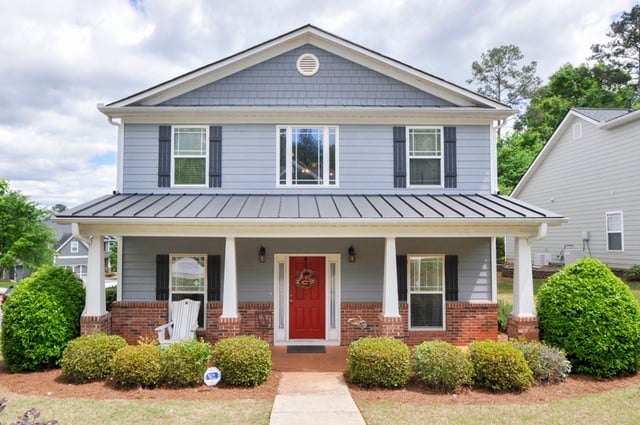
Thinking about turning a small tract in Hull into your next homesite or a couple of buildable lots? You are not alone. Small-acreage parcels around Madison County attract buyers who want privacy, room for hobbies, and long-term value. In this guide, you will learn the key steps, rules, and practical checks that shape what you can build, how much it may cost, and how long it can take. Let’s dive in.
Start with jurisdiction and zoning
Before anything else, confirm whether the parcel sits inside Hull city limits or in unincorporated Madison County. Jurisdiction affects which offices handle approvals and whether municipal utilities are available. Most rural parcels are reviewed by Madison County Planning & Development, the Building Department, Environmental Health, and Public Works.
Zoning sets use allowances, minimum lot size, and setbacks. Some areas also have overlays like floodplain or watershed protections. If you plan to split acreage into multiple lots, county subdivision rules apply. That means plats by a licensed surveyor, minimum frontage, road standards, recorded easements, and formal approvals.
Understand soils, water, and environmental limits
Septic feasibility is a top priority. Georgia Department of Public Health rules guide onsite sewage, and the county’s environmental health staff review soils and issue septic permits. A soils evaluation helps you learn if the ground will support a conventional septic system or if you need a different approach.
For water, most rural sites rely on drilled wells. Check local groundwater conditions and plan for water quality testing. Many small-acreage parcels will not have municipal sewer or water, so build your budget around private well and septic systems.
Wetlands and floodplains can limit where you build. A wetlands delineation may trigger buffers or permits through state or federal agencies. Flood zones shown on FEMA maps can affect the home location, elevation needs, and insurance costs. Slopes also matter because steep ground increases erosion risks and the cost of driveways, grading, and stormwater controls.
For larger or sensitive sites, state or federal reviews may flag protected species or cultural resources. That can add time and influence your site plan.
Plan utilities and access
Electricity is usually available through Georgia Power or a local electric membership cooperative. Line extensions and transformers can be a meaningful cost if the nearest pole is a long way from your homesite. Natural gas is often not available in rural areas, so many owners use propane or high-efficiency electric systems.
Broadband and telecom vary by location. Rural internet can be limited, although coverage is improving. Check service options early if remote work or streaming is important to you.
Know your road access. Driveway and culvert permits come from the county or the Georgia Department of Transportation if you access a state road. If you are using a private easement, make sure you have a recorded agreement for access and maintenance. Fire protection also matters. Hydrant access and response times can affect insurance and your firewise planning.
Permits and typical development steps
1) Preliminary due diligence
- Order a title search to find easements, deed restrictions, and encumbrances.
- Confirm zoning and use with Madison County Planning & Development or Hull City Hall if inside city limits.
- Screen the site for septic feasibility, wetlands, floodplain, slopes, and utility availability.
2) Professional services
- Hire a licensed land surveyor for a boundary survey or subdivision plat.
- Engage a soils evaluator or geotechnical professional for septic and foundation guidance.
- Bring in a civil engineer if you need road improvements, drainage design, or stormwater controls.
3) Site approvals and permits
- Septic: County environmental health reviews soils and issues onsite sewage permits.
- Well: Follow state and county rules for well permits and construction.
- Building: Submit plans to the building department and schedule required inspections.
- Access: Get a driveway permit from the county or GDOT for state routes.
- Erosion and stormwater: If land disturbance exceeds thresholds, expect erosion control plans and inspections.
- Subdivision: If creating new lots, the county must approve your plat and you must record it.
4) Construction
- Build the driveway and culvert, extend utilities, install septic and well, and begin foundations and framing.
- Coordinate inspections at each required stage.
5) Final inspections and occupancy
- After final inspections, the county or city issues a certificate of occupancy so you can move in.
Budget, financing, and timeline
Plan for land and closing costs, surveys and plats, soils work and septic installation, well drilling, driveway and culvert, electric line extensions, building and grading, and all required permit and professional fees. If you are subdividing, road and drainage standards can significantly increase costs.
Two common cost surprises are utility extensions and driveway work. Long electric runs or new poles can add up. Steep or wooded access drives may require more grading and larger culverts. Septic and well costs vary by depth, rock conditions, and water table.
Financing choices include construction loans, lot or land loans with higher down payments, and programs that serve rural borrowers. Local banks, credit unions, and Farm Credit associations understand rural parcels and can explain what approvals you need for underwriting. Timelines vary by season and backlog, but plan on several weeks for septic and well approvals, more time for subdivision or special environmental permits, and added months if federal or state reviews are involved.
Tips for buyers and sellers in Hull
Buyers should focus on buildable area after accounting for setbacks, septic fields, and any wetland or floodplain buffers. Verify access and utility options before you fall in love with a layout. Get preliminary cost estimates for septic, well, driveway, and electric so you understand the full picture.
Sellers can speed up a sale by sharing clean documentation. A recent survey, soil test, septic history, well logs and water testing, and clear access records go a long way. Transparency lowers perceived risk and supports stronger offers.
For resale, parcels with clear access, known septic approval, and straightforward utility connections often command higher interest. Good records protect value and streamline future transactions.
Quick due diligence checklist
- Confirm city vs county jurisdiction for your parcel.
- Verify zoning, minimum lot size, and setback rules.
- Order a soils evaluation for septic feasibility with county environmental health review.
- Check FEMA flood maps and screen for wetlands.
- Review slopes and potential erosion controls if you expect large land disturbance.
- Contact the local electric provider about line extension needs and costs.
- Confirm whether municipal water or sewer is available; otherwise plan for well and septic.
- Check broadband availability and timing of any planned expansions.
- Verify access type (county, state, or private road) and driveway permit requirements.
- Gather well logs, water quality tests, and septic maintenance history if they exist.
- Run a title search for easements, covenants, mineral rights, and restrictions.
- Obtain cost estimates for septic, well, driveway, and utilities before you close.
Local resources to contact
- Madison County Planning & Development for zoning and subdivision standards
- Madison County Building Department for permits and inspections
- Madison County Environmental Health or the Northeast Health District for septic permits
- Madison County Road Department for driveway and right-of-way guidance
- City of Hull City Hall for parcels inside city limits and municipal utilities
- Georgia Department of Public Health for onsite sewage rules
- Georgia Environmental Protection Division for wetlands, stormwater, and water resource permits
- Georgia Department of Transportation for access permits to state roads
- USDA NRCS Web Soil Survey for preliminary soils data
- FEMA Flood Map Service Center for FIRM flood maps
- USDA Rural Development for rural financing programs
- Local electric provider (Georgia Power or local EMC) and telecom providers for service availability
Ready to move forward?
You do not need to navigate all of this alone. With three decades of local experience, we help you make smart, step-by-step decisions about buildability, costs, timing, and market value. If you are weighing a purchase, preparing to sell acreage, or planning a small subdivision, we can guide your due diligence and connect you with the right surveyors, evaluators, engineers, and builders.
Have questions about a specific parcel or a potential split? Reach out to schedule a personalized market consultation with Jennifer Westmoreland. We are here to help you move forward with clarity and confidence.
FAQs
Can I build a home on 1 to 5 acres in Madison County?
- It depends on zoning, setbacks, septic suitability, floodplain or wetland limits, and access to utilities; confirm details with county planning and environmental health.
How long does a septic permit take in Hull?
- Expect several weeks for soils evaluation and processing, with longer timelines on complex sites or during busy seasons.
Will my parcel have city water or sewer in Hull?
- Some areas near towns may have municipal service, but many rural lots use private wells and septic systems; verify service for your specific property.
What permits do I need before building a rural home?
- You typically need a septic permit, building permit, well permit if applicable, driveway/access permit, and erosion or stormwater approvals if you exceed land disturbance thresholds.
Do I have to pave a road to subdivide small acreage?
- County subdivision regulations set minimum road and frontage standards for new lots, and improvements may be required depending on your layout.