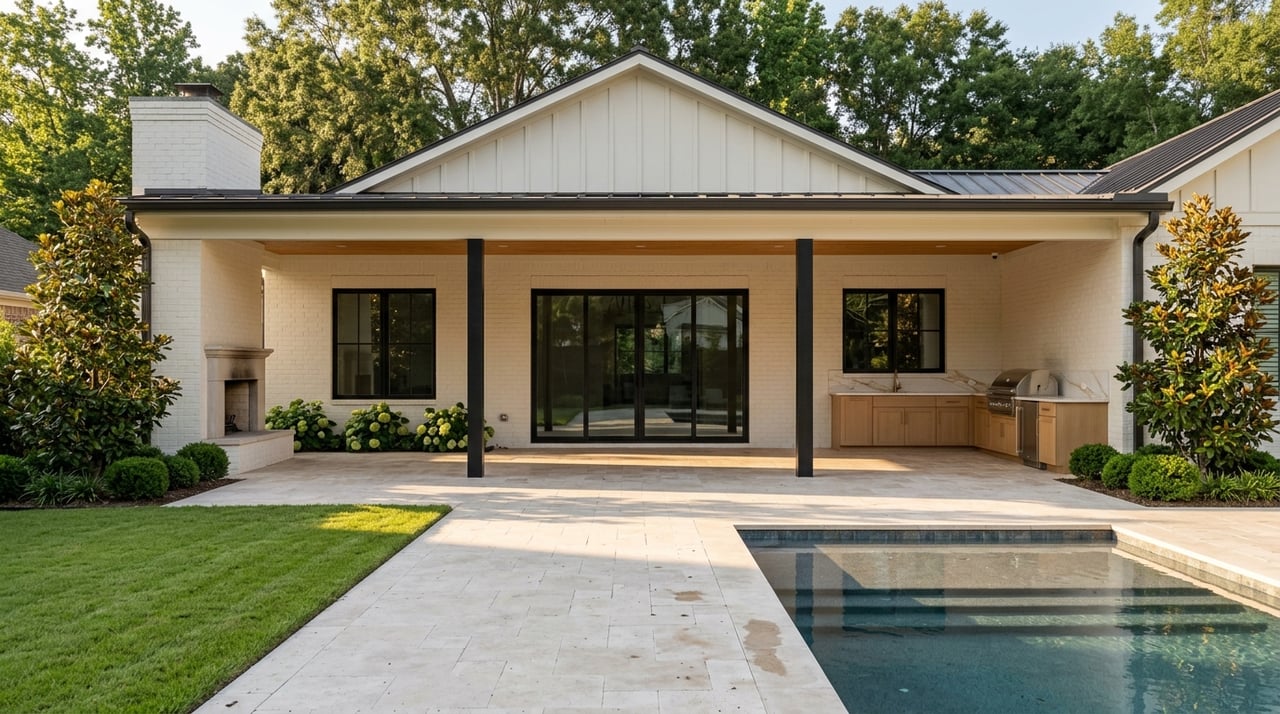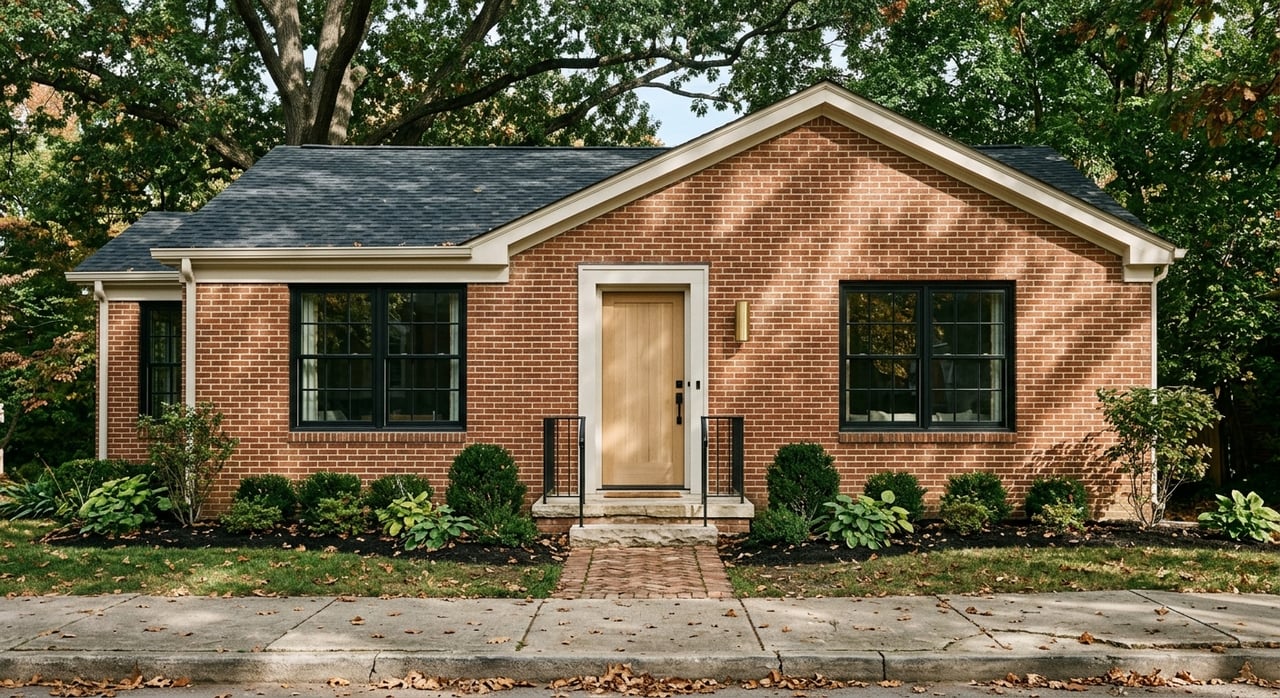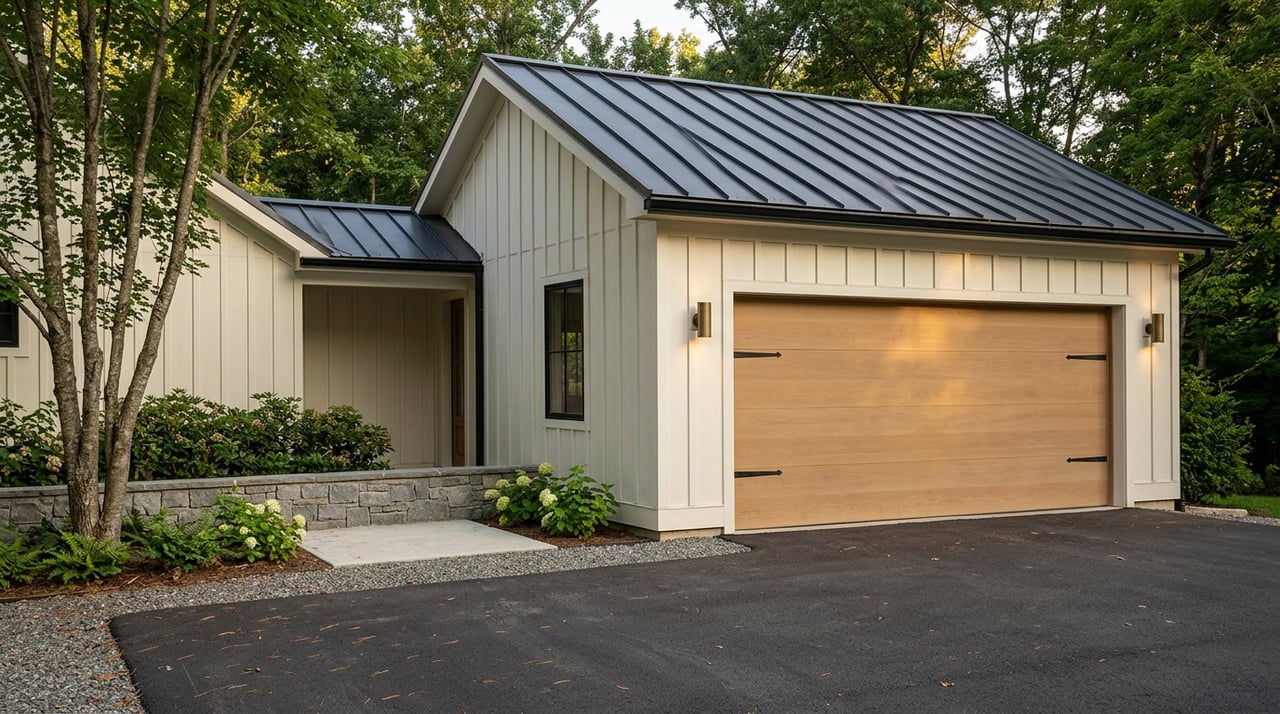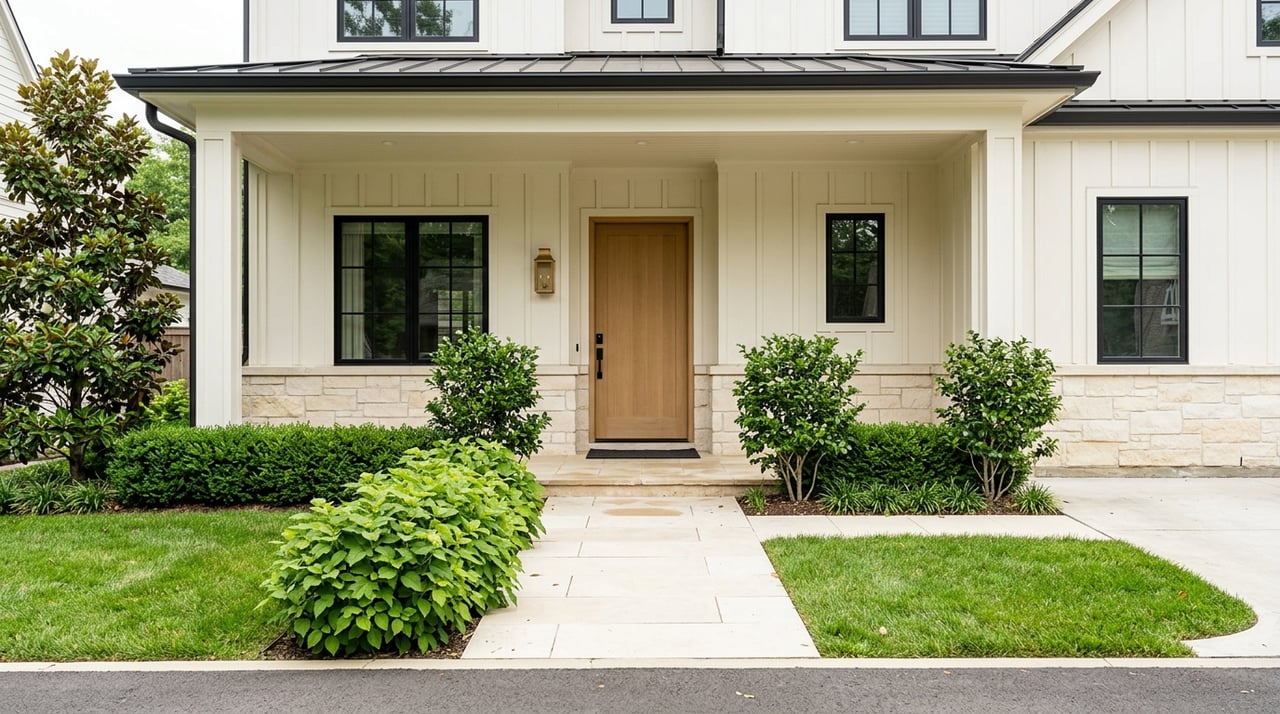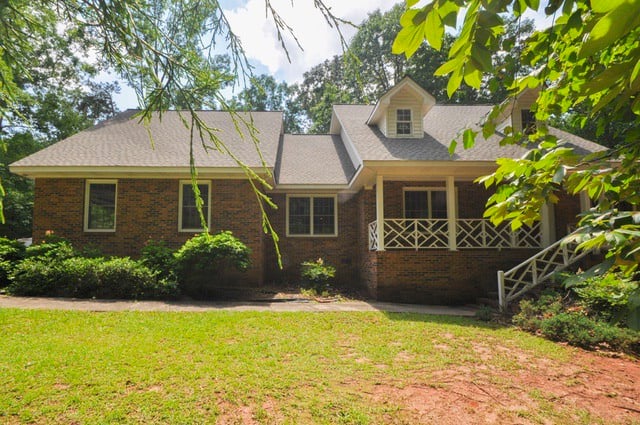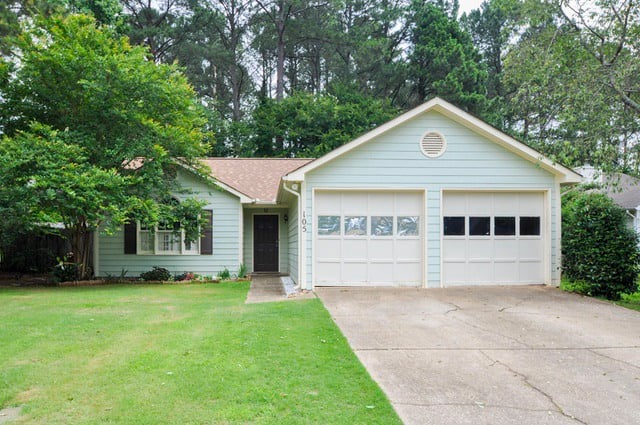
Thinking about buying in Athens and torn between a condo and a house? You’re not alone. With the University of Georgia shaping demand and a lively downtown, your choice affects not just lifestyle but long‑term costs. In this guide, you’ll get a clear, local look at prices, fees, financing, maintenance, and resale considerations, plus simple worksheets to compare options side by side. Let’s dive in.
Athens market snapshot
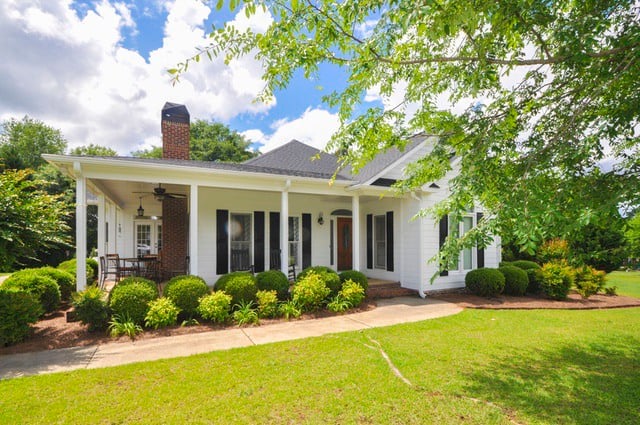
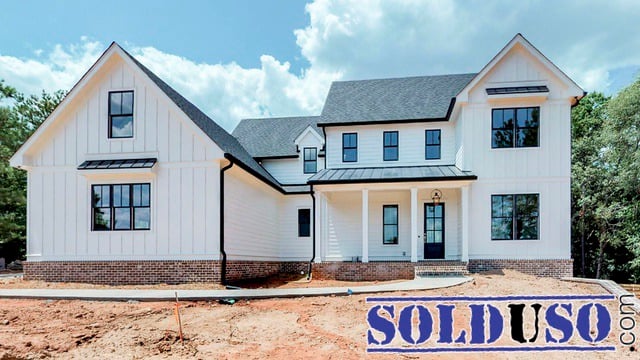
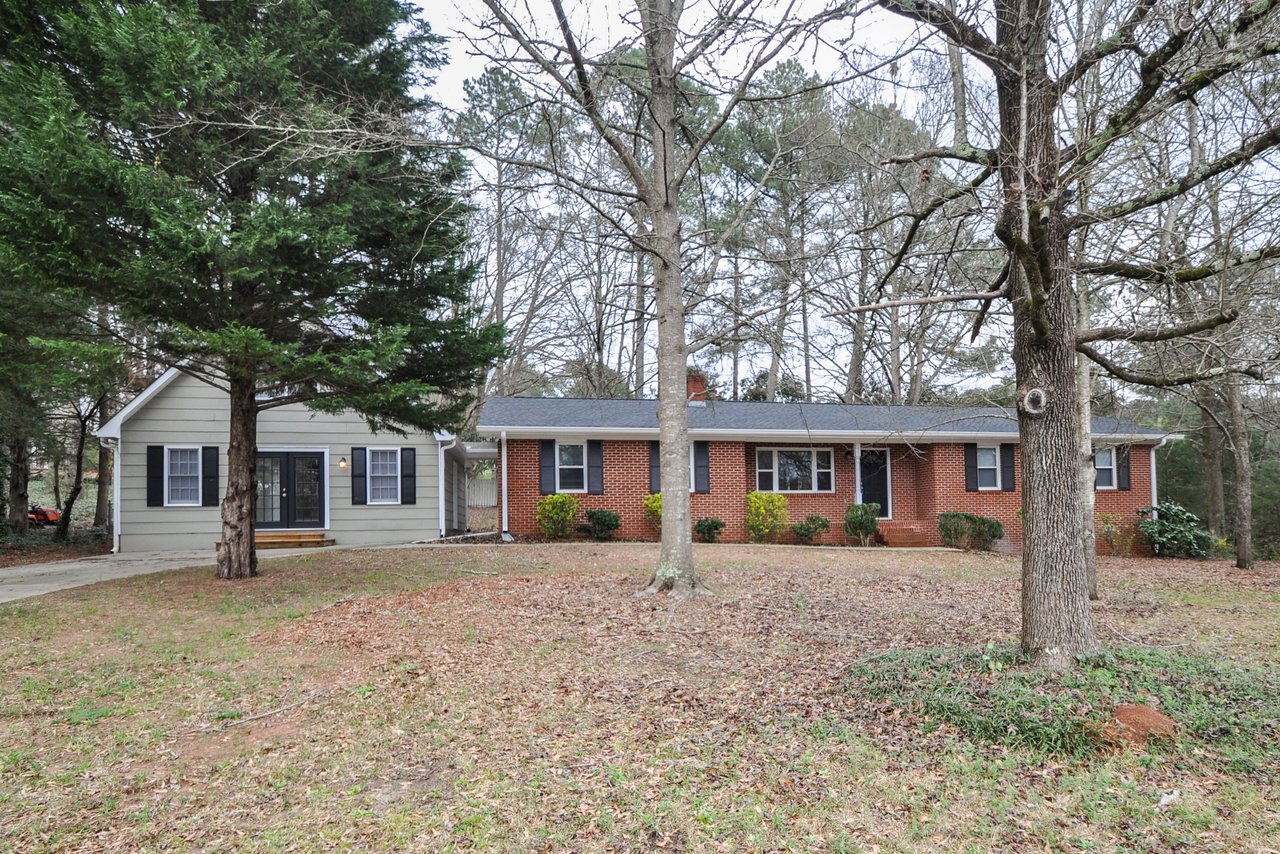
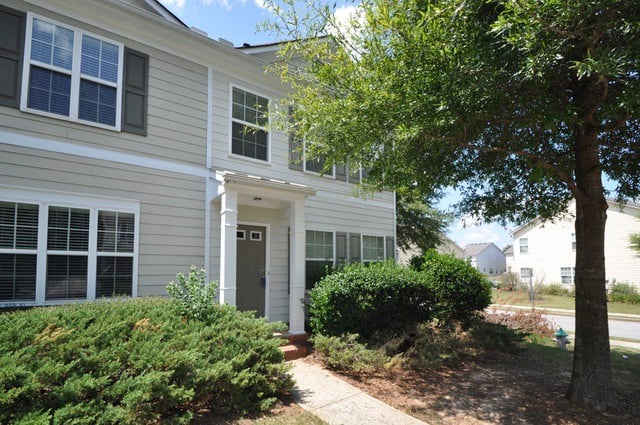
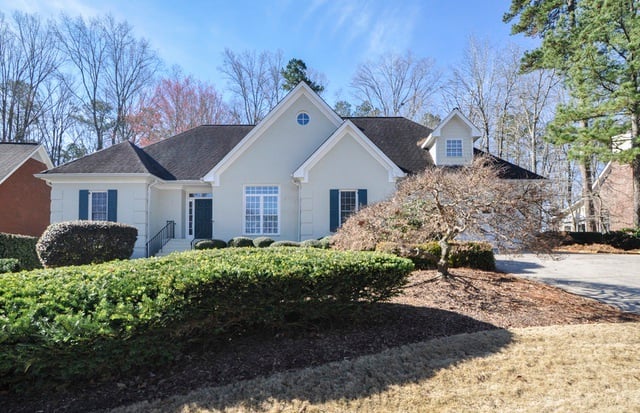
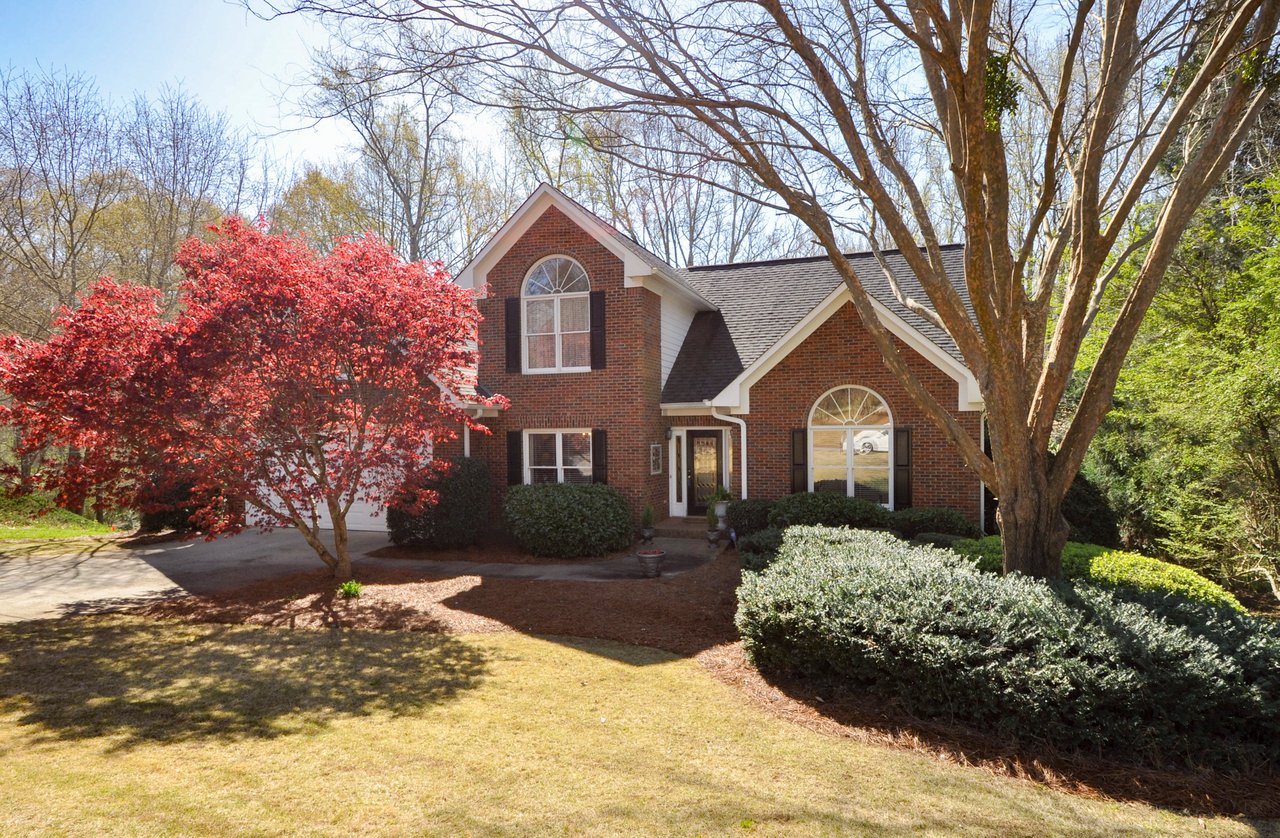
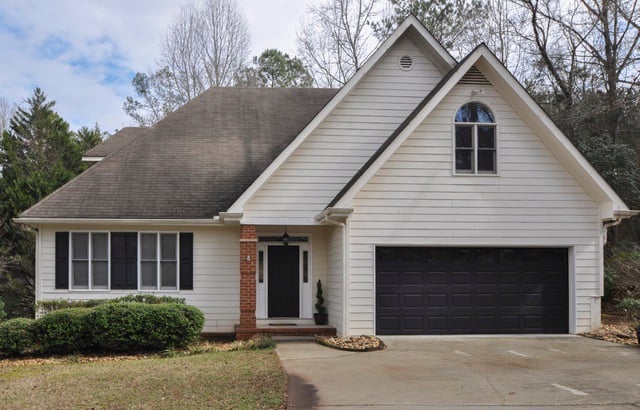
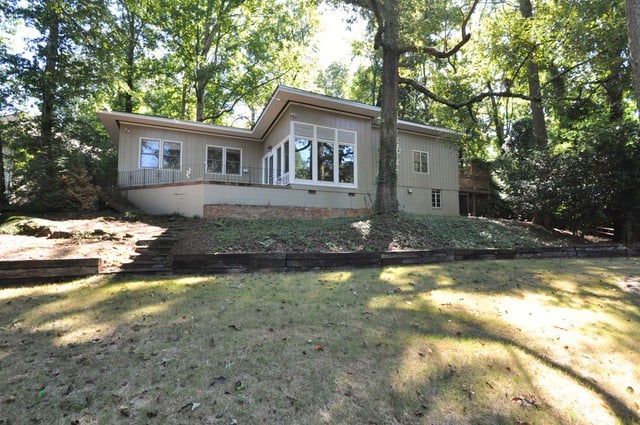
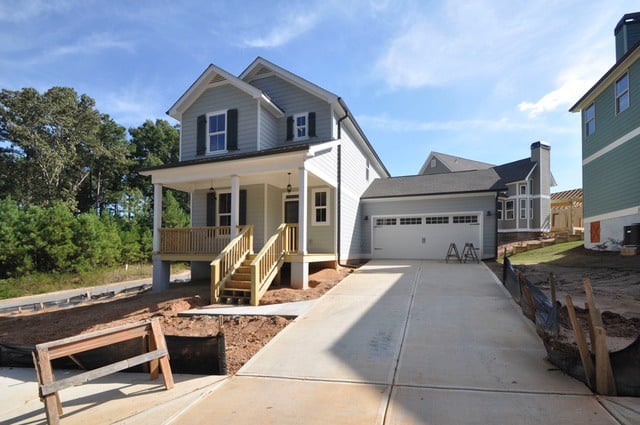
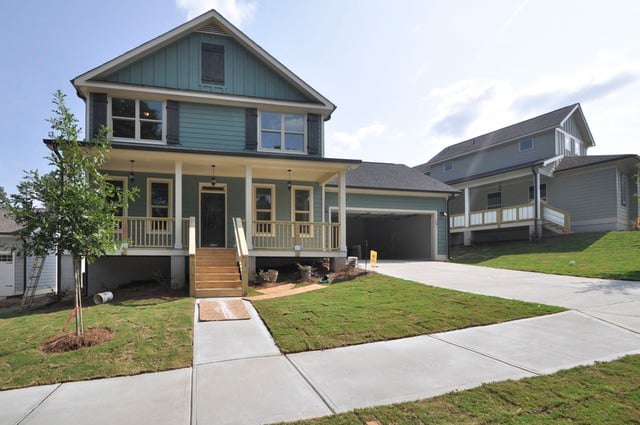
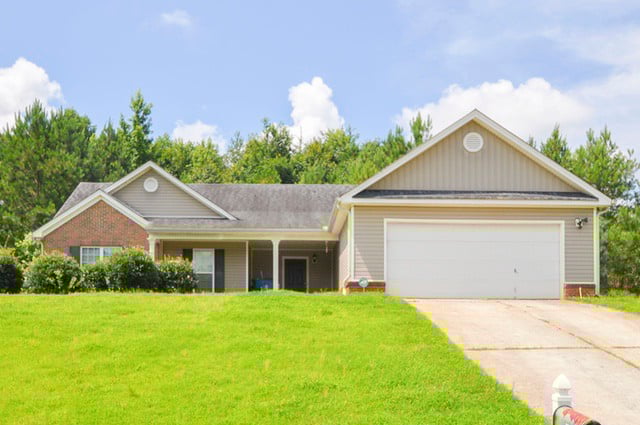
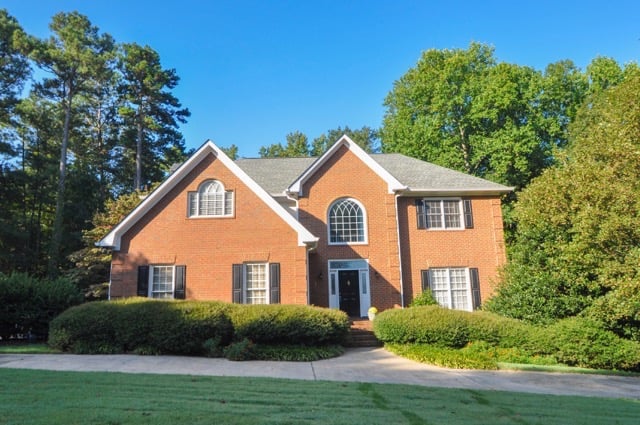
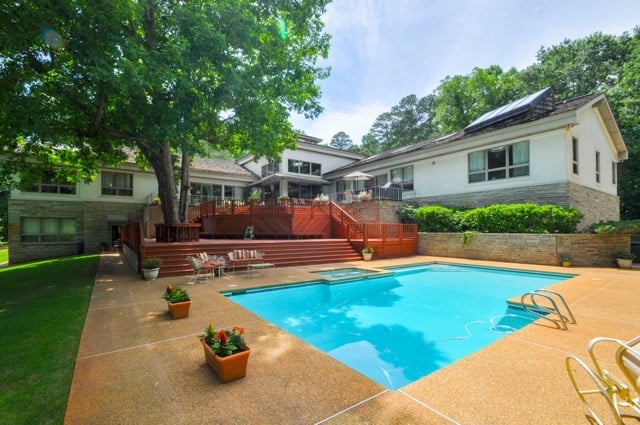
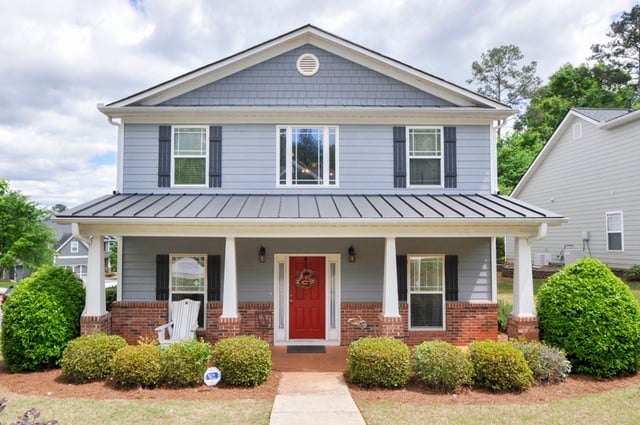
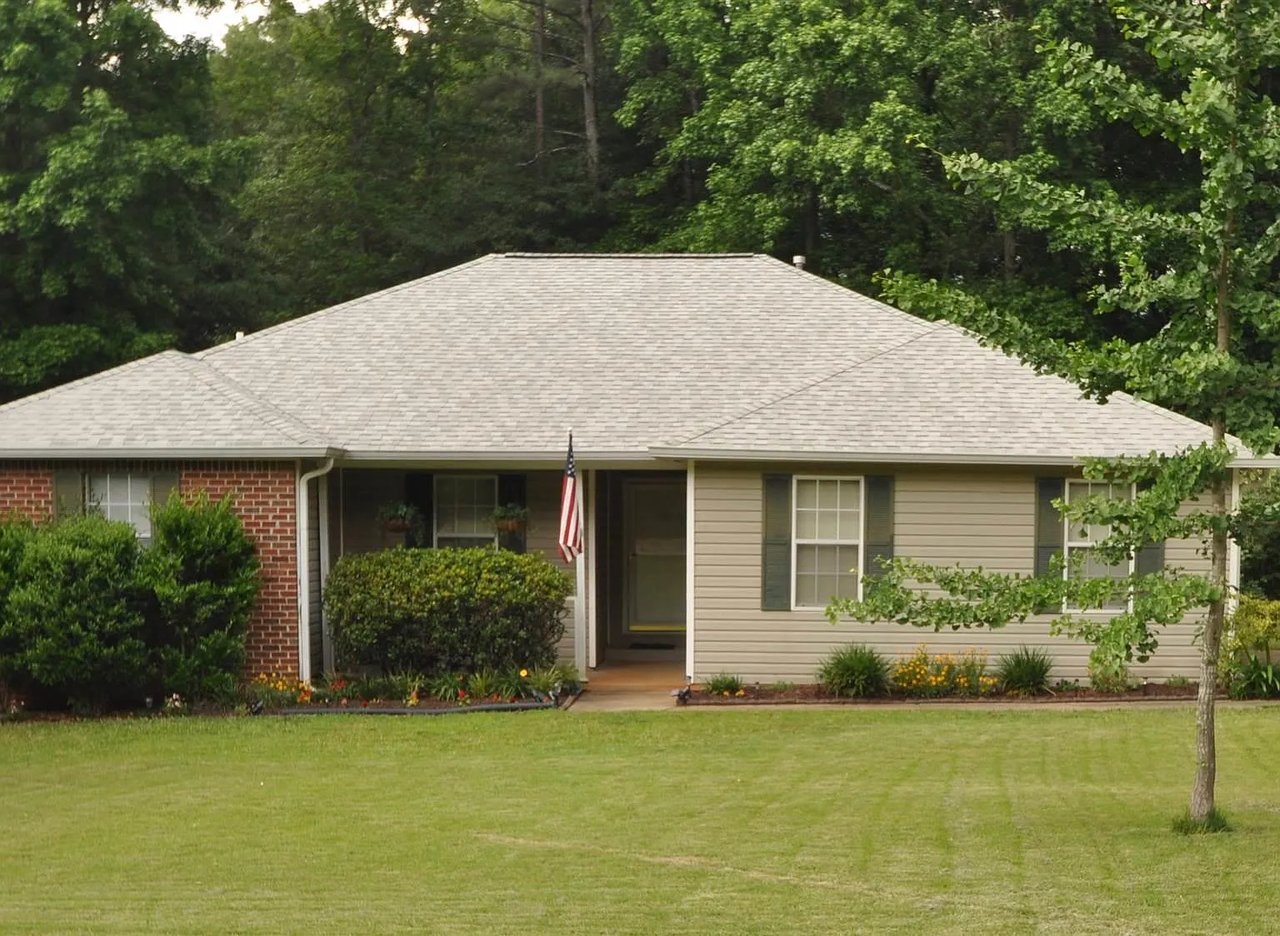
Athens‑Clarke County is unique because UGA drives steady housing demand. Condos and small multifamily buildings cluster around downtown and campus, where buyers often value walking and biking access. Single‑family homes become more common as you move outward, where larger lots and yards are typical.
Seasonal patterns matter. Leasing activity and turnover near campus ramp up ahead of the academic year, which can influence pricing and days on market for smaller units. Farther from campus, single‑family homes often draw long‑term owner‑occupants who value space and stability.
Investors look at both product types. Condos near campus can attract student tenants, while small single‑family homes can produce steady rental cash flow. Rental rules and licensing vary by community and jurisdiction, so verify policies early if rental potential is a priority.
Total cost of ownership: the full picture
Focusing only on mortgage payments can be misleading. Compare the full cost, including HOA dues, insurance, taxes, utilities, and maintenance.
Upfront costs
- Purchase price: Condos often have lower total prices than houses in the same area, though price per square foot can overlap. Use recent comparable sales within the building or neighborhood to benchmark.
- Down payment and lender requirements: Conventional, FHA, and VA loans each have rules. Condominiums sometimes need project approval for FHA/VA, and lenders may scrutinize investor ratios, reserves, and litigation.
- Inspections and surveys: Expect inspections for both. Condo inspections focus on interior systems and finishes, while you also review association maintenance records for building components like roof and parking.
- Closing costs: Similar overall, with possible condo association transfer or application fees.
Ongoing monthly and annual costs
- Mortgage principal and interest: Driven by price, rate, and down payment for both property types.
- Property taxes: Taxes are based on assessed value and millage rates. Georgia homestead exemptions can reduce taxable value for qualified owner‑occupants, so confirm eligibility and timelines locally.
- Insurance: Condo owners typically carry HO‑6 policies for interiors and personal property because the association’s master policy covers common areas. House owners carry a broader homeowners policy that covers the structure and contents.
- HOA/condo dues: Condo fees can include exterior maintenance, master insurance, reserves, landscaping, amenities, trash, and sometimes utilities. Fee stability depends on budget health and reserves.
- Maintenance and repairs: House owners budget for exterior, roof, yard, and all systems. Condo owners budget for interior items and potential assessments for building projects.
- Utilities: Condos may include some utilities in dues. Single‑family homes usually carry all utilities separately.
- Special assessments: Condos can levy assessments for major repairs if reserves fall short. Review the association’s history and plans before you buy.
Transactional and ownership factors
- Resale and liquidity: Condos near campus and downtown can have strong buyer pools tied to student and investor cycles. Single‑family homes often draw a wider audience, which can support resale stability.
- Rentalability and restrictions: Condo bylaws commonly limit rentals, set minimum lease terms, or cap investor ownership. Single‑family homes may face fewer internal restrictions but still must follow local rental licensing and any neighborhood covenants.
Lifestyle tradeoffs in Athens
Your day‑to‑day life matters as much as the math. Think about how you want to live and what you want to maintain.
Space and privacy
- Single‑family house
- Pros: Private yard, more storage and living space, flexibility to modify the exterior subject to local rules, and better noise separation.
- Cons: More upkeep, higher maintenance responsibility, and potentially higher utility costs.
- Condo/townhome
- Pros: Lower maintenance, use of amenities like a pool or gym where available, and a location often closer to downtown and transit.
- Cons: Shared walls, association rules on pets and exterior changes, and limited private outdoor space.
Location and commute patterns
- Downtown and campus areas favor condos and small multifamily buildings with short commutes and walkability.
- Farther out, you’ll find larger lots and single‑family homes. Consider commute time, access to shopping, and the overall neighborhood fit for your needs.
Governance and community rules
HOA and condo governance includes covenants, bylaws, and rules that shape daily life. Rules can cover architectural changes, parking, and noise, and boards manage budgets and reserves. For single‑family homes with HOAs, you may still have exterior control but typically more flexibility than in a condo.
Financing and insurance checkpoints
Financing a condo can be different from financing a house. Line up the right team and ask focused questions early.
Condo underwriting
Lenders evaluate the condo project itself. They look at owner‑occupancy ratios, delinquent dues, reserve funding, insurance, and any litigation. Some loan products require project approval. Ask lenders how they handle Athens condo projects and whether they offer options for units in buildings without prior approvals.
Insurance distinctions
Condo master policies can be “walls‑in” or “all‑in,” which changes what your HO‑6 must cover. Confirm the master policy’s scope and deductible. For single‑family homes, verify replacement cost coverage, and check flood zone status using official maps before binding coverage.
Property taxes and exemptions
Georgia homestead exemptions reduce taxable value for eligible owner‑occupants, and Athens‑Clarke County administers local rules. Review assessed value, past assessments, and your right to appeal if something looks off.
How to compare two properties step by step
Use this checklist to evaluate apples to apples. Bring it to showings and request documents early in your due diligence.
Property evaluation checklist
- For both property types
- Recent comparable sales in the immediate area.
- Full inspection report covering structure, HVAC, plumbing, and electrical.
- Property tax history and any exemptions applied.
- Twelve months of utility bills to estimate annual costs.
- Neighborhood factors such as walkability and flood risk.
- For condos and townhomes
- HOA budget and reserve study.
- Board meeting minutes for the last 6–12 months.
- Master insurance policy and declaration page.
- Rental policy and current owner‑occupancy percentage.
- Special assessment history for the past 5 years and any planned projects.
- Parking details including number and type of spaces.
- Legal and financial checks
- Confirm no pending liens on the unit or association.
- Ask a local attorney about lien priority for unpaid dues if you have concerns.
Quick worksheets: annual cost templates
Use these templates to total your yearly cost. Plug in figures from your lender estimate, HOA documents, insurance quotes, tax records, inspection, and utility history.
Single‑family house
- Annual mortgage principal and interest.
- Annual property tax based on assessed value and millage rate.
- Homeowners insurance premium.
- Maintenance reserve for roof, systems, and exterior.
- Annual utilities.
- Total annual cost.
Condominium unit
- Annual mortgage principal and interest.
- Annual property tax.
- HO‑6 condo insurance premium.
- HOA dues multiplied by 12, noting what they include.
- Special assessment reserve for any known or likely projects.
- Interior maintenance reserve.
- Owner‑paid utilities not covered by HOA.
- Total annual cost.
Questions to ask before you write an offer
Clarify costs, rules, and timelines in writing so nothing surprises you later.
For the seller or listing agent
- Why are the current owners selling and are there any known issues?
- What are the best comparable sales and the current days on market?
- For houses: any code issues or recent major improvements such as roof or HVAC?
For the HOA or condo board
- Is reserve funding adequate based on the current budget and reserve study?
- Any pending or recent special assessments and how often have they occurred in the last 5 years?
- What is the owner‑occupancy percentage and are there rental caps or minimum lease terms?
- Any pending litigation or insurance claims that affect the association?
- What does the master policy cover and what is the deductible?
Which is right for you?
- If you value low maintenance and proximity to downtown or campus, a condo may fit your lifestyle and timeline. Build HOA dues and any rental rules into your plan.
- If you want a yard, storage, and more control over improvements, a single‑family home may suit you better. Budget for exterior upkeep and utilities.
- If you are an investor, compare net operating costs between a condo and a small single‑family home, and study rental caps and licensing rules.
- If you are downsizing, weigh monthly HOA dues versus the time and cost of maintaining a house. Focus on access, convenience, and long‑term fees.
Next steps and local resources
- Verify assessed value, millage rate, and homestead exemption details with local tax offices.
- Review HOA budgets, reserve studies, and meeting minutes before due diligence ends.
- Ask lenders about condo project underwriting in Athens and whether certain buildings require extra documentation.
- Check official flood maps and local guidance to determine flood insurance needs.
You do not have to decide alone. If you want a side‑by‑side comparison of two properties, we can build a tailored cost worksheet and advise on HOA health, financing, and resale potential. Schedule a personalized market consultation with Jennifer Westmoreland for a clear plan.
FAQs
What costs should I expect monthly for an Athens condo?
- Expect mortgage, property taxes, HO‑6 insurance, HOA dues, owner‑paid utilities not included in dues, and a set‑aside for potential special assessments.
How do HOA rental caps affect a condo near UGA?
- Rental caps, minimum lease terms, and owner‑occupancy requirements can limit your ability to lease or use short‑term rentals, so review bylaws and confirm current percentages.
Can I use FHA or VA financing to buy a condo in Athens?
- Possibly, but many loans require condo project approval and lenders review reserves, insurance, and occupancy, so ask your lender early about building eligibility.
What is a special assessment in a condo association?
- It is an extra fee charged to owners, usually for major repairs when reserves are insufficient, so check assessment history and upcoming projects in HOA documents.
How does the Georgia homestead exemption work in Athens‑Clarke County?
- Eligible owner‑occupants can apply to reduce taxable value, which may lower property taxes; confirm eligibility requirements and application deadlines with local tax offices.