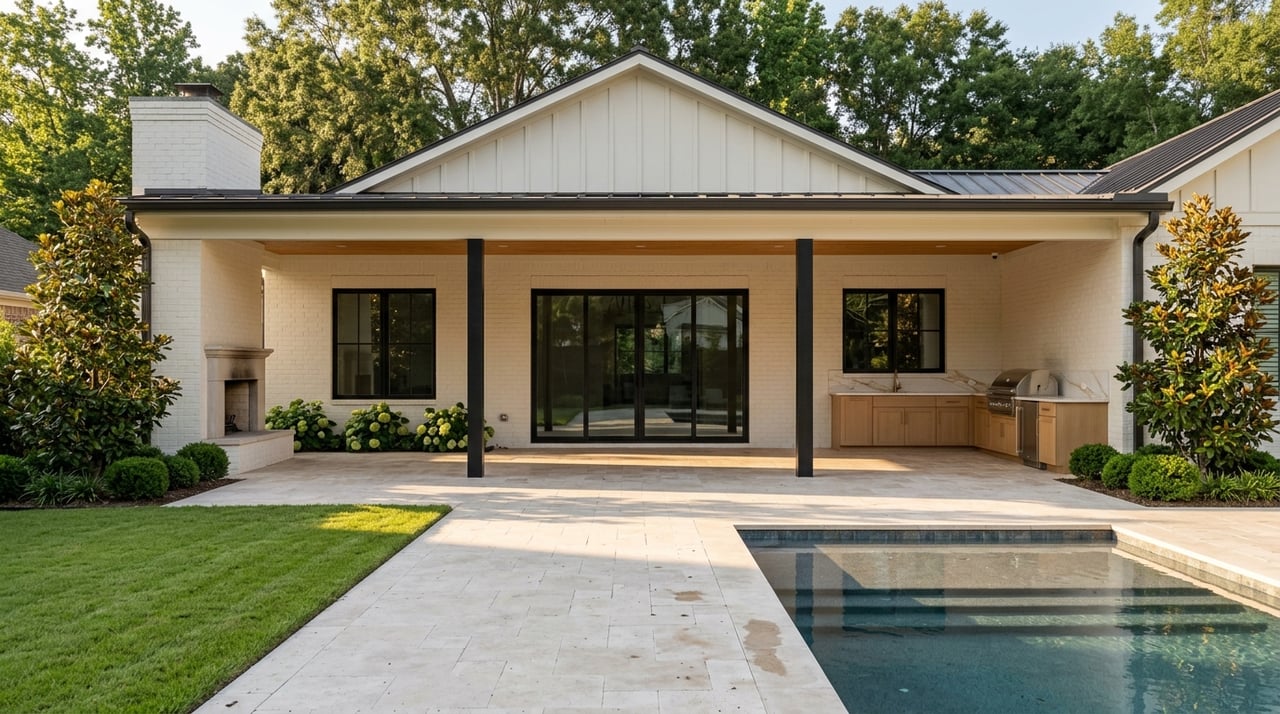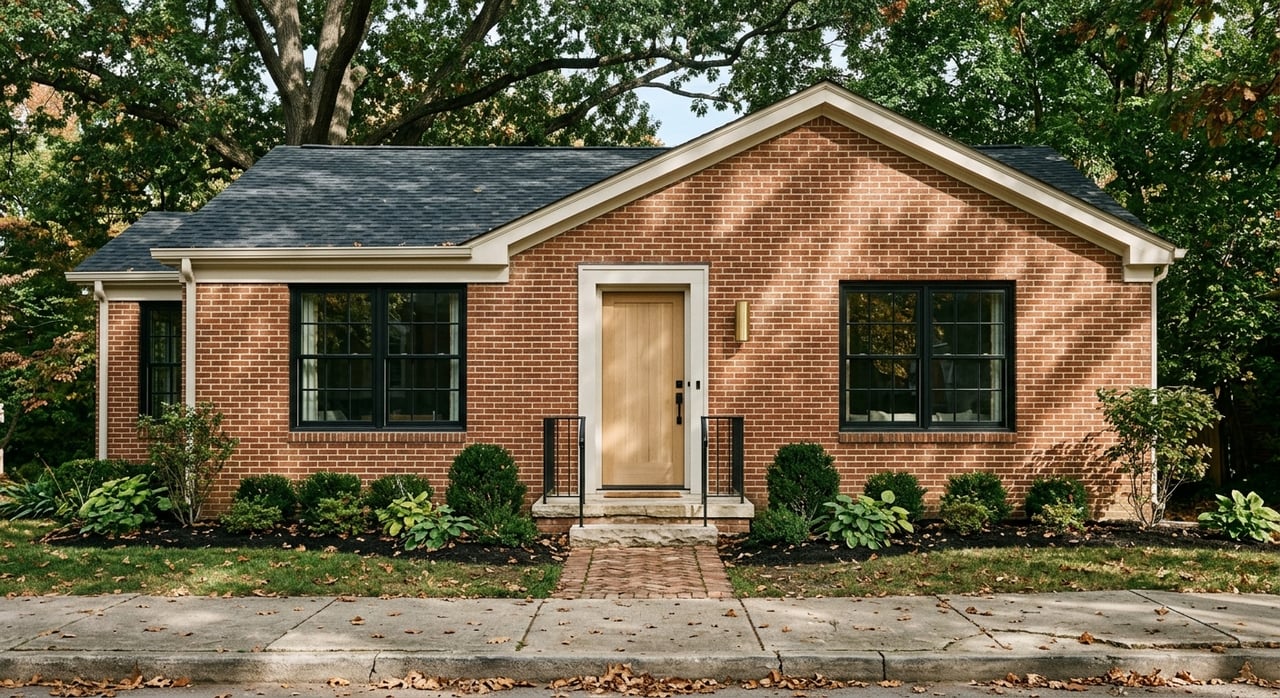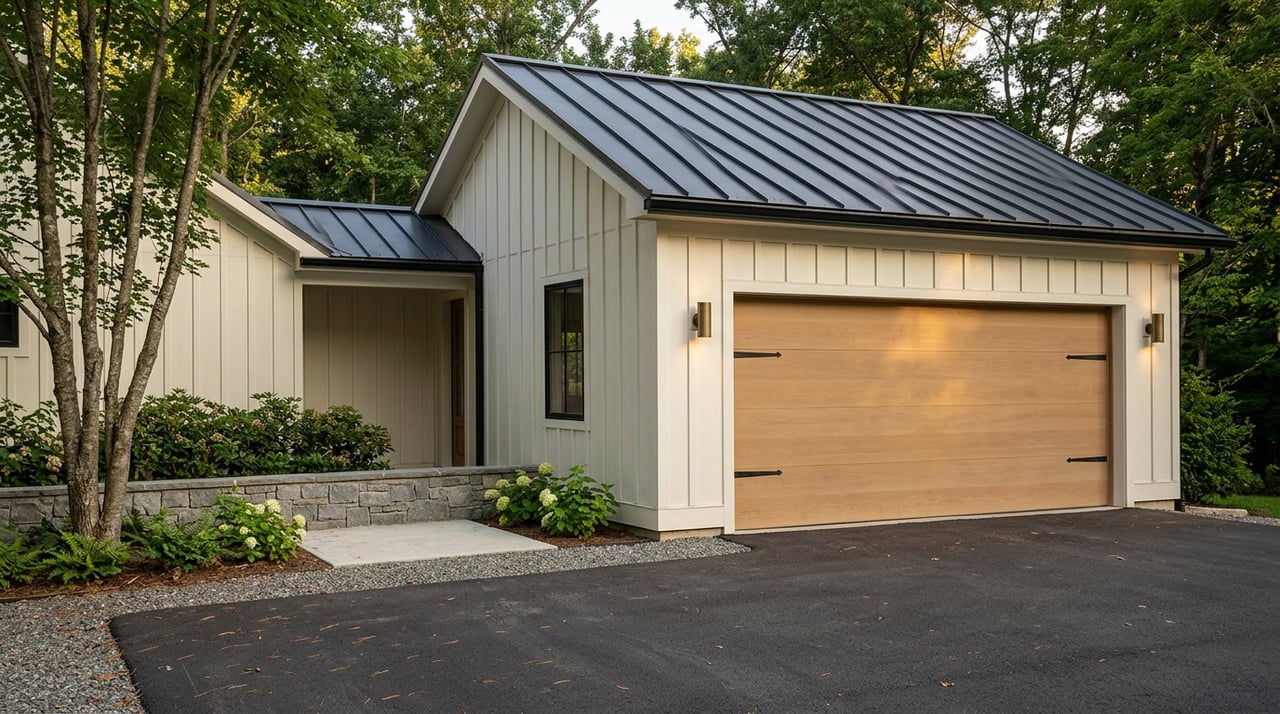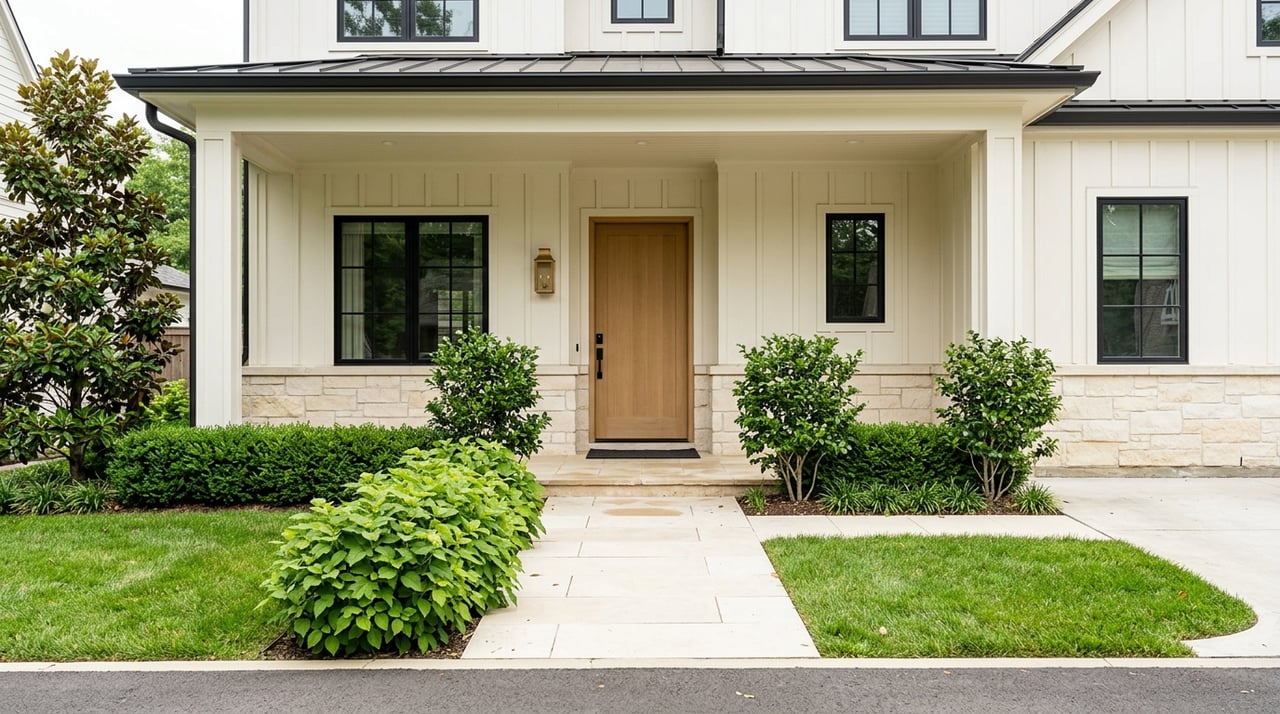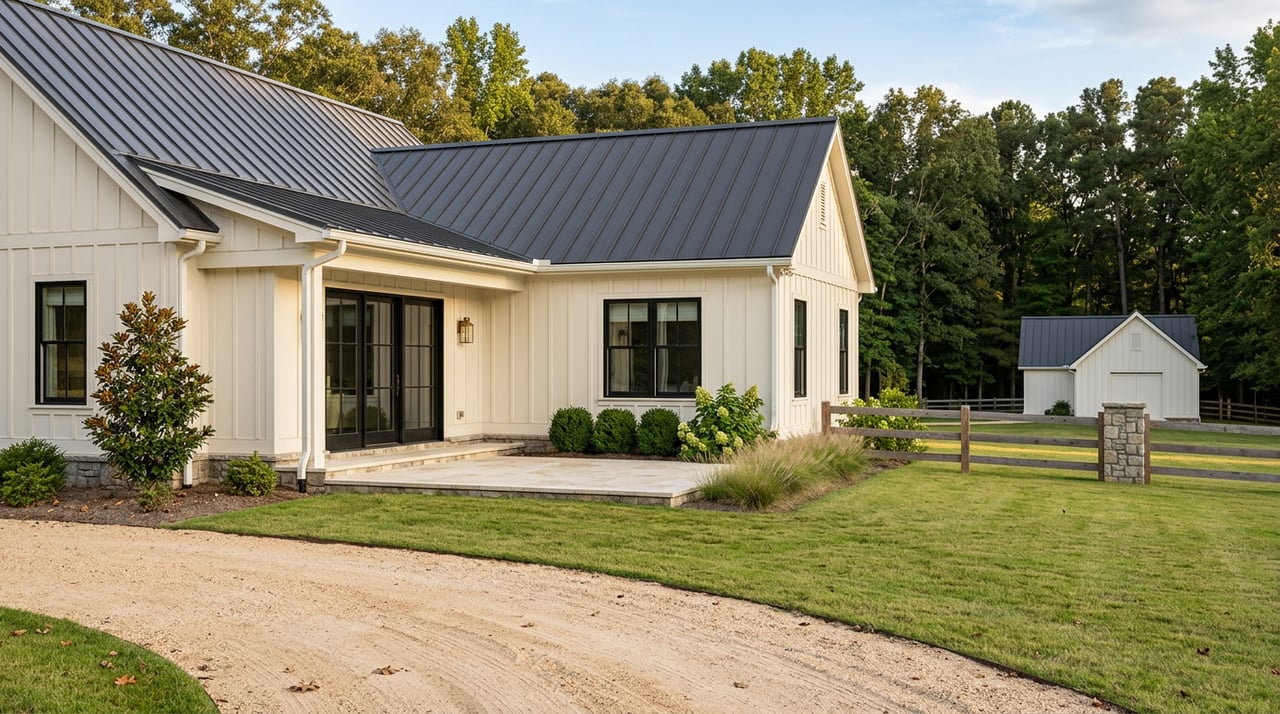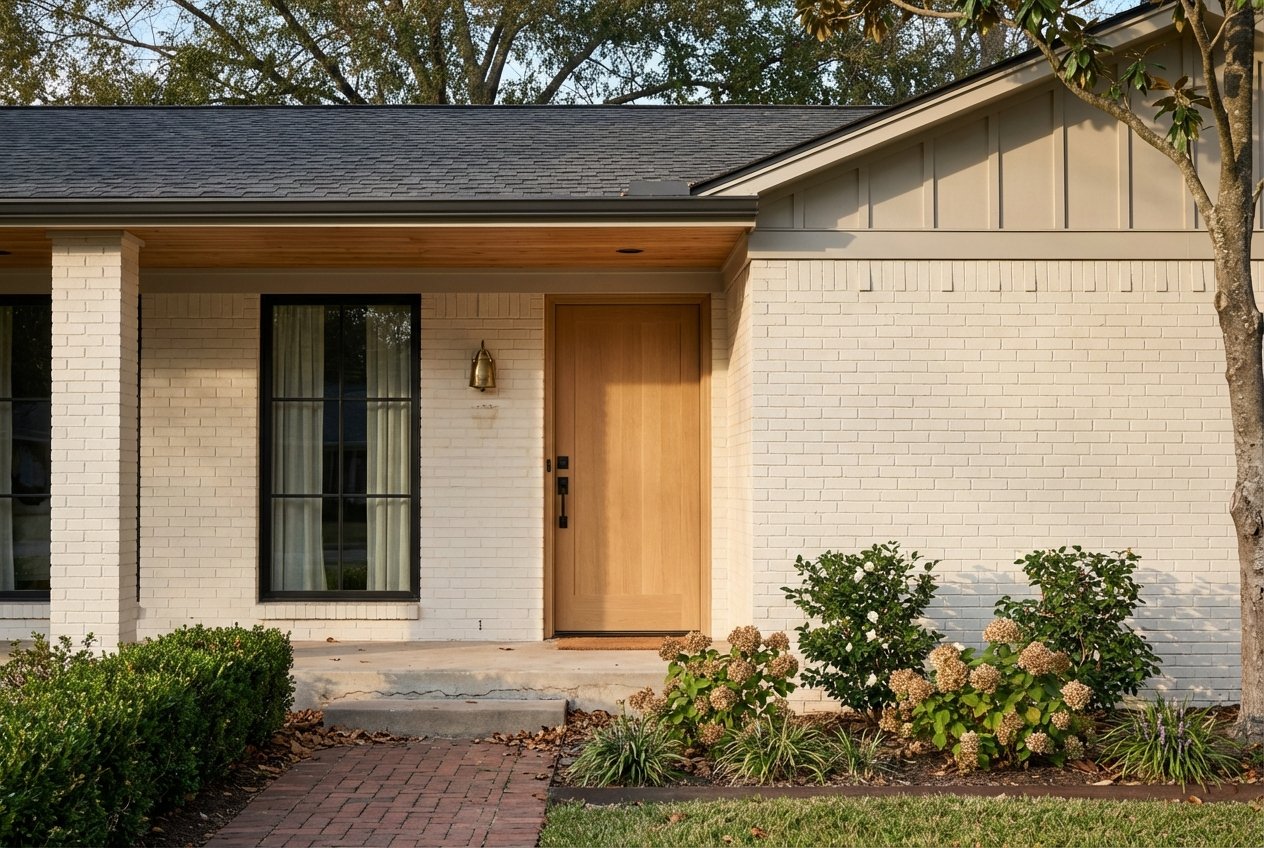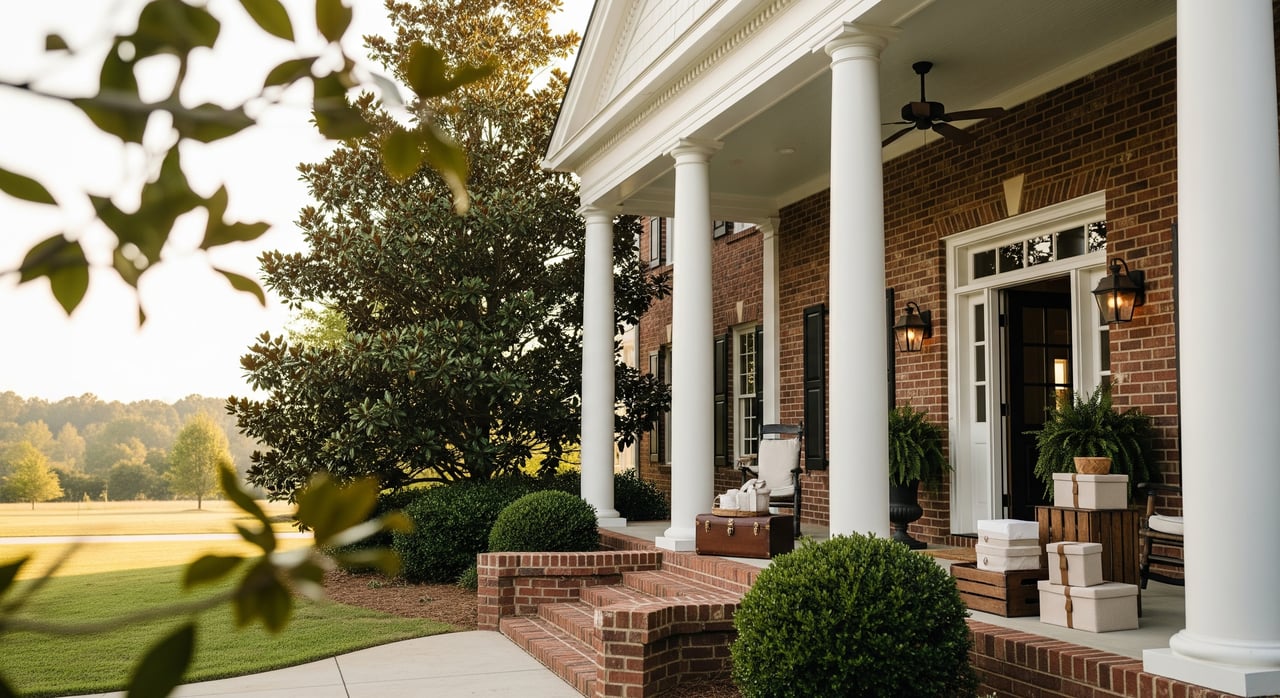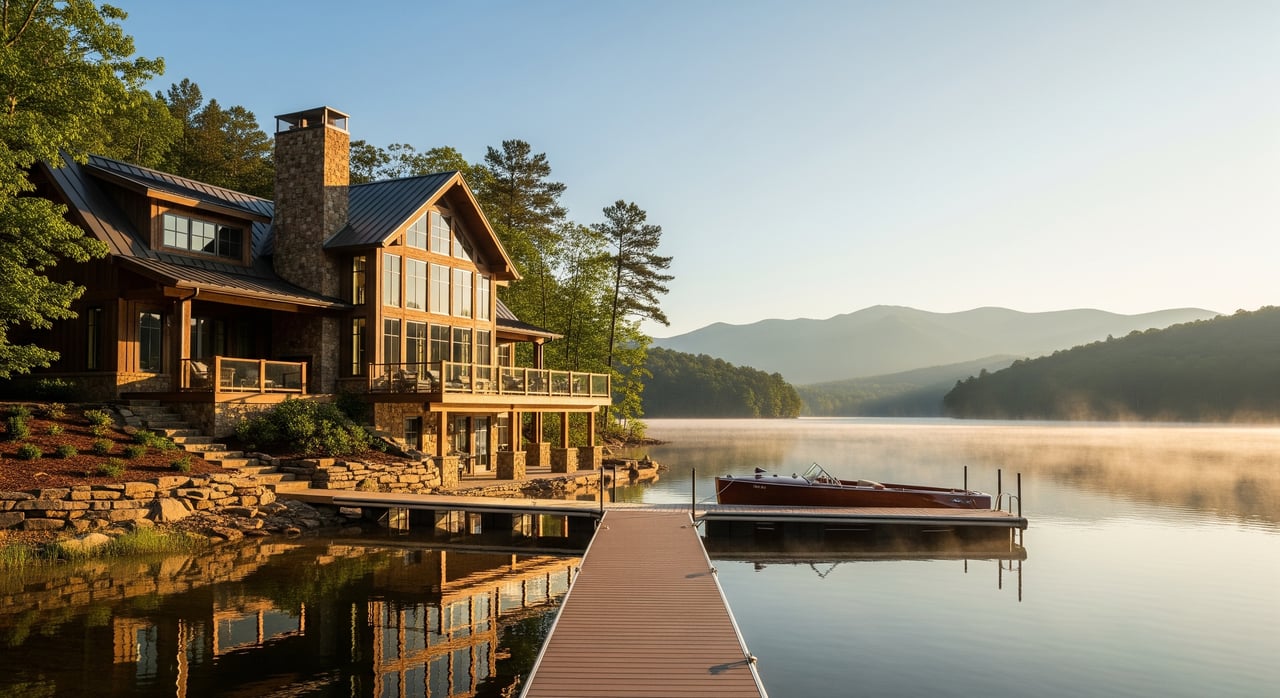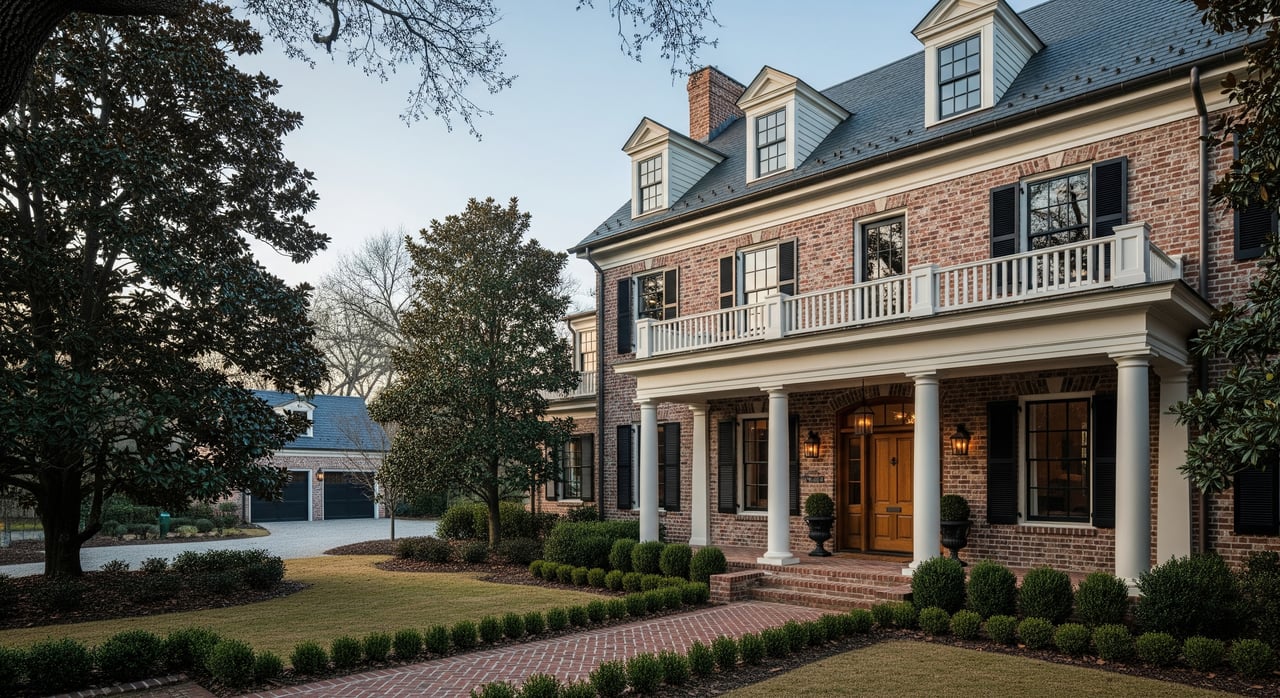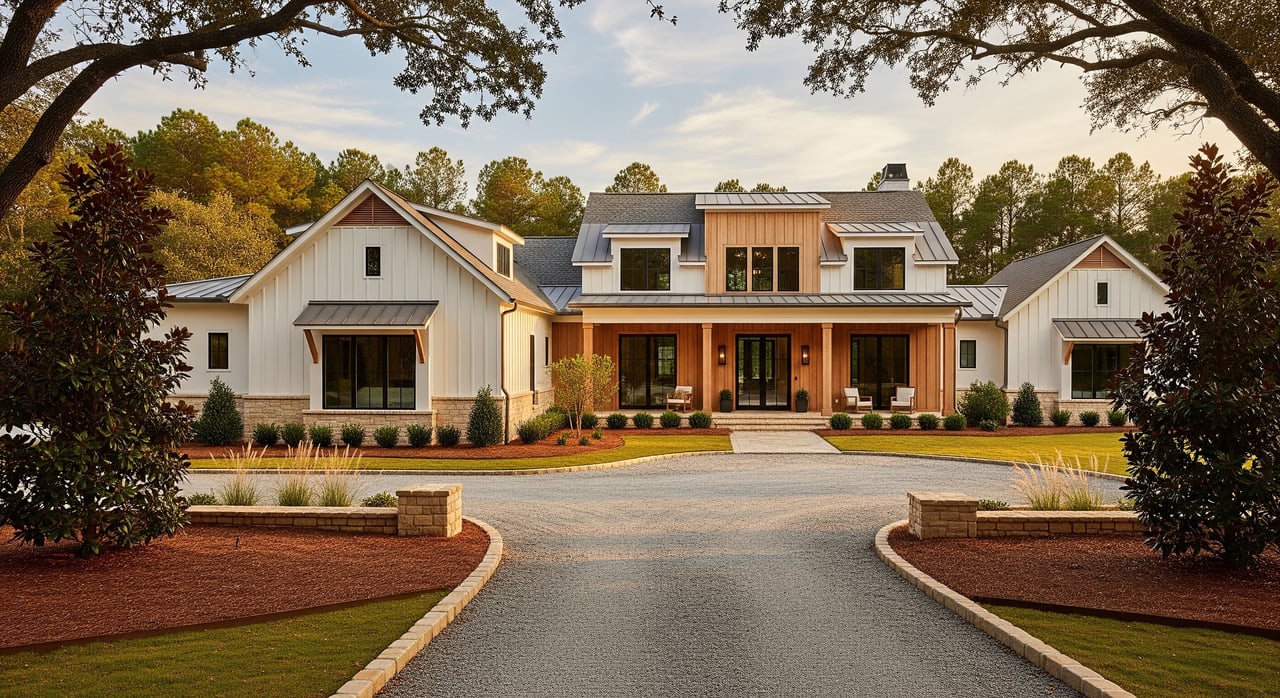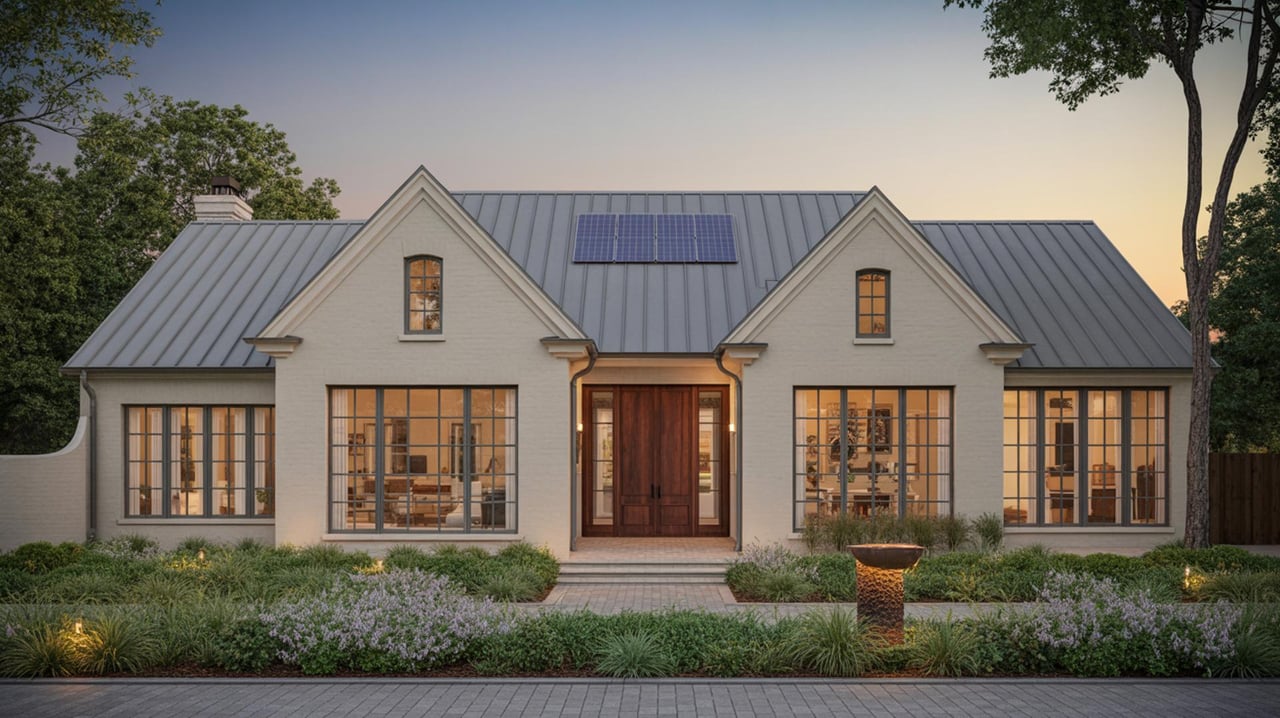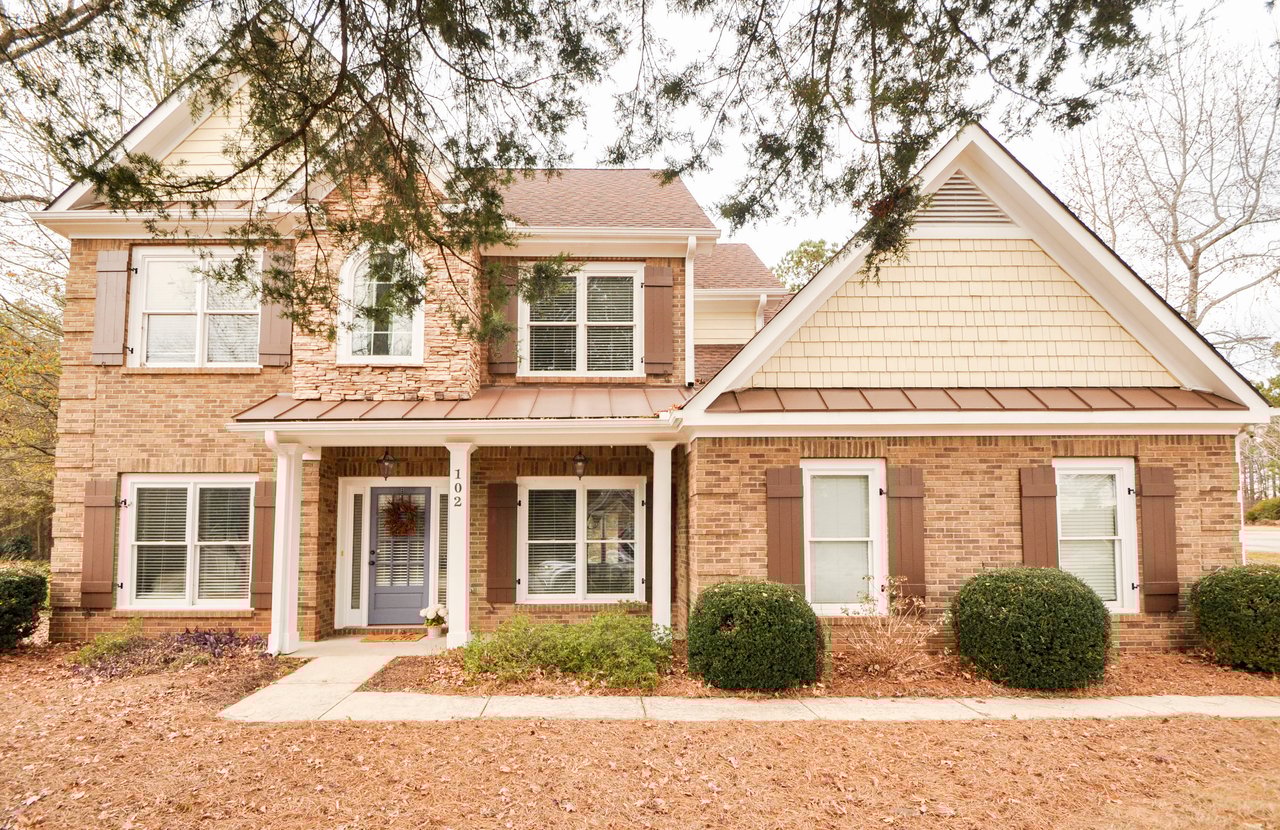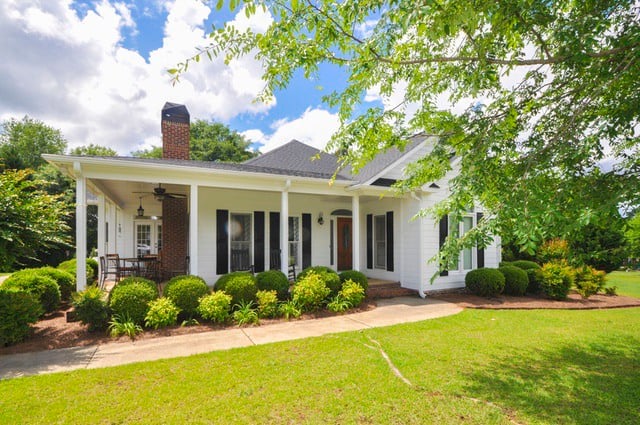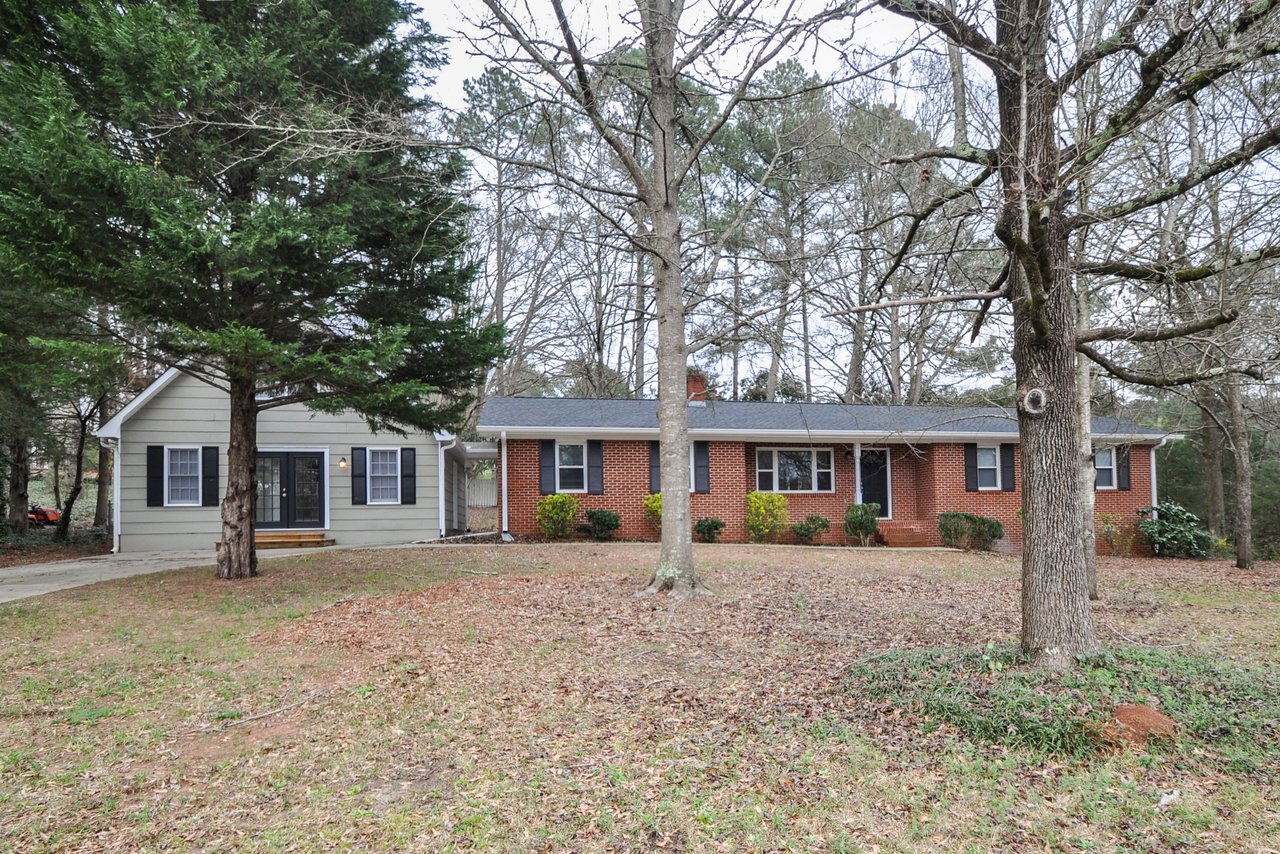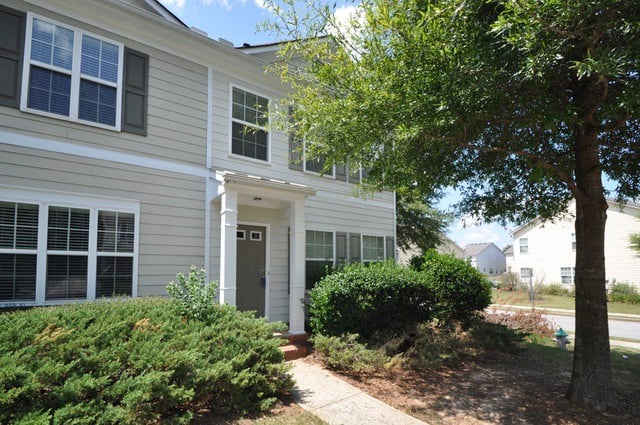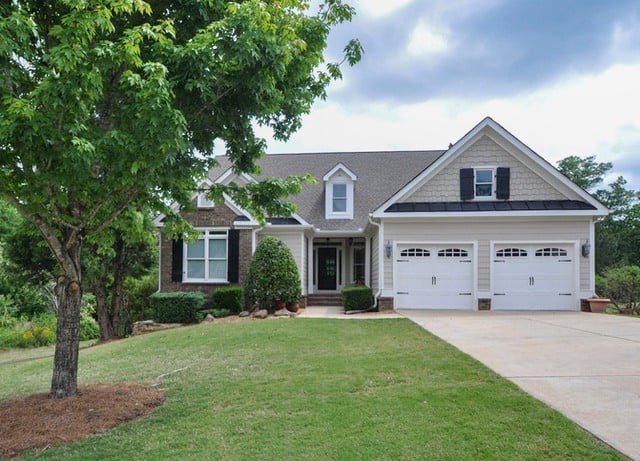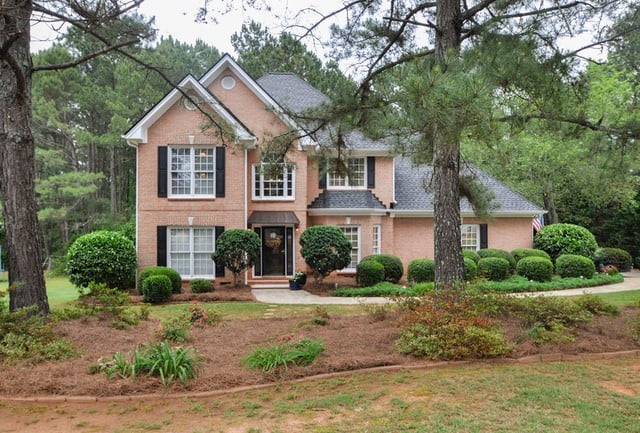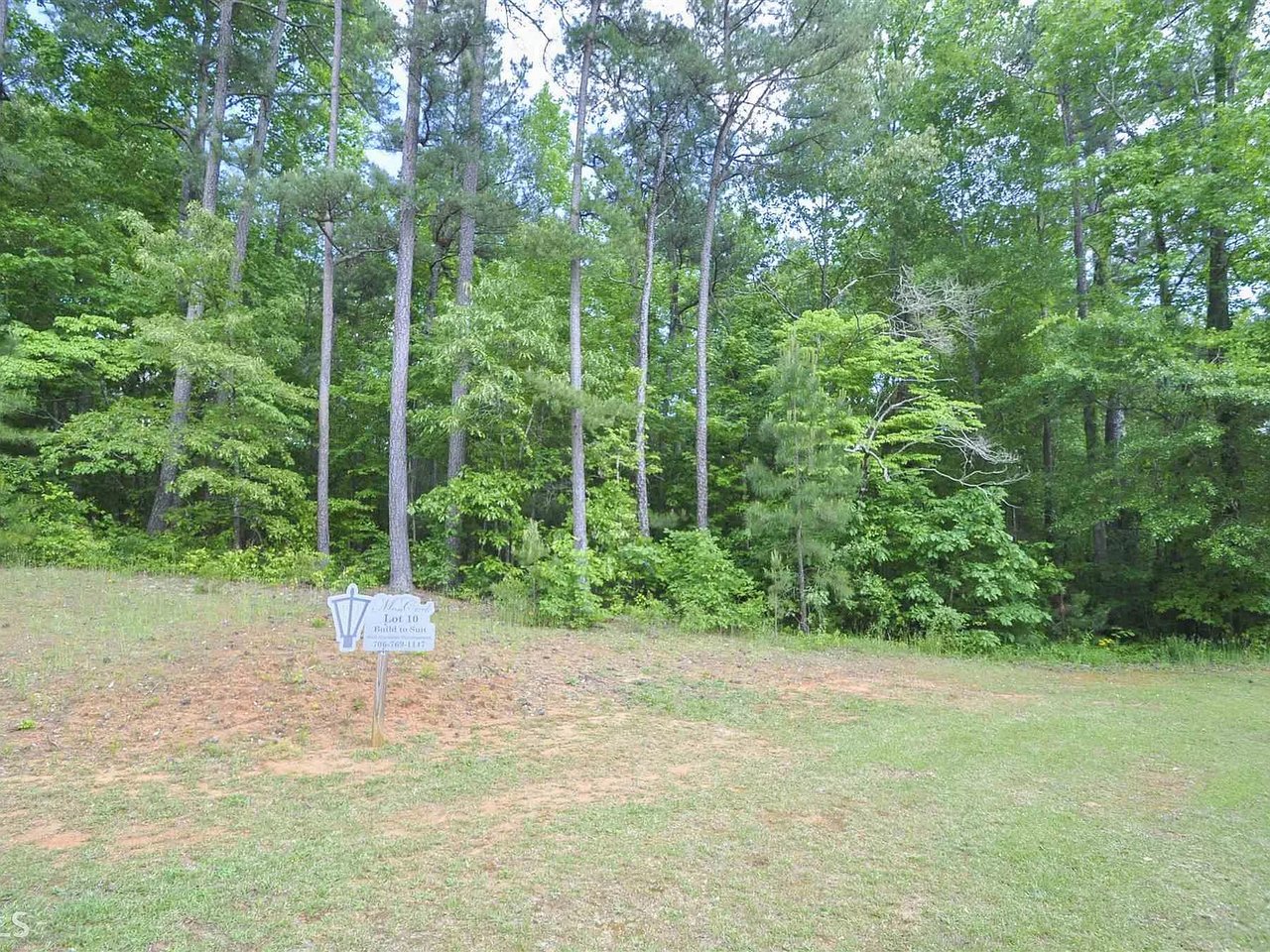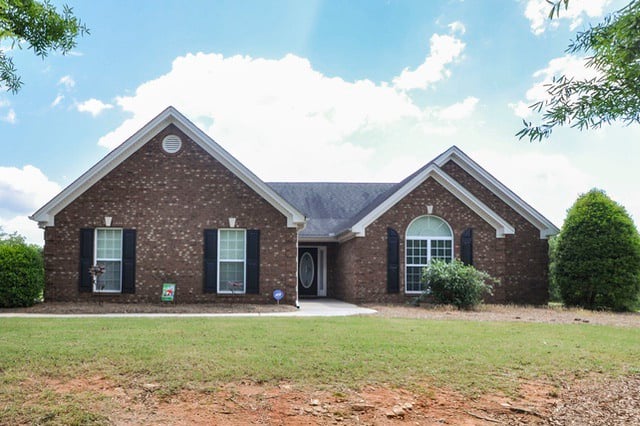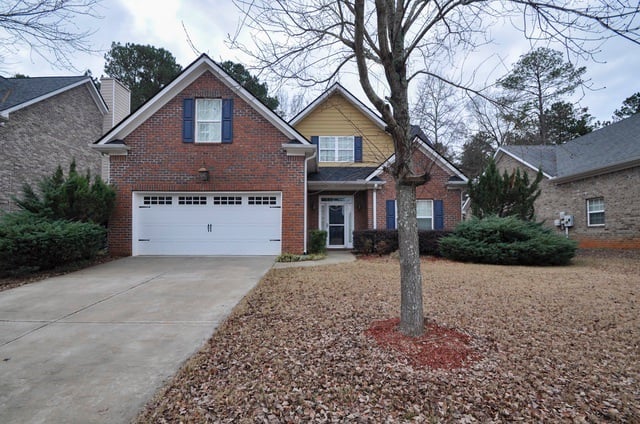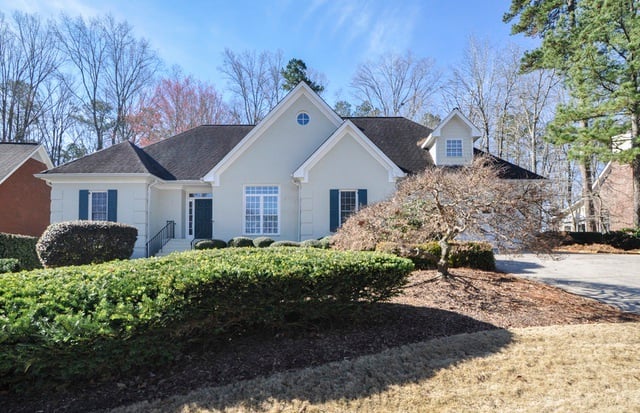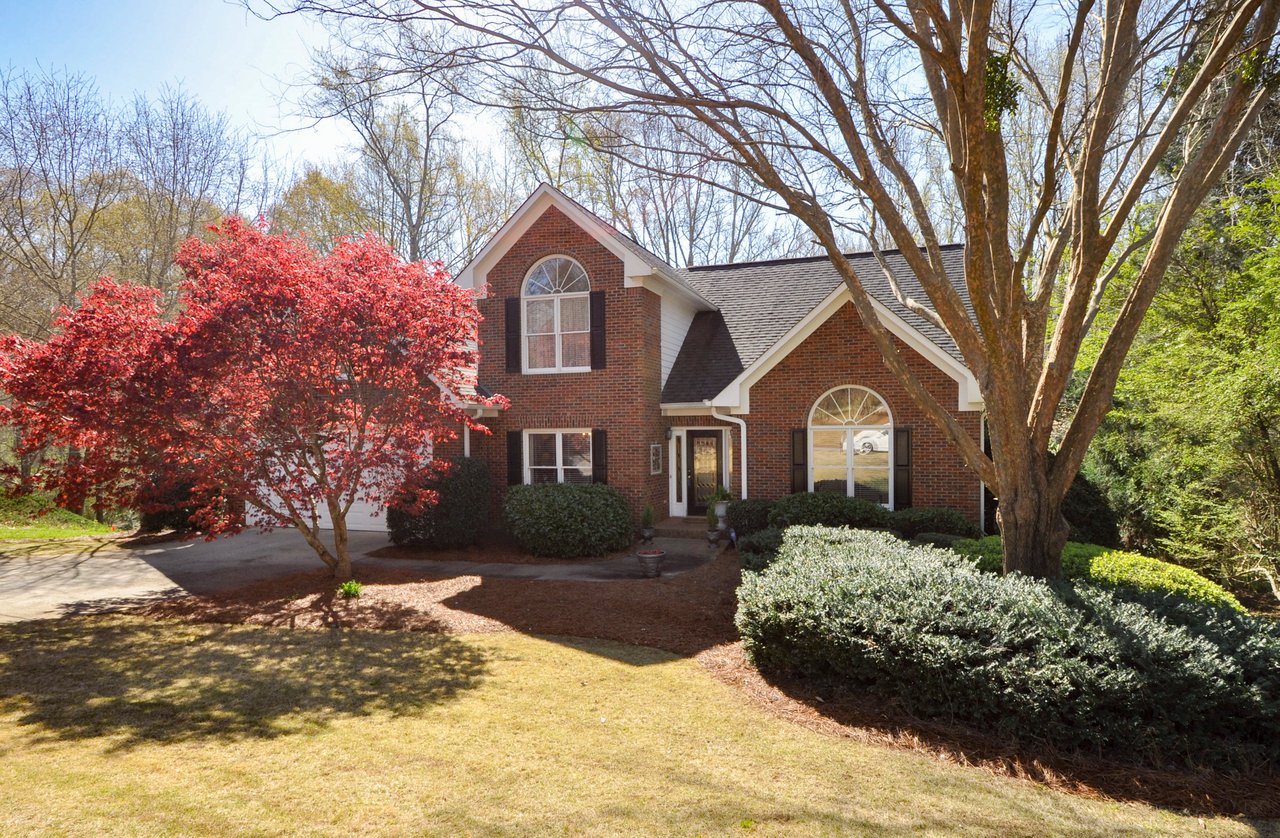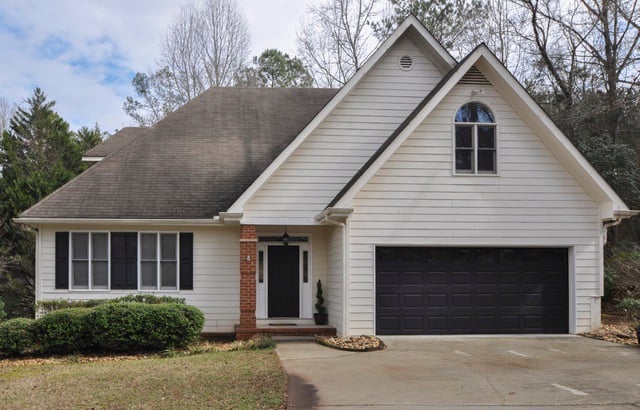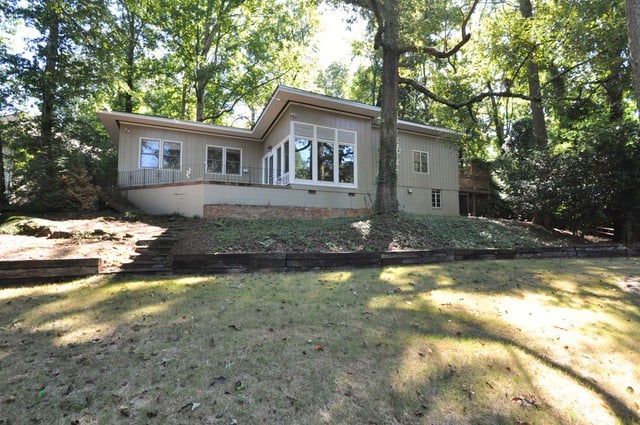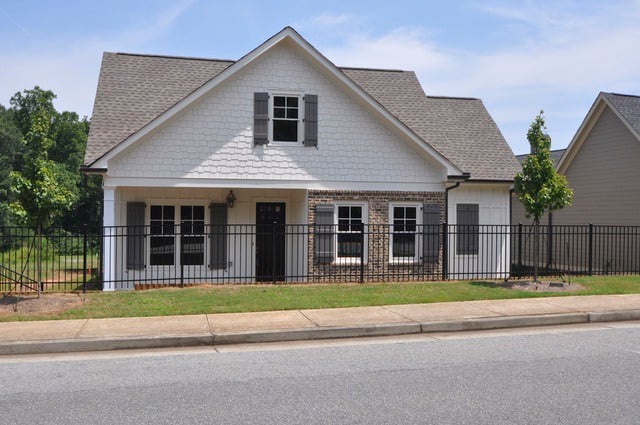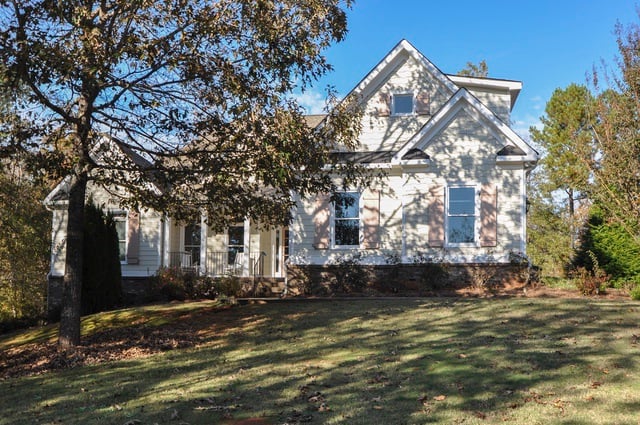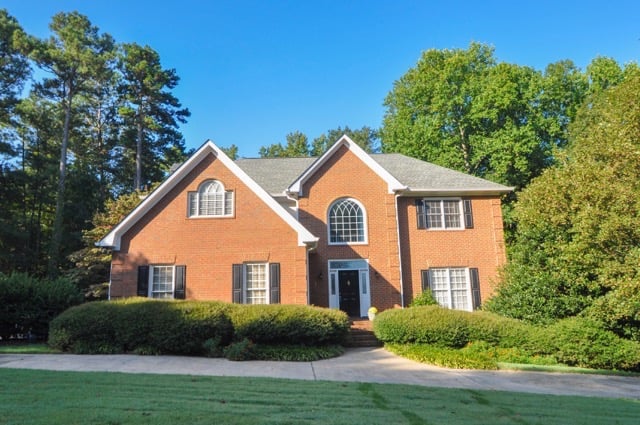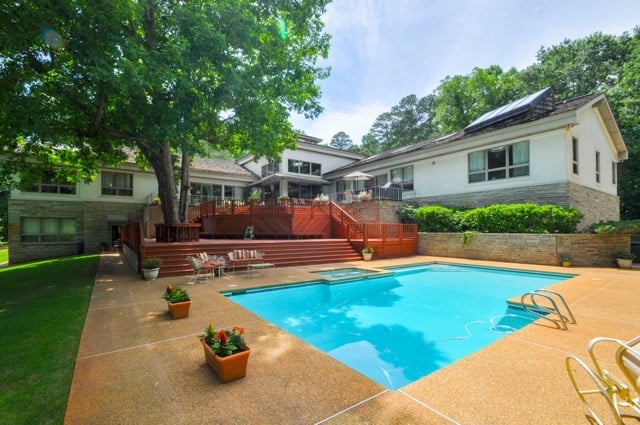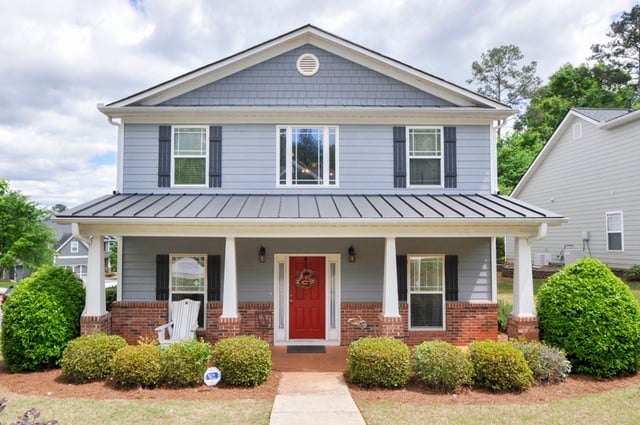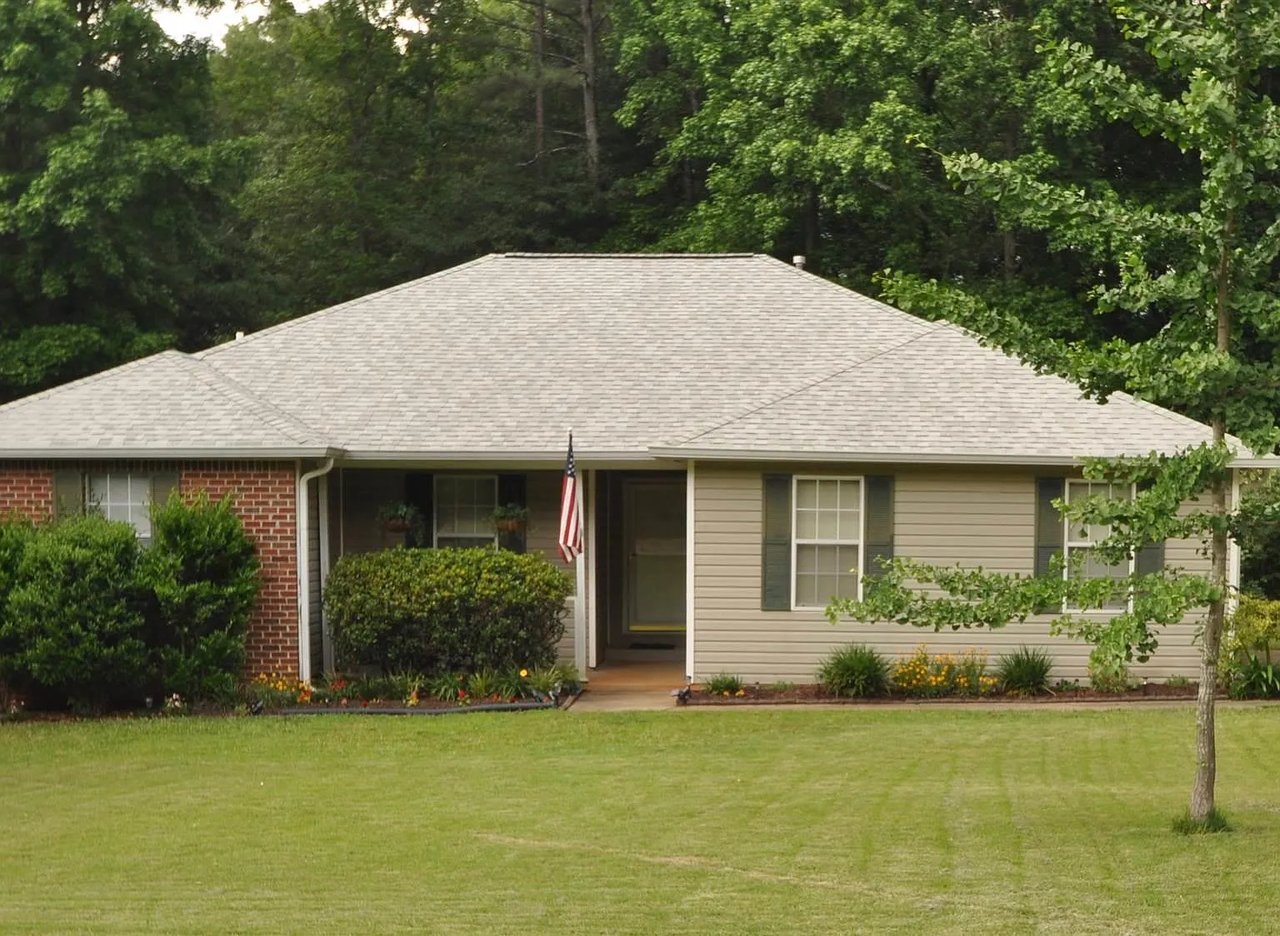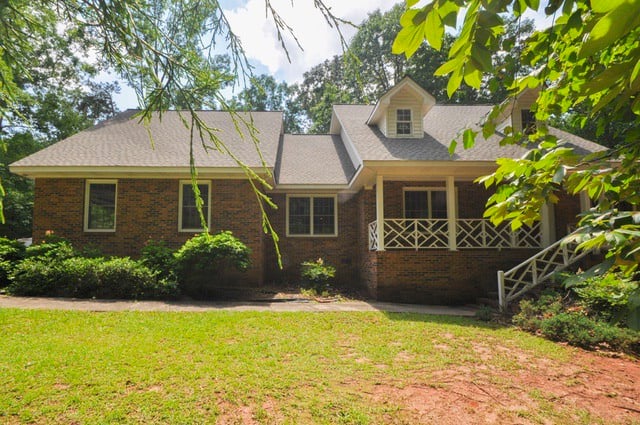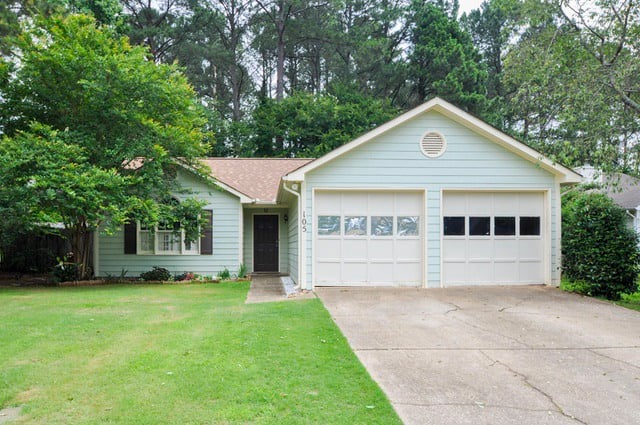
Thinking about a new chapter but not ready to leave Watkinsville? You are not alone. Many Oconee County homeowners love the small-town feel, access to Athens, and range of neighborhoods here. In this guide, you will learn how to upsize, downsize, or make a lifestyle shift within Watkinsville, with clear timelines, financing options, and practical strategies to coordinate your sale and purchase smoothly. Let’s dive in.
Why stay in Watkinsville
Watkinsville and greater Oconee County offer a rare mix of a charming downtown, proximity to the University of Georgia and area hospitals, and neighborhoods that span from established subdivisions to rural acreage. Many buyers value the public school options, the local arts and culture scene, and the ability to choose between suburban convenience and lower-density living.
Inventory can be tight in select price tiers, especially for smaller low-maintenance homes and premium acreage properties. Seasonal trends often matter. Spring usually sees more listings and buyer activity, while winter typically slows. National interest-rate movements can shift affordability and demand, so it is smart to time your move with both the calendar and rate environment.
Decide your move path
Move-up within Oconee
If you need more space, want a larger lot, or are ready for a higher-tier neighborhood, you will likely lean on your current equity to fund the next purchase. In a low-inventory tier, plan for patience or flexible terms. Strong preparation, tight pricing on your sale, and clear financing on your purchase can help you win the right home.
Common challenges include timing your sale with your purchase and managing a larger mortgage if rates are higher today than when you last bought. Solutions include a home-sale contingency, bridge financing, or a temporary rent-back to align move dates.
Downsize for simplicity
Downsizers often aim for single-story living, smaller lots, or closer access to town and medical services. If you have built substantial equity, you may be positioned to make a simpler, stronger offer on your next home, sometimes without contingencies. The tradeoff is that smaller, lower-maintenance homes can be limited, so having a clear plan and early alerts on new listings can make the difference.
Lifestyle shift without leaving
Acreage and custom homes have their own rhythm, from valuation to marketing timelines. Historic homes in Watkinsville may involve renovation planning and preservation considerations. Moving closer to Athens can shorten commutes and increase access to cultural events while keeping your Oconee County ties. Expect longer due diligence, unique inspections, and appraisal strategies when you pursue distinctive properties.
Plan budget and equity
Before you list or write offers, estimate your net proceeds and total costs. A simple way to view your equity is:
- Sale price − mortgage payoff(s) − transaction costs = gross equity available.
Typical seller costs to plan for include:
- Real estate commissions: commonly around 5 to 6 percent of the sale price. Commission rates vary.
- Closing costs and concessions: title charges, prorations, and any repair credits can add several percentage points.
- Pre-sale prep: cleaning, staging, repairs, and optional pre-listing inspections.
These items reduce the equity you will have for your next down payment or cash reserves. Ask your agent for a conservative net proceeds estimate that models a few price scenarios and accounts for realistic repairs and timelines.
Choose your coordination strategy
Sell first
- Best when you want certainty about your equity and do not want to carry two mortgages.
- Consider a rent-back from your buyer to avoid a double move. With a rent-back, you close on your sale, then rent the home from the new owner for a set period while you finalize your purchase.
- Tradeoff: you may need temporary housing if inventory is tight or if your ideal home has not hit the market yet.
Buy first with a bridge or HELOC
- A bridge loan or HELOC can unlock your down payment before your current home closes.
- Advantage: you write a stronger offer on the new home and move once.
- Tradeoff: additional costs, qualification requirements, and short-term carrying risk if your sale takes longer than expected.
Make a contingent offer
- Your purchase is contingent on the sale of your current home.
- Works best in balanced markets or when the listing has a smaller buyer pool.
- Tradeoff: in a competitive tier, sellers may favor non-contingent offers.
Use a rent-back or sale-leaseback
- If your buyer is flexible, negotiate a post-closing occupancy period.
- Aligns your move-out with your next home’s closing and reduces stress.
- Be precise about rent amount, duration, deposits, and maintenance responsibilities.
Timeline playbook
Preparatory phase: 4 to 8+ weeks before listing or serious search
- Market valuation: request a Comparative Market Analysis to set expectations and plan your path to top-dollar.
- Pre-listing inspection: uncover repairs early, set budgets, and decide what to fix vs. disclose.
- Lender pre-approval: secure written pre-approval and discuss whether you can qualify for a bridge loan, HELOC, or two mortgages if needed.
- Cost planning: build a line-item net proceeds estimate, including staging and likely concessions.
- Define goals: must-move-by date, top neighborhoods, nonnegotiables, and acceptable contingencies.
Listing and search phase: 6 to 12 weeks typical
- If selling first: complete repairs, stage, and launch with professional marketing. Set showing windows that welcome strong buyer traffic. Add a rent-back request if you need extra time.
- If buying first: write offers with clear financing terms, decide where you can be flexible, and set realistic appraisal and inspection timelines.
- Communication loop: keep your listing and buyer representation aligned. Share updates on pre-approval status, appraisal orders, and preferred closing windows.
Contract to close: 2 to 6 weeks from ratification
- Align closing dates: structure your timelines with your counterparties early. Consider escrow holdbacks for small repairs.
- Track loan milestones: watch appraisal scheduling, underwriting, and final approval documents to avoid last-minute delays.
- Contingency planning: if a sale contingency stumbles, know your backup: bridge funds, a short-term rental, or an extension with rent-back.
Appraisals and due diligence
Unique or rural Oconee properties can present appraisal and inspection nuances. If you sell or buy acreage, expect fewer comparable sales and more weight on land value and site improvements. Prepare documentation on recent renovations, outbuildings, fencing, or major systems. If your home is on septic or well, plan early inspections and confirm service records. For historic homes, factor in potential renovation costs and any preservation requirements.
On the financing side, coordinated closings leave little room for appraisal surprises. Tighten your pre-approval, respond quickly to lender requests, and consider a competitive market analysis to set the right pricing strategy from day one.
Taxes and assessments to watch
If you sell a primary residence, the federal home-sale exclusion may apply, up to $250,000 for single filers or $500,000 for married couples filing jointly, if you meet IRS ownership and use tests. Improvements and selling costs can affect taxable gain, so consult your tax advisor for guidance that fits your situation.
When you buy, your property may be reassessed. Oconee County millage rates, homestead exemptions, due dates, and HOA fees vary by property and change over time. Verify current assessments and exemptions with the county and review HOA disclosures before you finalize your budget.
Negotiation tips for a smoother move
- Spell out occupancy terms: set clear rent-back dates, rent amounts, security deposits, and condition standards at move-out.
- Use specific deadlines: outline inspection timelines, financing milestones, and appraisal dates to reduce uncertainty.
- Protect with deposits: consider an escrow structure that balances risk for both sides and motivates performance.
- Front-load specialized inspections: for acreage or historic homes, order septic, well, structural, or survey work early.
- Be realistic on repairs: choose items with the most impact, price accordingly, and align repair timing with closing.
When to list in Watkinsville
Timing is personal, but local patterns can guide you. Spring tends to bring more inventory and active buyers, which can help both sides of a coordinated move. Late summer and early fall can work well if you prefer steadier pace and less competition. Winter is often quieter, which may favor buyers willing to move when others are not. Rate trends can influence demand and affordability in any season, so monitor your lender’s outlook as you plan.
Ready to plan your next move?
Moving within Watkinsville can be seamless when you combine clear goals, a smart financing plan, and a timeline that fits your life. If you want senior-level negotiation and boutique marketing to maximize your net proceeds while lining up your next purchase, let’s talk. Schedule a personalized plan with Jennifer Westmoreland and move forward with confidence.
FAQs
How competitive is the current Watkinsville market?
- Conditions change with season and interest rates, so review current local MLS metrics like inventory, days on market, and sale-to-list ratios before you list or write offers.
Should I sell first or buy first in Oconee County?
- It depends on your financing, risk tolerance, and the inventory in your target price range, so compare the tradeoffs of selling first, buying first with bridge funds, or using a sale contingency.
What costs should I budget to sell a Watkinsville home?
- Plan for commissions that are often around 5 to 6 percent, plus closing fees, prorations, and any repair or credit amounts, along with preparation costs like staging or minor updates.
How does a rent-back work for timing my move?
- You close on the sale, then rent the home from the buyer for an agreed period with a set rent, deposit, and condition terms, which can bridge the gap to your next closing.
What if an appraisal comes in low on an acreage property?
- Work with your agent to provide additional comparable sales and documentation on land improvements, and be ready to renegotiate price, bring extra funds, or adjust financing if needed.
Can I use a HELOC or bridge loan for my down payment?
- Yes, if you qualify and have sufficient equity; these tools can free funds before your sale closes but come with costs and short-term carrying risk.
How do property taxes change after I buy in Oconee County?
- Your home may be reassessed and new millage rates and exemptions may apply, so verify current assessments and homestead options with the county before you finalize your budget.