Trying to choose between Lake Rabun and Lake Burton for your Lakemont getaway or full-time escape? You’re not alone. Each lake offers a distinct lifestyle, from open-water runs and marina amenities to quiet coves and a classic camp feel. In this guide, you’ll see the key differences in size, access, home types, and ownership rules so you can buy with confidence. Let’s dive in.
Quick compare: size, shape, shoreline
Lake Burton: bigger water, longer runs
Lake Burton spans about 2,775 acres with roughly 62 miles of shoreline, the largest in the Tallulah River chain. Those numbers translate to broad channels and multi-mile runs that appeal to larger wake boats and waterskiers. The lake was impounded in the 1910s and is known for open-water views and a mix of coves and long stretches. You can reference these figures in the U.S. Army Corps of Engineers appendix for North Georgia lakes for context on acreage and shoreline.
U.S. Army Corps of Engineers data supports the size and shoreline measurements noted here.
Lake Rabun: intimate coves and a historic vibe
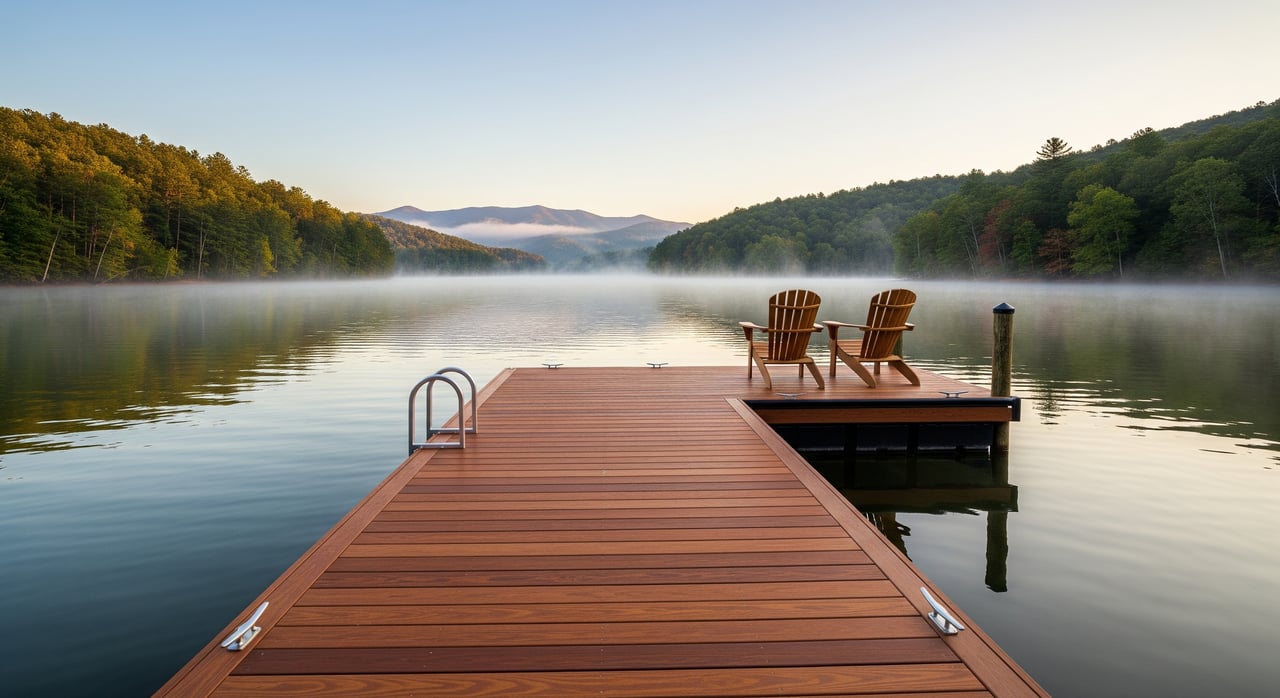
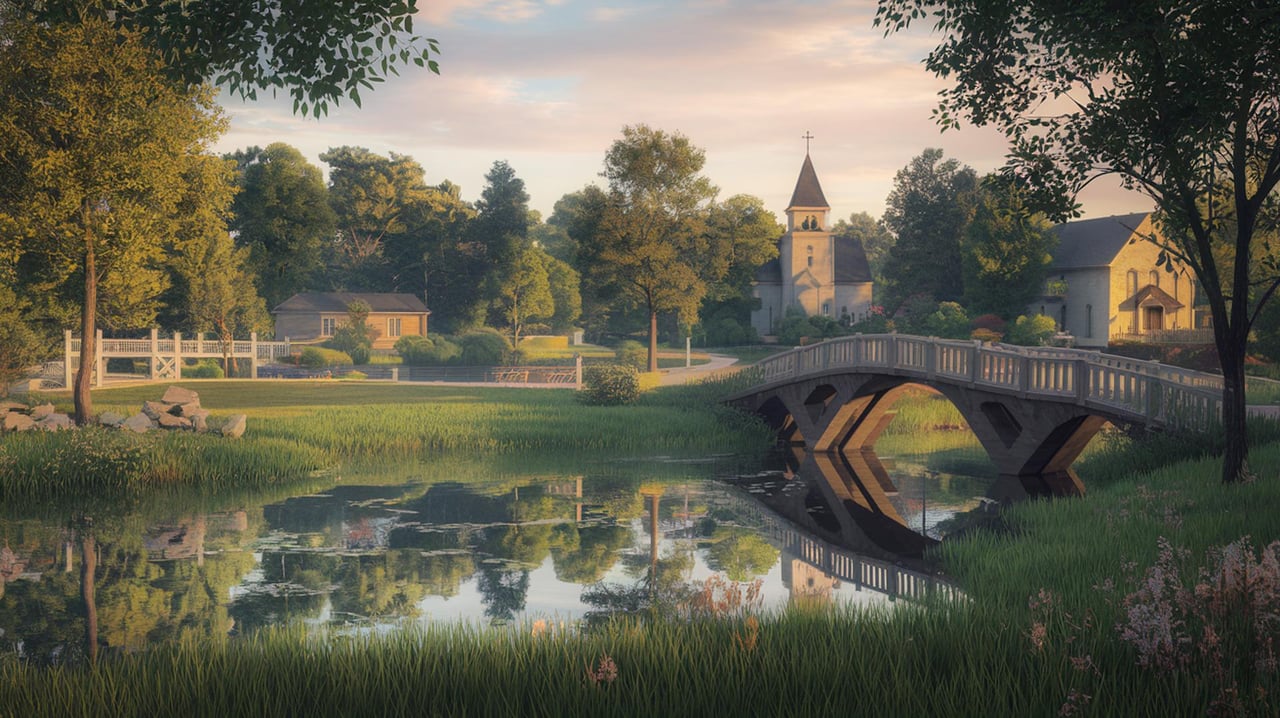
Lake Rabun covers about 835 acres with roughly 25 miles of shoreline. Its twisty shape creates smaller coves, shorter sightlines, and a comfortable pace for pontoons, runabouts, paddlers, and anglers. Many buyers love the classic, low-key feel that pairs with its long-standing wooden-boat culture and lakeside traditions.
What size and shape mean for you
- If you want long, open-water runs and room for larger boats, Burton delivers.
- If you prefer quieter water, coves, and a relaxed social boating scene, Rabun fits well.
- Shoreline length also affects perceived privacy and inventory. More shoreline on Burton can mean more choices in certain price bands, while Rabun’s smaller footprint concentrates options in select coves.
Access and daily convenience
Getting here from Atlanta
For weekenders or second-home buyers, travel time matters. A typical drive from Hartsfield–Jackson Atlanta International Airport to the Lakemont/Clayton area is about 1.5 to 2 hours depending on traffic. That makes both lakes realistic for Friday arrivals and Sunday returns.
Check a sample drive-time estimate from Travelmath to set expectations for your trips.
Lakemont, Clayton, and everyday services
Lake Rabun sits in the Lakemont area, with many coves a short drive to downtown Clayton for groceries, dining, hardware, and county services. Lake Burton also feeds into the same service hub. Drive times vary by cove and route, but most destinations around either lake plan for a 10 to 20 minute ride to central Clayton for daily needs.
Ramps, marinas, and park access
Official listings name the core public ramps and access points. On Burton, expect options such as Cherokee Landing and Moccasin Creek. On Rabun, Hall’s Boathouse and the Rabun Beach ramp are your staples. These sites also anchor the lakes’ day-use flow and trailer access.
See Georgia’s administrative boating rules and public-ramp listings for the official access points on both lakes at the Georgia Administrative Code 391-4-5.
Moccasin Creek State Park on Burton and the Lake Rabun Beach Recreation Area are the go-to public park anchors. Both lakes support strong bass fishing, with seasonal trout stocking in feeder streams noted in state technical guidance.
For fisheries and recreation context, review the Georgia EPD/DNR technical document for Lakes Burton, Rabun, and Tugalo.
Homes, lots, and ownership on each lake
Typical home styles you’ll see
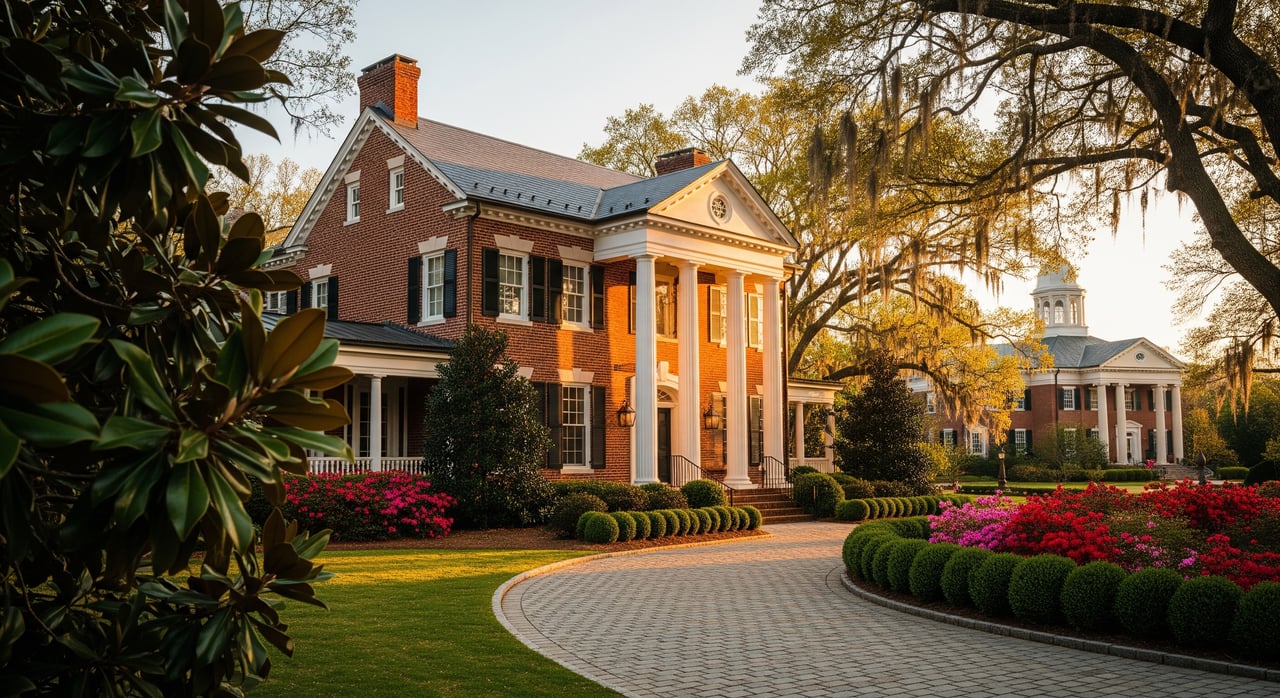
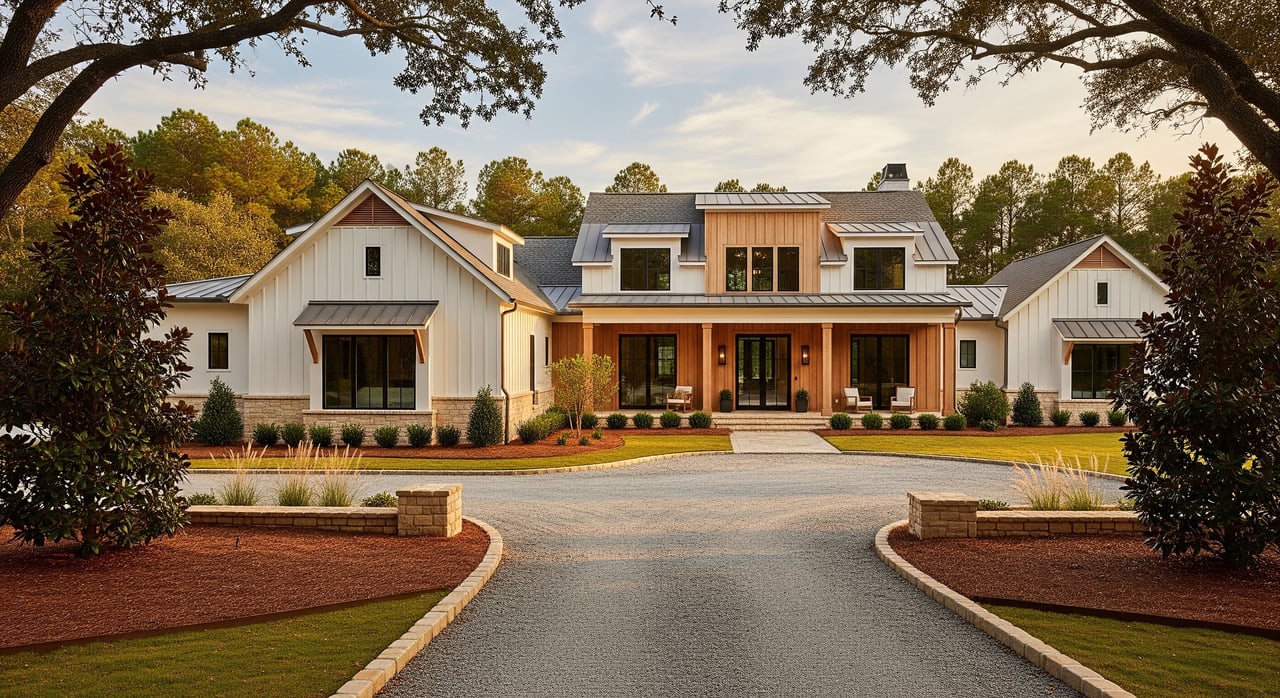
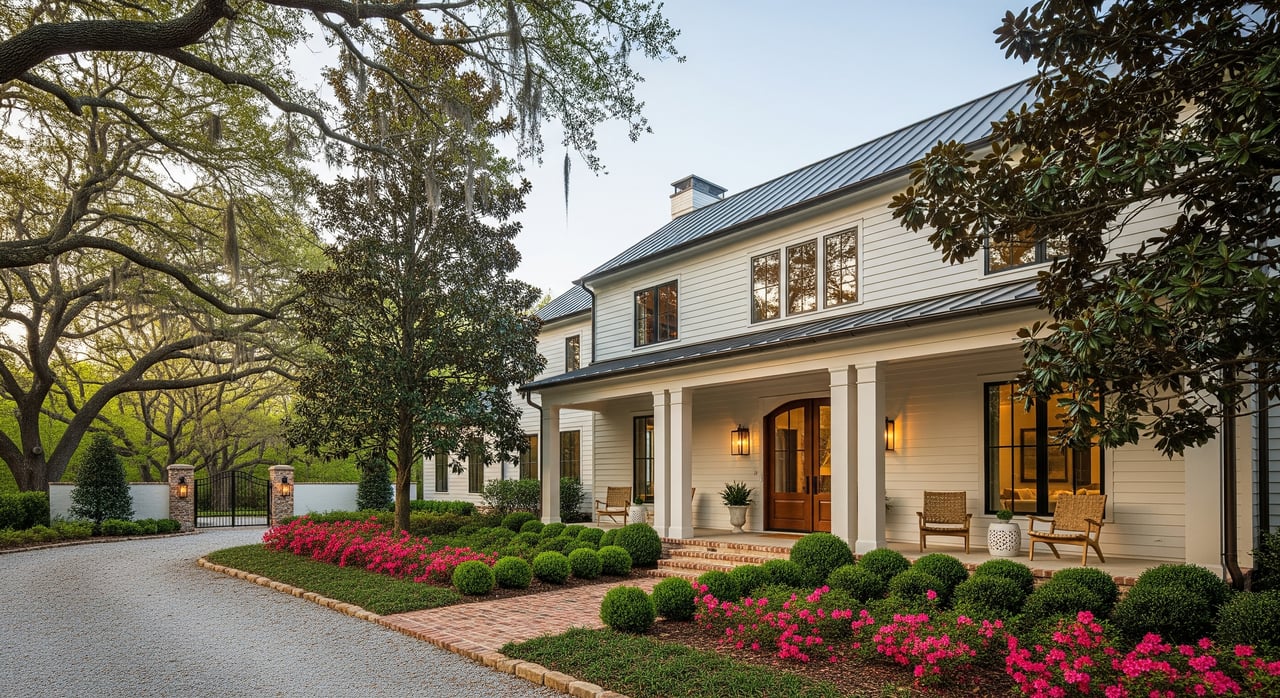
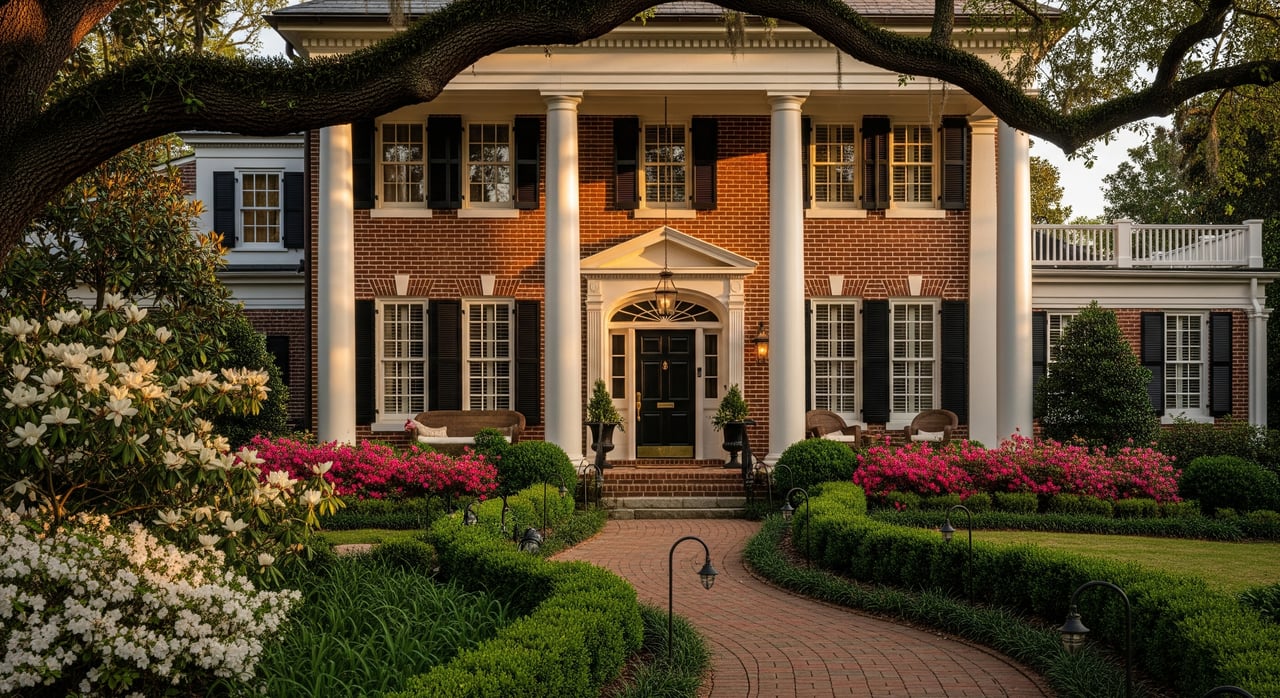
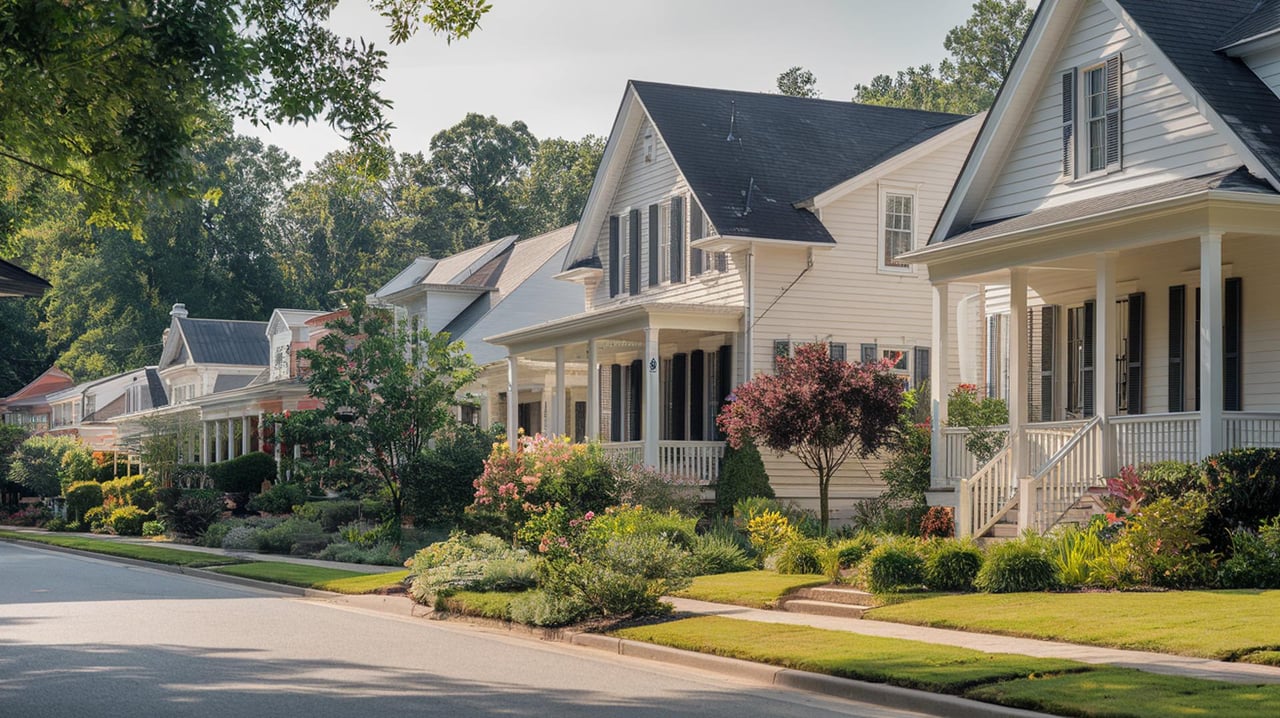
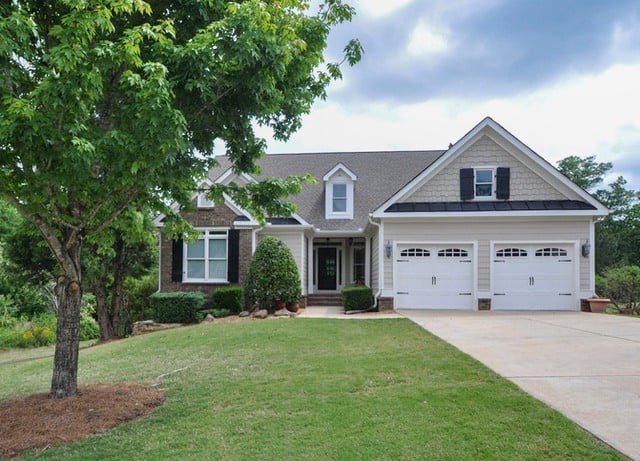
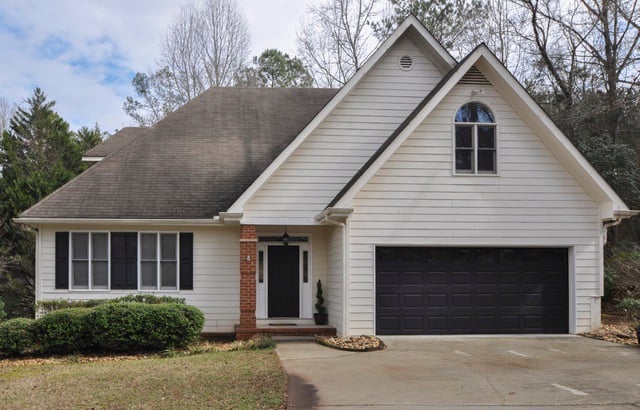
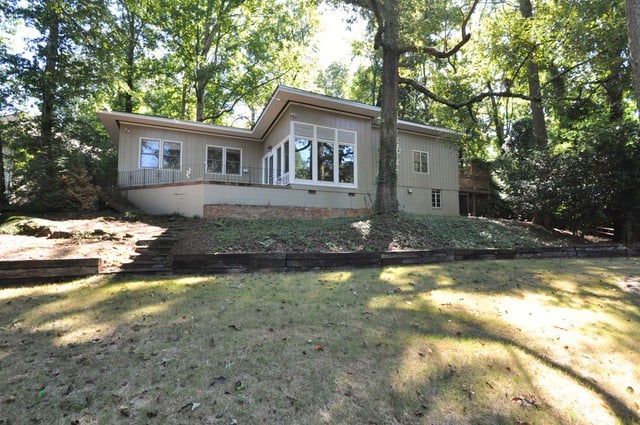
- Lake Rabun: A long tradition of classic cottages and renovated waterfront homes, often on smaller lots with steeper grades to docks. The lake’s preserved boathouse culture and summer events shape a relaxed, heritage feel.
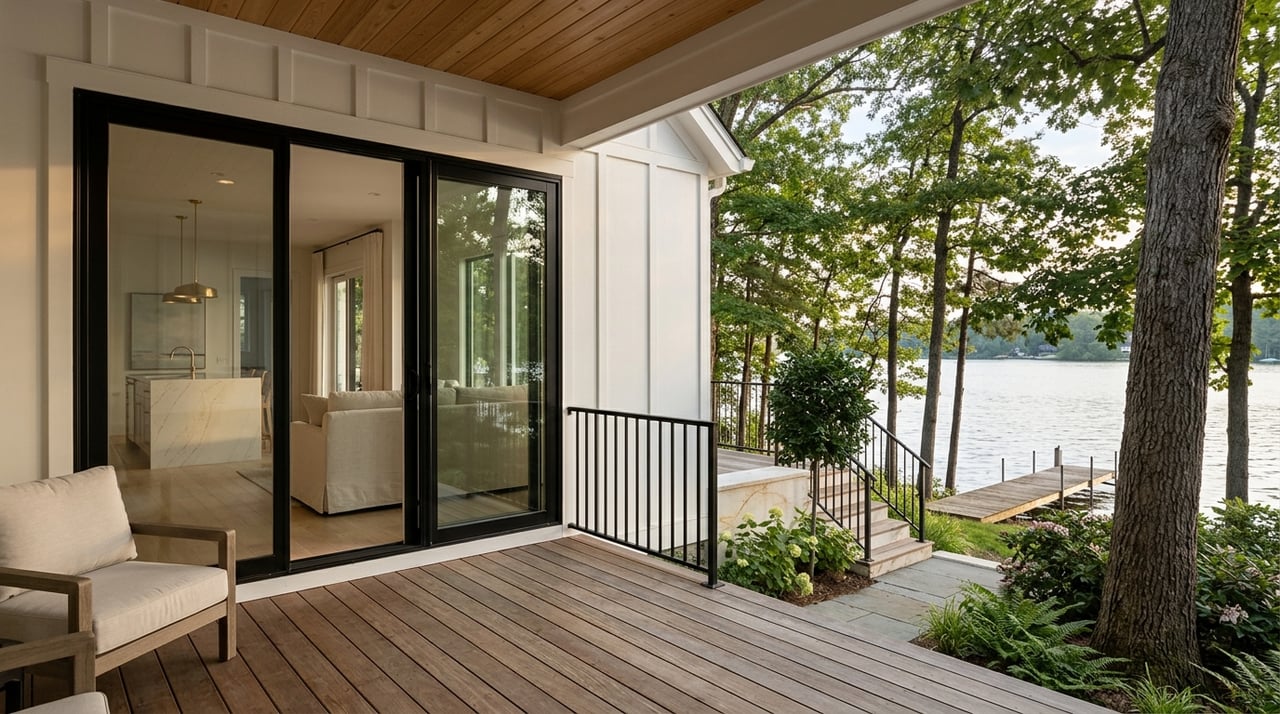
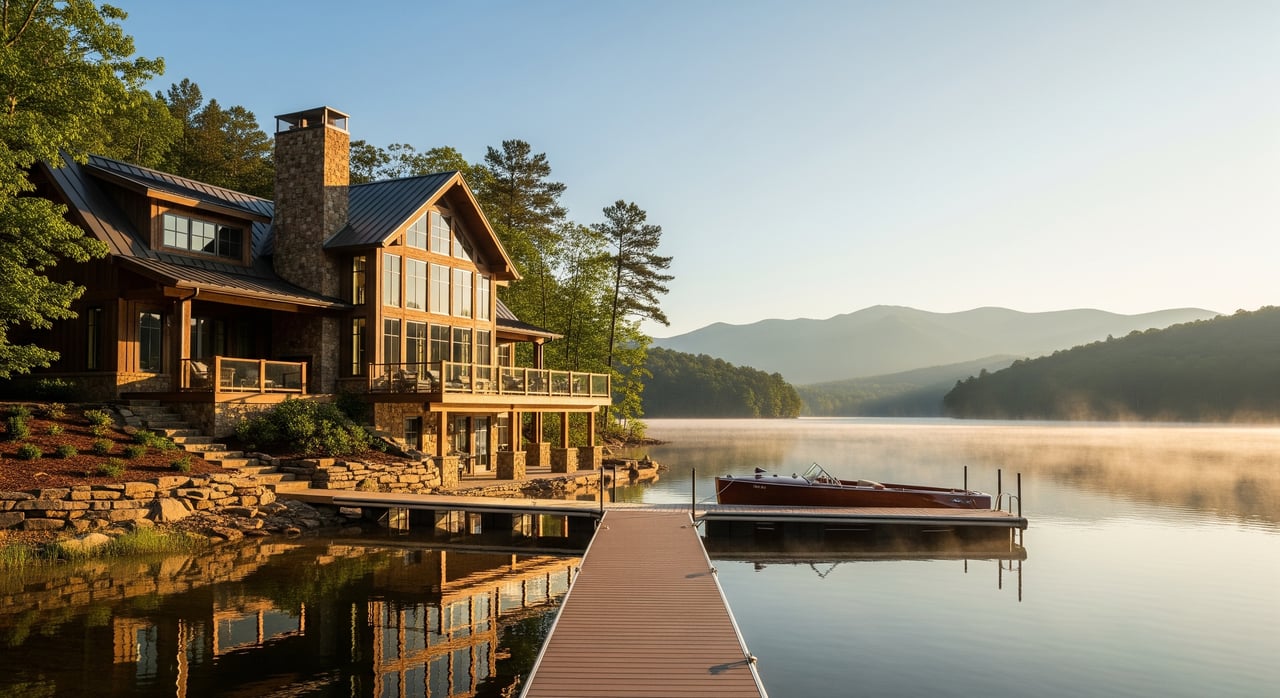
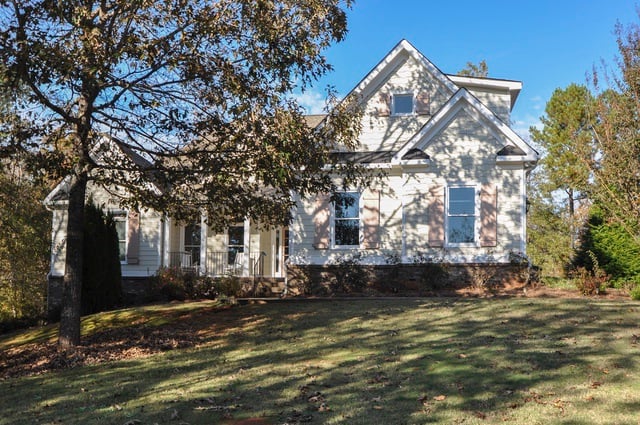
- Lake Burton: A higher proportion of large waterfront estates and planned or gated communities in certain areas, along with larger boathouses and multi-slip docks in select coves. Buyers often target Burton for expansive water views and an established high-end market.
Lease lots vs. fee-simple land
Many waterfront homes on both lakes sit on residential lease lots administered by Georgia Power. With a lease lot, Georgia Power owns the land and the homeowner owns the improvements, such as the house and dock. This affects financing, insurance, resale planning, and permitted uses, and it adds a recurring lease fee in addition to county taxes on improvements.
Before you write an offer, request the current lease agreement, confirm transfer steps and timelines, and contact the lake office early in due diligence. Georgia Power explains definitions and the transfer process on its Buying, Selling and Leasing page.
Shoreline permits, boathouses, and additions
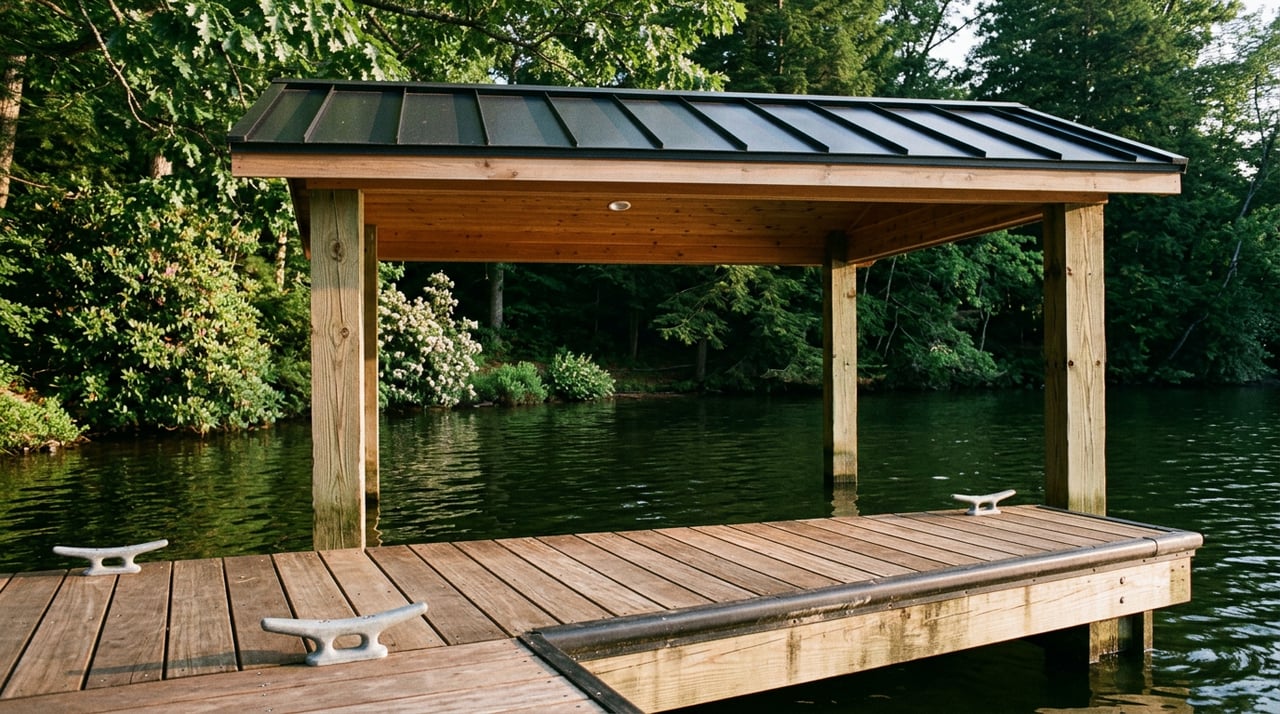
Georgia Power requires permits for docks, boathouses, seawalls, dredging, and many shoreline modifications. There are defined limits that can affect your plans, such as a single shoreline structure per lot in many cases and residential height or size thresholds in the project boundary. These shoreline permits are separate from county building permits and often require site plans and erosion controls.
Review the rules and submittal steps on Georgia Power’s Shoreline Management page so you know what is feasible before you budget for changes.
Boating culture and recreation
Lake Rabun’s wooden-boat tradition
Lake Rabun is known for its preserved fleet of wooden runabouts, community events like Fourth of July parades, and a tight-knit summer rhythm. If you enjoy classic runabouts, calm coves, and a tradition-forward lake identity, Rabun’s culture is a strong match. For a sense of the vibe, see Garden & Gun’s feature on the old-fashioned allure of Lake Rabun.
Lake Burton’s open-water energy
Burton’s larger footprint and long channels support a wide recreation mix: waterskiing, wakeboarding, cruising, paddling, and fishing. The geometry and multiple access points make it practical for bigger-boat owners who want longer runs with more room to spread out. Public access and stocked-trout resources in nearby streams round out the year-round appeal, supported by the technical context in the Georgia EPD/DNR document linked above.
Buyer checklist for Burton vs. Rabun
Use this due-diligence list to compare specific properties across both lakes:
- Confirm lot type: Is it a Georgia Power lease lot or fee-simple land? Ask for the current agreement and start the transfer process early using Georgia Power’s guidance on buying, selling, and leasing.
- Verify shoreline rights: Request existing shoreline permits, an as-built survey of the dock/boathouse, and confirm what can be repaired or expanded under current rules. Start with Georgia Power’s Shoreline Management guidelines.
- Map your boat access: How close are you to a ramp or marina, and what services are available? Use the state’s official ramp listings and call marinas directly to ask about slip availability and fuel or repair services.
- Check rental feasibility: Lease language, county ordinances, and HOA rules may affect short-term rentals. Local reporting highlights that rules and enforcement can change, so verify before you count on rental income. See context in this Atlanta Homes & Lifestyles overview.
- Understand utilities: Many lake homes use private wells and septic or holding tanks. Confirm system type, age, and permitting with county records and the seller’s disclosures.
- Budget for ongoing costs: Lease fees, property taxes on improvements, dock maintenance, shoreline vegetation management, and potential dredging or erosion controls. Georgia Power’s buying/leasing and shoreline pages outline responsibilities and compliance.
Which lake fits your goals?
- Choose Lake Burton if you value open-water boating, longer runs, larger estate options, and a broader marina scene. Buyers who want a club-adjacent lifestyle or a statement waterfront property often start here.
- Choose Lake Rabun if you crave intimate coves, a heritage-lake feel, and classic cottage living close to Lakemont, with a strong wooden-boat tradition and relaxed social boating.
- If you are weighing resale and long-term ownership, compare lease terms, shoreline-permit flexibility, and day-to-day access to Clayton for services.
- If you are undecided, tour both on the same day. Many buyers feel an immediate pull toward one lake’s pace, views, and boating style.
Ready to compare properties?
You deserve clear answers before you invest. As a seasoned Northeast Georgia broker, our team brings senior-level negotiation, polished marketing, and concierge guidance tailored to second-home and luxury buyers. Let’s match your lifestyle to the right lakefront and navigate Georgia Power lease steps, shoreline permits, and due diligence with confidence. Schedule a personalized market consultation with Jennifer Westmoreland.
FAQs
How big are Lake Rabun and Lake Burton?
- According to U.S. Army Corps of Engineers data, Burton is about 2,775 acres with roughly 62 miles of shoreline, while Rabun is about 835 acres with roughly 25 miles of shoreline.
How long is the drive from Atlanta to Lakemont?
- Plan for about 1.5 to 2 hours by car depending on traffic; sample estimates from Travelmath show around 1 hour 40 to 110 minutes.
Do both lakes use Georgia Power lease lots?
- Yes, many waterfront parcels on both lakes are Georgia Power residential lease lots; review definitions and transfer steps on the utility’s Buying, Selling and Leasing guidance.
What permits do I need for a dock or boathouse?
- Georgia Power requires shoreline permits for docks, boathouses, seawalls, and dredging, with defined limits that may include one shoreline structure per lot in many cases; these are separate from county building permits.
Are short-term rentals allowed on either lake?
- It varies; confirm the Georgia Power lease language, county or municipal ordinances, and any HOA rules, as reporting notes that policies and enforcement can change.
Where can the public launch a boat on each lake?
- The state’s official listings identify key ramps such as Cherokee Landing and Moccasin Creek on Burton and Hall’s Boathouse and Rabun Beach on Rabun; see the Georgia Administrative Code for the current access list.
Is the fishing good on both lakes?
- Yes; both support strong bass fishing, and feeder streams are seasonally stocked with trout as noted in Georgia EPD/DNR technical guidance.