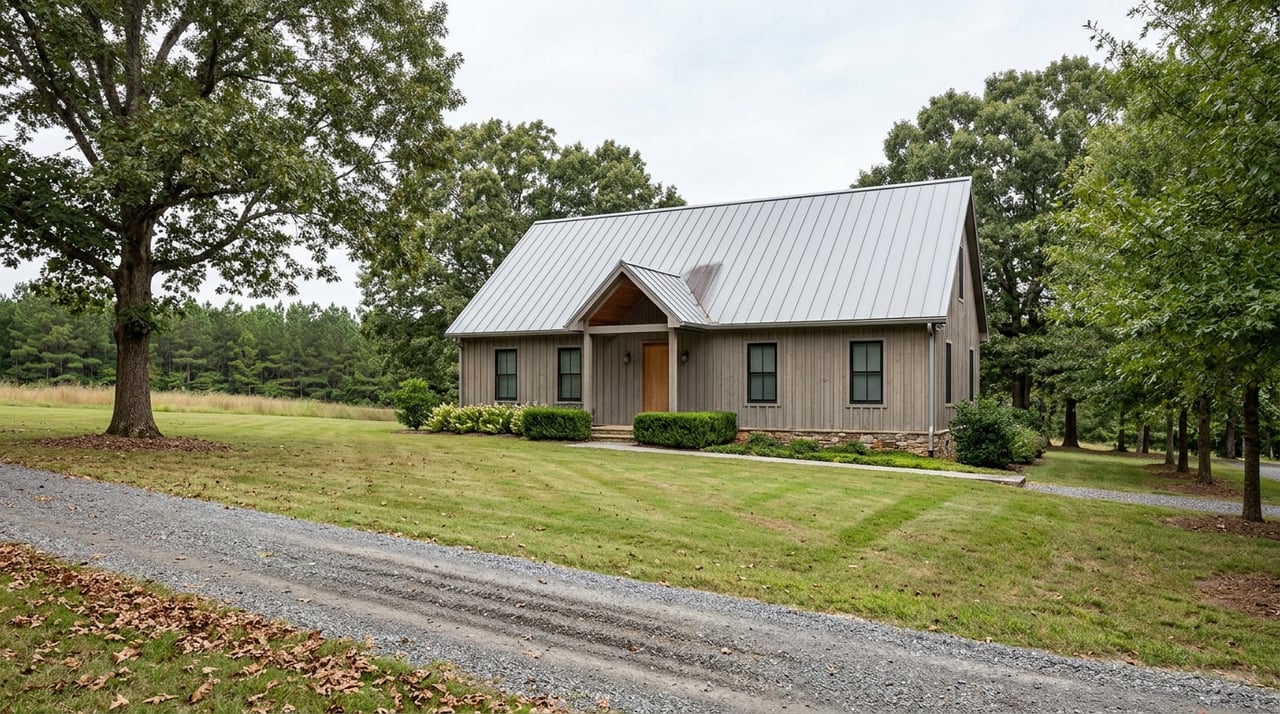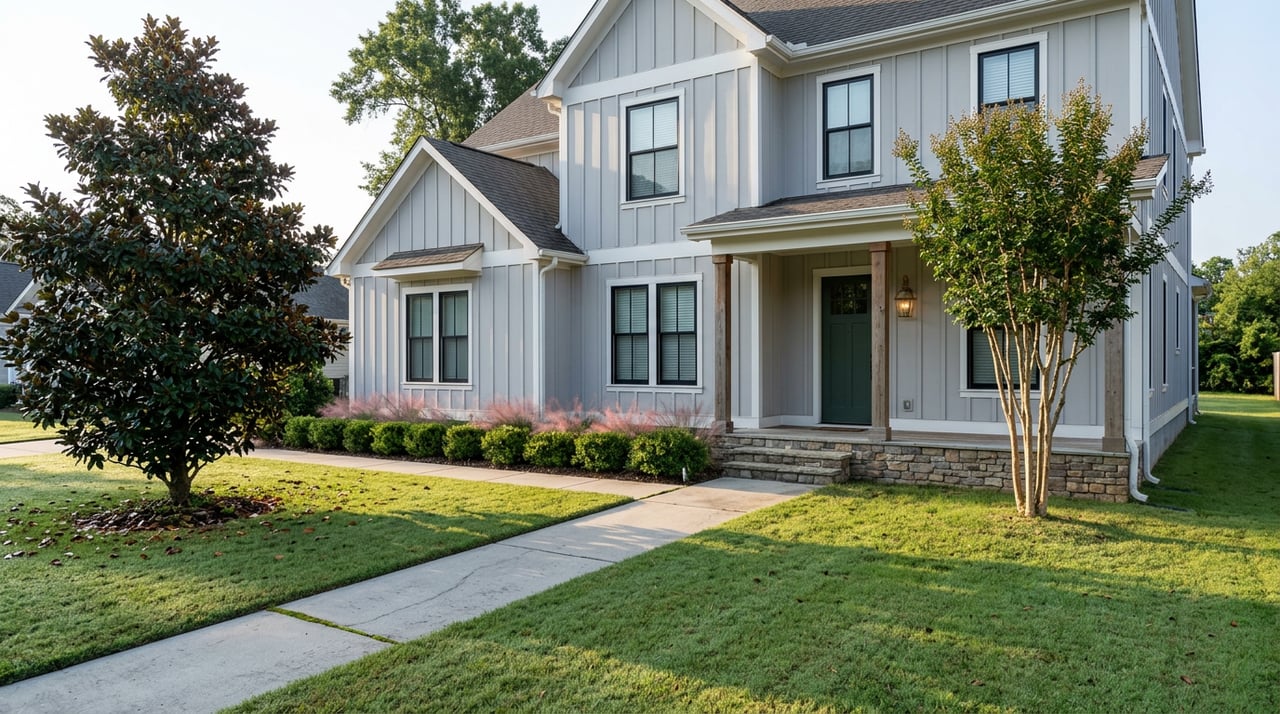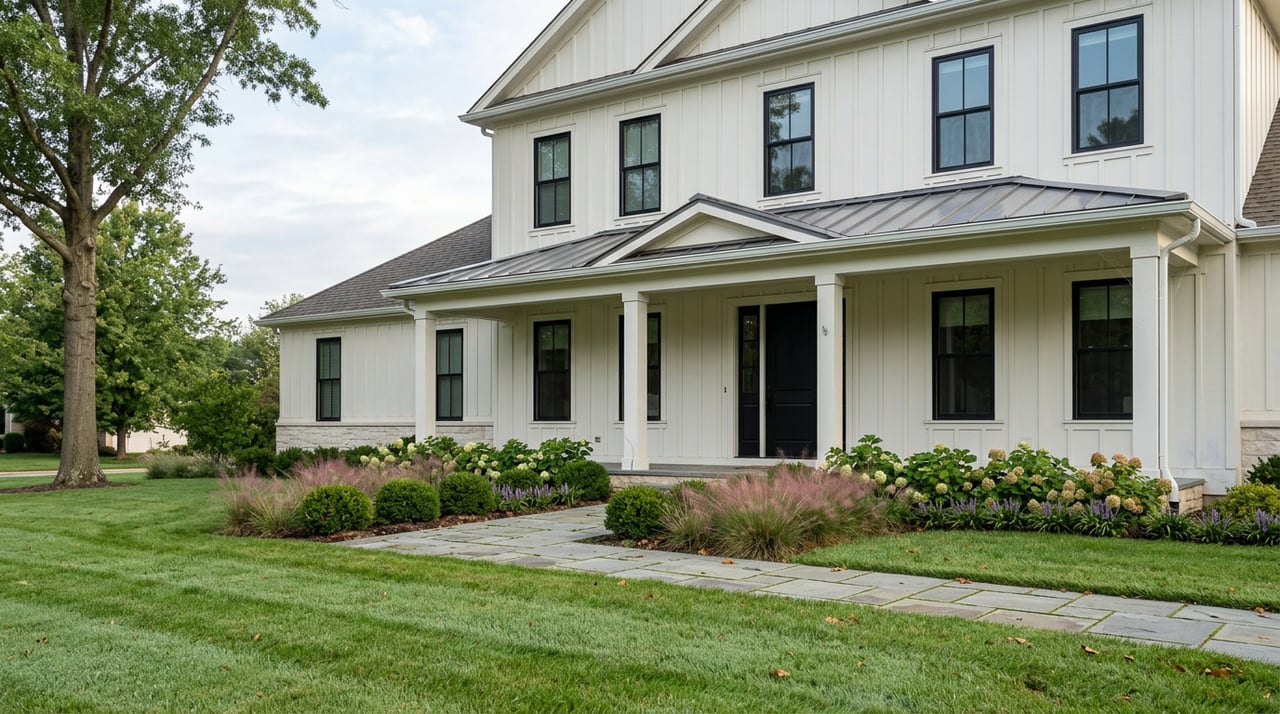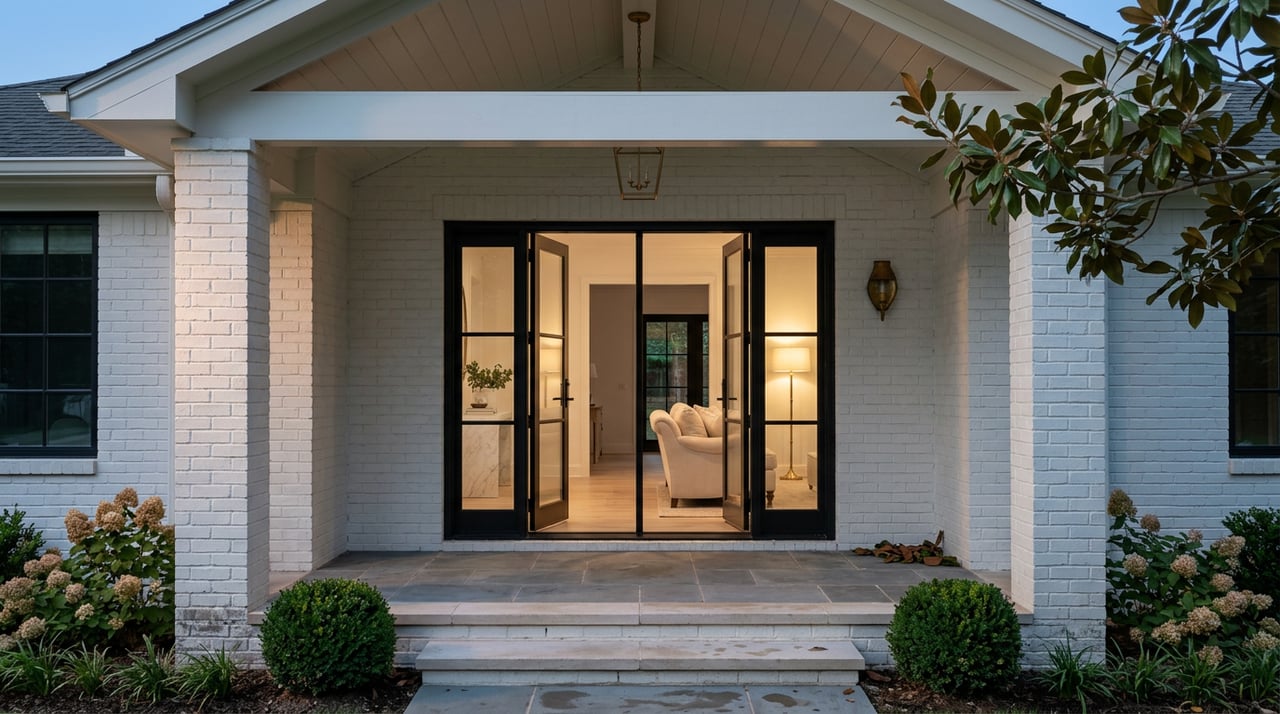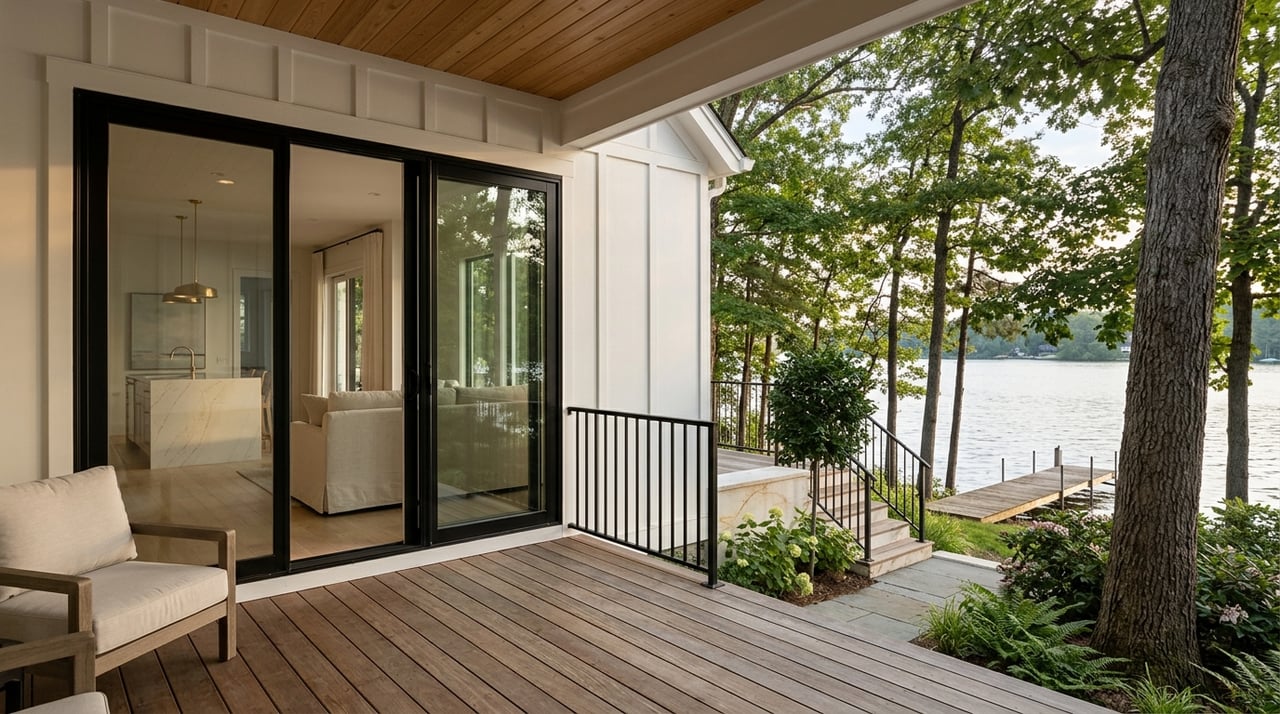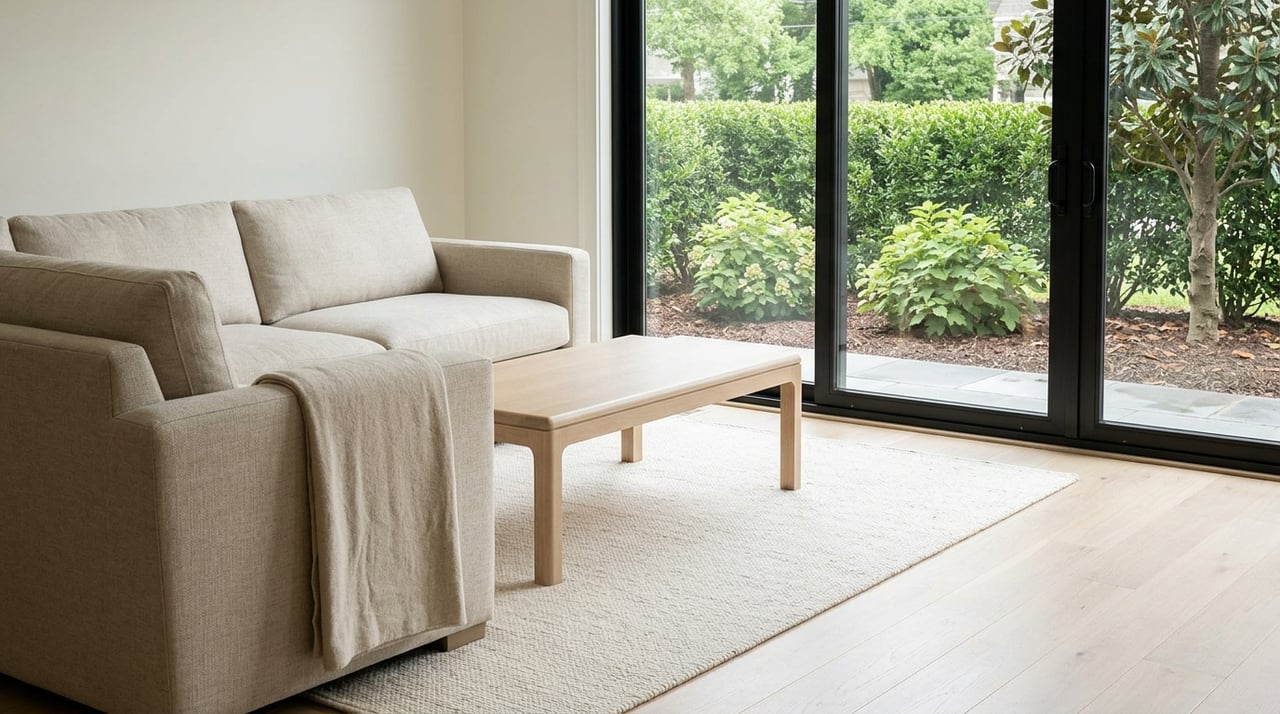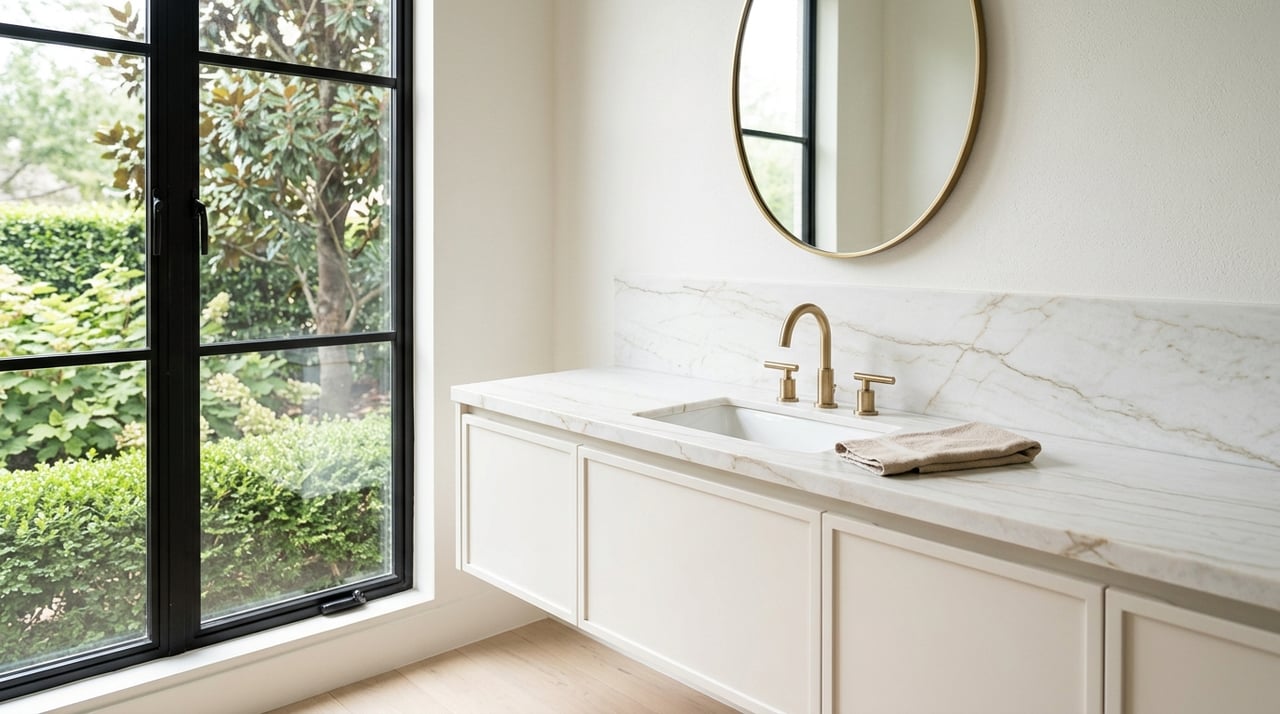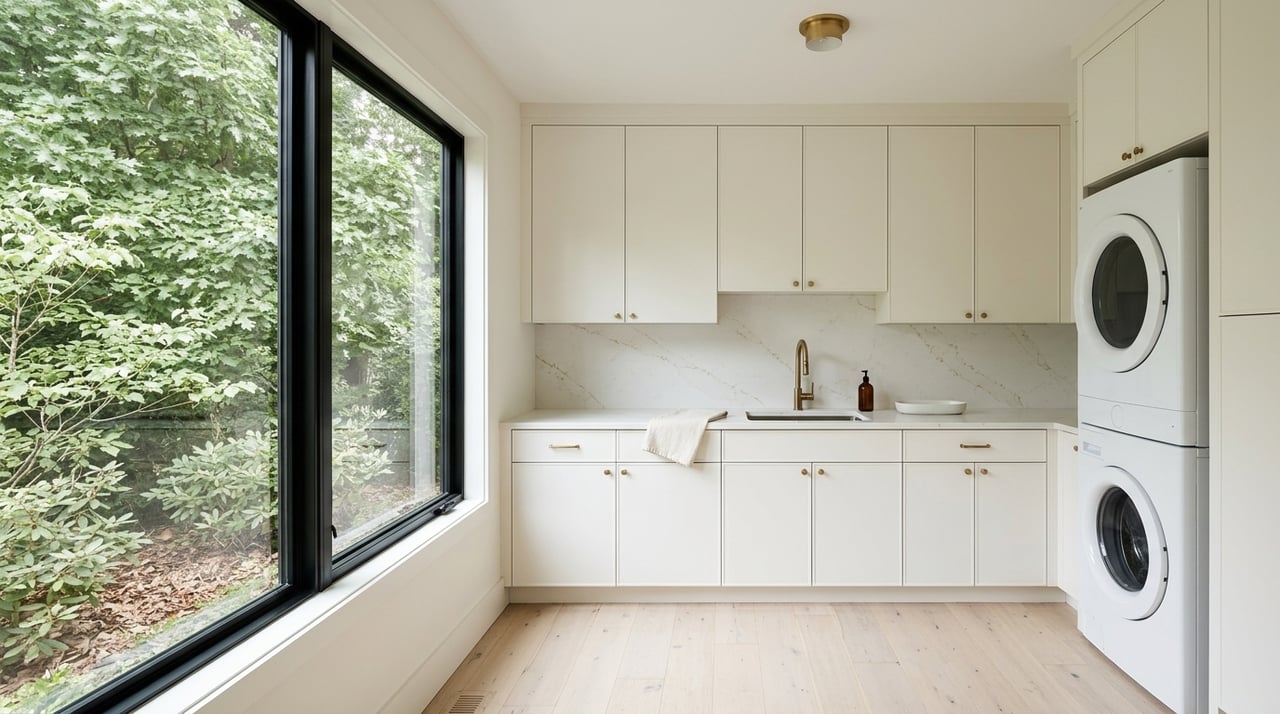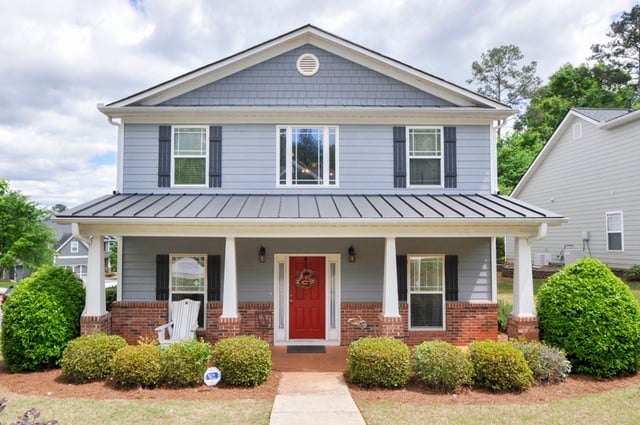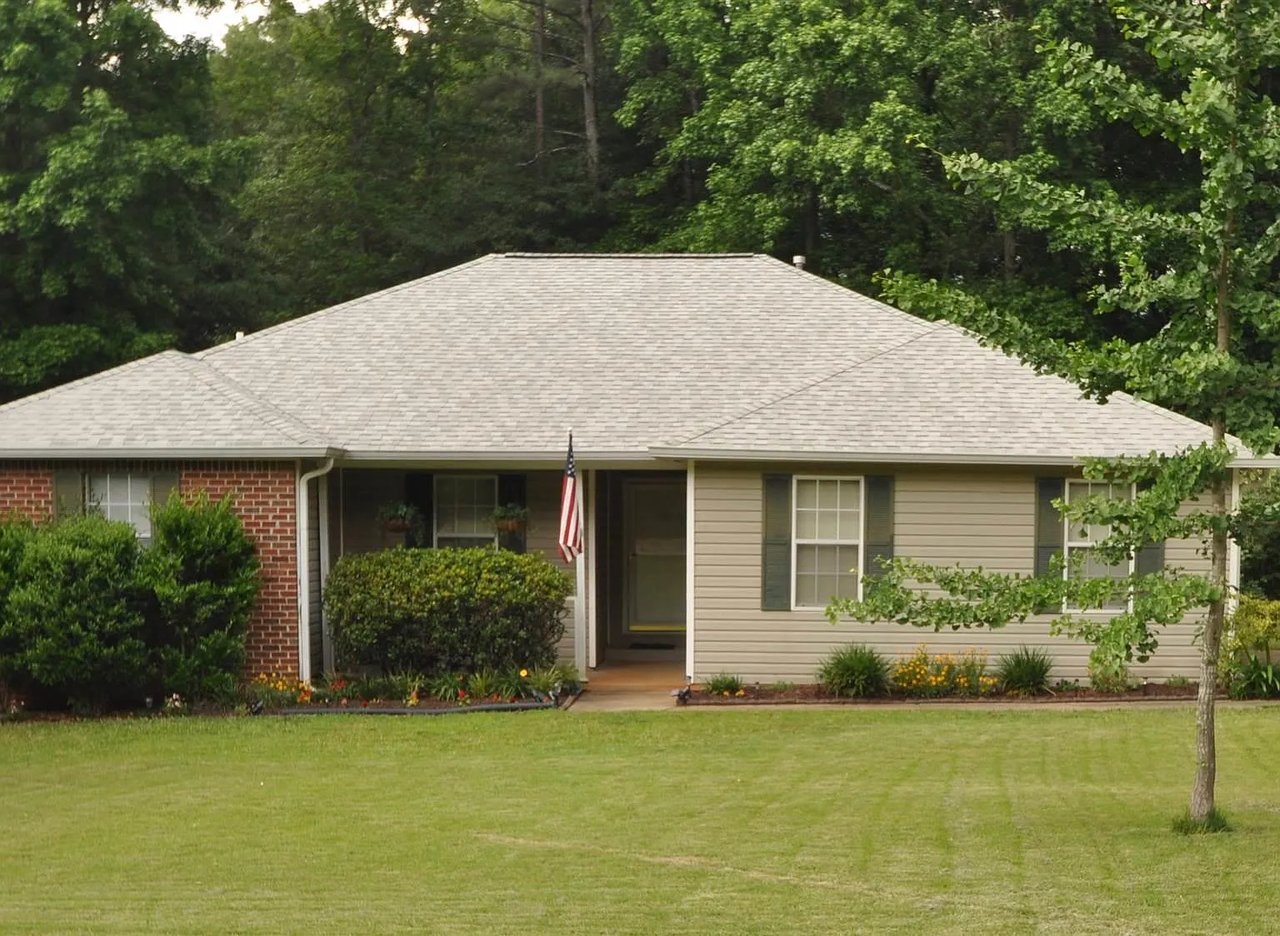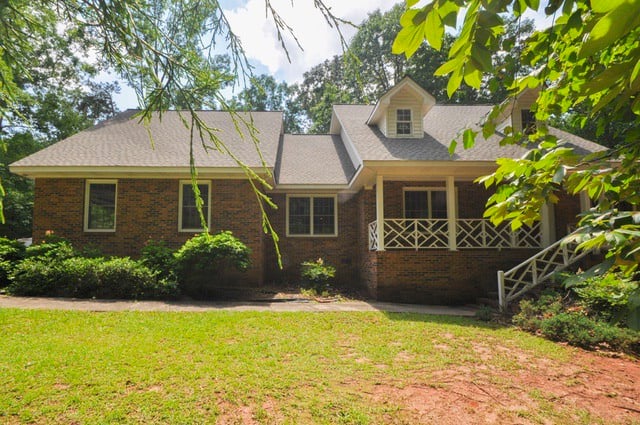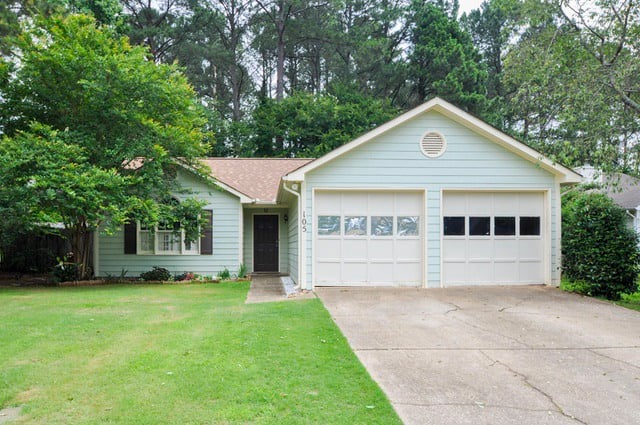
Thinking about buying a lake or mountain property that can also generate rental income? In Northeast Georgia, that idea can be appealing for a simple reason: this region draws visitors who want water, trails, scenic views, and weekend escapes within driving distance of metro Atlanta. If you are considering a rental in the Northeast Georgia lakes region, it helps to understand how seasonality, access, taxes, and day-to-day operations can shape the ownership experience. Let’s dive in. I personally have rentals in the area so I can guide you along the way!
Why this region attracts renters
Rabun County stands out as one of the clearest lake-and-mountain markets in Northeast Georgia. According to the Rabun County Welcome Center information from Explore Georgia, the area offers lakes, waterfalls, trails, marinas, cabins, campgrounds, restaurants, hotels, and three state parks. That broad tourism mix can support demand from both short leisure travelers and second-home visitors.
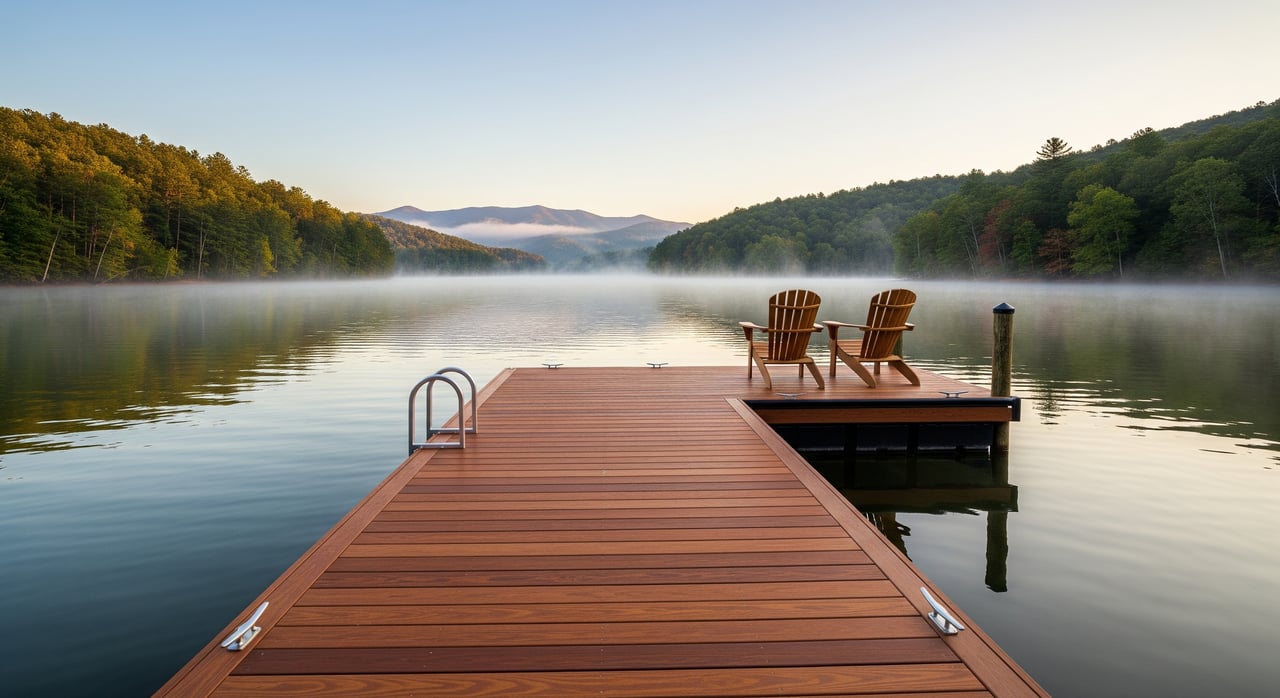
The region is not built around just one destination. In addition to Lake Burton, the area includes Lake Rabun, Lake Seed, Tallulah, and Tugalo, along with access to the Chattahoochee National Forest and trail systems such as the Appalachian and Bartram trails. For you as a buyer, that means a rental property may appeal to several types of guests, including boaters, anglers, hikers, and families looking for a scenic home base.
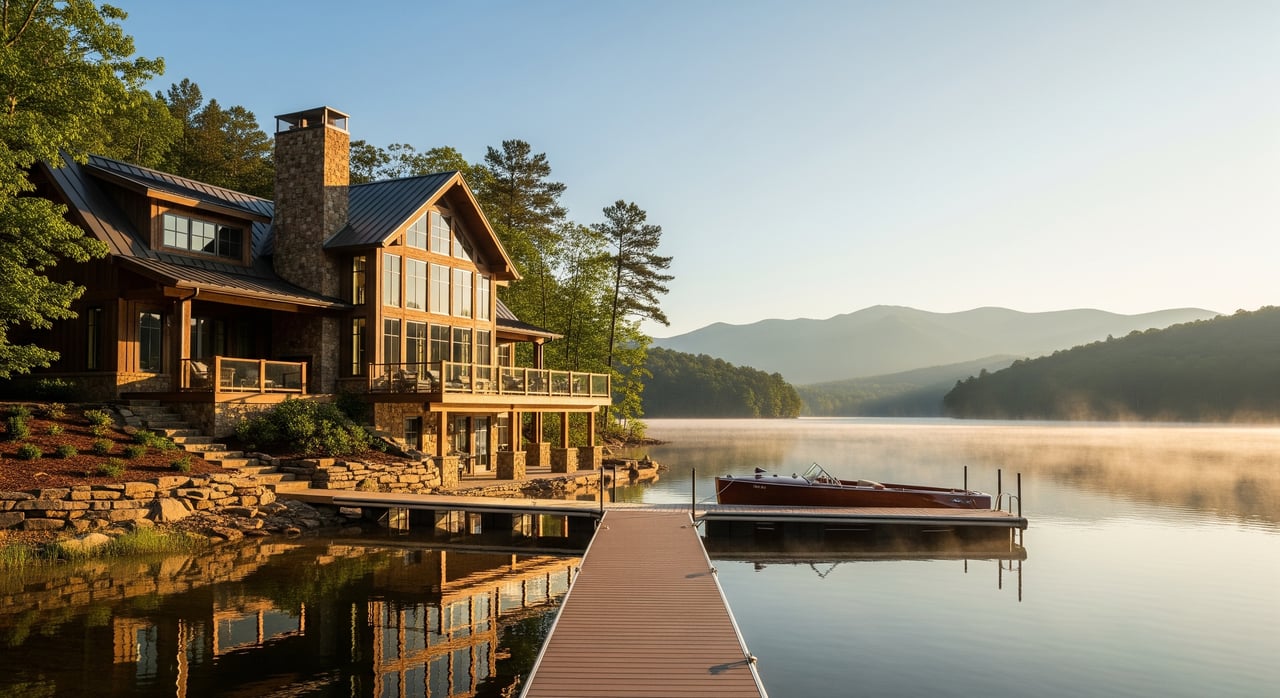
Lake Burton is especially central to the local rental story. Explorer Rabun notes that it is the first and largest reservoir in Georgia Power’s North Georgia Hydro Group, with 2,775 acres and 62 miles of shoreline, along with roughly 1,200 residences around the lake. The same source notes the lake is about two hours northeast of Atlanta, which supports the idea of a strong weekend-drive market.
What seasonality means for owners
In this part of Georgia, rental demand is often tied to the outdoor calendar rather than staying level all year. Summer tends to be the clearest water-focused season, especially around Lake Burton. Moccasin Creek State Park describes the lake as a prime spot for boating, skiing, and fishing, with kayak, paddleboard, and canoe rentals available during warmer months.
Shoulder seasons matter too. Spring and fall can still bring steady interest from visitors who come for cooler temperatures, hiking, waterfalls, and mountain scenery. Black Rock Mountain State Park trail information also frames the broader region as a destination for spring break, summer vacations, and family reunion travel, which can influence booking patterns around school breaks and holidays.
Winter deserves extra attention if you are evaluating a waterfront or mountain-access property. Black Rock Mountain State Park says weather can bring icy conditions and occasional closures, while Moccasin Creek State Park notes that Georgia Power lowers Lake Burton water levels in winter for shoreline maintenance. In practical terms, a property that performs well in July may feel very different to a guest in January.
Choose the property carefully
Not every home in the region has the same rental potential. Two properties with similar square footage can perform very differently based on road access, parking, elevation, proximity to the lake, and how usable the home is in different weather conditions. That is why it is smart to evaluate the property as both a lifestyle purchase and an operating asset.
Access is one of the biggest variables. Black Rock Mountain State Park warns that steep, winding roads can be challenging for some drivers, while Moccasin Creek State Park emphasizes relatively easy navigation in its area. For a rental owner, easier access can mean fewer guest questions, smoother arrivals, and less wear and tear on your operations.
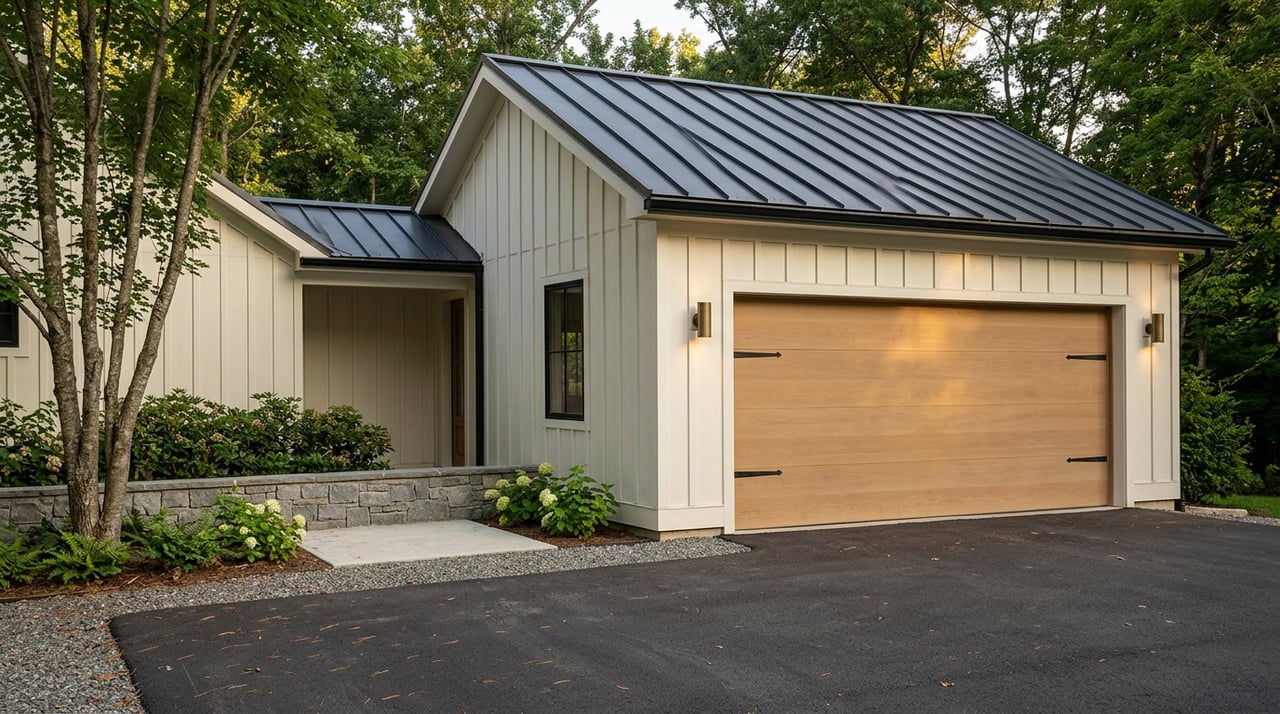
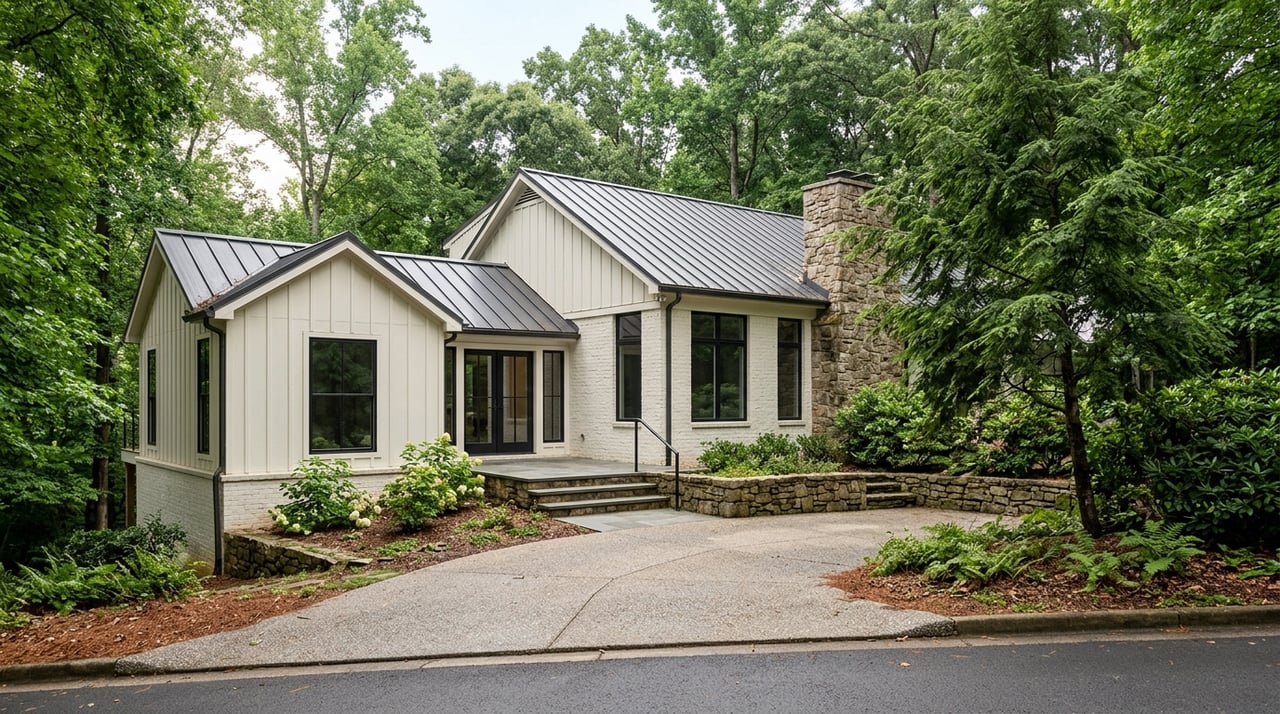
Parking can matter as much as the view. Given the area’s tourism mix of boating, fishing, hiking, and cabin travel, guests may value room for vehicles, boat or trailer parking, and clear driveway instructions. That expectation is a reasonable takeaway from the region’s outdoor orientation described by Explore Georgia.
Features guests often value
In many markets, owners focus heavily on finishes. In the Northeast Georgia lakes region, guests may care just as much about function. A beautiful interior still matters, but ease of use often plays a big role in reviews and repeat bookings.
Useful features may include:
- Clear, simple check-in instructions
- Reliable parking and turnaround space
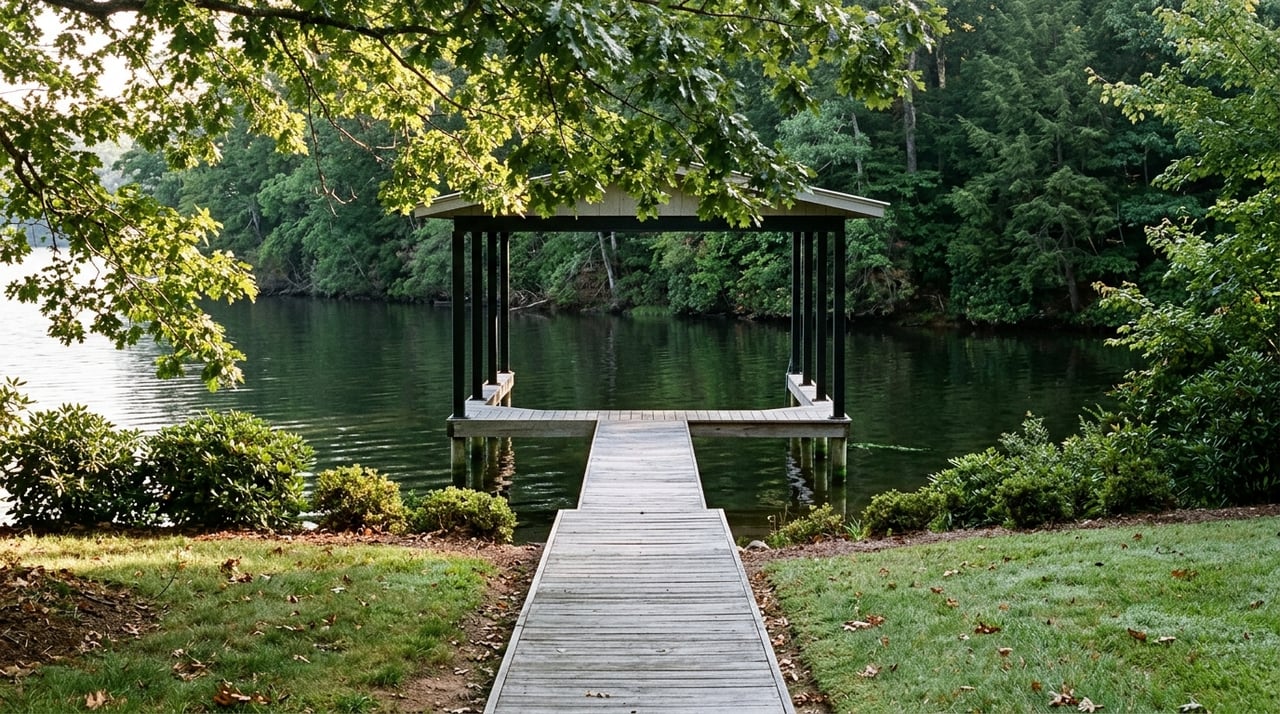
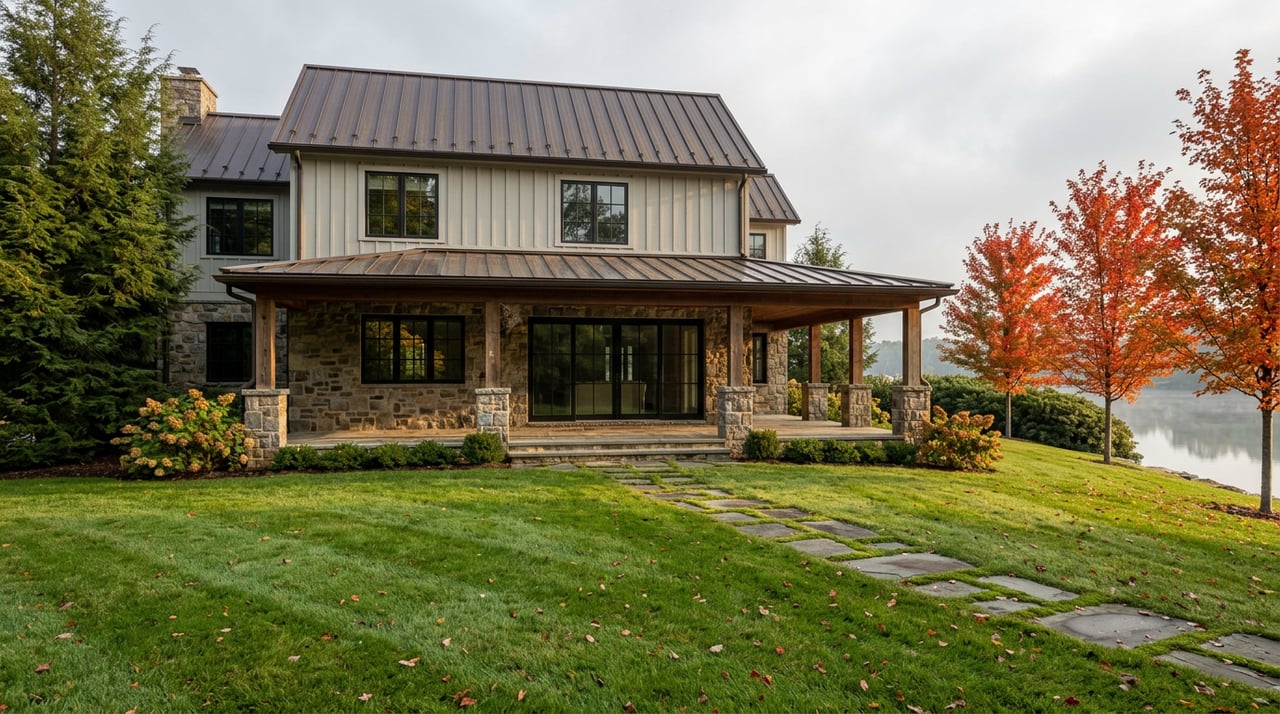
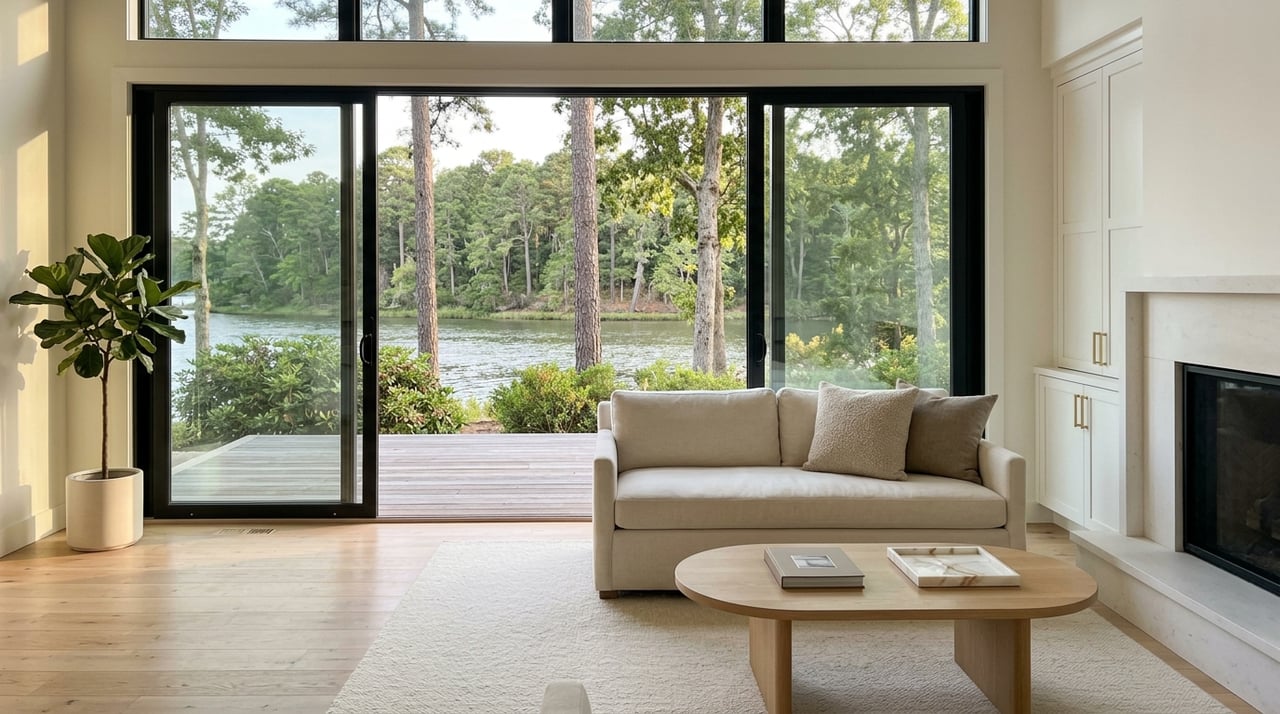
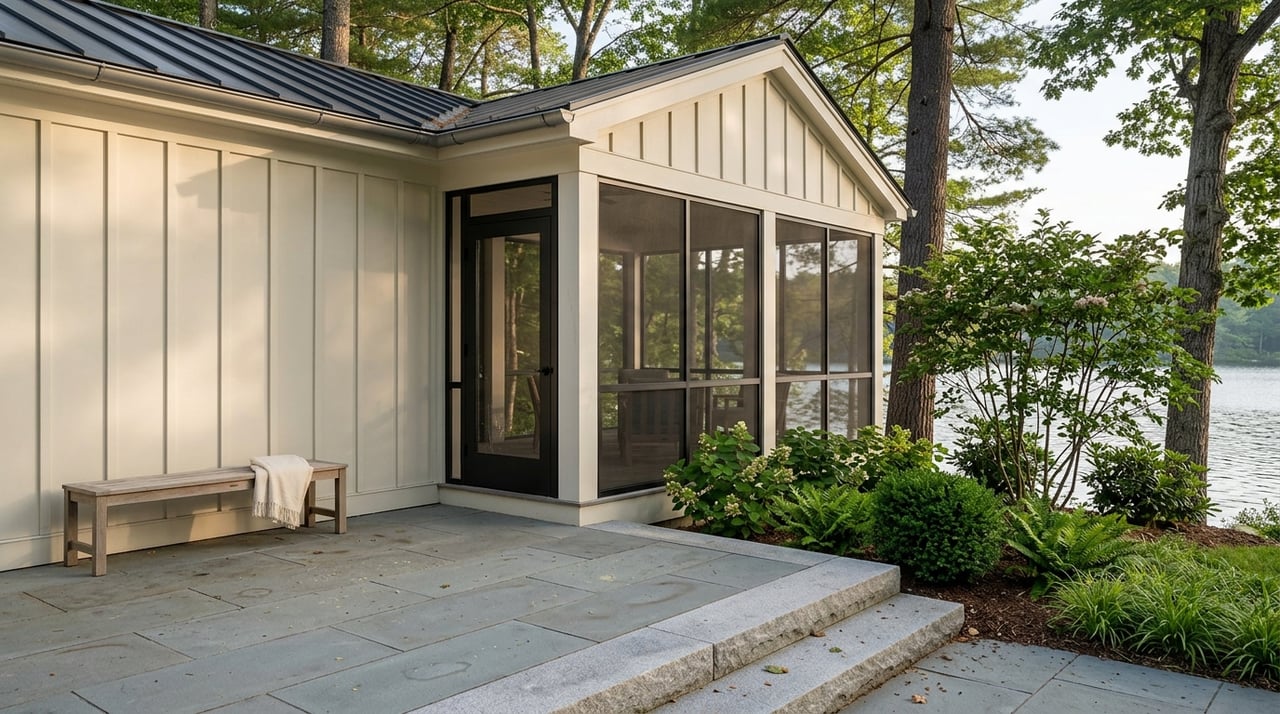
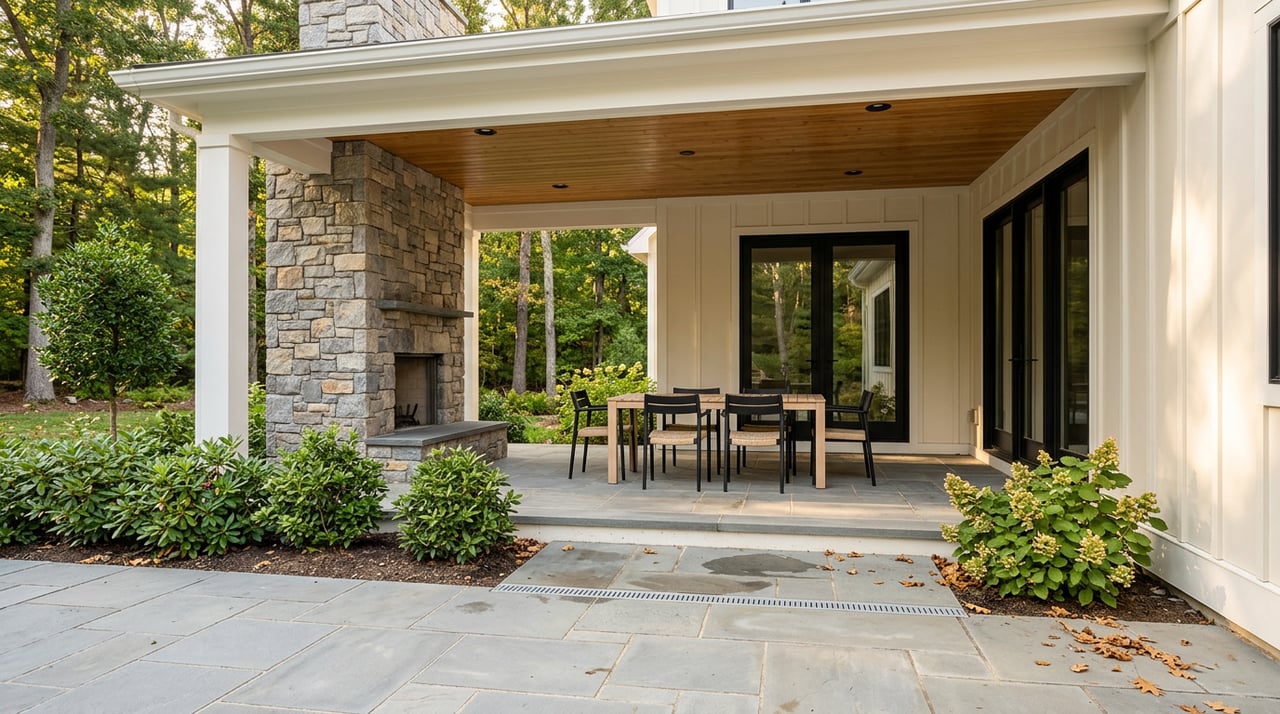
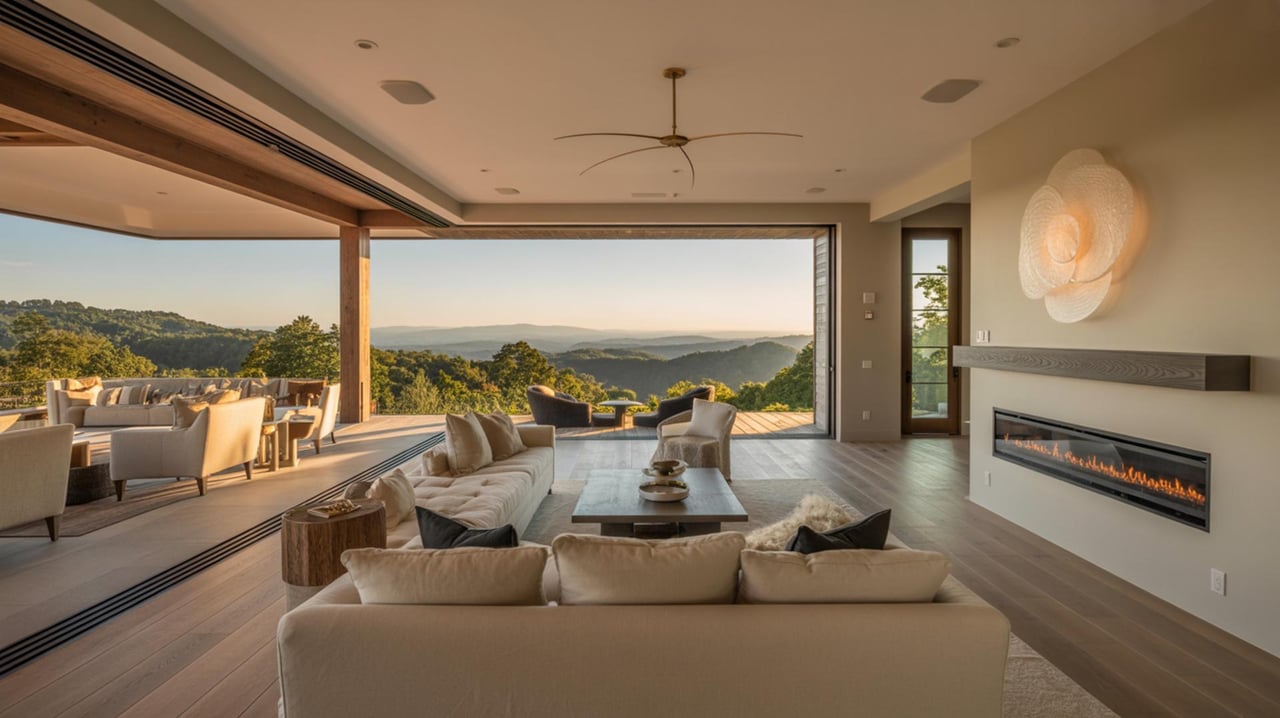
- Outdoor seating for enjoying mountain or lake views
- Storage space for fishing, hiking, or boating gear
- Dependable Wi-Fi
- A layout that works well for family groups or weekend travelers
- Easy-to-understand directions for reaching the home
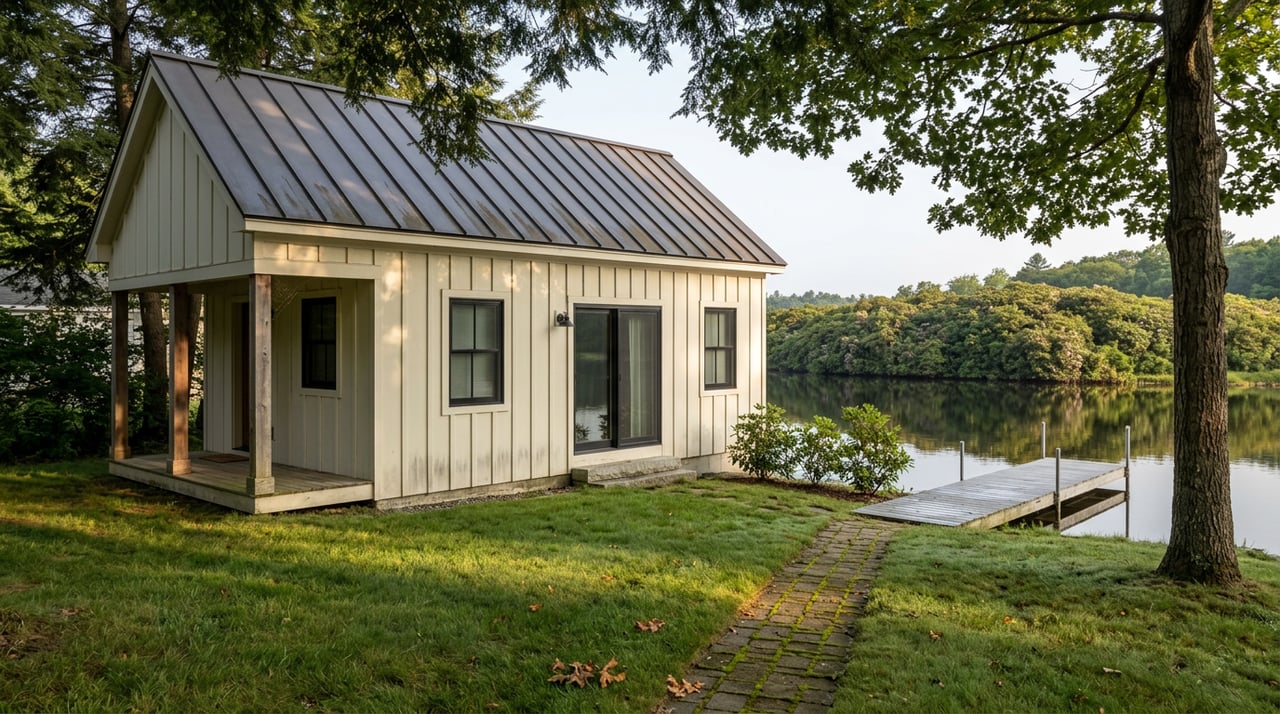
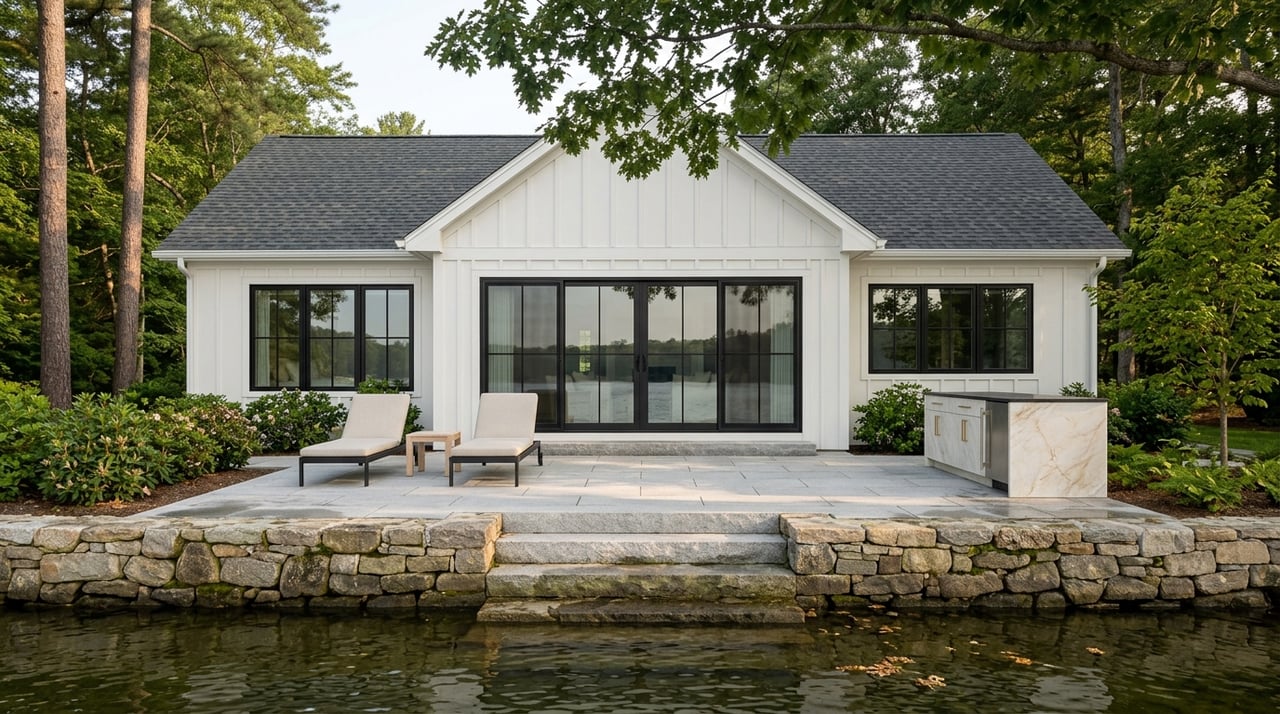
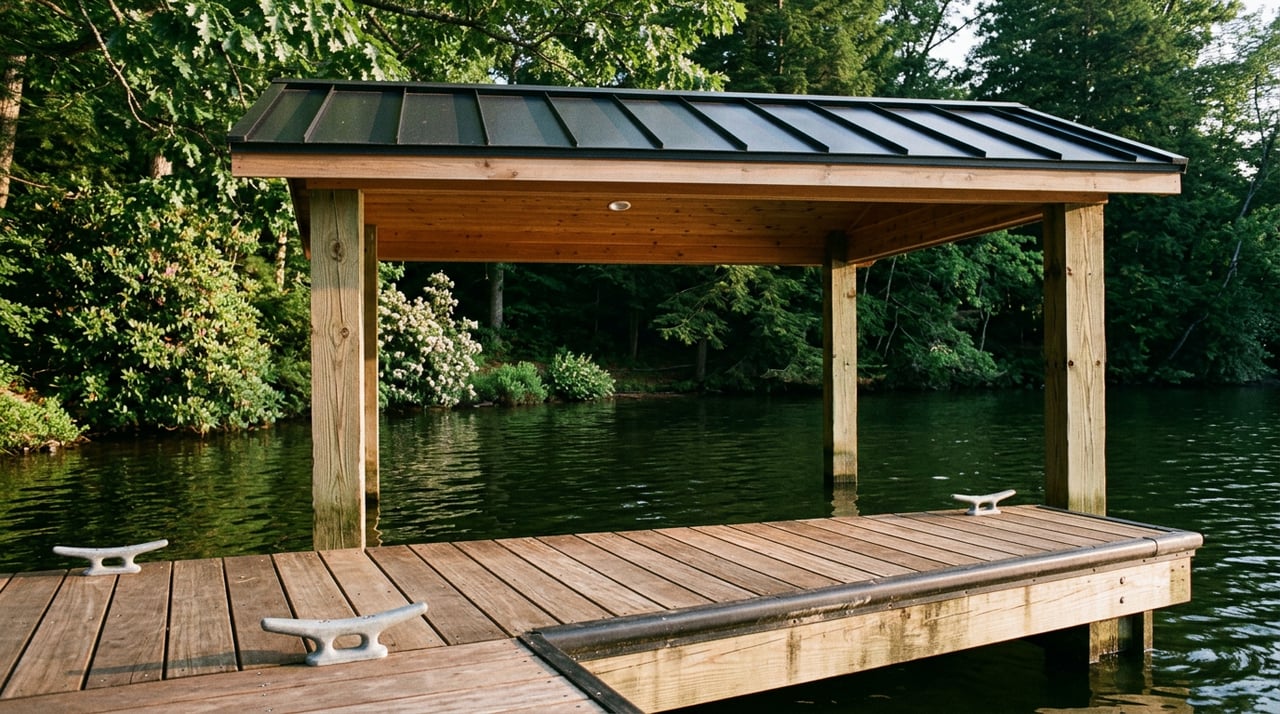
If the property is near a lake, you should also think about seasonal shoreline changes and what guests will experience during lower winter lake levels. On Lake Burton in particular, winter drawdown for shoreline maintenance is part of the ownership picture, according to Moccasin Creek State Park.
Plan for operations early
Owning a rental in a lake-and-mountain market usually means planning for more than bookings alone. Weather shifts, rural roads, seasonal demand, and outdoor-focused guests can all create last-minute needs. If you live outside the area, local support becomes even more important.
A strong operations plan may include:
- A local cleaner with dependable turnover availability
- A handyman or repair contact for quick fixes
- Weather-related communication plans for guests
- Driveway, ice, or winter access instructions
- A local contact who can answer urgent guest questions
- Backup plans for attractions affected by weather or permits
This is one reason many owners consider working with a local property manager, especially if they only self-manage part time. While not required, that approach can be practical in a market shaped by mountain roads, lake access questions, and attraction-specific rules, as suggested by the operating realities described by Georgia State Parks.
Know how local attractions affect bookings
Your rental experience is shaped not just by the home, but by what guests plan to do once they arrive. In Northeast Georgia, many trips center on outdoor recreation. That means attraction rules, weather conditions, and seasonal restrictions can directly affect guest satisfaction.
For example, Tallulah Gorge State Park says gorge-floor access requires free permits and is limited to 100 people per day. The park also notes that access can be restricted by weather and water-flow conditions, and the state has announced heat-related restrictions when the heat index reaches the Extreme Caution category.
For you as an owner, that means guest communication matters. A helpful rental setup may include clear pre-arrival notes, links to official park pages, and reminders that trail or gorge access can change. A well-prepared host experience can reduce frustration even when conditions are outside your control.
Understand taxes and licensing
If your property is in Rabun County and you plan to rent it for short stays, compliance is not something to leave until later. According to the Rabun County Public Accommodations Tax FAQs, owners who rent single-family homes for 30 days or less must obtain a public accommodations license, collect an 8 percent accommodations tax, and file quarterly returns even if they have no revenue. The county also states that the annual license fee ranges from $30 to $200.
That same Rabun County source says rentals longer than 30 days are excluded. It also notes that if taxes are not paid, the county can estimate revenue, bill the owner, and place a lien. If you are only planning to rent a few times a year, that filing requirement still matters.
At the state level, Georgia also taxes accommodations and imposes a $5-per-night state hotel-motel fee unless an exception applies. The Georgia Department of Revenue says businesses that need a state hotel-motel fee account must also register for sales and use tax, and marketplace facilitators may have collection responsibilities when they meet the applicable threshold.
Rules can vary by address
One of the most important points for buyers in this region is that the Northeast Georgia lakes area crosses county and municipal lines. That means you should not assume the same short-term rental rules apply everywhere. The safest approach is to treat rental regulations as property-specific.
The Georgia Department of Community Affairs advises lodging operators and property owners to contact the city or county government where the property is located. Before you buy, verify the exact address, confirm whether local ordinances apply, and understand whether a booking platform or manager is collecting only some taxes on your behalf.
A smart way to evaluate a rental purchase
If you are exploring a lake or mountain property as a rental, focus on the fundamentals first. Start with access, usability, parking, seasonality, and compliance before you get distracted by cosmetic upgrades. In this region, practical details often have a direct impact on guest experience and owner workload.
A useful evaluation checklist includes:
- How easy is the property to reach year-round?
- Is parking adequate for typical guest use?
- What does the property offer in peak summer months?
- How does it function in winter or during icy weather?
- Are there local licensing or tax obligations tied to the address?
- Will you self-manage, hire a manager, or use a hybrid approach?
- What local attractions are likely to drive bookings?
A well-chosen property can serve both personal lifestyle goals and rental use, but success usually comes from matching the home to the realities of the market. In Northeast Georgia, those realities include outdoor seasonality, mountain access, and address-specific rules.
If you want guidance on buying a second home or investment-oriented property in Northeast Georgia, Jennifer Westmoreland can help you evaluate location, property fit, and the practical details that matter before you make a move.
FAQs
What makes the Northeast Georgia lakes region appealing for rental ownership?
- The region draws visitors for lakes, trails, waterfalls, marinas, state parks, and mountain scenery, which can support demand from weekend travelers, second-home visitors, and outdoor-focused guests.
What should you know about Lake Burton rental seasonality?
- Lake Burton typically benefits from strong warm-weather demand for boating, fishing, and water recreation, while winter can bring lower lake levels and different guest expectations.
What Rabun County rules apply to short-term rental owners?
- In Rabun County, single-family homes rented for 30 days or less must have a public accommodations license, collect an 8 percent accommodations tax, and file quarterly returns even if there is no revenue.
What Georgia taxes may apply to a short-term rental?
- Georgia taxes accommodations and also imposes a $5-per-night state hotel-motel fee unless an exception applies, and some owners may also need sales and use tax registration.
Why does road access matter for a Northeast Georgia rental property?
- Mountain roads can be steep or winding in some areas, so easier year-round access can improve guest arrivals, reduce operational issues, and make the home more practical to manage.
Should you hire a property manager for a lake or mountain rental?
- A local property manager can be helpful if you live out of area or want support with guest communication, weather-related issues, maintenance coordination, and turnover logistics.