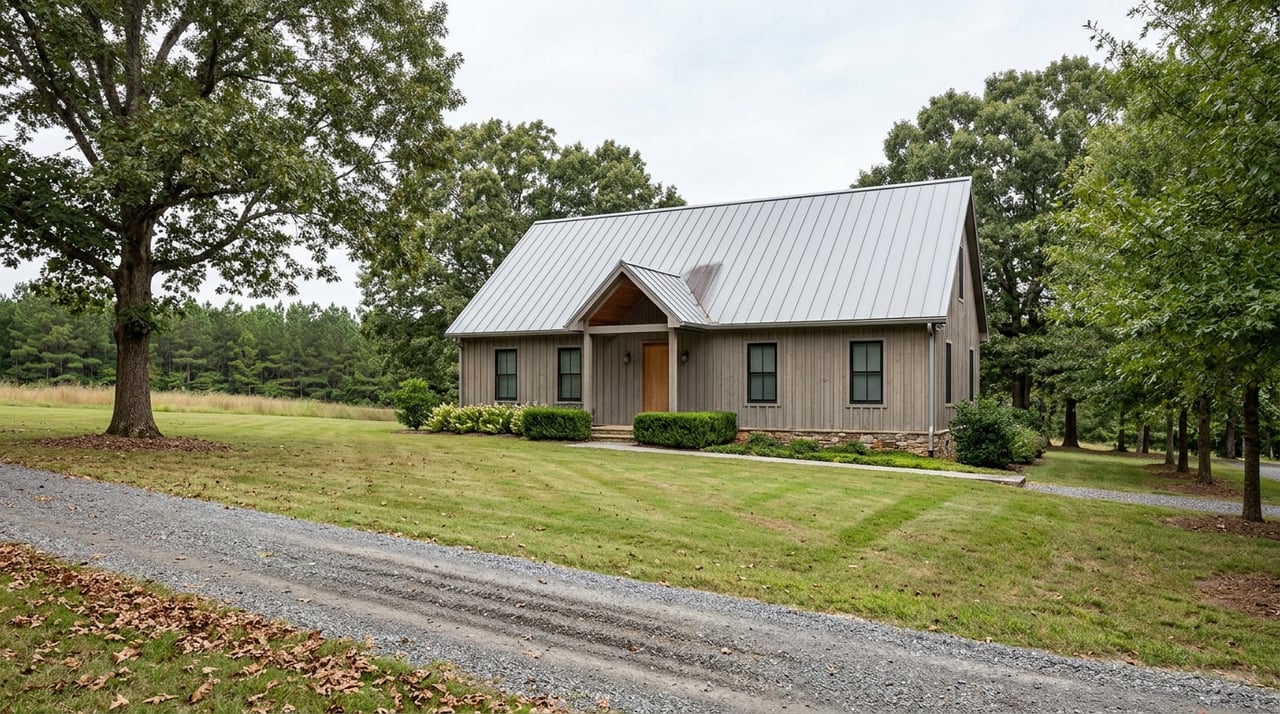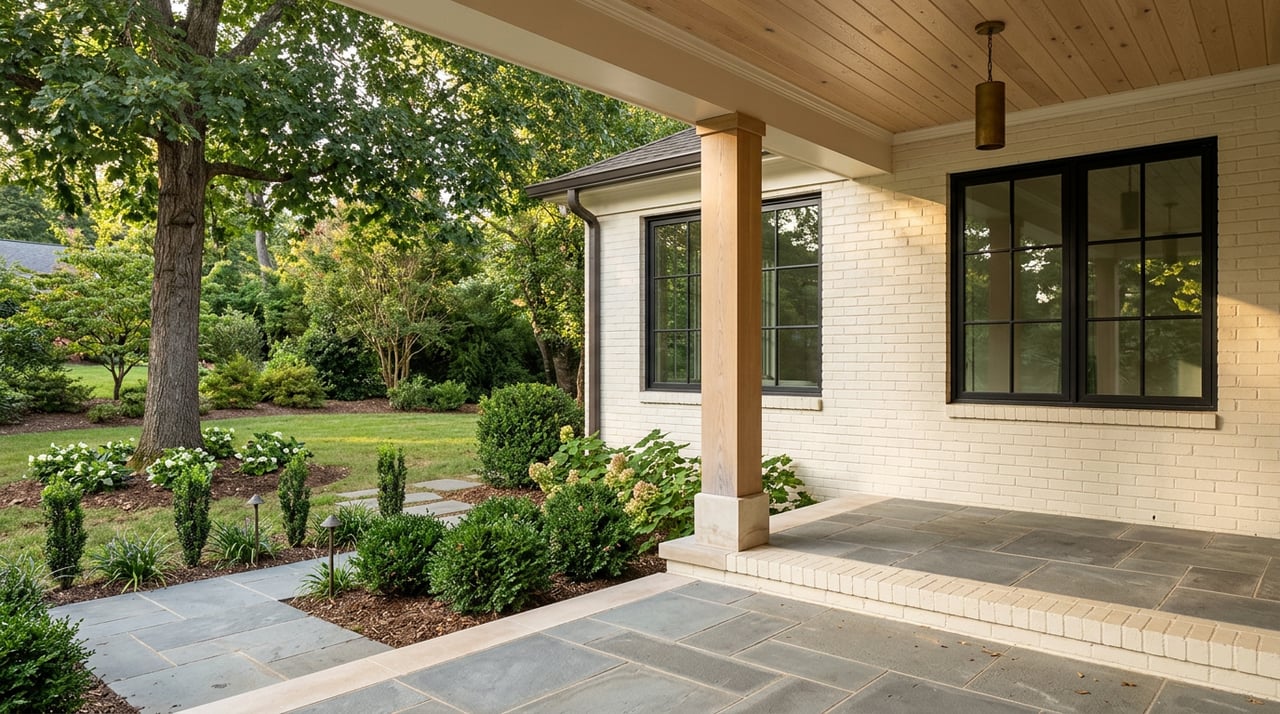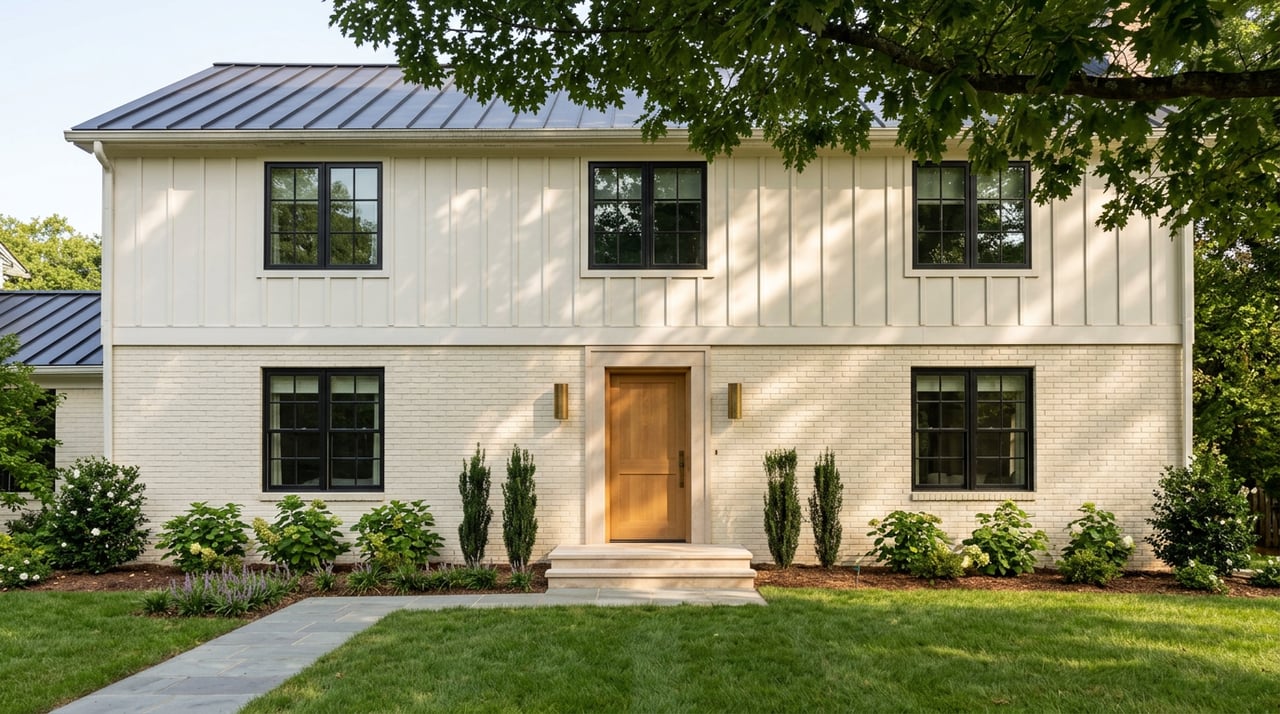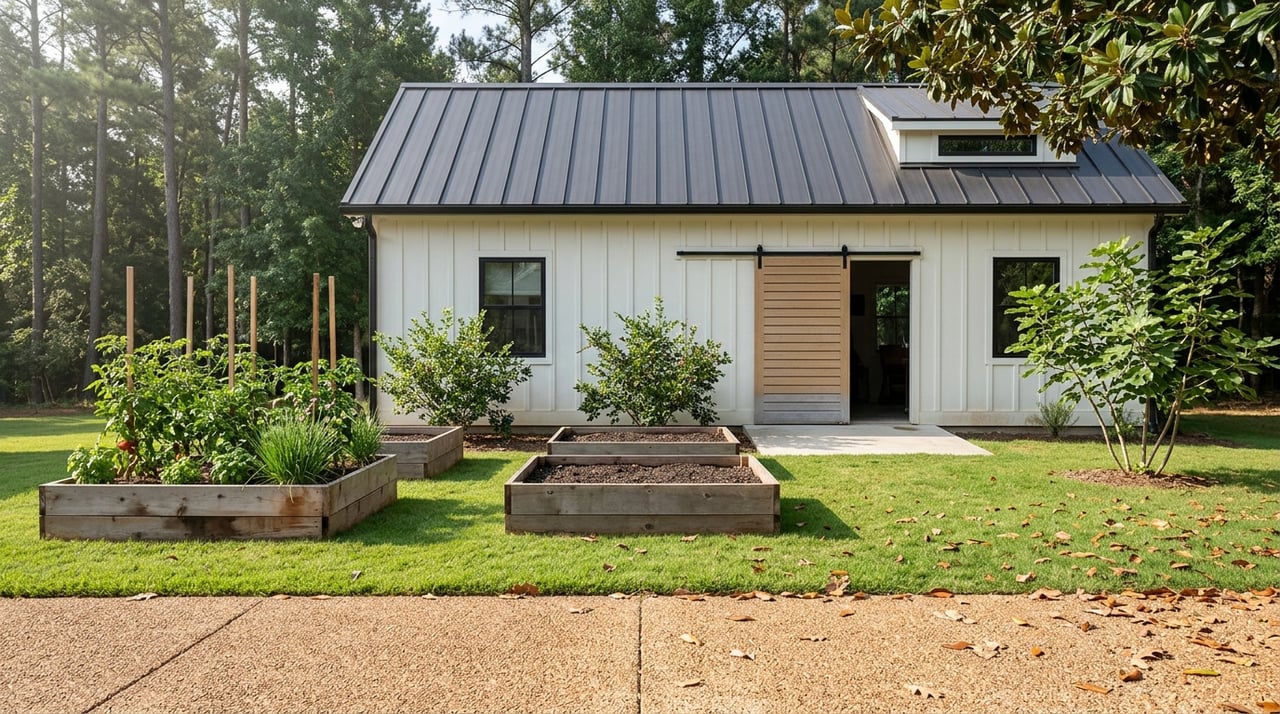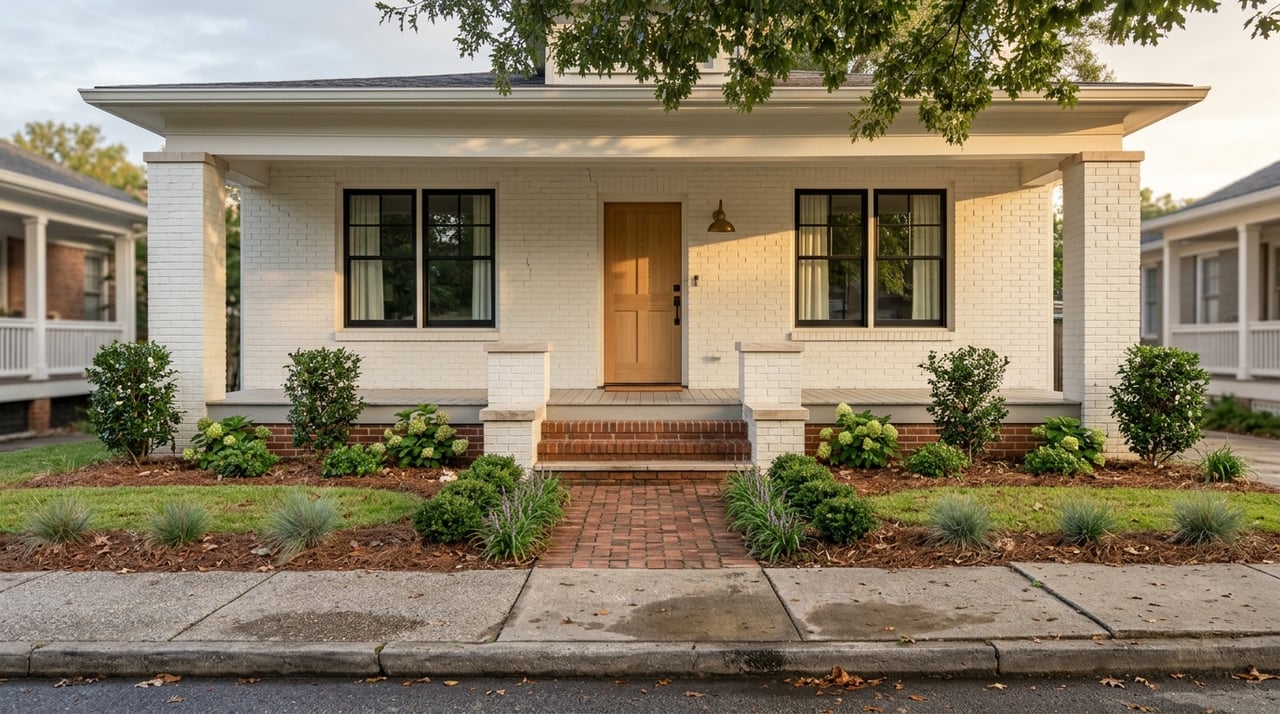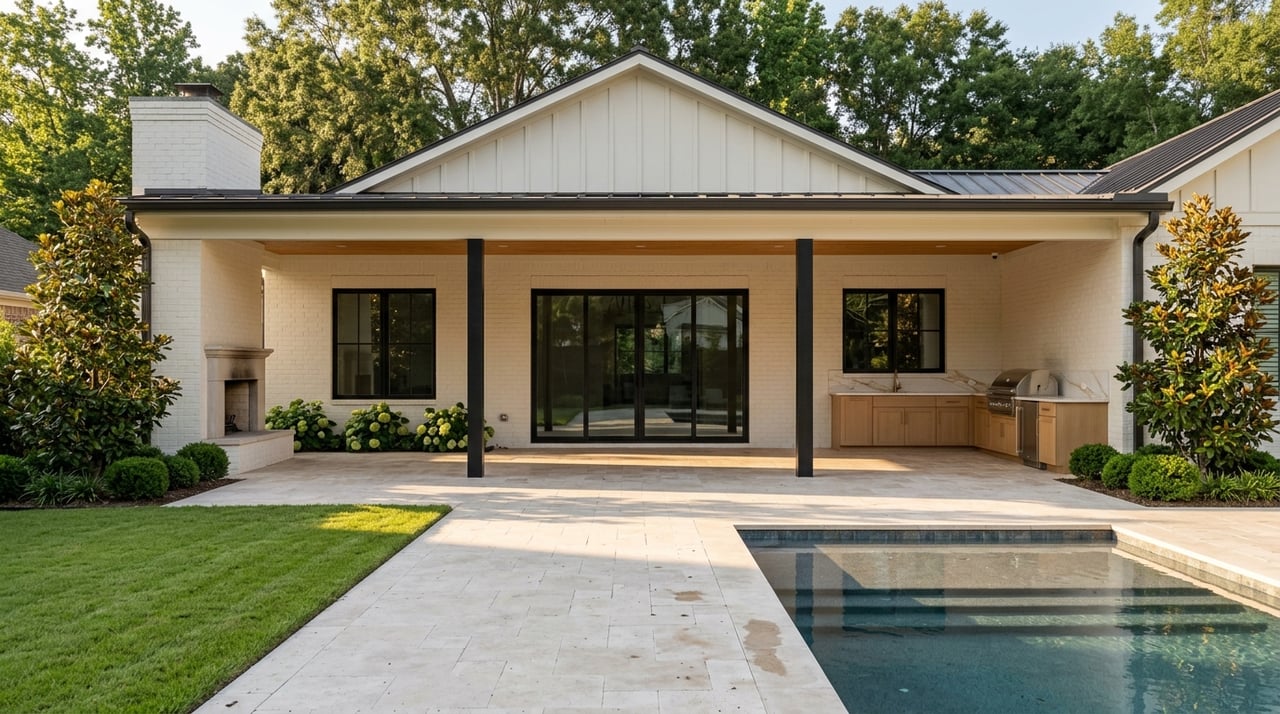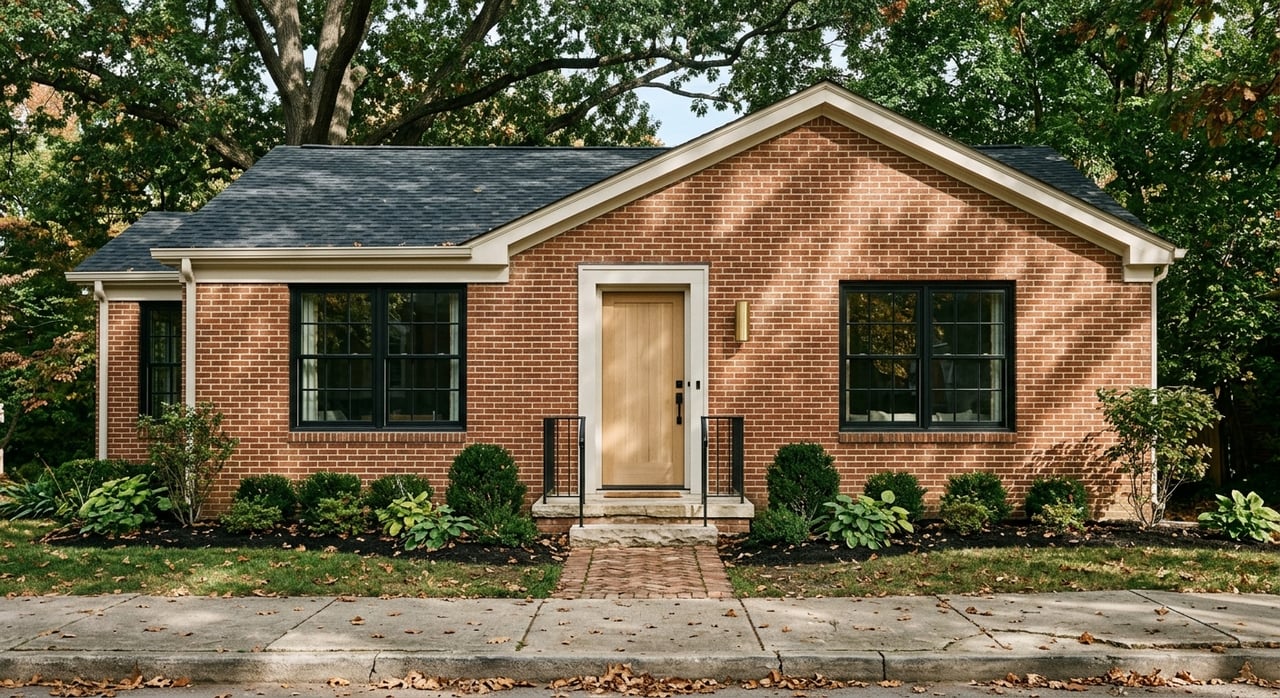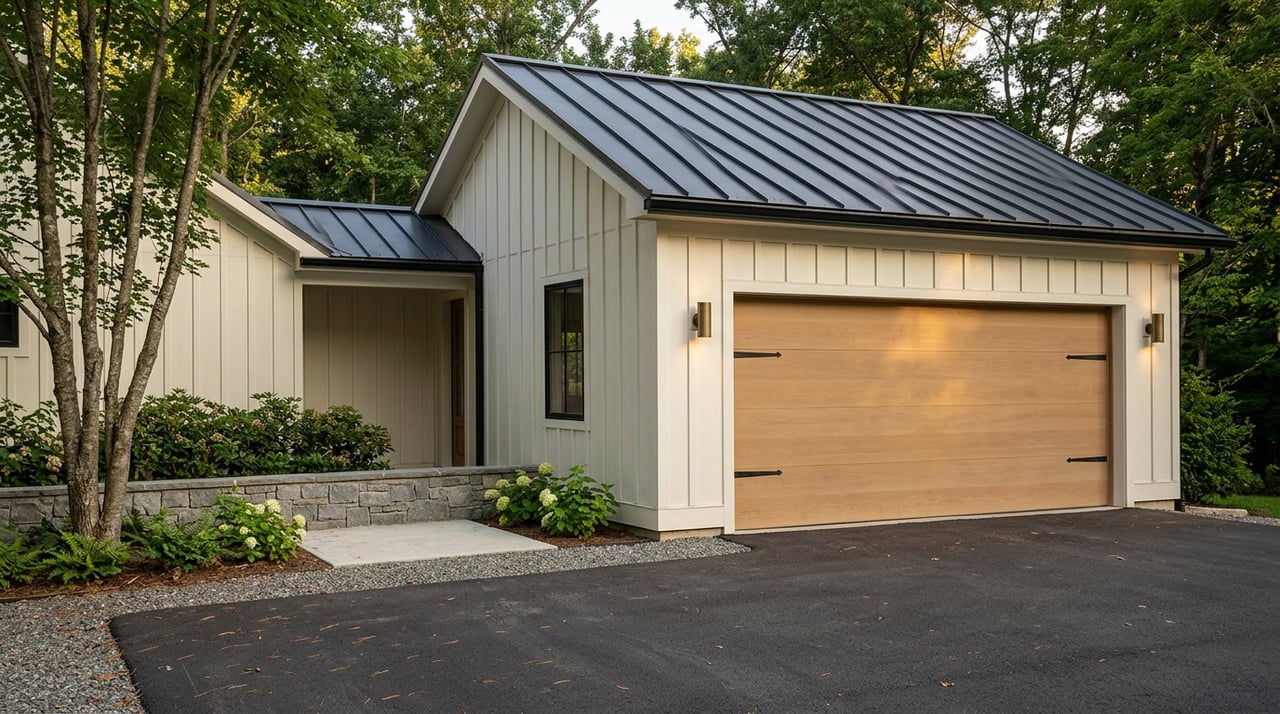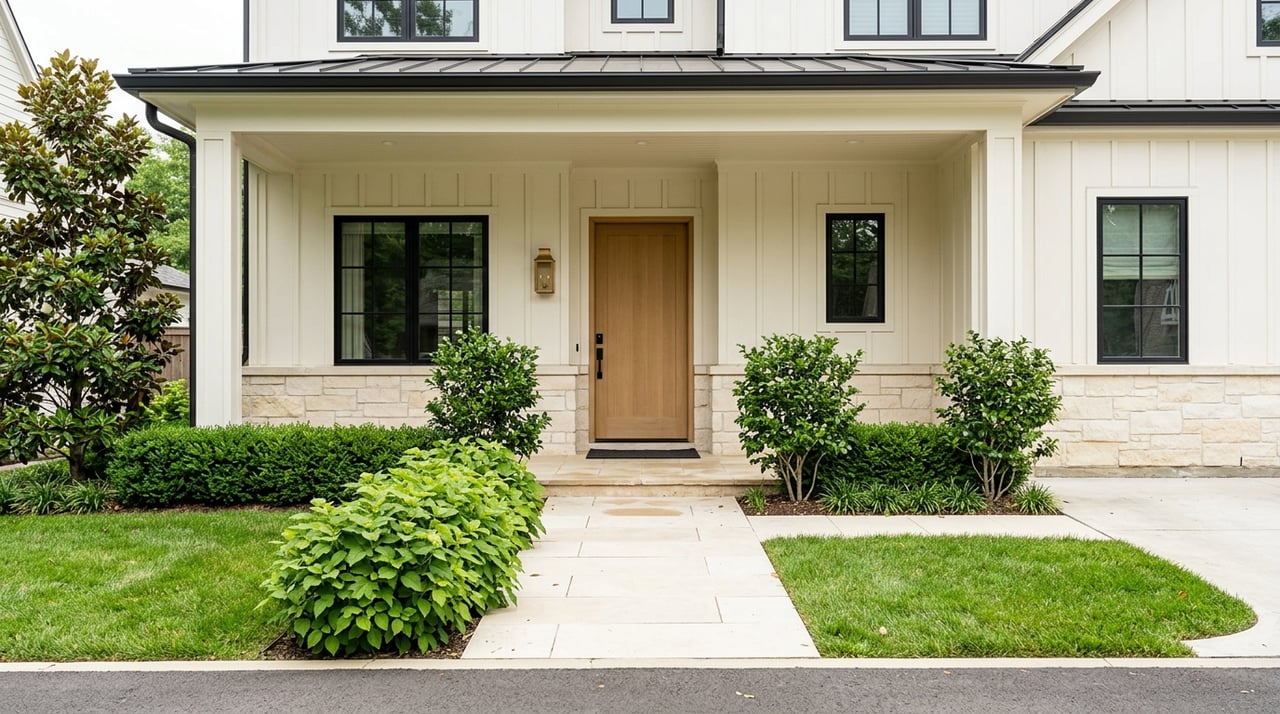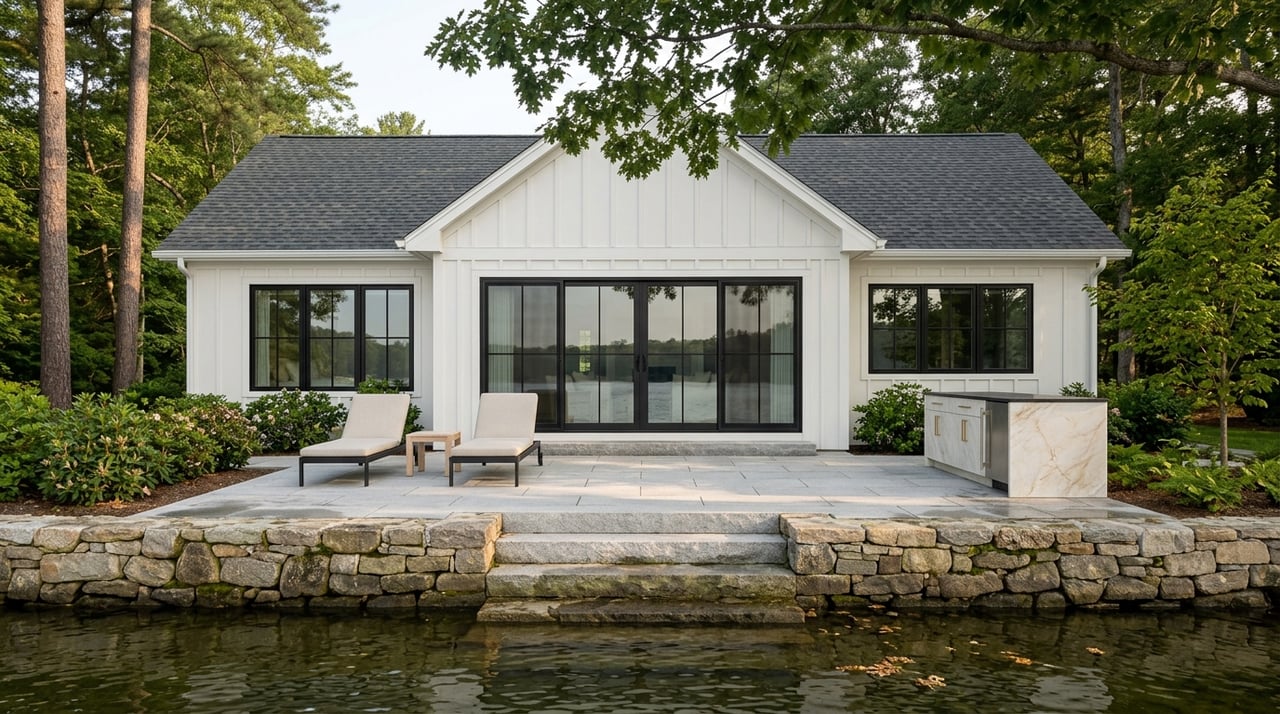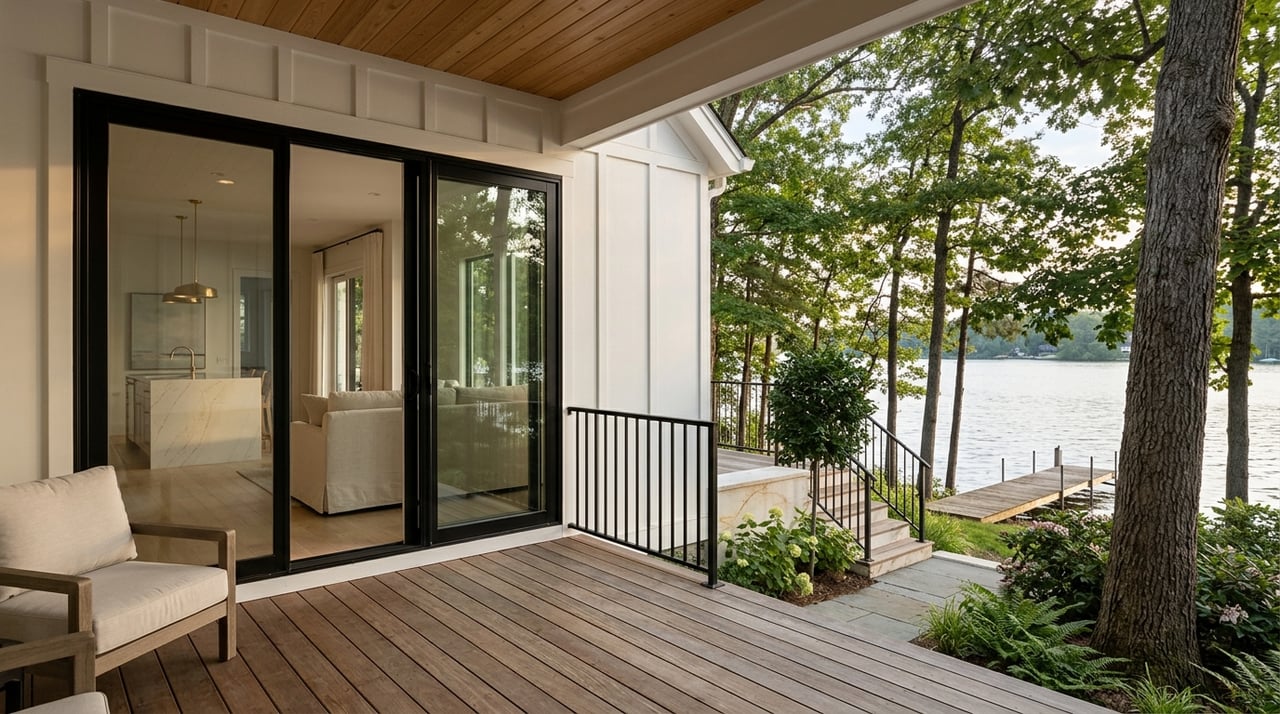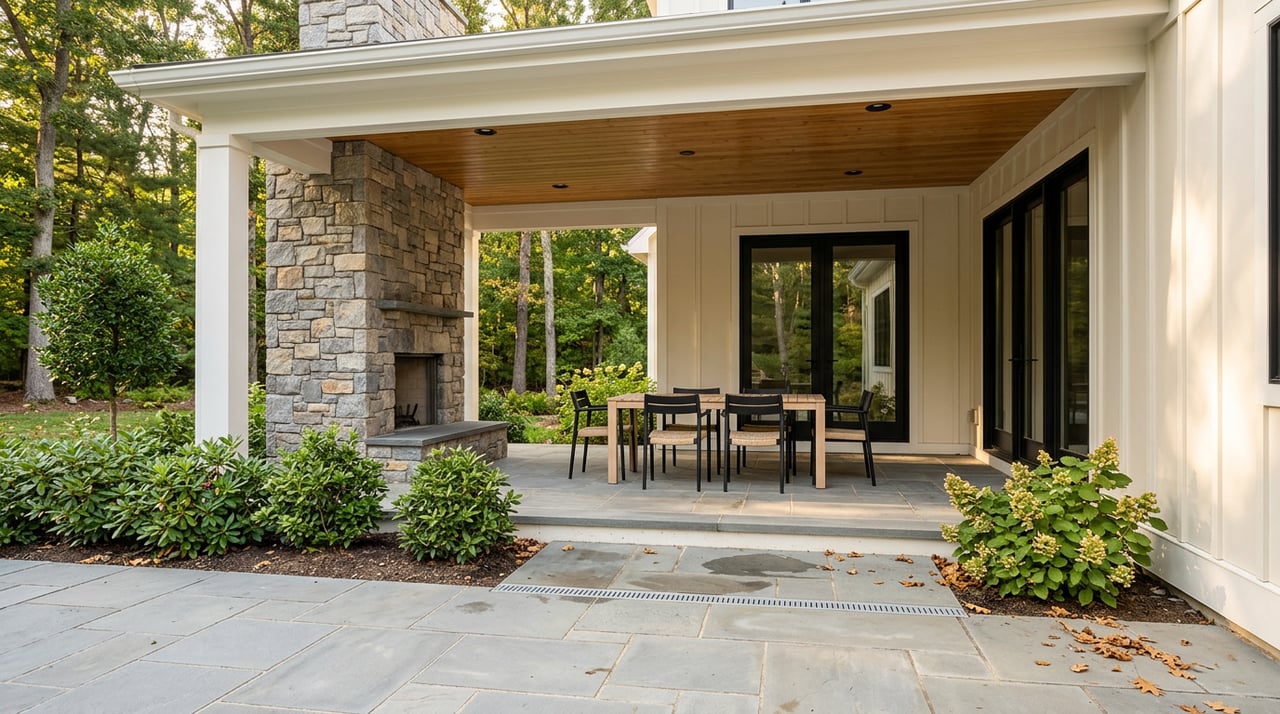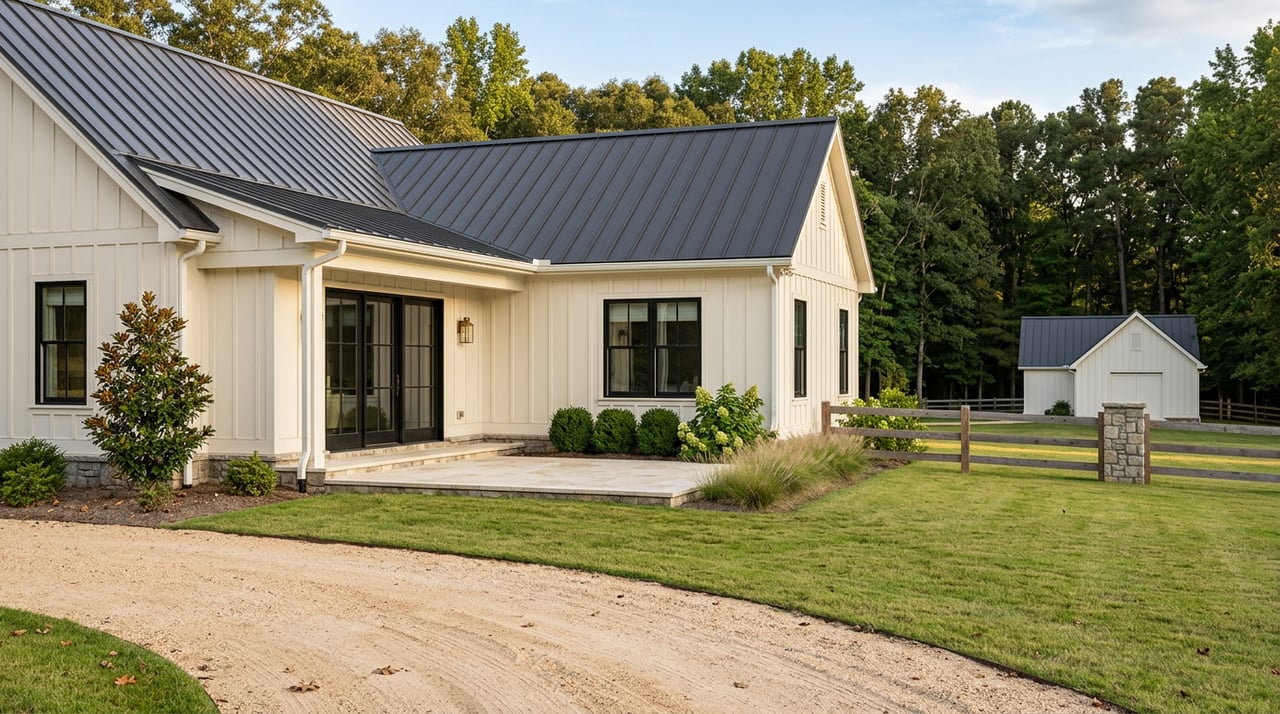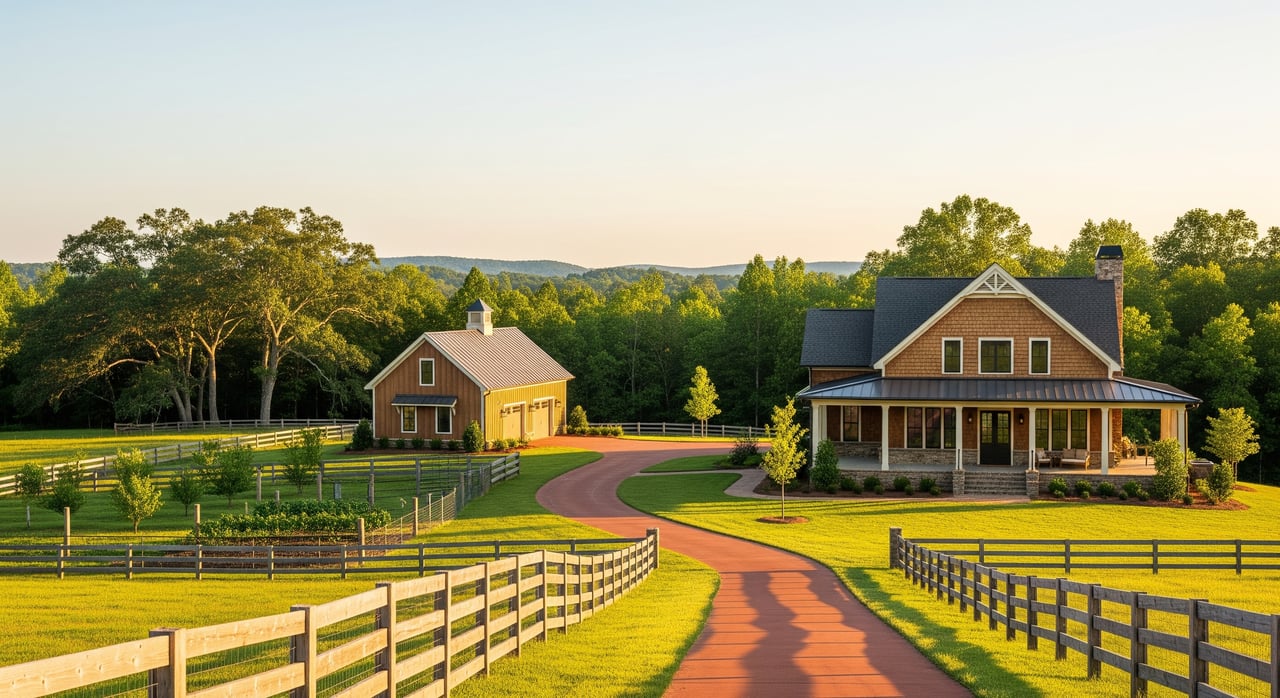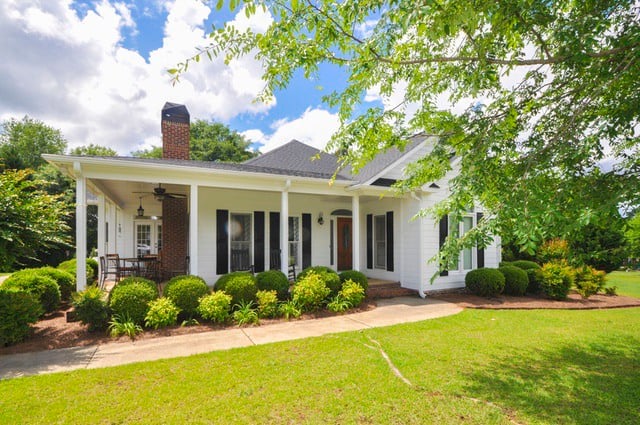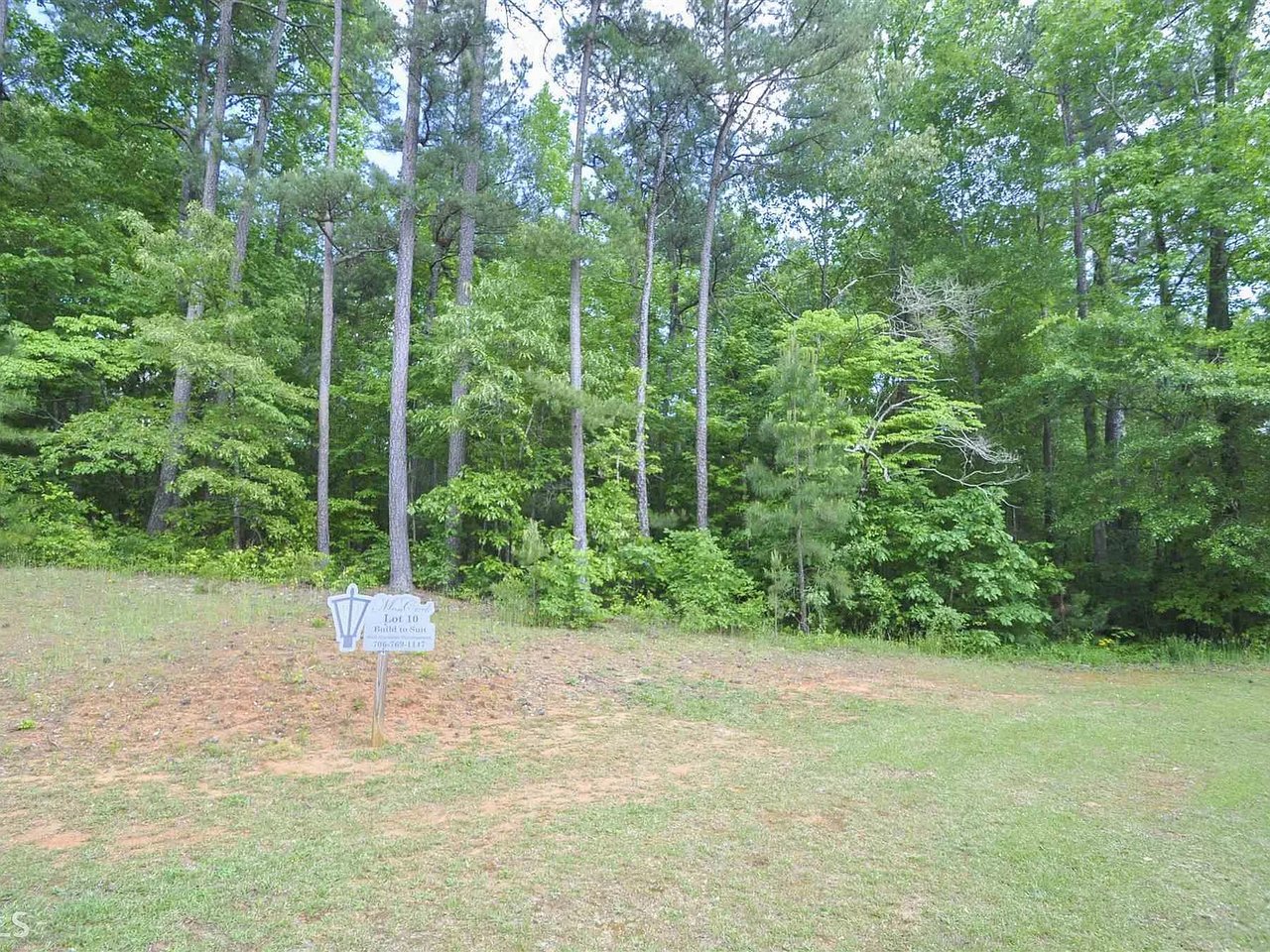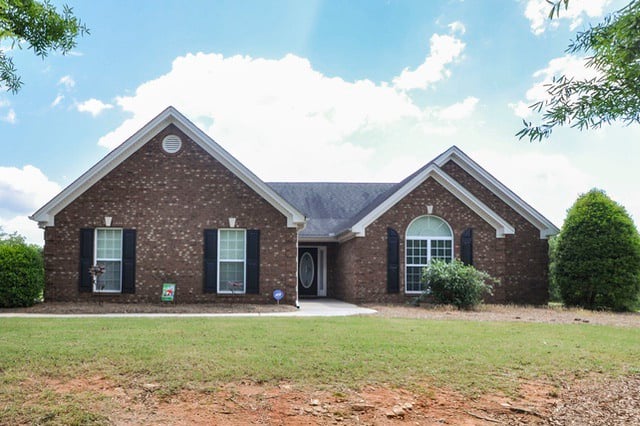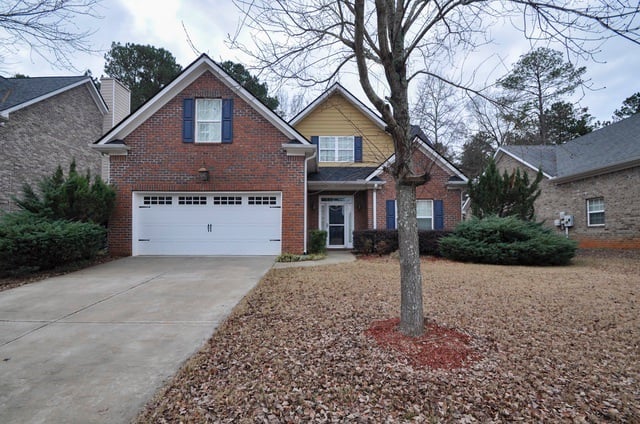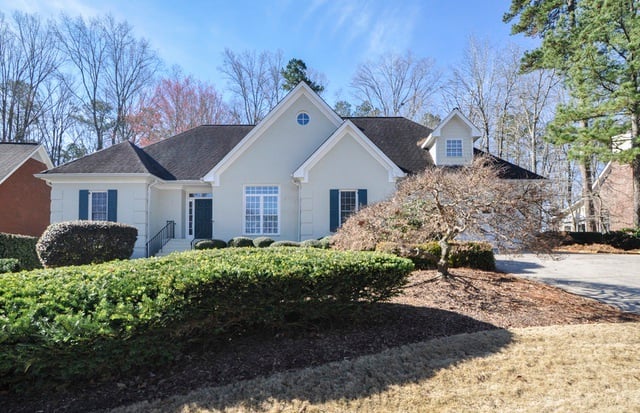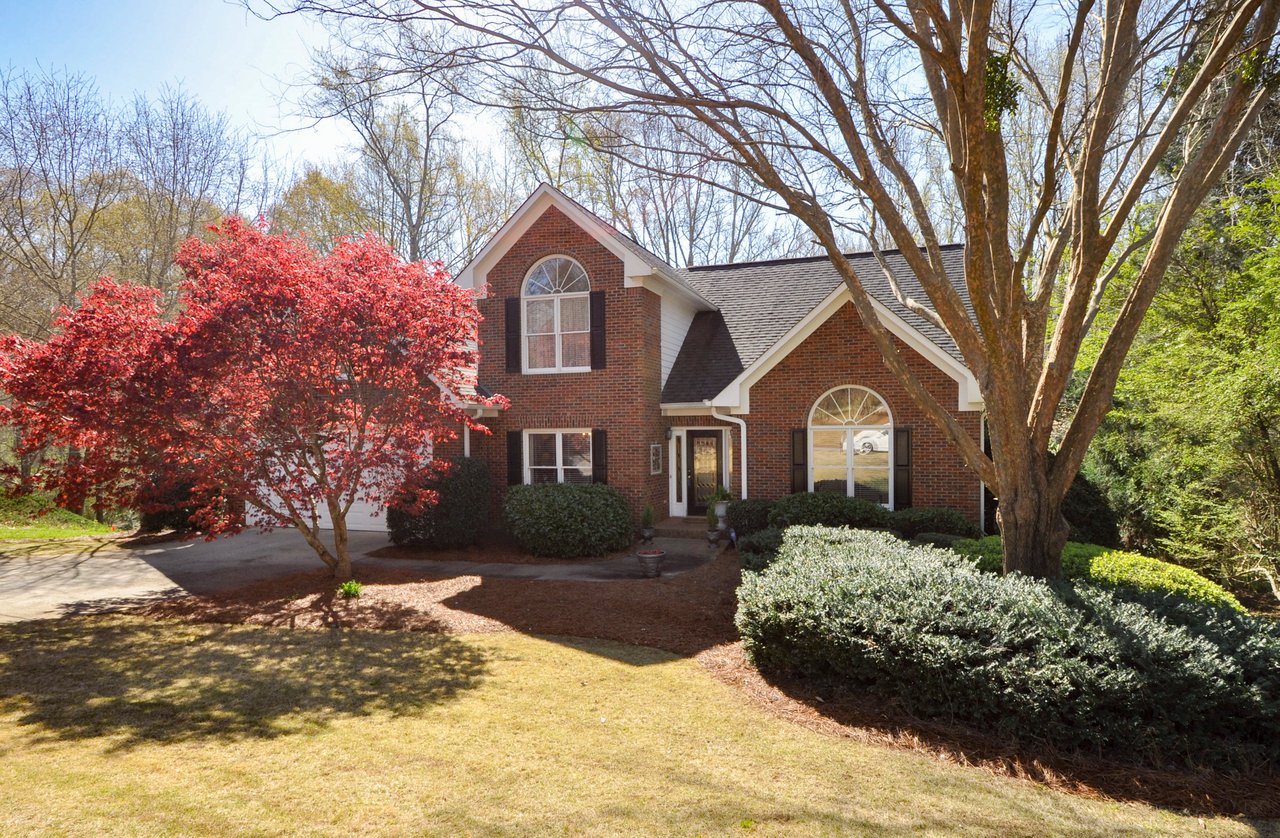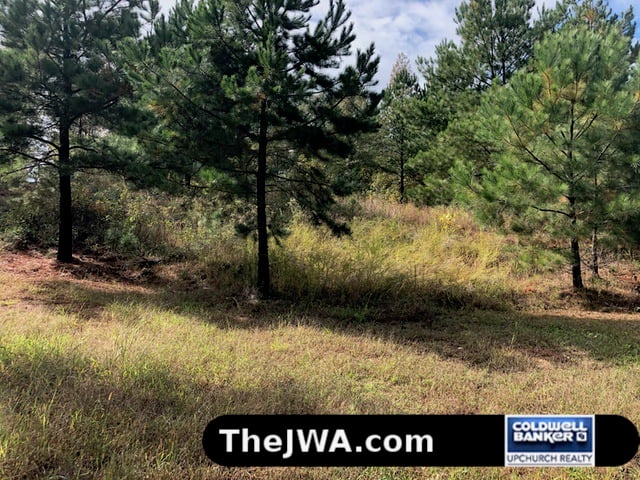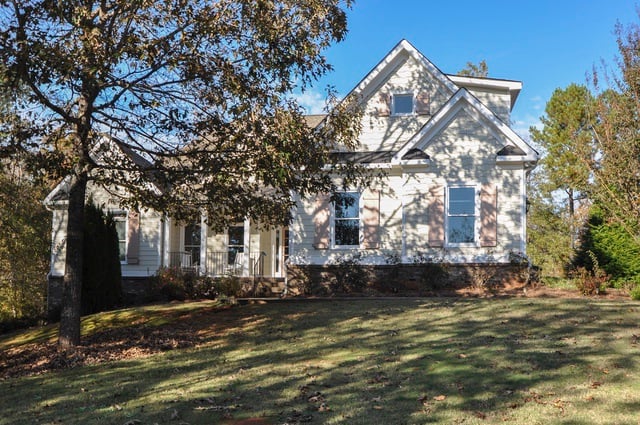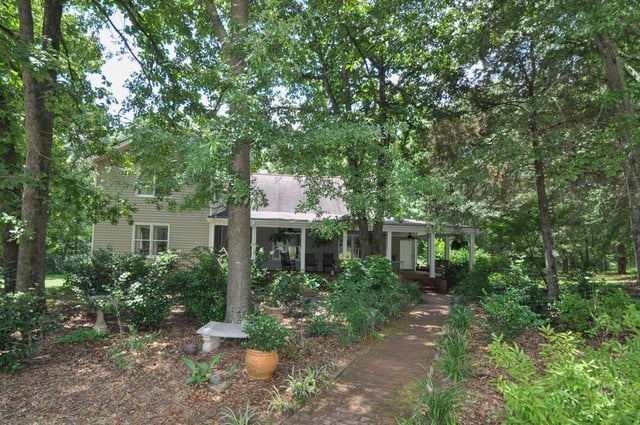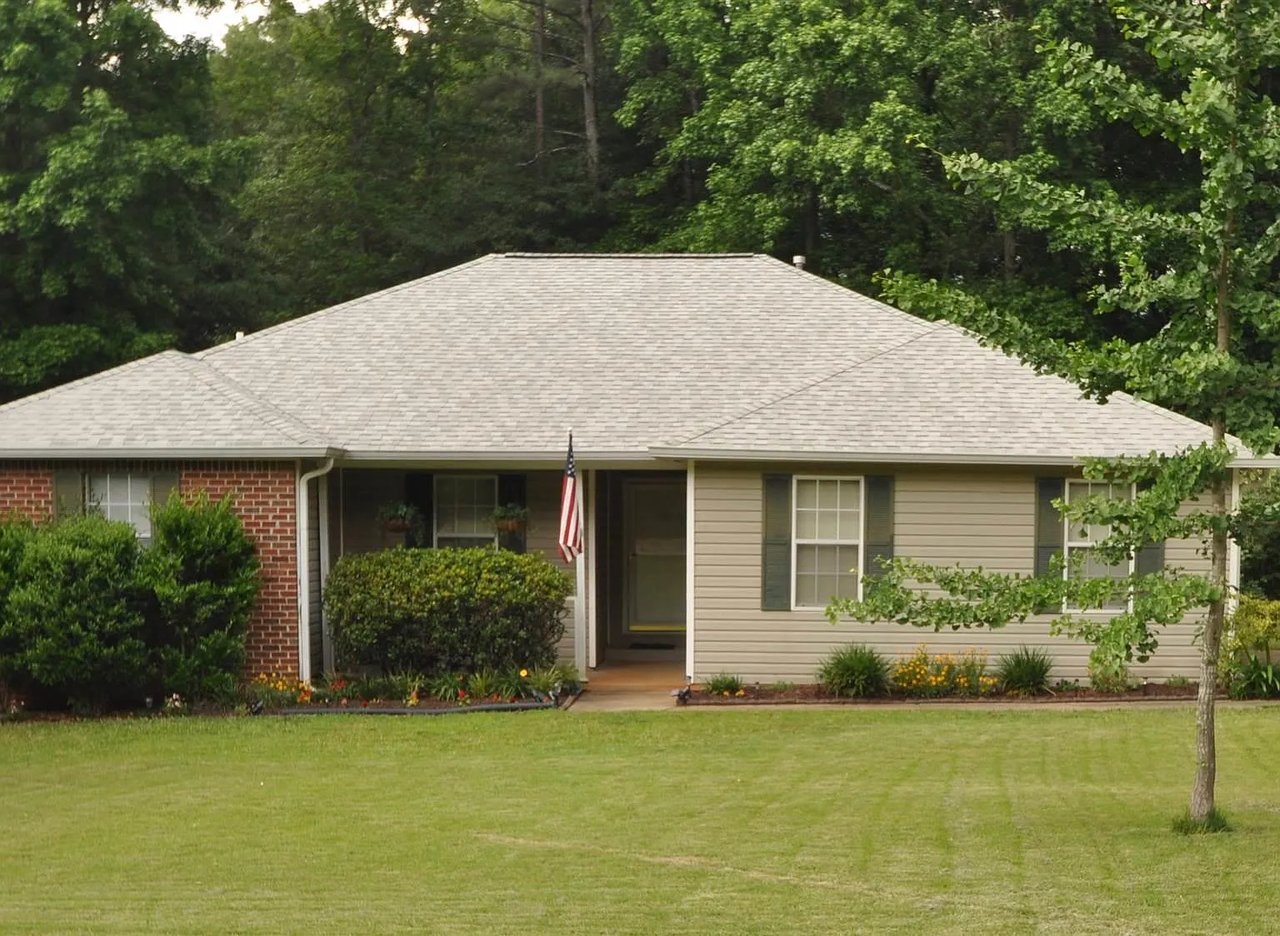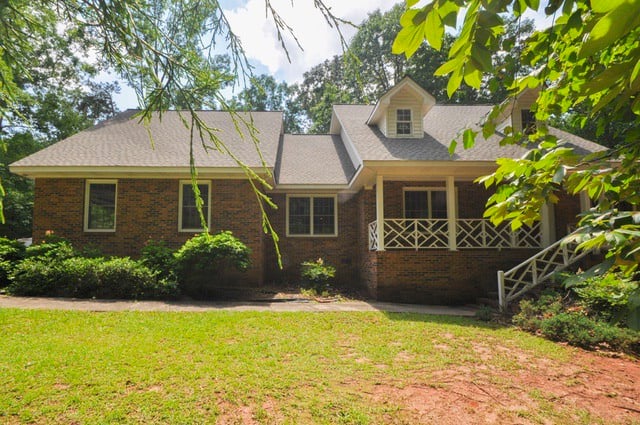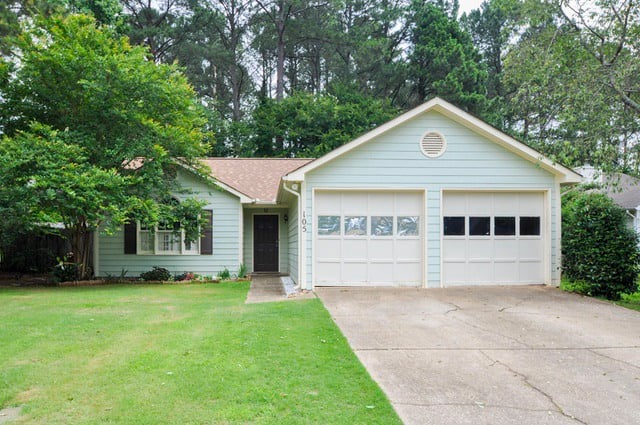
Picture your own pasture, garden beds, and a quiet front porch close to Athens. If you are considering acreage or a mini-farm near Hull, the right early steps can save you time and money. In this guide, you will learn which rules shape what you can build, how to check utilities and septic feasibility, and the due diligence that protects your investment. Let’s dive in.
Quick callout: Confirm county and parcel ID before assuming zoning or taxes.
Know your county lines first
A “Hull” mailing address can be in Madison, Clarke, or Jackson County. ZIP boundaries do not match county lines. Before you study zoning or taxes, verify the parcel’s jurisdiction and PIN with the county. You can use a ZIP reference to see how Hull spans multiple counties, then confirm the parcel with county staff for accuracy. See the Hull ZIP details for context at Georgia Hometown Locator.
If the parcel is in Madison County, start with the Planning & Zoning office. The county’s ordinance and staff guidance cover key items buyers ask about: minimum lot sizes in agricultural/residential areas, building permit triggers, setbacks, private drive standards, and rules for splitting land. Review the latest information with Madison County Planning & Zoning before you commit to a layout or timeline.
Match land size to your use
Most hobby-farm buyers in this area look at 3 to 5 acres for a homesite with a small pasture and garden, or up to about 20 acres for more robust uses. Larger tracts fit different goals such as timber or broader cattle operations. Your workable size will depend on zoning minimums, frontage, access, and your intended activities.
For equine or small livestock, Madison County applies a practical guideline of at least 1 acre per horse or cow. Plan your stocking rate and pasture rotation around that benchmark, then add space for lanes, shelters, and manure management. If you are planning market gardens, bees, or small farm stands, confirm home-occupation or commercial use rules with the county early.
UGA Cooperative Extension is a helpful local partner for soil testing, forage planning, and small-farm classes. The Madison County office’s Agriculture and Natural Resources team shares county-specific guidance on pastures, forages, and soils. Explore resources through UGA Extension Madison County.
Utilities and access come first
Power and broadband
Most of the Hull/Madison/Clarke area is served by Jackson EMC. If lines are not already at the road or gate, ask for a line-extension estimate to the proposed homesite so you can budget accurately. Review the cooperative’s territory and service facts with Jackson EMC.
Broadband is a major value driver for rural parcels. Jackson EMC has announced partnerships to extend fiber in parts of the region, such as a project with TruVista in Jackson, Banks, and Madison counties. Check current and planned availability and confirm directly with providers. See the partnership news for context at Jackson EMC and TruVista broadband.
Water and sewer
Near the county line, it matters whether the parcel is inside Athens-Clarke County Public Utilities territory. Much of ACC has public water, and roughly three-quarters of the county is on sanitary sewer. Outside those service areas, you will rely on a private well and on-site septic. For properties near or in ACC, confirm connection options and fees with ACC Public Utilities FAQs.
If septic is needed, contact the local Environmental Health office early. Soil conditions and site slopes influence whether a conventional or engineered system is feasible. In Madison County, permitting and site evaluations are handled by the local health department. Start the conversation with the Northeast Health District’s Madison County page.
Road access and driveways
Legal, recorded access is essential. In Madison County, a private drive or easement can typically serve up to four lots, must be at least 30 feet wide, and is limited in length to about 1,500 feet. Drive design and sight distance also matter. Verify the rules for your intended number of lots with Planning & Zoning and make sure the access is recorded, not just a path across a neighbor’s pasture.
Setbacks, permits, and future splits
Setbacks shape where you can place a house or barn. As a reference point, Madison County setbacks often include about 60 feet from a county road centerline and about 70 feet from a highway centerline. Always confirm the current standard for your road type.
For structures, Madison County requires a building permit for buildings over 400 square feet. That includes barns, shops, or large sheds. Work with Planning & Zoning to align building plans with driveway standards, stormwater needs, and septic or well approvals. These steps can add weeks to your timeline, so start early.
If you plan to split land later, know the limits. Madison County allows a property to be split up to three times within a three-year window before subdivision rules shift to a major process. Zoning minimums, frontage, and access also control lot yields. If resale or light development is part of your strategy, discuss it with county staff and a land-use attorney before you buy.
Buyer due-diligence checklist
Use this checklist to protect your budget and timeline.
A. Confirm jurisdiction, address, and zoning
- Verify the county for any “Hull” address and get the parcel ID. ZIP labels can be misleading. See Hull ZIP context at Georgia Hometown Locator.
- Ask Planning & Zoning for the parcel’s zoning district, permitted uses, and minimum lot size. Start with Madison County Planning & Zoning if the property is in Madison County.
B. Survey and title
- Order a current boundary survey and compare it to the legal description. For complex or lender-driven deals, discuss an ALTA/NSPS survey vs. a boundary and topo with your title company. See an overview from Prime Engineering.
- Run title early and check for recorded easements, rights-of-way, covenants, or conservation easements.
C. Access and roads
- Confirm legal, recorded access to a public road. In Madison County, private drive rules include limits on length and number of lots served. Verify standards with Planning & Zoning.
D. Utilities: electricity, water, sewer, internet
- Power: Identify the supplier and get a line-extension estimate if needed. Start with Jackson EMC.
- Water/sewer: In ACC, confirm public service availability and fees via ACC Public Utilities FAQs. Otherwise plan for well and septic, pending soil approval.
- Broadband: Ask local providers about current and planned service. See the Jackson EMC–TruVista expansion news for context at Jackson EMC and TruVista broadband.
E. Soils, topography, water, flood risk
- Get a soil test. UGA Extension offers soil-testing guidance and local agronomic help. Start with UGA Extension Madison County.
- Check FEMA flood maps and local overlays for any floodplain areas that could affect building and insurance.
F. Wells and septic feasibility
- Contact the local Environmental Health office for site evaluation, permit requirements, and whether engineered systems could be needed. In Madison County, begin with the Northeast Health District.
G. Taxes and agricultural programs
- Call the county tax and assessor offices about assessments, millage, and conservation/use-value options. If you plan true farm operations, UGA Extension can outline state programs and realistic production planning.
Market context and resale
Land values vary by frontage, soils, improvements, and utility access. For broad perspective, the USDA NASS annual land values report tracks state and regional averages for cropland, pasture, and farm real estate. Use it for macro context while you and your agent pull recent local comps to price a specific parcel. See a summary of the latest release via USDA NASS land values overview.
For resale potential, utility boundaries and access matter. Parcels with public water or sewer and strong road frontage near Athens often see more demand than similar tracts without those features. Reliable broadband can expand your pool of buyers and tenants; highlight planned fiber projects if they affect your address. If you may subdivide in the future, document zoning, access, and conceptual lot yields early and keep organized records of surveys, soil reports, and any permits.
Who to call next
- Madison County Planning & Zoning. Zoning district, setbacks, splits, drive standards, building permits. Start here for Madison County guidance: Madison County Planning & Zoning.
- Environmental Health. Septic and well site evaluations and permits for Madison County: Northeast Health District, Madison County.
- UGA Cooperative Extension. Soil testing, pasture and forage plans, small-farm resources: UGA Extension Madison County.
- Jackson EMC. Electric service territory and line-extension questions: Jackson EMC service area. For fiber expansion context: Jackson EMC and TruVista broadband.
- Water and sewer in ACC. Confirm service availability and fees: ACC Public Utilities FAQs.
- Survey and title. Discuss boundary vs. ALTA surveys and closing deliverables: Prime Engineering survey overview.
When you are ready to tour acreage, map utilities, or stress-test a concept plan, you deserve senior-level guidance that protects your time and your budget. For a tailored land or mini-farm strategy near Hull and eastern Athens, connect with Jennifer Westmoreland for a personalized consultation.
FAQs
What makes a “Hull” address tricky when buying land?
- The Hull ZIP covers parts of Madison, Clarke, and Jackson counties. Taxes, zoning, permits, and utilities can differ by county, so confirm the parcel’s county and zoning before making plans.
How much acreage do I need for a mini-farm with horses or cows?
- Many buyers choose 3 to 5 acres for a homesite plus small pasture, or up to 20 acres for broader uses. In Madison County, plan on at least 1 acre per horse or cow and add space for lanes, shelters, and rotation.
How do I check water and sewer near the Athens-Clarke line?
- Ask Athens-Clarke County Public Utilities if the address is served by public water or sanitary sewer and what the connection fees are. If not served, plan for a private well and on-site septic pending soil approval.
What permits do I need to build a barn in Madison County?
- Madison County requires a building permit for structures over 400 square feet. Also confirm setbacks, driveway standards, and septic/well approvals with Planning & Zoning before starting work.
Can I split the land for family or resale later?
- In Madison County, a property can be split up to three times within a three-year window before major subdivision rules apply. Minimum lot sizes, frontage, and access also control lot yields, so consult Planning & Zoning early.
Who provides power and internet around Hull?
- Jackson EMC is the primary electric cooperative. Broadband varies by location; some areas are seeing new fiber deployments. Confirm current service and any planned expansions with local providers.
What surveys and tests should I order before closing?
- Get a current boundary survey and, when needed, discuss an ALTA/NSPS survey with your title company and lender. Order a soil evaluation for septic feasibility and confirm utility extension estimates in writing.