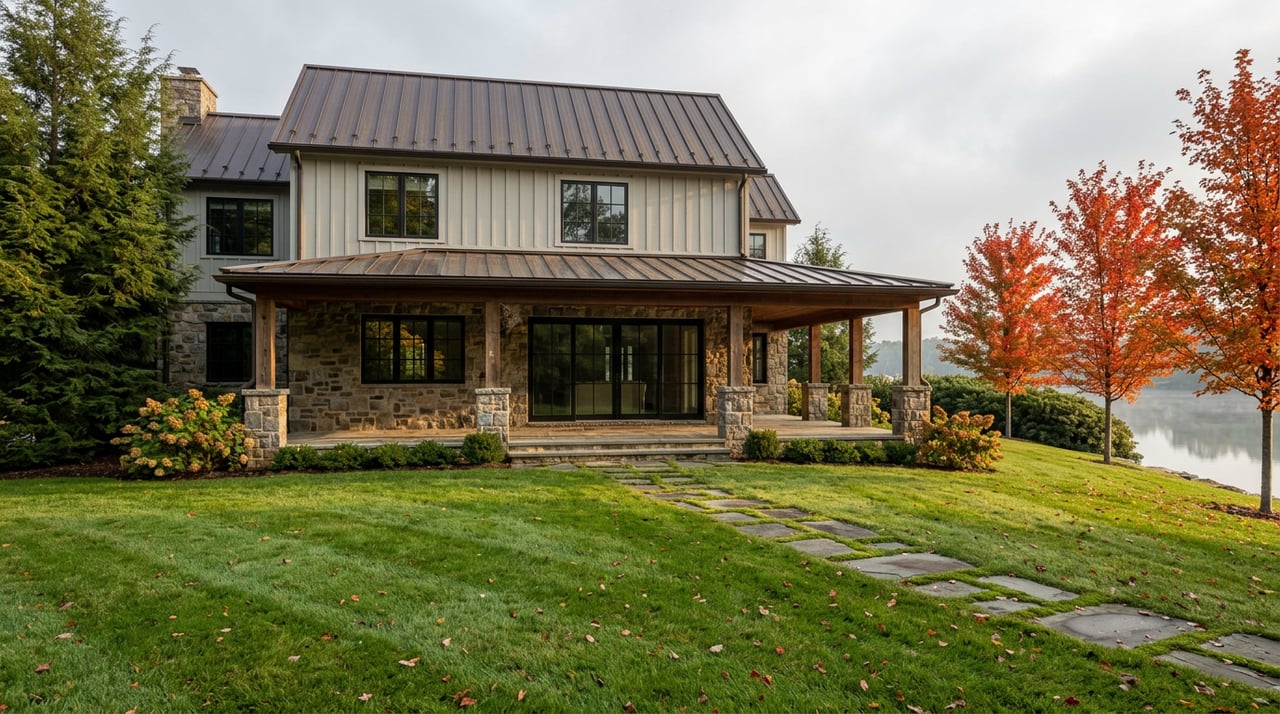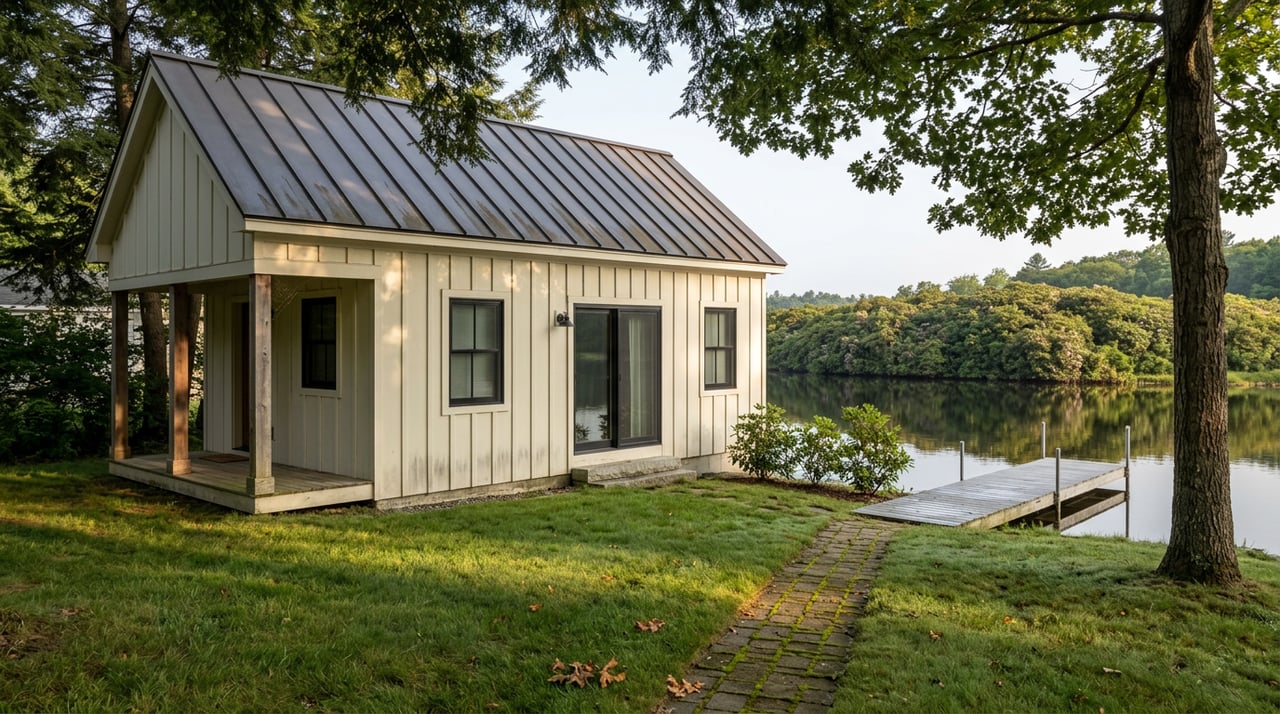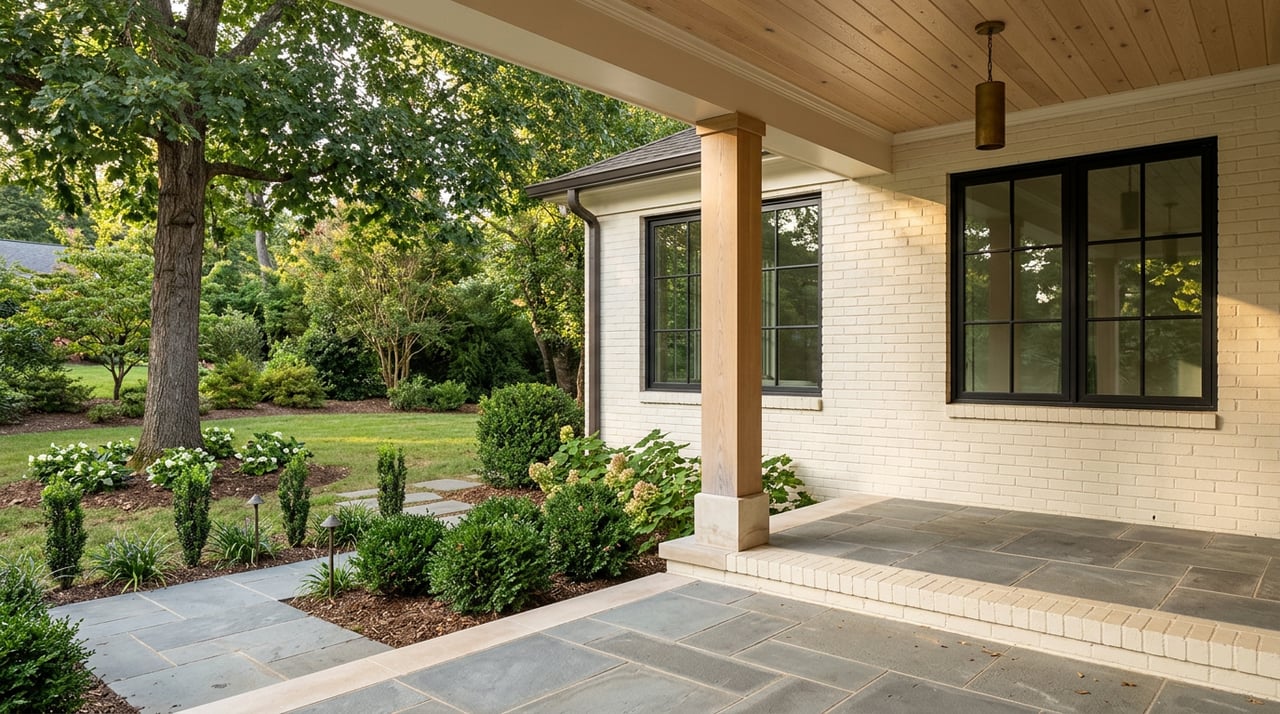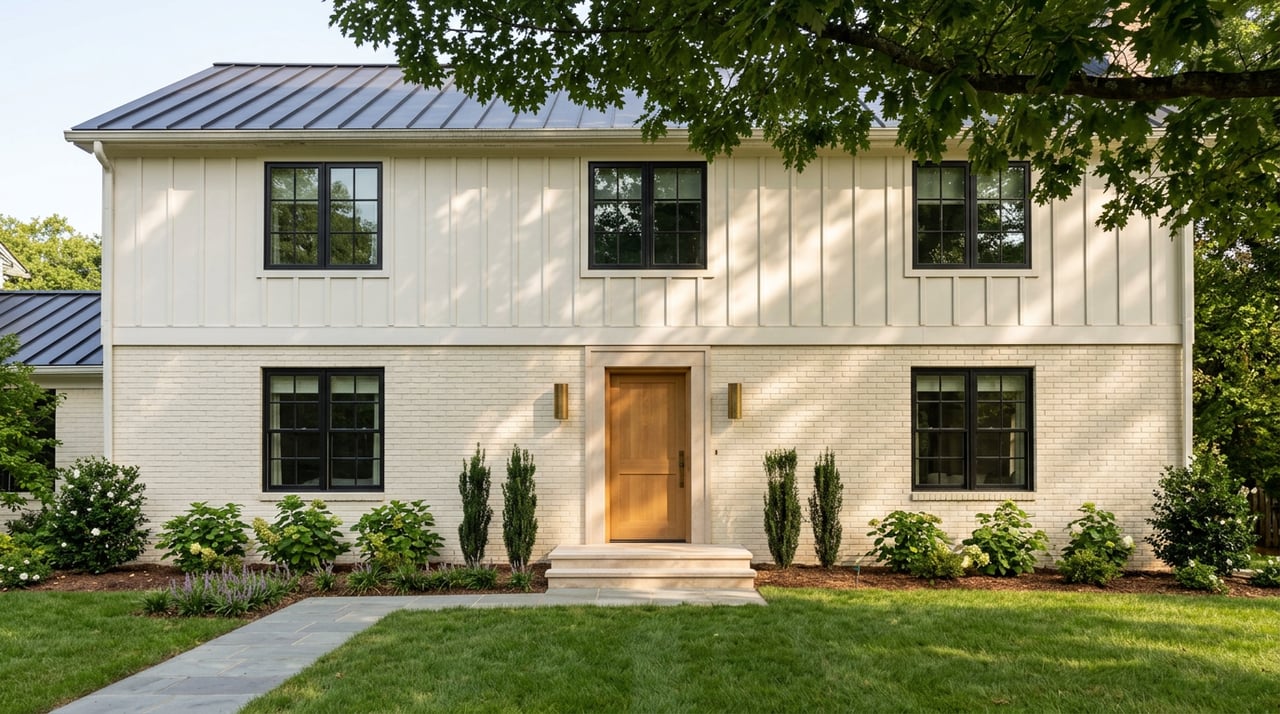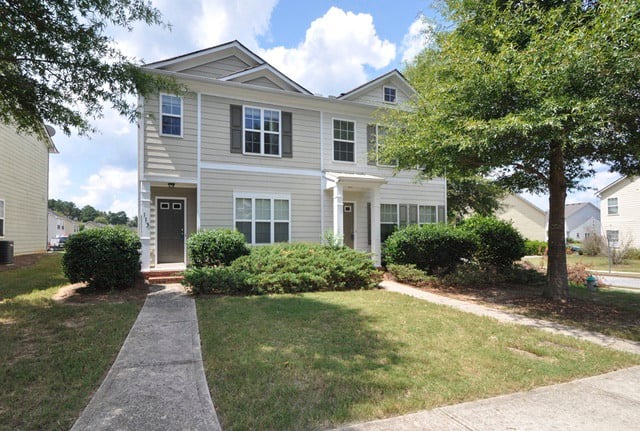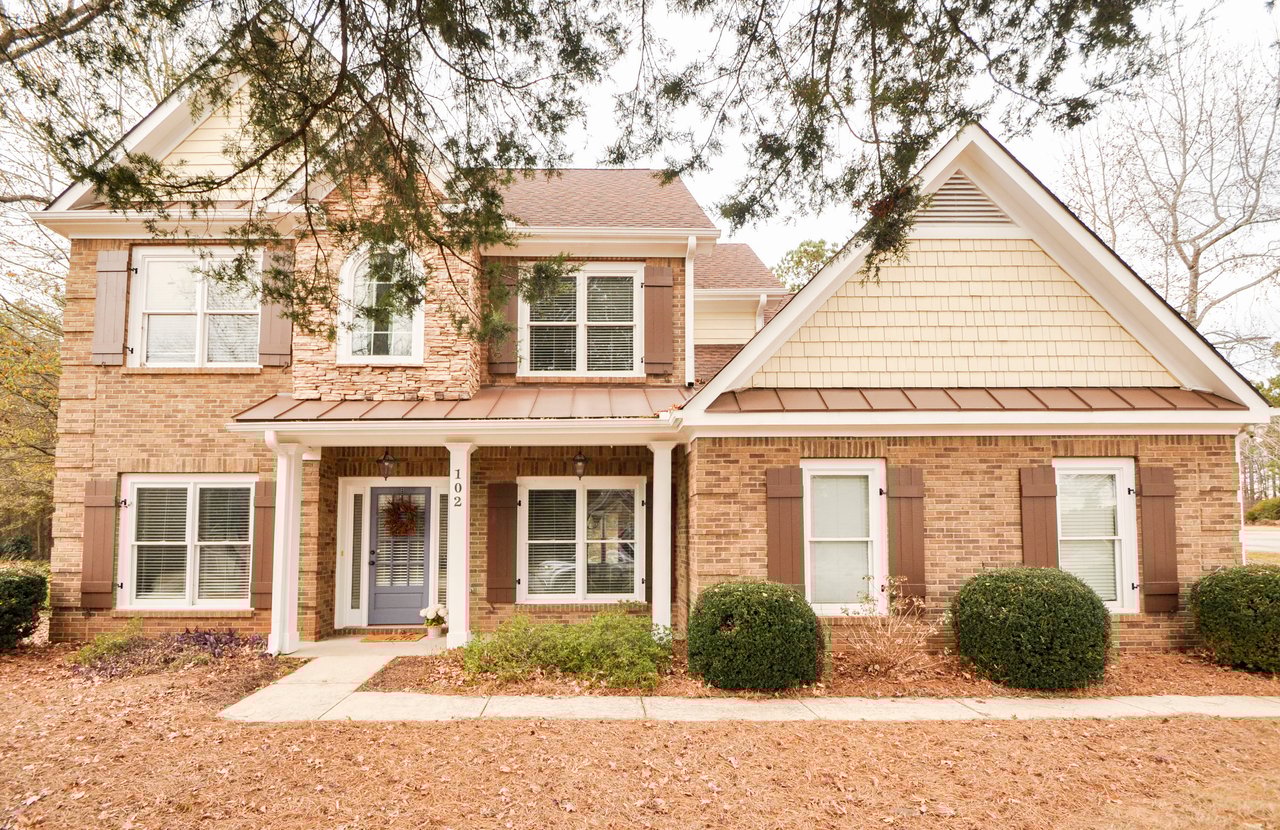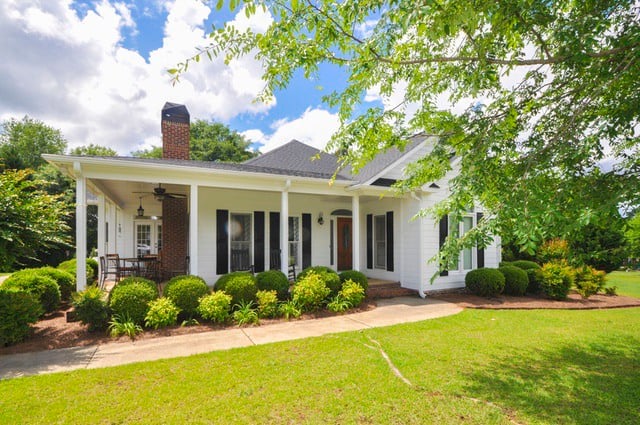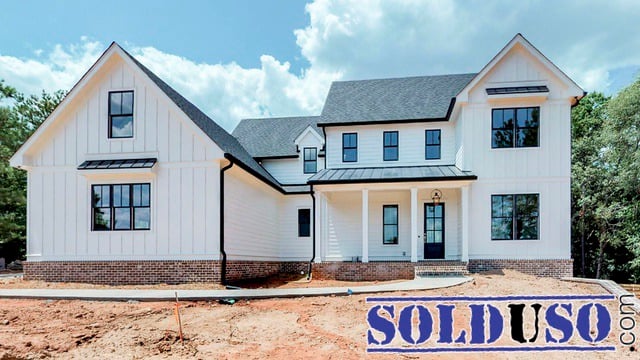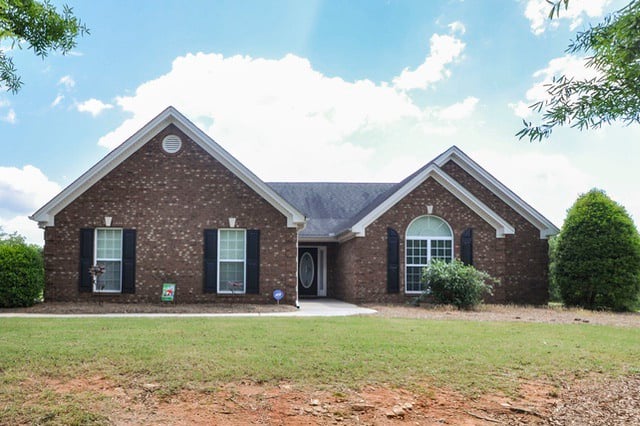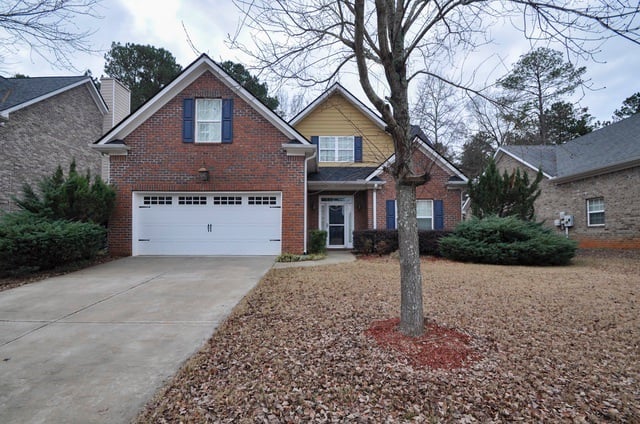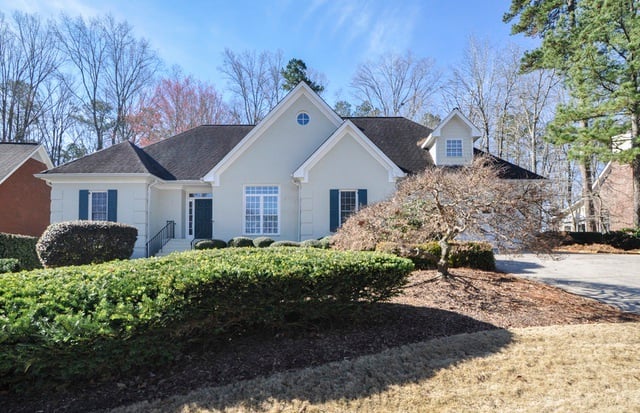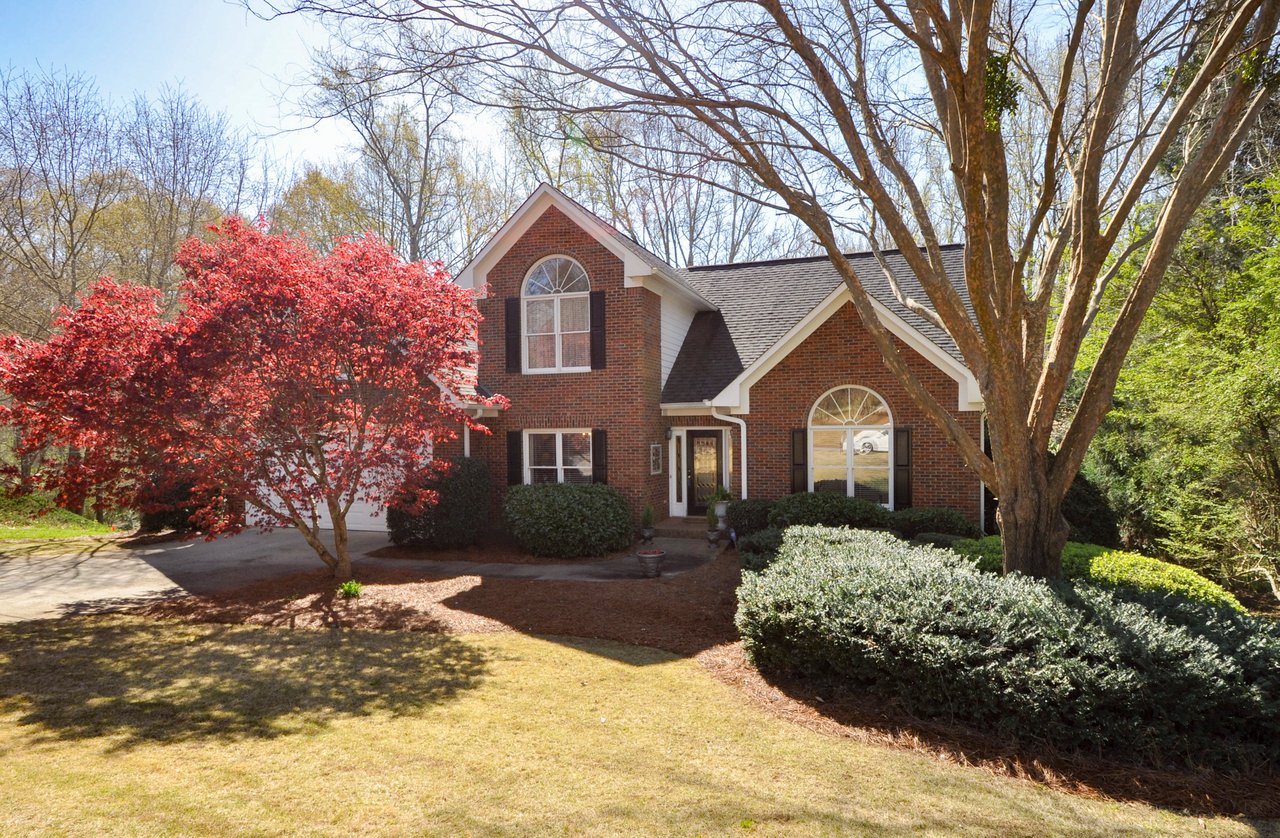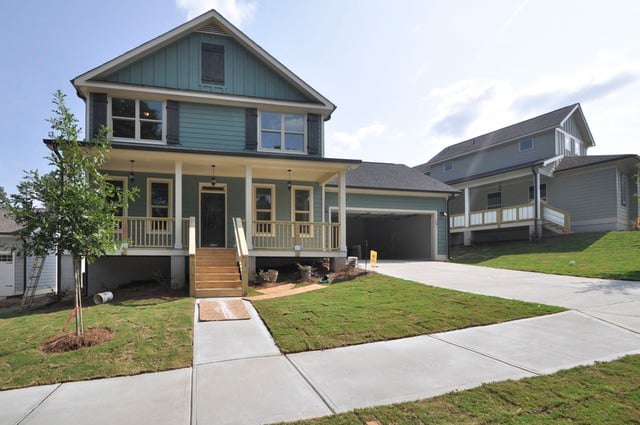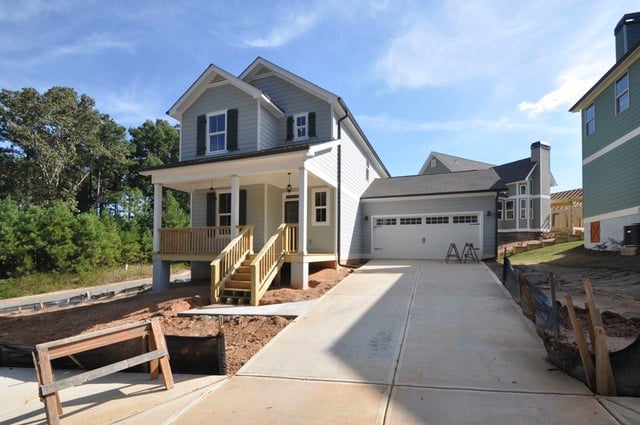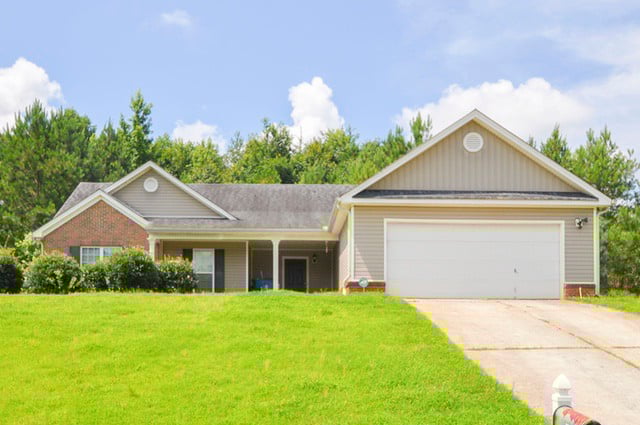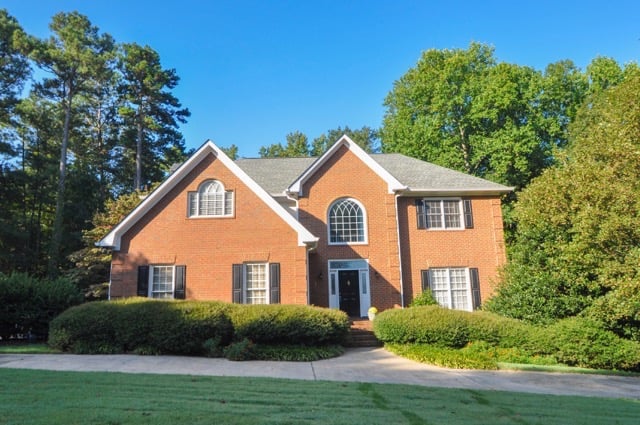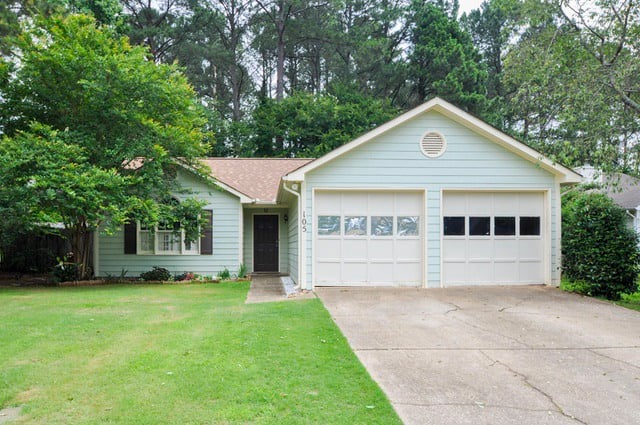
Thinking about selling a nearly new home in Bogart and wondering how to compete with shiny new builds down the road? You are not alone. In a small, sought-after market like Oconee County, buyers compare your like-new home to current builder offerings, incentives, and warranties. In this guide, you will learn how to price with confidence, highlight the right features, and prepare for inspections and appraisals so you can move from list to contract smoothly. Let’s dive in.
Bogart market at a glance
Bogart sits within Oconee County, a higher-tier suburban market with limited inventory and steady demand tied to its proximity to Athens and the University of Georgia. County-level data sources often show medians in the low-to-mid $500Ks, though neighborhood-to-neighborhood variation applies. For a high-level view, review county trend dashboards such as the Oconee County page on PropertyFocus, which reports recent median pricing patterns in that range. You can see those county trends on the Oconee profile at PropertyFocus.
Local demand is shaped by a small-town feel, commuting ease to Athens employers, and services supported by Oconee County government. Learn more about local resources on the Oconee County government site.
Because Bogart’s active inventory is small, one or two atypical sales can skew public medians in any given month. The practical takeaway is simple: anchor your price to a property-level comparative market analysis that pulls recent closed resales and active new construction in your micro-area.
Price it right next to new construction
Your buyer is likely comparing your like-new home to a builder’s model that shows a base price, a lot premium, and a menu of upgrades. They also see incentives like rate buydowns or closing-cost credits. To win that comparison, build a price case that is apples to apples.
Build a two-track CMA
Use two comparable sets: recent closed resales in your subdivision plus nearby new construction in the same price band. Appraisal guidance prioritizes comps from the subject neighborhood when available, and expects clear explanations when you use outside sales. That framework is outlined in Fannie Mae’s appraiser update. A two-track CMA mirrors how appraisers think, which makes your list price more defensible.
Convert builder pricing to net cost
A builder’s advertised price can hide the true total. Ask for or document the base price, lot premium, installed upgrades with their costs, and any offered incentives. Then compare the net cost for a buyer to achieve the same features in your home. Industry reporting notes that builders often adjust incentives with market cycles, which affects buyer tradeoffs. See this context in Inman’s reporting on new-home incentives and pricing.
National coverage also shows that the gap between new-home prices and existing-home prices moves with supply and incentives, so your local comparison matters most. For a broader view of new-home sales trends and pricing shifts, review this summary from The Federal Newswire.
Quantify lot and amenity differences
Lot size, location, and usability are often the biggest value drivers when you compare your home to a new build. Backing to trees, sitting on a cul-de-sac, or enjoying a flatter, more usable yard can justify price differences. Appraisers make discrete dollar adjustments for lot premiums and location offsets, which is why you should identify and document those differences in your CMA packet.
Leverage warranty and low-maintenance value
A like-new home with a transferable builder warranty or an included short-term home warranty reduces perceived risk for buyers. Many builder warranties follow a 1-2-10 structure covering workmanship, systems, and structural items. If yours is transferable, present the coverage booklet and transfer terms up front. You can see a typical structure on StrucSure’s 1-2-10 warranty overview.
Smart pricing moves when incentives are strong
If nearby builders are offering buydowns or large credits that lower a buyer’s monthly cost, consider modest, targeted concessions to keep the comparison favorable. Options include a one-year home warranty, a small closing-cost credit, or rate buydown assistance, sized to your price point and demand. Market coverage, like Inman’s analysis of builder incentives, can help you decide how to compete while protecting your bottom line.
Upgrades and lot features buyers notice
In a newer home, improvements that feel fresh, low-maintenance, and functional usually carry measurable value. Focus your prep and marketing on features appraisers can support and buyers can see.
Kitchens and curb appeal that show well
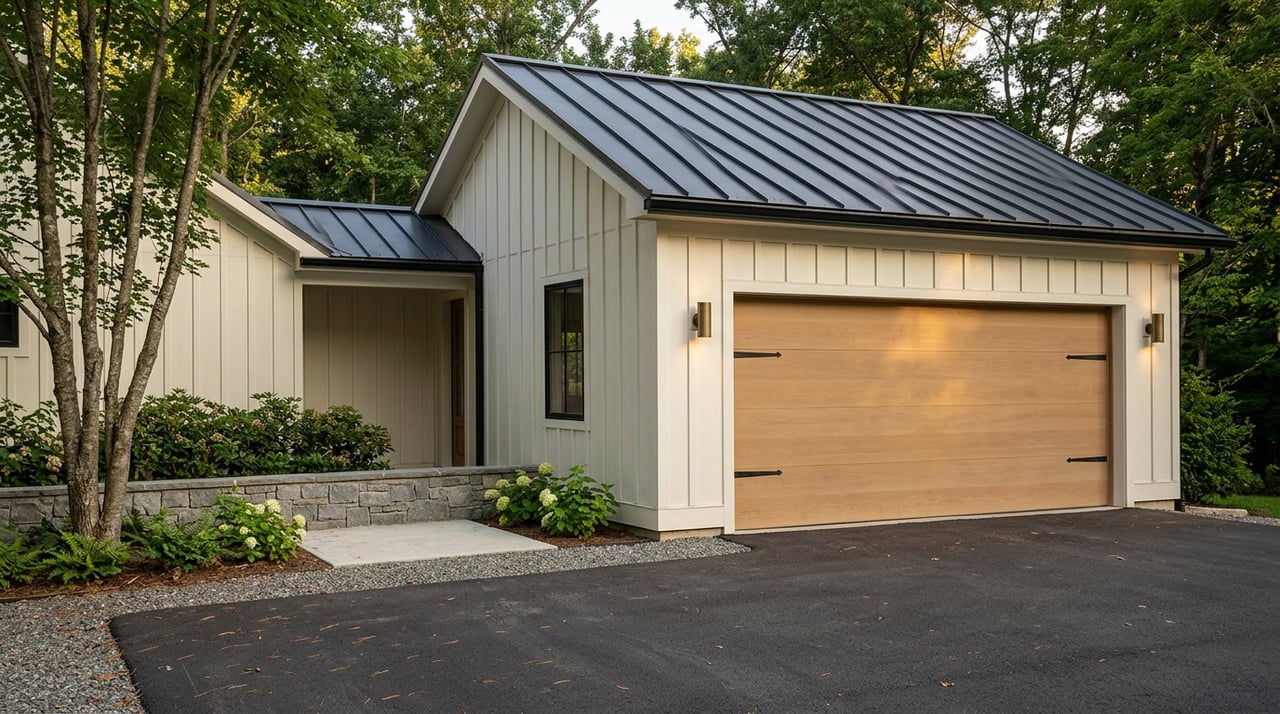
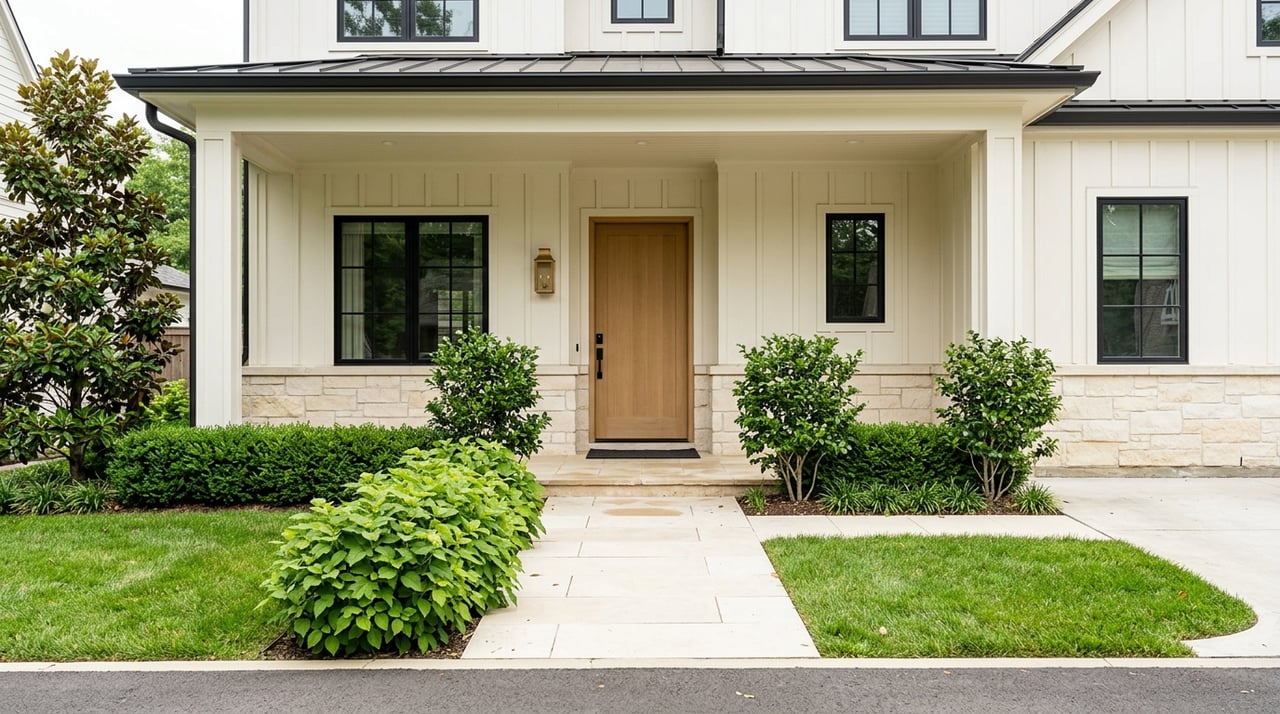
Minor kitchen updates, fresh appliances, and clean layouts resonate with buyers and often recoup well. Exterior refreshes, including new or upgraded garage doors, a quality entry door, and fiber-cement siding or manufactured stone accents, tend to rank high for cost recovery in national ROI studies. For a reference on which projects commonly deliver value, review the latest findings on Remodeling’s Cost vs. Value.
Energy and mechanical systems with receipts
Newer HVAC equipment, good insulation, energy-efficient windows, and updated electrical protection (AFCI/GFCI) reduce near-term maintenance risk. List install dates, recent service records, and any transferrable warranties. Buyers want predictable ownership costs, and clear documentation supports value.
Lot advantages lead many shortlists
Privacy, sun orientation, a flat backyard, and fencing can outweigh certain interior finish differences for many buyers. Since lot attributes are major contributors to market value, call them out in your listing and photos, and quantify any premiums where you can.
Documentation is your secret weapon
Appraisers respond to data. Create a concise packet with itemized upgrade receipts, permits, warranty documents, and model numbers for mechanicals. National ROI sources show that even modest projects can add market appeal, but third-party documentation helps convert appeal into supported value. Use Cost vs. Value findings as a guide when choosing any last-minute touch-ups.
Smooth inspections and appraisals
Even like-new homes go through scrutiny. Preparing for common findings and aligning your documentation with appraisal expectations helps you avoid surprises late in escrow.
Expect an inspection in most offers
Most buyers order a professional home inspection. Industry summaries have long shown high inspection rates in purchase transactions, even though occasional waivers pop up in very hot markets. For context on inspection prevalence and typical costs, see this overview from Home Inspection Insider.
Common punch-list items in newer homes
Inspectors often flag small but important details in newer properties. Think trim or door alignment, HVAC balancing and startup issues, incomplete caulking or flashing, grading and drainage around the foundation, and missing or non-compliant GFCI or AFCI protection. A pre-listing inspection or targeted punch-list service can help you fix these quickly. For a sense of typical new-home items and warranties, review this explainer on new construction issues and coverage.
How appraisers look at like-new homes
Appraisers try to use sales within your subdivision when possible, then explain any adjustments for time and differences when using outside comps. Incentives on new construction can complicate the cash-equivalency view of price, so clear documentation helps the appraiser interpret your contract terms. You can read this approach outlined in Fannie Mae’s appraiser update.
Keep the appraisal on track
- Prepare an upgrades and systems appendix. Include receipts, permits, dates for HVAC and roof services, and any builder price lists or option sheets that mirror your home’s features.
- Provide warranty documents up front. If you have a transferable builder warranty, highlight the coverage and show the transfer steps.
- Anticipate incentive questions. If your buyer requests credits or rate assistance, be ready to explain how those compare to common builder incentives so the lender can assess cash equivalency.
- Consider a pre-listing appraisal or desktop review if your area has very few like-kind sales. This is optional, but it can surface issues early and save time during underwriting.
A Bogart seller checklist
Use this concise list to move from prep to launch with confidence.
Pre-listing and pricing
- Order a two-track CMA that includes 3 to 5 recent closed resales near you and active or recent new builds that match your lot type and finish level. Use it to set a realistic price range.
- Gather documents: builder warranty booklet and transfer form, appliance and upgrade receipts, permits, HOA information if applicable, and service records for HVAC and roof. A termite or WDO report can also help buyers feel confident.
- Consider a pre-listing inspection or punch-list service focused on newer-home items like HVAC startup, grading, flashing, GFCI/AFCI, and caulking. Sharing a clean report can shorten negotiations. For inspection norms, see Home Inspection Insider’s overview.
Marketing and presentation
- Lead with quantifiable benefits. Mention transferable warranty coverage, recent service dates, low-maintenance exterior materials, and floor plans. If relevant, note proximity to Athens and local county services. The Oconee County site is a helpful reference point for area context.
- Showcase lot advantages. Use photos and captions to highlight rear privacy, a flat usable yard, sun orientation, and fencing.
- Be clear about any seller-paid items. List any closing credits or a one-year home warranty you plan to offer so buyers can compare your home directly to new-construction incentives. Market reporting on incentives from Inman can guide your strategy.
Negotiation and closing
- If the inspection reveals small items, decide in advance whether you will fix them before closing, provide a modest credit, or include a short-term home warranty. Warranties, such as the 1-2-10 structure described by StrucSure, can ease buyer concerns.
- Plan for appraisal outcomes. Have your documentation packet ready for the appraiser. If a shortage occurs, be prepared to discuss a seller credit, a buyer cash bridge, or a price adjustment, depending on your goals and market response.
Why partner with Jennifer Westmoreland & Associates
You deserve senior-level guidance, not guesswork. With more than 30 years of local leadership and negotiation experience, Jennifer Westmoreland & Associates pairs deep Oconee and Athens market knowledge with a premium marketing toolkit. Your listing benefits from professional photography, video, drone, and Matterport, plus targeted digital syndication designed to reach the right buyers.
You will get hands-on pricing strategy, an appraiser-ready documentation plan, and concierge-level coordination from first consultation through closing. Our goal is simple: protect your time, maximize your net, and give you a confident path to sold.
Ready to talk timing, pricing, and preparation for your Bogart sale? Connect with Jennifer Westmoreland to schedule a personalized market consultation.
FAQs
What is the best way to price a like-new home in Bogart?
- Build a two-track CMA with recent closed resales plus active or recent new builds, quantify lot and upgrade differences, and compare net buyer cost against any builder incentives.
How do I compete with new-construction incentives nearby?
- Offer targeted value that buyers can compare easily, such as a modest closing credit, rate buydown assistance, or a one-year home warranty, sized to your price point and demand.
Which upgrades add the most value in a newer home?
- Modest kitchen updates, fresh garage or entry doors, and durable exterior materials often rank well for cost recovery, and clear documentation helps appraisers support value.
Will buyers still order an inspection on a like-new home?
- Yes, most buyers do. Expect a professional inspection and plan to address common punch-list items like caulking, grading, and electrical protection to keep negotiations smooth.
How can I reduce appraisal risk on my sale?
- Prepare an upgrades and systems packet with receipts and permits, document any transferable warranties, include comparable new-build pricing and option sheets, and be ready to explain any concessions.
Should I get a pre-listing inspection for a newer home?
- It can be smart. Finding and fixing small, common items in advance builds confidence for buyers and can shorten the request-for-repair stage.