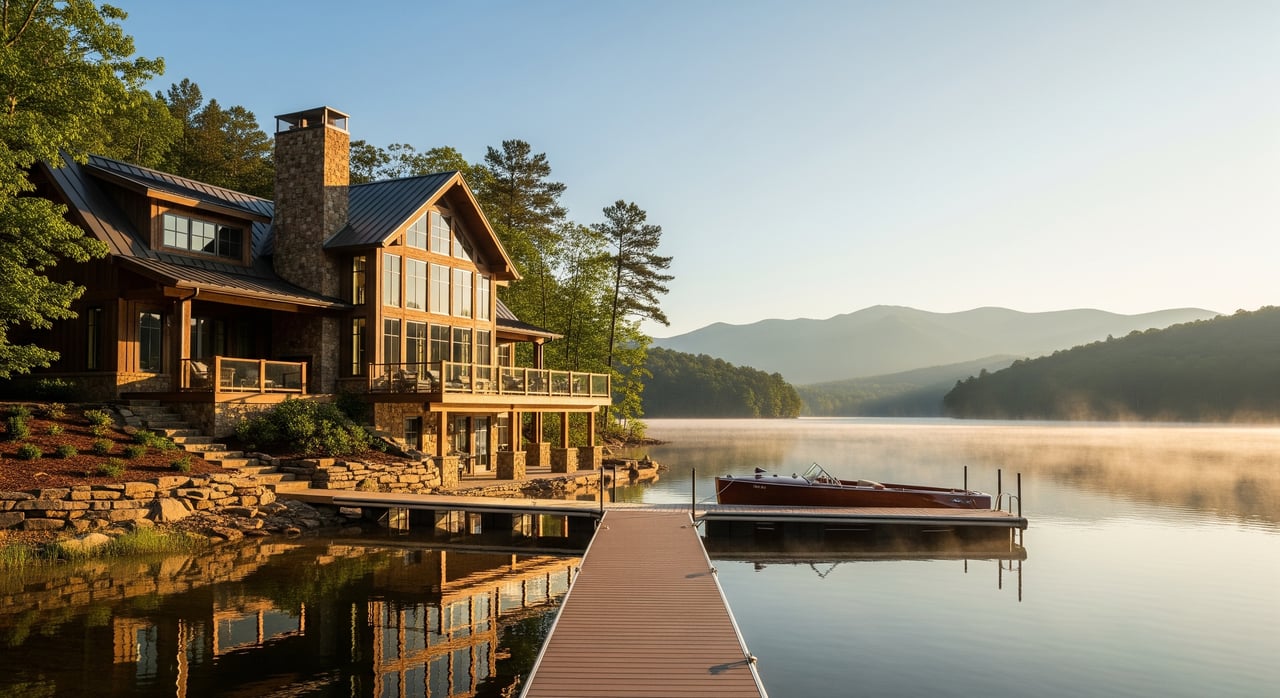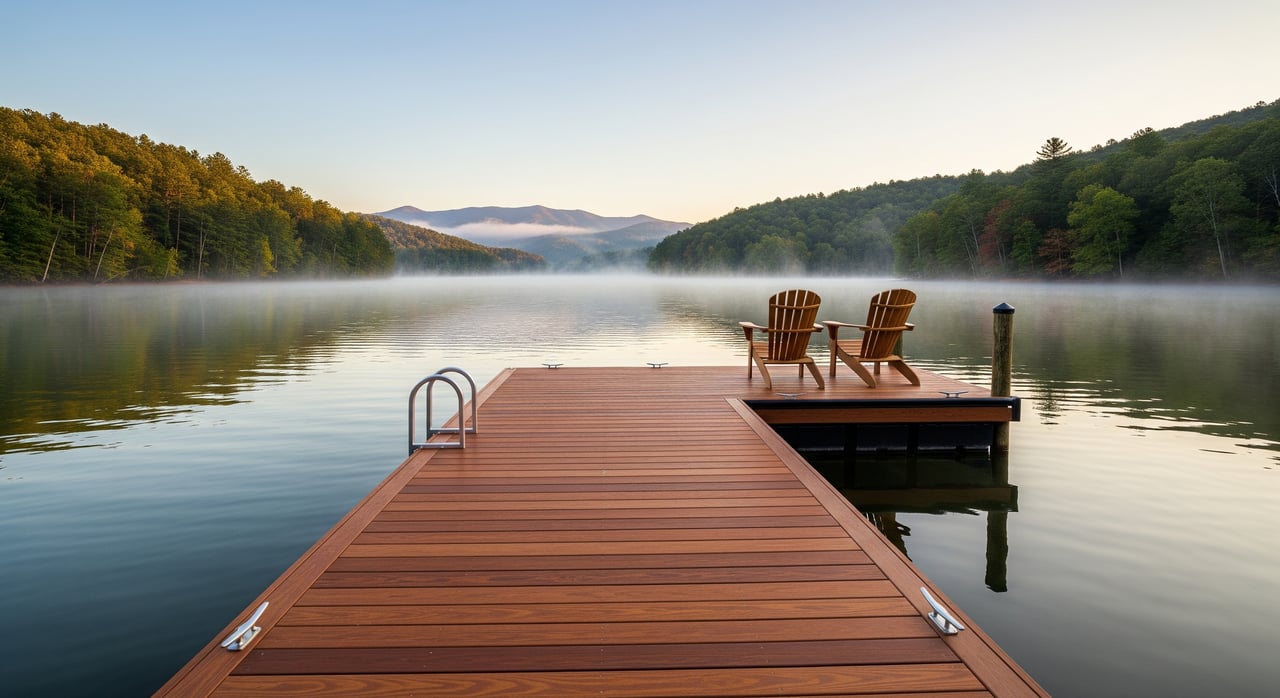
Looking for a North Georgia lake getaway that feels a little more relaxed and a lot less busy? Lake Seed in Rabun County may be exactly what you have in mind. If you want mountain scenery, waterfront living, and a quieter setting, this small lake offers a different experience from larger, more commercial lake markets. In this guide, you’ll learn what makes Lake Seed distinct, what real estate options tend to look like, and what to check before you buy. Let’s dive in.
Why Lake Seed Feels Different
Lake Seed is a small Georgia Power reservoir in Rabun County, set in the Blue Ridge mountain region of northeast Georgia. According to the Rabun County visitor guide, the lake spans 240 acres with 13 miles of shoreline.
That smaller footprint shapes the overall experience. Historical fisheries research describes Lake Seed as a narrow, run-of-river reservoir with steep-sided shoreline and a relatively shallow bottom, and it also notes a high density of single-family dwellings along the shore in this long-established lake setting. You can see that context in the state research record.
In practical terms, Lake Seed often appeals to buyers who want a more low-key mountain-lake environment. Its size, shape, and regulated shoreline create a setting that tends to feel quieter than some larger nearby lakes.
Lake Seed Lifestyle and Recreation
If your ideal getaway includes simple time on the water, Lake Seed has a lot going for it. Georgia Power lists a Lake Seed boat ramp and Seed Lake Primitive Campsites, with campsites open from April 1 through November 1.
The lake also has appeal for anglers. Older fisheries work identified species including yellow perch, bluegill, largemouth bass, spotted bass, chain pickerel, and white catfish, which helps explain why fishing remains part of the lake’s draw.
Beyond the shoreline, Lake Seed sits within a broader Rabun County mountain-lake destination. The Explore Rabun area guide places it near Lakemont, Tallulah Falls, Clayton, Lake Burton, Lake Rabun, and Tallulah Gorge, giving you easy access to more outdoor recreation when you want it.
Who Lake Seed Fits Best
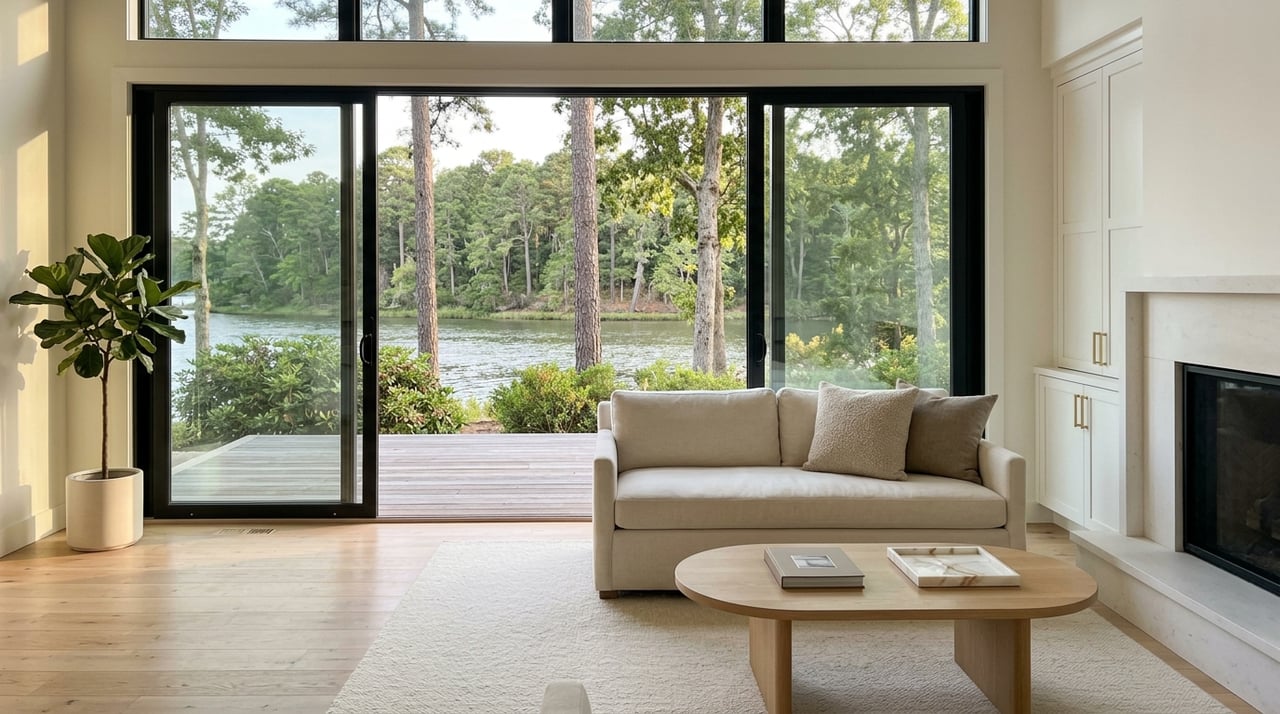
Lake Seed is usually a stronger fit if you value privacy, mountain views, and smaller-scale boating. Buyers drawn to cottages, cabins, and second homes often like the pace and setting here.
It can also make sense if you want a place that supports day boating, paddling, fishing, and relaxed weekends rather than a marina-heavy lifestyle. For more active nearby recreation, Tallulah Gorge State Park and Georgia paddling opportunities add to the area’s appeal.
On the other hand, Lake Seed may be less ideal if you want large-water recreation or liveaboard flexibility. The Georgia Department of Natural Resources states that boats with marine toilets, galleys, or sleeping quarters are prohibited on Seed Lake, which is an important practical limit for some buyers.
What Lake Seed Homes Usually Look Like
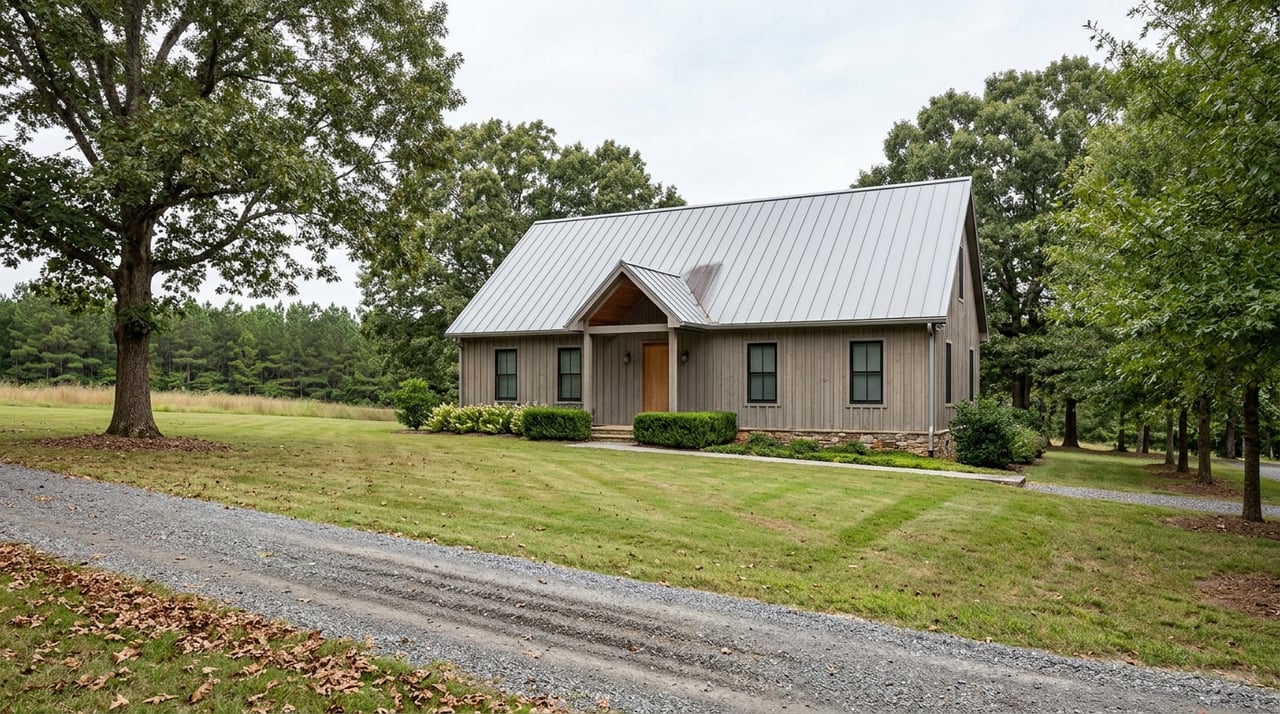
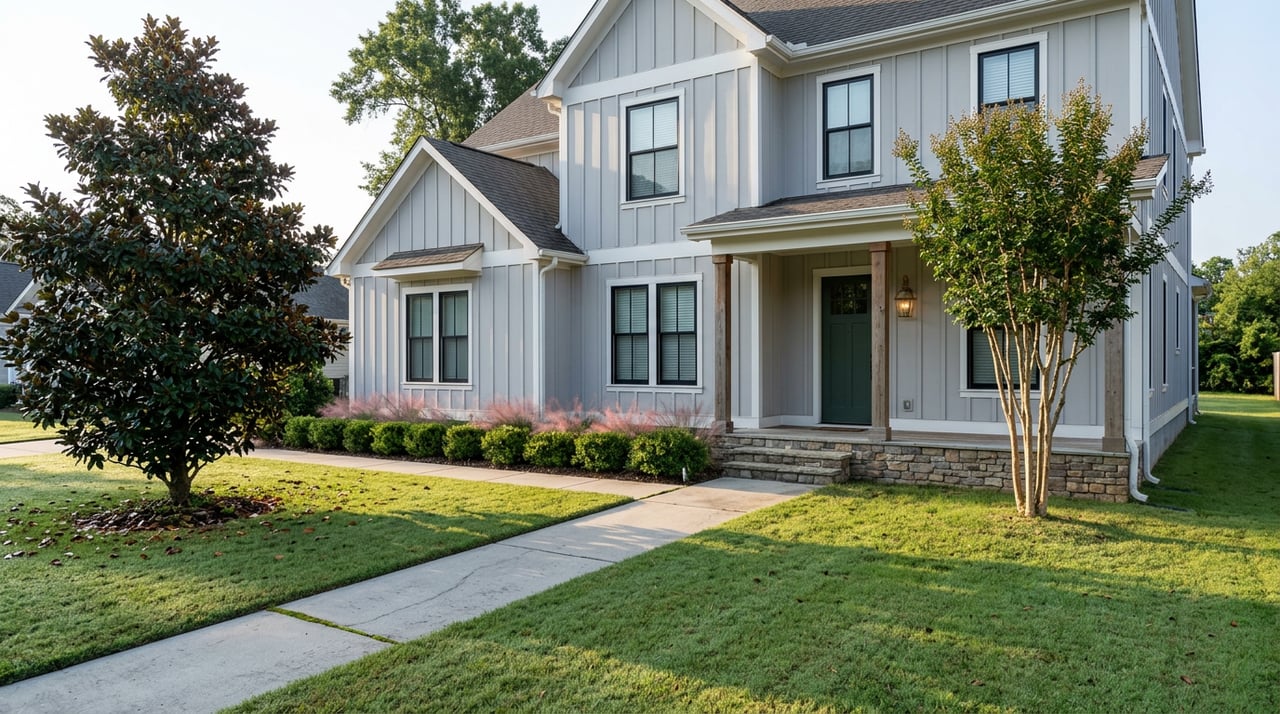
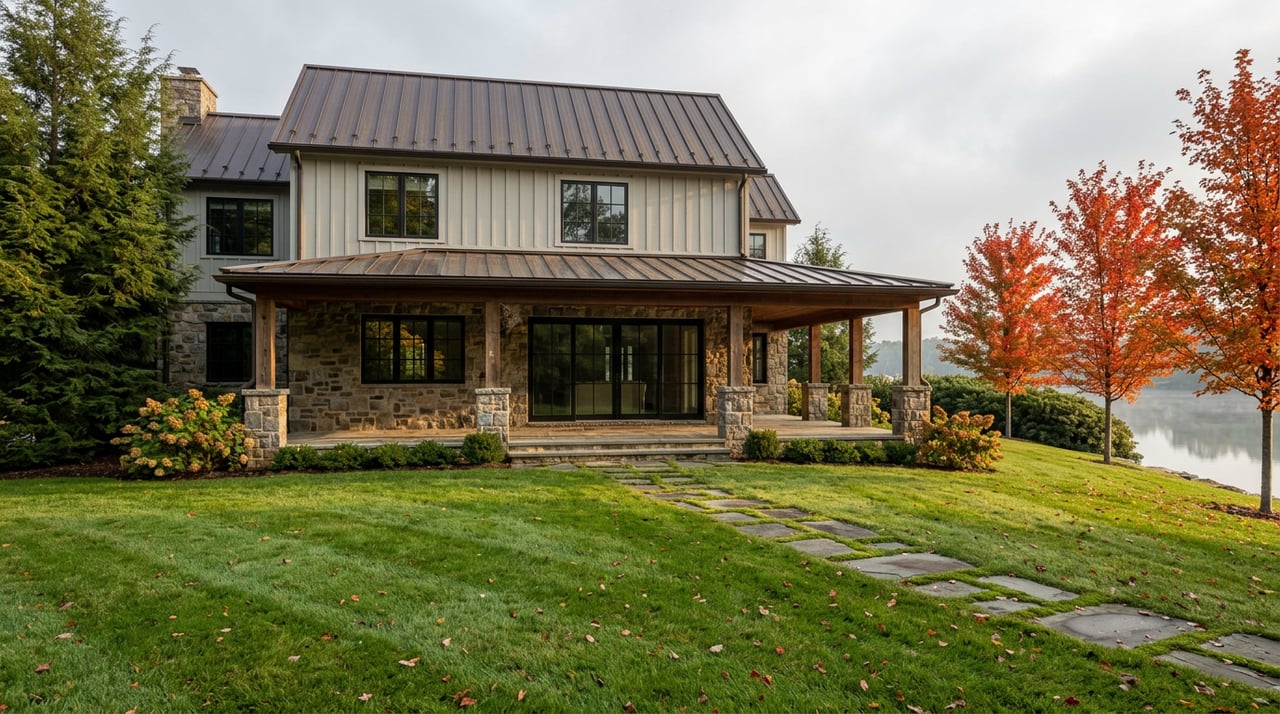
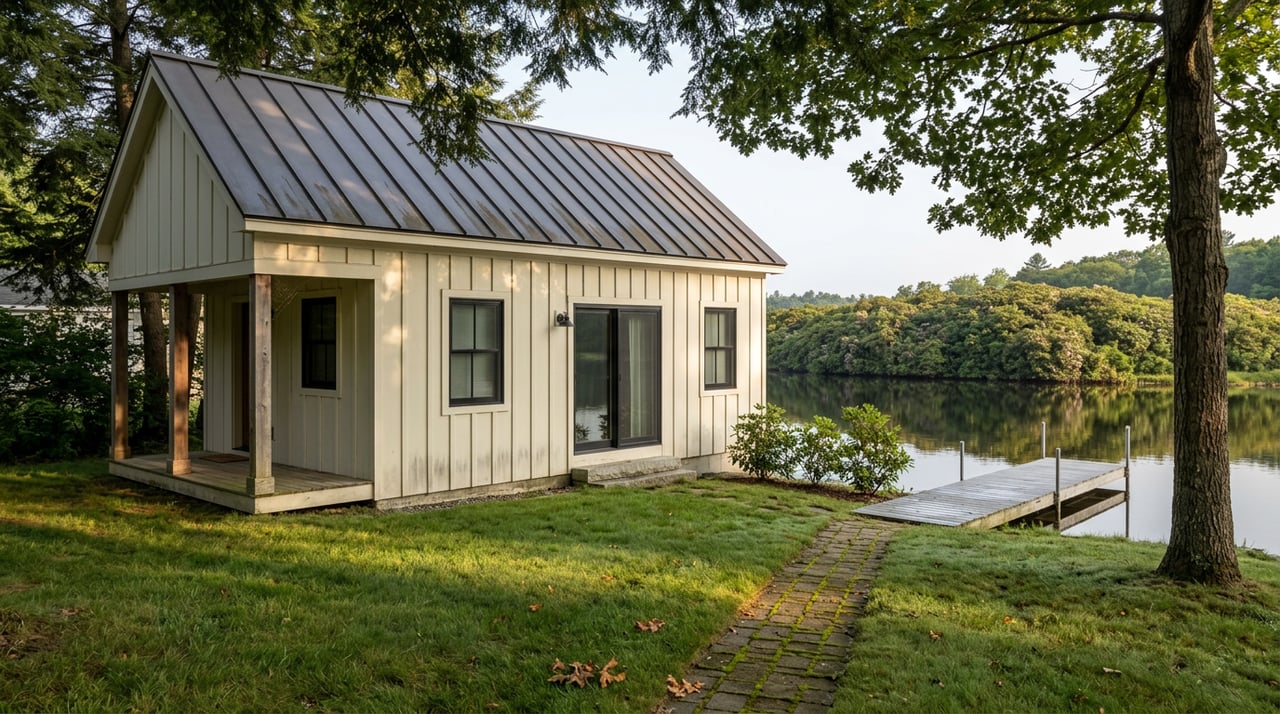
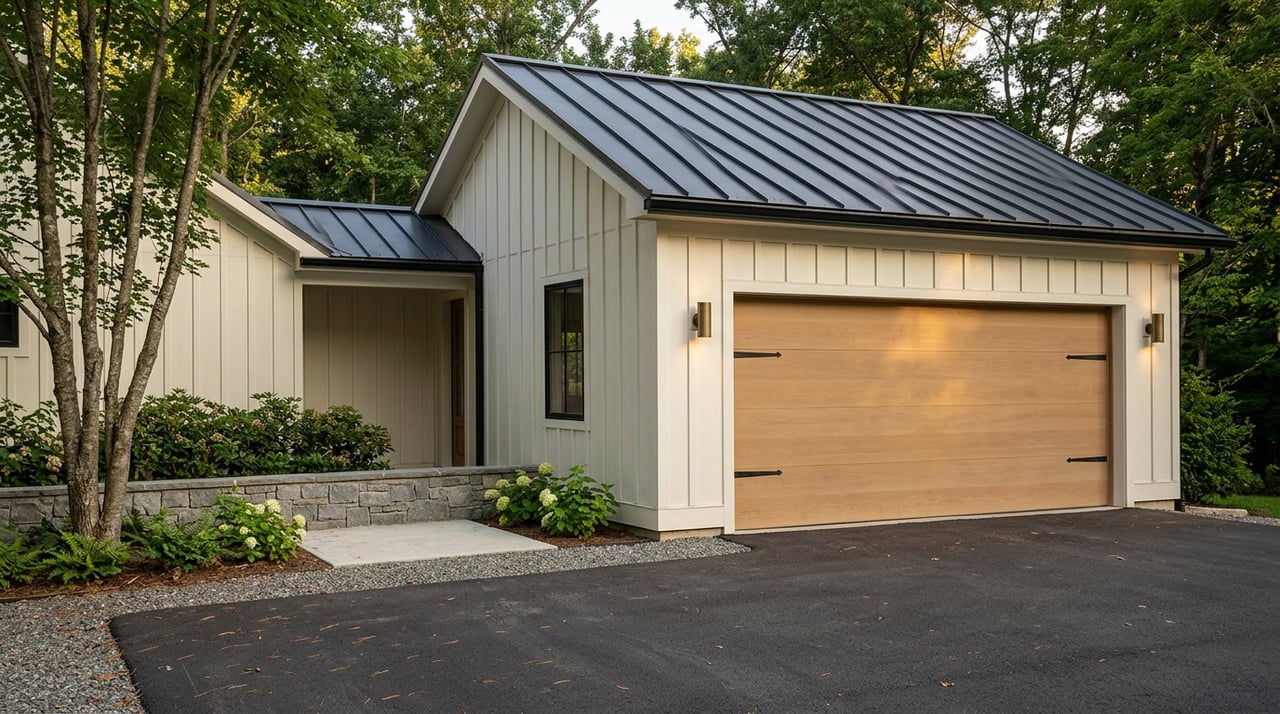
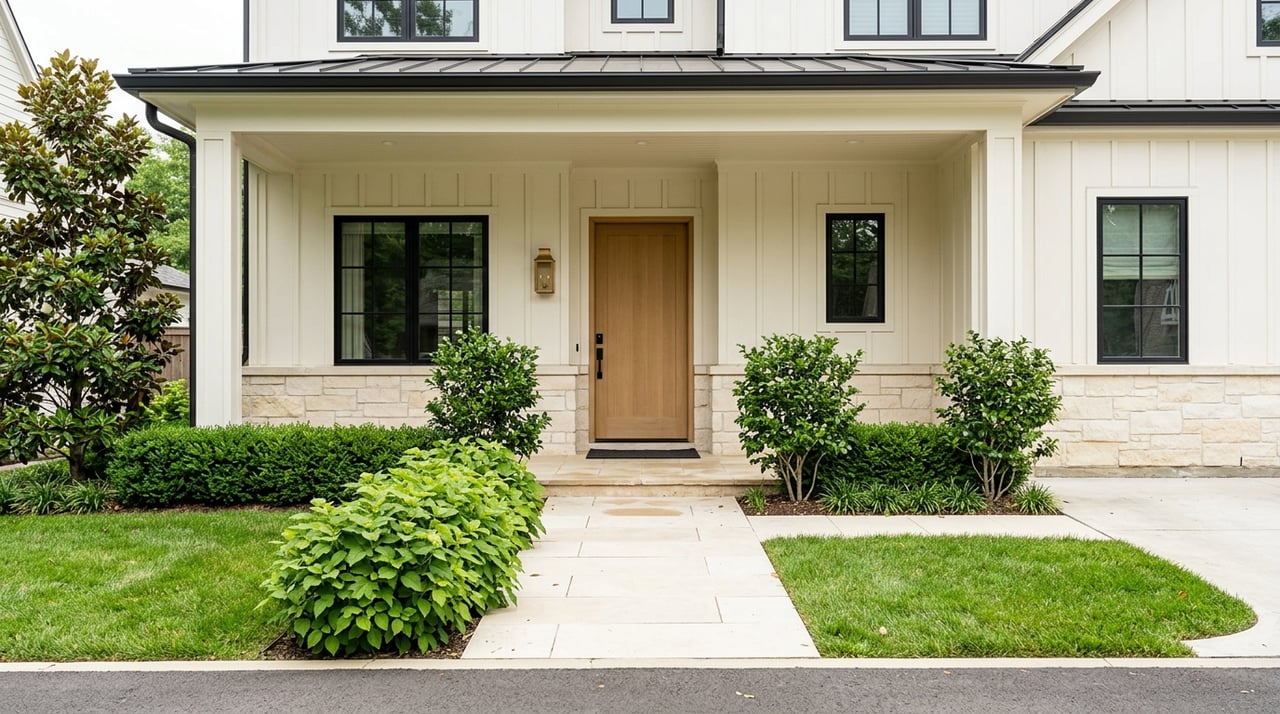
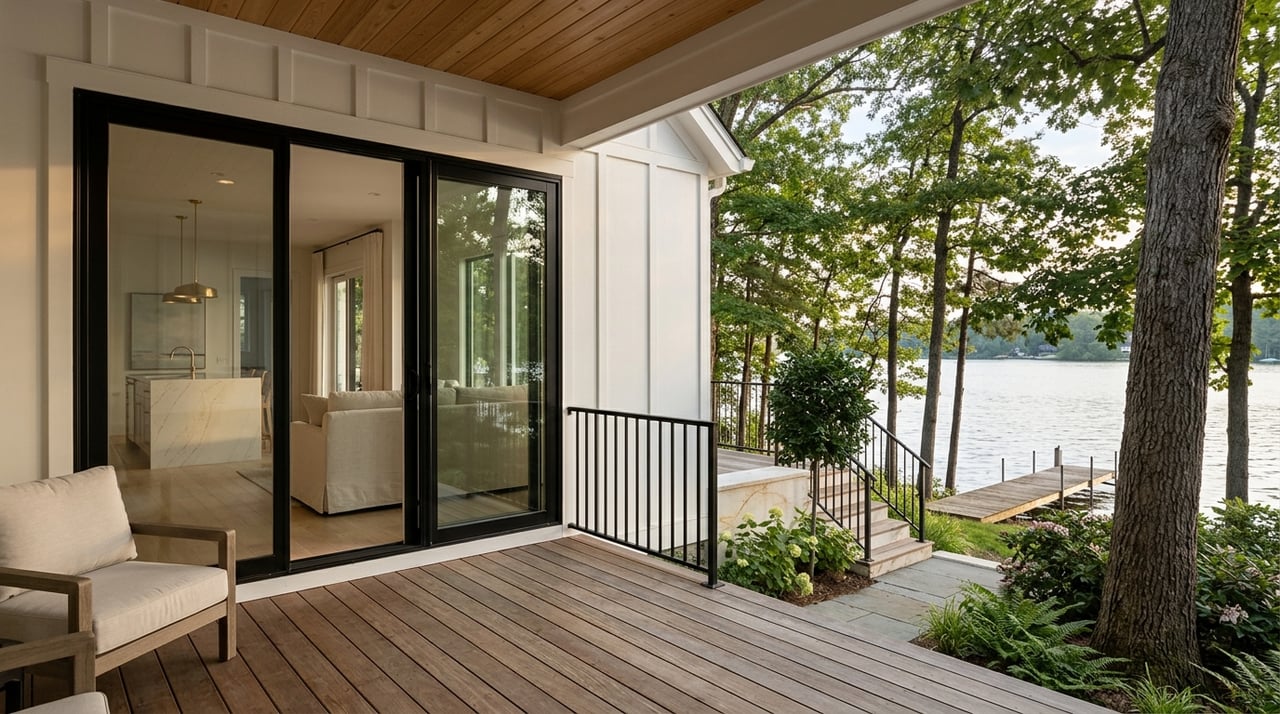
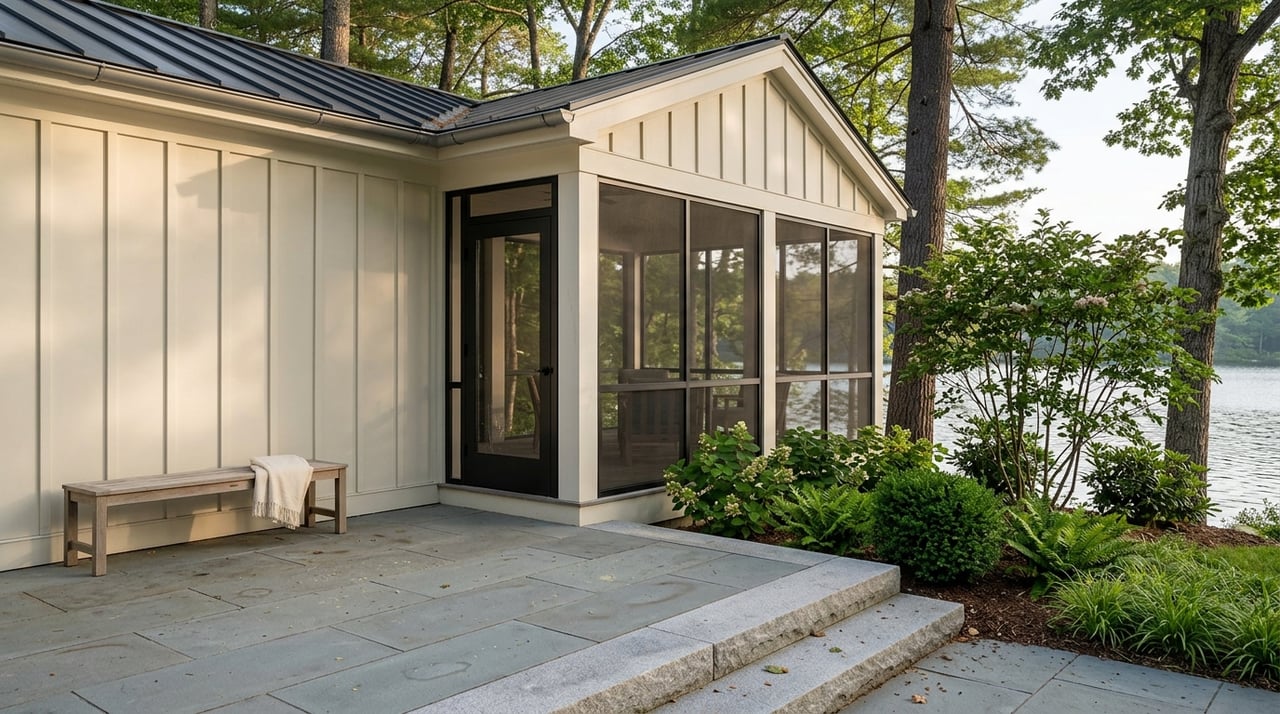
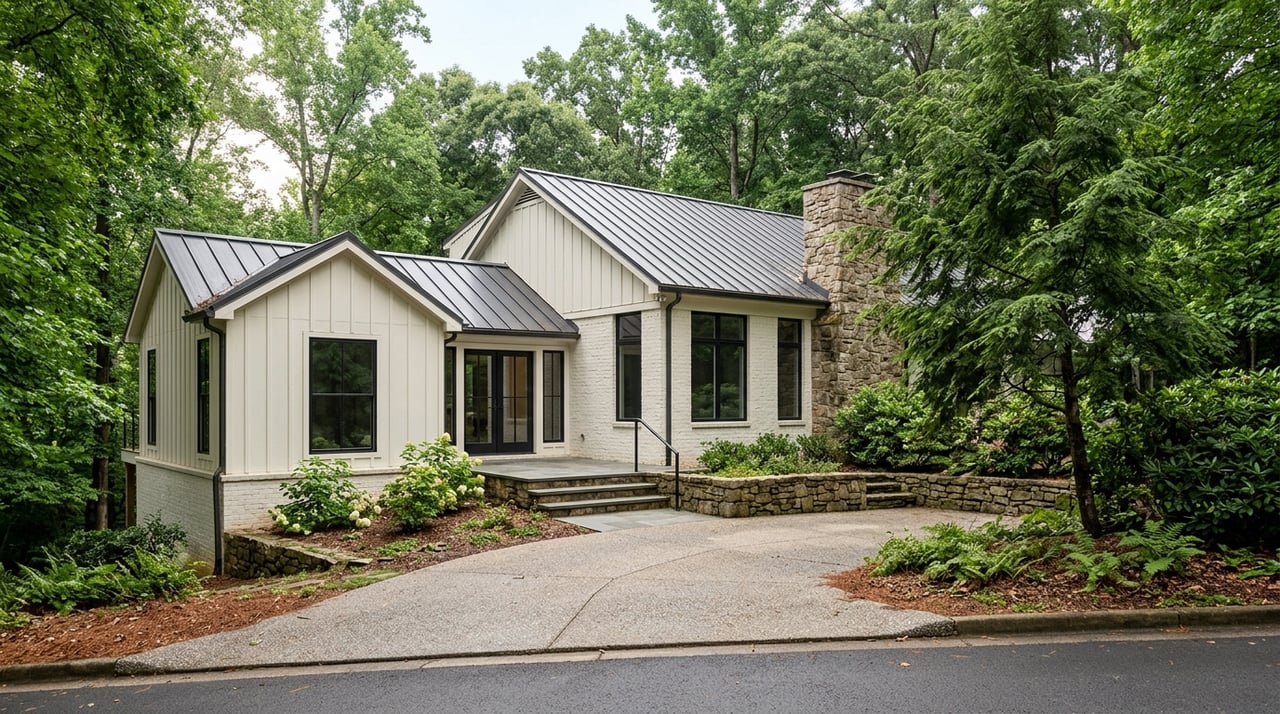
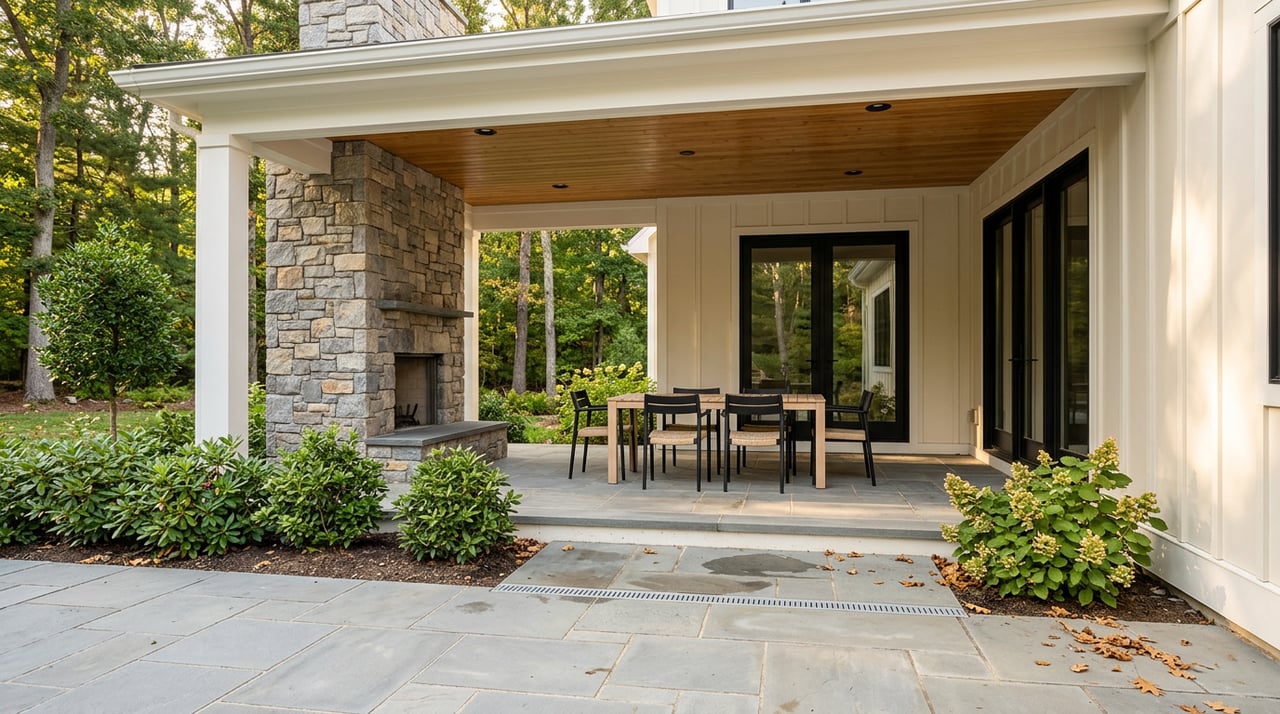
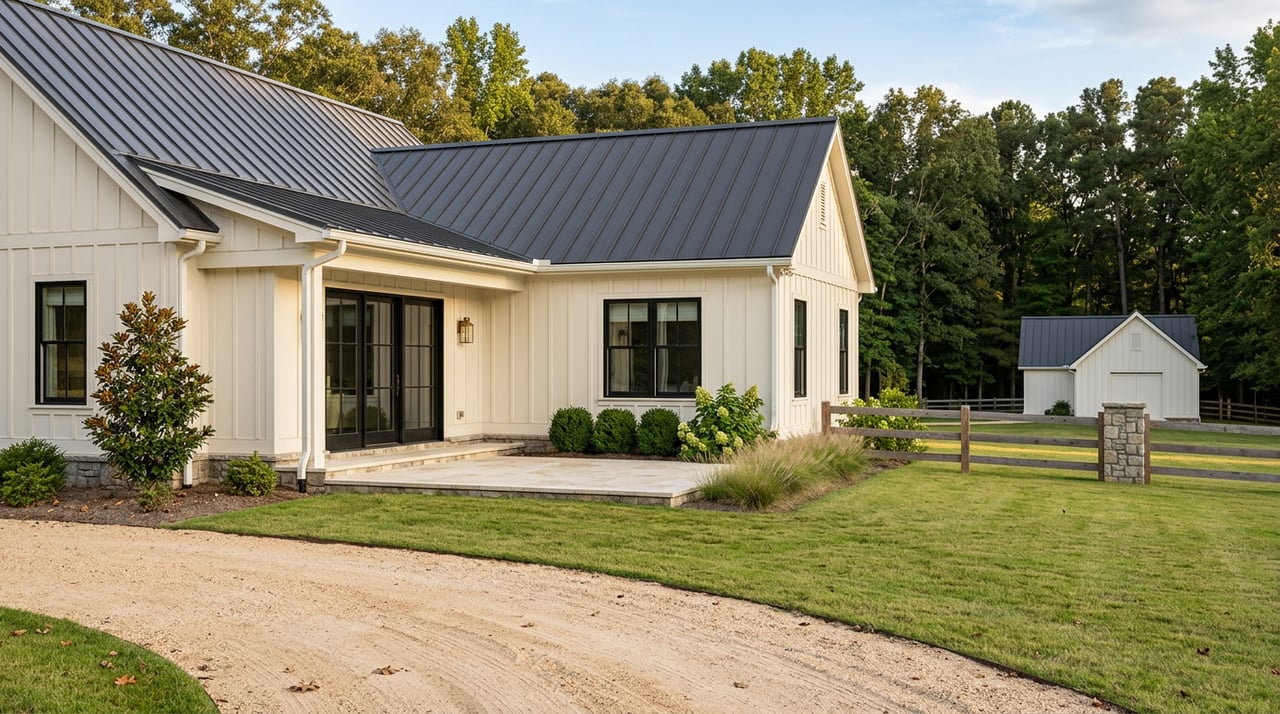
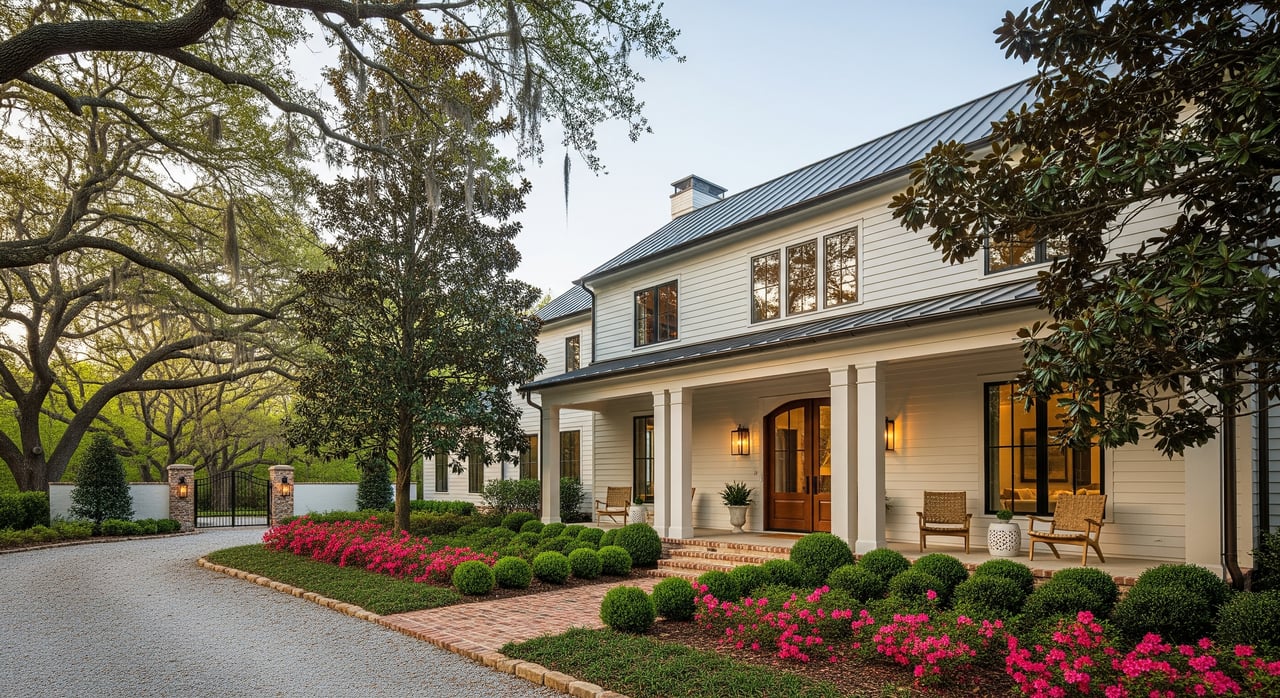
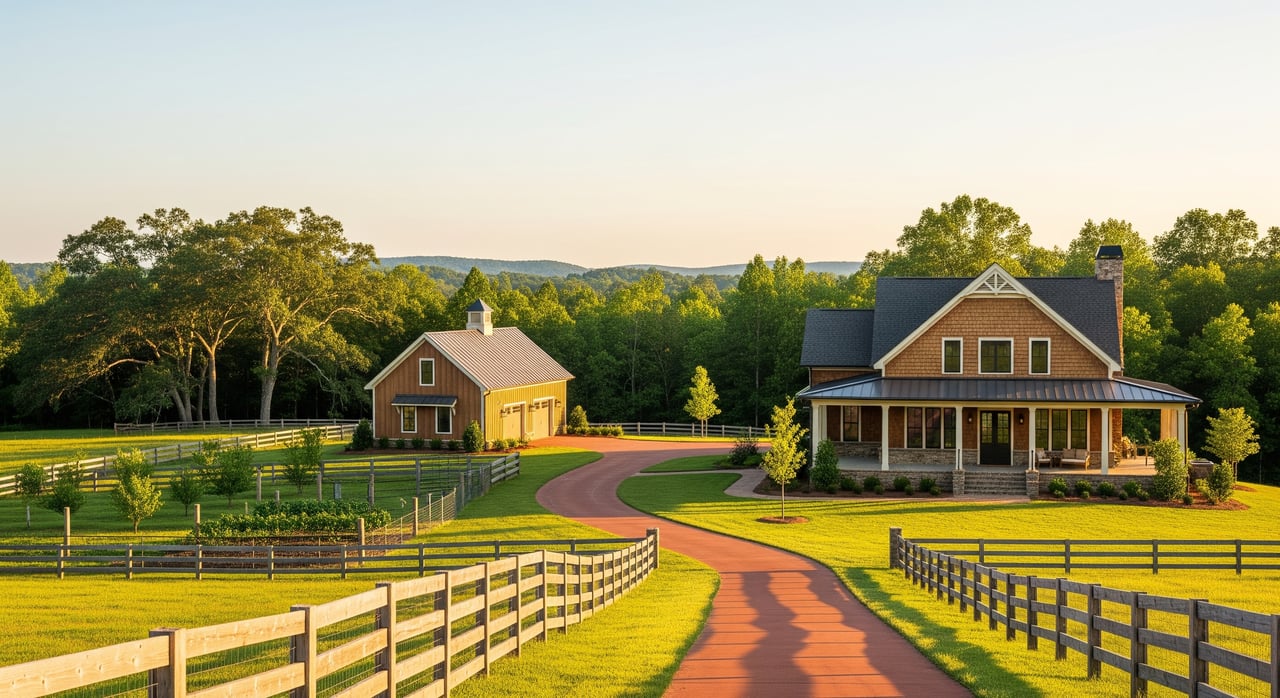
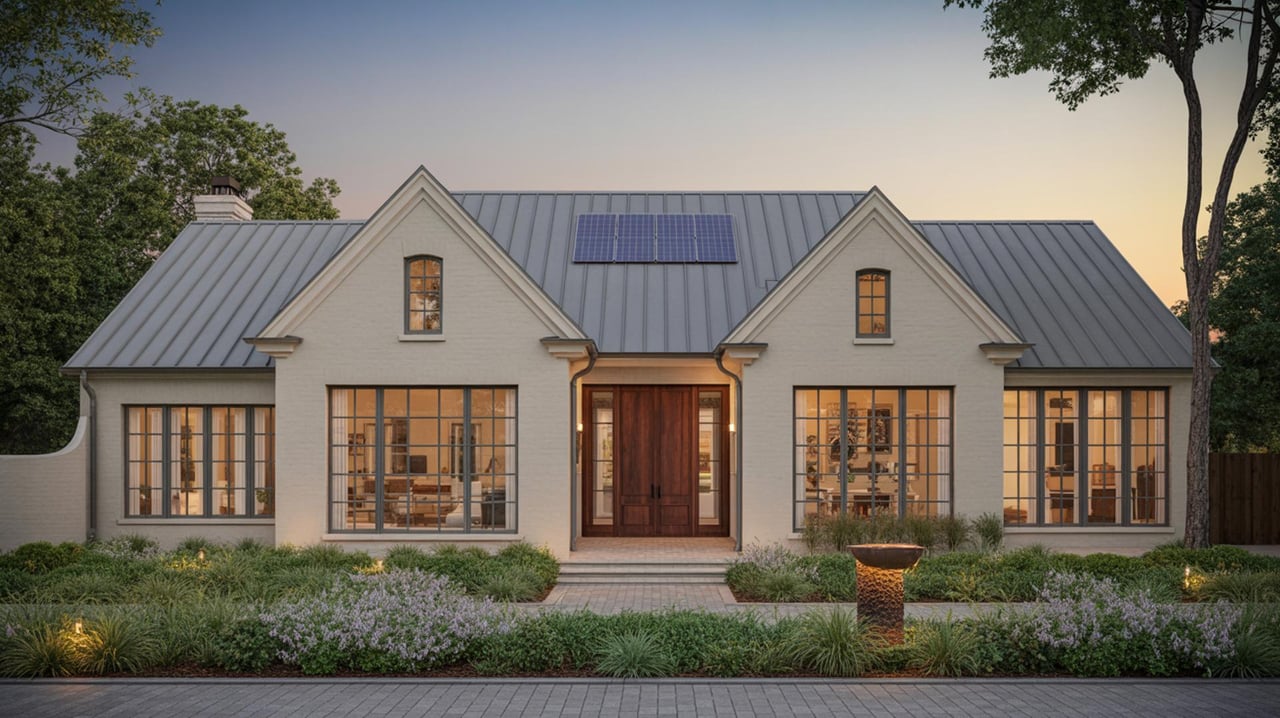
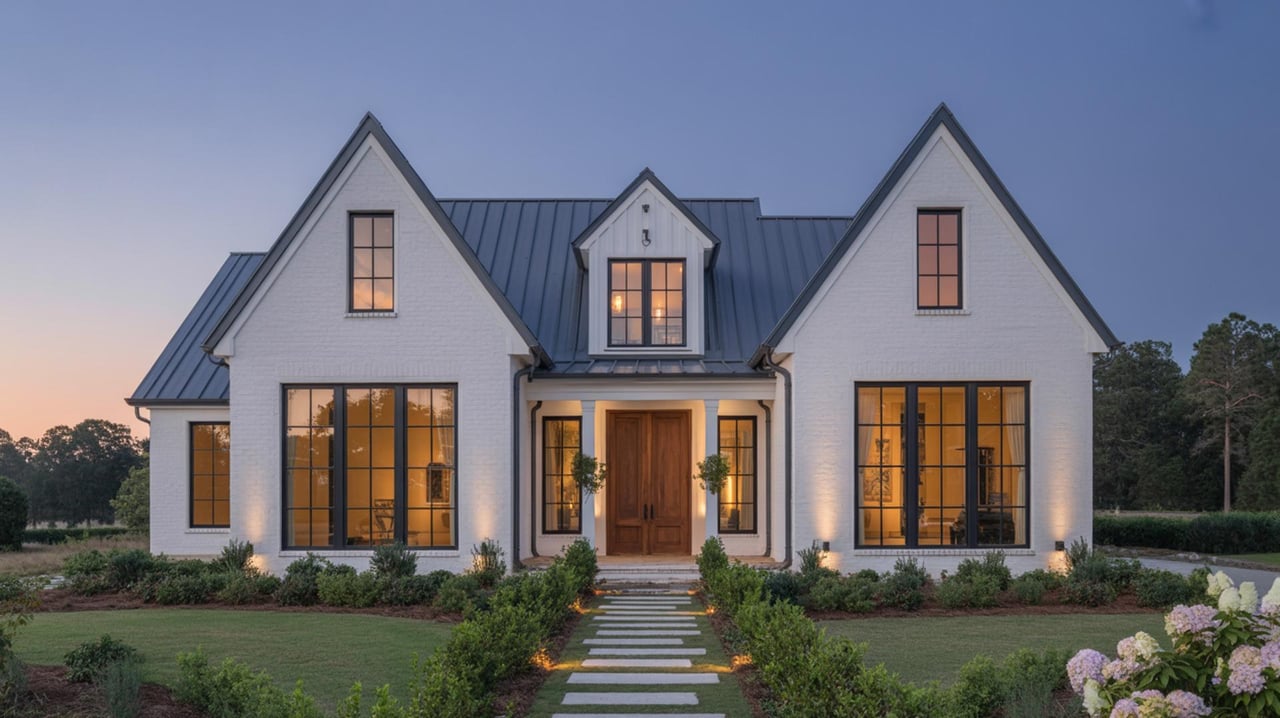
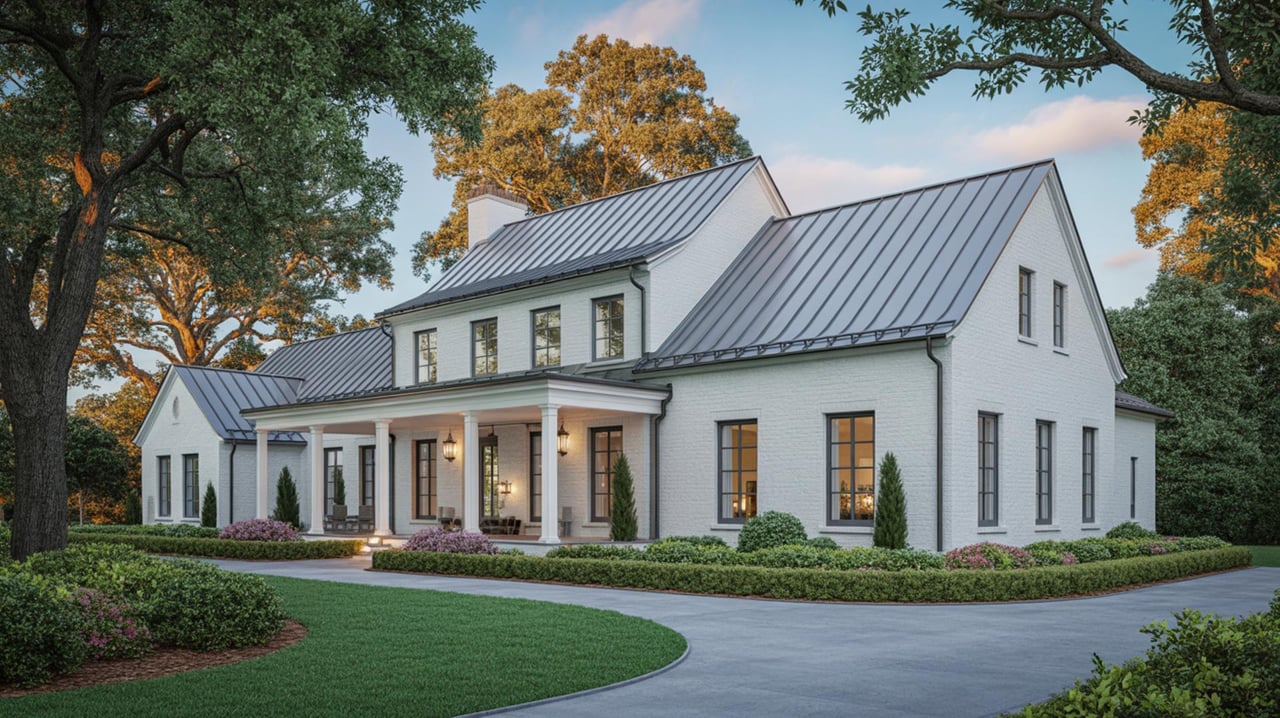
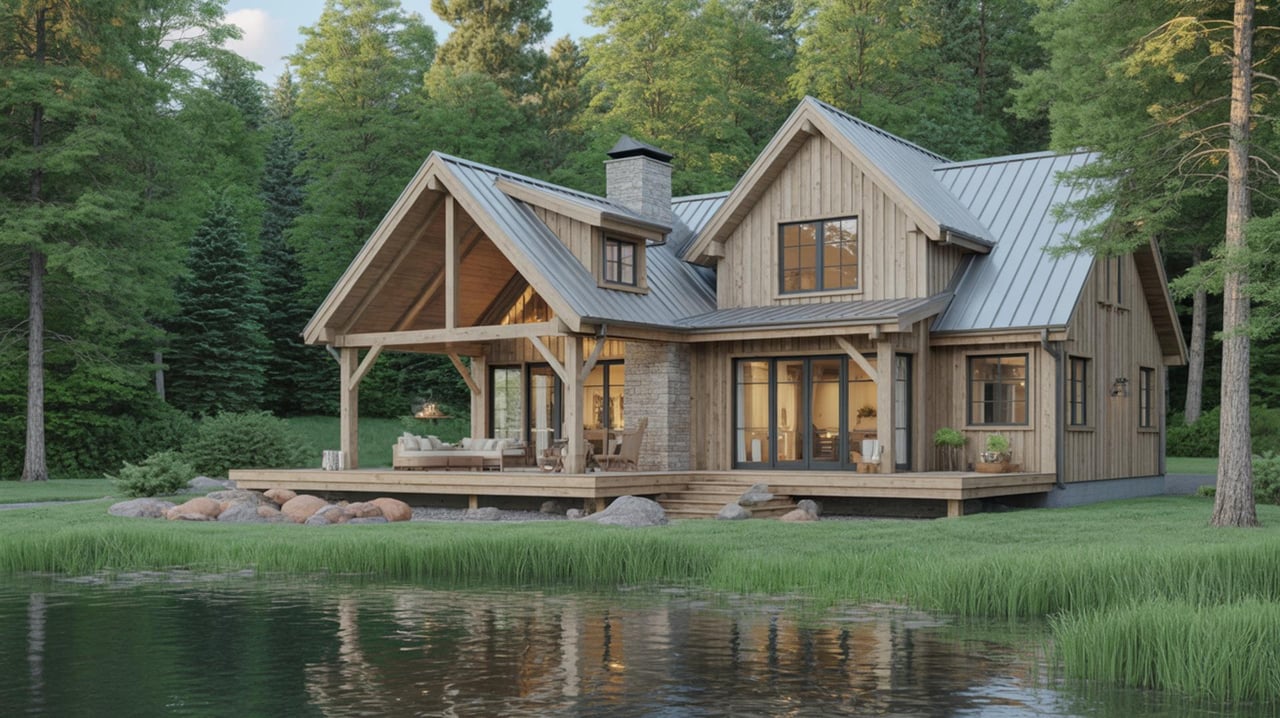
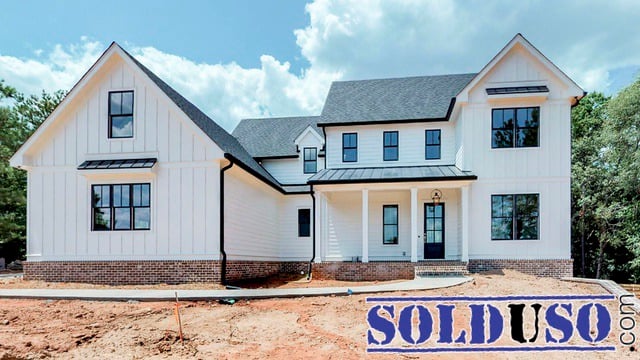
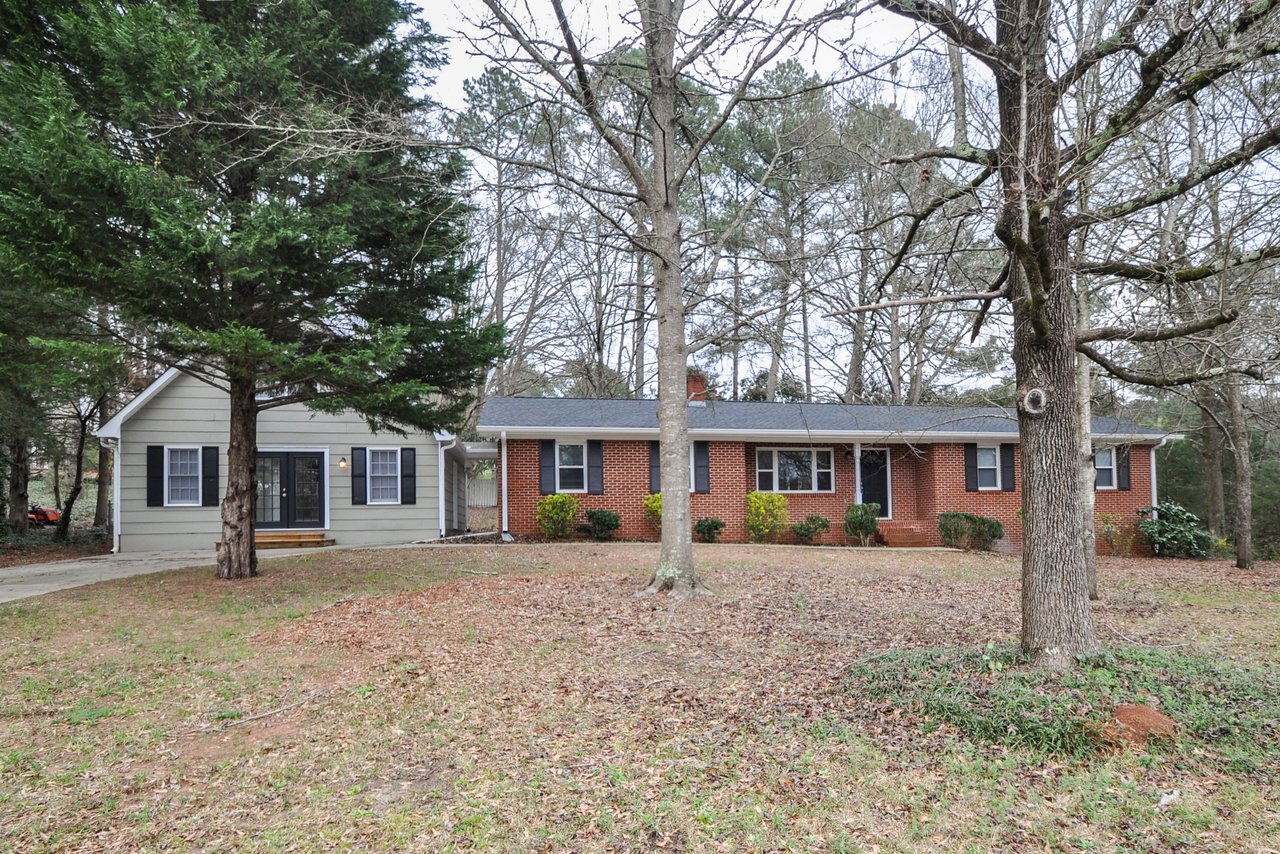
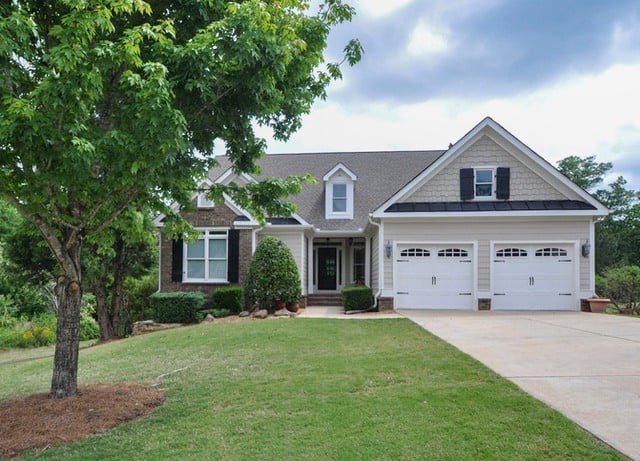
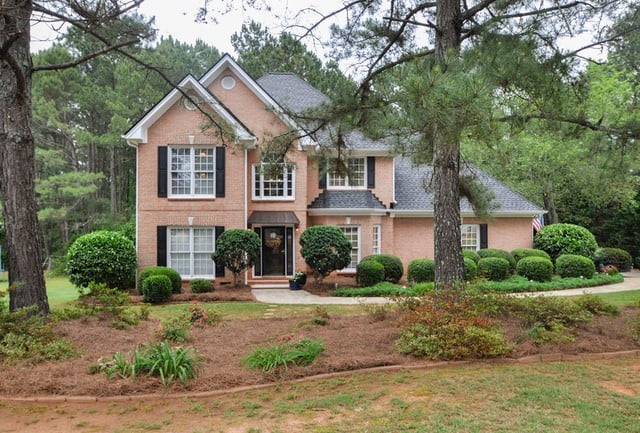
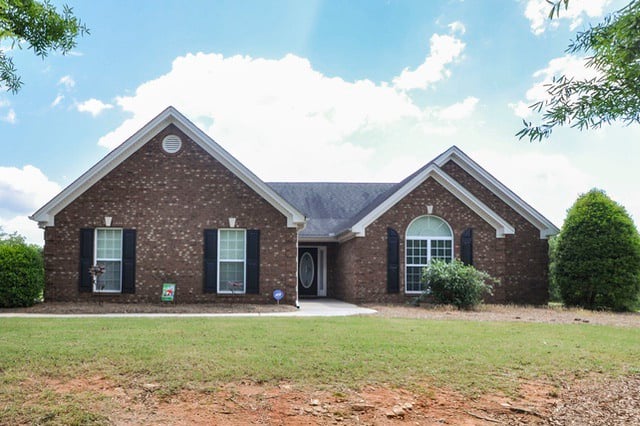
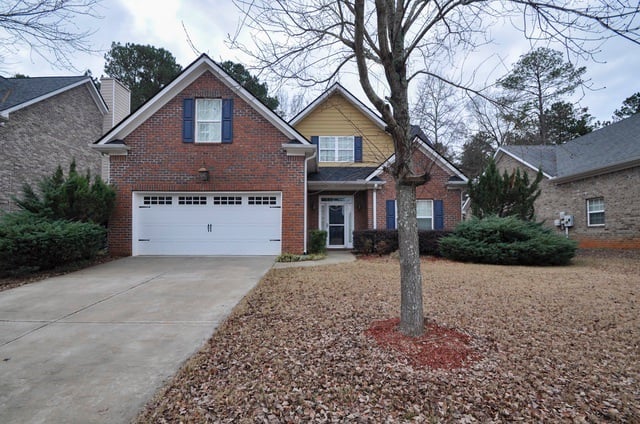
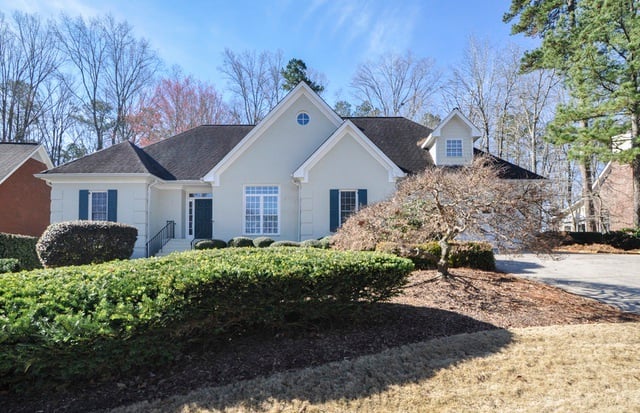
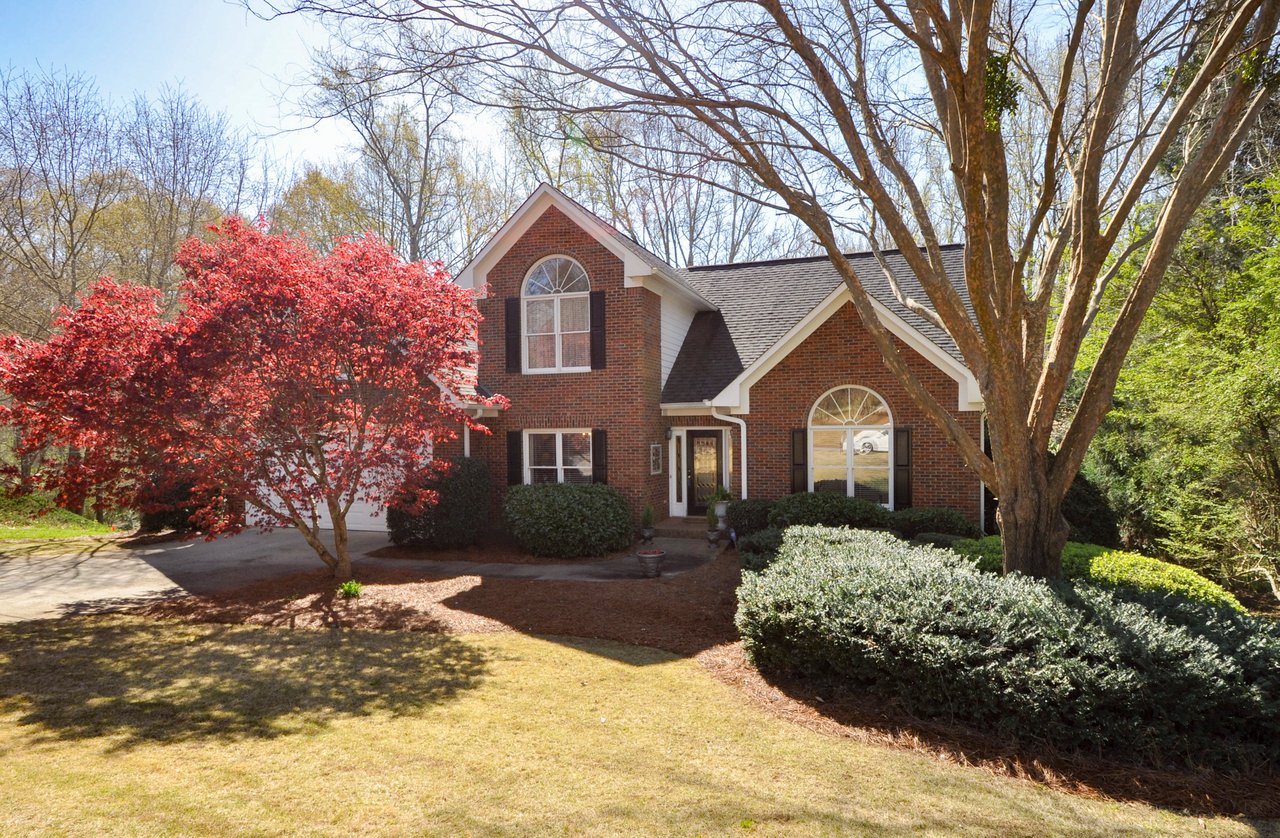
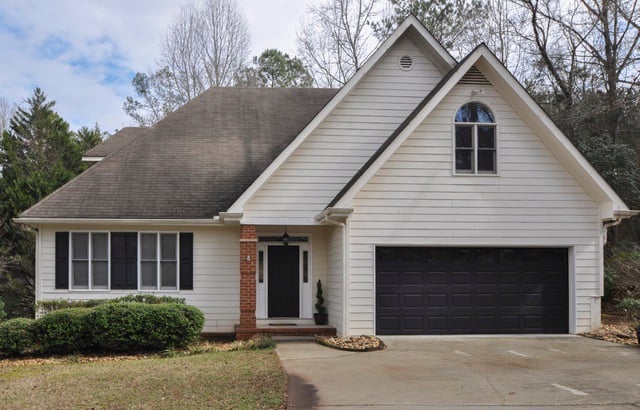
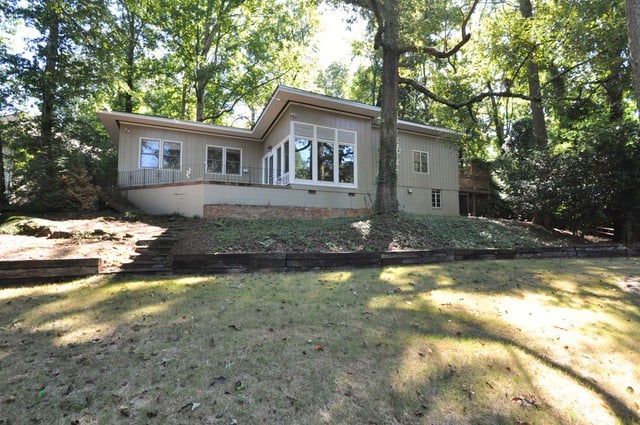
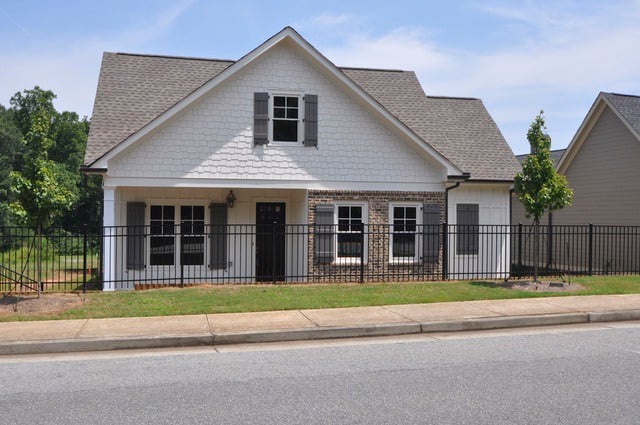
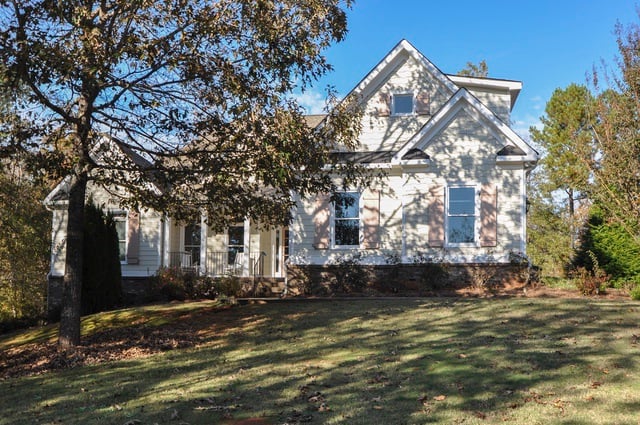
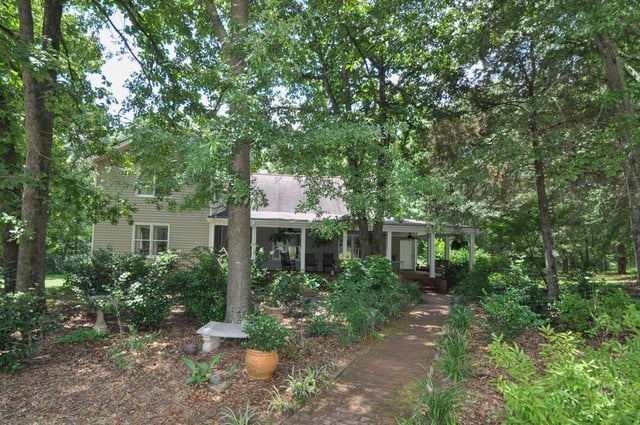
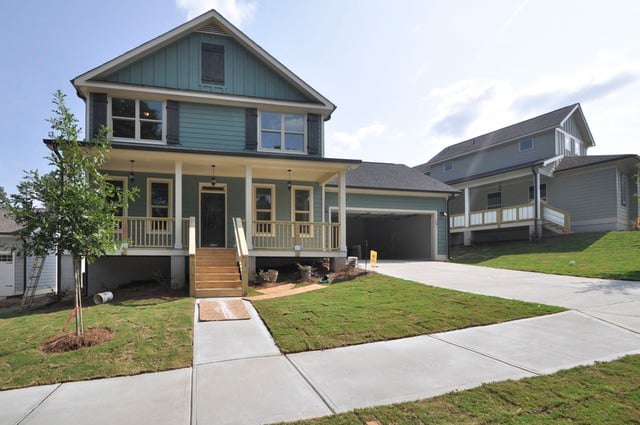
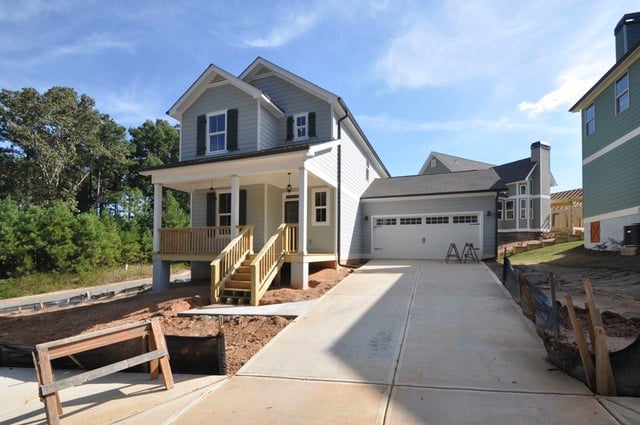
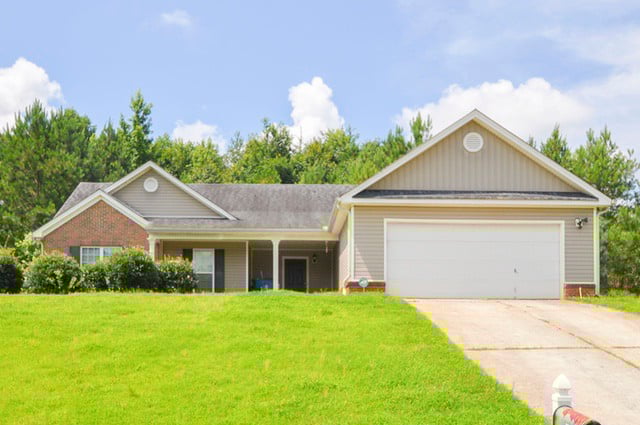
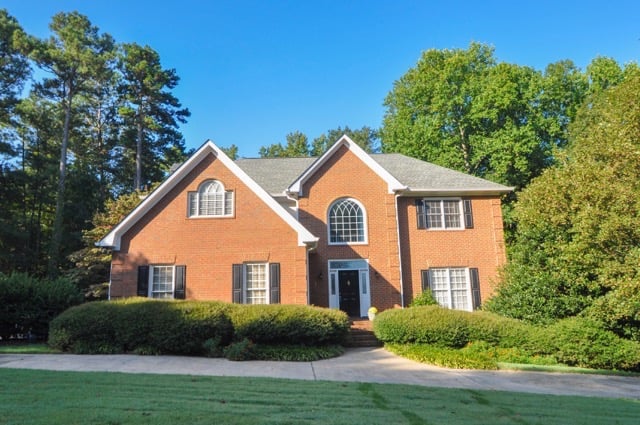
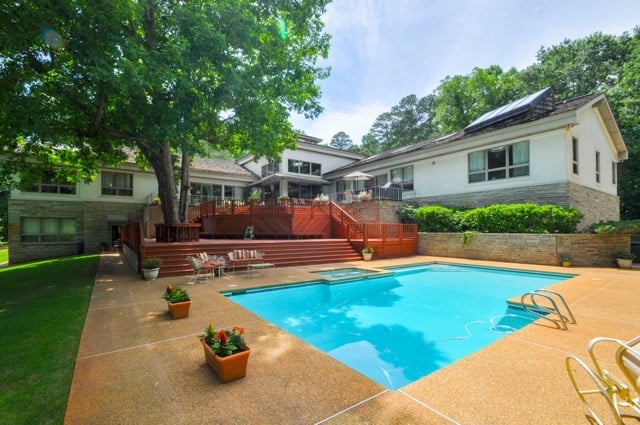
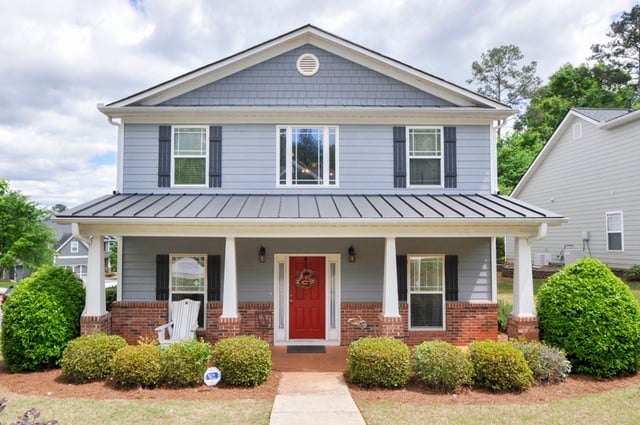
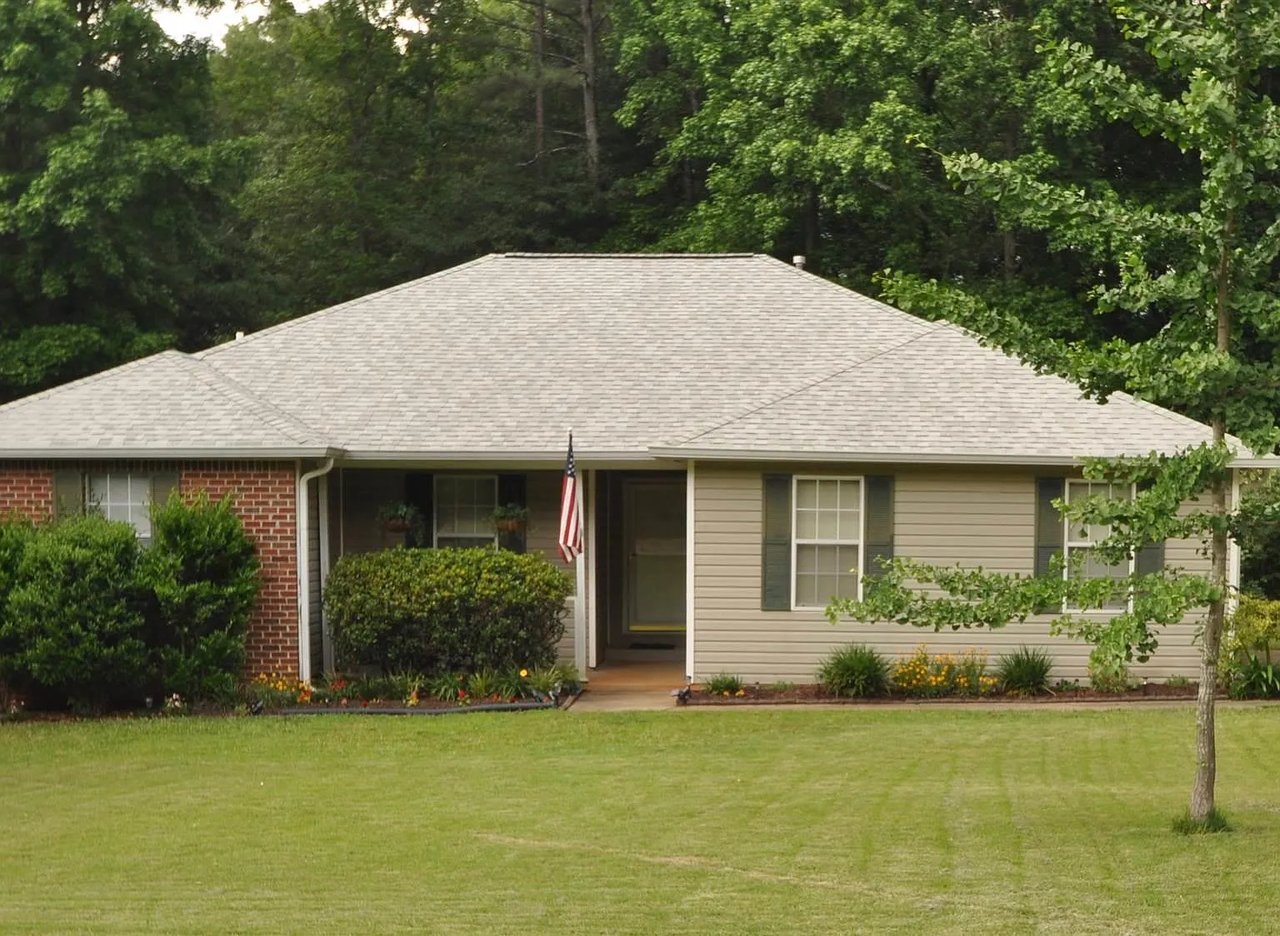
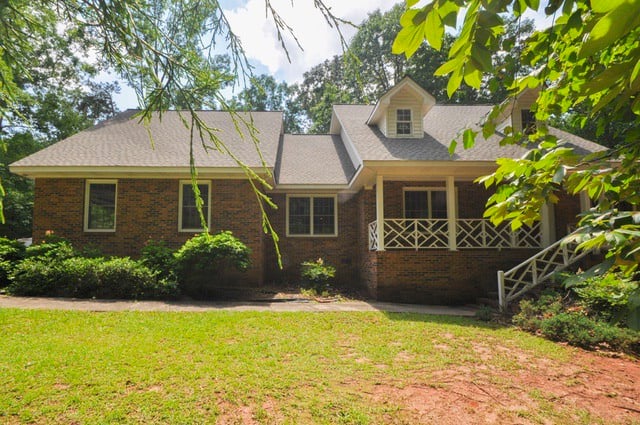
Current listing examples suggest that Lake Seed real estate tends to lean toward cabin-style and single-family waterfront homes rather than large resort-style development. Available examples in the market have included homes ranging from 2-bedroom lakefront properties to larger 4-bedroom homes, as well as some parcels with more acreage.
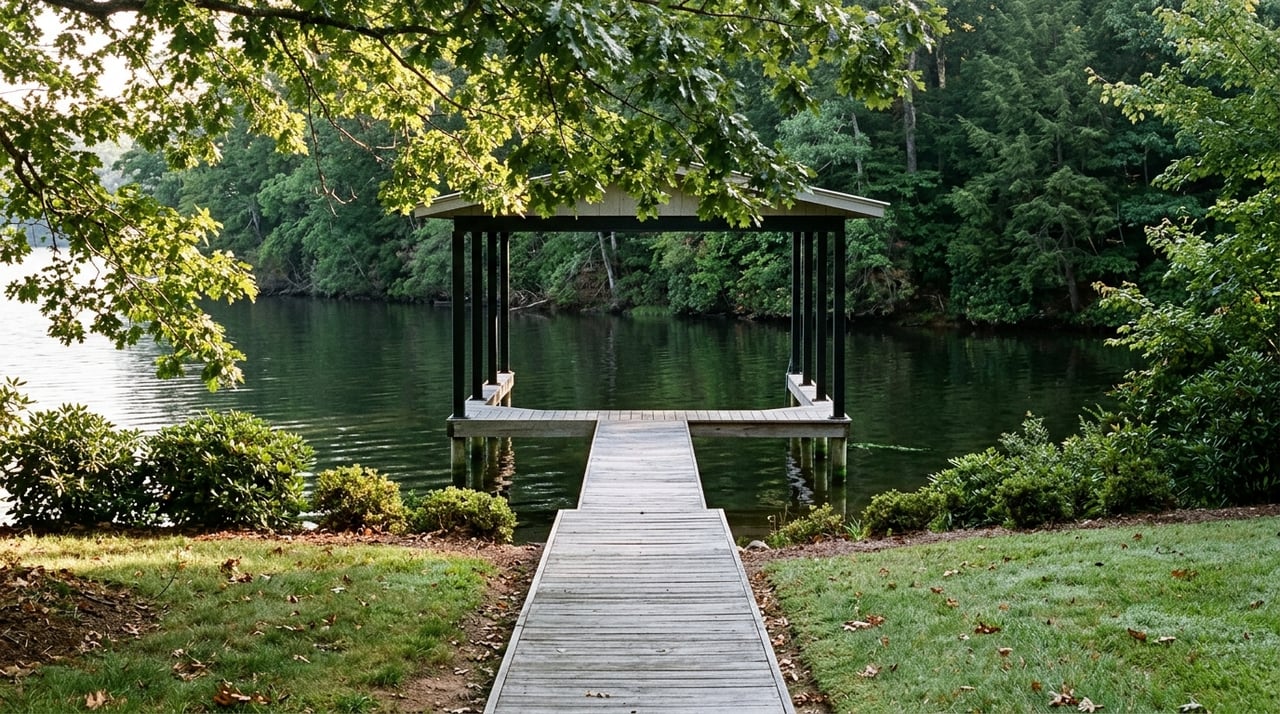
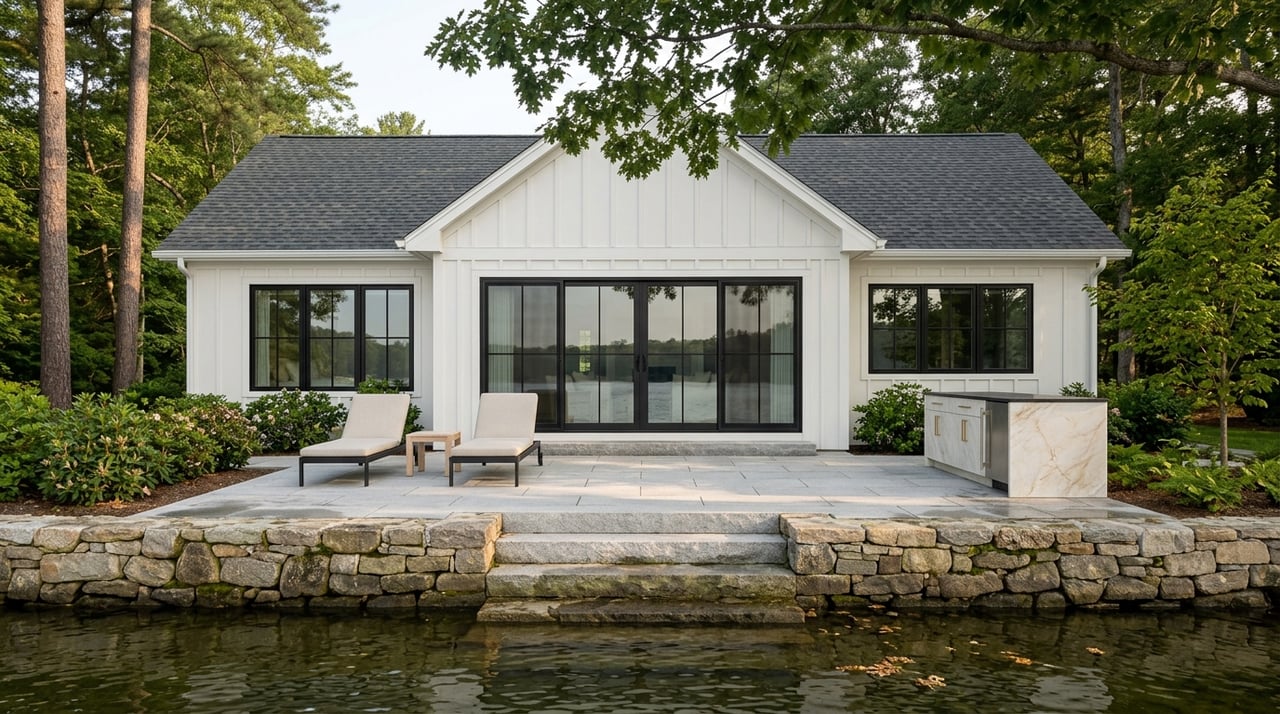
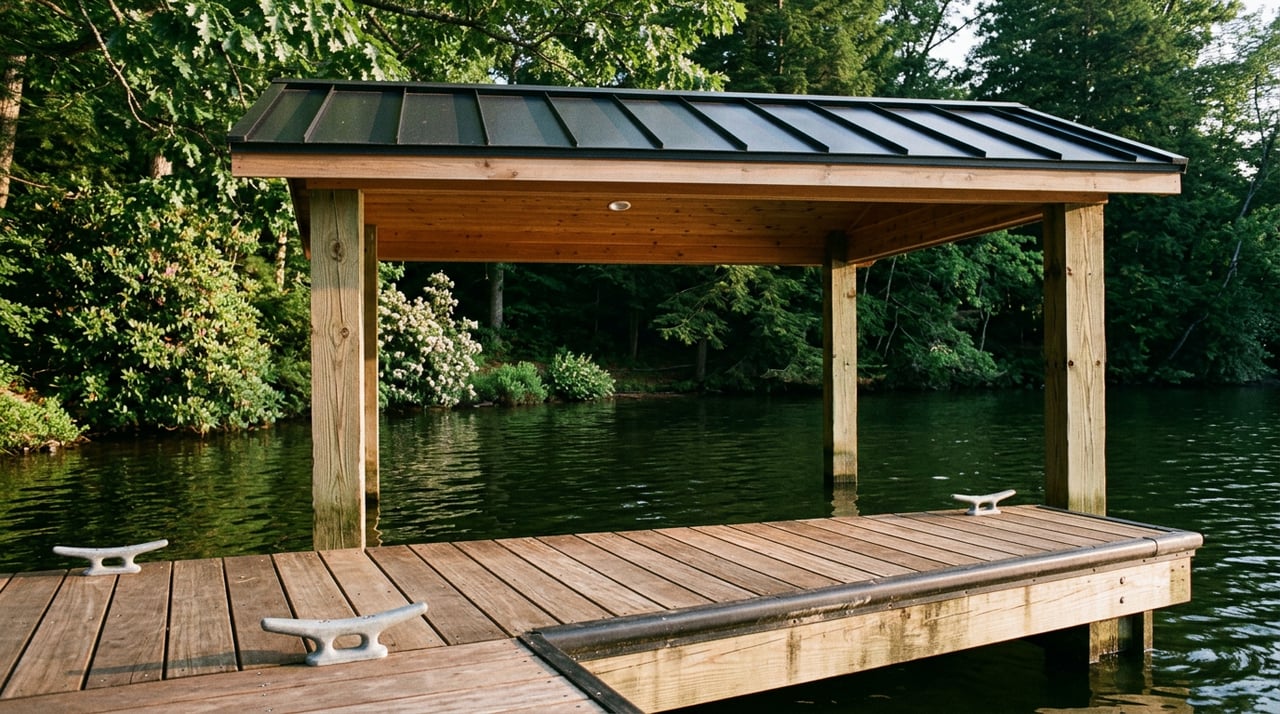
Those examples also show that waterfront features can vary quite a bit. Listings have highlighted items such as deep-water access, seawalls, stationary docks, swim docks, boathouses, and utility-company-controlled shoreline. In some cases, listings also note leased-land ownership, which can affect how you evaluate the property.
The big takeaway is simple: on Lake Seed, the house is only part of the story. The lot type, shoreline setup, and ownership structure can be just as important as square footage or bedroom count.
Understanding Lakefront Ownership
This is one of the most important parts of buying on Lake Seed. Georgia Power separates North Georgia lake property into residential lease lots, access lots, and private-owned lots, and each category works differently.
Here is a simple breakdown:
| Lot Type | What It Means |
|---|---|
| Residential lease lot | Georgia Power owns the land, and the property owner owns the improvements |
| Access lot | Georgia Power owns a strip between the lake and the privately owned property |
| Private-owned lot | The property owner owns to the high-water mark, but Georgia Power may still retain project-boundary and flood rights |
If you are comparing two waterfront properties, this difference can directly affect use, closing requirements, and long-term plans for the site. It is one reason lakefront buying in Rabun County benefits from careful review before you commit.
Why Due Diligence Matters More Here
According to Georgia Power, lake property requires the proper legal agreement, and lease transfers must occur with closing. It also notes that surveys may be required and that it will not issue permits to new owners or validate existing shoreline structures until the legal agreement is in place. You can review those details on Georgia Power’s buying and leasing guidance.
That means your due diligence should go beyond the home inspection. You will also want to understand whether a dock, seawall, boathouse, or other shoreline feature is properly documented and whether the ownership structure matches your expectations.
For many buyers, this is the moment when professional guidance becomes especially valuable. A beautiful lake house can still have questions tied to lease transfer, shoreline permissions, or survey needs, so it helps to work through those items early.
Shoreline Rules to Know Before You Buy
Lake Seed’s shoreline is regulated, and that matters if you plan to make changes. Georgia Power’s shoreline management rules state that it generally allows only one shoreline structure per lot and usually requires a residential structure before approving most shoreline structures on lease or privately owned lots.
The same guidance also explains that additional roofed structures on residential lease lots are generally limited to areas outside the project boundary or at least 50 feet from the shoreline, whichever is greater. That can affect future plans for storage, outdoor gathering areas, or accessory improvements.
Another key rule is the 25-foot vegetative buffer. Clearing vegetation and changing the contour near the shoreline is not a casual weekend project, so buyers should factor that into any renovation or landscaping plans.
What to Look For in a Lake Seed Property
When you tour homes or evaluate lots, try to look past the view for a moment and focus on how the property actually functions. A strong fit usually comes down to the combination of house, lot, shoreline features, and legal structure.
Here are a few smart questions to ask:
- Is the property on a lease lot, access lot, or private-owned lot?
- Are the dock, seawall, boathouse, or swim platform properly documented?
- Will a survey be needed for closing or transfer?
- Are there shoreline restrictions that affect your plans?
- Does the property support the kind of boating and recreation you want?
- Is the home set up more for weekend use, seasonal use, or full-time living?
These questions can help you compare properties more clearly, especially when two homes seem similar at first glance.
Why Buyers Consider Lake Seed
For the right buyer, Lake Seed offers a compelling mix of scenery, simplicity, and access to the broader Rabun County lifestyle. You can enjoy a waterfront setting in the mountains while staying connected to destinations throughout the county.
It is also a market where the character of the lake helps shape the ownership experience. If you are looking for a quieter setting, cabin-style charm, and practical day-to-day lake use, Lake Seed may stand out in all the right ways.
If you are weighing a mountain getaway, second home, or waterfront purchase in Northeast Georgia, working with an experienced advisor can help you sort through the details that matter most. For personalized guidance on North Georgia lifestyle and second-home opportunities, connect with Jennifer Westmoreland.
FAQs
What is Lake Seed in Rabun County known for?
- Lake Seed is known for being a smaller mountain lake in Rabun County with 240 acres, 13 miles of shoreline, and a quieter, lower-key feel than some larger nearby lakes.
What types of homes are common on Lake Seed?
- Lake Seed listings commonly show cabin-style and single-family waterfront homes, with features such as docks, seawalls, boathouses, and a mix of lot sizes.
What should buyers know about Lake Seed lot ownership?
- Buyers should know that Lake Seed properties may be residential lease lots, access lots, or private-owned lots, and each structure affects land rights, shoreline access, and closing requirements differently.
Are shoreline improvements regulated on Lake Seed?
- Yes. Georgia Power regulates shoreline structures, limits what can be added on many lots, and protects a 25-foot vegetative buffer along the shoreline.
Can you use houseboats on Lake Seed?
- No. The Georgia Department of Natural Resources prohibits boats with marine toilets, galleys, or sleeping quarters on Seed Lake.
Is Lake Seed a good fit for a second home in North Georgia?
- Lake Seed can be a strong option for buyers who want a second home focused on mountain scenery, fishing, paddling, day boating, and a quieter waterfront setting.