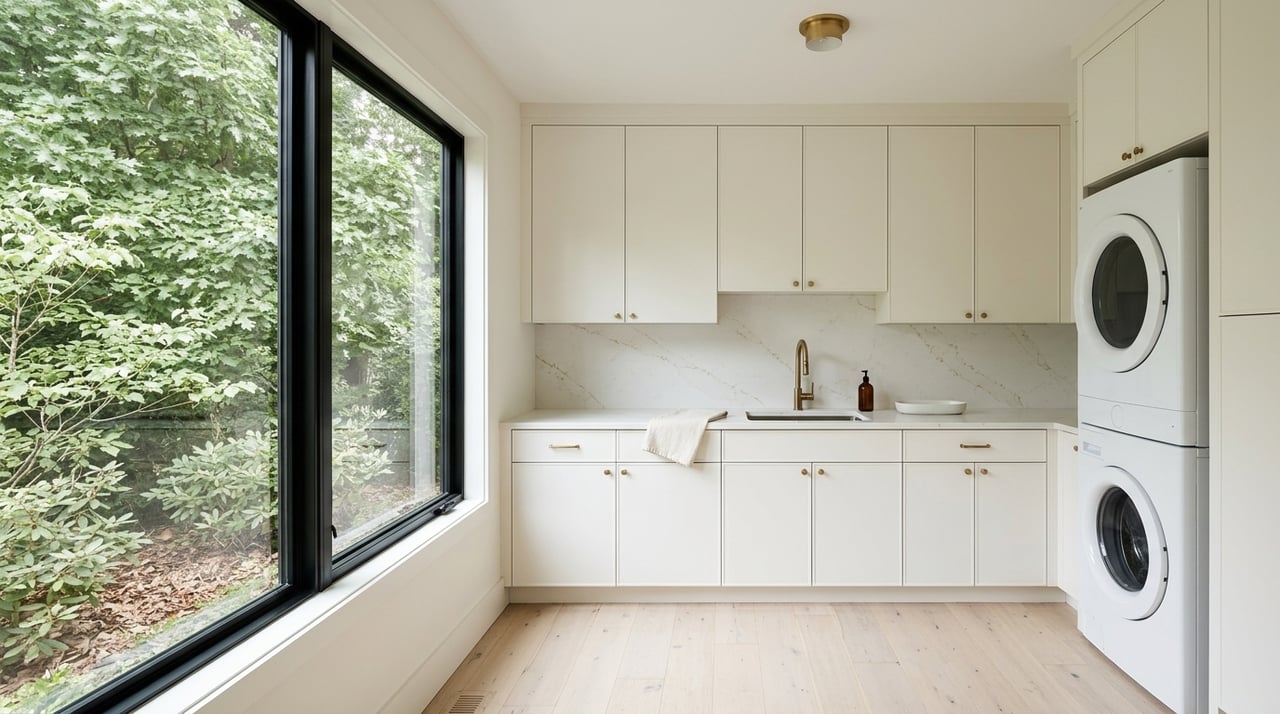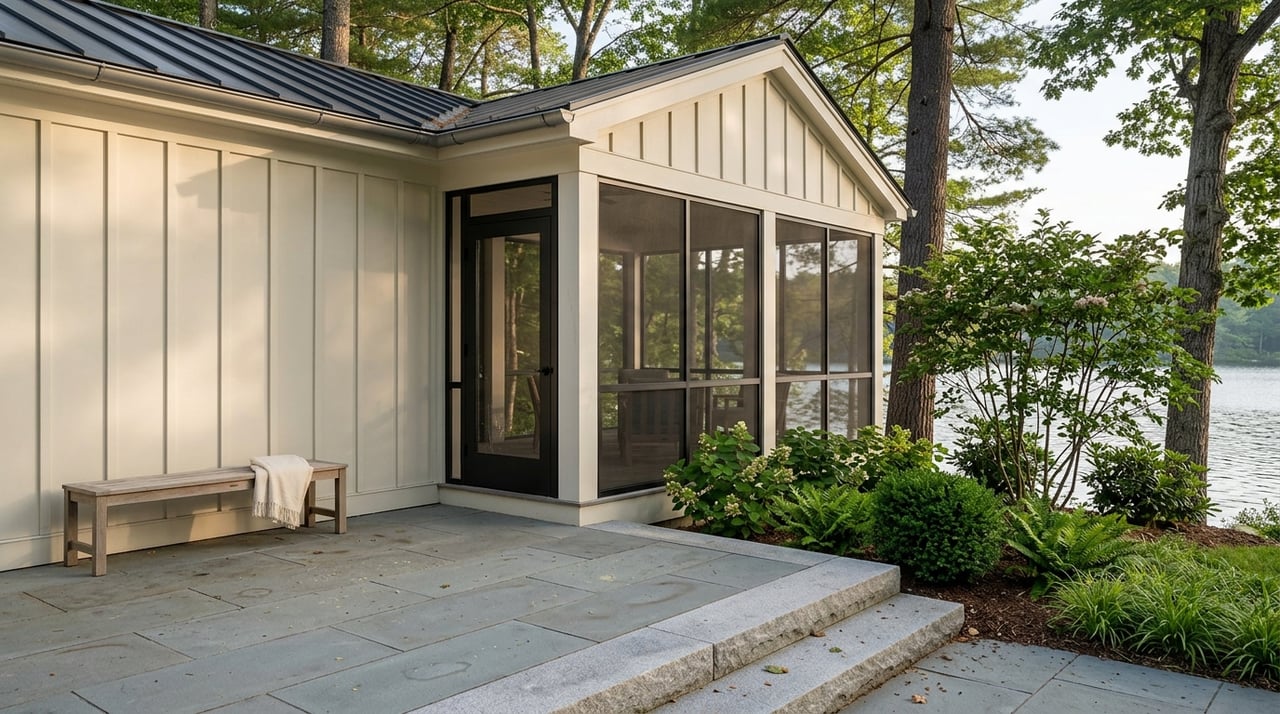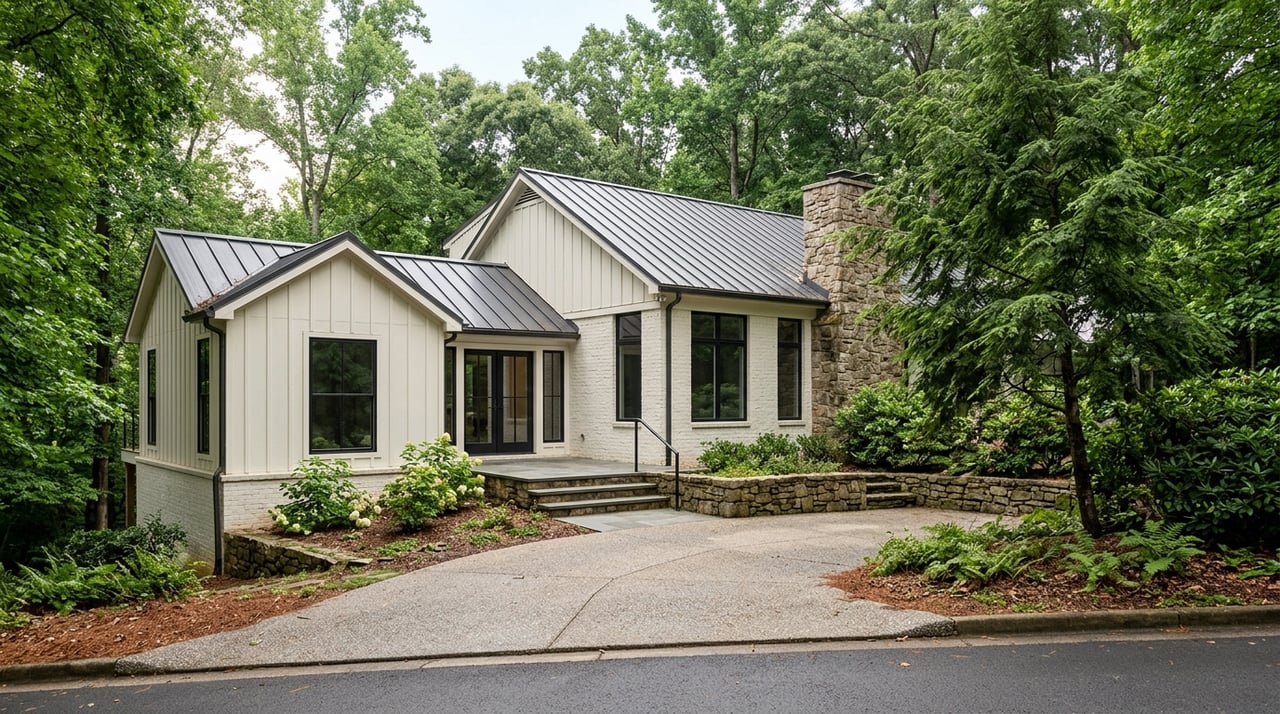
Dreaming about a mountain lake retreat where you can boat, fish, and unwind within an easy drive of Atlanta? Choosing the right second home on Lake Burton takes more than liking a view. You need to understand leases vs deeded land, dock permits, seasonality, and how the local market moves. This guide gives you clear next steps so you can buy with confidence and enjoy the lake sooner. Let’s dive in.
Why Lake Burton stands out
Lake Burton sits in the Northeast Georgia mountains and is part of a six-lake hydroelectric series. The reservoir spans about 2,775 acres with roughly 62 miles of shoreline, and the dam was completed in 1919 with the lake filled by 1920. You get clear water, mountain scenery, and a classic North Georgia lake lifestyle supported by a well-managed shoreline. For quick orientation on lake size and history, see the U.S. Army Corps appendix that summarizes Lake Burton’s profile.
Just off the water, Moccasin Creek State Park and the Lake Burton Fish Hatchery anchor recreation and family-friendly access points. The state park’s boating and paddling options make it easy to explore the water on day one. The combination of scenic coves, trout fishing, and nearby trails explains why second-home demand stays steady year after year.
U.S. Army Corps lake overview | Moccasin Creek State Park boating
Property types you will see
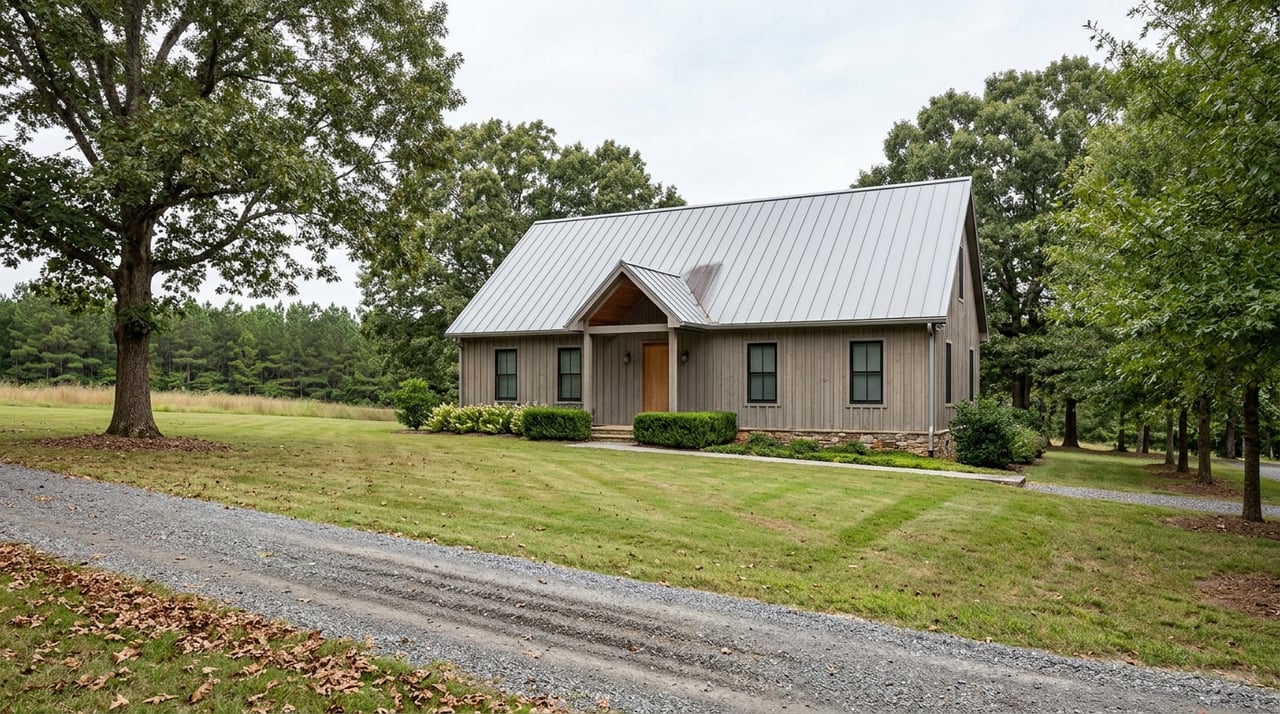
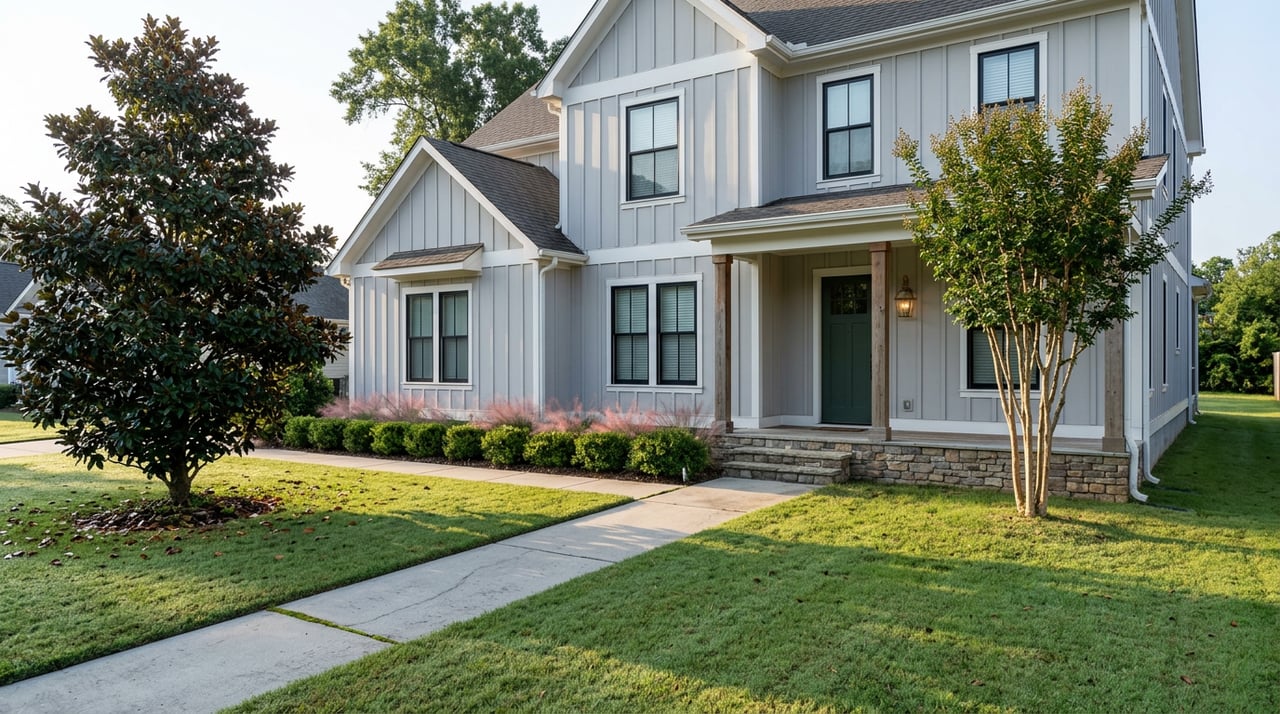
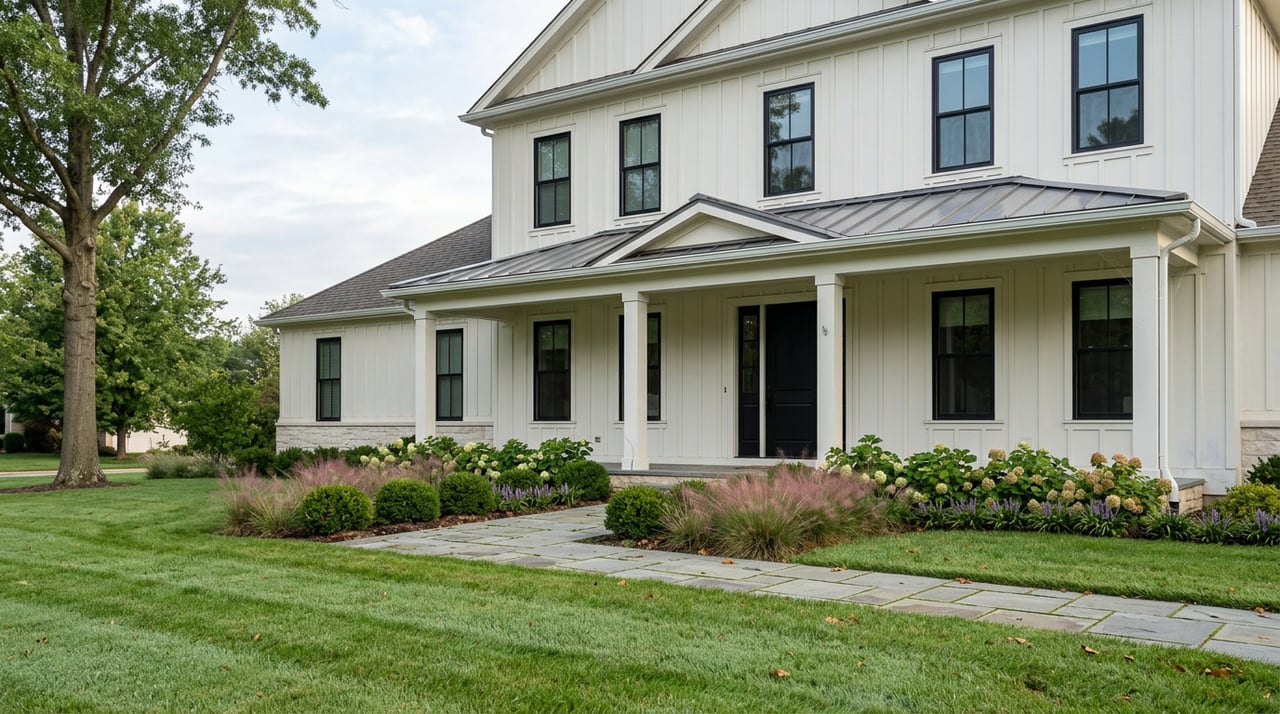
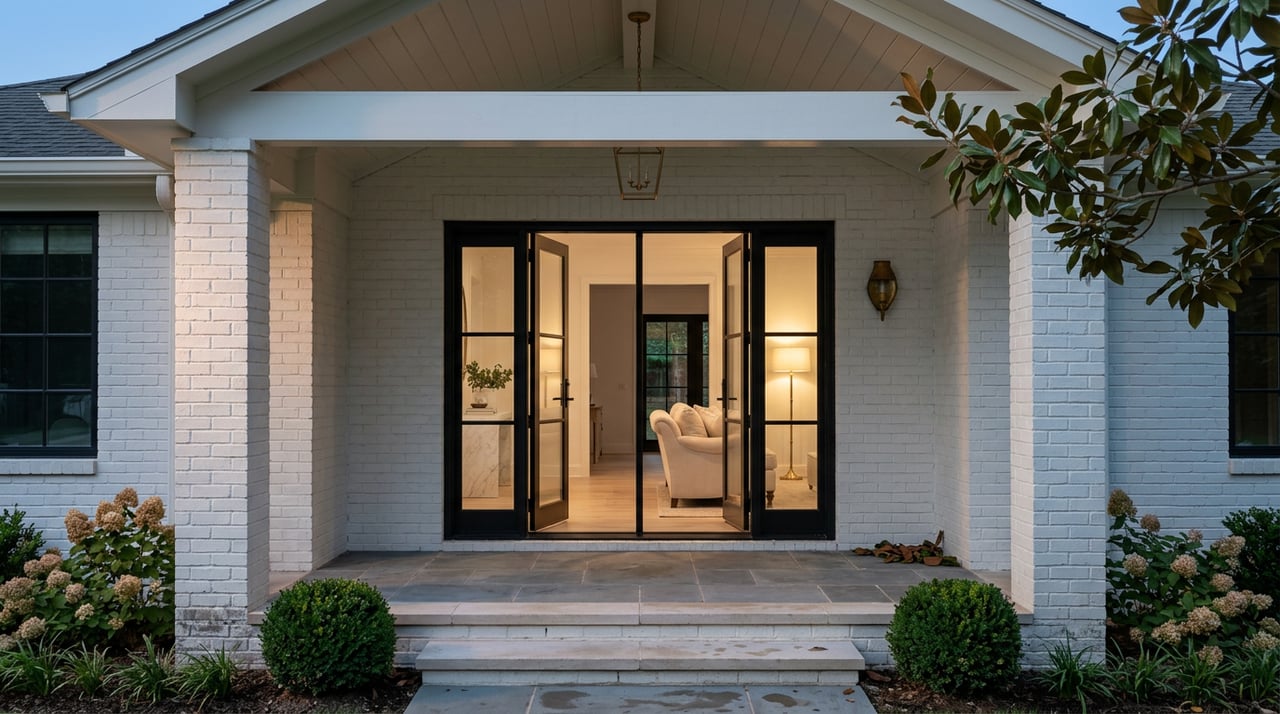
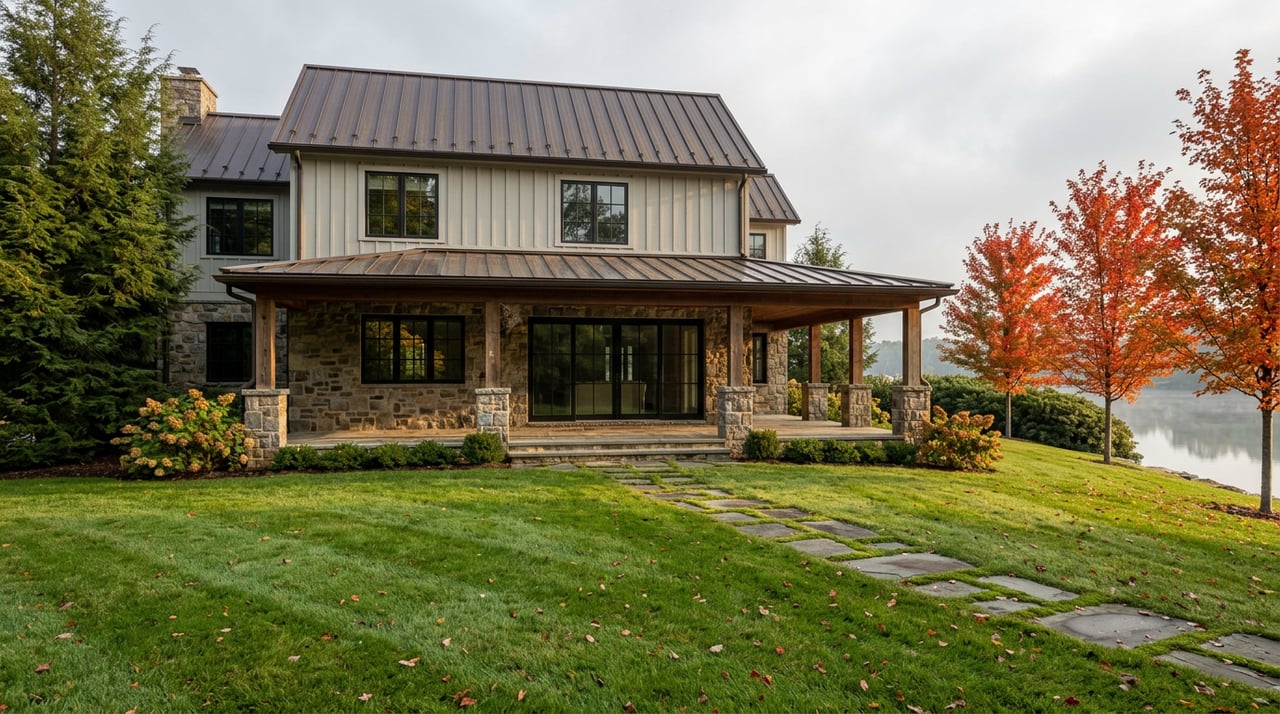
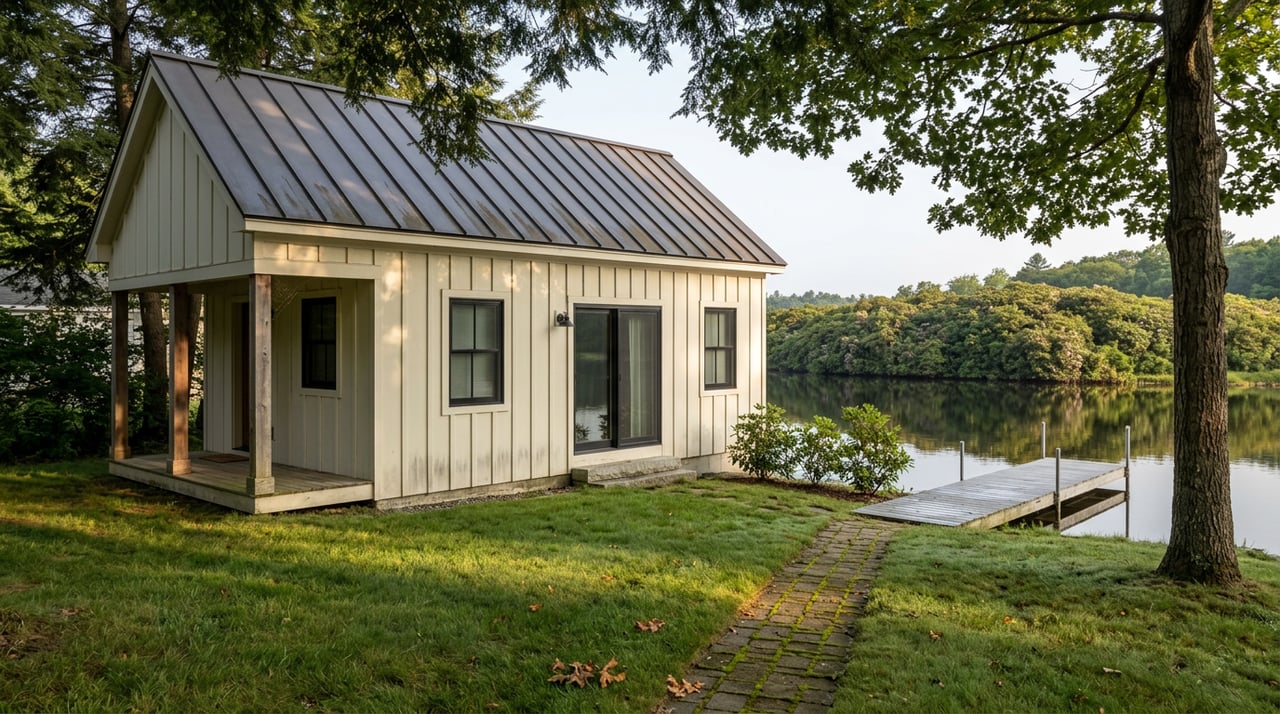
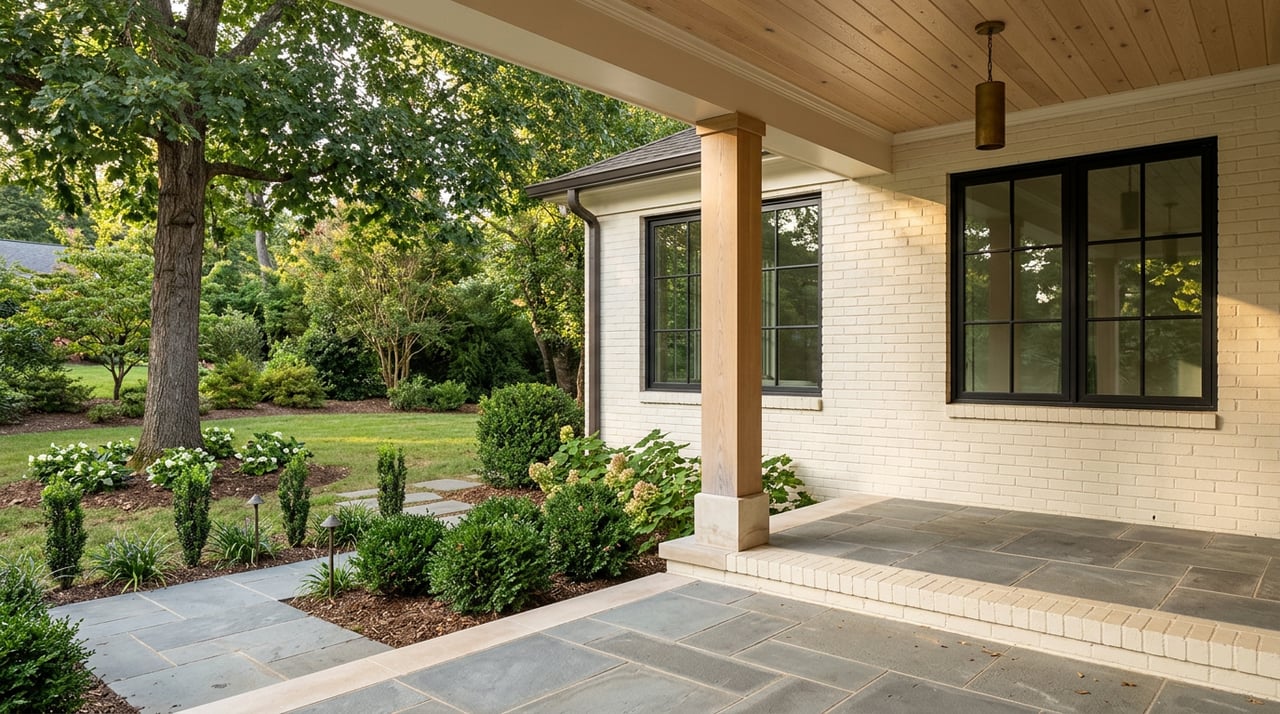
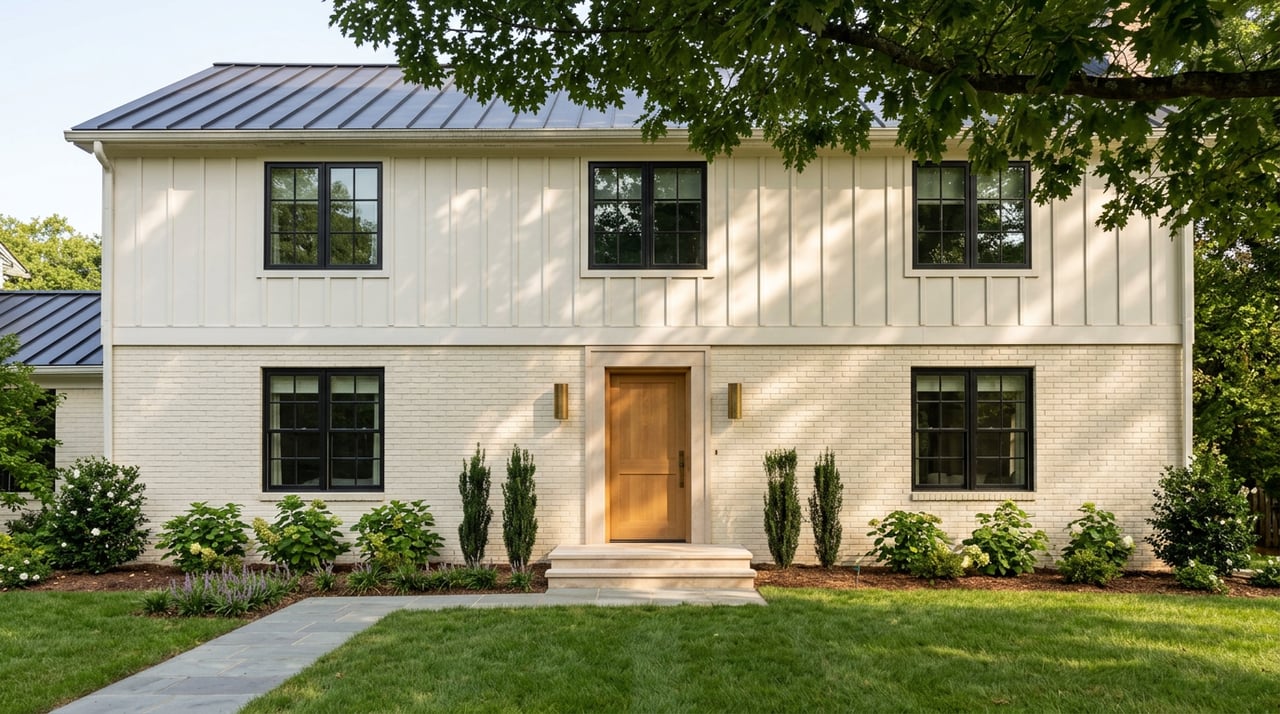
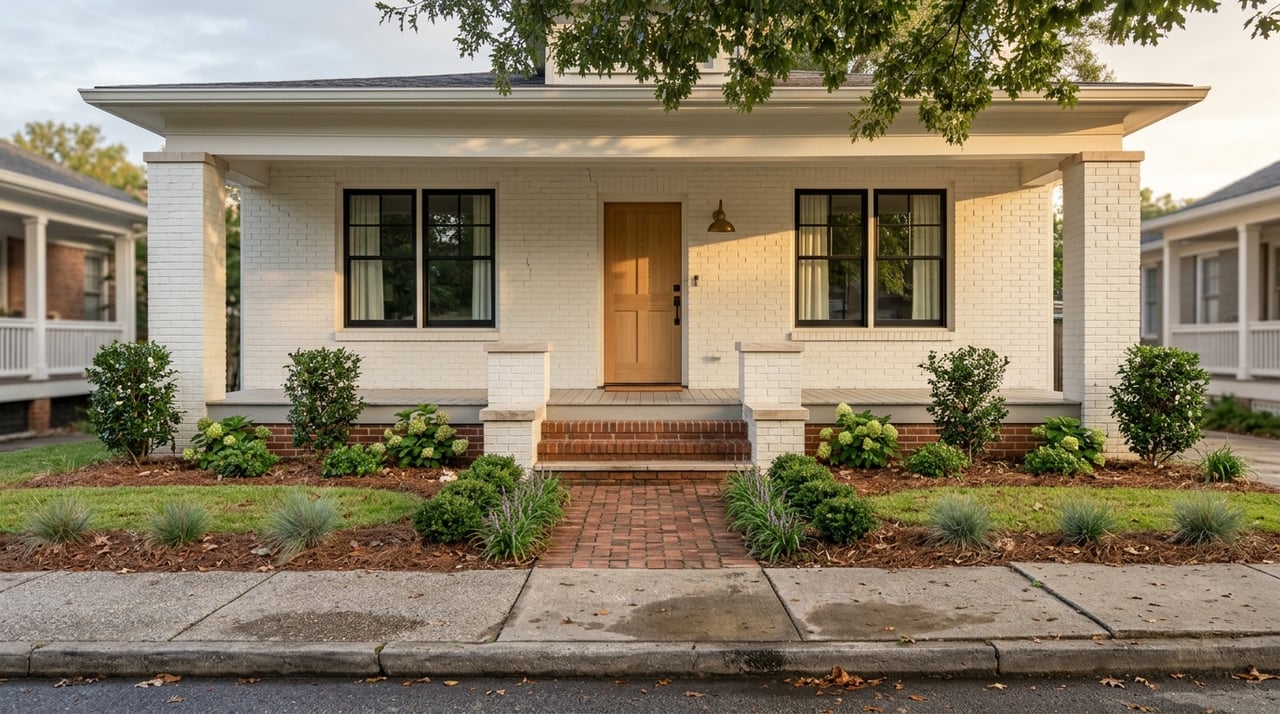
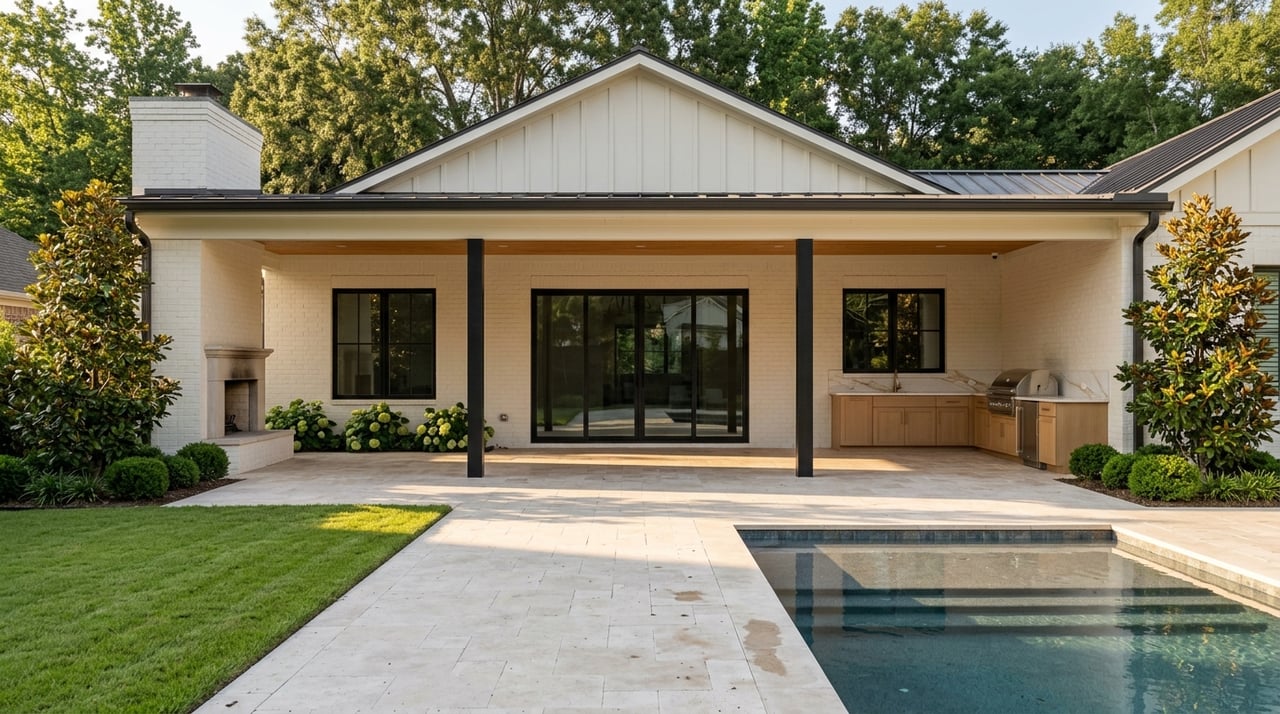
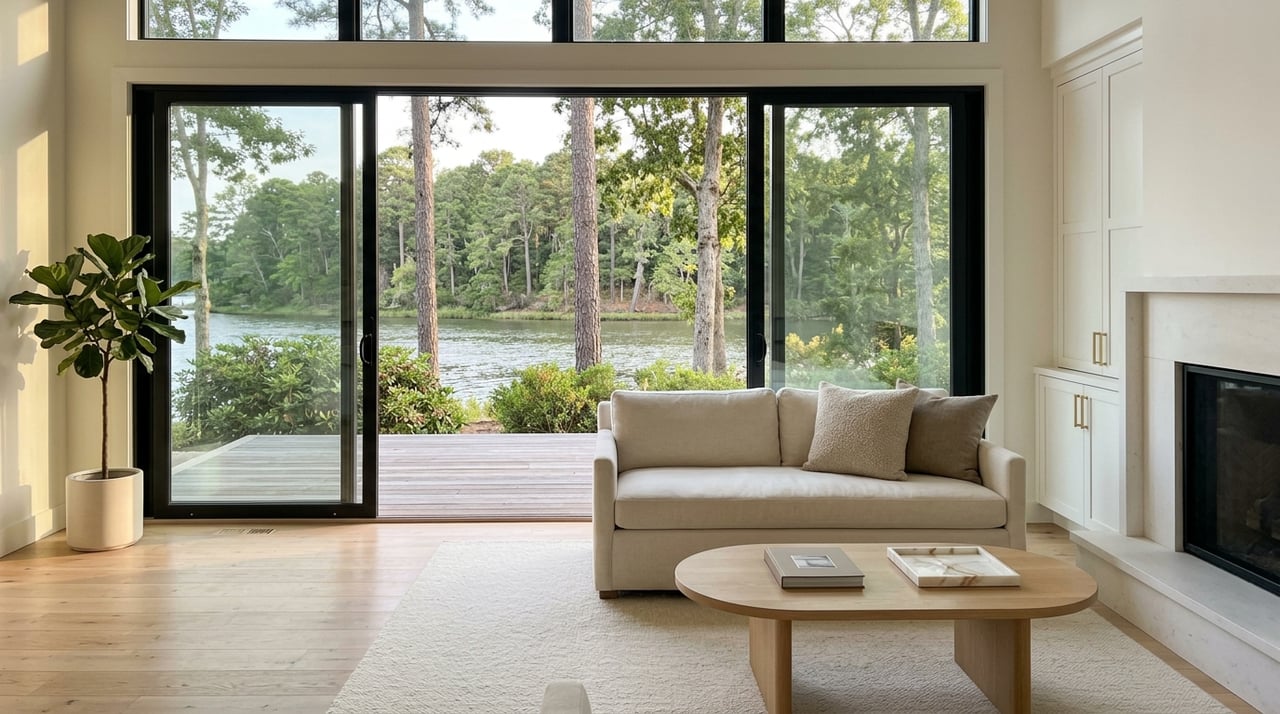
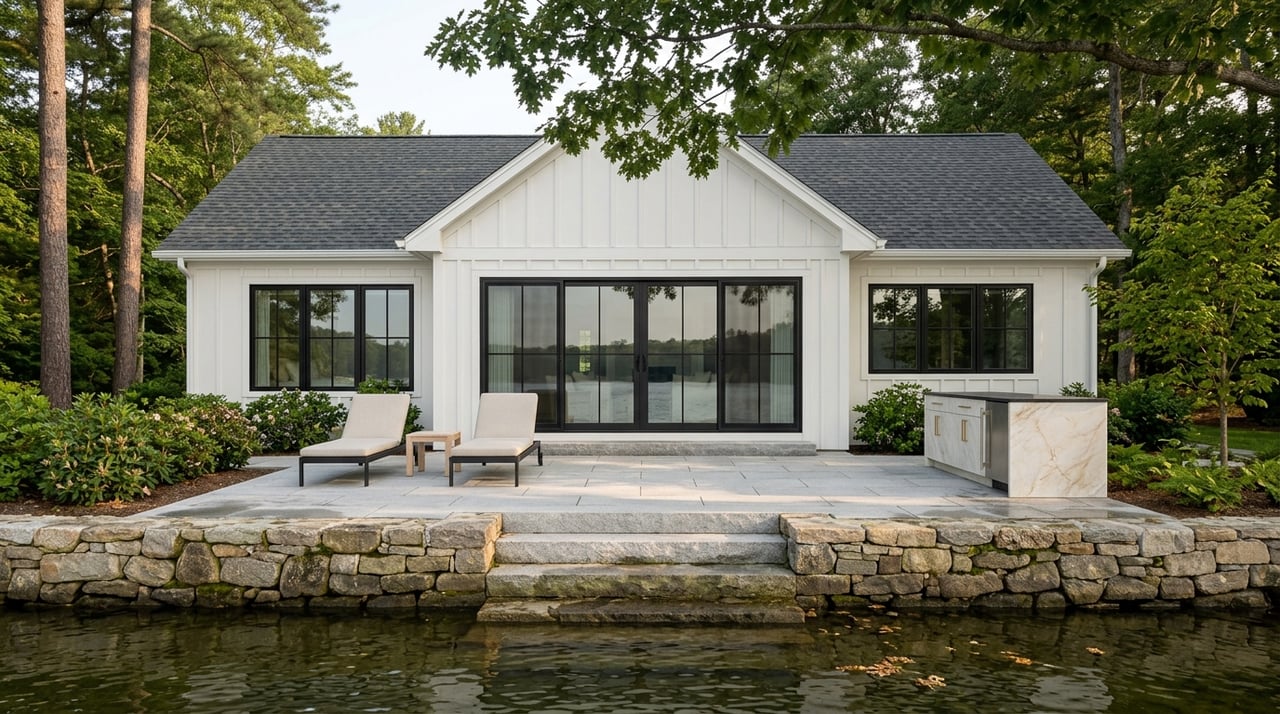
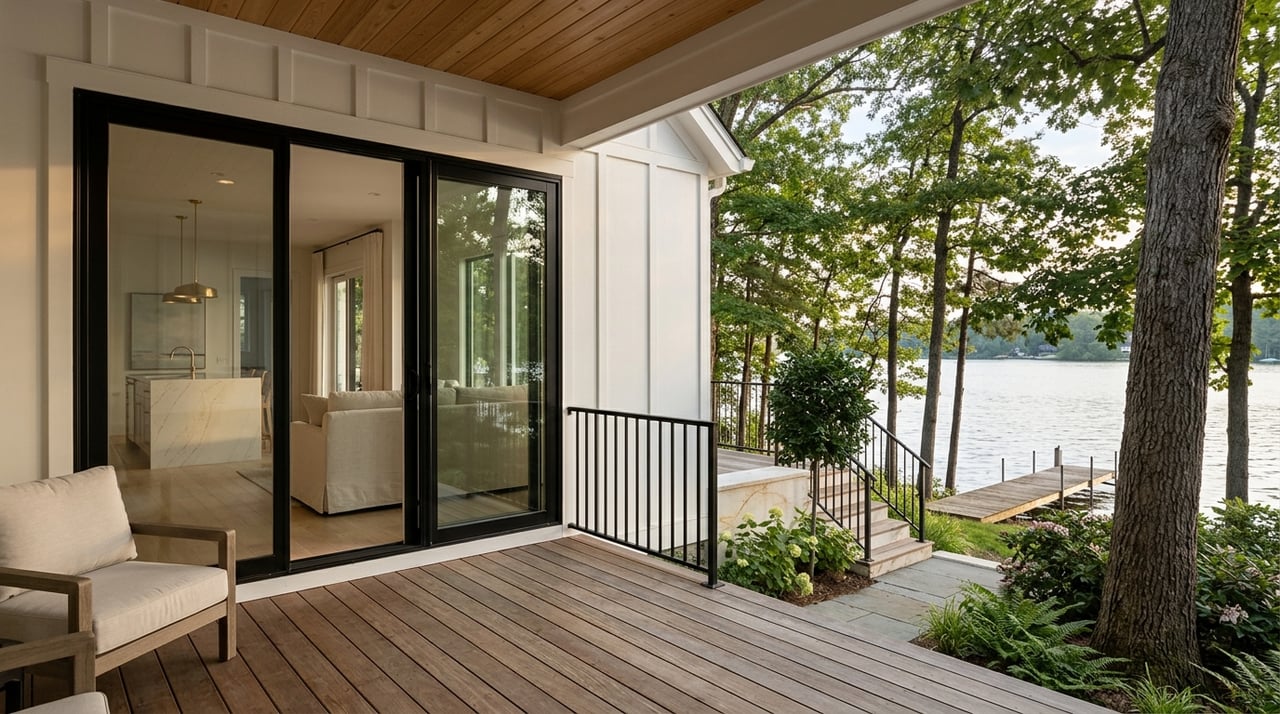
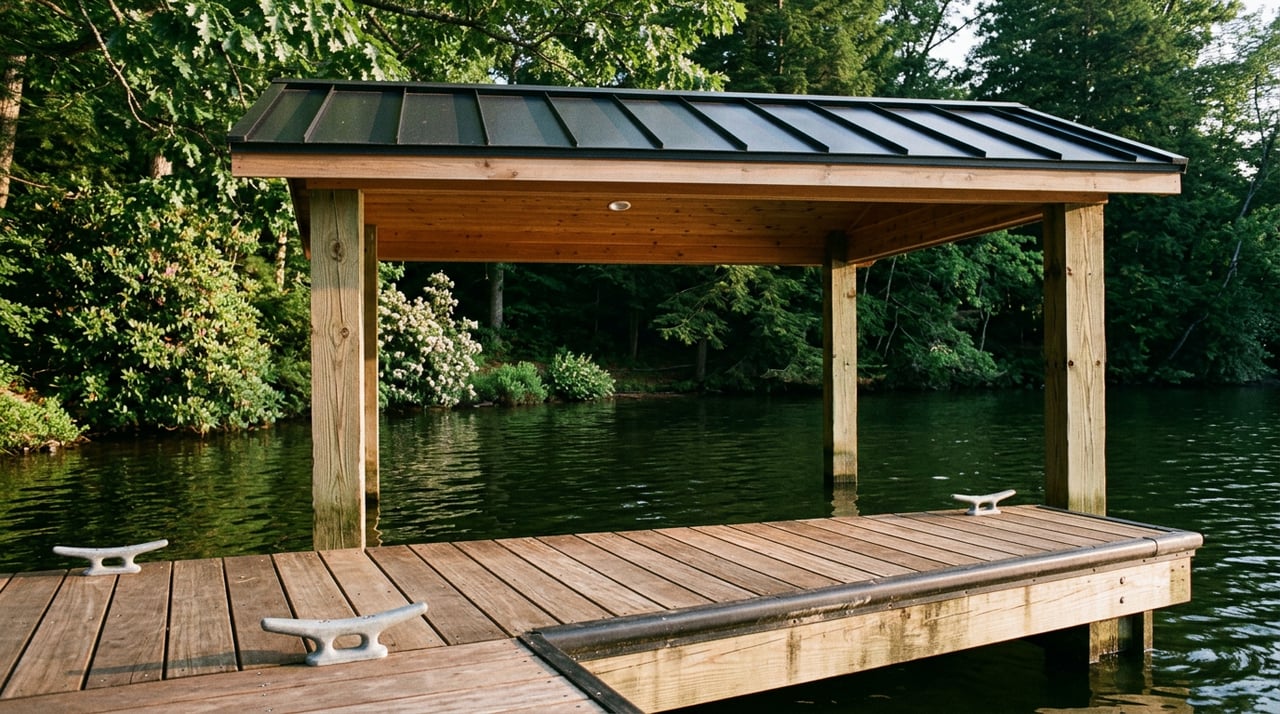
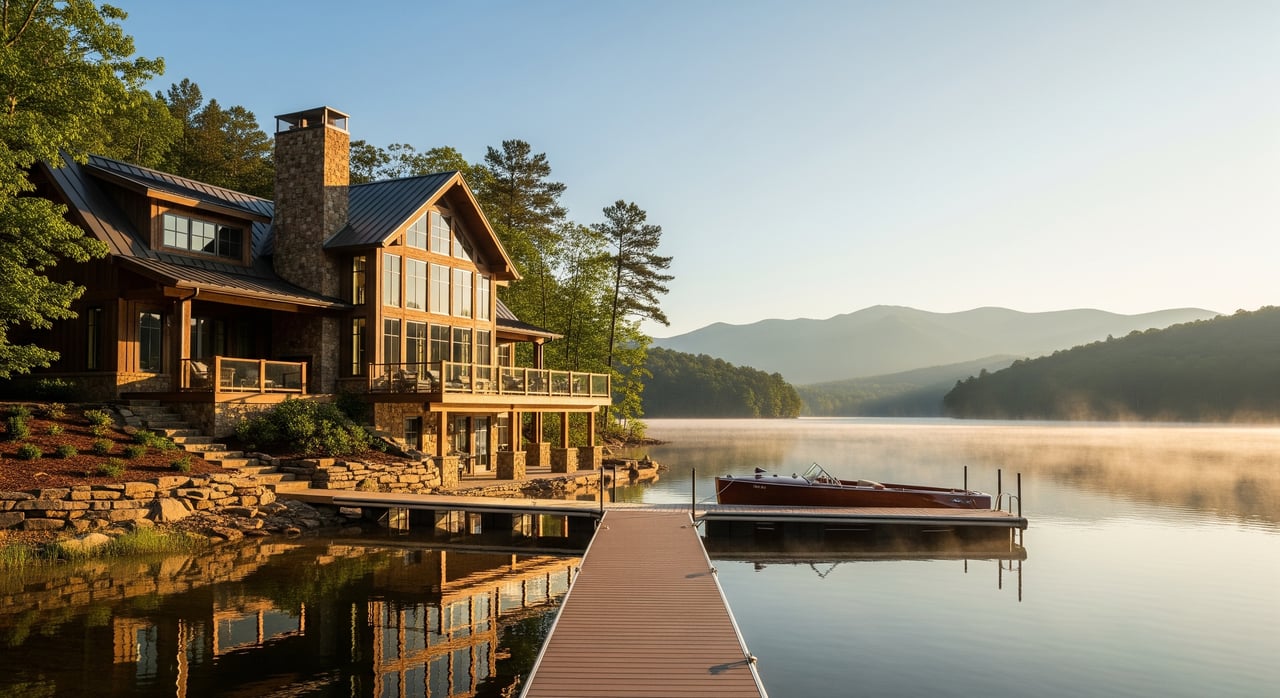
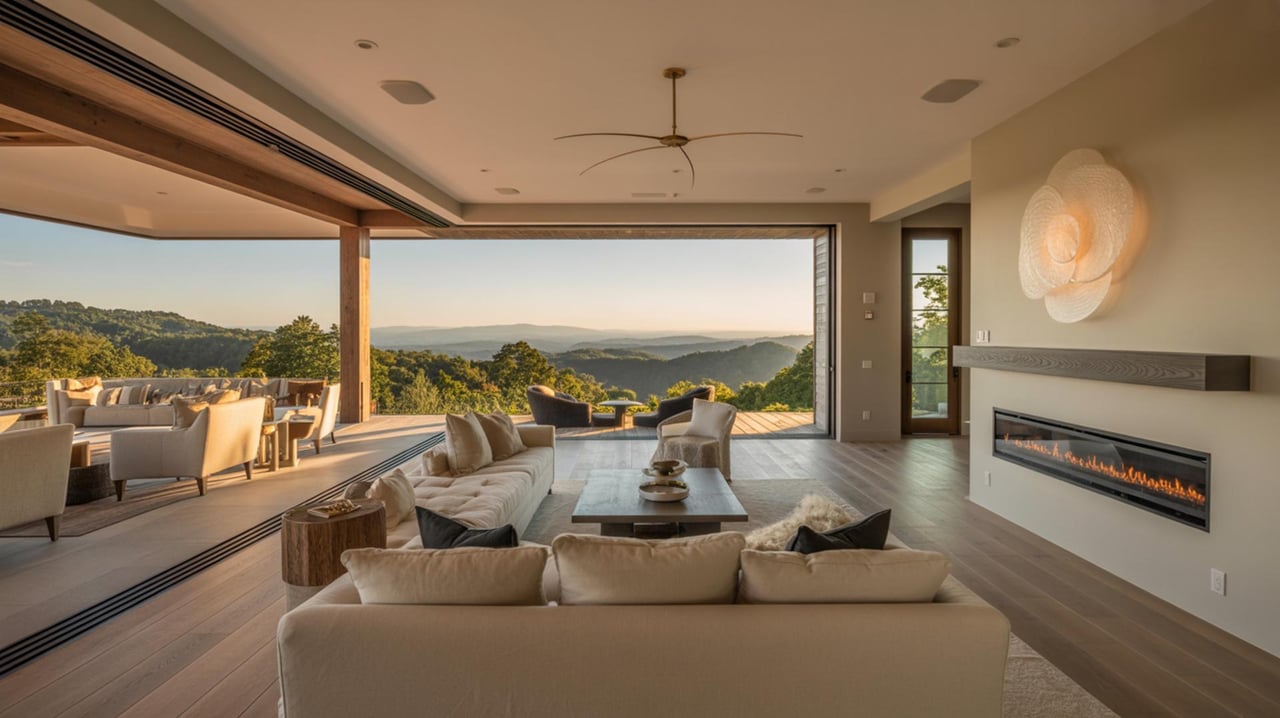
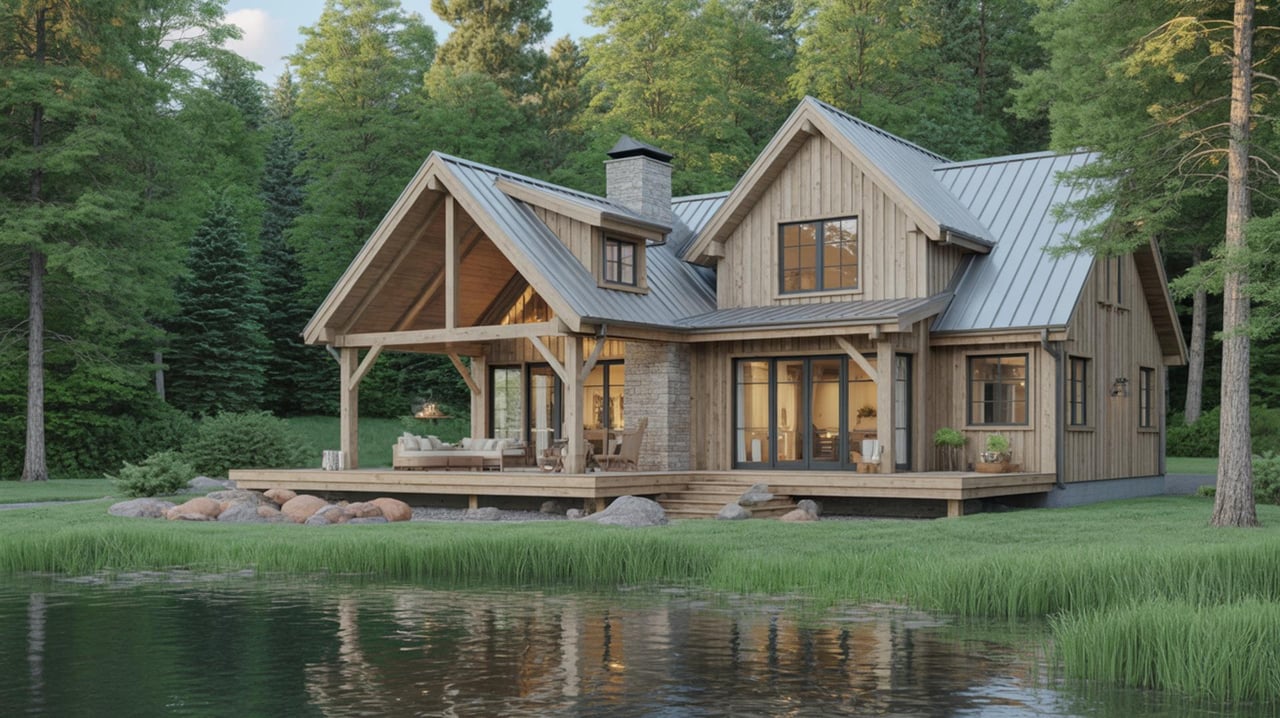
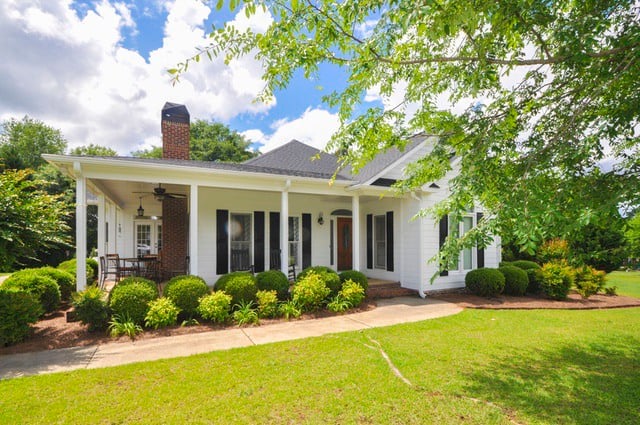
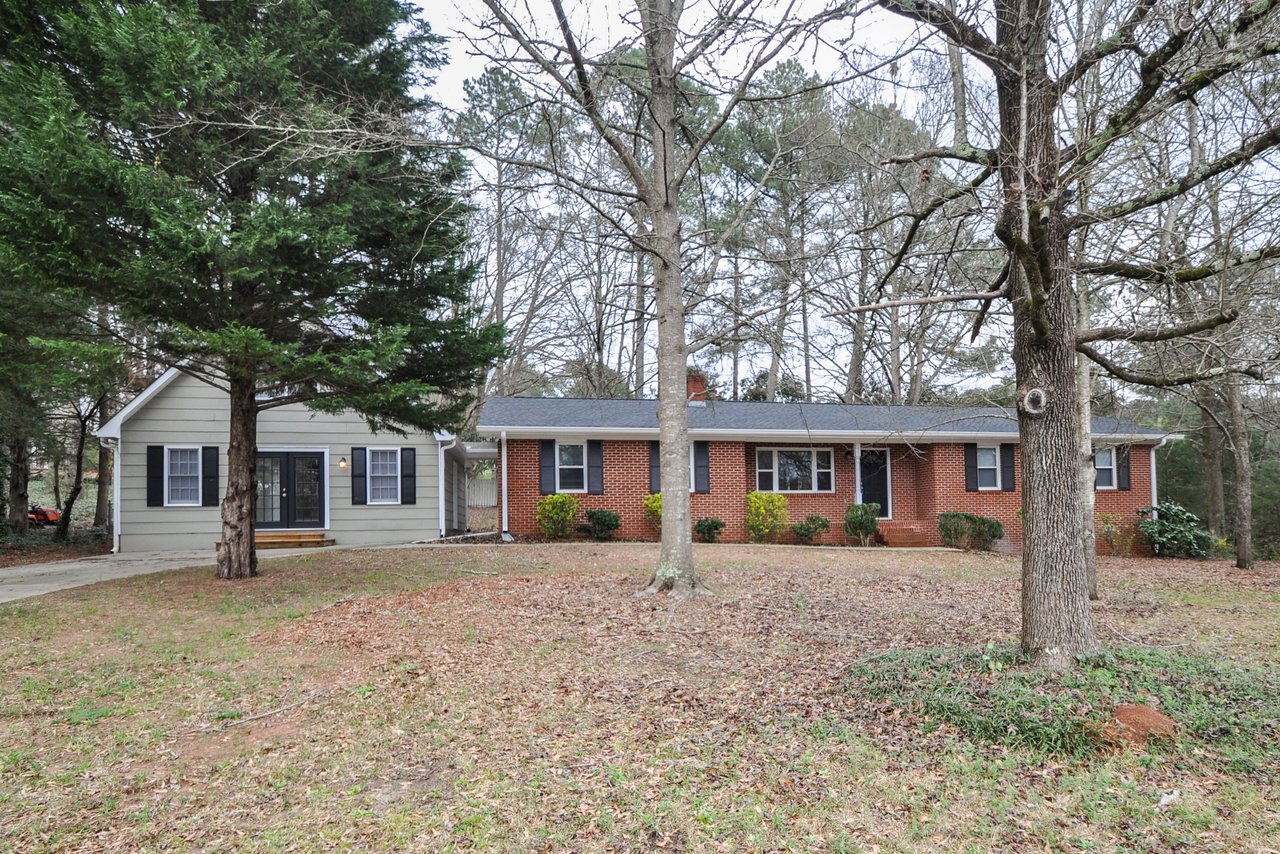
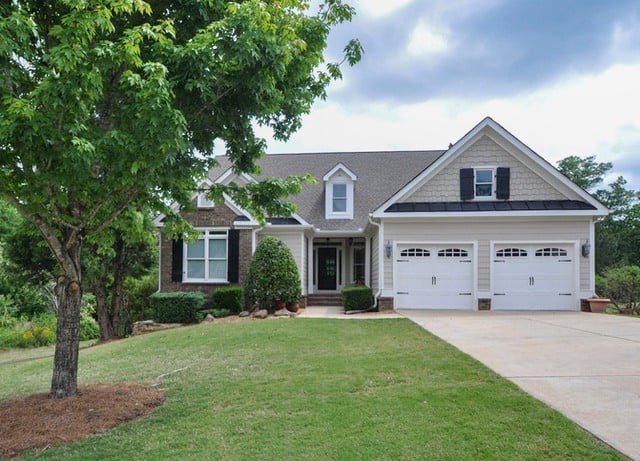
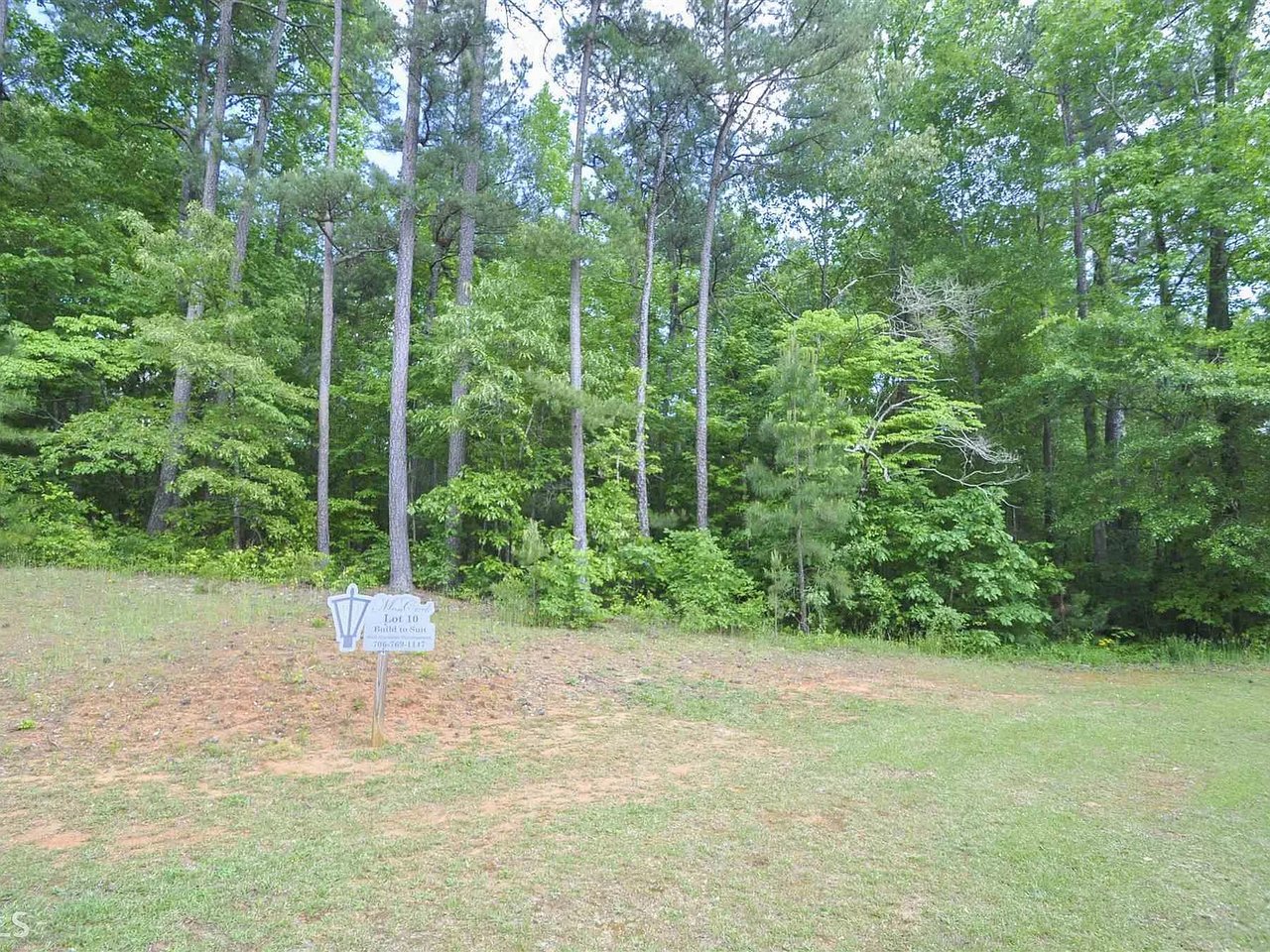
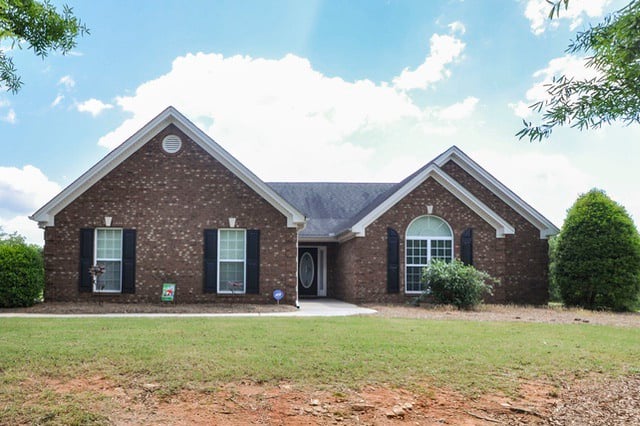
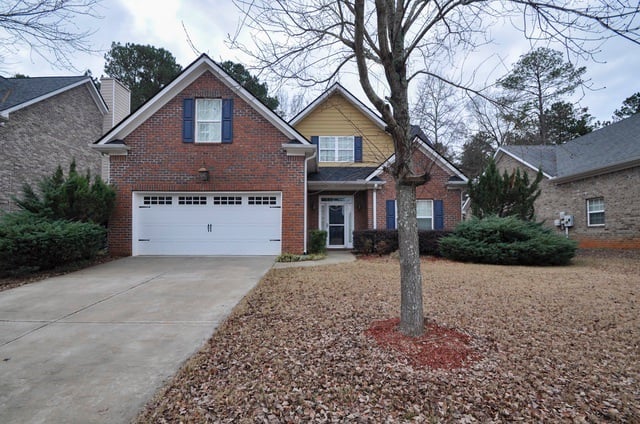
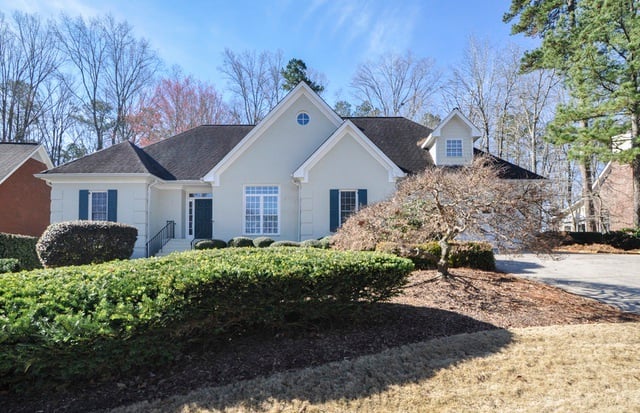
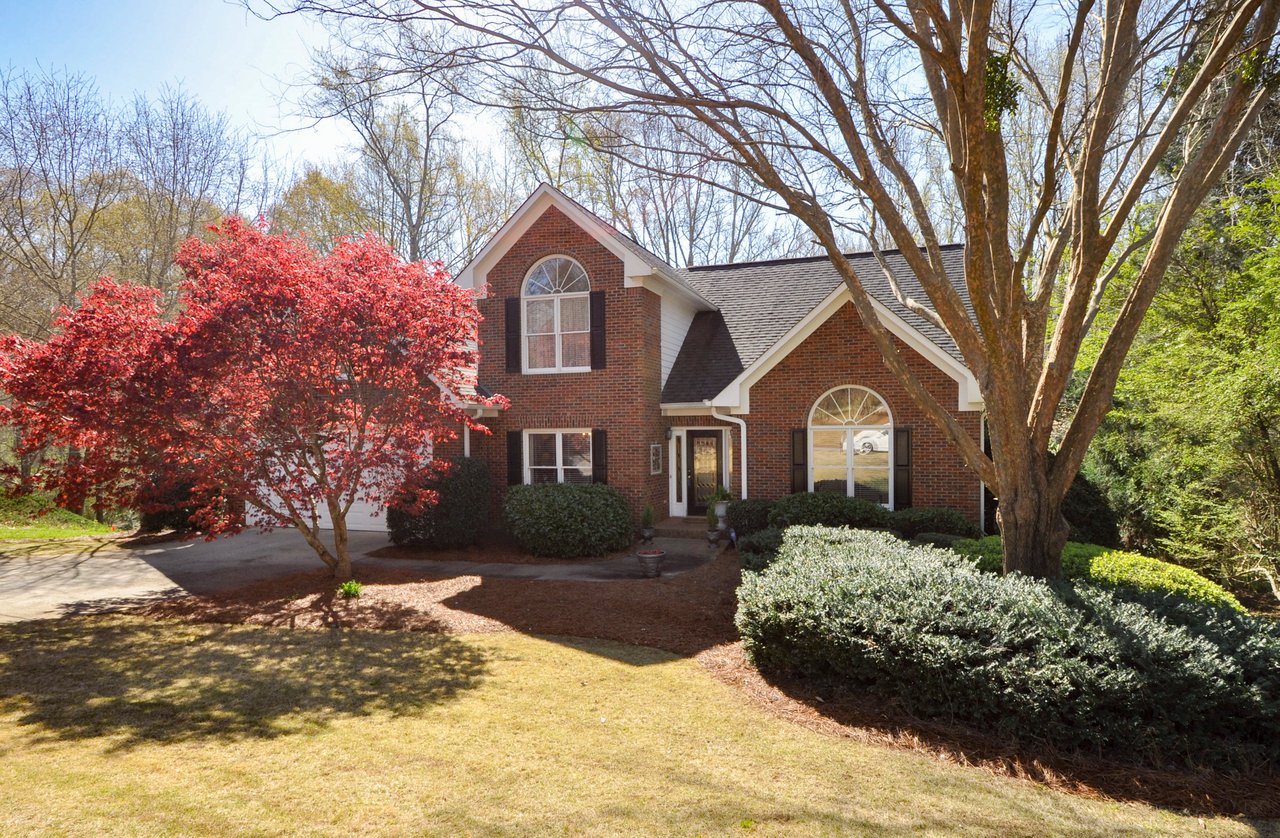
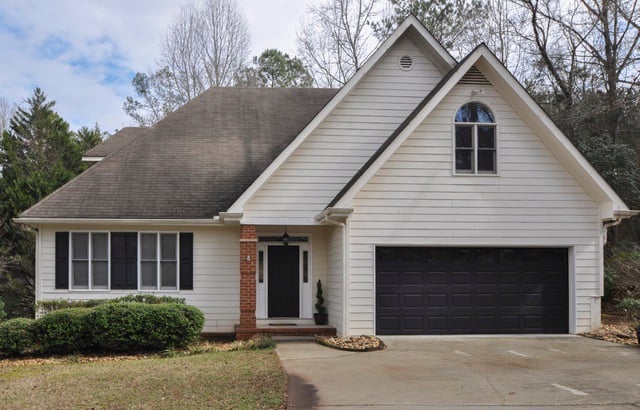
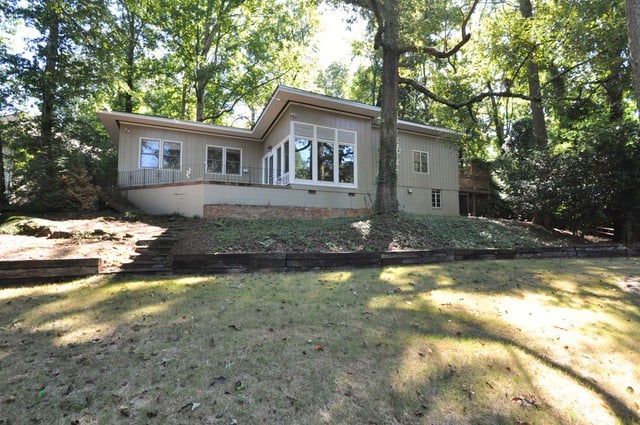
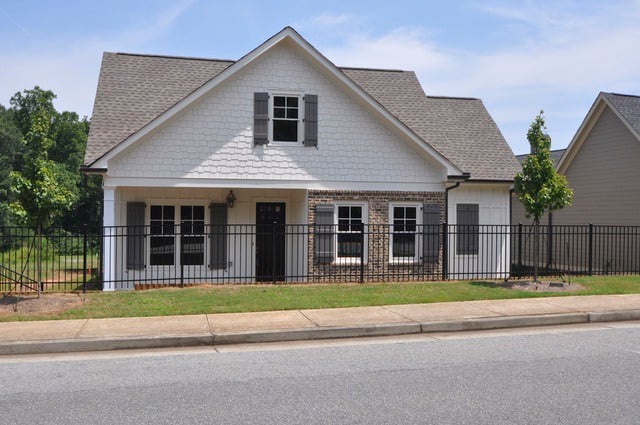
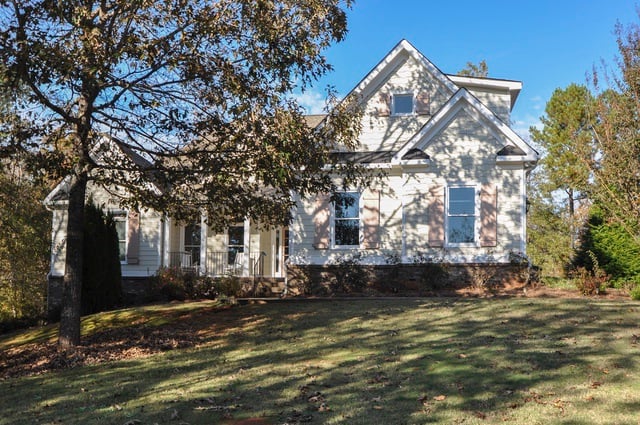
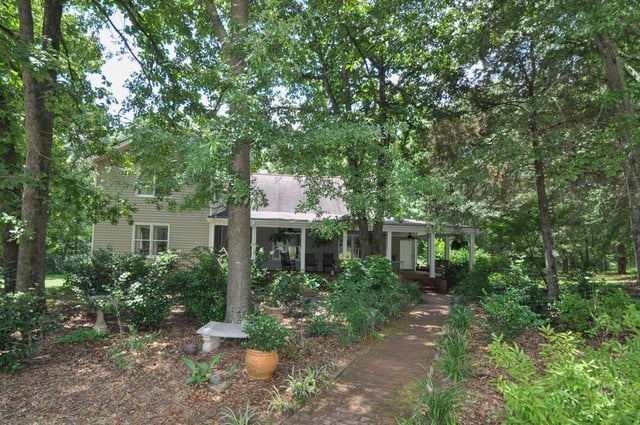
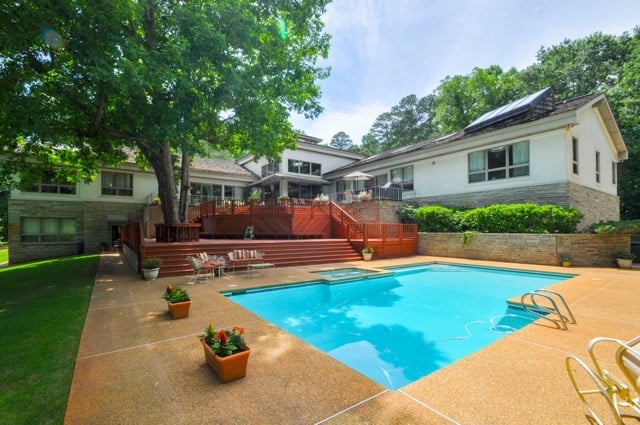
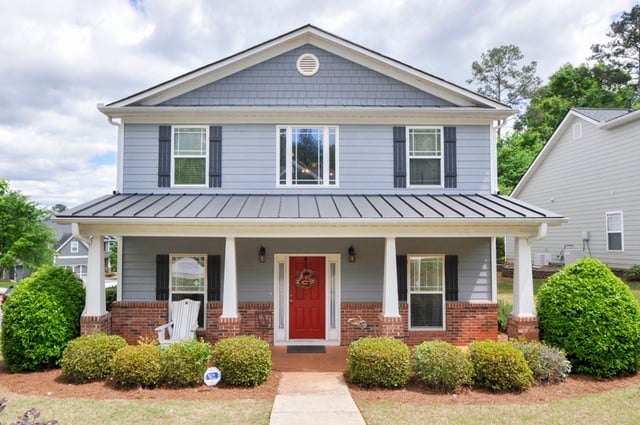
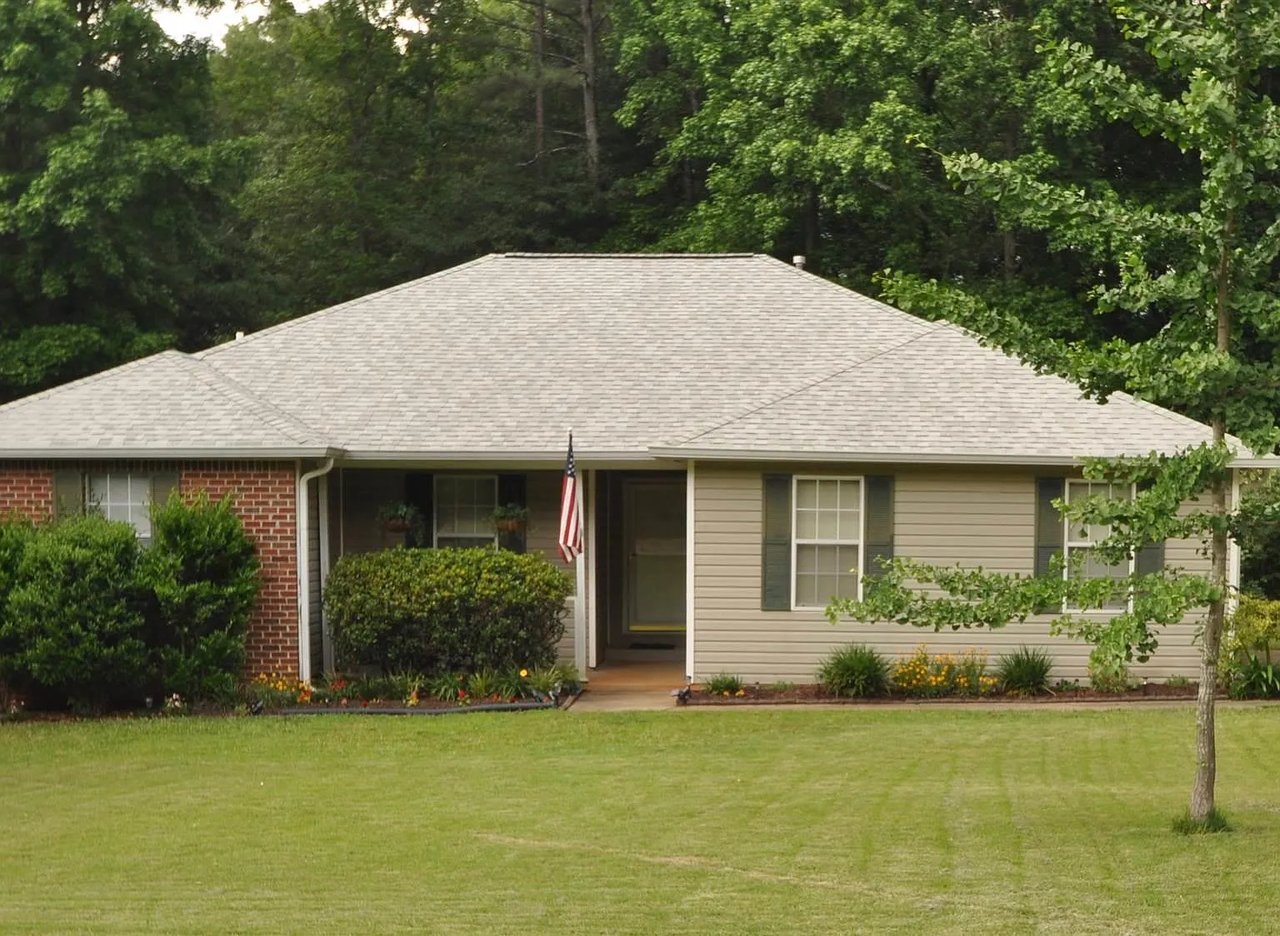
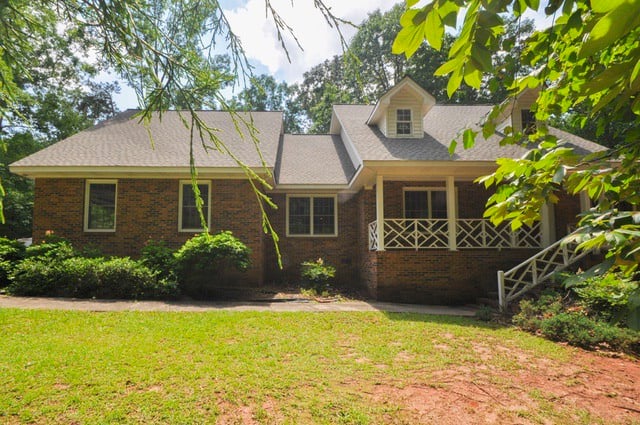
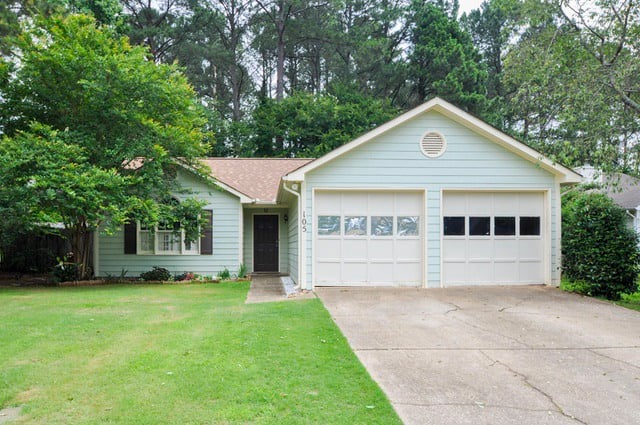
You will find a broad mix of architecture and settings around Lake Burton. Options range from renovated mountain cabins to custom modern lakefront estates on main-lake frontage. Many waterfront parcels include covered or open docks, boathouses, or boatlifts, but the specific structures depend on lot configuration and permits. You will also see buildable walk-to-water lots, near-lake interior homes, and some gated or club-style communities nearby for added amenities.
Leasehold vs fee-simple basics
One of the most important Lake Burton decisions is whether a parcel is fee simple or a Georgia Power residential lease lot. Georgia Power manages shoreline resources on the lake and oversees both leased lots, where Georgia Power owns the land and the homeowner owns improvements, and private deeded lots. Transfers usually require Georgia Power paperwork at closing, and the company outlines procedures and current fees for lease transfers and renewals. Always confirm the latest requirements with the local lake office before you write an offer.
- Review the Georgia Power program: shoreline management
- Check ownership and transfer steps: buying and leasing overview
Shoreline permits and docks
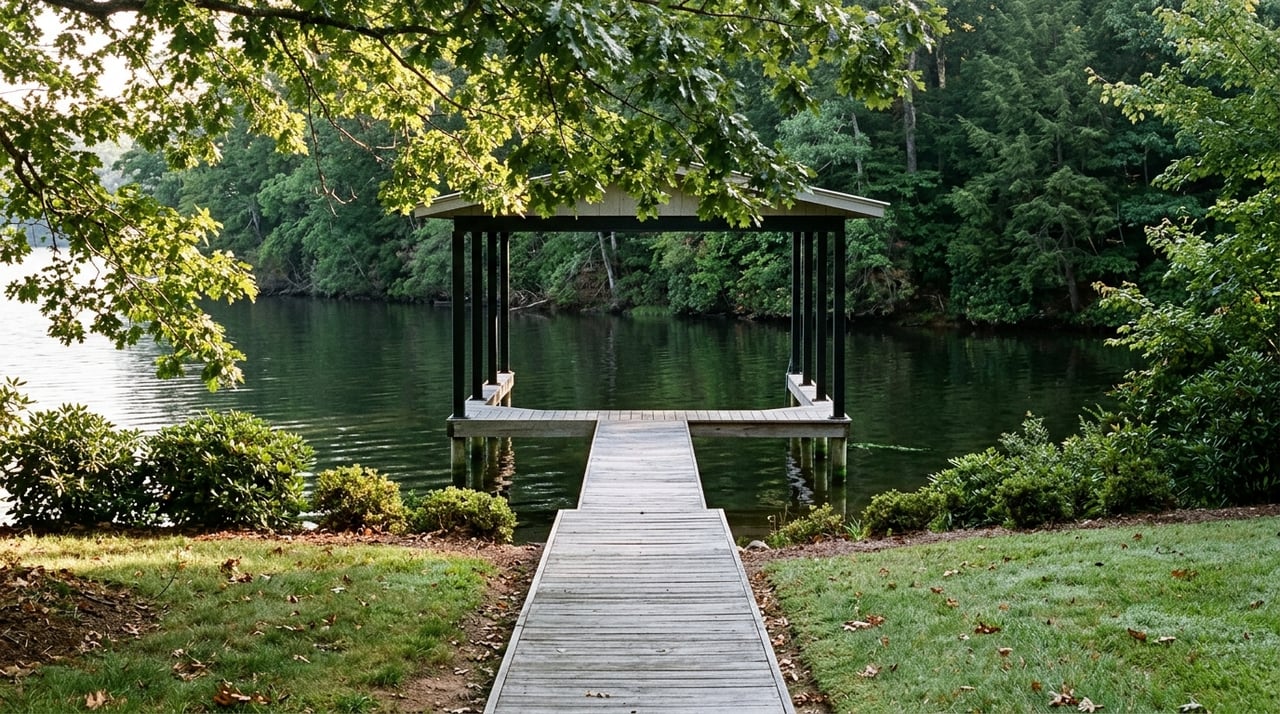
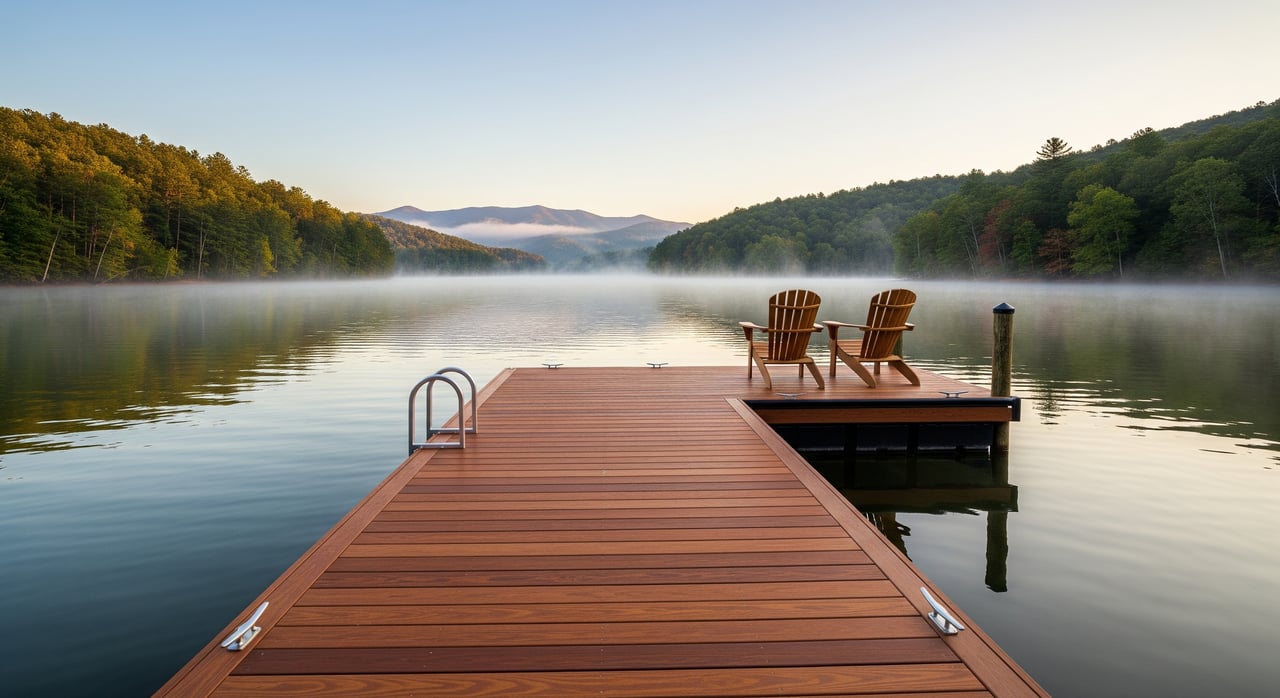
Do not assume any dock or boathouse is permitted or transferable. Georgia Power requires permits for docks, boathouses, dredging, seawalls, tree removal, and vegetation management. The company also sets design limits such as one primary shoreline structure per lot and enforces project-boundary and setback rules. Older nonconforming structures may be allowed limited maintenance but can face restrictions on expansion or rebuilds, so verifying permit status is standard due diligence.
When to shop and buy
Lake markets move with the seasons. In winter, you will see fewer active buyers and potentially more negotiating room with motivated sellers. Georgia Power typically draws the lake down in winter for shoreline work, which can affect ramp use and dock access. Spring brings more listings and faster movement, summer is peak use season for on-the-water showings, and early fall can spark a second wave of interest as leaf color brings visitors to North Georgia.
- Winter drawdown context: Lake Burton seasonal levels
- Fall visitation bump: North Georgia leaf-watching
Marina access and boating
If boating is central to your plans, map your access early. Georgia Power’s North Georgia lakes page lists key marinas and public access points around Lake Burton, including Anchorage Marina, LaPrade’s Marina, Hall’s Boat House, Murray Cove ramp, Moccasin Creek access, and Timpson Cove Beach. Slip availability, storage fees, fuel, and guest policies vary by operator. Contact nearby marinas directly about current waitlists and pricing, and factor those costs into your annual budget.
- Find marinas and ramps: North Georgia lakes access
Pricing context and comps
County-wide home values in Rabun County do not reflect lakefront realities. Main-lake frontage, wide-open views, and permitted private docks typically command a premium over interior or near-lake homes. For any specific cove or shoreline, ask for lakefront-only comps to understand pricing patterns and days on market. Your goal is to align budget with your non-negotiables, like deep-water frontage, walk-to-water access, or a certain boatlift configuration.
Due diligence checklist for buyers
Use this quick list to protect your purchase and timeline:
- Confirm title and land type. Determine whether the parcel is fee simple or a Georgia Power residential lease lot, and if leased, request current lease documents and transfer steps. See Georgia Power’s buying and leasing overview.
- Verify dock and shoreline permits. Ask for copies of all Georgia Power permits and any as-built surveys. Confirm whether structures are compliant, grandfathered, or require changes. Start with shoreline management.
- Check project boundary and setbacks. Have Georgia Power or a surveyor verify the mean sea level contour and what lies inside the project boundary. Building limits often apply there.
- Confirm marina access needs. If you require a slip or seasonal storage, contact nearby marinas for availability and fees. Use the North Georgia lakes access page to locate operators.
- Understand seasonal access. Ask about Georgia Power’s typical drawdown schedule and how it affects winter and spring launching. Review general patterns at Lake Burton seasonal levels.
- Verify septic, well, and county approvals. Georgia Power permits do not replace county requirements. Confirm septic capacity, well status, and that needed county permits are on file or obtainable.
- Confirm short-term rental rules and taxes. Check with Rabun County and the City of Clayton for permit requirements and lodging-tax registration if you plan to host. Policies can change, so verify before modeling income.
- Price insurance and utilities. Waterfront and storm coverage can differ by carrier. Ask insurers about any implications for leased shoreline and replacement costs.
- Validate lifestyle logistics. Confirm grocery options, healthcare access, and travel times from your primary home so weekend use is realistic.
Smart buying strategies
- Clarify your must-haves. Decide whether deep-water frontage, sunset views, or a boathouse drives the search. This keeps you focused when competitive listings hit in spring and early summer.
- Choose a lender who understands leaseholds. If you are considering a Georgia Power lease lot, make sure your lender has experience with these structures. Lease terms and remaining duration can affect loan underwriting.
- Time your visits. Tour in winter to gauge water depth at seasonal lows, then revisit in peak season for boating patterns and cove activity. If possible, observe weekend traffic from the dock.
- Call the lake office early. A quick consult with Georgia Power on project boundaries and permit history helps you avoid surprises and plan improvements on a realistic timeline.
- Build the right inspection team. Consider a shoreline-savvy surveyor, dock specialist, septic contractor, and a local builder if you are evaluating renovations or a new build.
- Plan for paperwork at closing. If the parcel is leasehold, budget time for Georgia Power transfer documents and any entity-transfer fees. Align deed, lease, and permit timelines so possession and water access line up.
Ready to explore Lake Burton?
When you want a retreat that feels both elevated and effortless, the right plan makes all the difference. Our team brings senior-level guidance, clear checklists, and concierge showings that fit your schedule, whether you are local or traveling in for a single day of tours. If Lake Burton is on your shortlist, let’s map your path from online search to dockside keys with clarity and confidence. Schedule a personalized market consultation with Jennifer Westmoreland.
FAQs
How does Lake Burton leasehold ownership affect buyers?
- Georgia Power manages some residential lease lots on the shoreline, which means you lease the land and own the improvements; lease terms and transfer steps can affect financing, timelines, and resale. Review Georgia Power’s buying and leasing overview and confirm details with your lender.
Do docks and boathouses transfer automatically at closing on Lake Burton?
- No. Georgia Power permits docks and shoreline structures, and a permit transfer or re-permitting may be required at closing. Start with the shoreline management guidelines and confirm with the lake office.
What is the best season to shop for a Lake Burton second home?
- Winter often brings fewer active buyers and more room to negotiate, while spring and early summer see more listings and faster decisions; early fall can bring a smaller bump in interest tied to leaf season and tourism.
What should I check before budgeting for a boat slip on Lake Burton?
- Contact nearby marinas early to confirm slip or storage availability, fees, and any waitlists; proximity to a marina can influence both purchase decisions and annual ownership costs.
What permits are required for shoreline changes at a Lake Burton home?
- Georgia Power permits docks, boathouses, dredging, seawalls, and vegetation management, and sets limits like one primary shoreline structure per lot; verify current permits and project boundaries before planning changes.