If you are thinking about buying a second home in Georgia from out of state, your biggest decision may not be where to buy first. It may be how you plan to use the property. That choice affects financing, taxes, rental options, and even how smoothly you can buy from a distance. This guide will help you sort through the key issues so you can move forward with more clarity and confidence. Let’s dive in.
Start With the Property’s Use
Before you narrow your search, it helps to understand what counts as a true second home. Fannie Mae defines a second home as a one-unit property that is suitable for year-round occupancy, occupied by the borrower for part of the year, and kept under the borrower’s exclusive control. It also cannot be a timeshare or a property used primarily as a rental.
That distinction matters because a home that is mainly intended for income can fall into the investment property category instead. The Consumer Financial Protection Bureau also separates second residences from investment properties based on whether you occupy the home for part of the year. In simple terms, personal use needs to be part of the plan if you want the property treated as a second home.
If you expect to rent the home occasionally, that may still be possible in some cases. Fannie Mae says a second home can have rental income as long as the borrower still occupies it part of the year and that income is not used to qualify for the loan. This is one of the first questions to clarify before you make an offer.
Choose the Right Georgia Market
Georgia offers several very different second-home experiences. The best fit depends less on the map and more on how you want to use the home.
Coastal Georgia for Beach and Boating Access
Georgia’s coast stretches about 100 miles and includes places like Savannah, Brunswick, Tybee Island, Jekyll Island, and the Golden Isles. State tourism materials describe this region as a blend of beach destinations, working waterfronts, and cultural hubs. If you picture time on the water, walkable coastal areas, or a vacation-style setting, the coast may be where your search starts.
The main caution along the coast is weather and flood exposure. FEMA notes that flood insurance is separate from standard homeowners insurance. For homes in high-risk flood areas with government-backed mortgages, flood insurance is generally required.
Northeast Georgia Lakes for Weekend Living
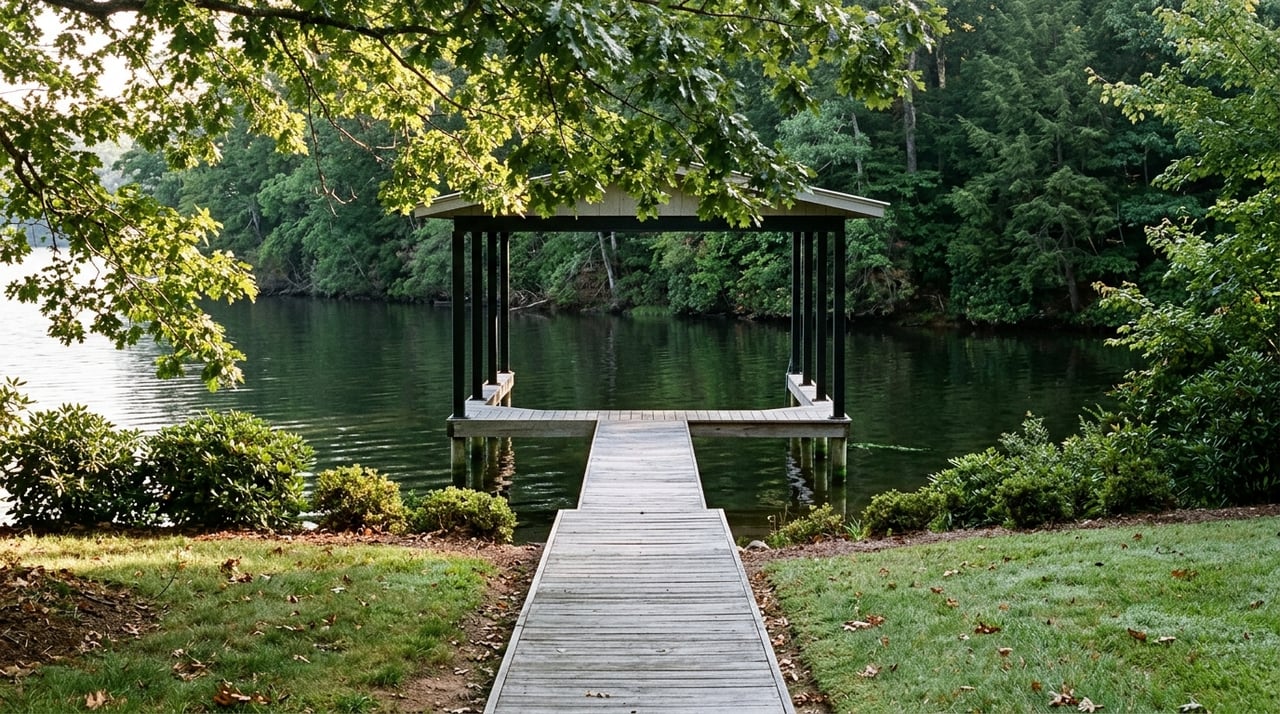
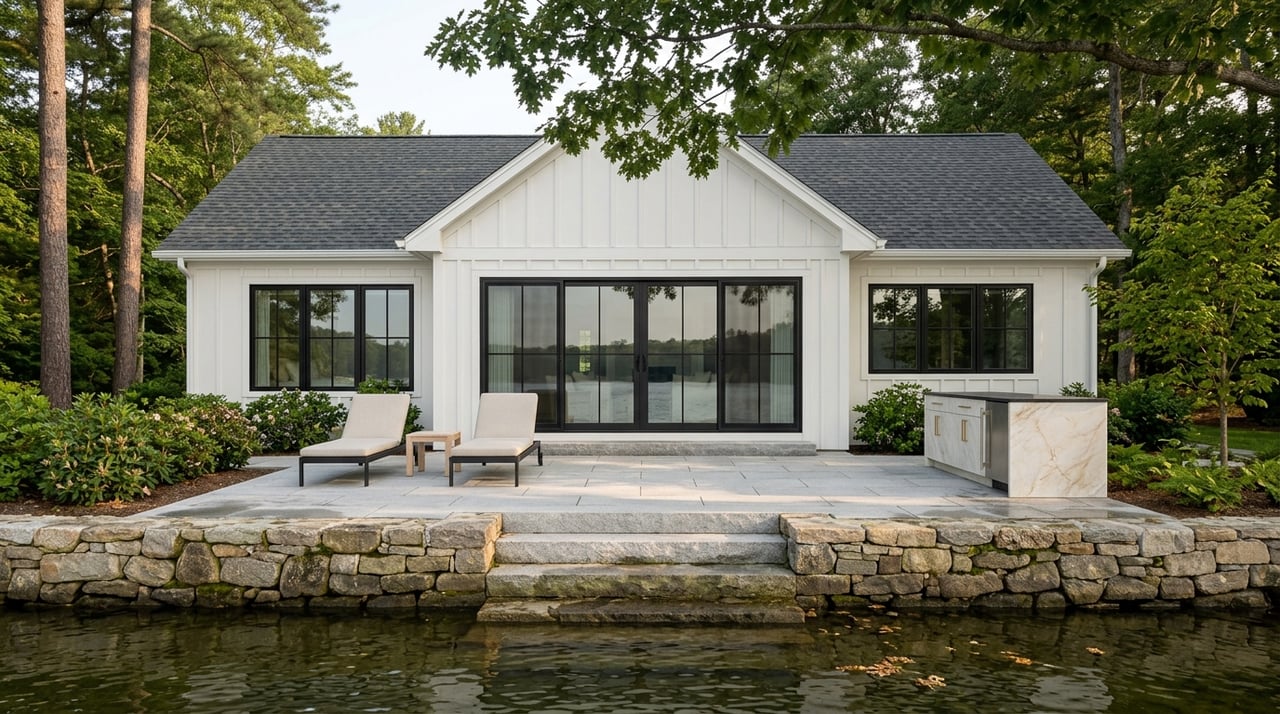
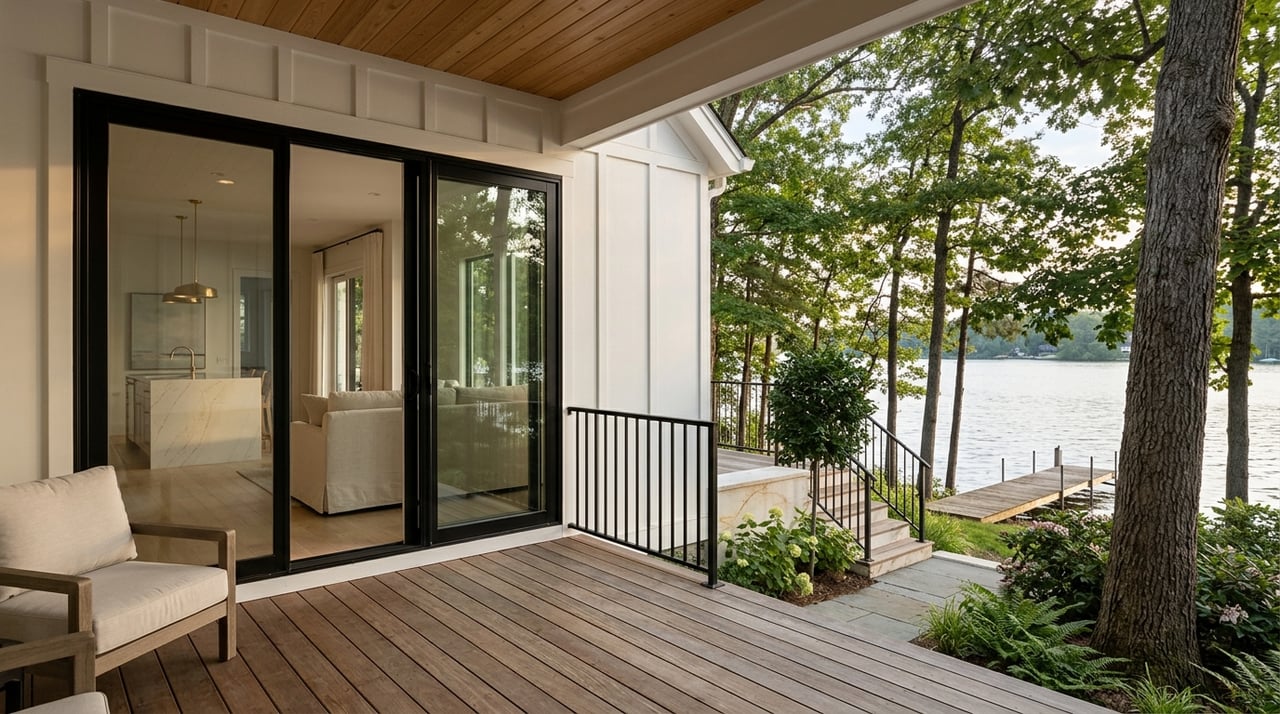
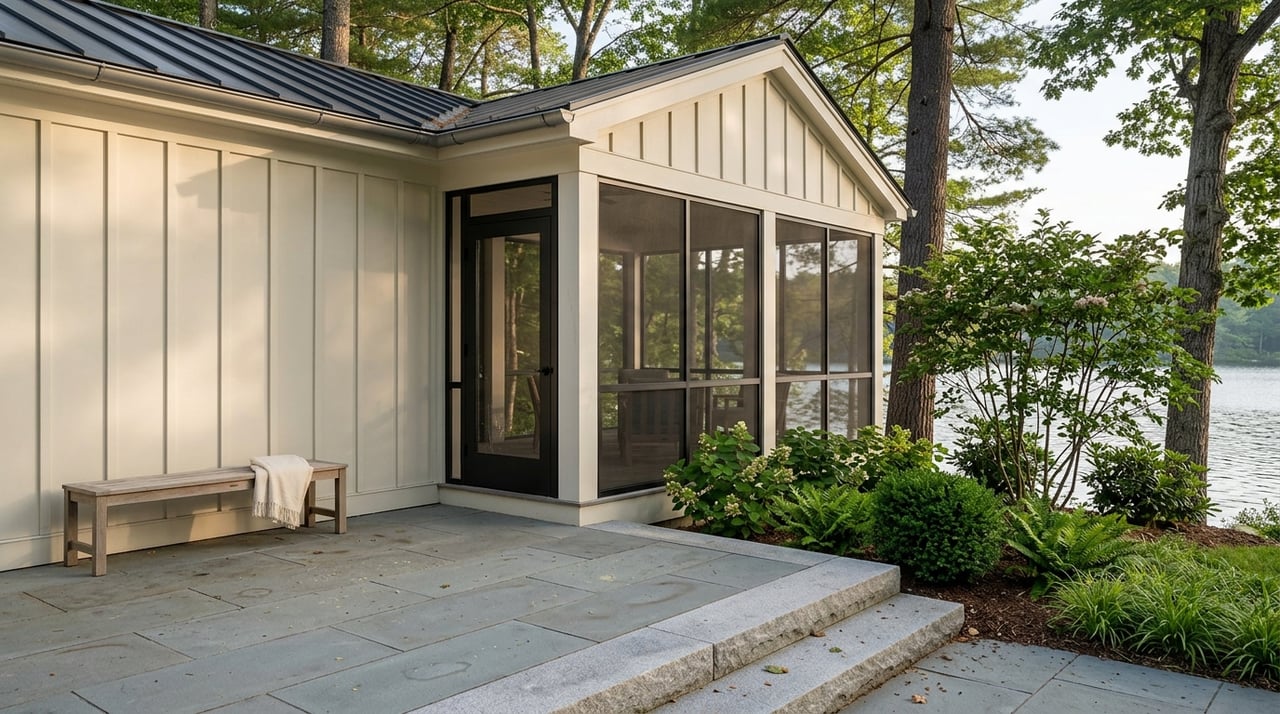
If your goal is a repeat weekend getaway, Northeast Georgia may be especially appealing. The state highlights the region for both outdoor life and scenic destinations, including mountain and lake settings that feel distinct from larger city markets. For many out-of-state buyers, this area offers a practical balance between recreation and regular use.
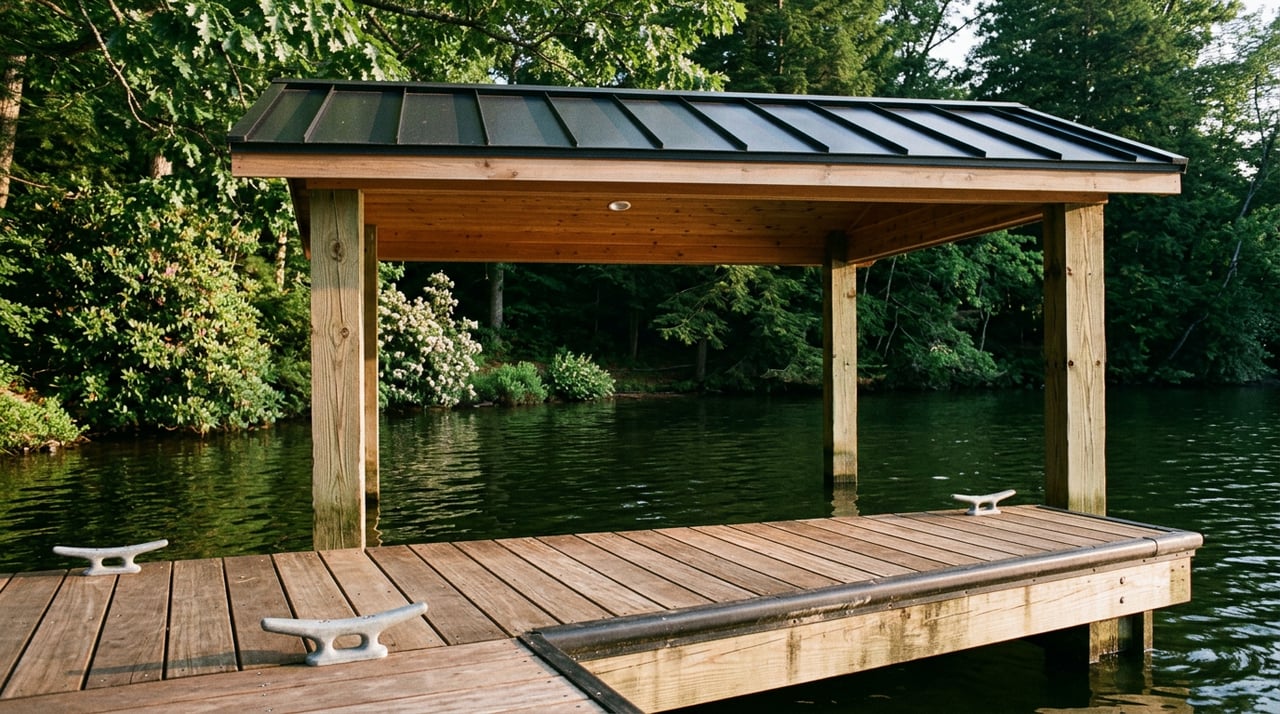
Lake Lanier is a strong example of a weekend-access market. It is Georgia’s largest lake at 38,000 acres with 700 miles of shoreline, and it is about 60 miles north of Atlanta. Lake Burton is another well-known option and is the largest of Georgia Power’s five North Georgia lakes at 2,775 acres, with boating, swimming, fishing, and picnic use.
Athens for a Low-Maintenance Retreat
Athens gives buyers a different second-home option. Instead of a waterfront or resort setting, it offers a city-centered retreat with arts, events, and everyday convenience. Explore Georgia highlights destinations like the official art museum, the official botanical garden, the Athens Beer Trail, and music venues such as the Georgia Theatre and 40 Watt Club.
For some buyers, Athens makes sense because it can be easier to use regularly without the upkeep that often comes with waterfront ownership. If you want culture, event-driven visits, or a home base for game weekends and city access, this type of market may deserve a closer look.
Plan for a Remote Buying Timeline
Buying from out of state takes more coordination than a local purchase. The good news is that the process can be very manageable when you understand the timeline.
Consumer Financial Protection Bureau data found a median of 44 days from mortgage application to closing. The same data showed a median of 38 days between the first Loan Estimate and the last Closing Disclosure. In practice, many financed purchases close in about one to two months.
That means most of your important decisions will happen well before closing week. The CFPB also says lenders must provide the Closing Disclosure at least three business days before closing. If you are traveling in for closing or trying to coordinate remotely, that timing matters.
Preapproval timing matters too. The CFPB notes that preapproval letters typically expire in 30 to 60 days. If you need time to compare areas, schedule travel, or wait for the right home, make sure your financing timeline matches your search strategy.
Build a Smart Remote Buying Process
Out-of-state buyers often need a process that reduces stress and limits surprises. In Georgia, that usually means using a mix of technology and local support.
A practical remote buying workflow often includes:
- Live video walkthroughs
- Detailed photo and video review
- Electronic signatures for approved documents
- Coordination with your lender, title company, and closing team on what can be signed remotely
Georgia rules define electronic signatures and remote notarization, which means digital signing can be possible in some transactions. Still, the final answer depends on the lender, title company, and closing professionals involved. It is important to confirm the remote signing process early, not at the last minute.
For buyers who cannot attend every showing in person, strong visual documentation becomes even more important. Clear property tours, careful review of disclosures, and a well-organized contract timeline can help you make confident decisions from a distance.
Verify Taxes Before You Close
Property taxes in Georgia are handled at the county level. The Georgia Department of Revenue says real property is taxed in the county where the land is located. Property tax returns are generally filed with county officials between January 1 and April 1, and most counties bill taxes by December 20, though due dates can vary.
One issue that often surprises second-home buyers is the homestead exemption. In Georgia, the standard homestead exemption applies only to a home that is actually occupied and used as the owner’s primary residence. A true second home generally does not qualify.
If you are comparing monthly ownership costs, this detail should be part of your planning from the start. A home that looks appealing on price alone may carry a different tax picture than your primary residence.
Understand Rental Rules and Tax Obligations
If you may rent the home at all, even occasionally, it is worth checking the rules before you commit. Georgia taxes accommodations, and the state hotel-motel fee is $5 per night on each calendar night an accommodation is rented by an innkeeper or marketplace innkeeper until it becomes an extended-stay rental.
The Georgia Department of Revenue also says sellers must register for a sales tax number and state hotel-motel fee number and file the fee electronically. That means limited rental use can come with real administrative requirements. It is best to understand those obligations before you buy, not after your first booking.
Local rules matter too, and they can vary significantly from one county to another. Athens-Clarke County says short-term rentals became a land use regulated by Title 9 of the county code after text amendments were adopted on February 6, 2024. Hall County defines short-term rentals as overnight accommodations for 2 to 30 nights and says they are permitted in all residential zoning districts.
Those examples show why two homes in different Georgia markets can have very different rental flexibility. If rental income is part of your long-term plan, county and municipal rules need to be reviewed early.
Watch for Nonresident Filing Issues
Out-of-state ownership can create state tax considerations beyond property taxes. The Georgia Department of Revenue lists rents as an example of Georgia-source income for nonresidents. If your second home produces rental income, that can trigger a Georgia filing obligation.
This does not mean every buyer will face the same situation. It does mean that nonresident owners should verify how rental activity affects their filing requirements before closing. A little planning on the front end can help you avoid confusion later.
Add Flood Due Diligence for Coastal and Low-Lying Homes
Not every second home in Georgia faces the same risk profile. If you are buying near the coast, near low-lying land, or around certain waterfront areas, flood due diligence should be part of your checklist.
FEMA flood maps can help identify whether a property is in a mapped flood zone. FEMA also notes that flood insurance is a separate policy, and homes in high-risk flood areas with government-backed mortgages generally require that coverage. This is one more reason why location choice should be based on use, carrying costs, and risk exposure together.
Focus on Fit, Not Just Price
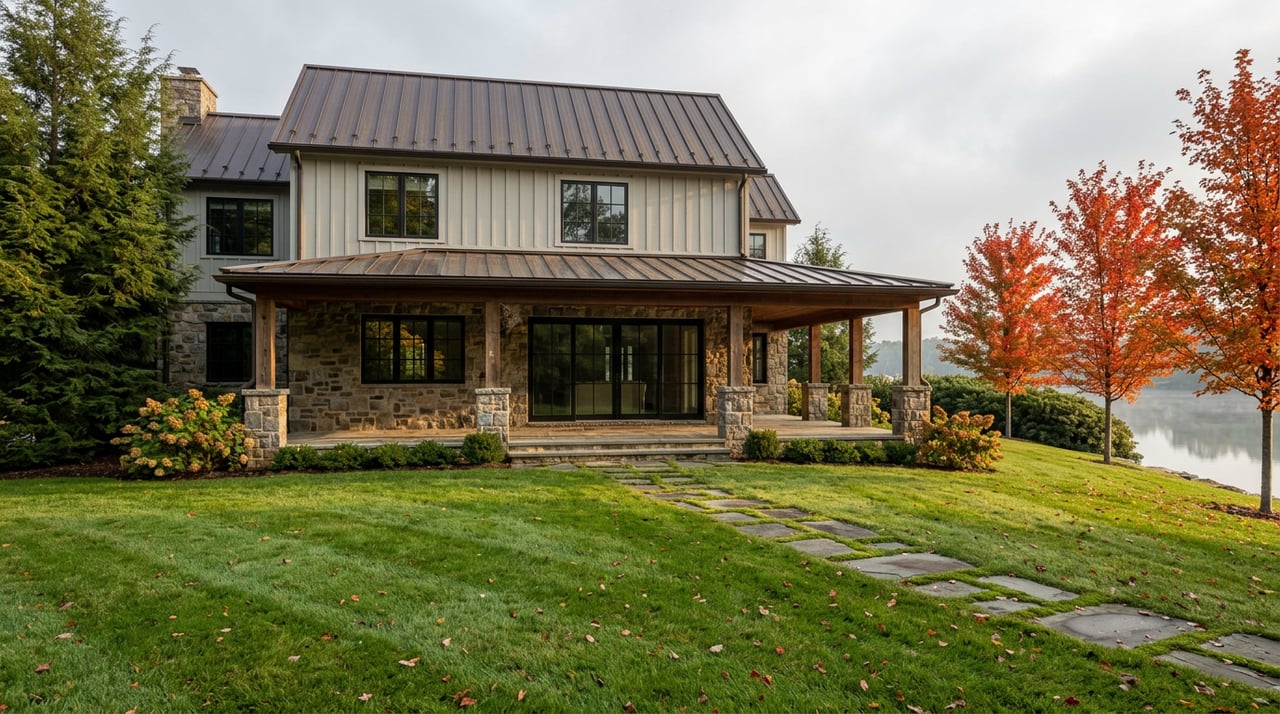
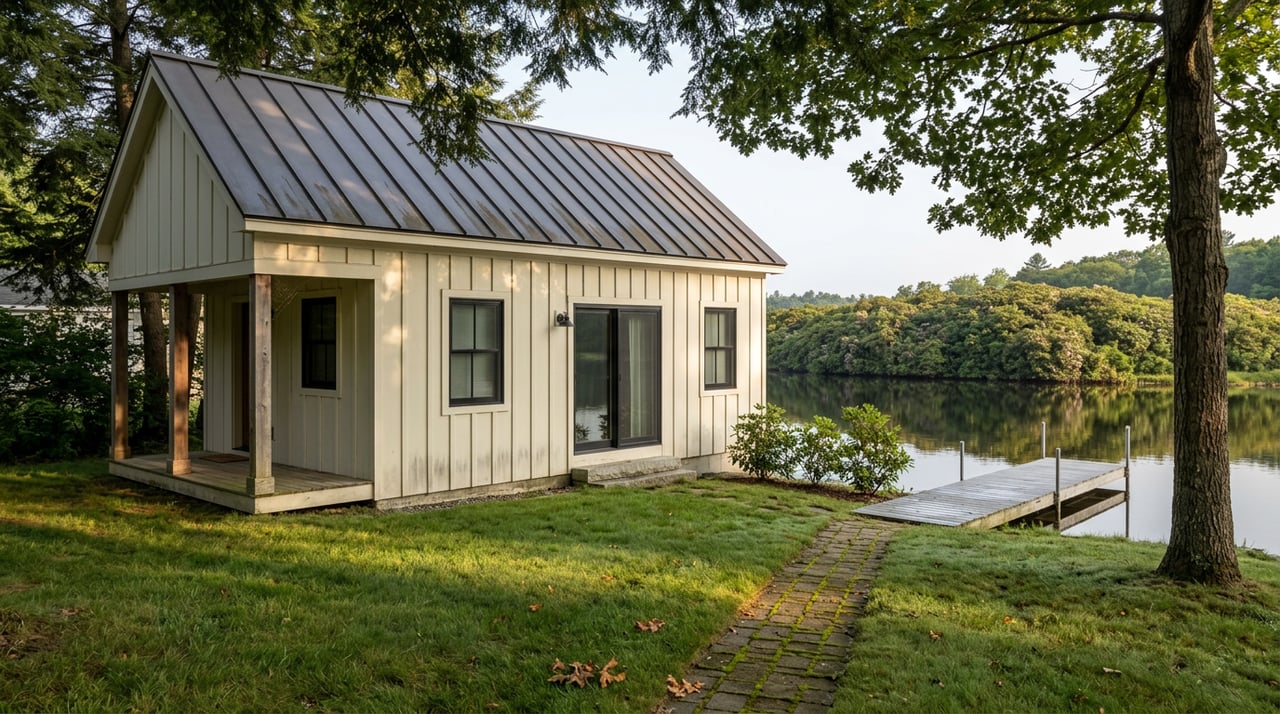
The best Georgia second home is not the same for every buyer. Coastal properties often appeal to buyers who want beach access and a tourism-oriented setting. Lake homes tend to attract buyers focused on boating, seasonal use, and easy weekend trips. Athens can be a strong fit if you want a lower-maintenance home with access to culture, events, and city amenities.
The smartest approach is to match the market to your actual habits. Think about how often you will visit, whether you want to rent the home, how much upkeep you are comfortable with, and how far you are willing to travel. Those answers usually point you toward the right part of Georgia faster than price alone.
When you are buying from out of state, experience and process matter. With the right guidance, you can narrow your options, verify the details that affect ownership, and move through the purchase with far more confidence. If you are considering a second home in Georgia and want a clear, personalized strategy, Jennifer Westmoreland can help you evaluate your options and plan your next move.
FAQs
What counts as a second home in Georgia for an out-of-state buyer?
- A second home generally must be a one-unit property suitable for year-round use that you occupy for part of the year and keep under your exclusive control, rather than a property used primarily as an investment.
Can an out-of-state buyer purchase a second home in Georgia?
- Yes. Georgia tax rules contemplate nonresidents owning real property in the state.
Can a Georgia second home also be rented part time?
- Sometimes. Fannie Mae says a second home may have rental income if you still occupy it part of the year and that rental income is not used to qualify for the loan.
Does a Georgia second home qualify for homestead exemption?
- Generally no. The standard homestead exemption applies to a home that is actually occupied and used as your primary residence.
How long does it take to buy a second home in Georgia from out of state?
- A financed purchase often takes about one to two months, with CFPB data showing a median 44 days from application to closing.
Are remote signings allowed for Georgia real estate purchases?
- Often yes, but it depends on Georgia’s electronic-signature and remote-notary rules as well as your lender, title company, and closing team requirements.
Do short-term rental rules vary across Georgia markets?
- Yes. Local rules can differ by county or municipality, so a property that works for limited rentals in one area may face different rules in another.
Do nonresident owners have Georgia tax obligations on rental income?
- They can. The Georgia Department of Revenue lists rents as an example of Georgia-source income for nonresidents.