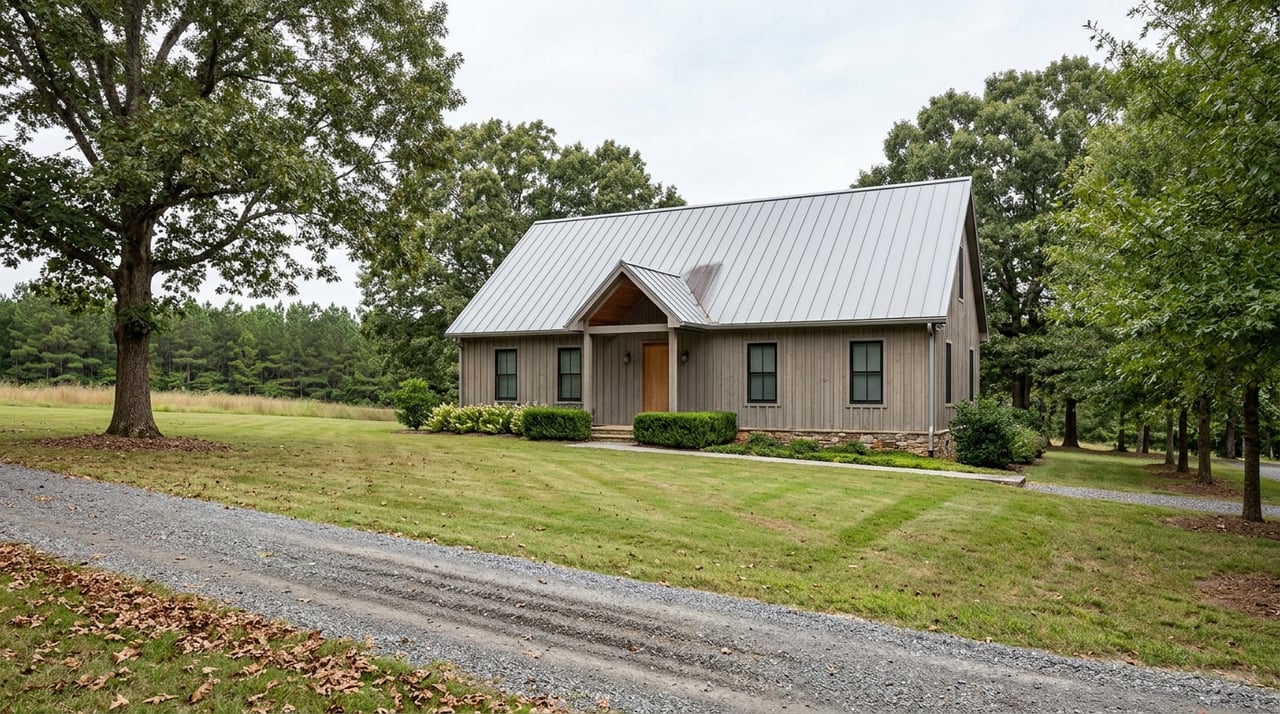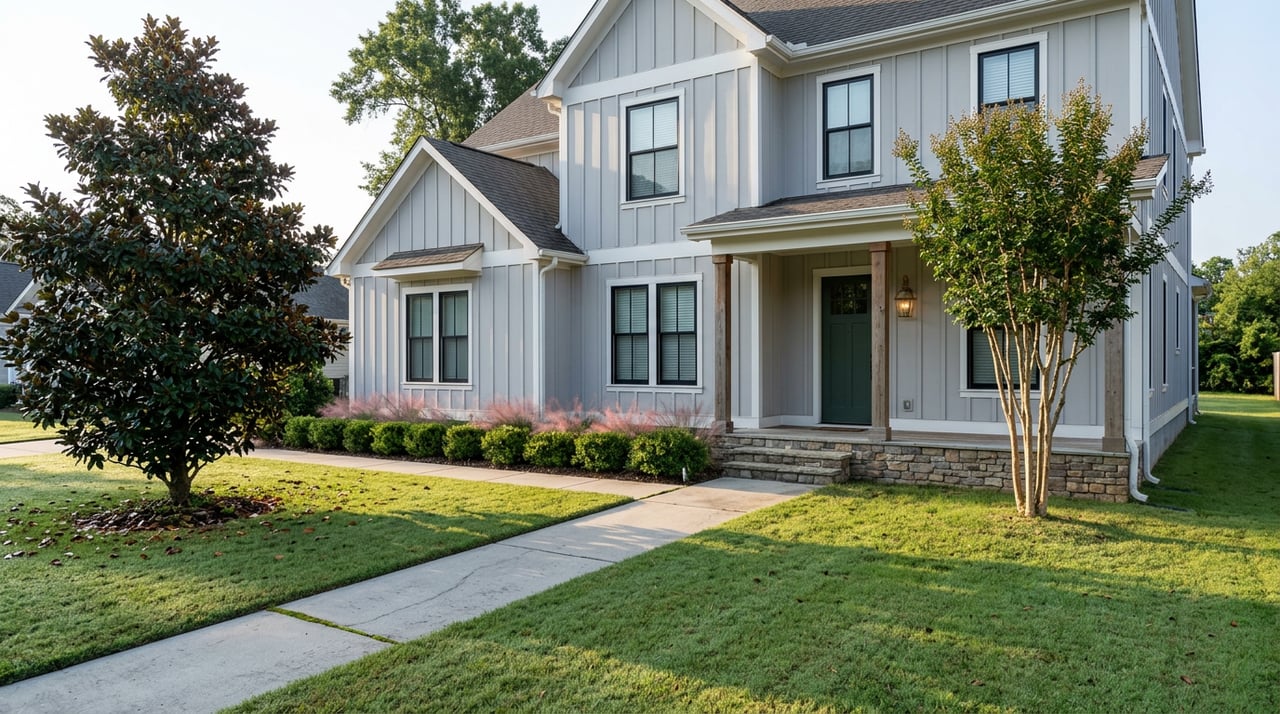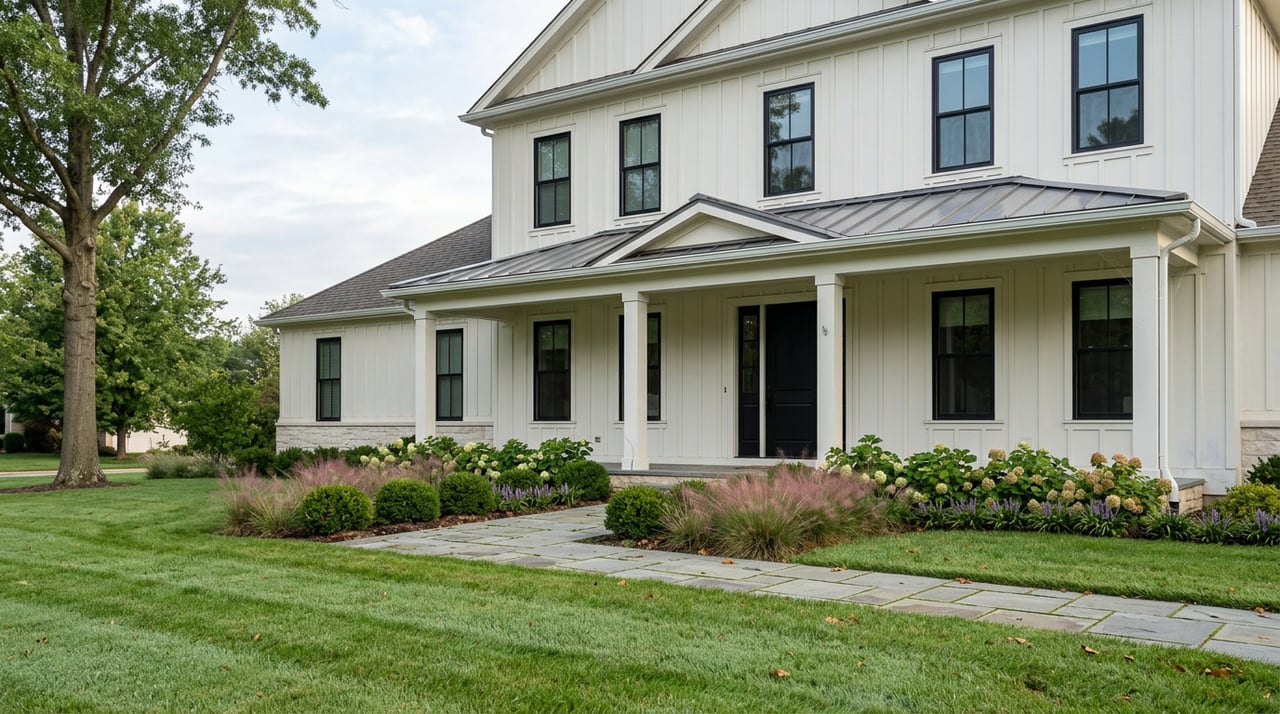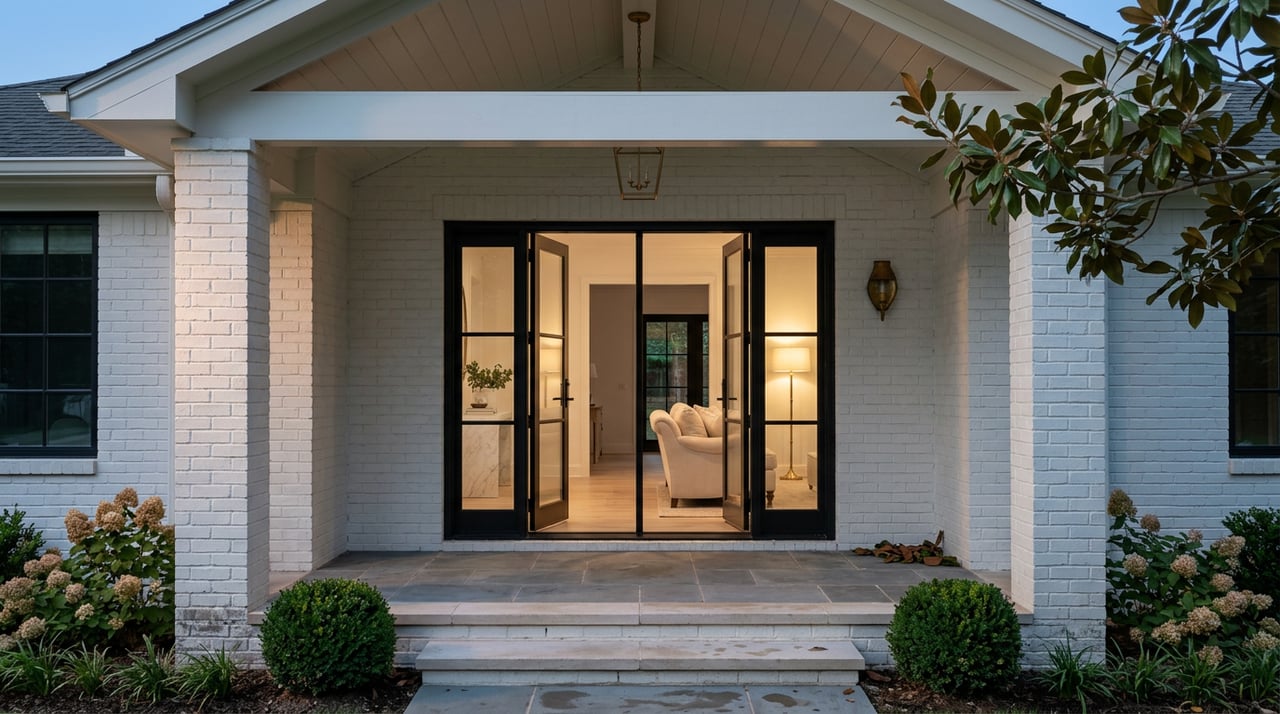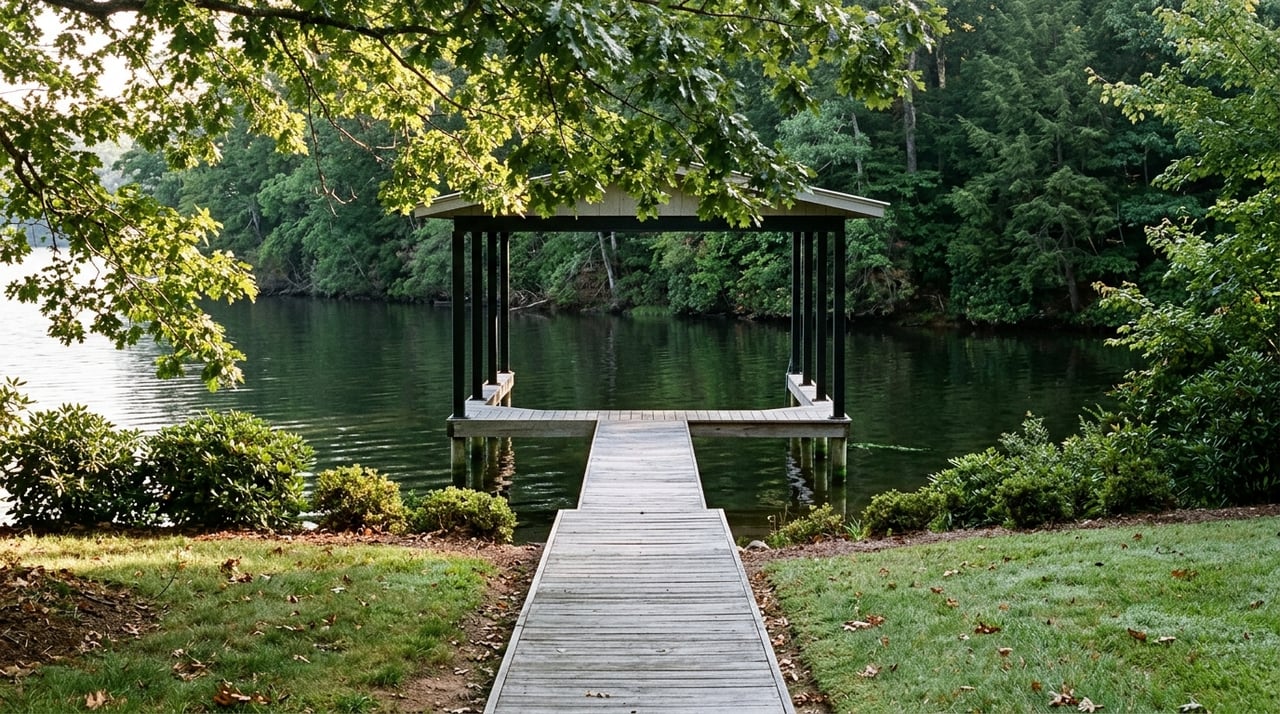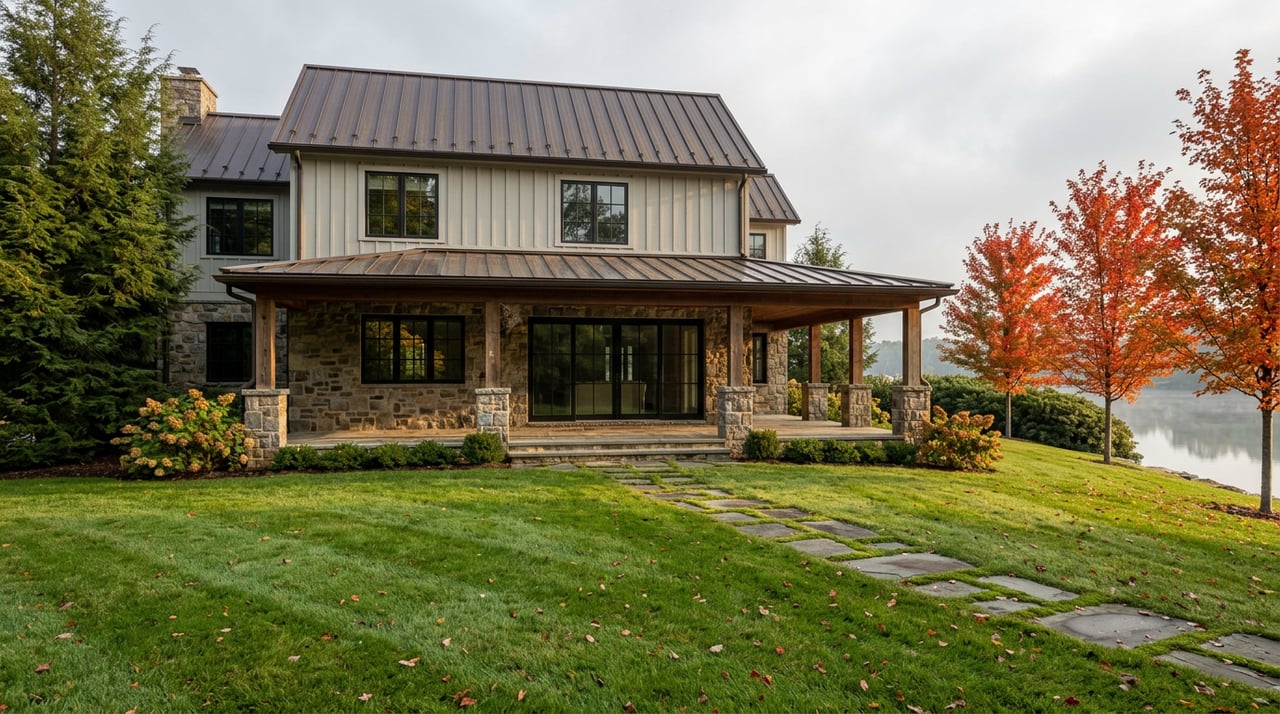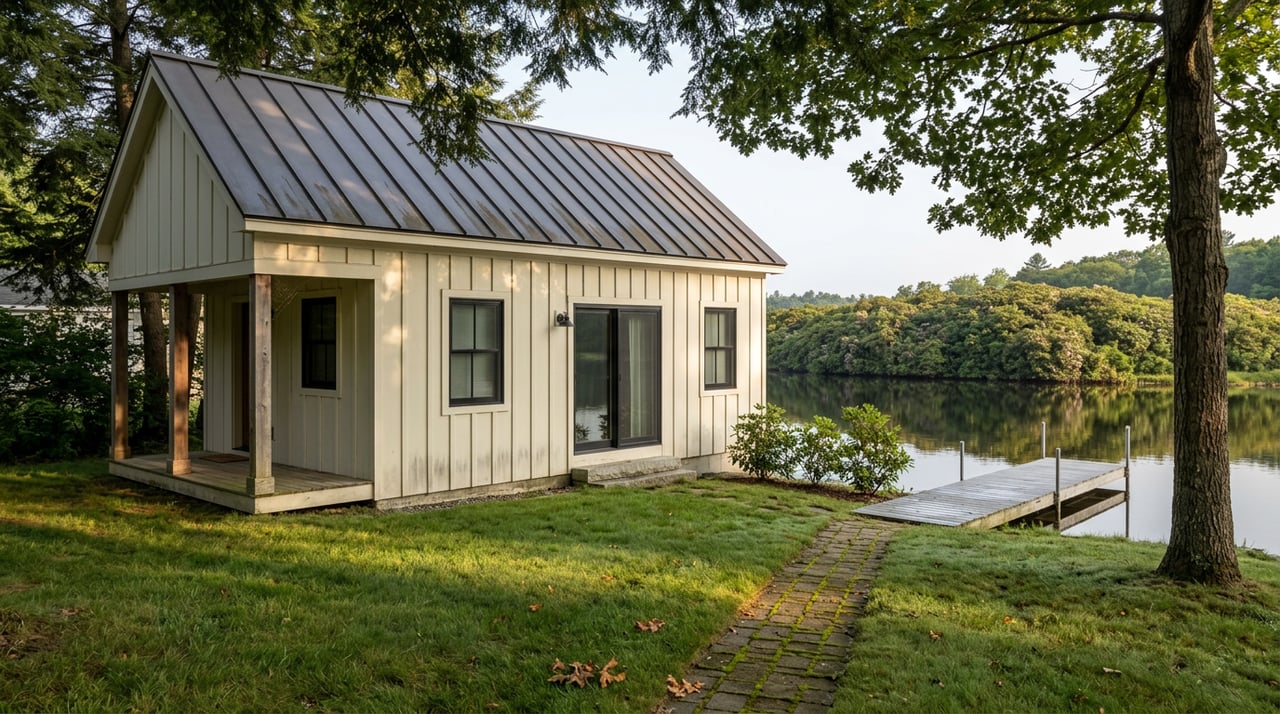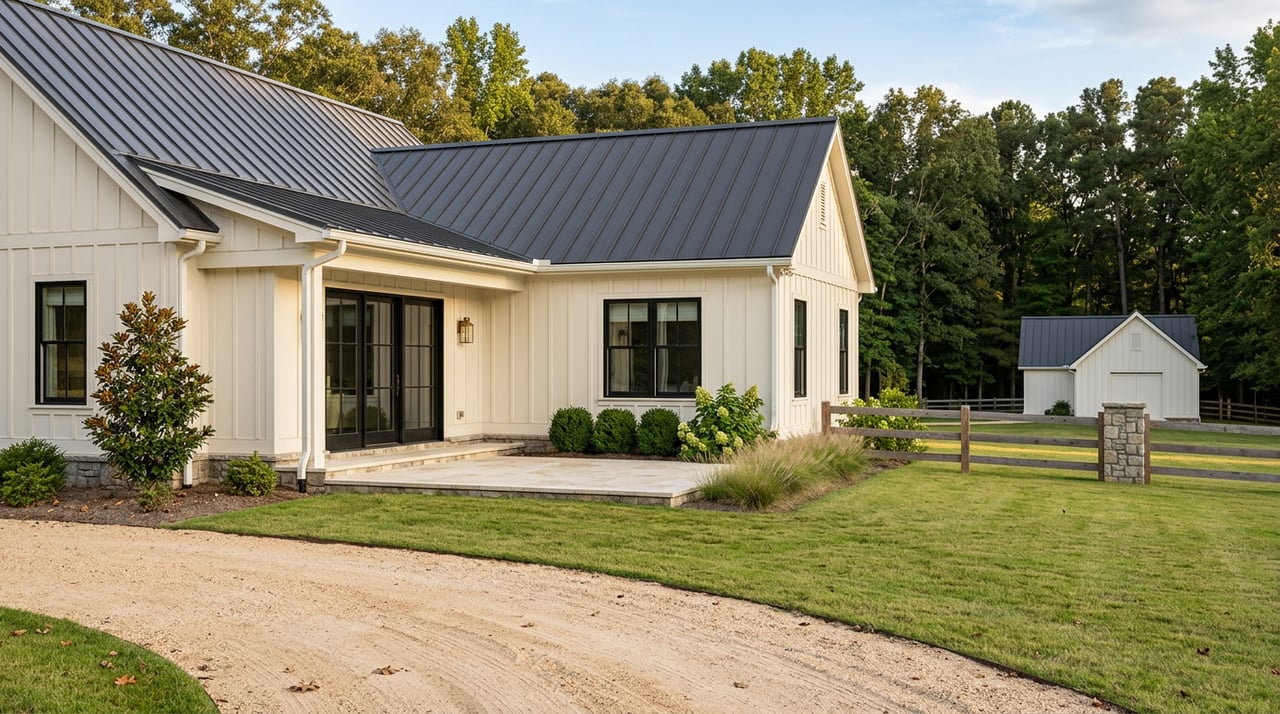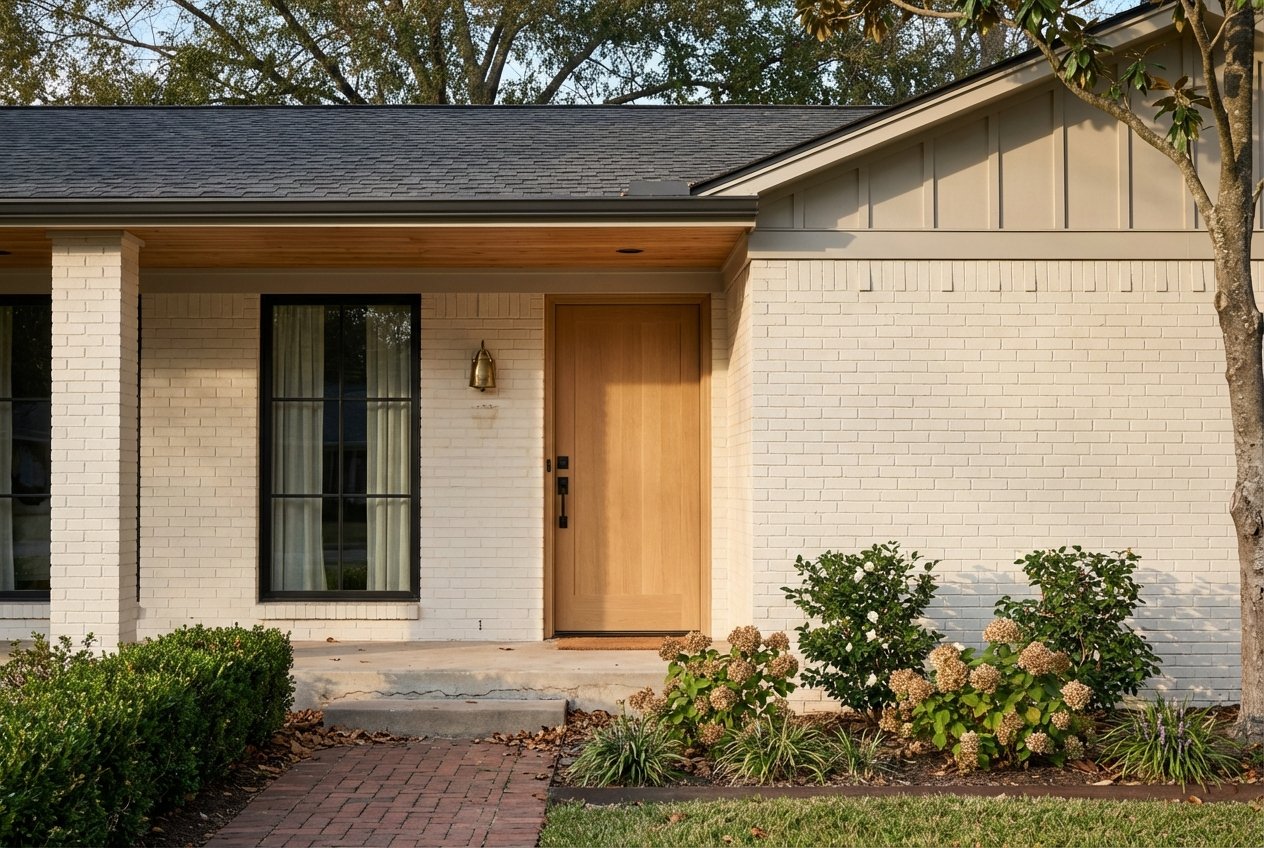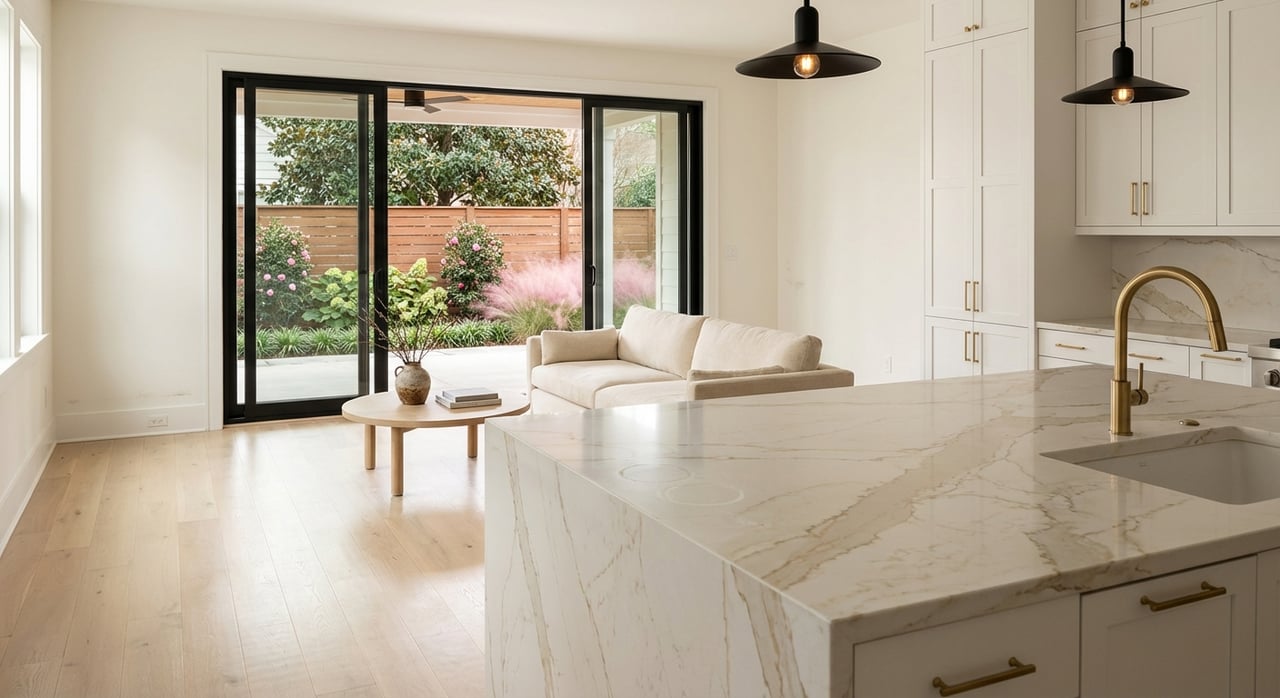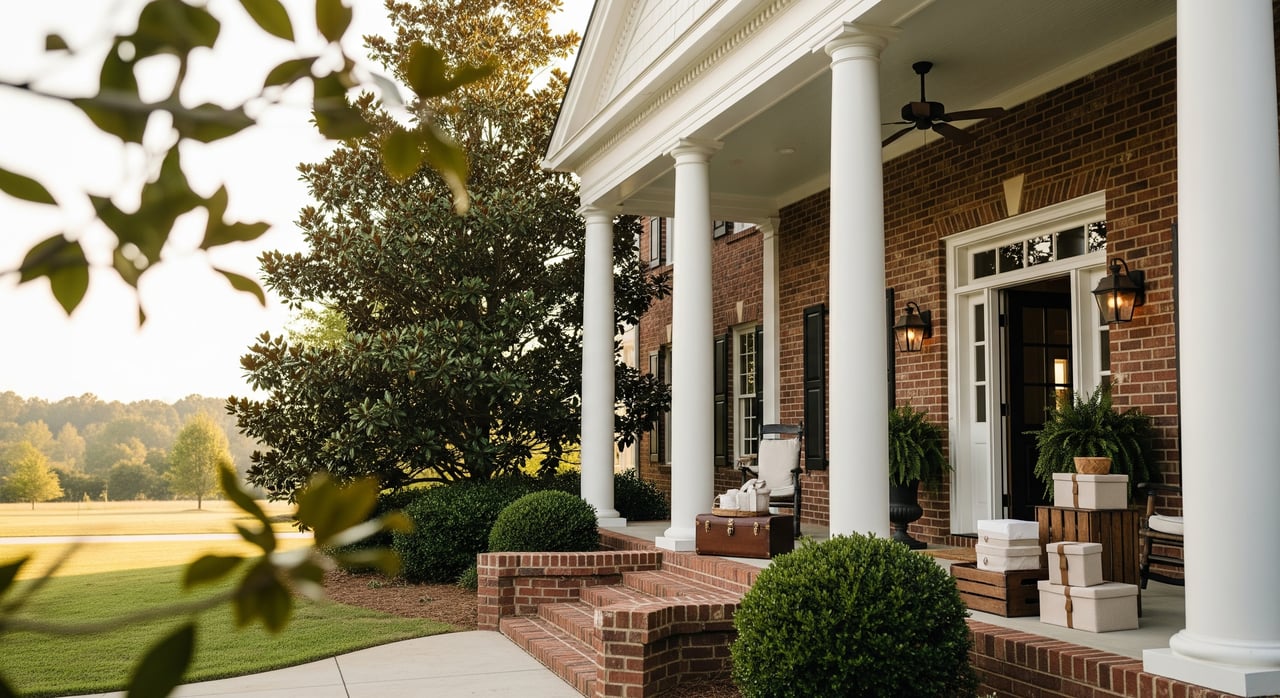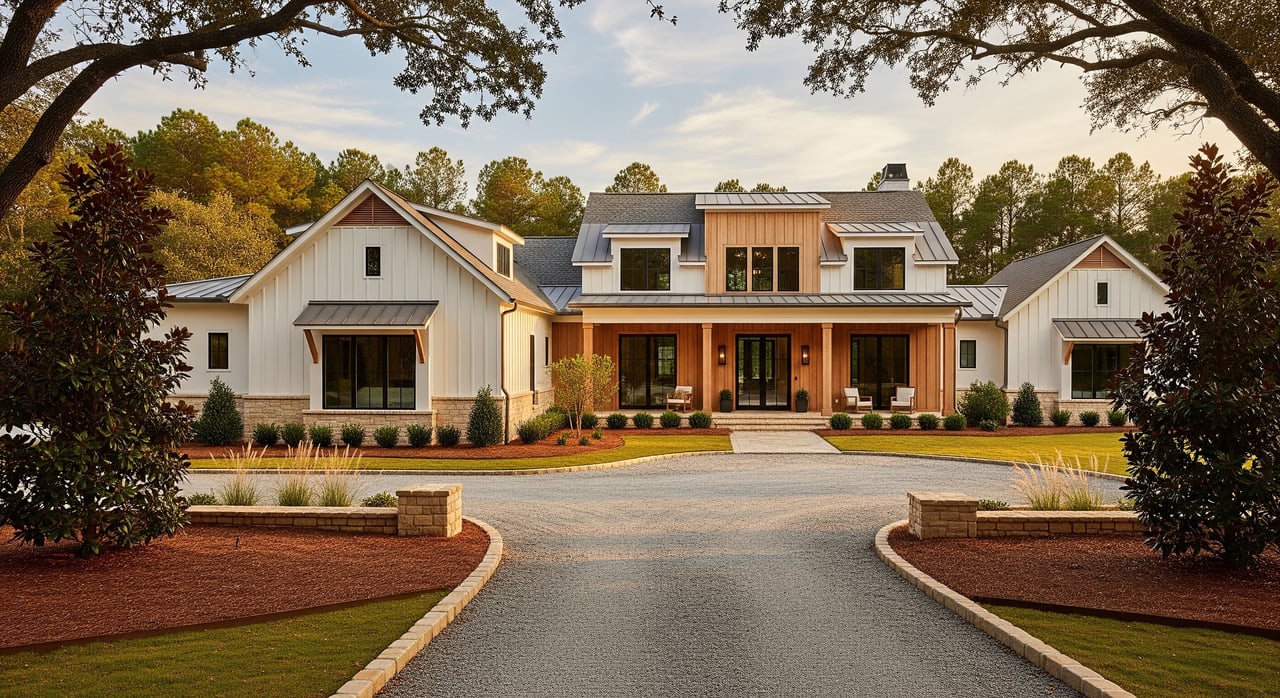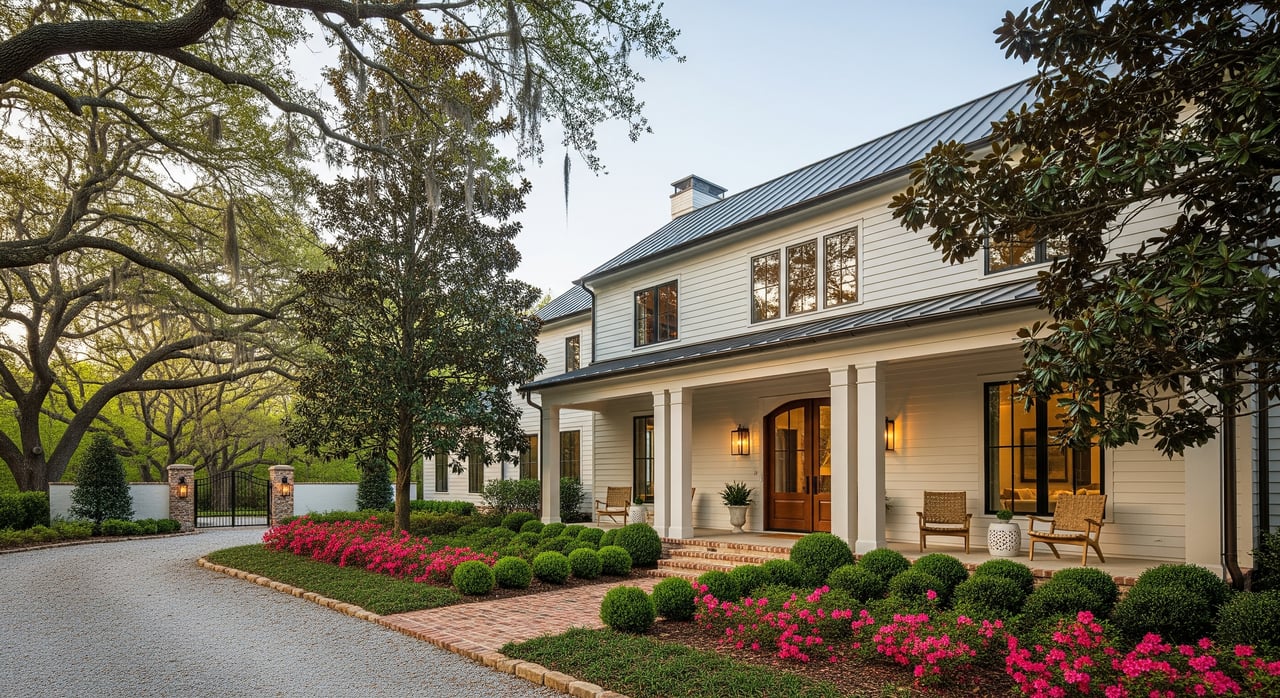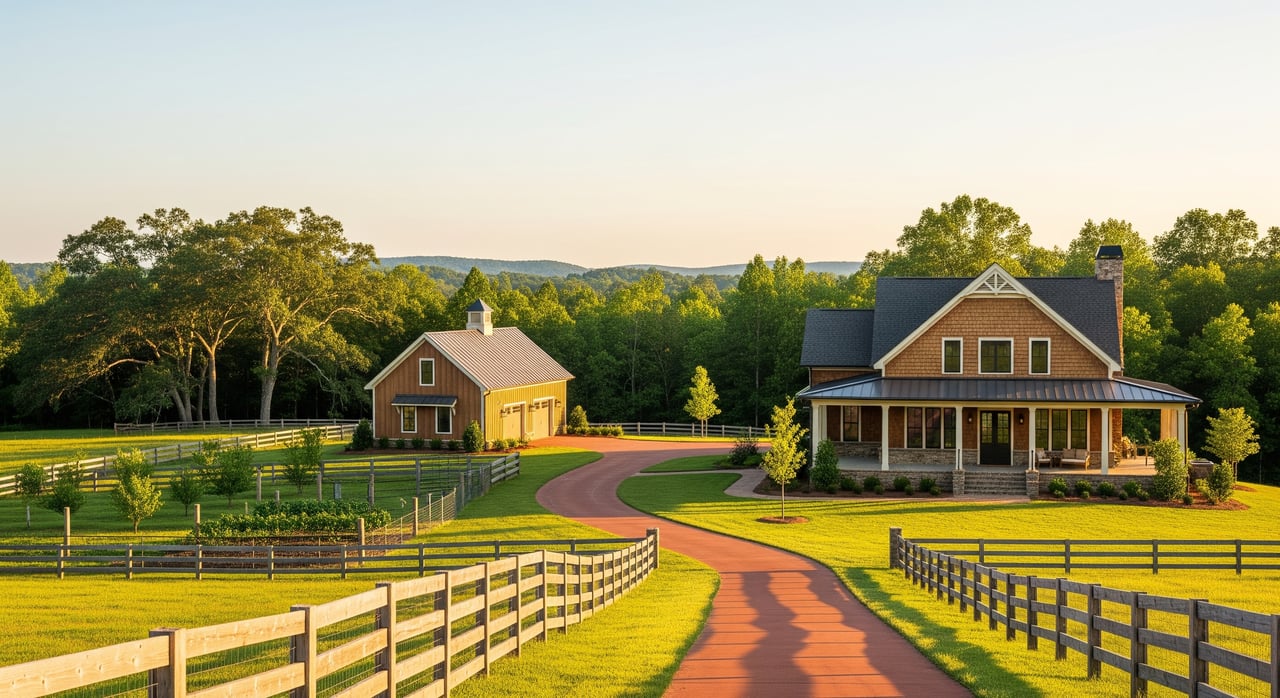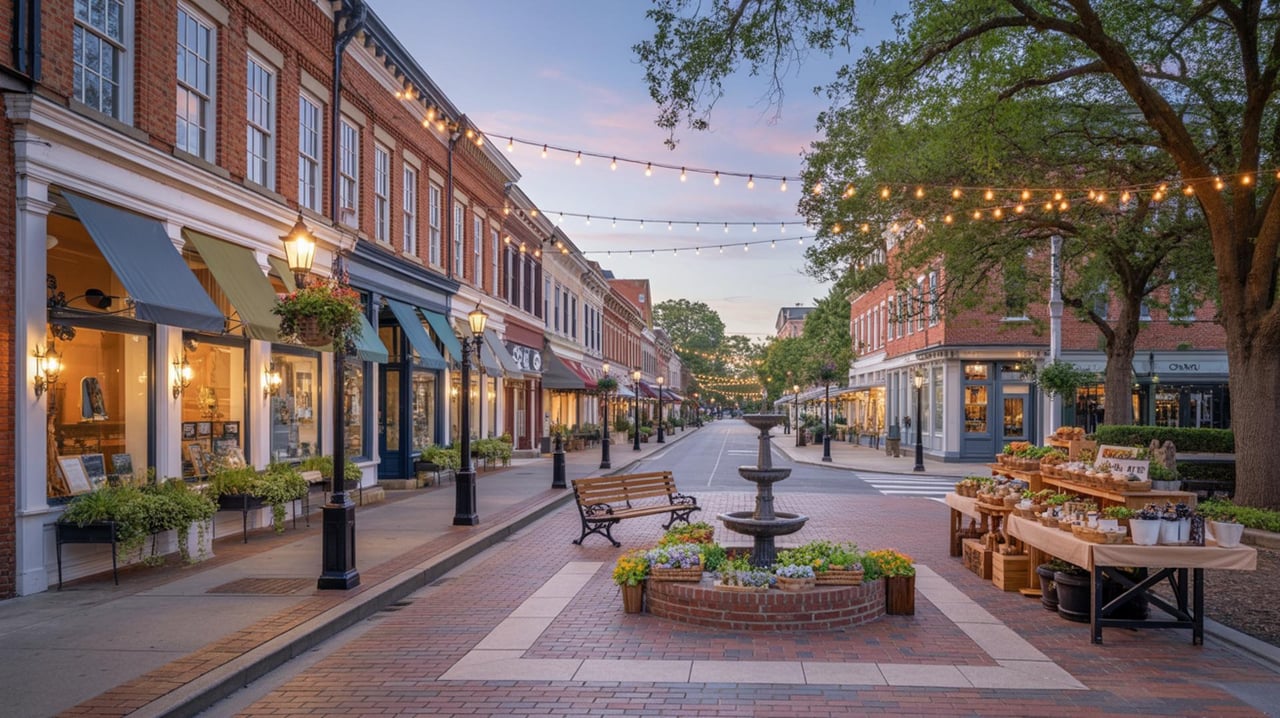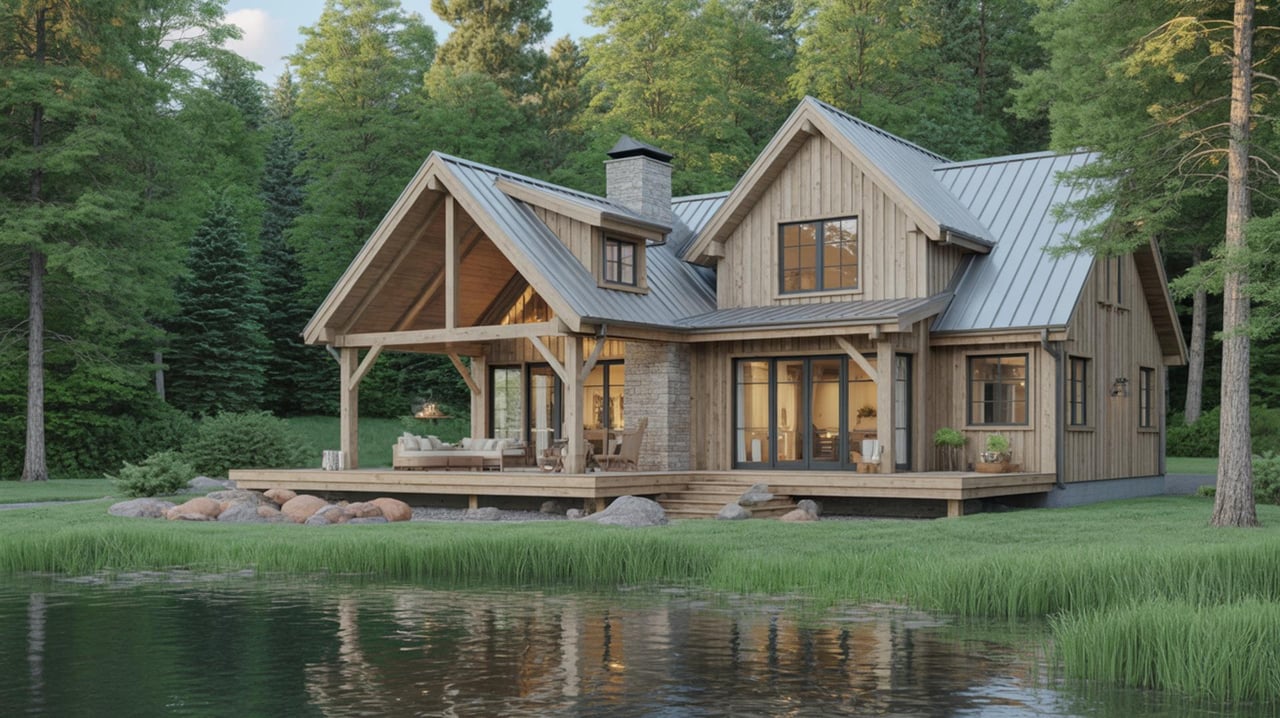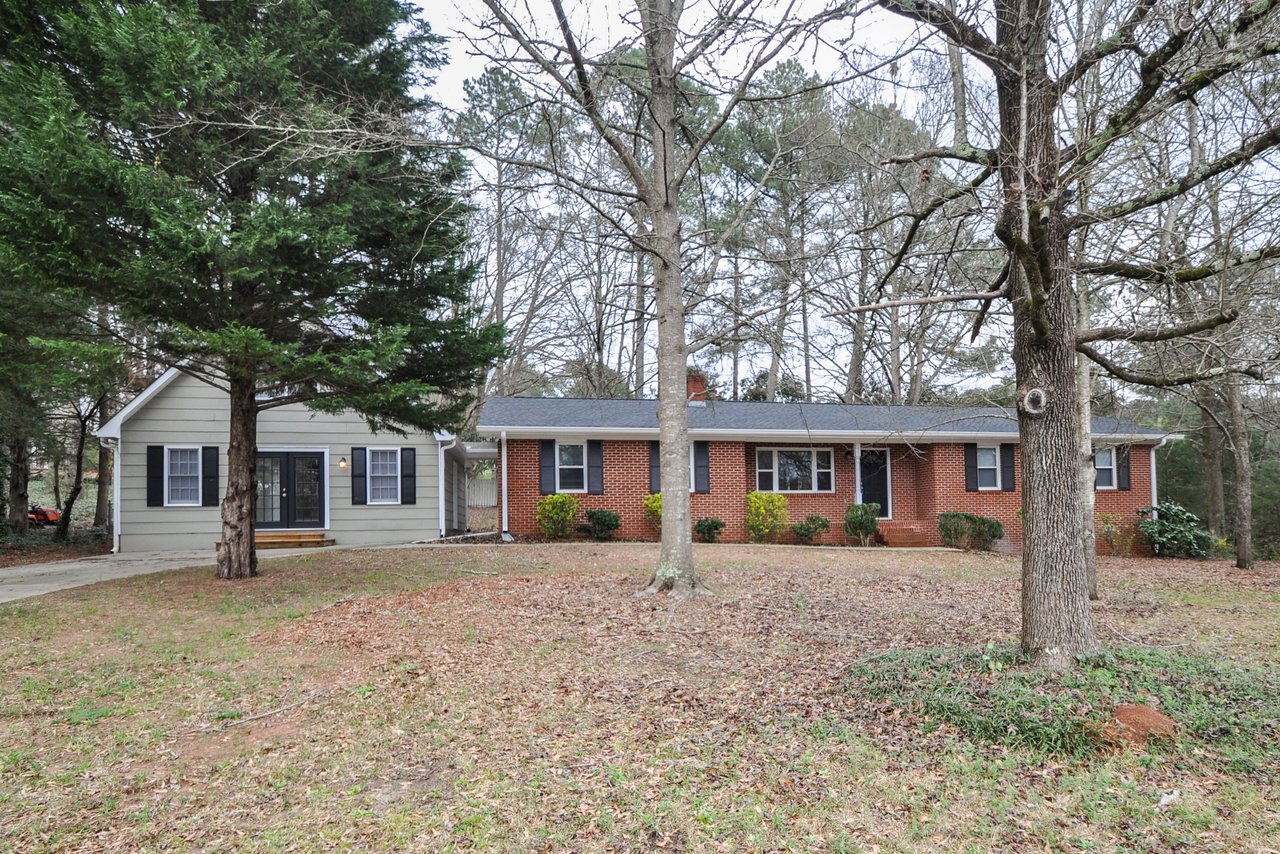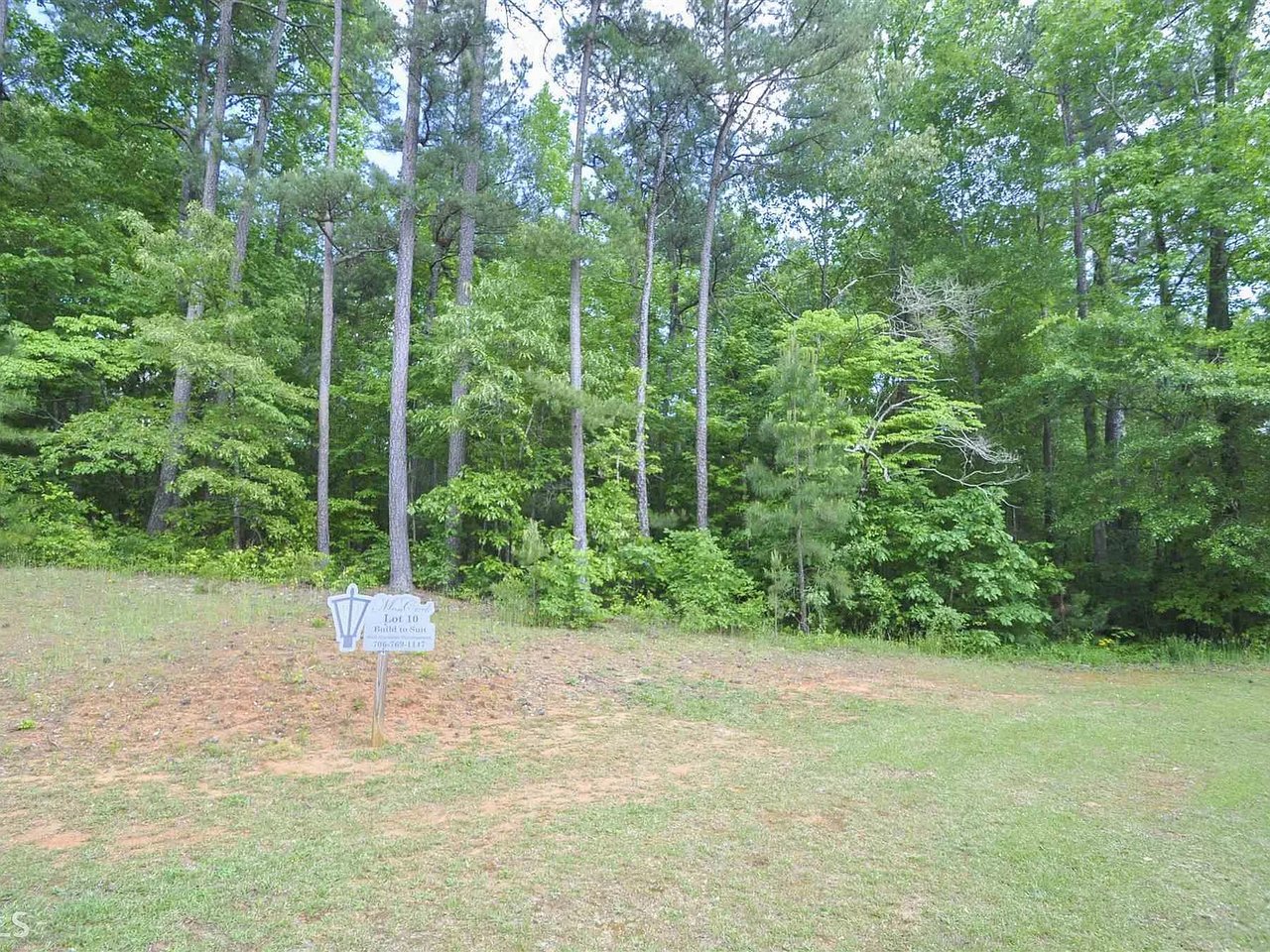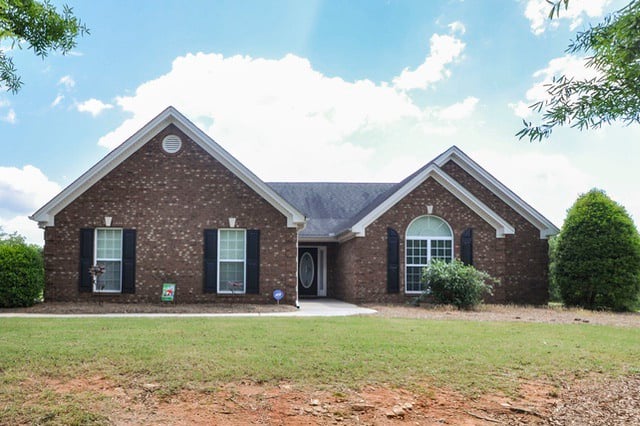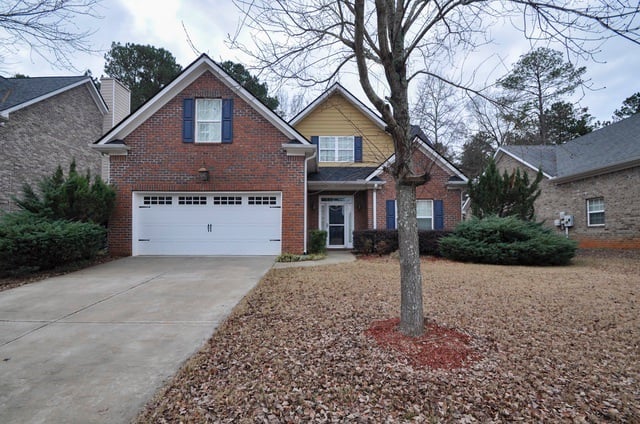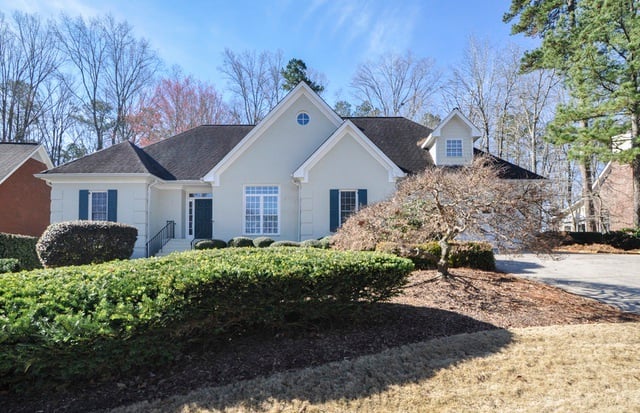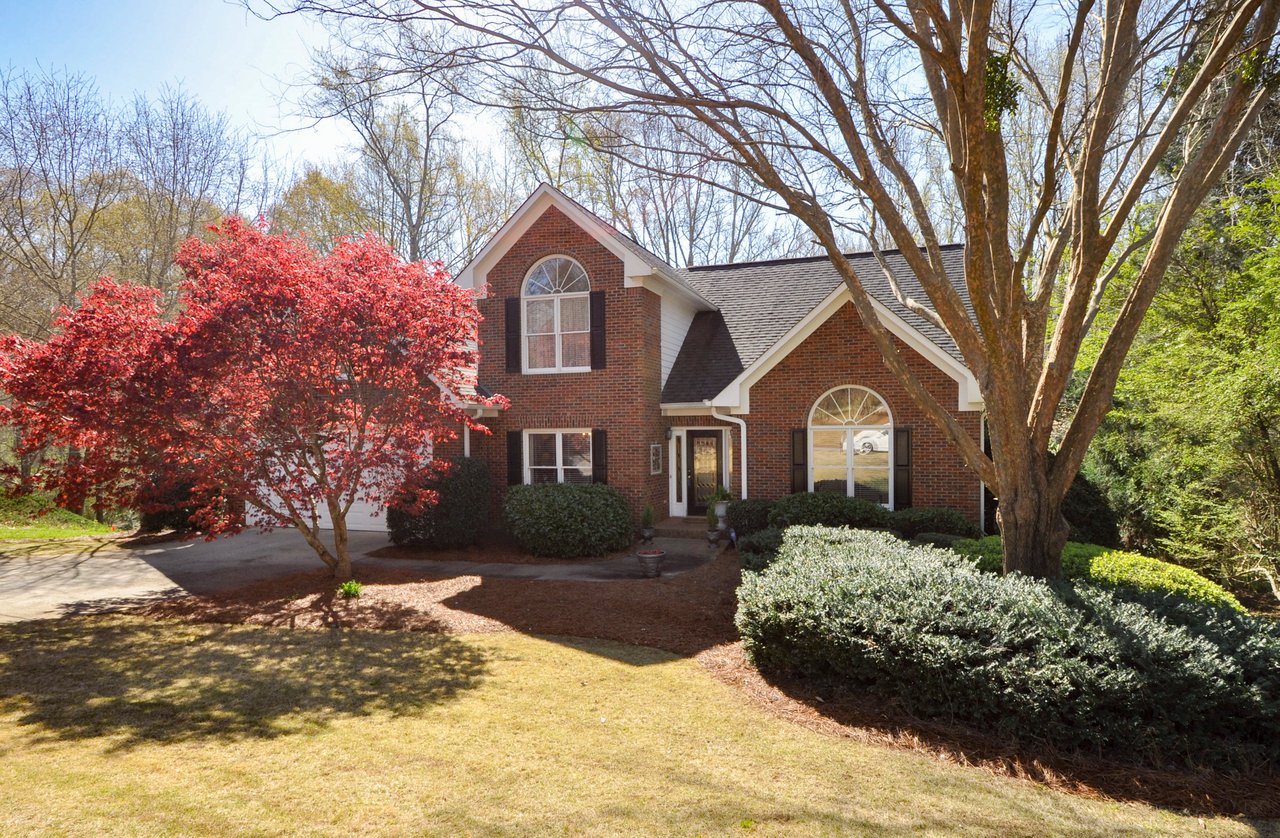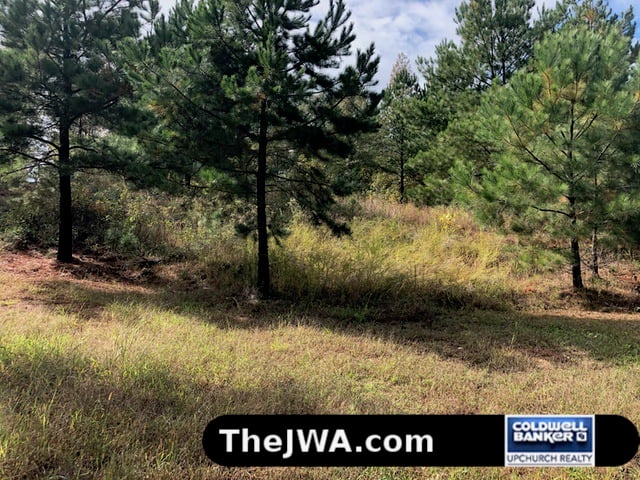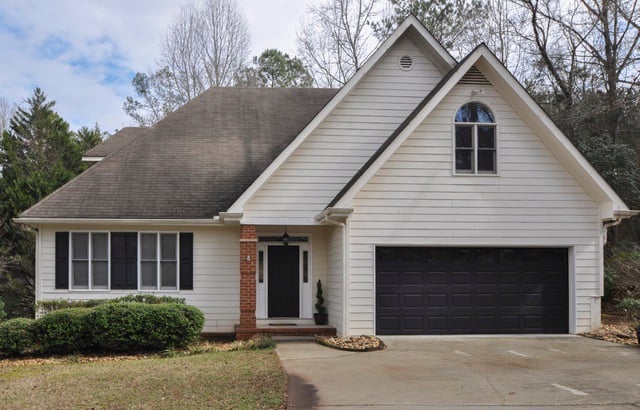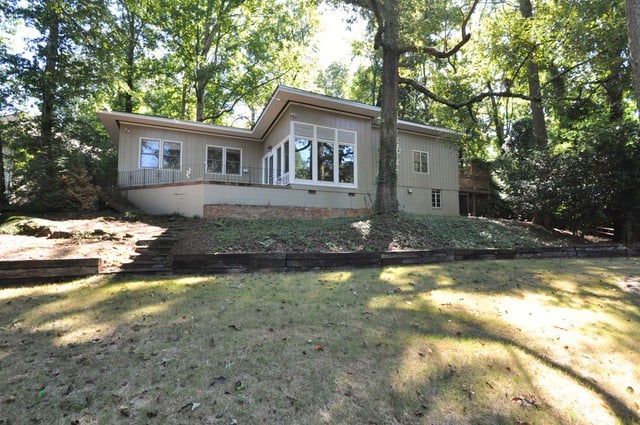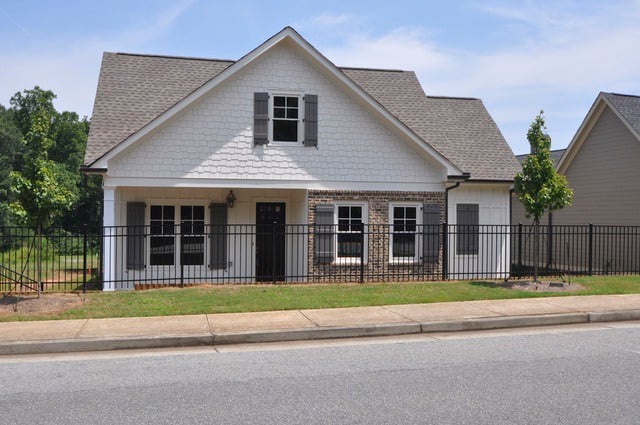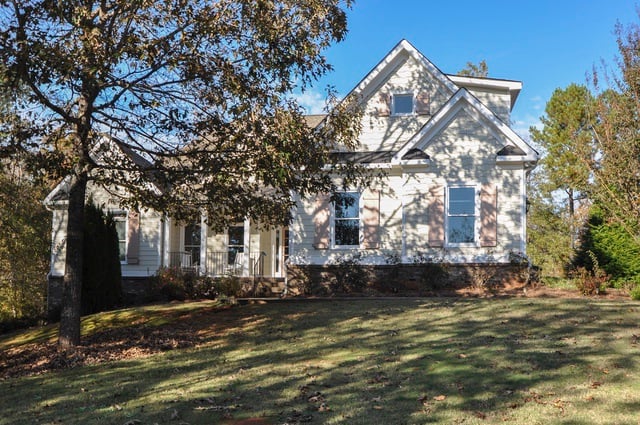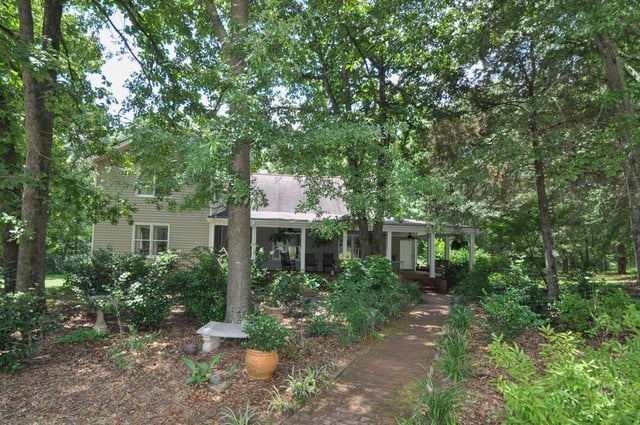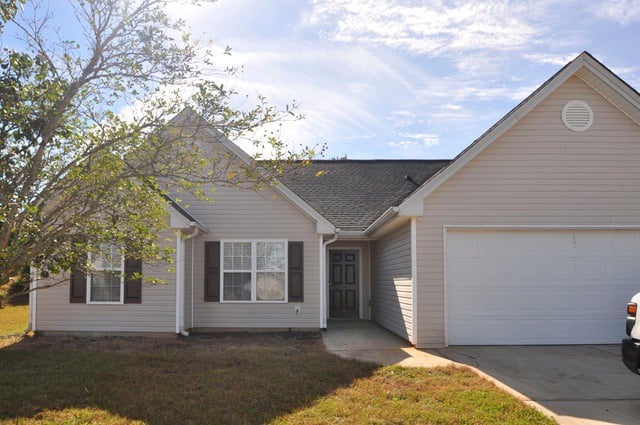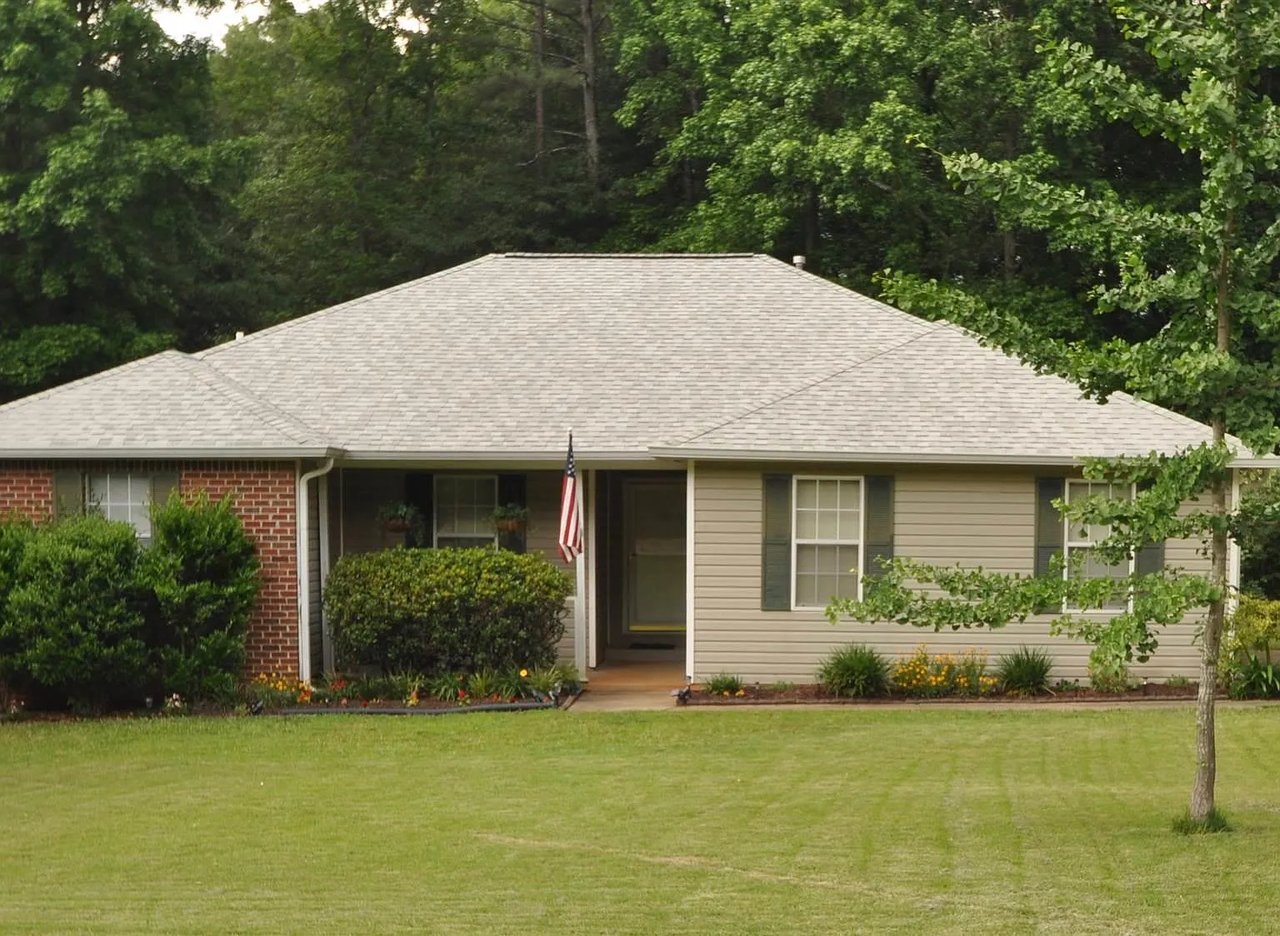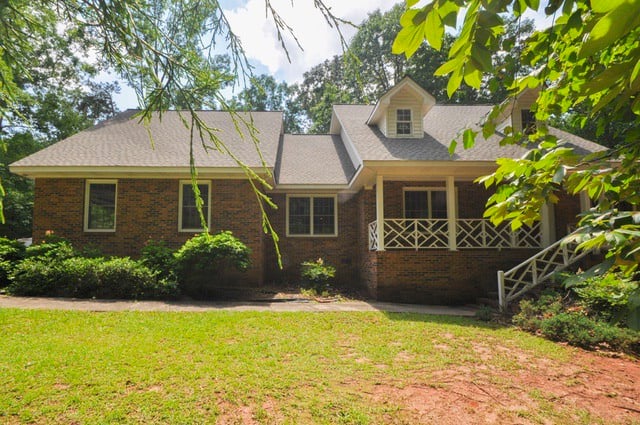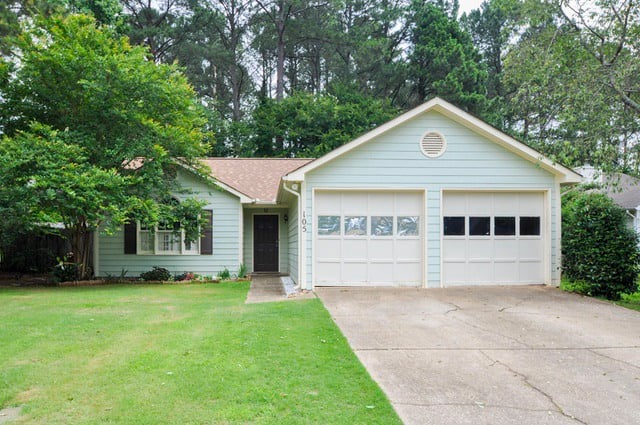
If your idea of home includes raised beds, a few chickens, maybe goats, and enough room to spread out without feeling cut off, a mini-farm near Hull can be a very practical fit. You get the appeal of country living with a daily routine that feels grounded and useful, not romanticized or remote. Just as important, Hull sits in southwestern Madison County with Georgia State Route 72 running through town toward Athens, so errands, work, and dinner plans can still feel close at hand. Let’s dive in.
Why Hull works for mini-farm living
Hull offers a balance that many buyers want but do not always find easily. It is a small town in Madison County, yet its location near Athens helps make a space-focused lifestyle feel more accessible for everyday life.
That matters because mini-farm living is rarely about total isolation. More often, it is about having enough land for gardens, outbuildings, hobby animals, or a workshop while staying connected to the routines that keep life moving.
Madison County itself helps support that picture. The county has six municipalities across 286 square miles, which gives Hull a rural setting without making it feel far removed from the rest of the area.
What daily life really looks like
A mini-farm near Hull usually runs on steady, practical habits. You may start the day by checking animal water, walking the fence line, looking over garden beds, or moving feed and tools before work or errands.
The rhythm tends to be simple but consistent. Small tasks build up into the lifestyle, and that is often the point. You are not just living on land. You are using it every day.
For many households, that routine includes a mix of outdoor chores and trips into Athens by way of SR 72. That combination is part of the appeal: space at home, with everyday access to shopping, dining, commuting routes, and services.
Gardening near Hull
Gardening is often the most visible part of mini-farm life, and the local climate supports a long growing season. In the Athens area, NOAA climate normals show an annual mean temperature of 62.5 degrees with about 46.33 inches of precipitation each year.
In practical terms, that means warm-season planting can do well, but summer watering and moisture management matter. Average highs near 89.9 degrees in August can put stress on vegetable beds, while cooler winter lows near 33.1 degrees in January shape what you plant and when.
UGA Extension notes that in parts of Georgia, you can grow vegetables every month of the year. It also recommends using a garden calendar, planning successive plantings, and thinking ahead to fall crops in July, August, and September.
Soil matters more than you think
If you are picturing a productive garden, start with the soil. UGA says soil testing is one of the most important home gardening practices because it helps determine fertilizer and liming needs.
Most vegetables grow best in slightly acidic soil with a pH around 6.0 to 6.5. UGA also recommends soil sampling every 2 to 3 years for home lawns and gardens, and lime is often applied 3 to 6 months before planting.
That is one reason mini-farm life feels hands-on. Good results usually come from planning, testing, and adjusting, not just planting and hoping for the best.
Garden upkeep is part of the routine
Once the season gets moving, daily upkeep becomes part of the rhythm. That can include mulching, watering evenly, pulling weeds, and checking plants often for insect or disease issues.
Protection also matters on small acreage. UGA notes that fencing or repellents may be needed to protect plants from rabbits and deer, which makes a good garden less about appearance alone and more about steady maintenance.
Hobby animals add structure to the day
For many buyers, the mini-farm dream includes a small flock or a few grazing animals. Near Hull, that often means chickens, goats, or sheep on a manageable scale.
The reality is appealing, but it is also routine-driven. Animals need water, feed, shelter, clean spaces, and regular observation, whether the weather is ideal or not.
UGA describes goats and sheep as social grazers that need hay, grain as needed, plenty of water, and shelter in very hot or cold weather. That means the setup around your home matters just as much as the animals themselves.
Goats and sheep need pasture management
One of the biggest day-to-day issues with small ruminants is parasite control. UGA Extension advises keeping grass at least 3 inches tall, avoiding overstocking, and rotating pastures when possible.
Those are practical habits, not advanced farm theory. On a mini-farm, pasture condition affects animal health in a very direct way, so regular observation becomes part of your normal schedule.
This is also why buyers looking at small acreage often think beyond the house first impression. Open ground is helpful, but how that land can be divided, maintained, and used over time matters just as much.
Backyard chickens are manageable with planning
Chickens are often the easiest entry point for hobby farming, but they still need a system. UGA defines a small flock as 50 birds or fewer and notes that housing and predator management are top concerns for backyard flock owners.
Clean litter, rodent control, nutrition, and disease prevention all shape the day-to-day experience. A coop that is easy to access and clean can make a noticeable difference in how sustainable the routine feels.
For many households, chickens fit well because they add structure without requiring large pasture areas. Even so, they are still part of a real care routine, not just a lifestyle detail.
The infrastructure behind the lifestyle
The less visible parts of a mini-farm are often the most important. UGA notes that small operations usually rely on practical infrastructure such as hand tools, fencing, greenhouses or garden sheds, and in some cases a small utility tractor in the 20- to 40-horsepower range.
A reliable water source is also important. When you are watering beds, cleaning up, or caring for animals, convenience and consistency matter more than many first-time buyers expect.
Fencing is part of everyday function
Fencing is not just about marking a property line. It helps protect gardens, manage animals, and organize the way your land works.
UGA’s fencing guidance emphasizes planning gate locations near buildings, choosing the right type of permanent or temporary fencing, and maintaining it in Georgia’s humid climate. In real life, that means fence walks, repairs, and adjustments become part of ongoing property care.
Sheds, driveways, and mud are real factors
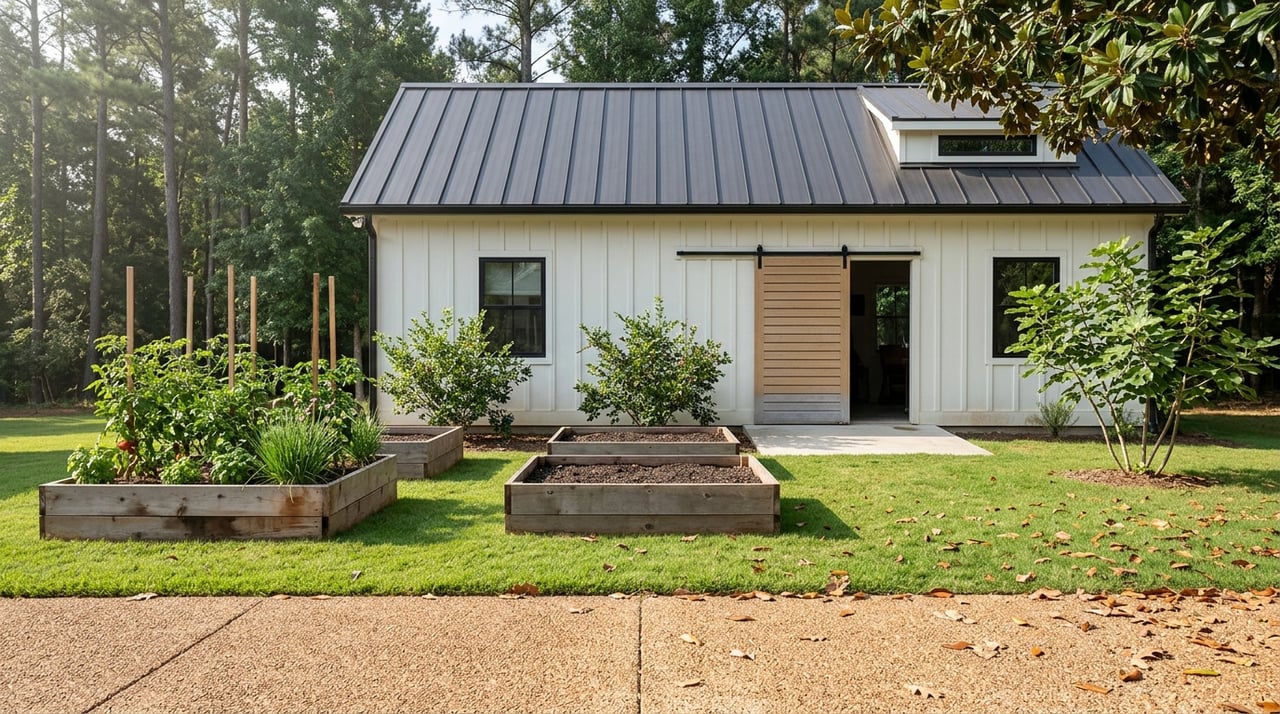
Mini-farm living includes small logistical details that shape your week. Feed has to be stored, tools need a place to go, and wet weather can turn driveways, work areas, and animal spaces into muddy zones that need attention.
Madison County’s road department maintains about 574 miles of county roads, including pothole repair, drainage culverts, and gravel-road scraping and reshaping. For you, that reinforces a practical part of rural living: road conditions, driveway upkeep, drainage, and mud control are often part of the package.
It is often a lifestyle choice first
UGA says many small-acreage ventures are realistically part-time, and livestock on small acreage is often more of a household meat-and-eggs or lifestyle project than a profit engine. That is an important expectation to bring into your search.
For most buyers, a mini-farm near Hull is not about building a large farm business. It is about creating a home life with more space, more daily connection to the land, and a routine that feels intentional.
That can be a great fit if you value hands-on living. It may be less appealing if you want low-maintenance property ownership with little outdoor responsibility.
Weekly logistics still matter
Part of mini-farm life is handling the ordinary tasks that do not show up in listing photos. Cleanup, haul-off, seasonal yard debris, and property maintenance all become part of the rhythm.
Hull’s city page notes a seasonal outdoor burn ban from May 1 through September 30. Madison County’s transfer station handles items such as household garbage, furniture, mattresses, appliances, scrap metal, used motor oil, batteries, and tires, which means property cleanup often includes regular planning for disposal and haul-off.
Those details may sound small, but they shape how functional the lifestyle feels week to week. The more your property setup supports them, the easier day-to-day living becomes.
What buyers should picture before purchasing
If you are considering a mini-farm near Hull, it helps to picture your normal Tuesday, not just your ideal Saturday. Think about watering in summer heat, checking fences after rain, hauling supplies, and keeping animal areas clean.
You should also think about how much of the land you will actually use. A manageable setup often feels better than more acreage with no clear plan.
A smart property search starts with the way you want to live. If your goal is space for gardening, a small flock, hobby livestock, or flexible outbuildings while staying within easy reach of Athens, Hull can offer a compelling balance.
When you are ready to explore properties that fit that lifestyle, Jennifer Westmoreland can help you evaluate not just the home, but how the land, access, and layout support the way you want to live.
FAQs
What is daily life like on a mini-farm near Hull, Georgia?
- Daily life often includes checking gardens, watering, feeding animals, walking fence lines, managing tools and supplies, and making regular trips toward Athens via SR 72 for errands or work.
Is Hull, Georgia close enough to Athens for commuting and errands?
- Yes. Hull is just outside Athens-Clarke County, and Georgia State Route 72 runs through Hull toward Athens, which supports a country setting with practical access to town.
What gardening conditions can you expect near Hull, Georgia?
- The Athens-area climate includes warm summers, mild enough conditions for a long growing season, and average annual precipitation of 46.33 inches, so watering, drainage, and soil management are important.
What animals are common on a mini-farm near Hull?
- Common hobby animals include backyard chickens, goats, and sheep, all of which need regular feeding, water, shelter, and consistent care.
What property features matter most for a mini-farm near Hull, Georgia?
- Useful features often include workable garden space, reliable water access, fencing, practical gate placement, storage buildings or sheds, and a layout that supports easy daily upkeep.
Is a mini-farm near Hull usually a business or a lifestyle property?
- In many cases, it is primarily a lifestyle property. UGA notes that many small-acreage ventures are part-time and often focused more on household use and daily living than profit.