Thinking about buying a short-term rental in Clayton? It can be an exciting move, but it is also one that works best when you start with the right questions. If you understand the local rules, the property fit, and the kind of stay guests are looking for, you can make smarter decisions from day one. Let’s dive in.
Why Clayton draws short-term rental interest
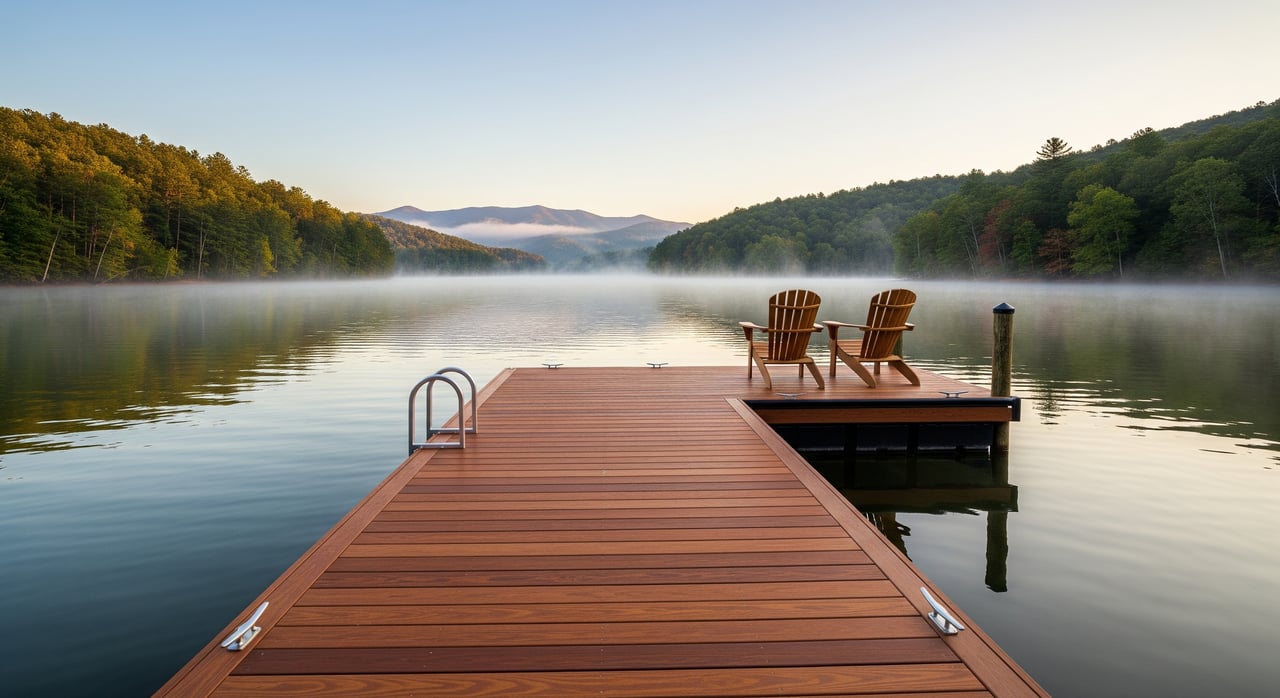
Clayton sits in Rabun County, a North Georgia mountain destination shaped by outdoor recreation, weekend travel, and vacation stays. Local tourism materials highlight state parks, lakes, trails, waterfalls, scenic drives, restaurants, shops, and events that bring visitors to the area throughout the year.
That matters if you are considering a short-term rental. In this market, guests are not usually looking for commuter housing. They are typically looking for a comfortable place to stay while they enjoy the mountain setting and plan easy day trips.
Start with the property location
Your first step is to confirm whether the property is inside the City of Clayton or in unincorporated Rabun County. That one detail affects the rules, licensing path, and tax process you will need to follow.
Inside the City of Clayton, short-term rentals require proper licensure. The city ordinance materials also require a local contact person, posted emergency and contact information, monthly excise-fee reporting, and a short-term-rental insurance rider as part of the application process.
In unincorporated Rabun County, the county says even occasional or word-of-mouth renting still counts as business activity. Owners must obtain a public accommodations license, collect the county tax from guests, and file quarterly tax returns even if they had no revenue.
Understand the local compliance basics
Before you buy, it helps to think of a short-term rental as a small hospitality business, not just a second home. In Clayton, compliance is tied to how the home will operate, how many guests it can handle, and whether it meets local rules.
The City of Clayton ties occupancy and parking limits to the property layout. The application materials ask for bedroom count and square footage so the city can determine maximum occupancy, and the posted notice must show the maximum occupancy and number of vehicles allowed.
The city also requires compliance with building, life-safety, zoning, health, water, and sewer rules. On top of that, private restrictive covenants and other contractual agreements can still apply, so deed restrictions and HOA rules matter even if local government rules allow the use.
Know the taxes and filing duties
One of the biggest mistakes buyers can make is assuming a booking platform handles every tax obligation. In Clayton and Rabun County, there can be more than one layer of taxes and reporting.
Rabun County says the public accommodations tax is 8 percent for short-term rentals such as single-family homes rented for 30 days or less. The county also says annual license fees range from $30 to $200, and owners must file quarterly tax returns even if they have no revenue to report.
At the state level, Georgia imposes a $5 per night state hotel-motel fee on qualifying accommodations, including some online-marketplace short-term rentals. The Georgia Department of Revenue says marketplace innkeepers collect and remit the fee in covered situations, with monthly filing required.
If the home is inside the City of Clayton, you may also have city licensure and monthly excise-fee obligations. That is why it is important to underwrite taxes, fees, and filing schedules before you close, not after.
Choose a property that fits the use
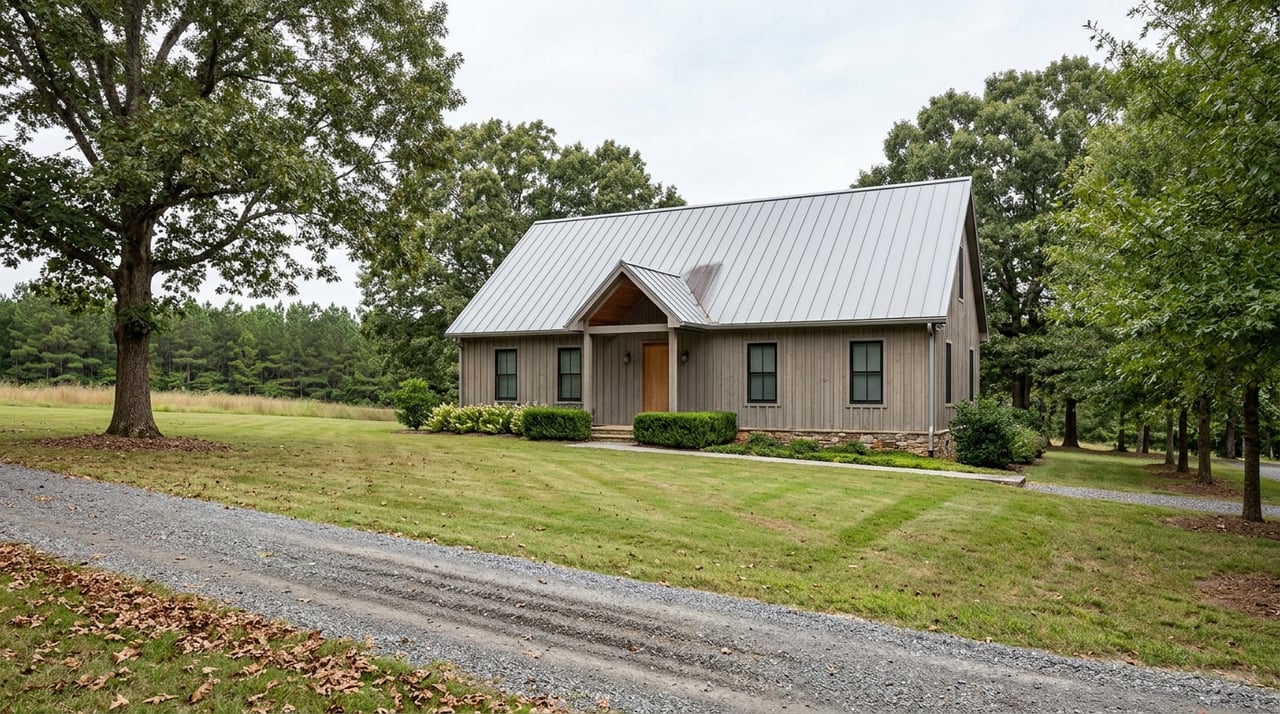
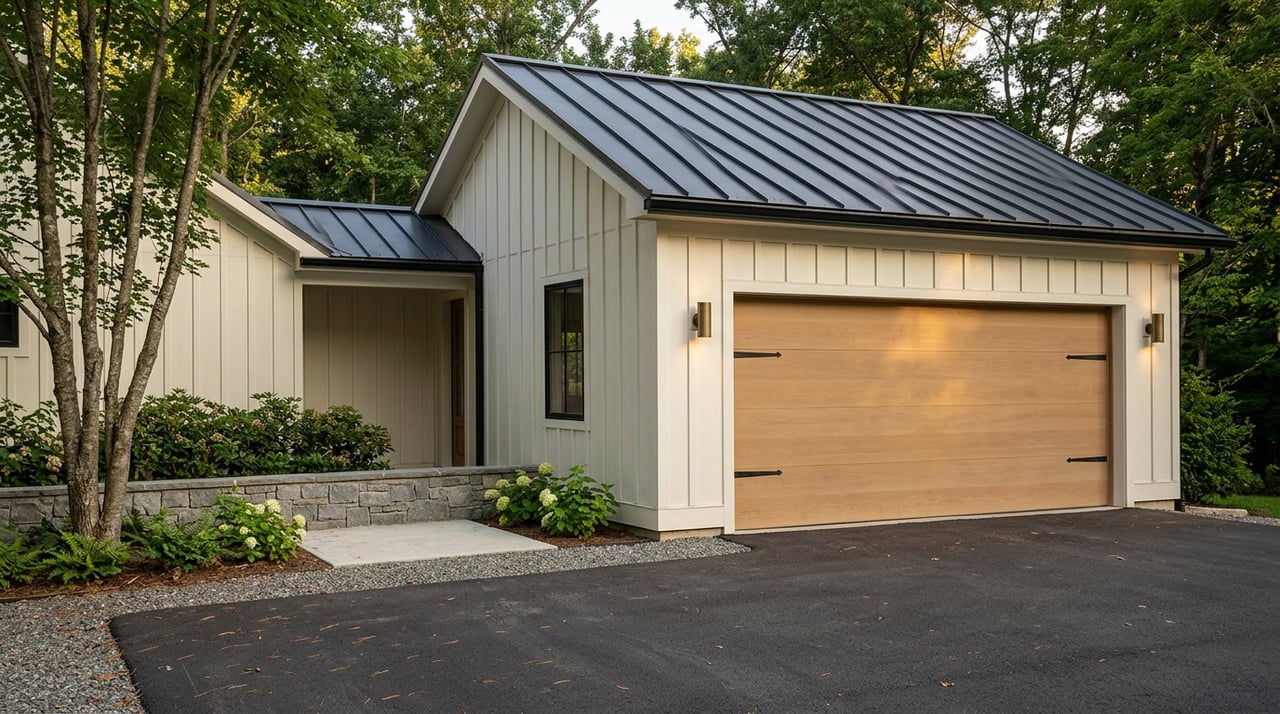
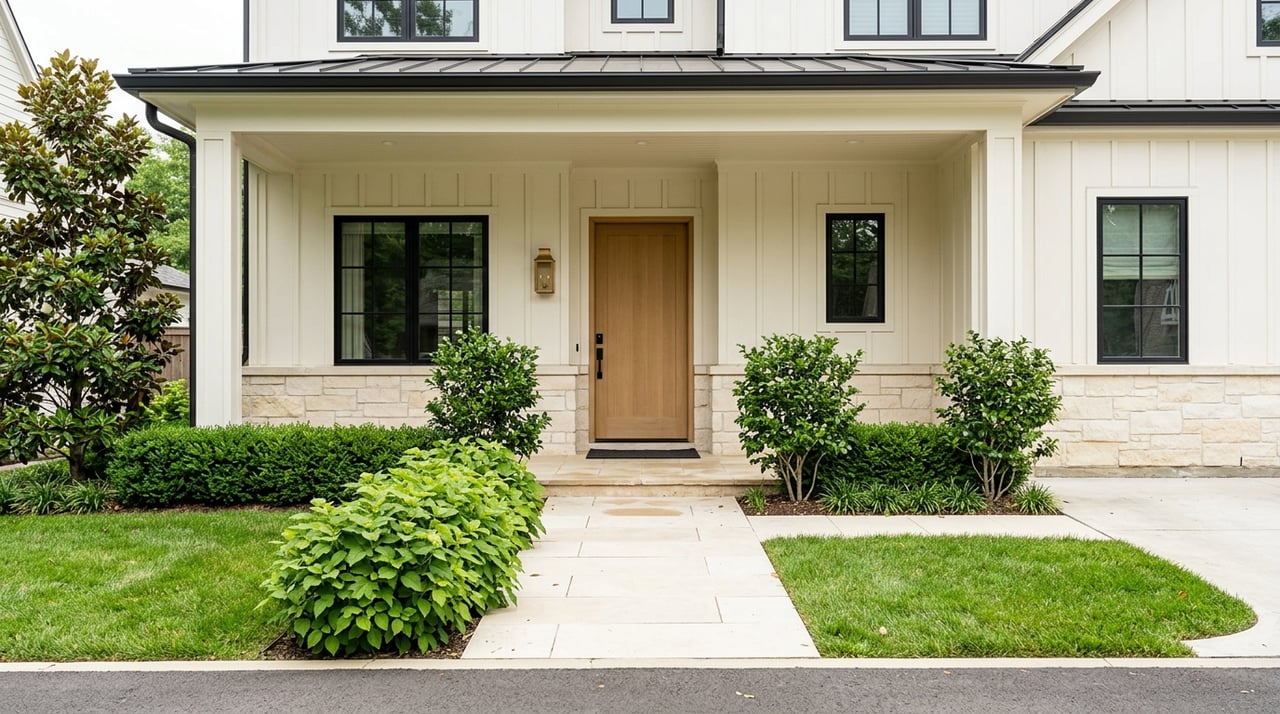
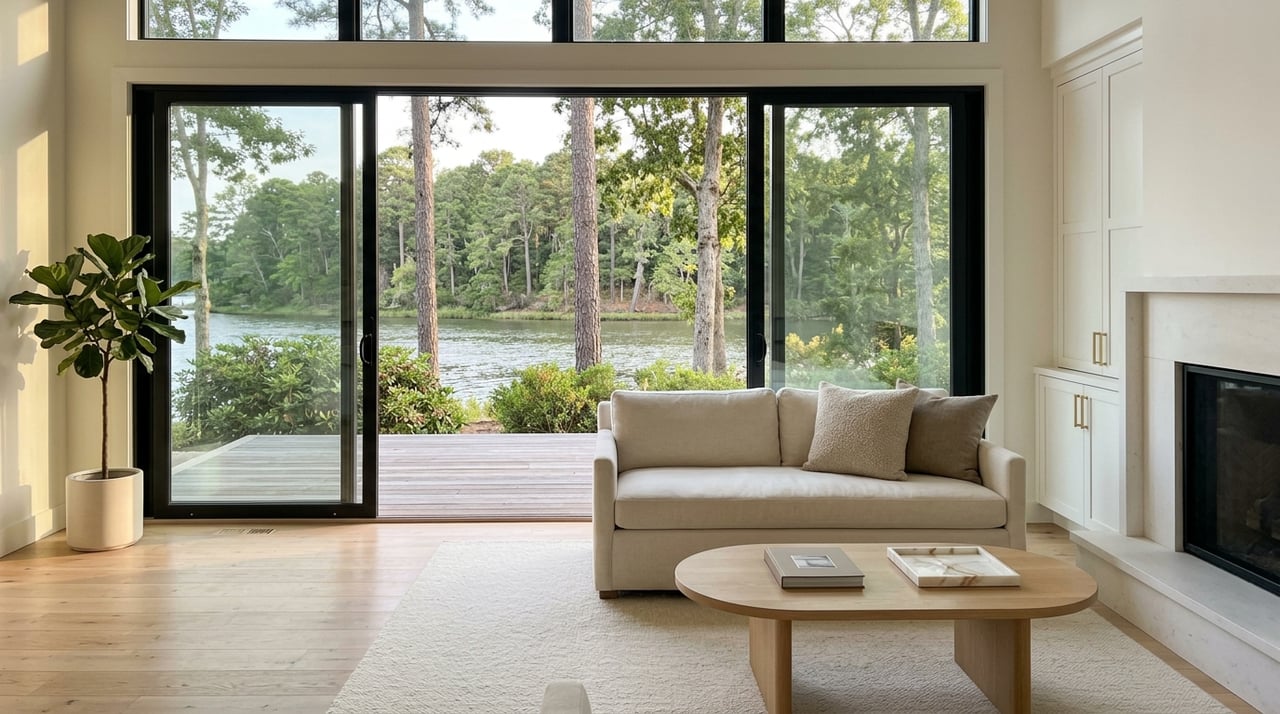
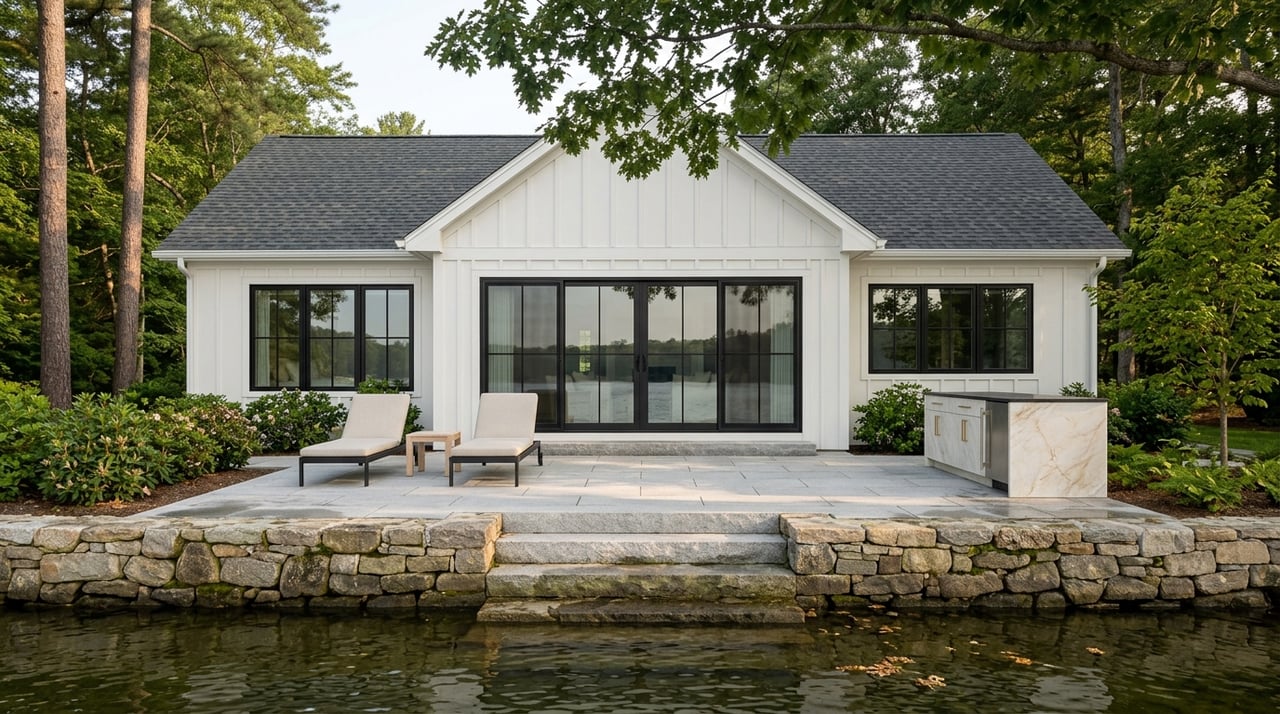
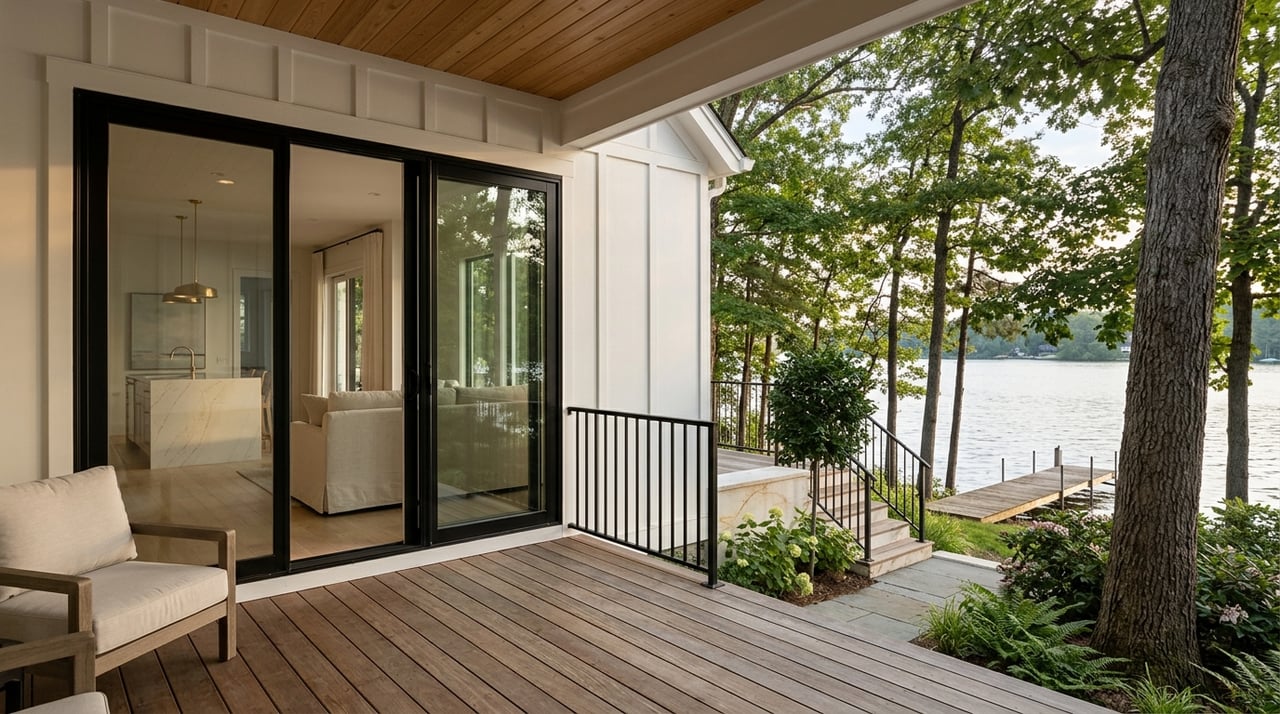
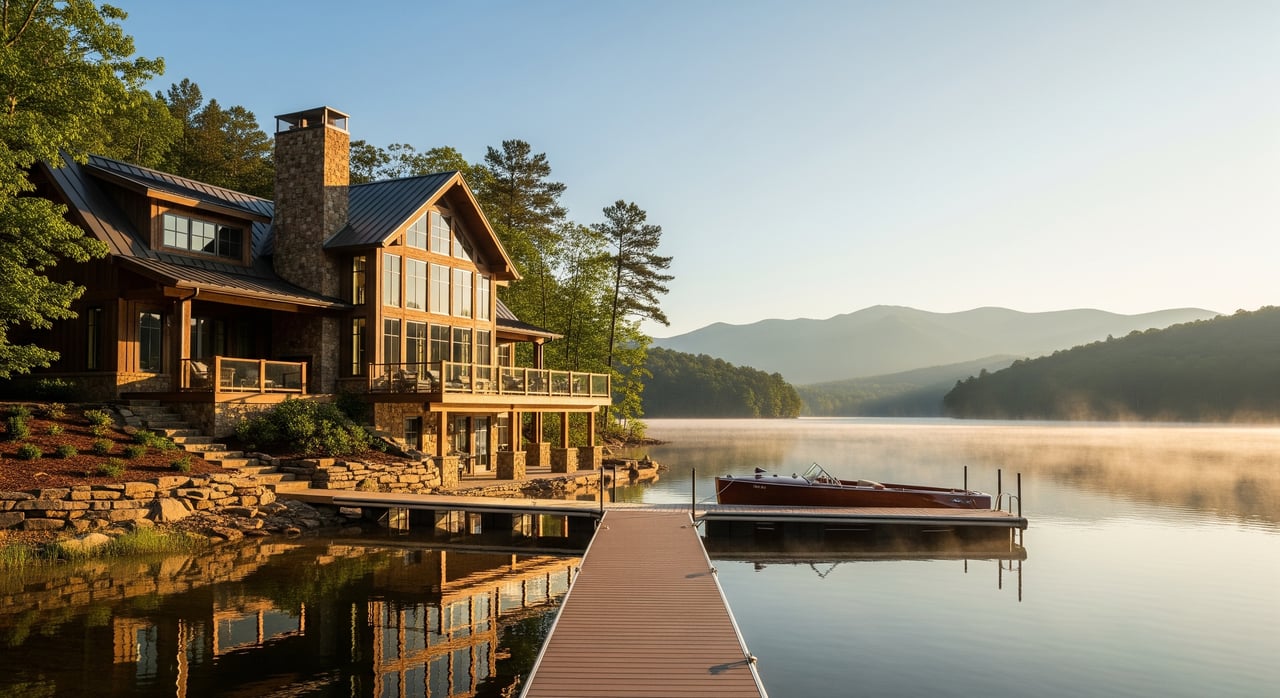
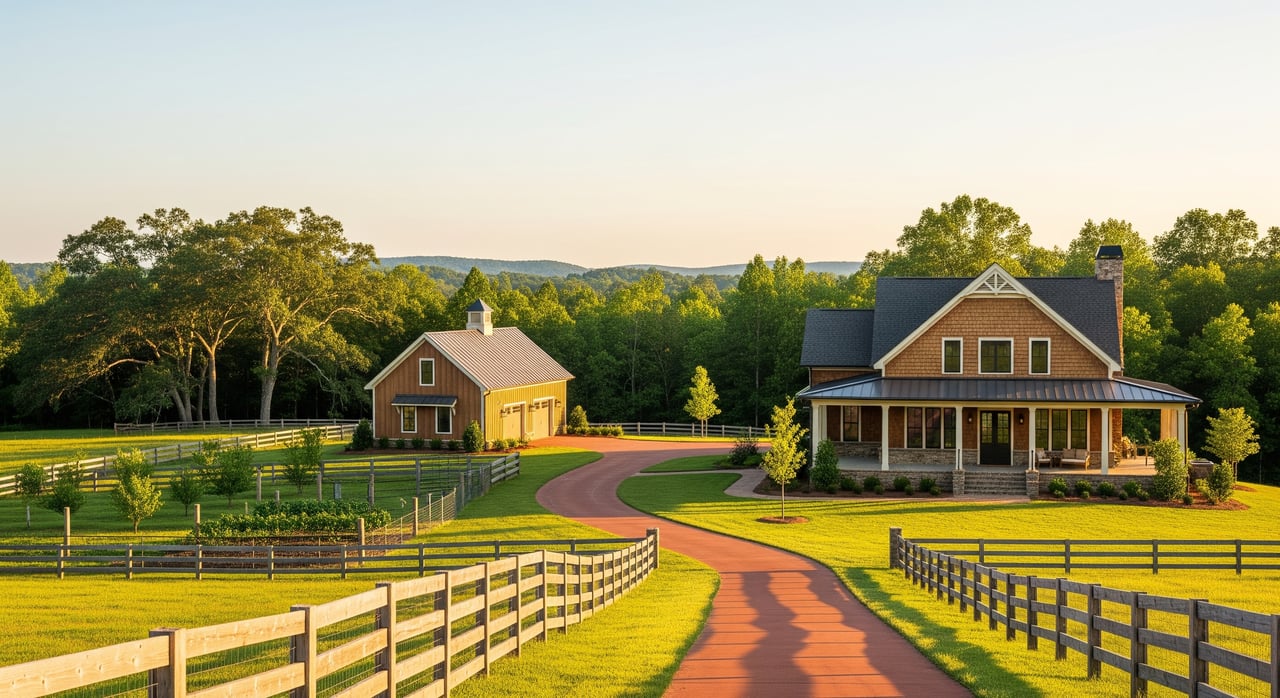
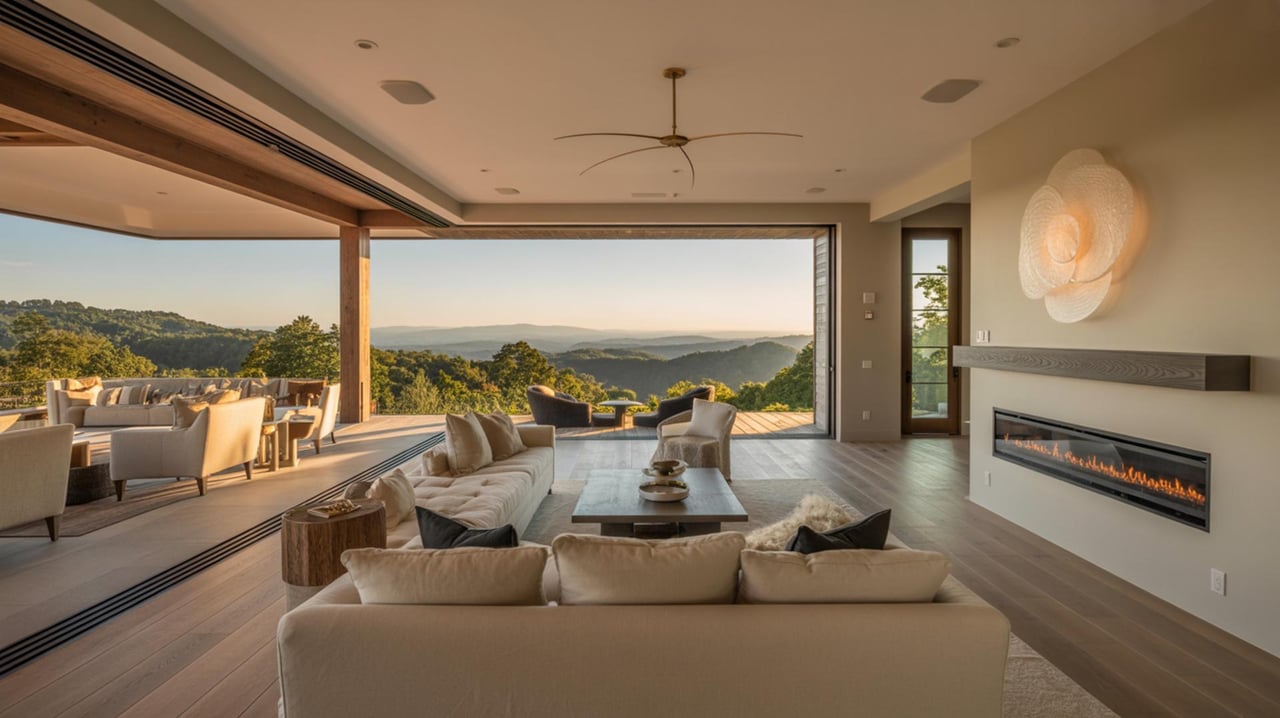
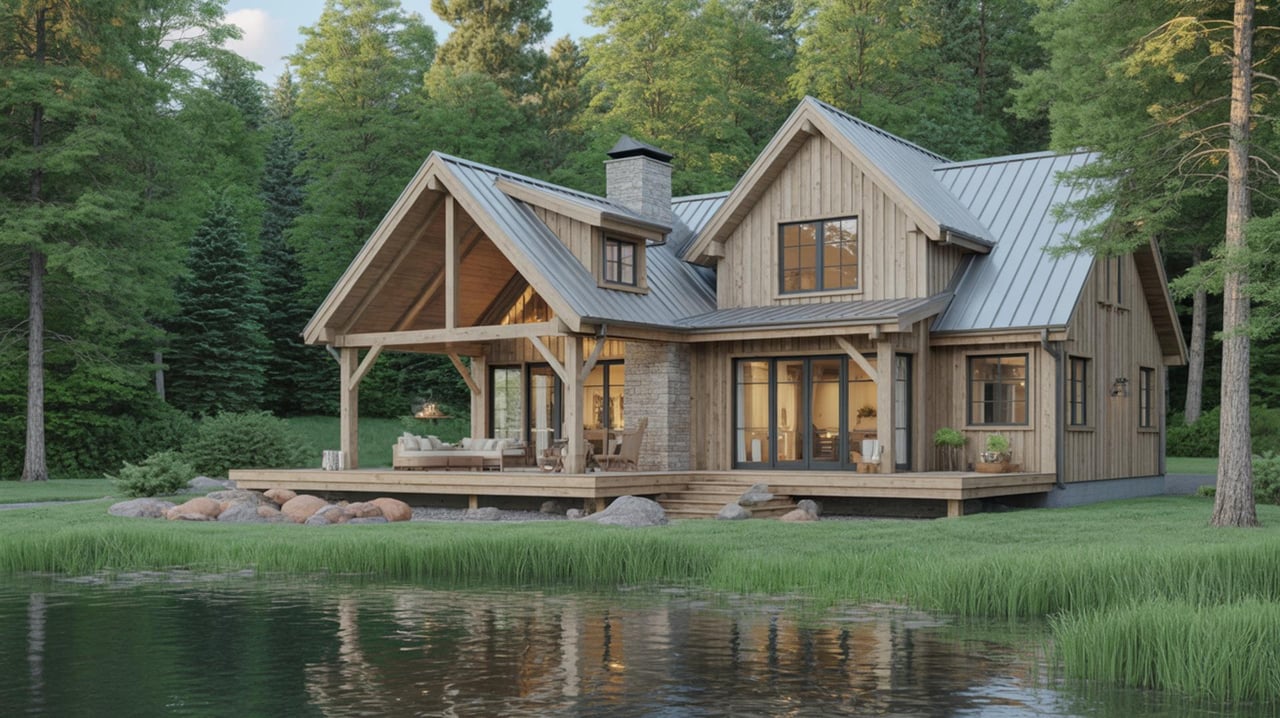
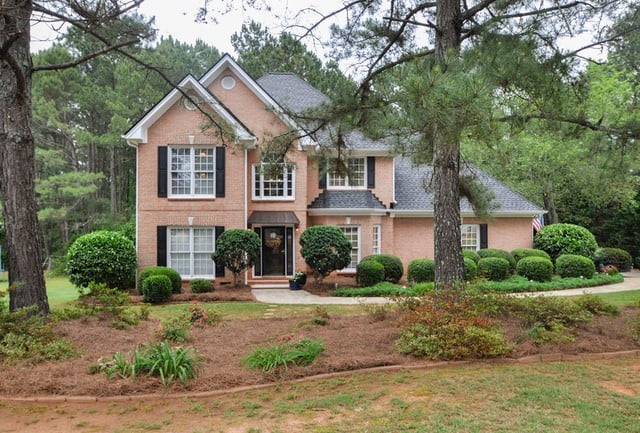
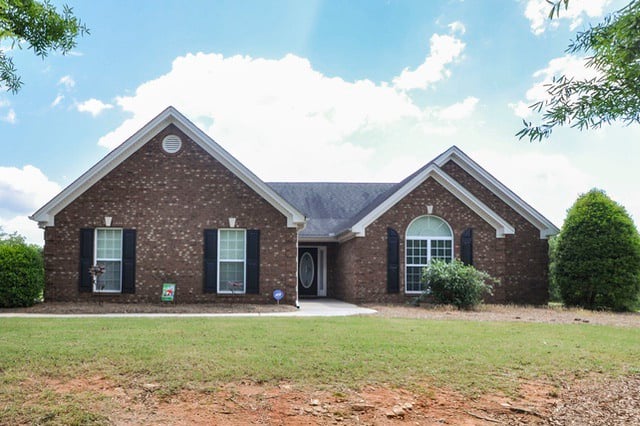
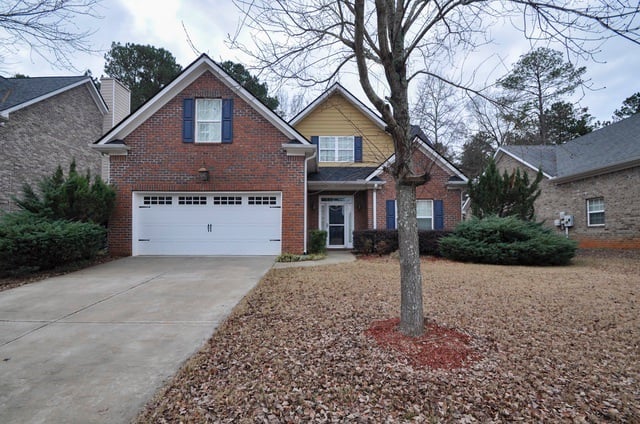
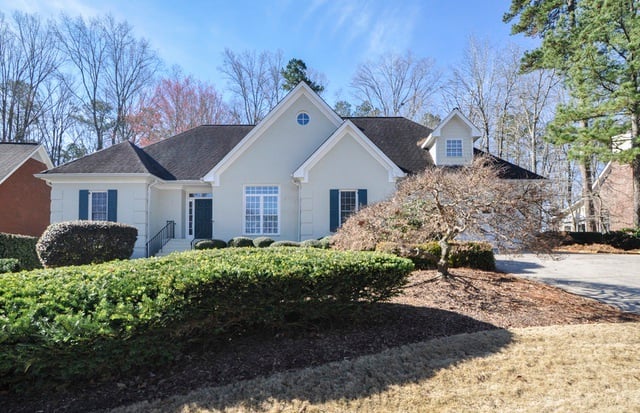
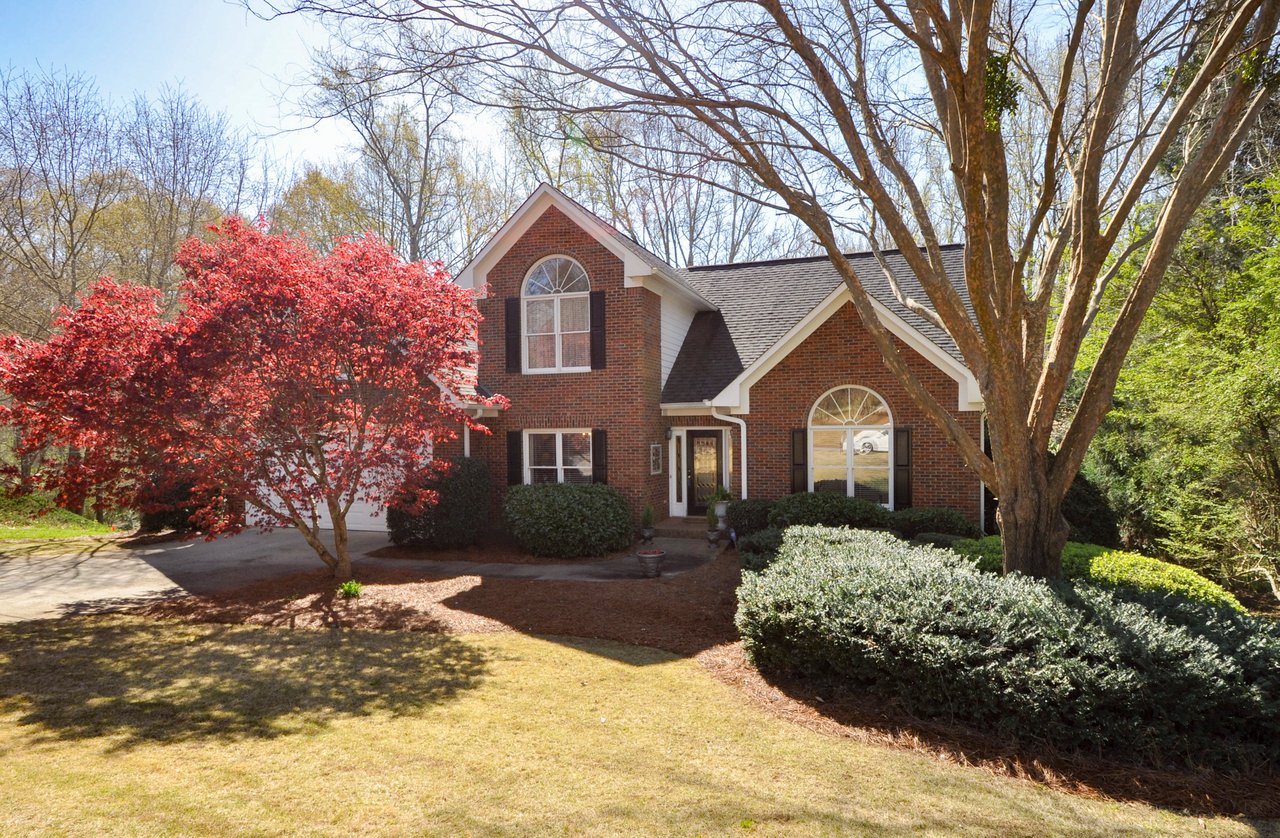
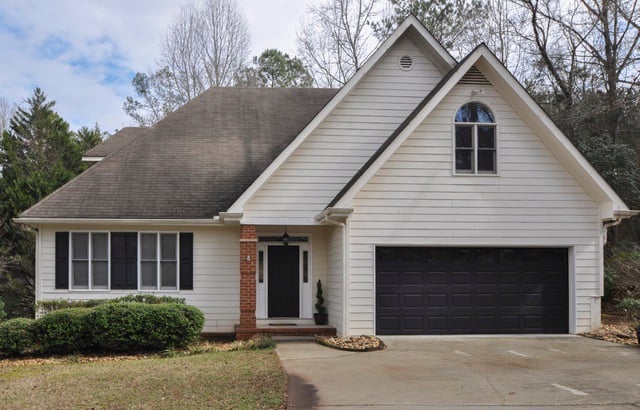
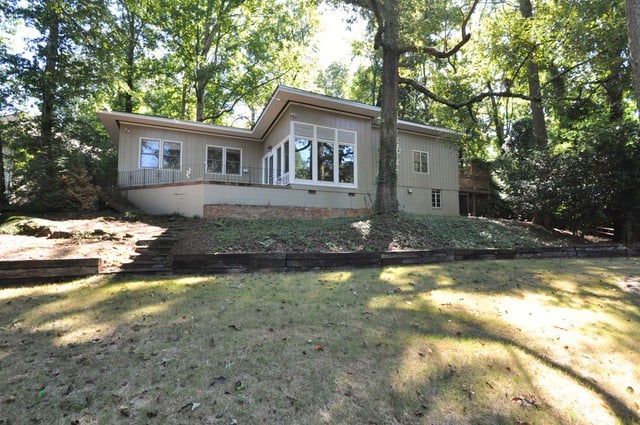
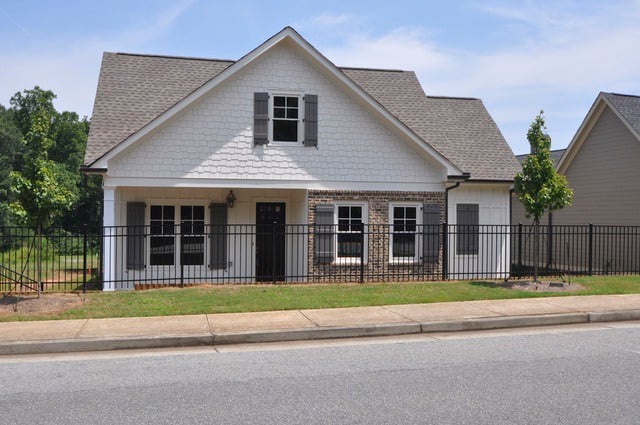
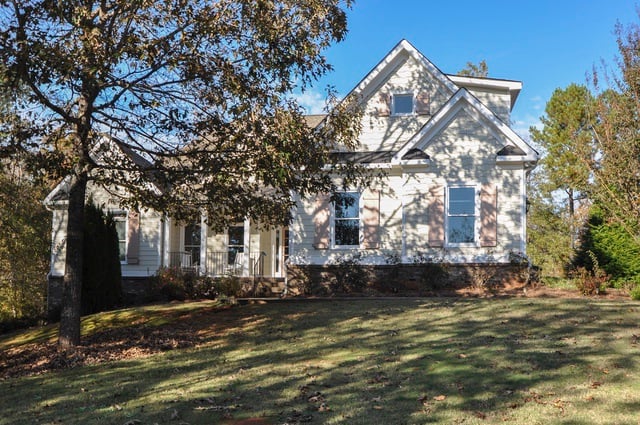
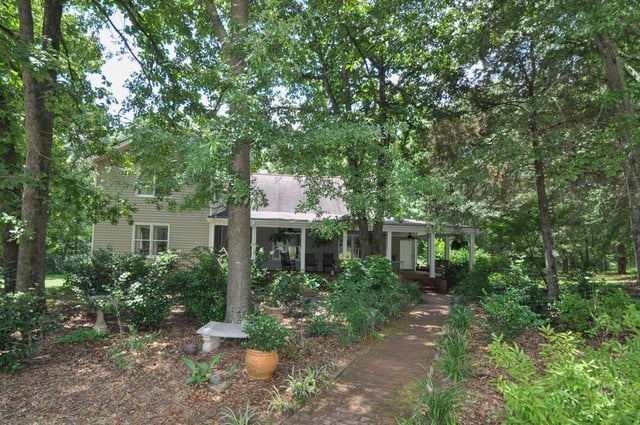
Not every house makes sense as a short-term rental, even in a vacation-driven area. In Clayton, the better fit is often a cabin, cottage, lake home, or single-family house that feels like a mountain getaway and supports practical guest needs.
The right property is not just about price. It is about whether the bedroom count, square footage, and parking setup can support the guest experience you plan to offer while staying within local limits.
A property with awkward parking, limited circulation, or a layout that does not match your intended occupancy can create problems quickly. In this market, a home that works smoothly for guests may be more valuable than one that looks cheaper on paper.
Match the home to guest expectations
Clayton’s tourism profile gives you a strong clue about what travelers want. Guests are often coming for hiking, lakes, waterfalls, outdoor recreation, scenic drives, small-town dining, and local events.
That means your short-term rental should feel like a practical base for a mountain stay. Easy parking, dependable Wi-Fi, simple check-in, and durable furnishings can make a real difference when guests arrive with boots, coolers, or wet gear.
The City of Clayton’s posted-notice requirements also reflect the kind of operating clarity that supports a better guest experience. The city requires posted owner and contact information, the nearest hospital, maximum occupancy, maximum vehicles, a parking sketch, and neighborhood rules including quiet time from 10 p.m. to 7 a.m. and a ban on loud music anytime.
In simple terms, the home should be easy to use and easy to manage. Clear house rules and strong pre-arrival instructions are not just helpful. They align with how the property is expected to operate locally.
Plan for hands-on operations
Even if you plan to self-manage, the local rules point toward a structured operating model. The City of Clayton requires a 24-hour local contact number and a designated responsible person with prompt response capability.
Rabun County also says rental records must be available for examination if requested. That means recordkeeping, guest communication, tax calendars, and response systems should all be in place before the first booking goes live.
A successful start usually includes a few core pieces:
- A local contact who can respond when needed
- Appropriate insurance, including any required rider
- Safety review and posted information
- Clear parking and occupancy guidance
- House rules that are easy for guests to follow
- A reliable cleaning and turnover process
- A calendar for monthly and quarterly filings
A practical launch sequence
If you want to move forward with a short-term rental in Clayton, a simple step-by-step approach can help you avoid expensive surprises.
1. Confirm city or county jurisdiction
Find out whether the parcel is inside the City of Clayton or in unincorporated Rabun County. This determines which local rules, licensing steps, and reporting requirements apply.
2. Review restrictions before closing
Check zoning, deed restrictions, and any HOA or private covenant rules before you buy. Local approval does not override private restrictions.
3. Underwrite all taxes and fees
Budget for county tax obligations, state hotel-motel fees, and any city licensure or excise requirements if the property is in Clayton. Do not assume platform collection covers every obligation.
4. Evaluate layout and parking
Make sure the home’s bedroom count, square footage, and parking can support the guest count you intend to host. A better operating fit often leads to fewer issues later.
5. Set up the operating system
Before launch, line up your local contact, insurance, safety items, house rules, cleaning process, and filing calendar. A strong setup supports both compliance and guest experience.
6. Furnish for the mountain-vacation stay
Market the property around how visitors use Clayton. Think practical comfort, easy arrival, and a stay that fits outdoor recreation rather than a generic rental setup.
Why local guidance matters
Buying a short-term rental is rarely just about finding a home you like. It is about finding a property that matches the local rules, supports the use you want, and makes sense for the way guests actually travel to Clayton.
That is where experienced, detail-focused guidance can help. When you have a clear view of location, restrictions, taxes, and property fit, you can evaluate opportunities with more confidence and less guesswork.
If you are exploring a cabin, second home, or investment property in Northeast Georgia, Jennifer Westmoreland can help you think through the details and take the next step with clarity.
FAQs
What is the first step for starting a short-term rental in Clayton?
- The first step is confirming whether the property is inside the City of Clayton or in unincorporated Rabun County, because the rules and filing process are different.
What taxes apply to a short-term rental in Rabun County?
- Rabun County says short-term rentals such as single-family homes rented for 30 days or less are subject to an 8 percent public accommodations tax, and Georgia may also require a $5 per night state hotel-motel fee on qualifying accommodations.
Does Clayton require a short-term rental license?
- Yes. The City of Clayton says it is unlawful to operate a short-term rental inside the city without proper licensure.
Do HOA rules matter for a Clayton short-term rental?
- Yes. City ordinance materials say private restrictive covenants and other contractual agreements remain enforceable, so deed restrictions and HOA rules should be reviewed before purchase.
What type of property works best for a short-term rental in Clayton?
- Cabins, cottages, lake homes, and single-family houses often fit the local vacation market well, especially when they offer enough parking, practical layouts, and easy access to the area’s outdoor attractions.
What operating setup should a Clayton short-term rental have?
- A strong setup includes a local contact, required insurance, posted safety and contact information, clear house rules, parking guidance, a cleaning process, and a schedule for monthly or quarterly filings.