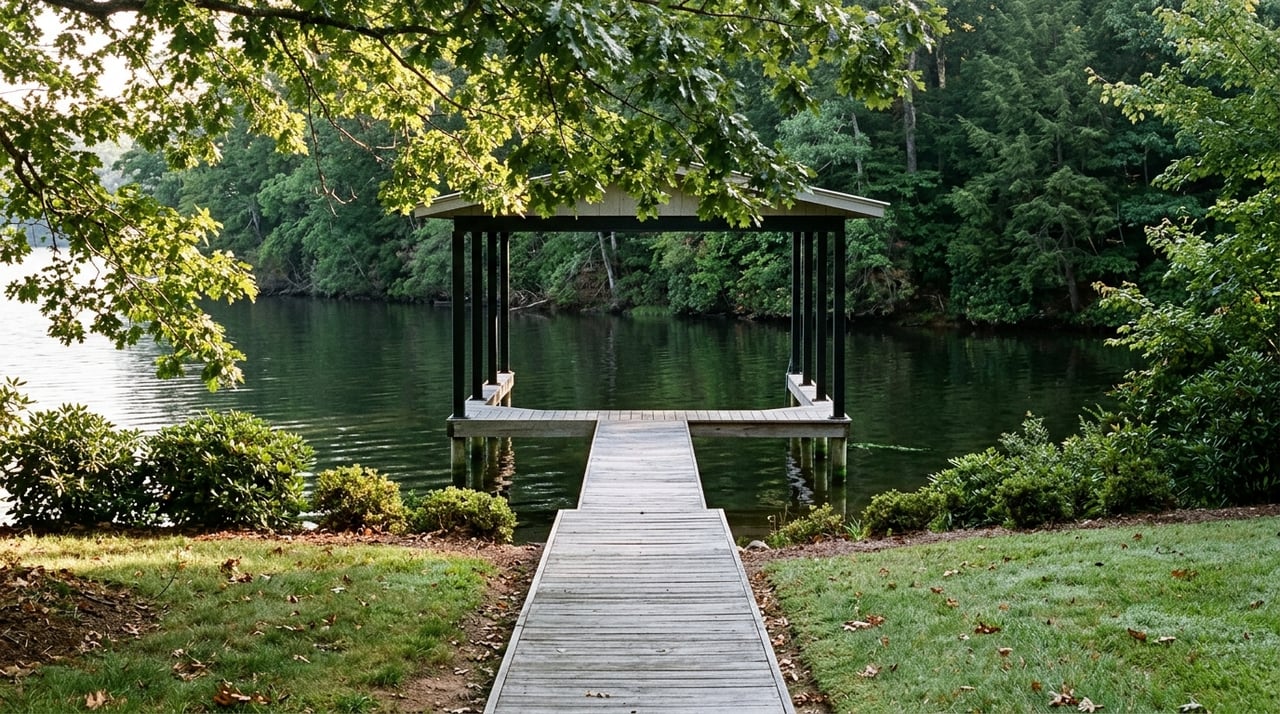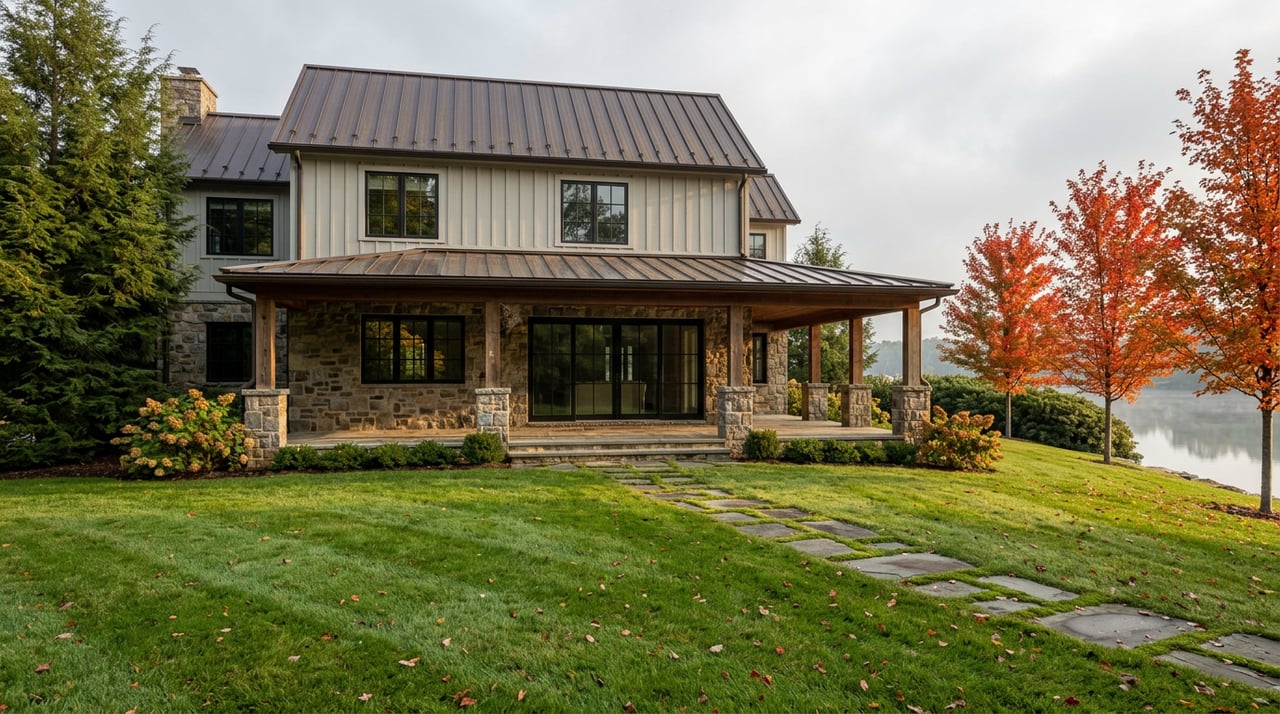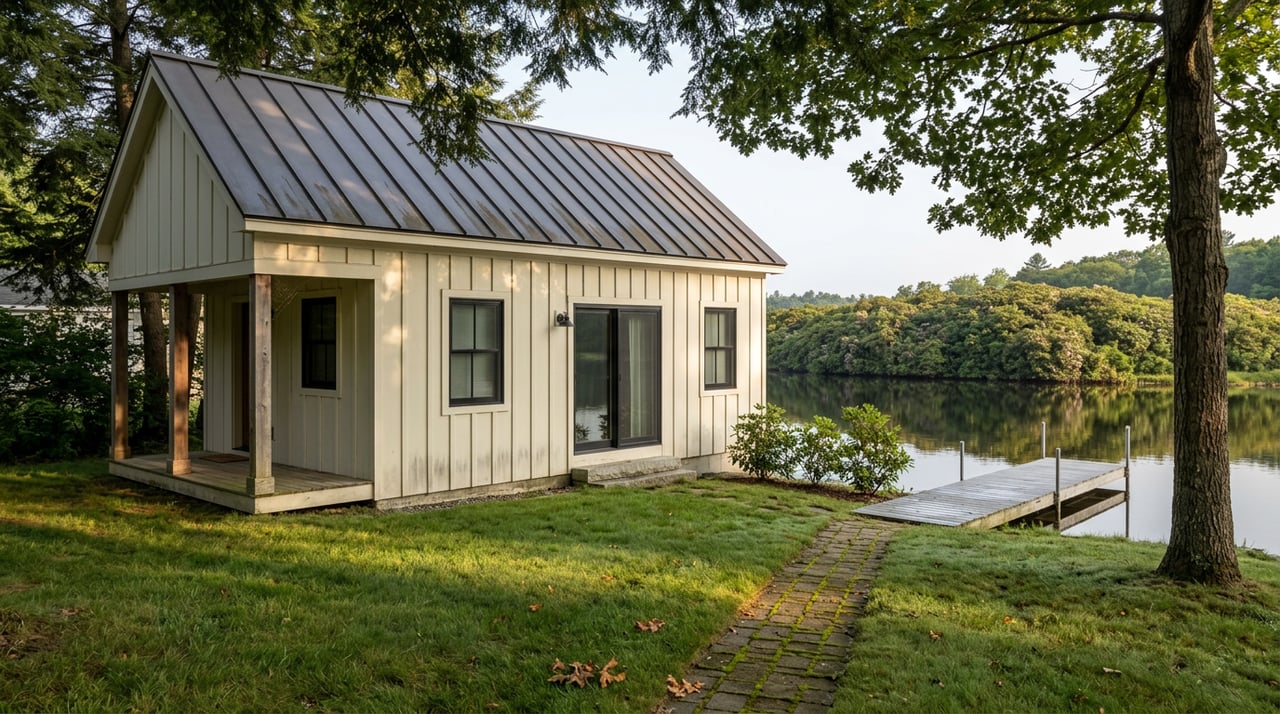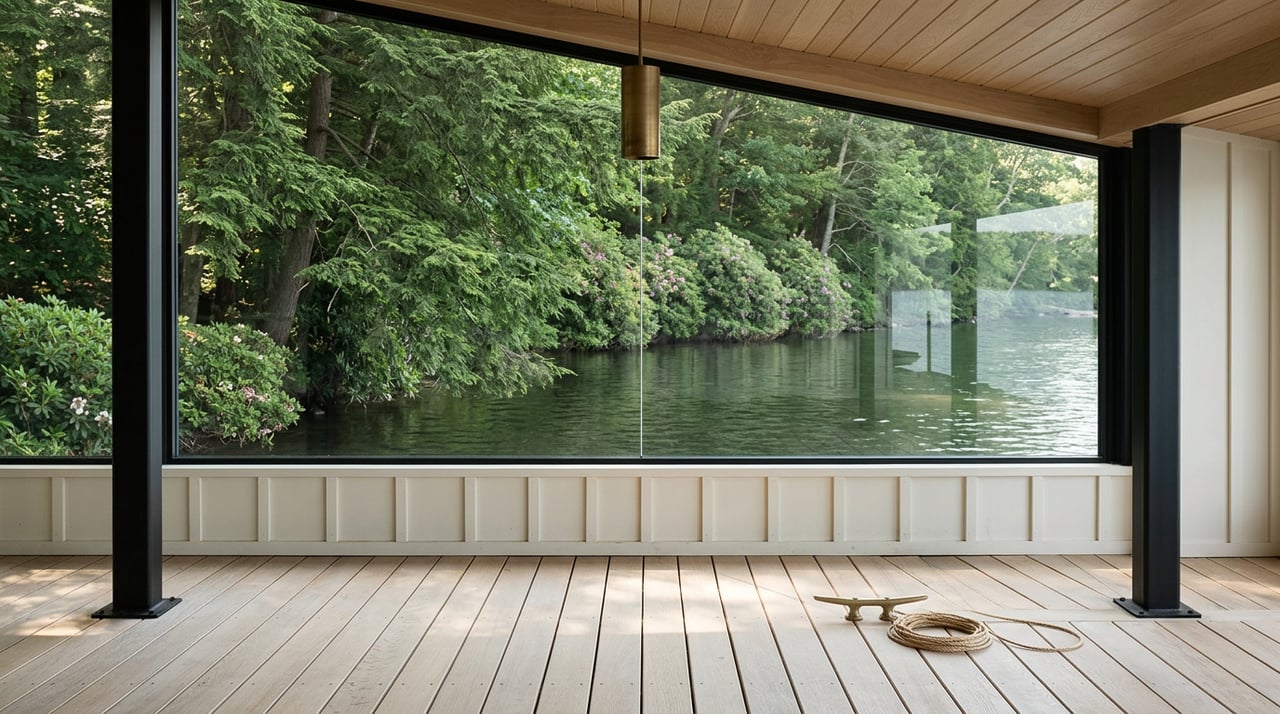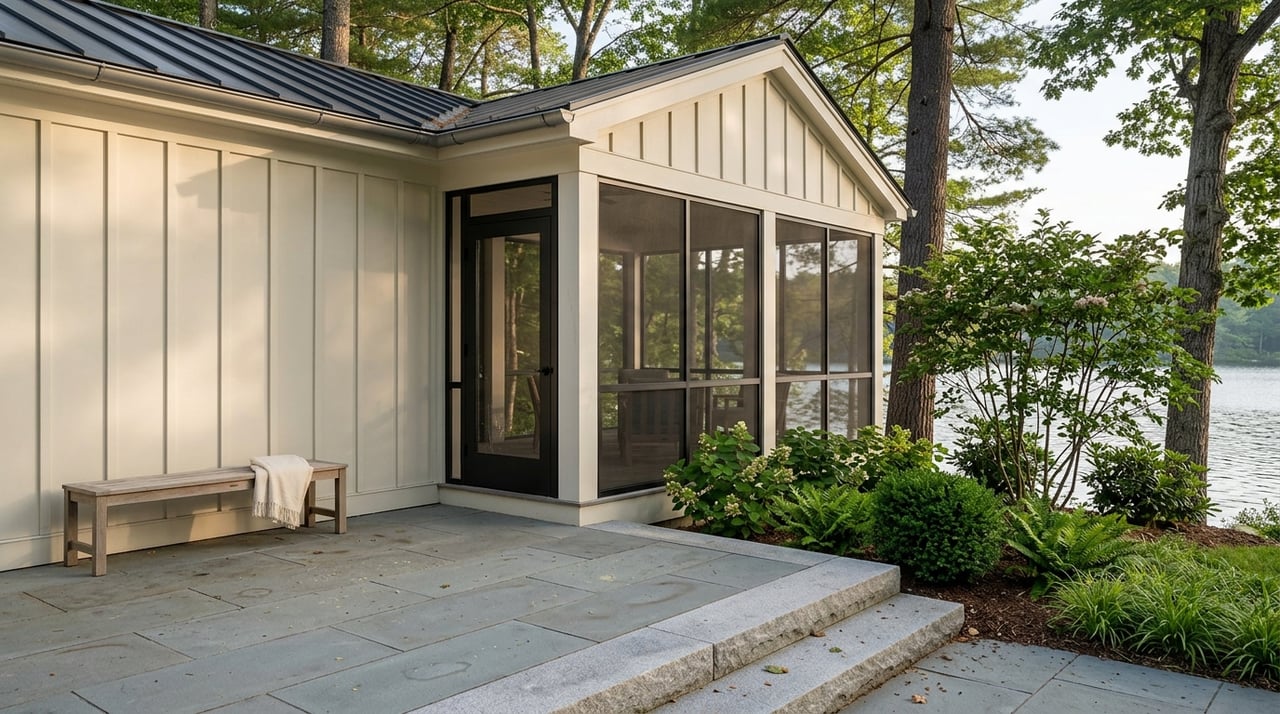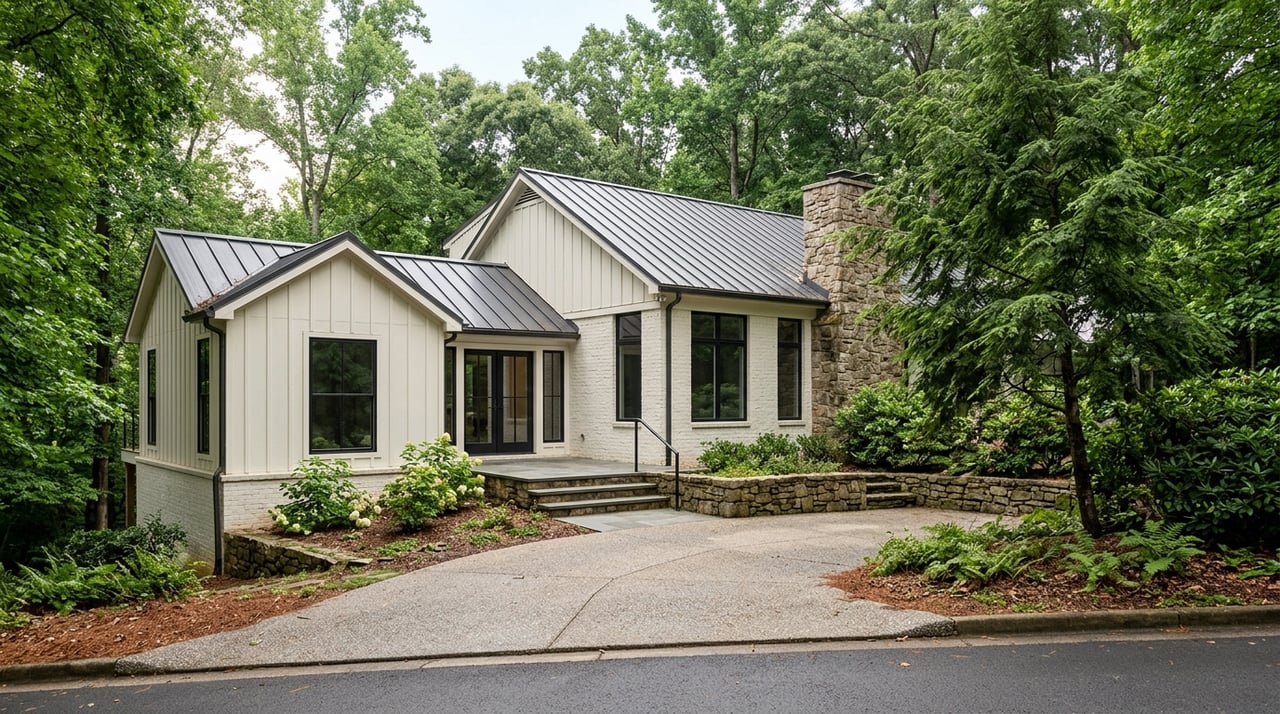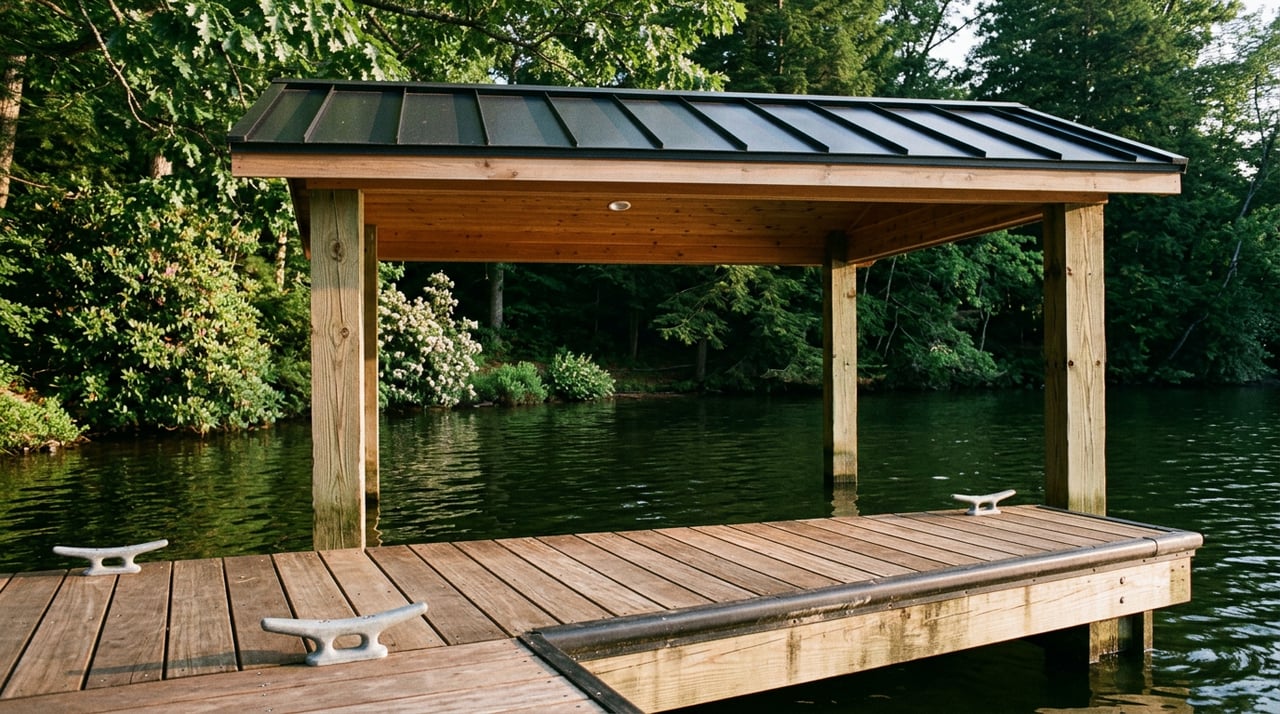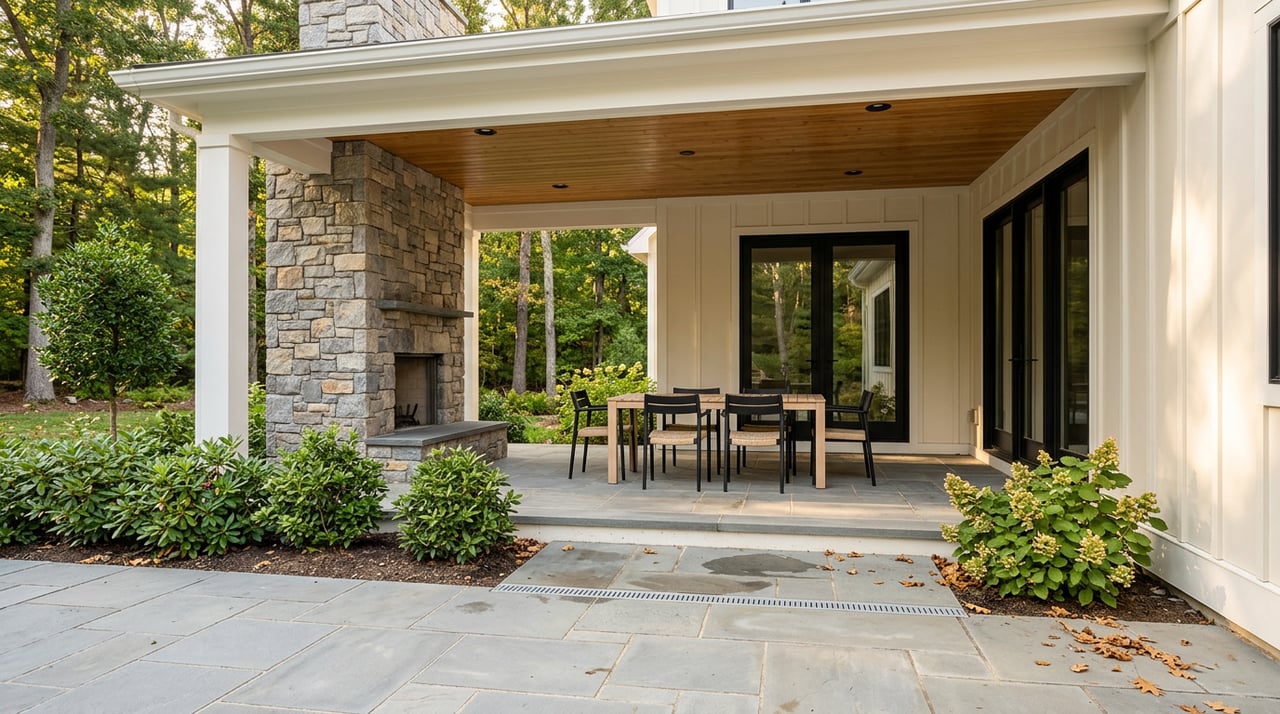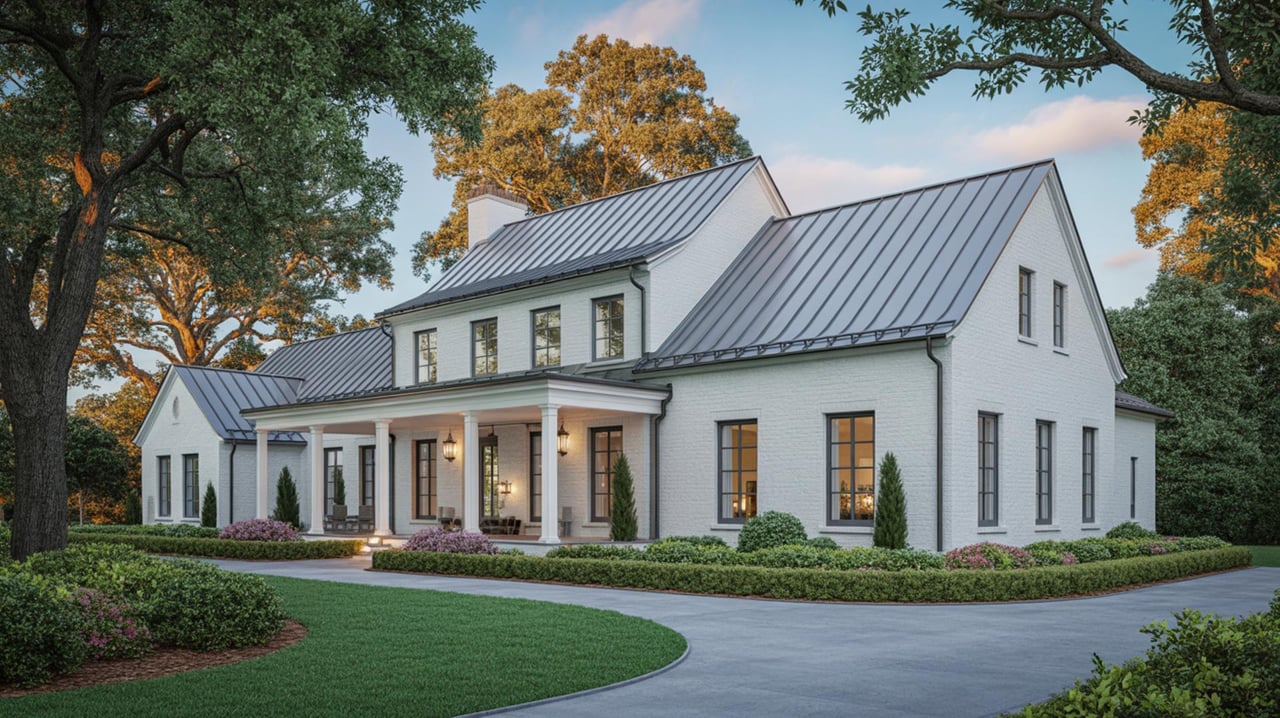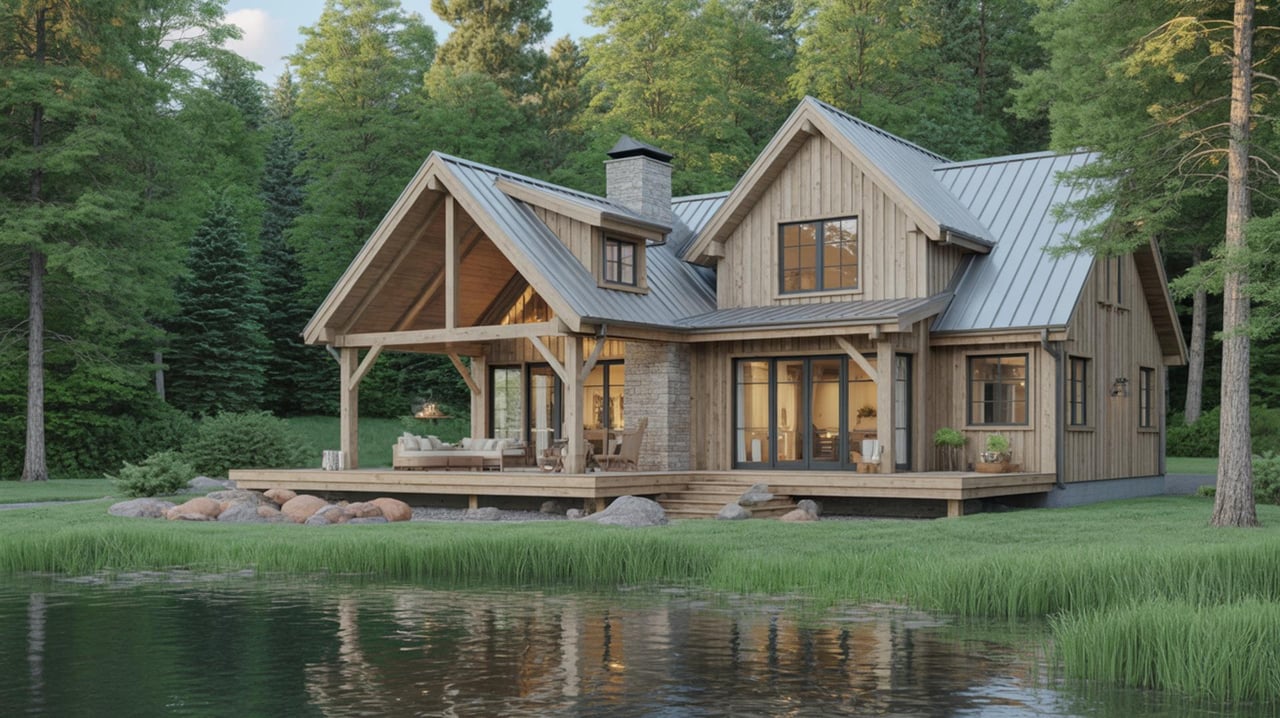
One Saturday each year, a handful of boats idle near the public ramp on Seed Lake while homeowners in waders and old t-shirts pull branches and trash out of the shallows. By five that evening, most of those same people have driven or boated the short distance to Lakemont, where the Seed Lake Association hosts its cleanup-day social not on Seed Lake at all, but under the swinging barstools of The Swing Bar, tucked beneath Max's Lakeside on Lake Rabun.
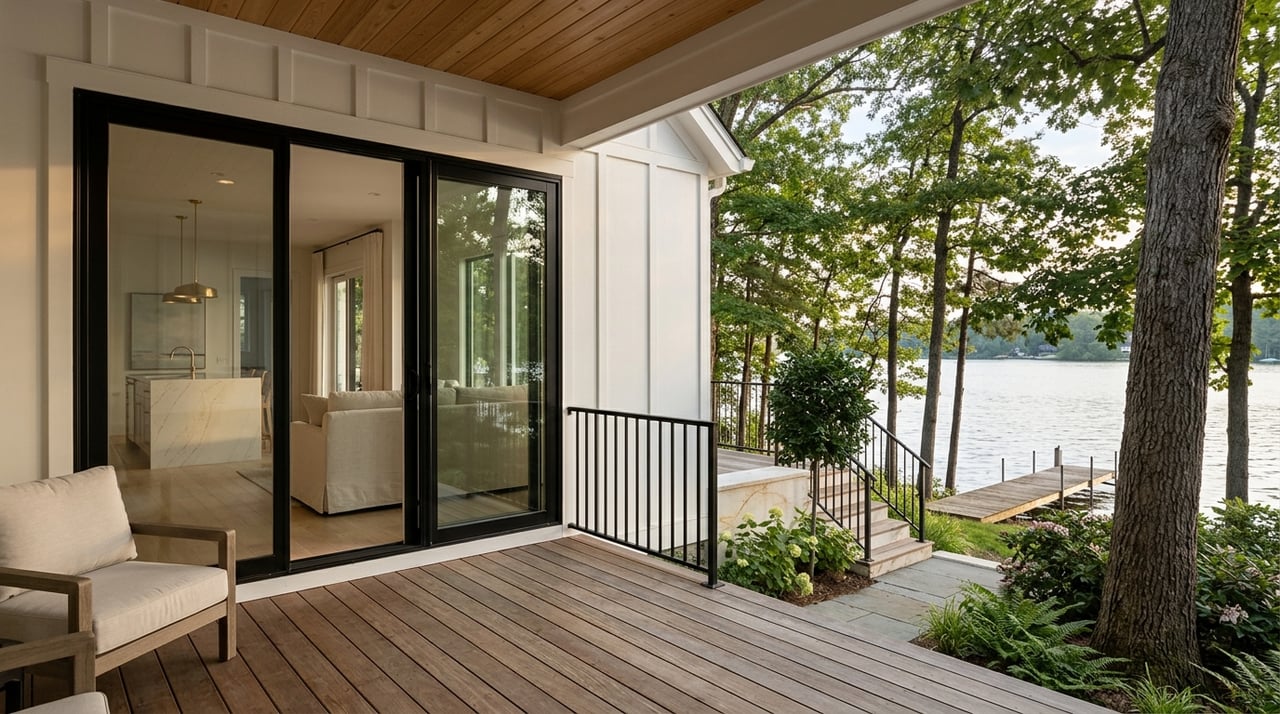
That small detail, an event run by one lake's association and held on another lake entirely, says more about what it's actually like to own property on Seed Lake than any drone photo of the shoreline could. This is a lake that has never had a commercial center of its own, and everyone who lives here has made peace with borrowing one.
A Lake Sized Like a Neighborhood, Not a Resort
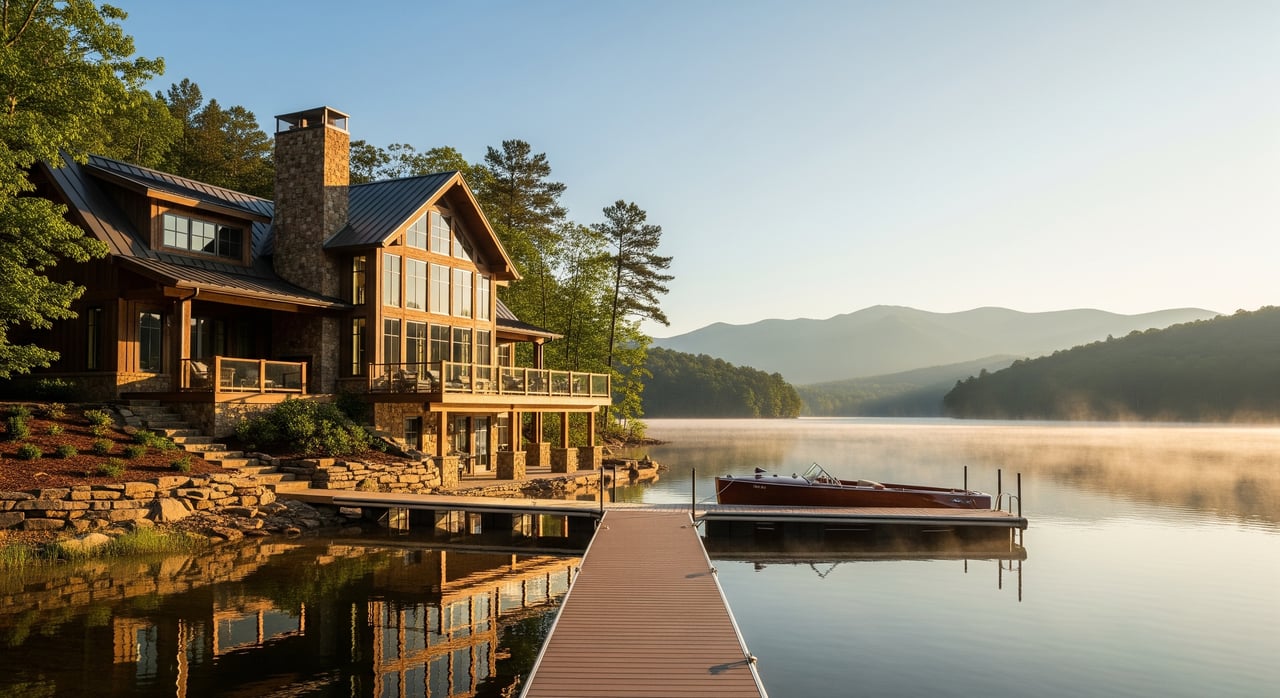
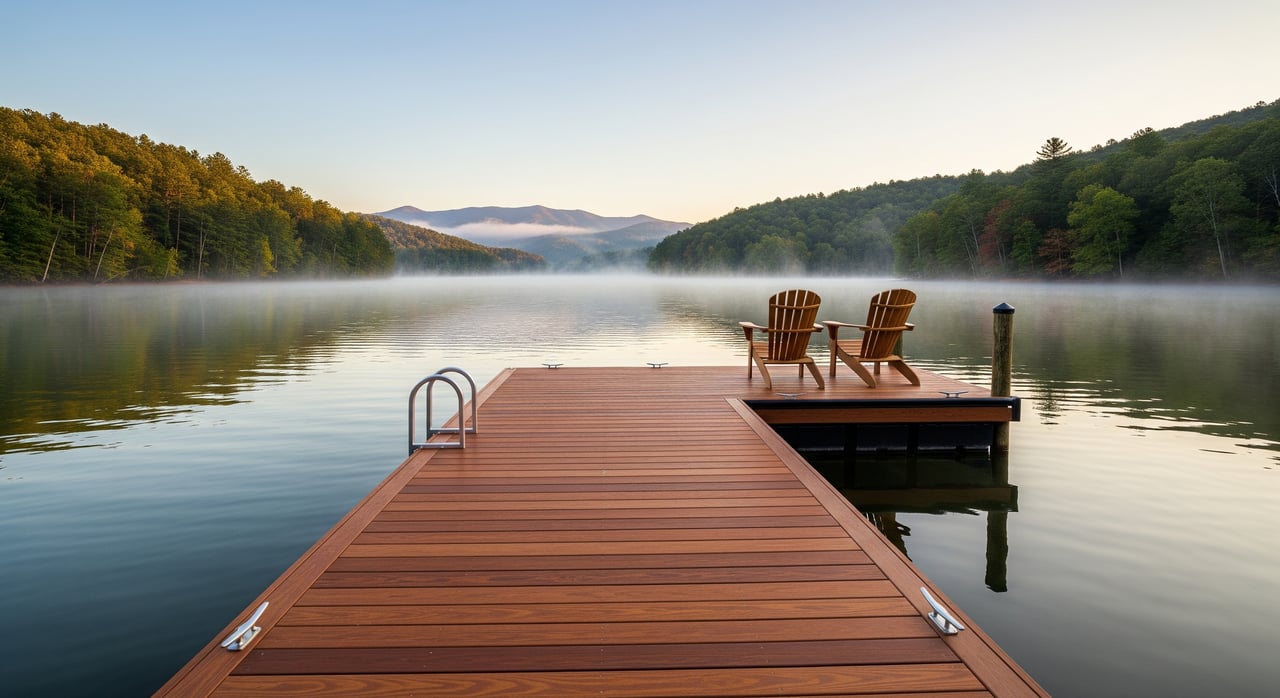
Seed Lake covers 240 acres with about 13 miles of shoreline, numbers that get repeated on every fishing and boating site that mentions it. What those sites leave out is the part that matters if you're the one paying the property taxes: according to the Seed Lake Association, the lake has 133 lots and just over 100 homes, with somewhere between 20 and 25 full-time residents. Everyone else treats it as a weekend place.
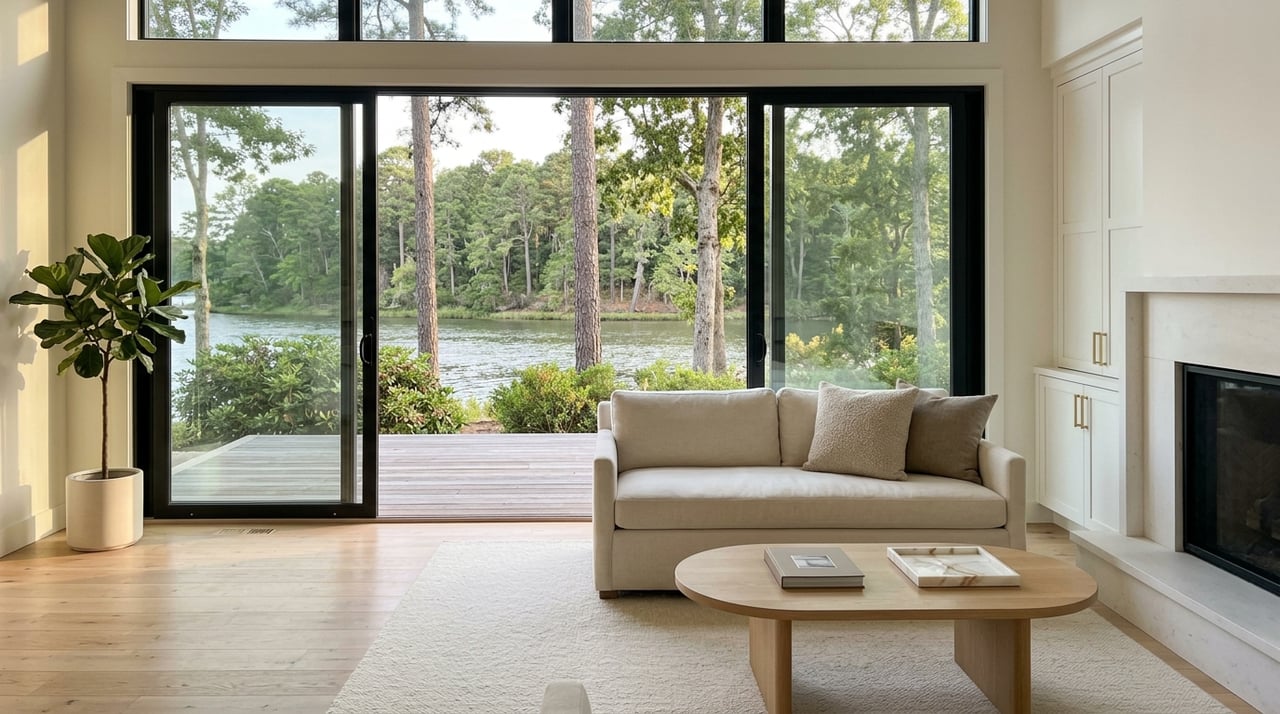
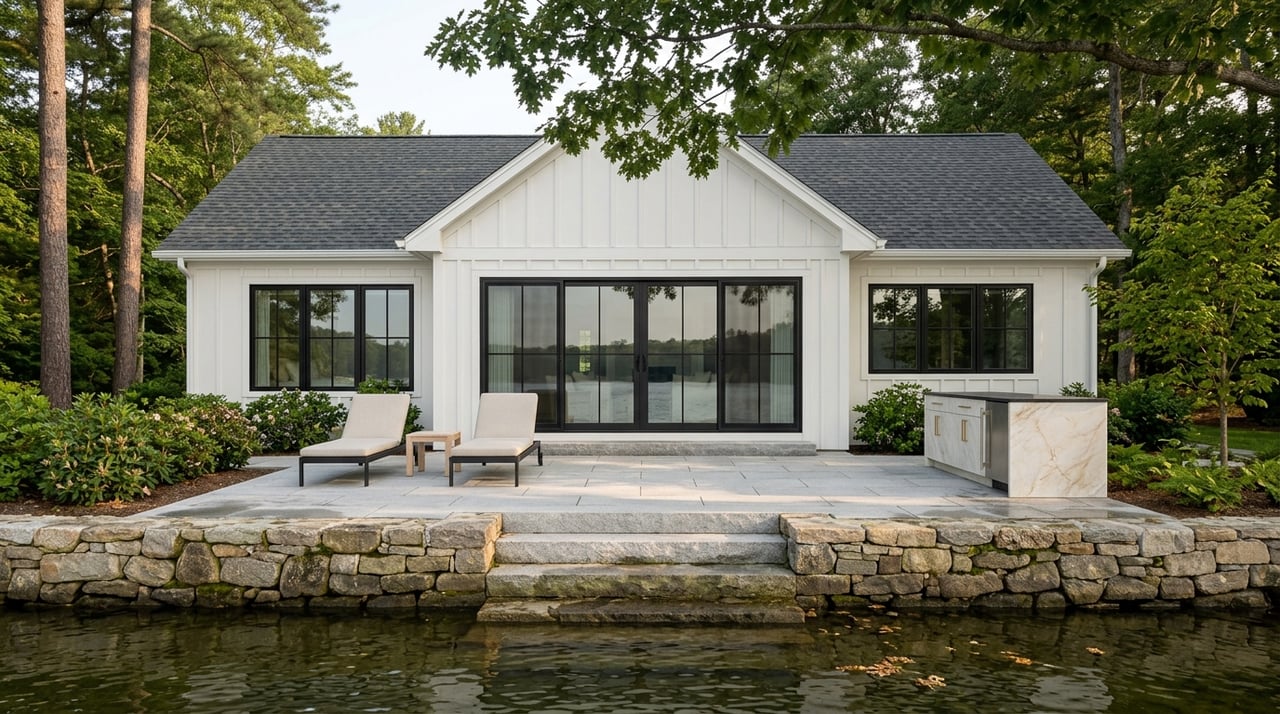
Run that math against the acreage and you get a lake with roughly one home for every two and a half acres of water, populated most of the time by fewer than two dozen year-round households. That is not a resort density. It's closer to a rural cul-de-sac that happens to have a shoreline. The quiet you hear about when people describe Seed Lake isn't seasonal marketing language. It's an accurate description of a place where most of the mailboxes only get checked on weekends.
Built to Capture a Waterfall, Not to Host a Vacation
Seed Lake exists because of a 60-foot drop in the Tallulah River between Burton Dam and the headwaters of Lake Rabun. Construction on the Nacoochee Dam began in July 1925, and because the mountainous terrain ruled out a temporary rail line, the builders had to ship equipment as far as the Lakemont train depot, then transfer it to boats and barges for a nine-mile haul up Lake Rabun to the construction site. The dam was finished in mid-1926, forming the 240-acre reservoir, and by November of that year the powerhouse and its two hydro units, generating 4,800 kilowatts, were online. This year marks a full century since that powerhouse first went online. The Nacoochee Dam stands 75 feet high and spans 490 feet, and it was the last hydroelectric project the original Georgia Railway and Power Company completed in its North Georgia system.
Lake Rabun had a different origin story, even if the timelines overlapped more than you'd expect. Its own dam, the Mathis Dam, was finished in May 1915, but a delay in tunnel construction meant the reservoir didn't actually fill for another decade. By the time it had, Lake Rabun already had the social identity Seed Lake never developed. When the Lake Rabun Association was chartered in 1928, its list of charter members read, by the group's own account, like Atlanta's Who's Who of the 1920s. Seed Lake, meanwhile, never got its own association, its own clubhouse, or its own commercial strip. It got a dam, a powerhouse, and a nine-mile barge route through somebody else's lake. That asymmetry is still legible today in the fact that you can buy a slip on Seed Lake, but you still have to drive or boat somewhere else for dinner.
What the Association Actually Handles
Because Seed Lake never got its own downtown, the work of keeping it livable falls almost entirely to a volunteer group and to Georgia Power, the utility that owns and operates the lake for hydroelectric generation. The Seed Lake Association describes its role in practical terms: working with Georgia Power on lake drawdowns, clearing fallen trees, managing aquatic weeds, and supporting the local fire department and law enforcement who respond when something goes wrong on the water.
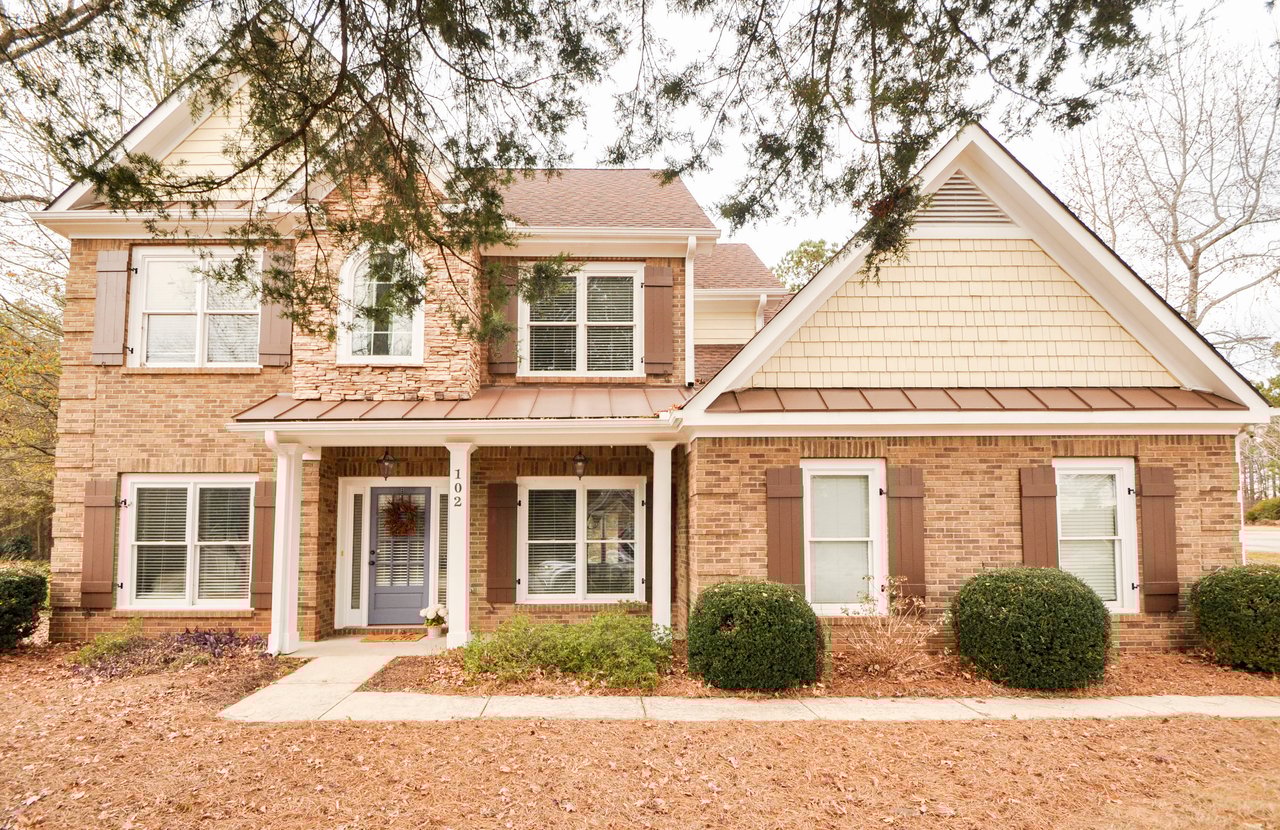
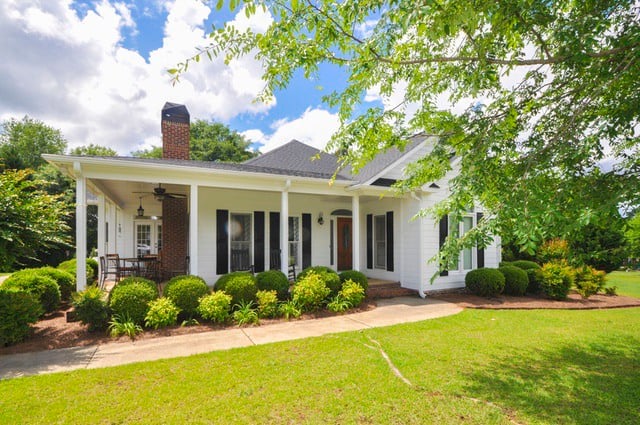
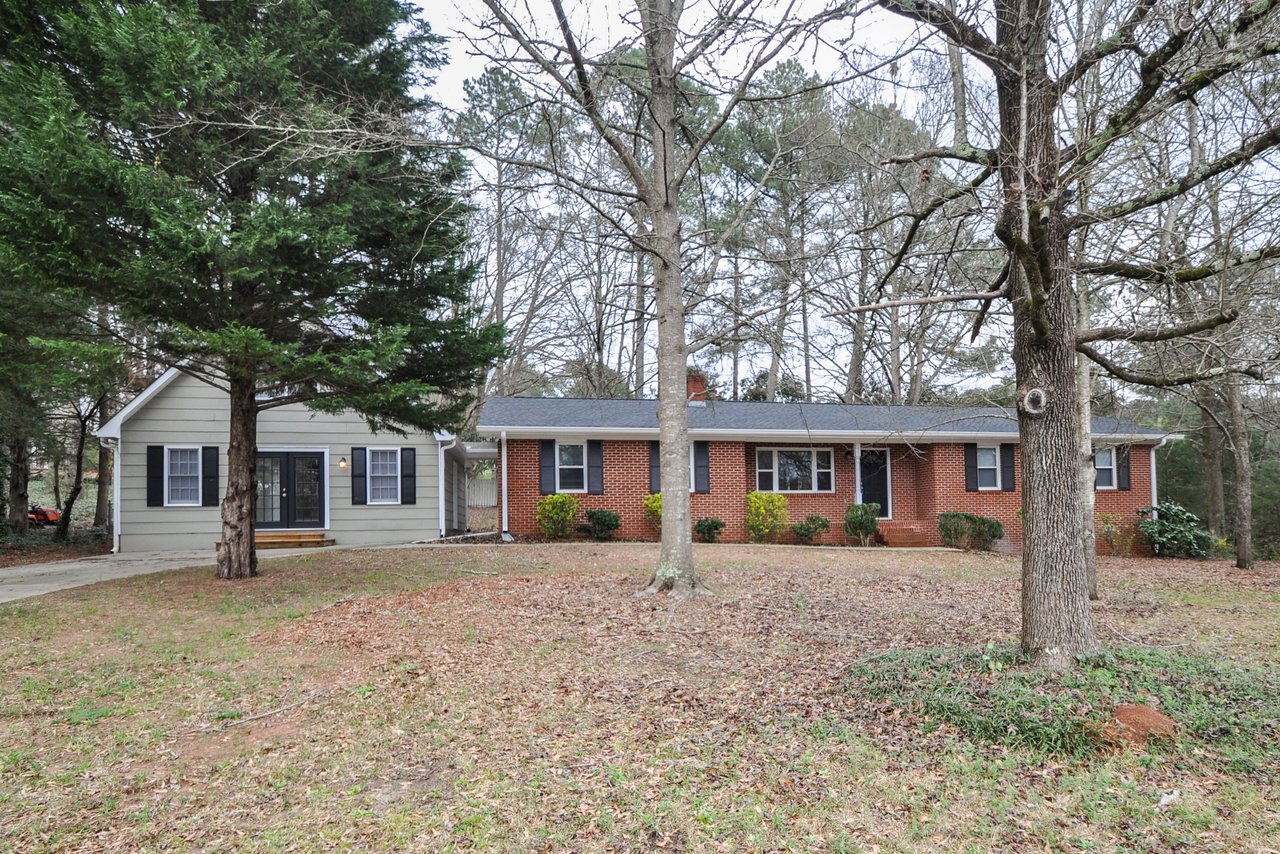
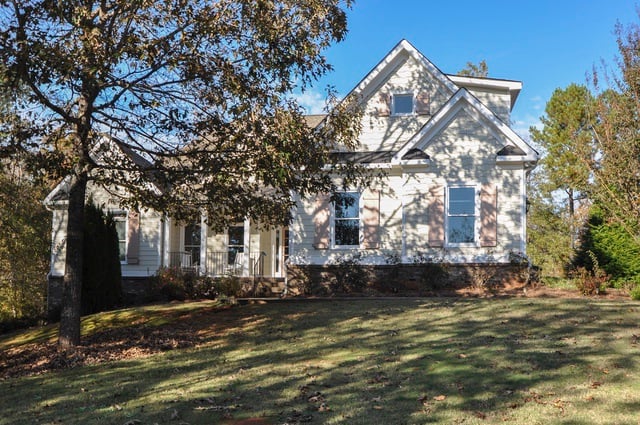
None of that is glamorous, and none of it shows up in a listing photo. But it's the actual texture of ownership here. If your dock needs repair during a drawdown, or a storm drops a tree across your cove, the group handling it is the same handful of neighbors who show up for the boat ramp cleanup every year. There is no property management company standing between homeowners and the lake's upkeep. There's an email list and a volunteer board.
Borrowing the Neighbors' Barstools
The cleanup-day social at The Swing Bar isn't a one-off. It's the clearest evidence of how Seed Lake residents actually socialize. Max's Lakeside, at 1659 Lake Rabun Road in Lakemont, sits on the neighboring lake, and its lower-level bar has real porch swings in place of barstools. The kitchen runs a Low Country shrimp boil on Saturdays and a paella night on Fridays, and it's become the default gathering spot not just for Rabun families but for the smaller, quieter community one lake over.
That arrangement isn't a compromise. It's efficient. Seed Lake's population is too small to support its own restaurant or marina bar, and Lake Rabun's commercial strip is close enough by water or by car that duplicating it would make no sense. The two lakes function as one social unit even though they are governed by separate associations, fed by separate dams, and listed as separate addresses on a map.
For campers rather than boat owners, Seed Lake Campground offers primitive, first-come-first-served sites along with a beach and picnic area, seasonal wilderness camping that fits the same understated character as the rest of the lake. There's no reservation system to fight, because there's no reason for one.
The Quiet Middle Lake, On the Water
Anyone who has paddled all three lakes in this stretch of the Tallulah chain, Burton, Seed, and Rabun, tends to describe Seed's upper section as narrower and more river-like than either neighbor, which makes it better suited to kayaks and canoes than to the ski boats that cross the bigger water downstream. Anglers report the same pattern from a different angle: light fishing pressure and a steady flow of cold water from Burton Dam support walleye and yellow perch alongside the more common bass, crappie, bream, white catfish, and redear sunfish. Neither the paddlers nor the anglers are describing a hidden secret. They're describing a lake that simply never got crowded enough to develop the pressure points its neighbors have.
What This Actually Means If You Live Here
The fact that Seed Lake has no restaurant, no marina bar, and barely two dozen full-time neighbors isn't a gap waiting to be filled. It's the reason the place still feels the way it does. The Association's annual cleanup day, ending with drinks at a bar on somebody else's lake, isn't an awkward workaround. It's the honest shape of a community that decided a long time ago it didn't need to build its own version of what Lakemont already had a mile up the water.
If you're weighing whether that kind of arrangement, small, self-managed, and quietly dependent on a neighboring lake's businesses, fits the way you actually want to live on the water, it helps to talk through the specifics with someone who knows both lakes and the paperwork that comes with owning on either one. Jennifer Westmoreland has spent decades working Northeast Georgia's lake communities and can walk you through what ownership on Seed Lake, or anywhere else in the Tallulah chain, actually looks like day to day. Schedule a personalized market consultation when you're ready to talk specifics.