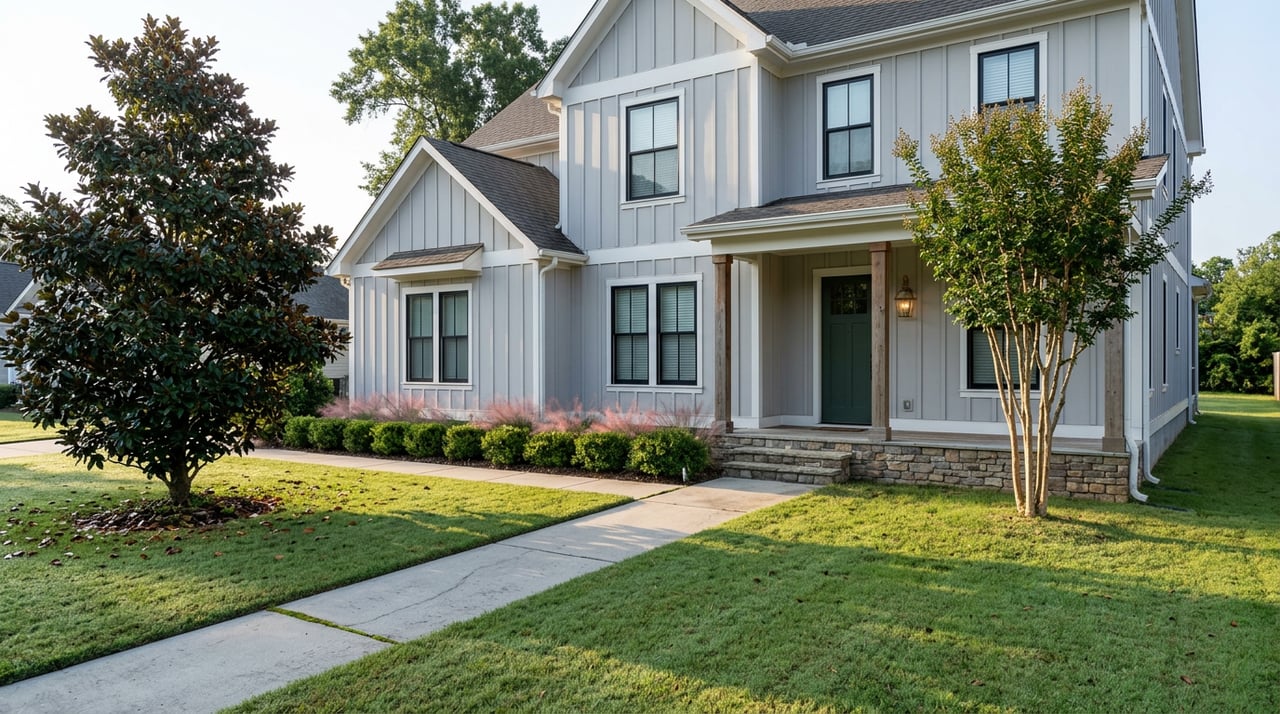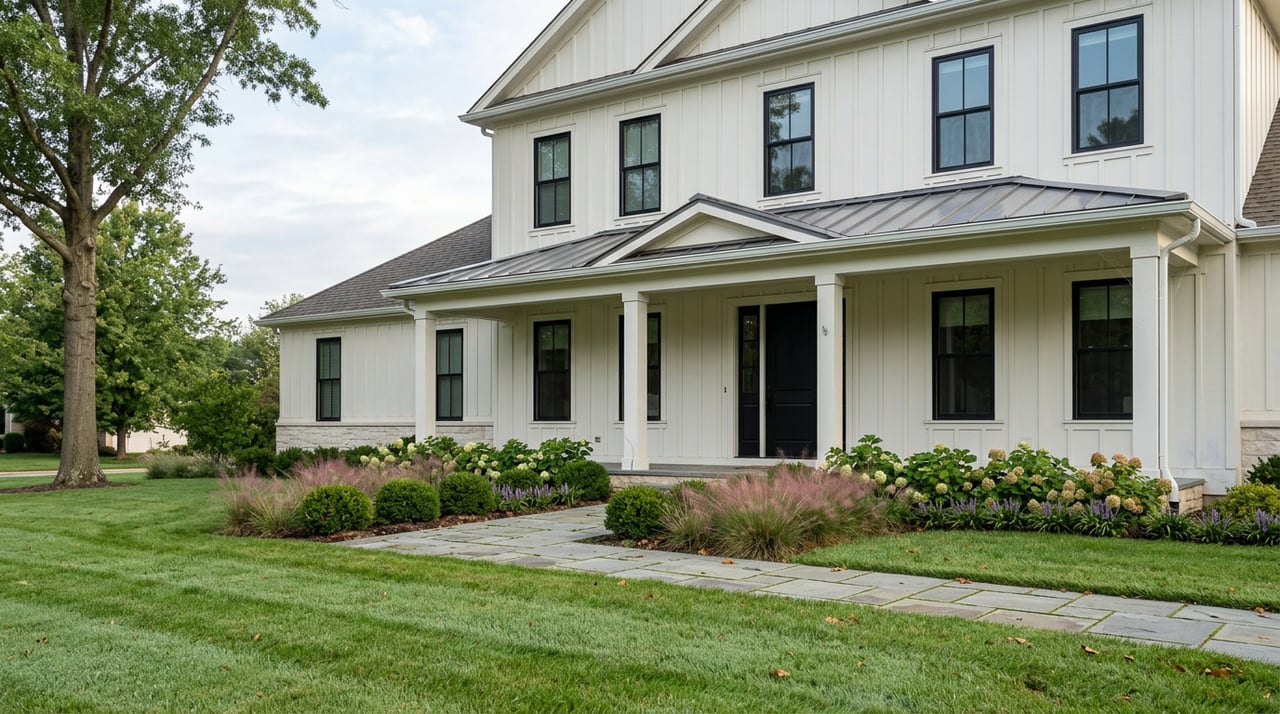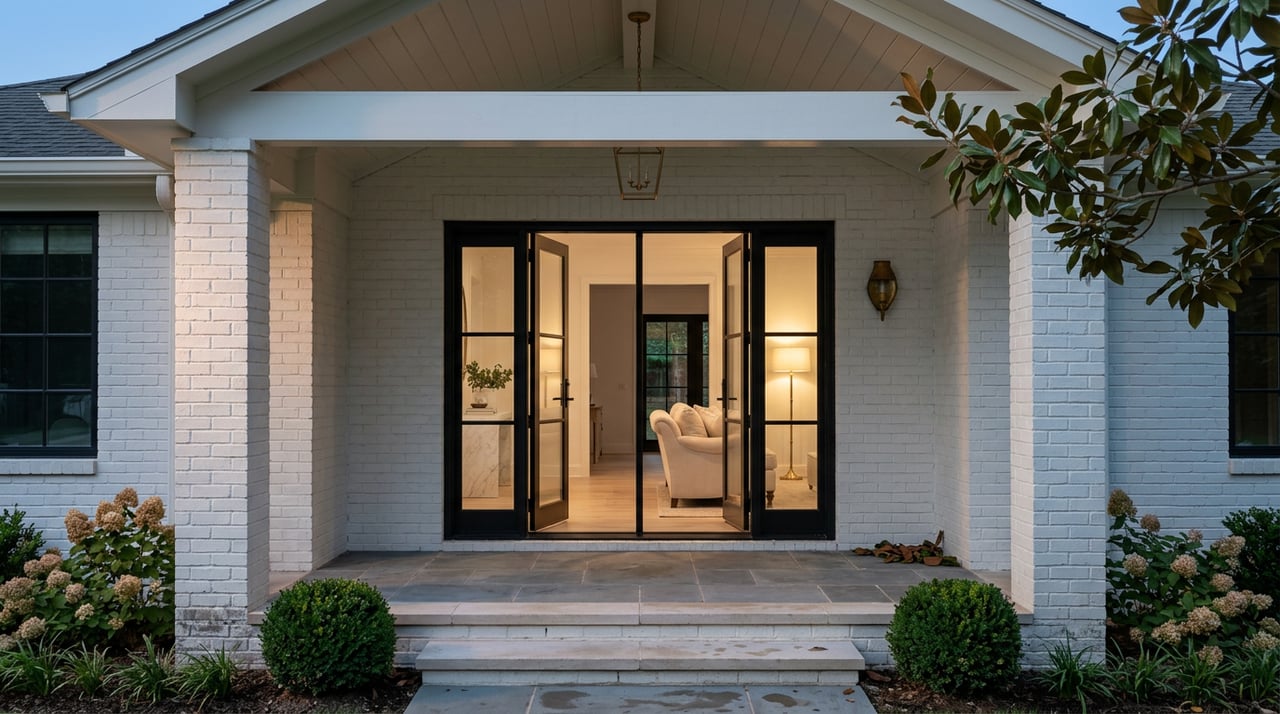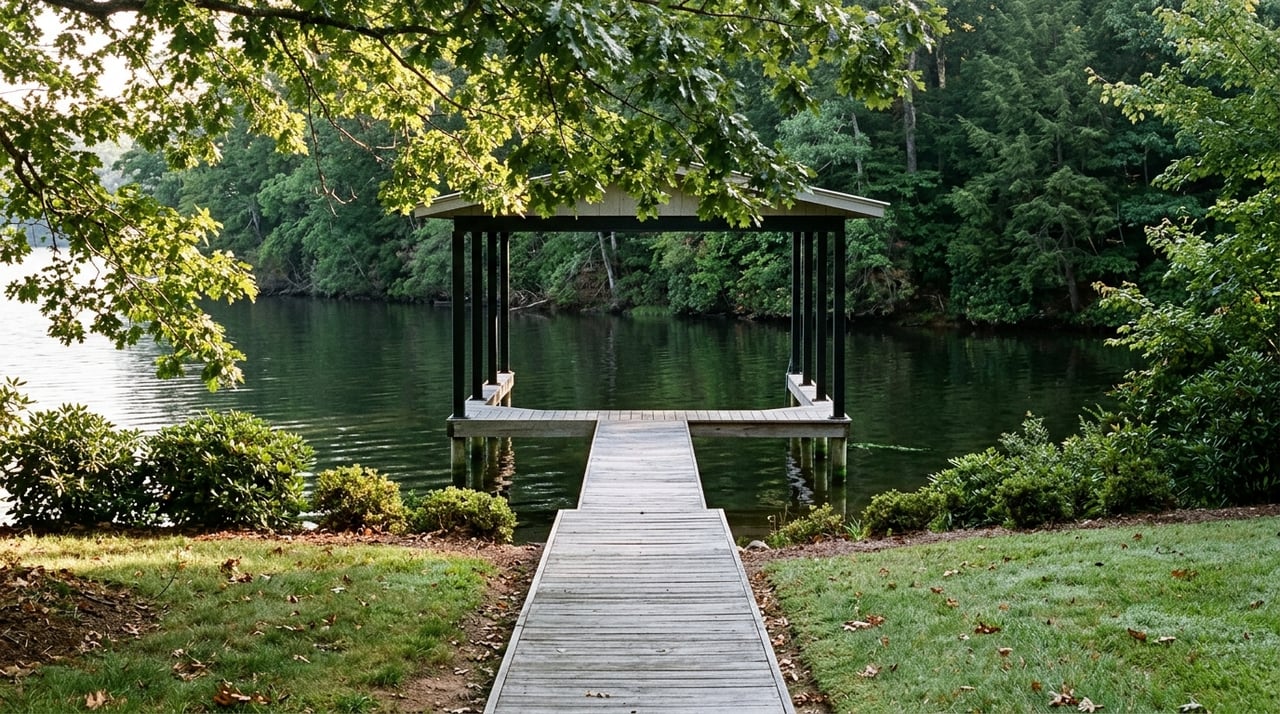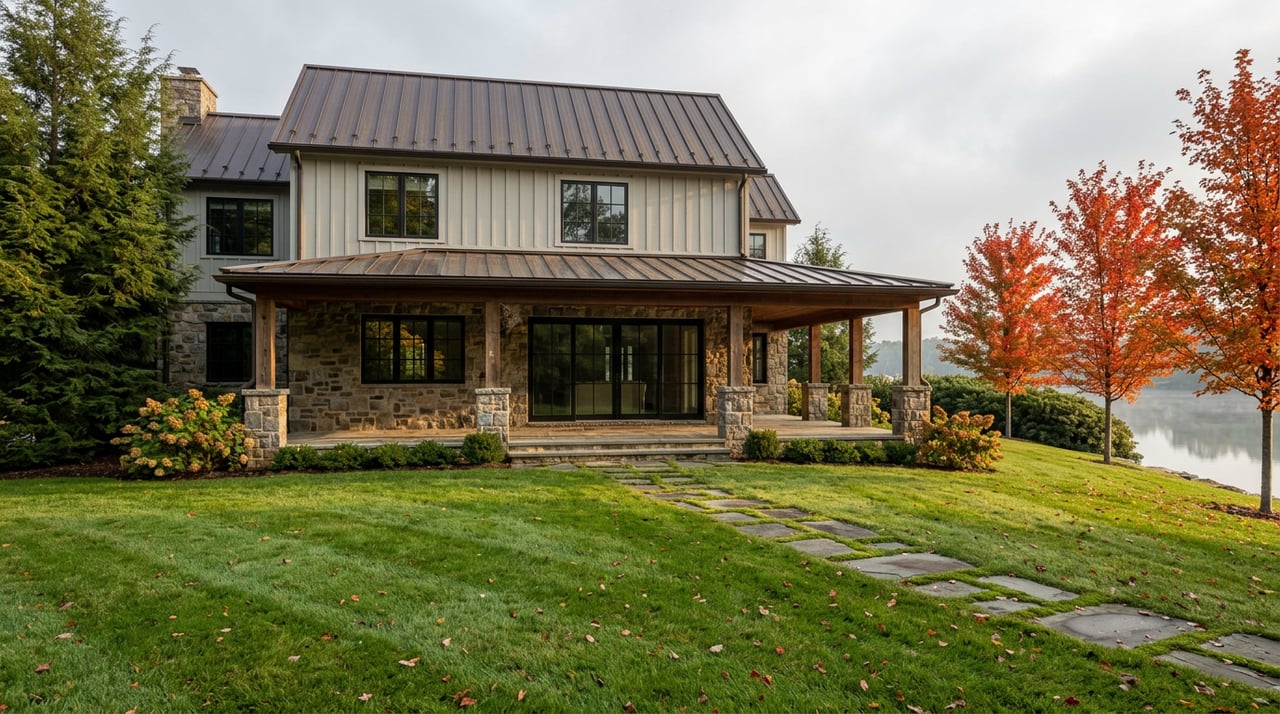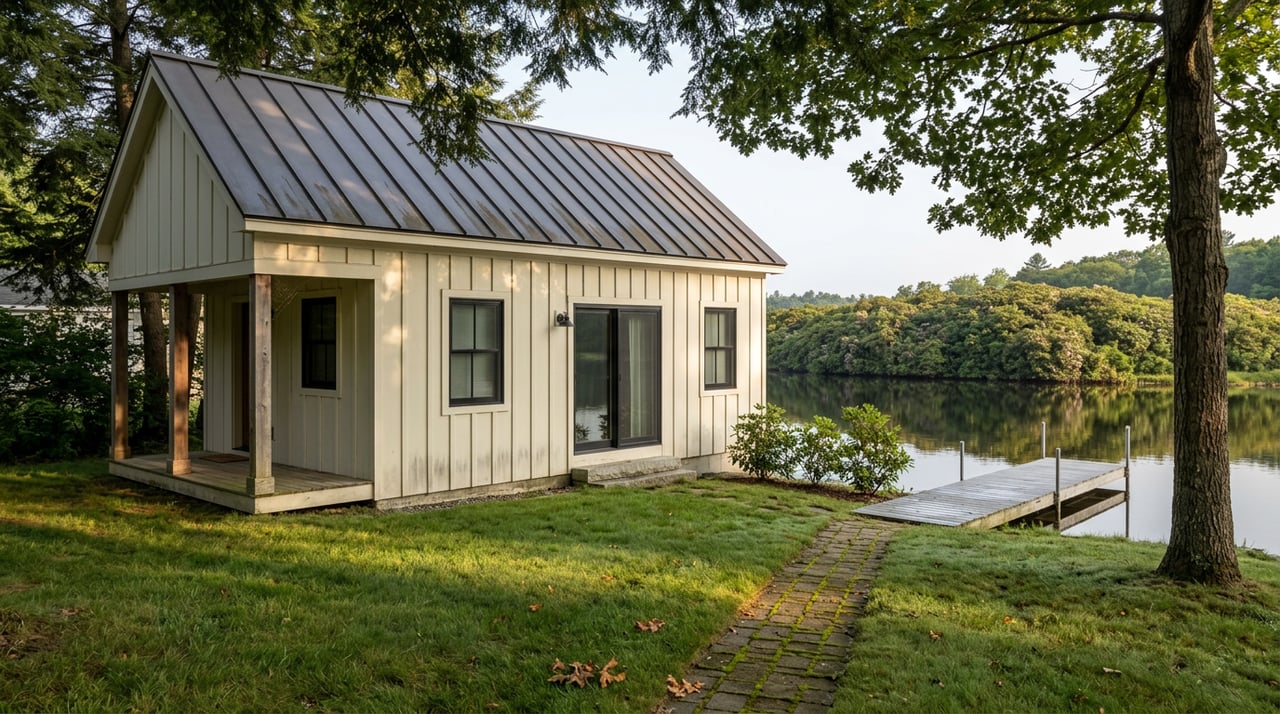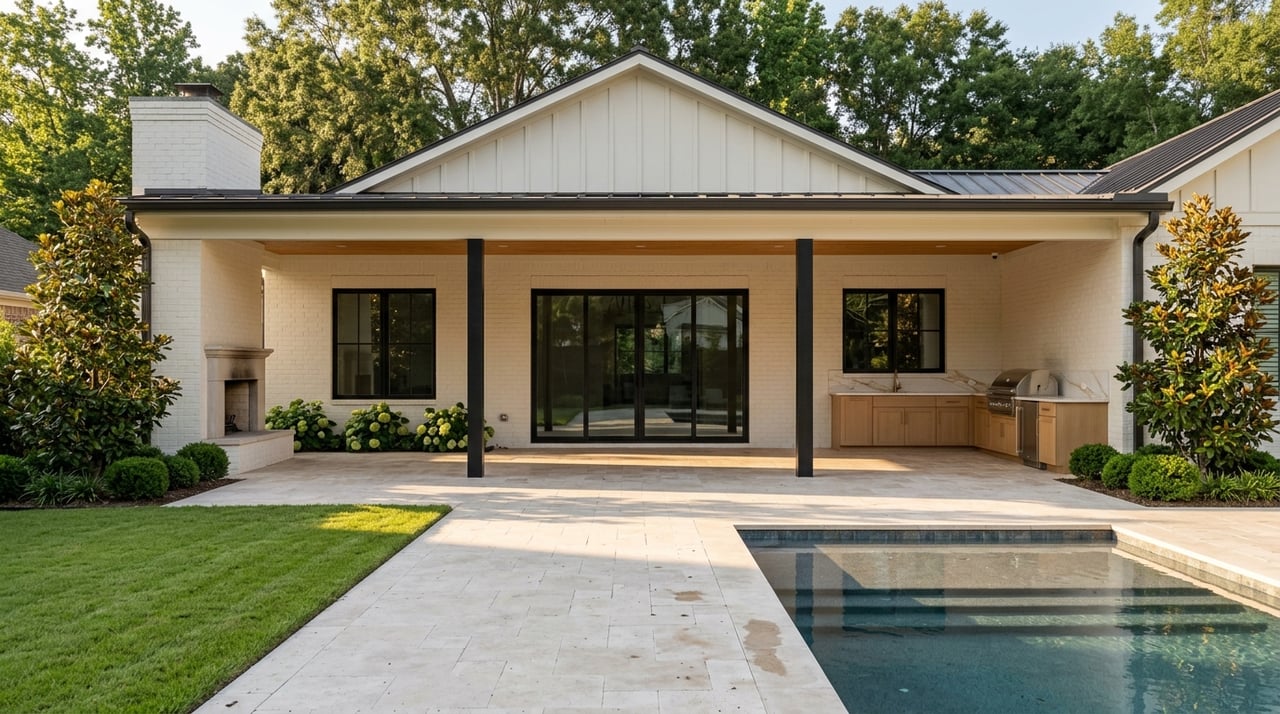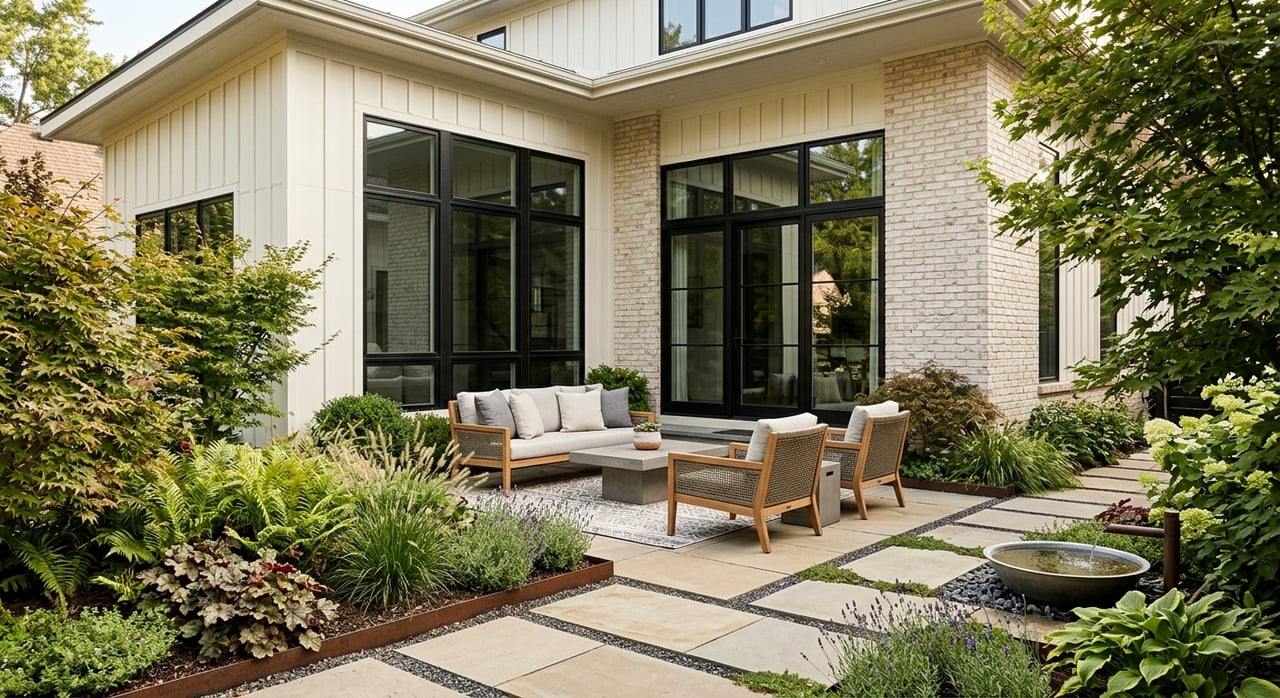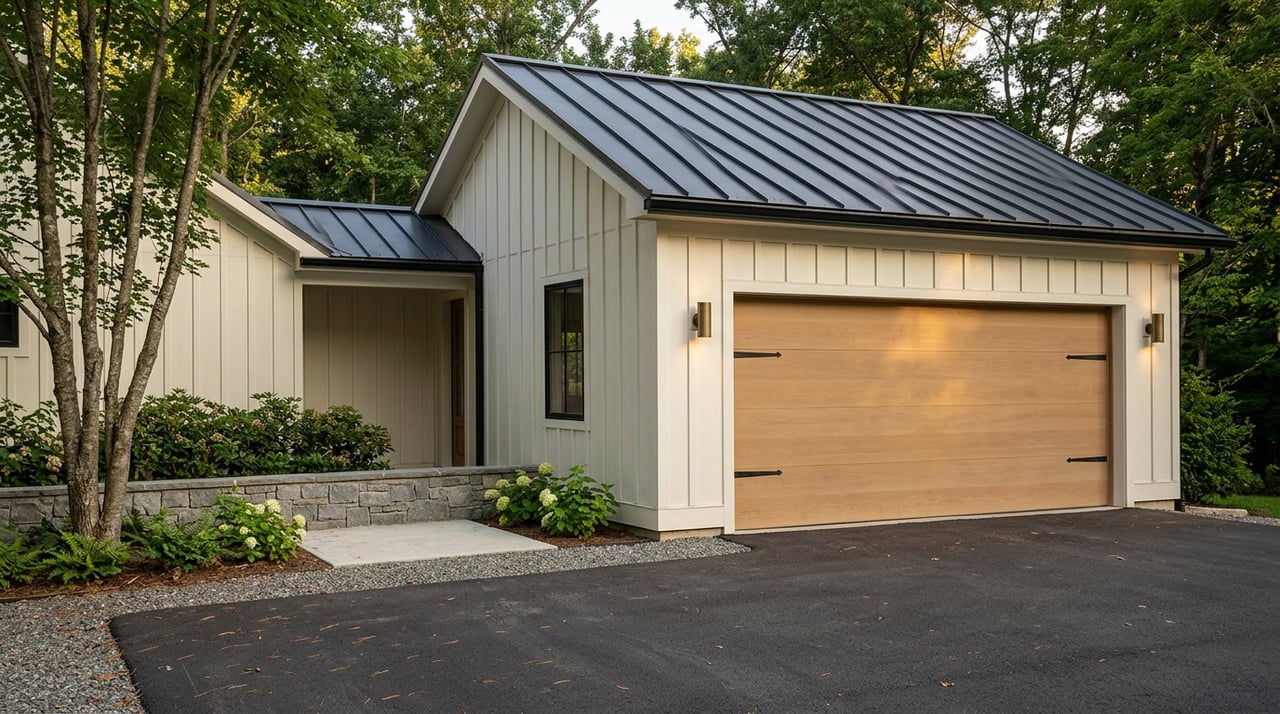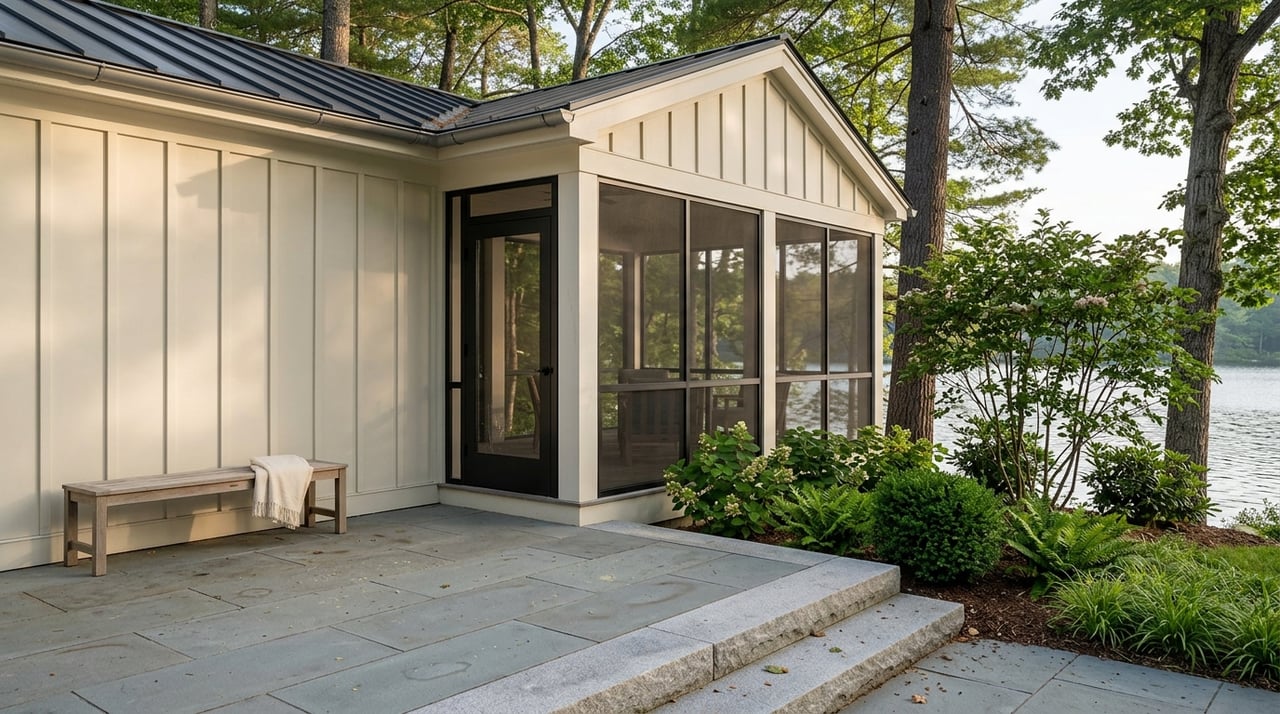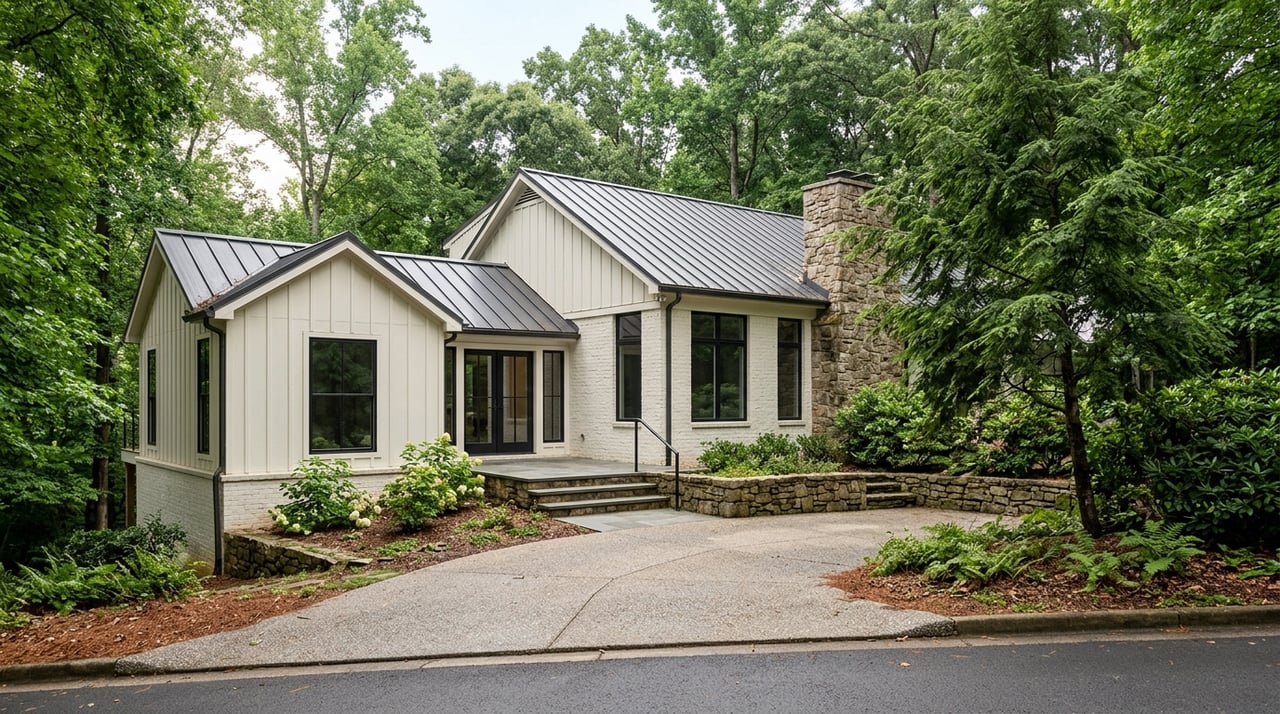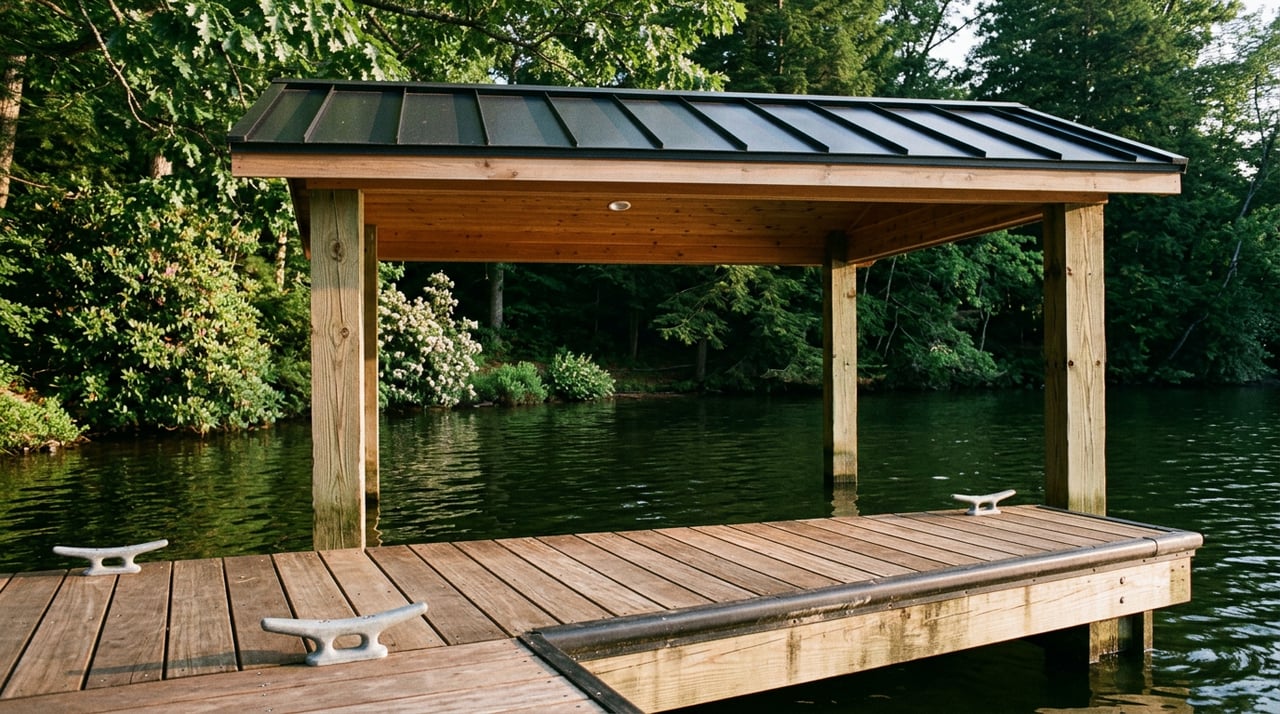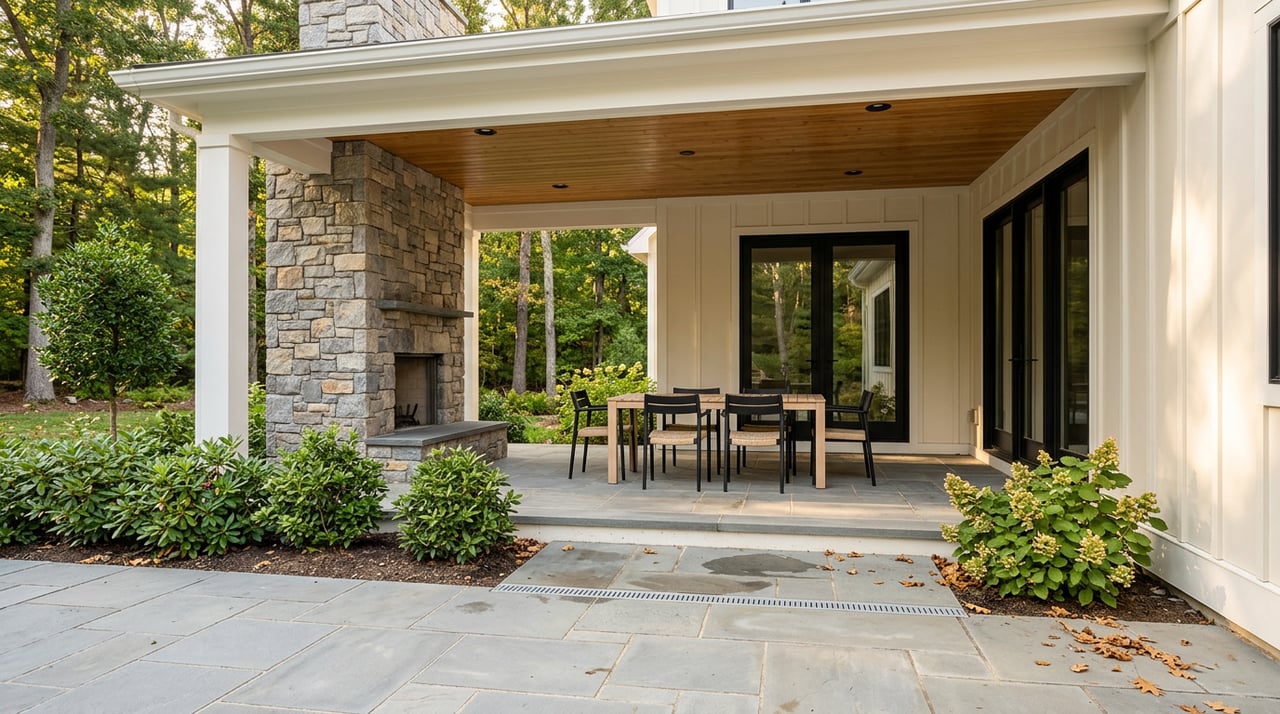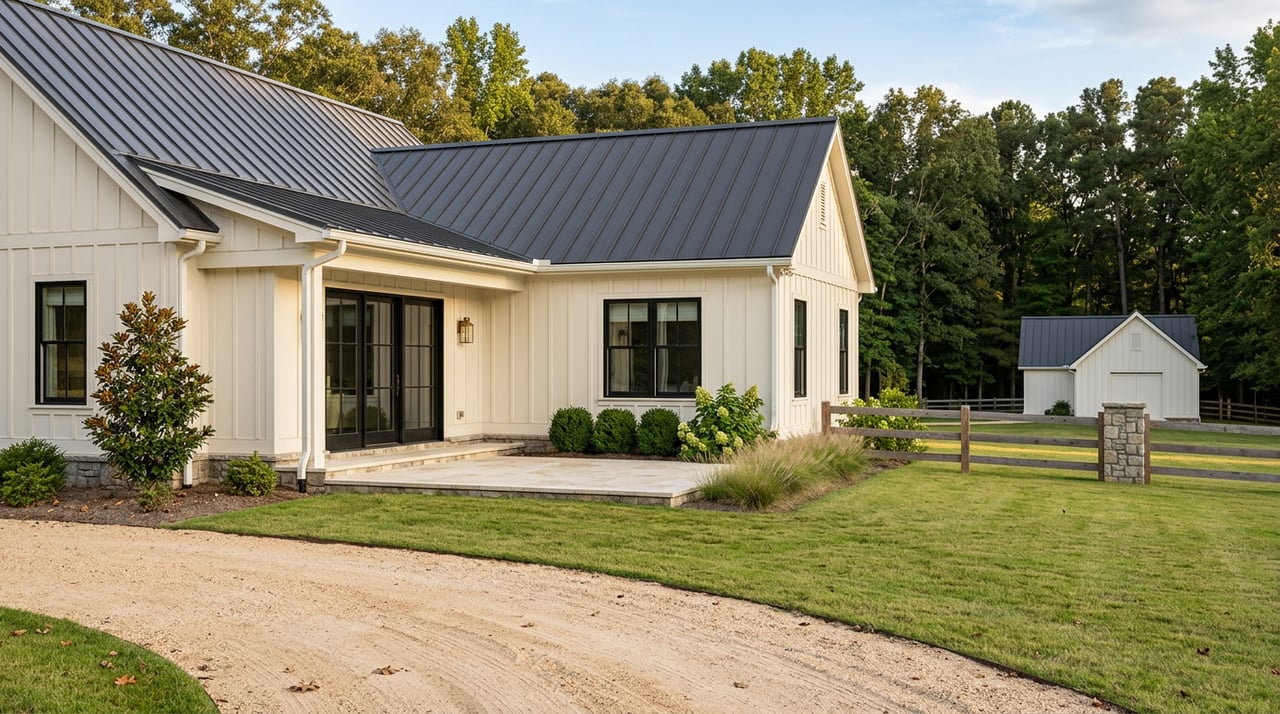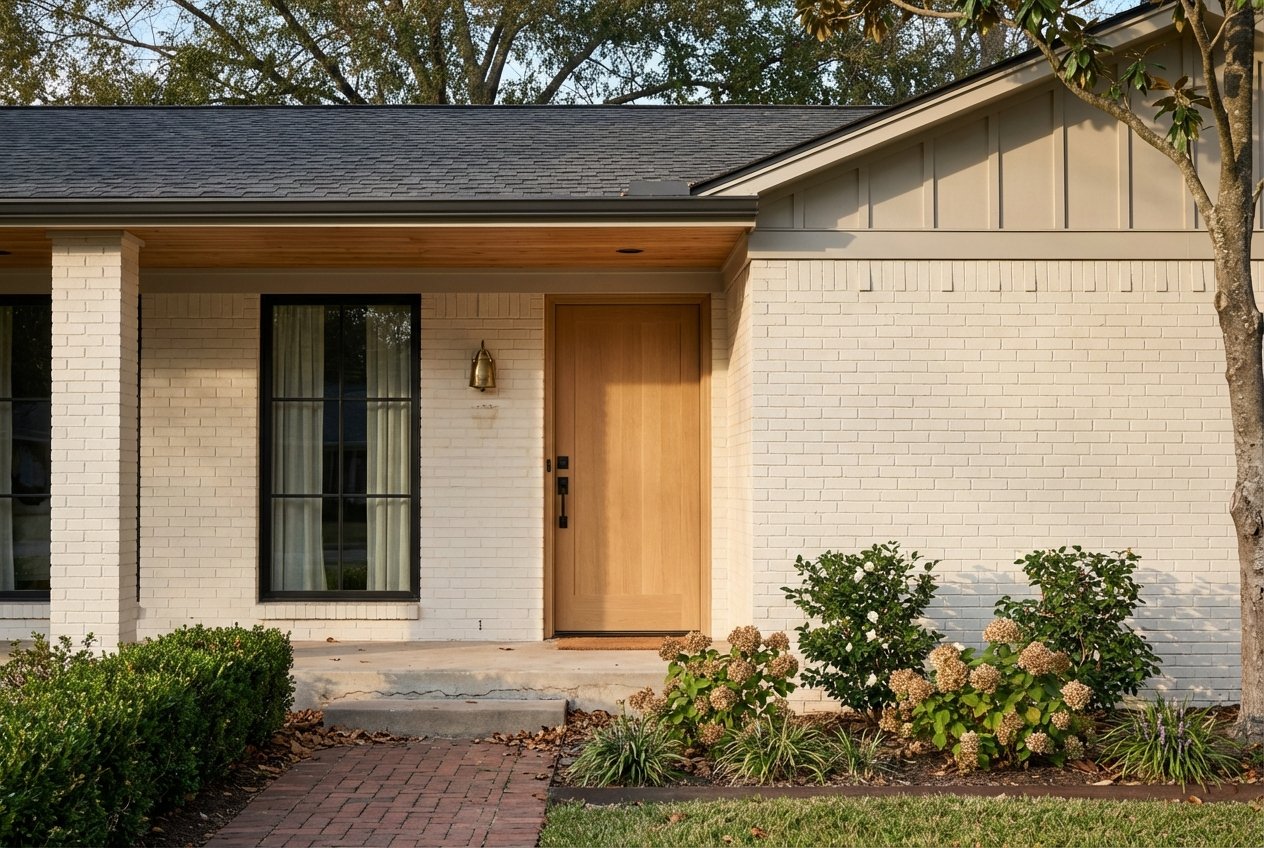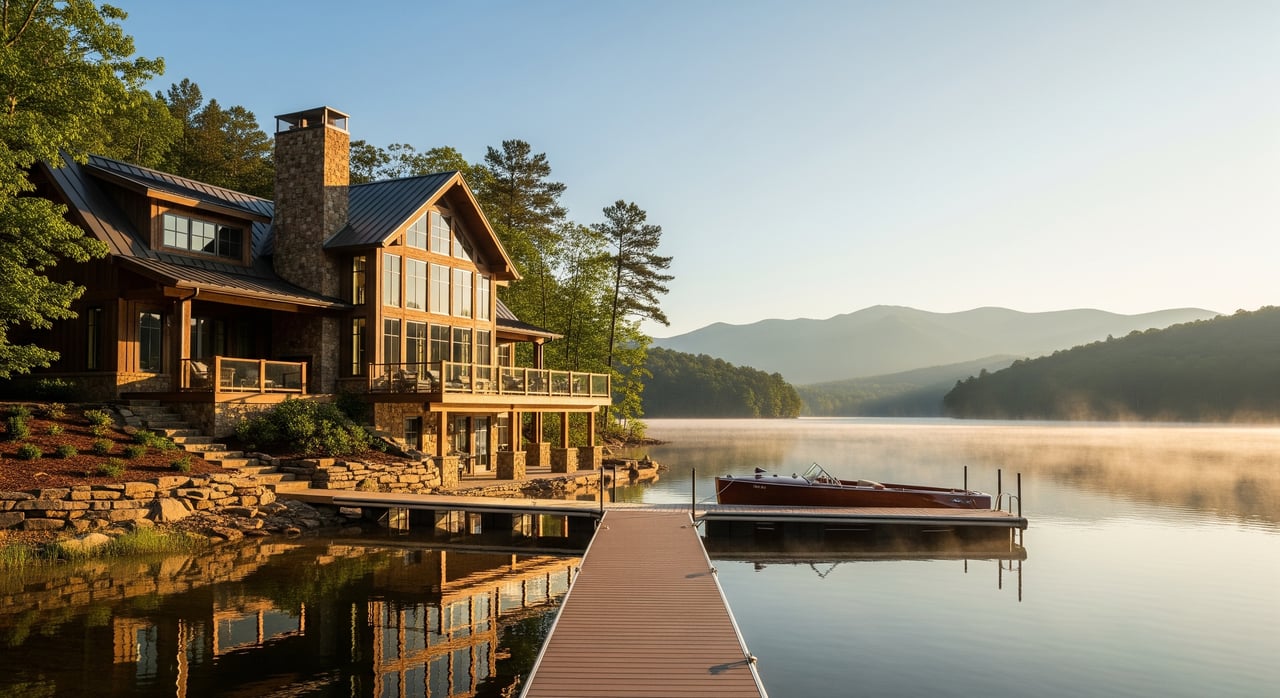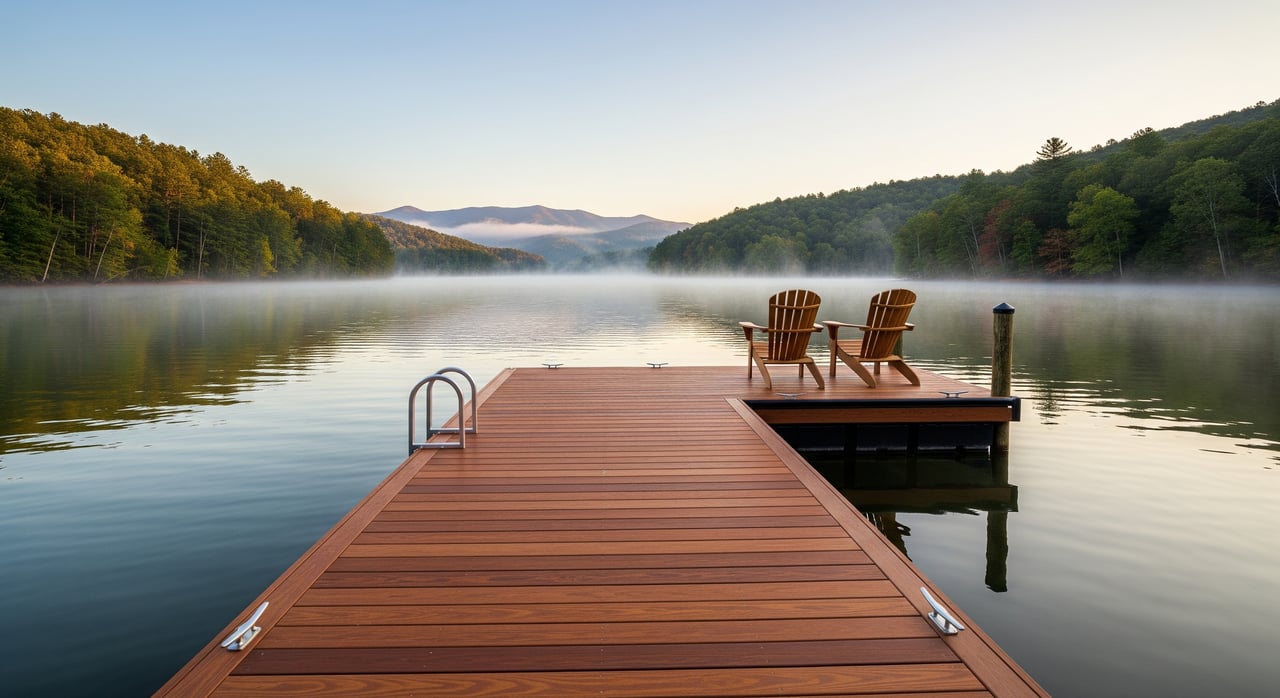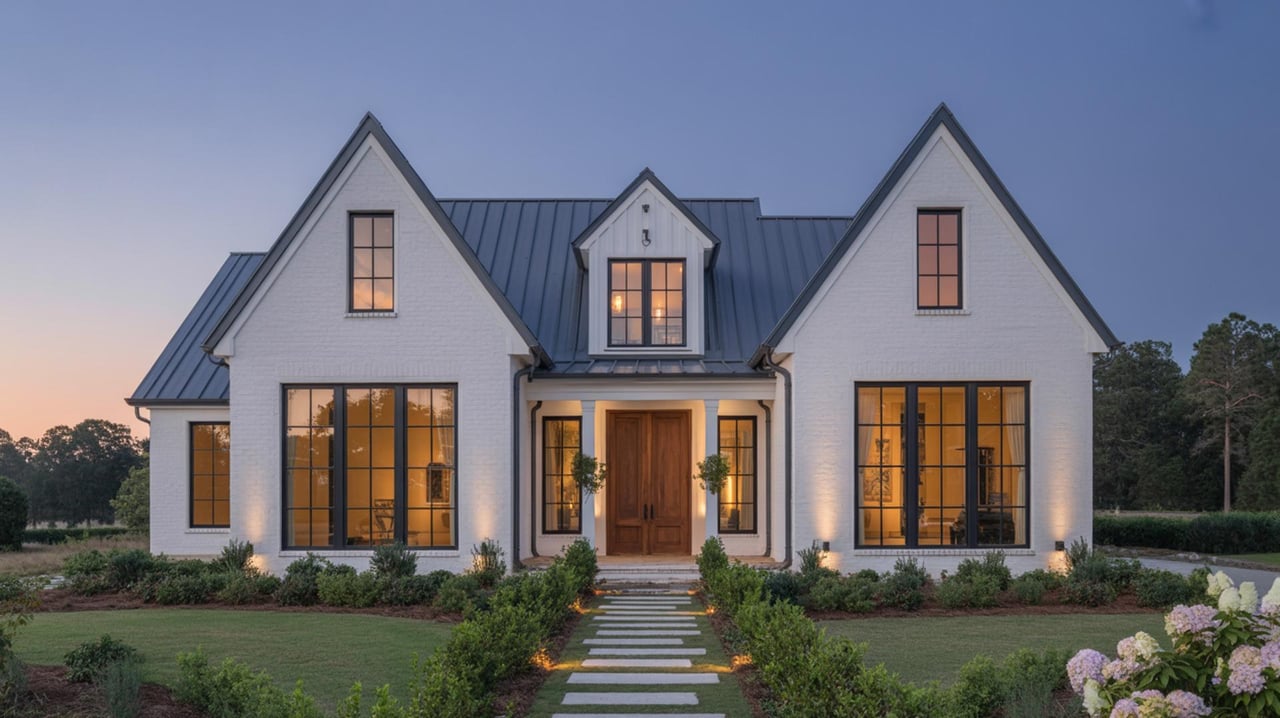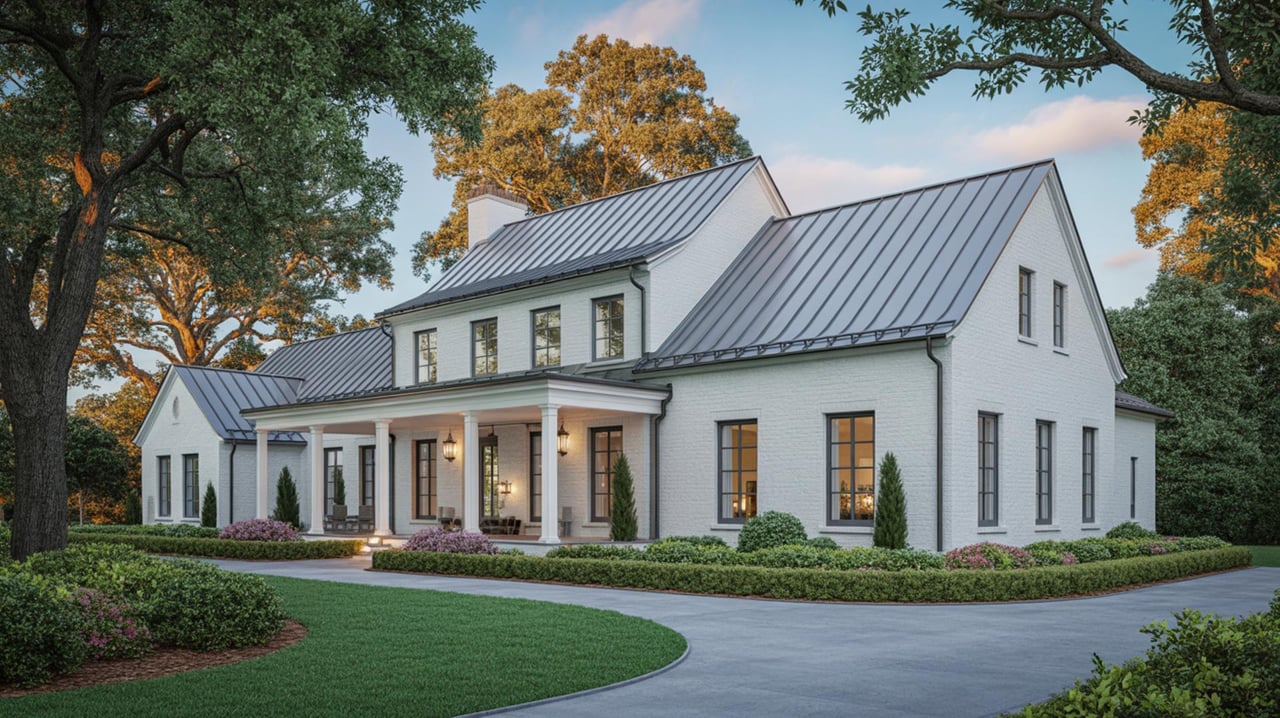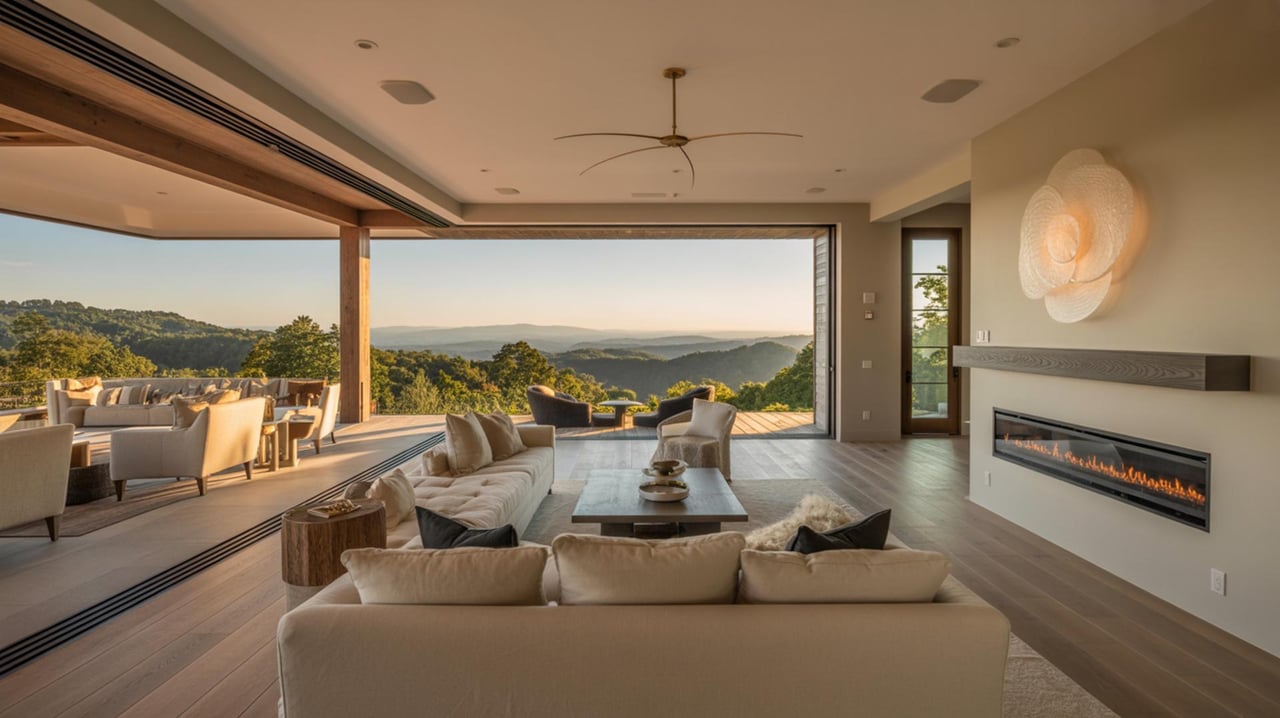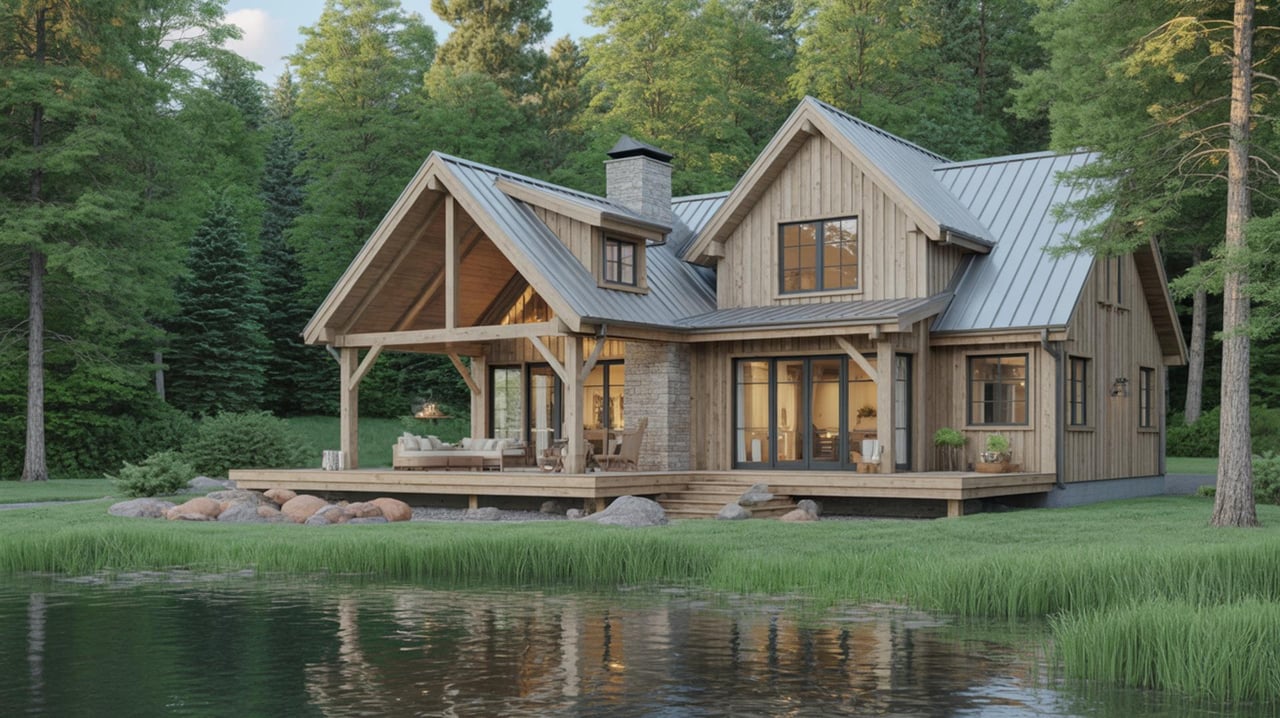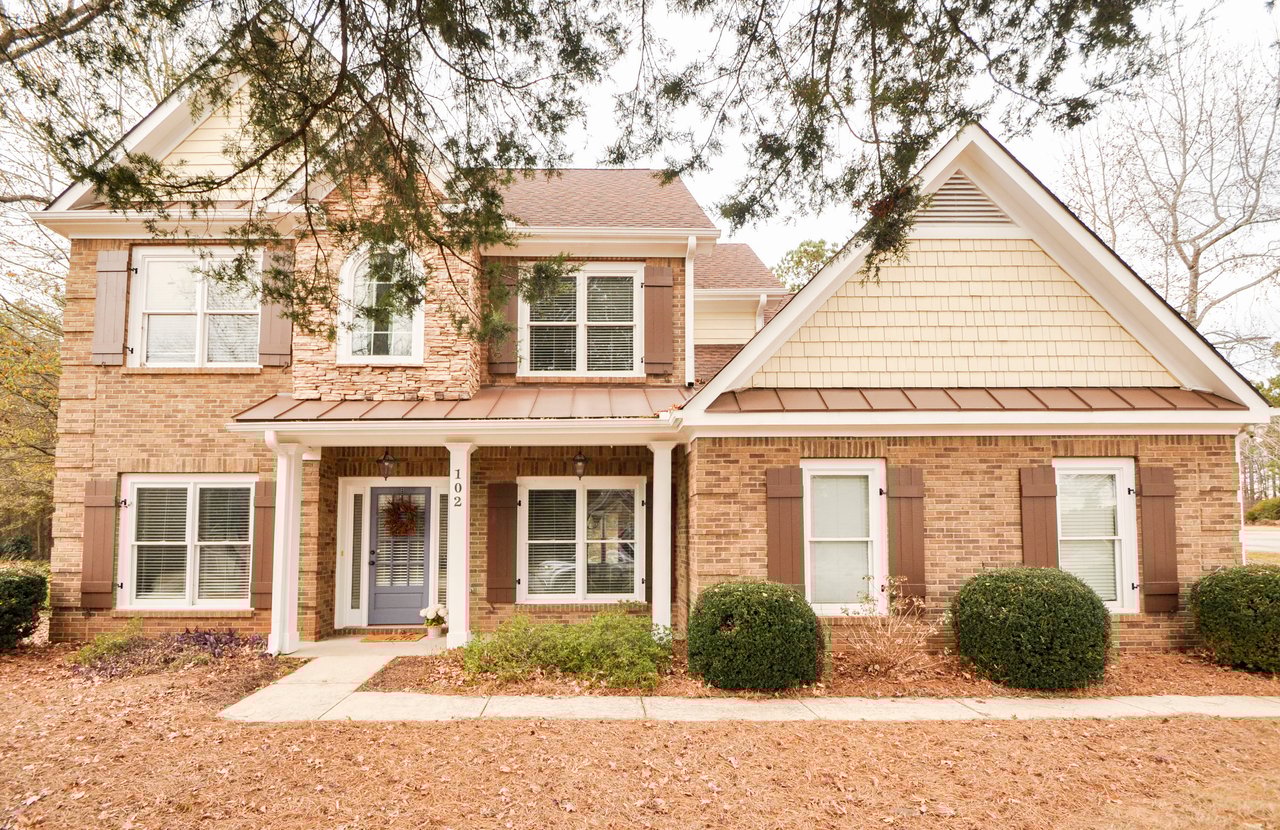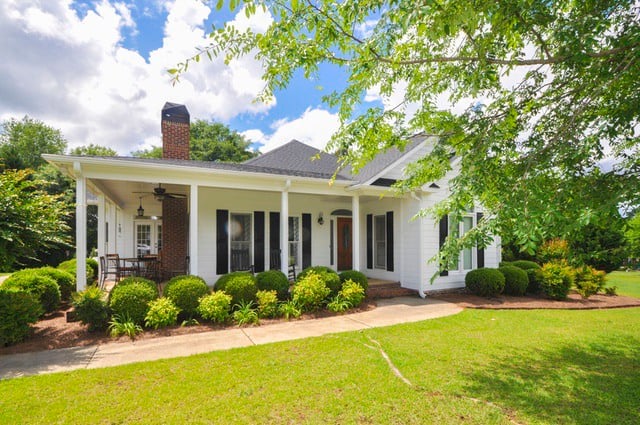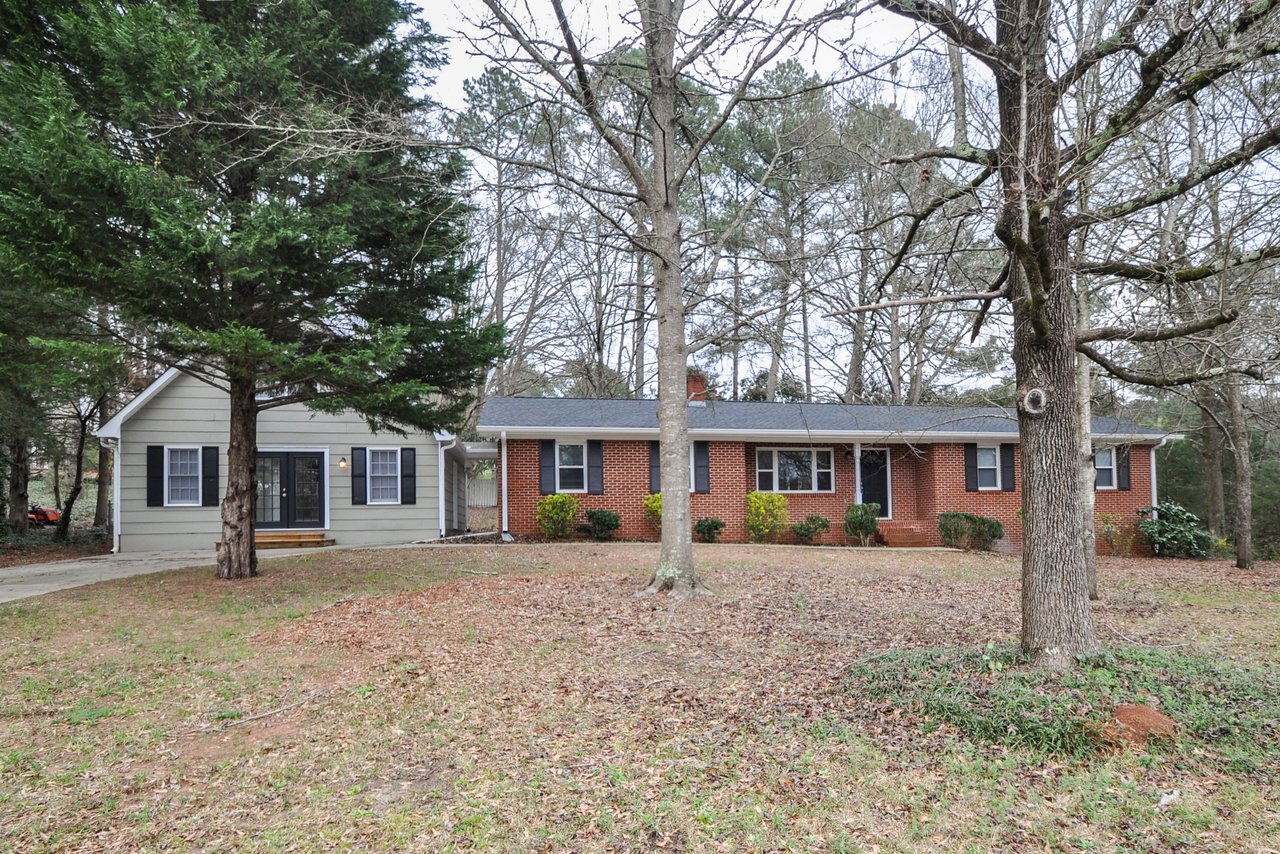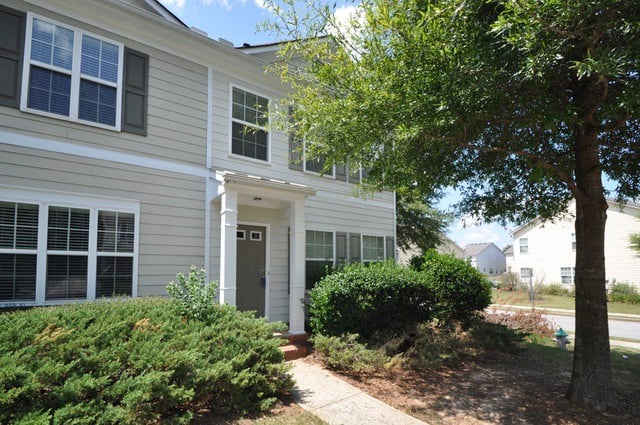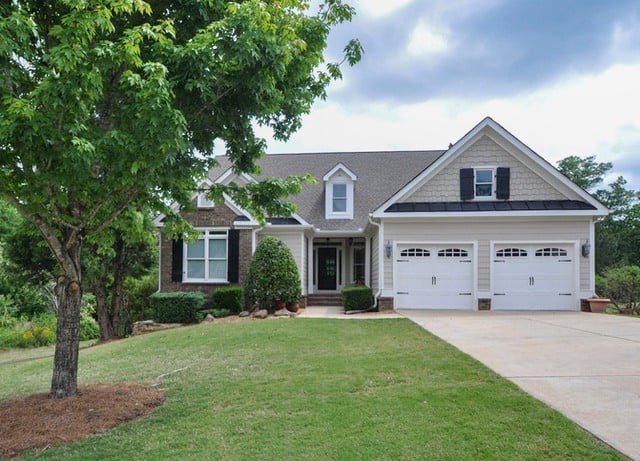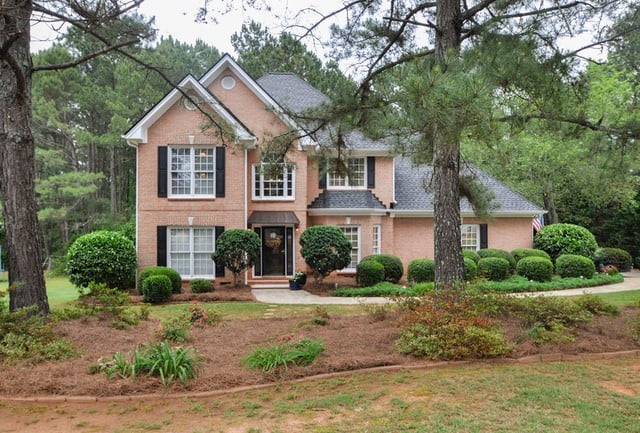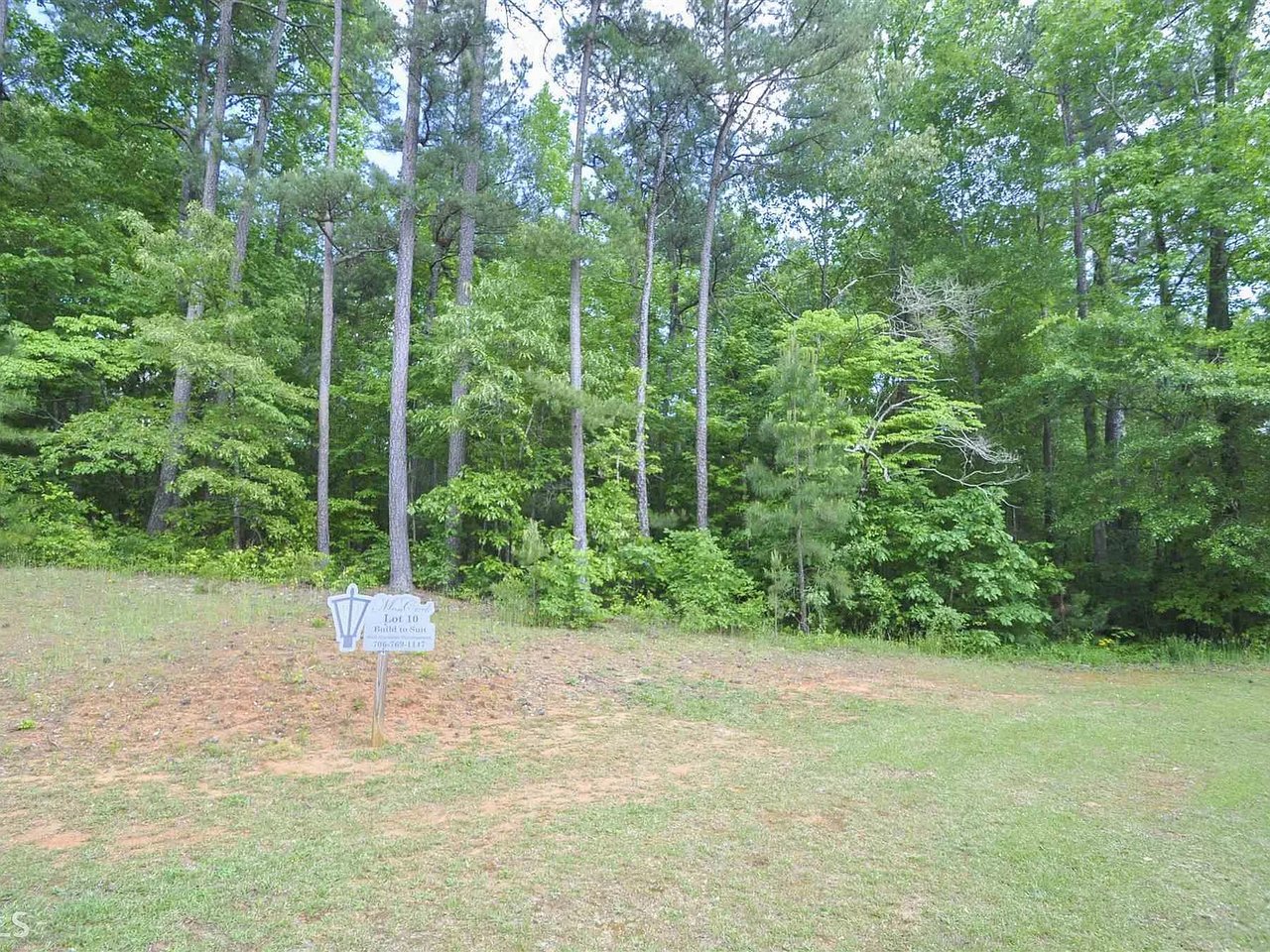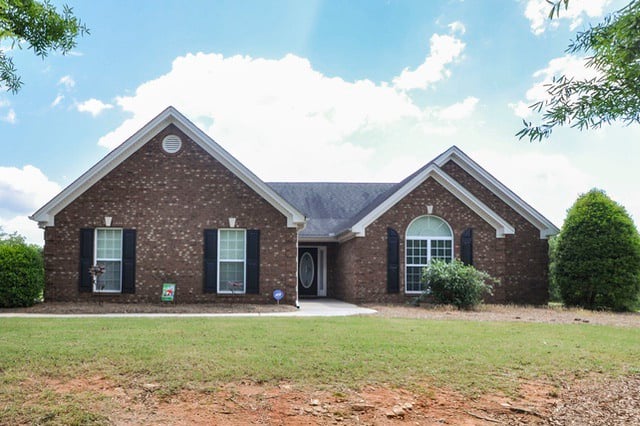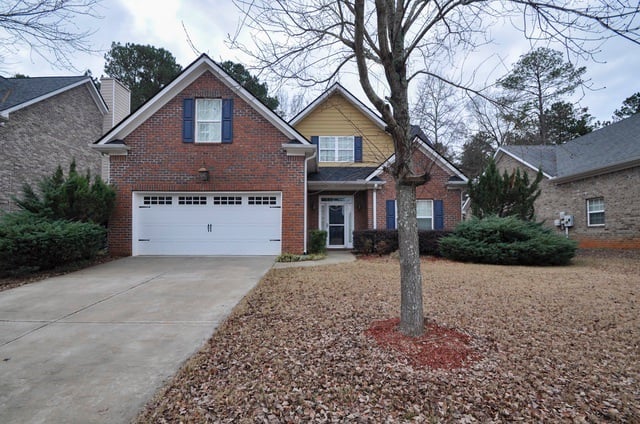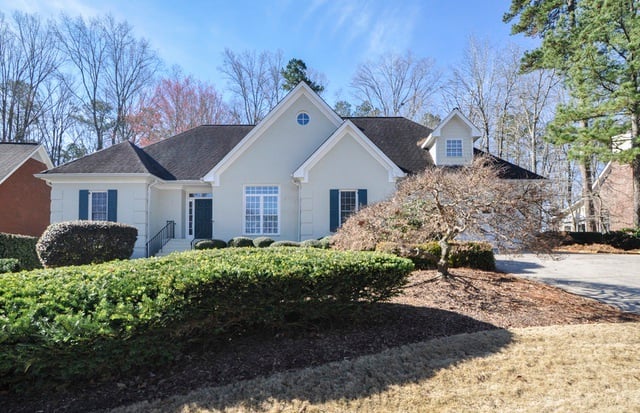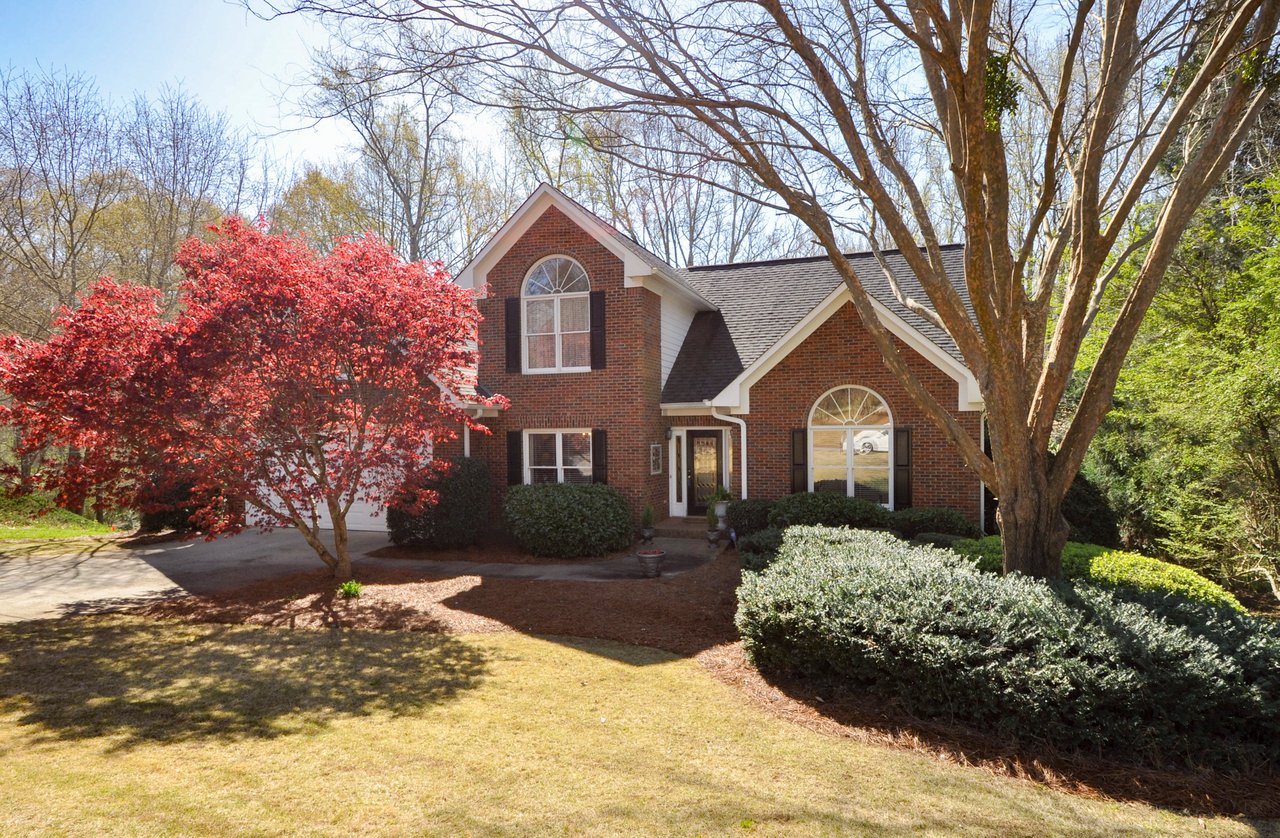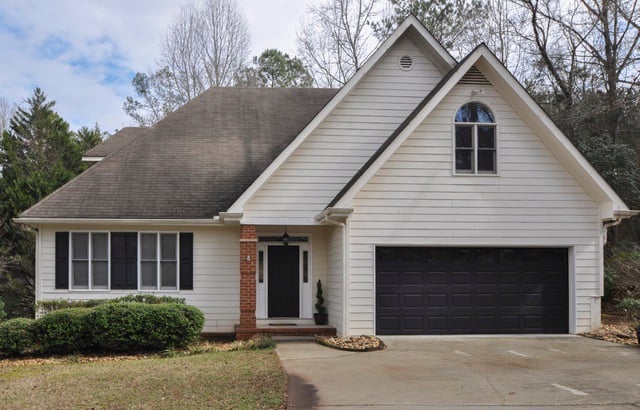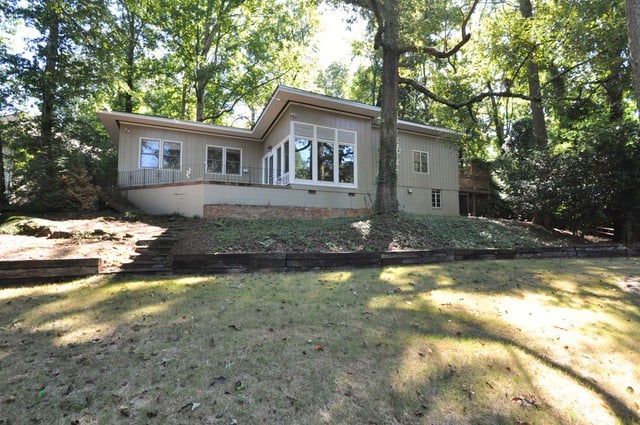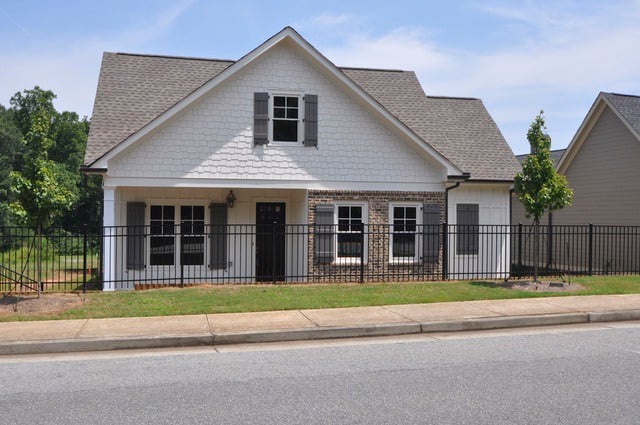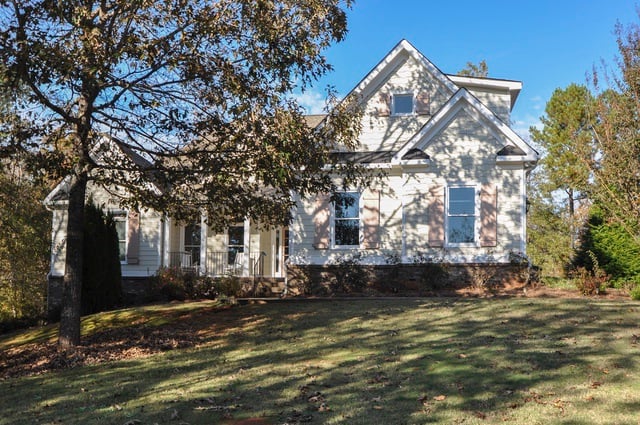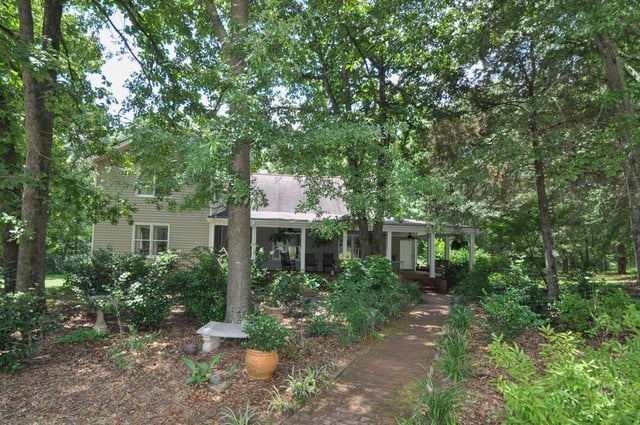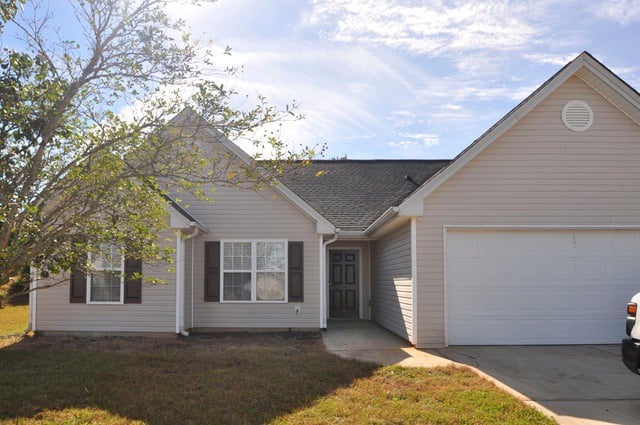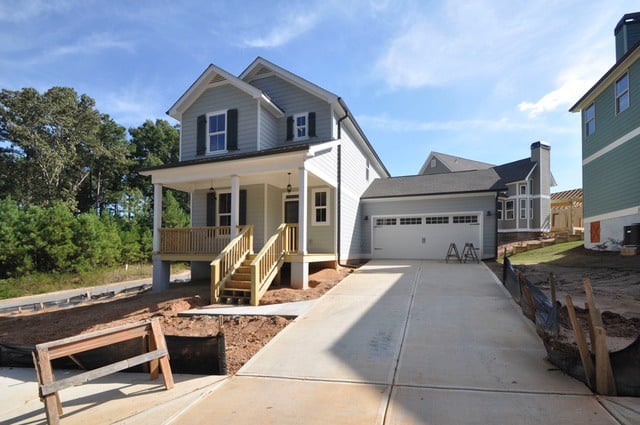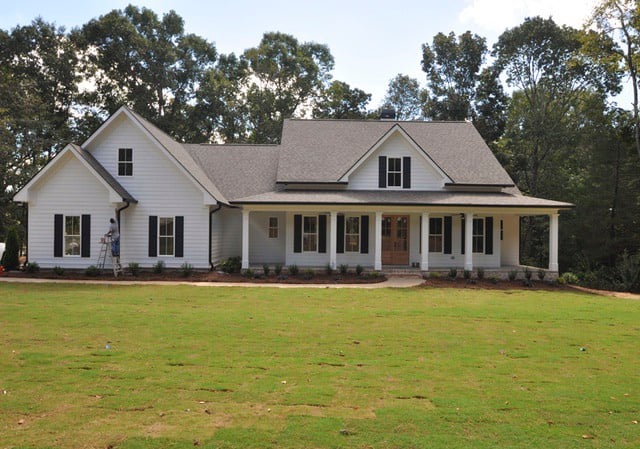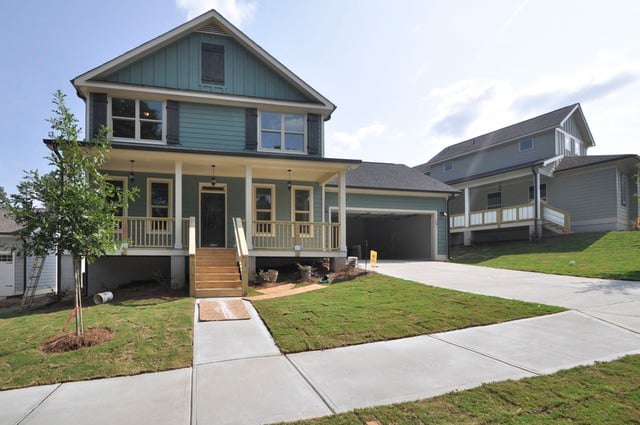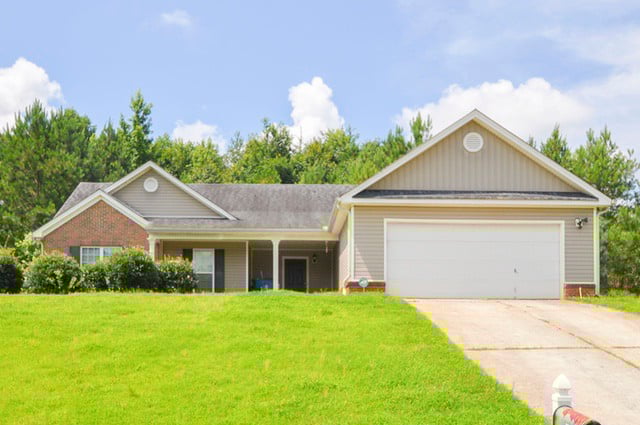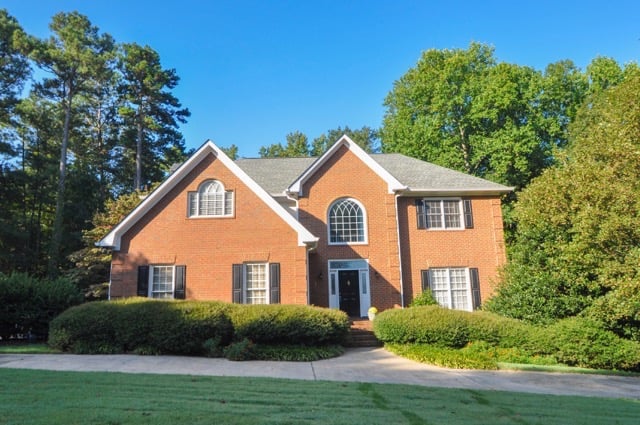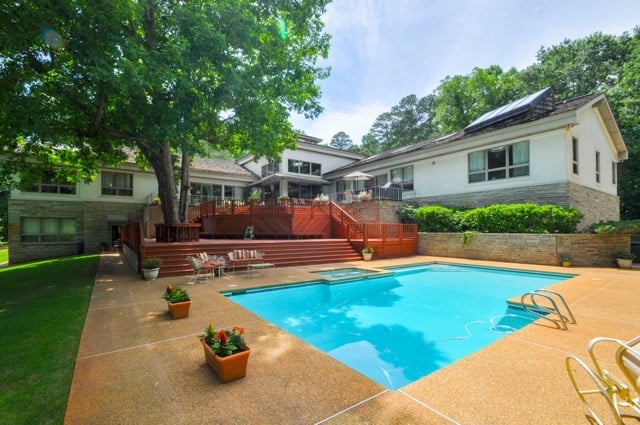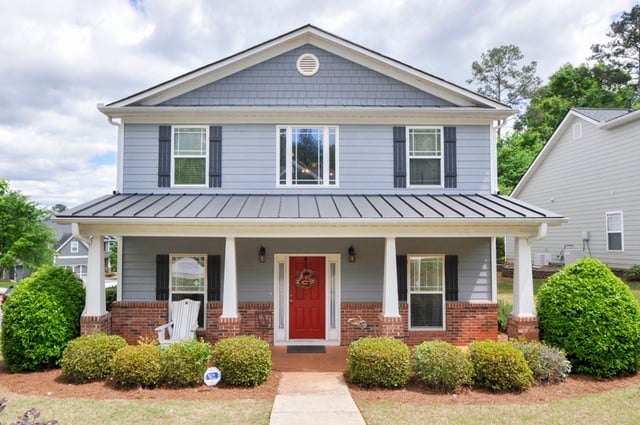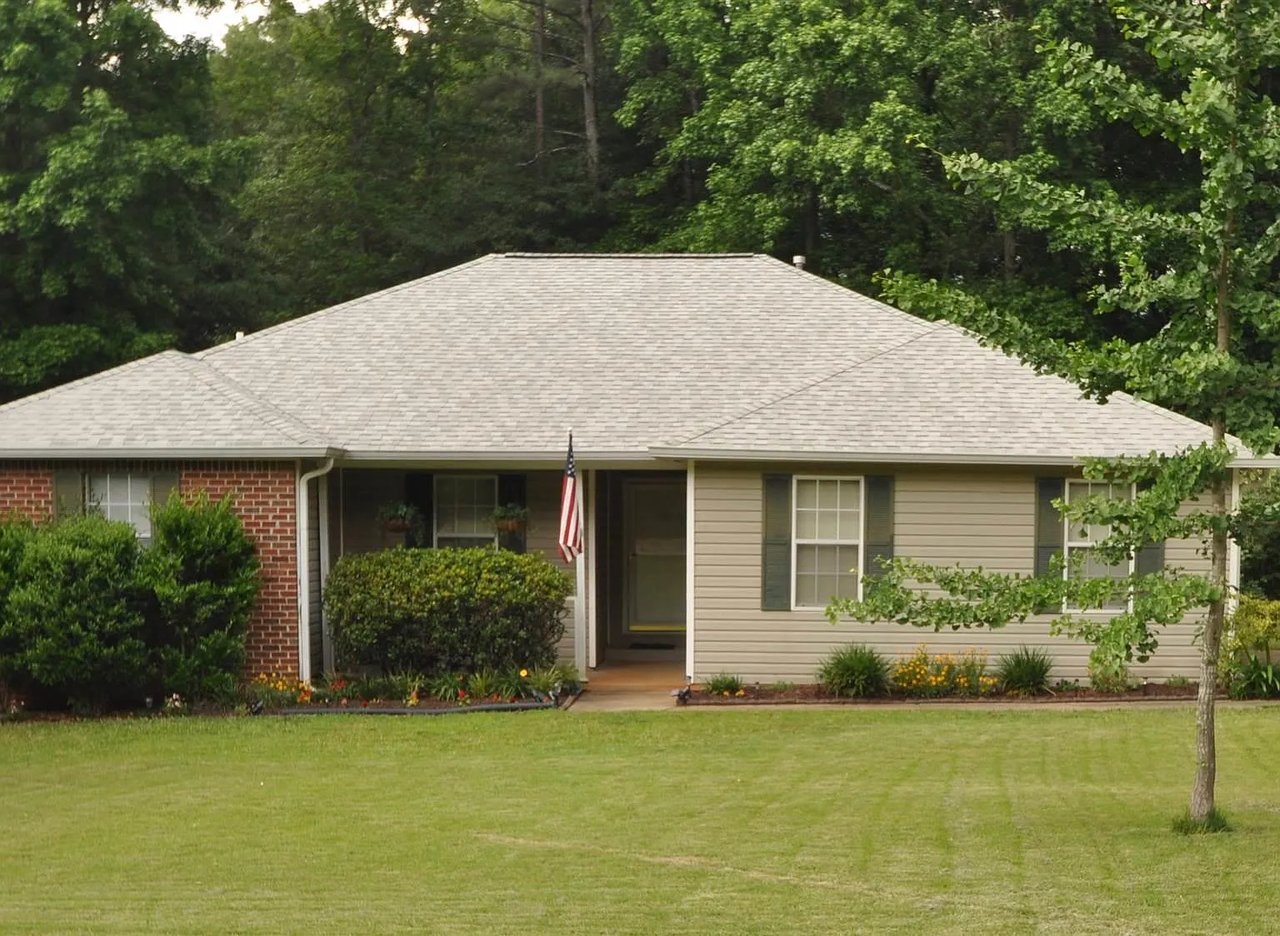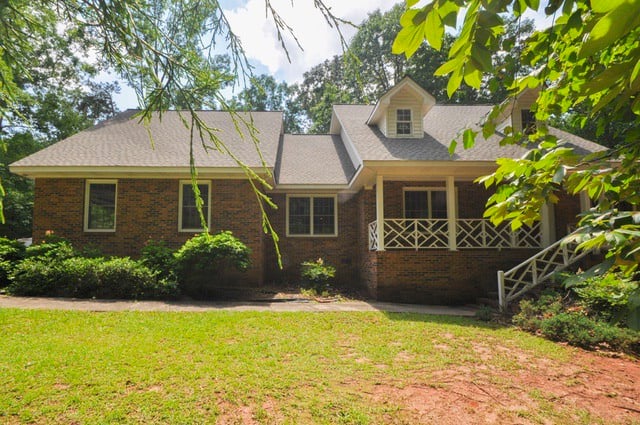
Two lake houses on the same cove can look nearly identical in the listing photos. Same era of construction, same view down the water, same dock hanging off the same kind of hillside lot. And yet one of them can be worth hundreds of thousands of dollars more than the other, can be financed with a standard mortgage while the other needs a specialty lender, and can legally host a week of paying guests while the other cannot host a single night of short-term rental. The difference has nothing to do with square footage or finishes. It is buried in the deed.
Buyers comparing Lake Burton, Lake Rabun, and Seed Lake almost always start with the number that shows up on a portal: price per square foot, list price, days on market. What that number does not tell you is whether you are buying land, or whether you are buying a long-term arrangement with Georgia Power to occupy land you will never own outright. On these three lakes, that distinction is the single biggest driver of value, financing eligibility, and what you are legally allowed to do with the property once you close.
The Question the Listing Sheet Rarely Answers
Lake Burton, Lake Rabun, and Seed Lake are all Georgia Power reservoirs, built for hydroelectric generation before they became residential destinations. Because Georgia Power still owns most of the underlying shoreline, the majority of homes on these lakes sit on leased land rather than land the homeowner owns in fee simple. On Lake Burton specifically, more than 80% of the shoreline belongs to Georgia Power, and of the lake's roughly 1,172 total lots, about 844 are Georgia Power lease lots and only 328 are fee simple. Fee simple ownership on Burton is the exception, not the rule.
A lease lot means Georgia Power owns the ground under the house. The homeowner owns the structure, the dock, and any improvements, but the land itself is held on a renewable term. A fee simple lot means the buyer owns the land outright, the way most people expect to own real estate anywhere else. Both types of lots can sit on the same cove, front the same water, and photograph the same way. Only the deed tells you which one you are looking at.
Here is what that difference actually means once you move past the photos:
| Georgia Power Lease Lot | Fee Simple Lot | |
|---|---|---|
| Land ownership | Georgia Power owns the land; owner owns the home and improvements | Owner holds full title to land and home |
| Lease term | 15 years, renewable, with tiered fees that step up roughly every five years | No lease, no recurring land fee |
| Transfer at sale | A transfer fee applies at closing, generally ranging from $7,000 to $20,000 depending on the lake and how recently the lease was renewed | No comparable transfer fee |
| Short-term rental | Generally restricted; Georgia Power limits vacation rental use on lease lots | Owner can typically pursue short-term rental where local rules allow |
| Financing | Some lenders decline to write mortgages on leased land at all | Financed like any conventional residential purchase |
| Building changes | Any addition to the dwelling requires a Georgia Power construction permit, even though there is no fee for the permit itself | Subject to standard local permitting only |
None of this shows up in a search filter. It shows up in the closing documents, and often not until a buyer is already deep into a purchase and their lender or their attorney flags it.
What the Math Looks Like at Closing
The transfer fee alone is worth planning for. A buyer moving from a fee simple market into a Lake Burton or Lake Rabun lease lot purchase can be looking at a five-figure cost that has no equivalent in a typical residential transaction, and who pays it, buyer or seller, is a negotiable term rather than a fixed rule. That is a conversation worth having before an offer goes in, not after.
Financing is the second friction point. Because Georgia Power retains ownership of the land, some conventional lenders treat a lease lot purchase differently than a standard mortgage, and buyers who assume any lender will work the same way on any of these three lakes sometimes find that is not true. Confirming financing on the specific lot, not just the specific lake, is a step that belongs early in the process rather than after a contract is signed.
The rental restriction is the friction that surprises investment-minded buyers most. Georgia Power's lease terms generally do not favor short-term or vacation rental use, which means a lease lot purchased with the hope of generating rental income can run into a wall that a fee simple purchase on the same lake would not. For anyone evaluating one of these homes as a partial income property rather than a pure second home, this single fact can change which listings are even worth touring.
The Second Hidden Line: Not Every Lot Can Have a Boathouse
There is a quieter mechanism at work too, one that has nothing to do with lease versus fee simple and everything to do with when a lot was originally surveyed. Under Georgia Power's own shoreline specifications for its North Georgia lakes, a residential lot platted before the year 2000 needs a minimum of 75 feet of straight-line shoreline, measured pin to pin, to qualify for a single stall boathouse. A lot platted after 2000 needs a minimum of 100 feet to qualify for the same structure. Lots with 100 feet or more of shoreline may qualify for a double stall boathouse instead.
In practical terms, this means the boathouse potential of a property is not something you can improve your way into. It was decided by a survey filed decades ago, before the current owner and often before the current house existed. A buyer touring two lots with what looks like comparable shoreline can find that one qualifies for a boathouse and the other does not, purely because of when the property lines were drawn. On lakes where boathouses themselves can be valued at more than $250,000 as standalone structures, that platting date is not a footnote. It is one of the more consequential facts a buyer can learn about a specific parcel, and it is worth confirming with Georgia Power's shoreline management office before falling in love with a lot's water access.
Burton, Rabun, and Seed Are Not Interchangeable
The lease and platting mechanics play out differently across the three lakes because the lakes themselves are different sizes with different histories. Lake Burton covers 2,775 acres with 62 miles of shoreline, the largest of the three by a wide margin. Lake Rabun is a much smaller, twistier lake at 835 acres with 25 miles of shoreline, and its community has an unusually long institutional memory. The Lake Rabun Association was founded in 1928, and traditions like the lakeside Boat Church, started in 1972 in partnership with Clayton First United Methodist Church, are still part of the rhythm of a Rabun summer. Traditional rental options, including short-term platforms, are notably limited on Rabun, which is consistent with how much of the lake's land is held under the same kind of restricted lease structure found on Burton.
In 2022, the Georgia Senate officially designated Rabun County the Wooden Boat Capitol of Georgia, a resolution that named Lake Rabun, Lake Burton, and Seed Lake together, reflecting how tied these three bodies of water are to each other historically even though they function as distinct micro-markets today. Seed Lake, sitting between the other two, has long been positioned as the more attainable entry point among the three for buyers priced out of Burton or Rabun's larger estate-style inventory, though the underlying Georgia Power lease structure applies there as well.
Builders are responding to the demand for more flexible ownership. A new fee simple community called Burton, built near LaPrade's Marina on Lake Burton, began welcoming its first residents in the fall of 2024 specifically because it offers what most of the lake's lease lots cannot: full land ownership and the ability to place an accessory dwelling unit into a rental program. Its existence is a direct answer to how many buyers have run into the lease lot rental restriction and gone looking for an alternative on the same lake.
What This Means If You're Comparing the Three Lakes
If you are cross-shopping Burton, Rabun, and Seed, the ownership structure deserves the same early attention as the price and the view. Ask whether a specific lot is Georgia Power leased or fee simple before you get attached to it. Ask when the lot was platted if a boathouse matters to how you plan to use the property. Ask your lender directly whether they will finance a lease lot on that specific lake, since not every institution treats these purchases the same way. And if rental income is part of your plan, confirm the lease terms before assuming a lake house can generate the kind of return a comparable fee simple property might.
These questions do not show up in a median price chart, and they rarely show up in a listing description. They show up in the deed, in Georgia Power's lease file, and in the survey that was filed on that lot years before it ever came up for sale.
If you are weighing a purchase on Lake Burton, Lake Rabun, or Seed Lake and want a clear read on what a specific lot's ownership structure actually means for your financing, your rental plans, or your long-term value, Jennifer Westmoreland & Associates can walk through the lease file, the platting history, and the numbers with you before you write an offer. Schedule a personalized market consultation to get the full picture before you fall in love with the view.
Frequently Asked Questions
Can I get a standard mortgage on a Georgia Power lease lot? Not always. Some lenders decline to finance homes on leased land entirely, so it is worth confirming financing on the specific lot and lender before assuming your usual mortgage process will apply.
Does a lease lot's dock or boathouse permit transfer automatically when the home sells? No. Georgia Power requires notification of the sale and completes a pre-transfer inspection to confirm compliance before any permit or lease transfers to the new owner, and this should happen in conjunction with closing.
Can I short-term rent a home on a Lake Burton or Lake Rabun lease lot? Generally not. Georgia Power's lease terms restrict short-term and vacation rental use on lease lots, which is why buyers focused on rental income often look specifically for fee simple properties on these lakes.