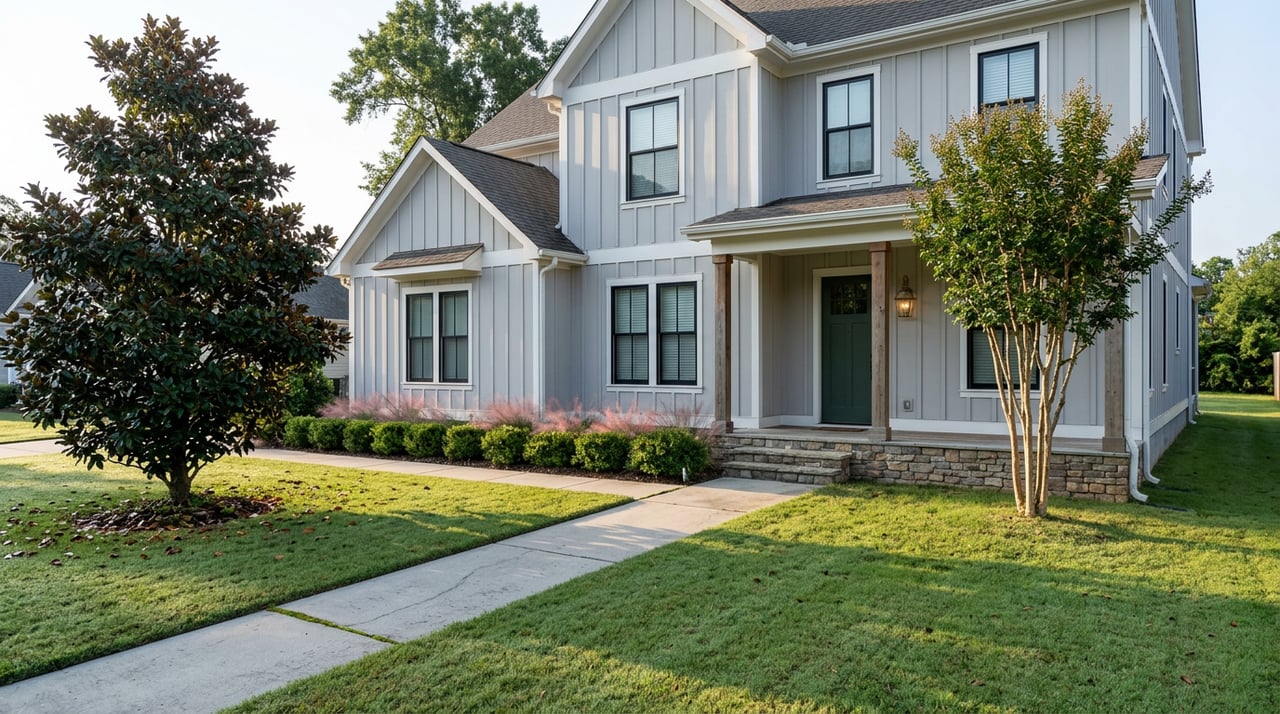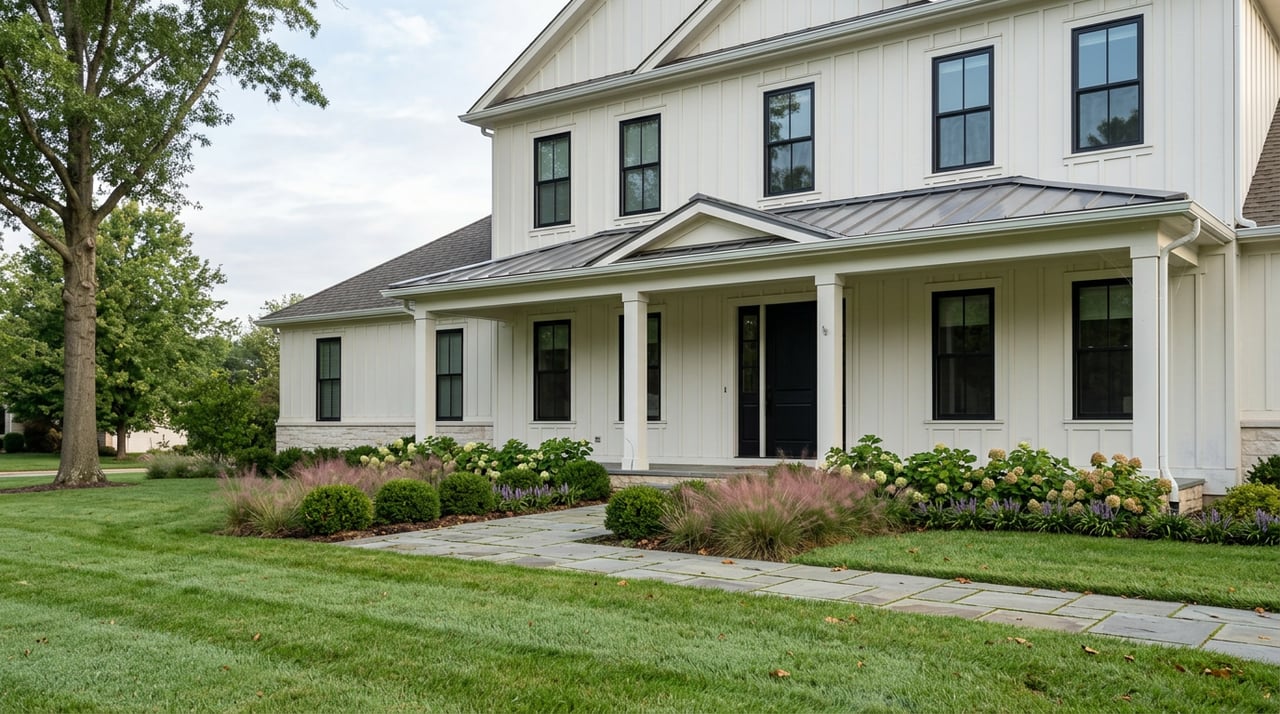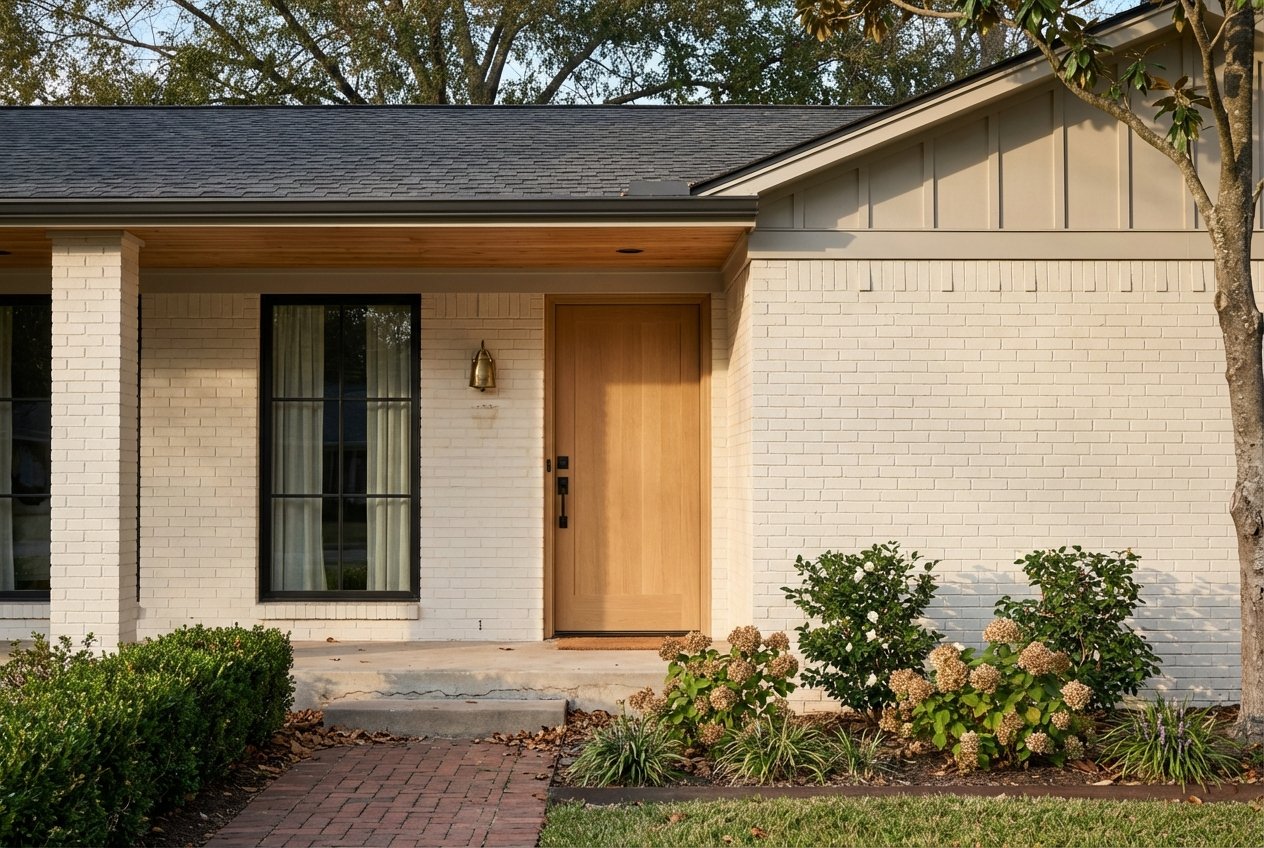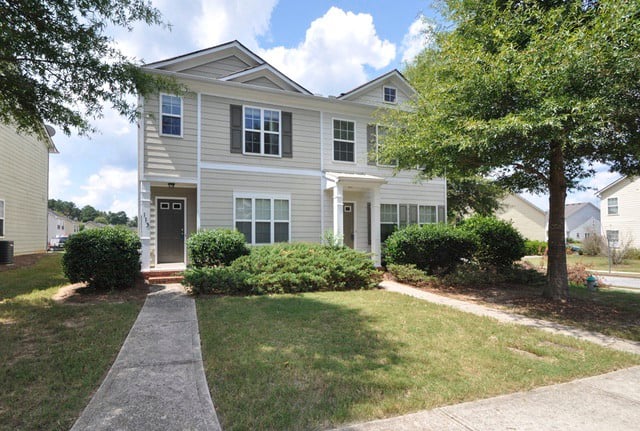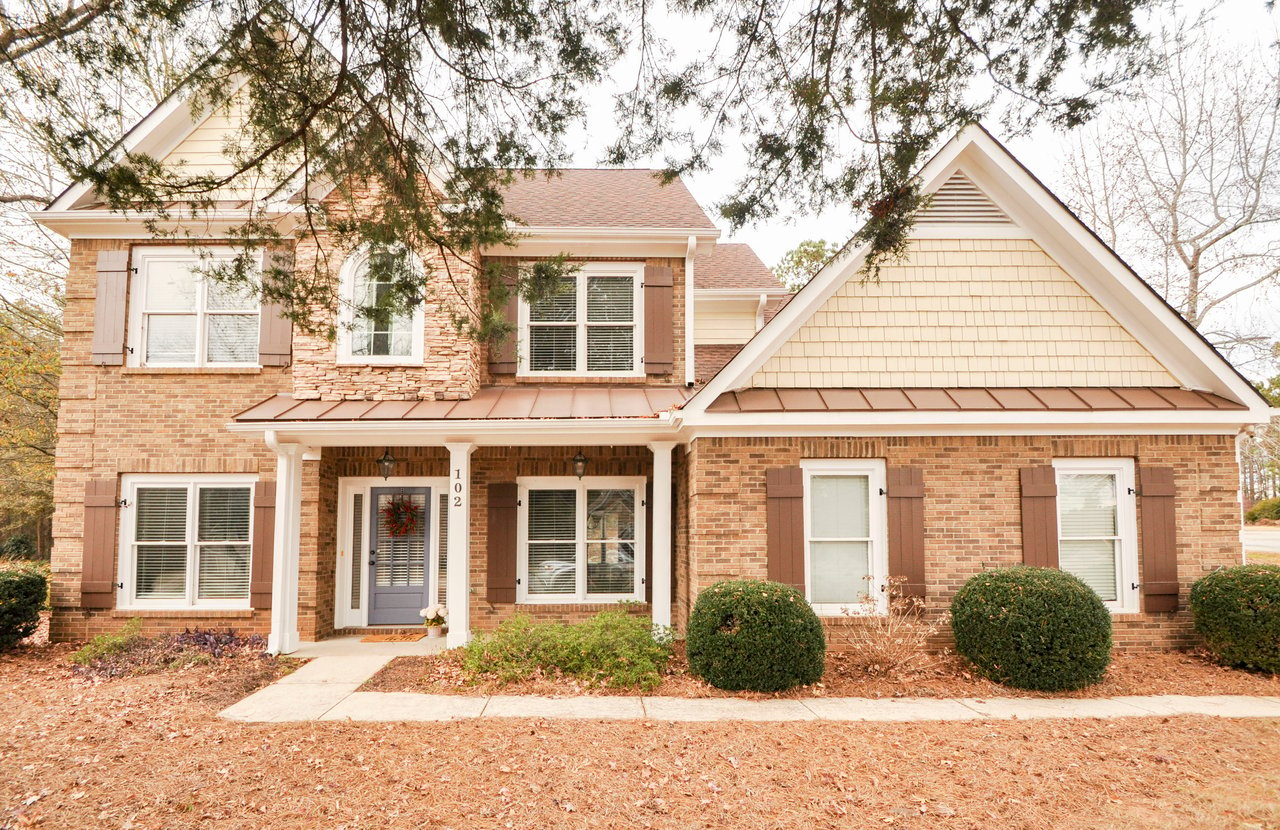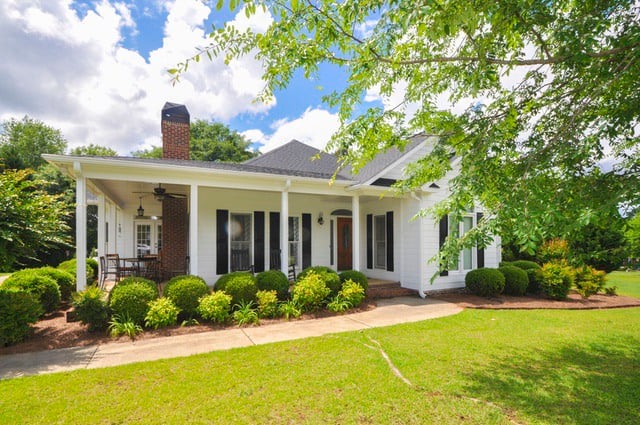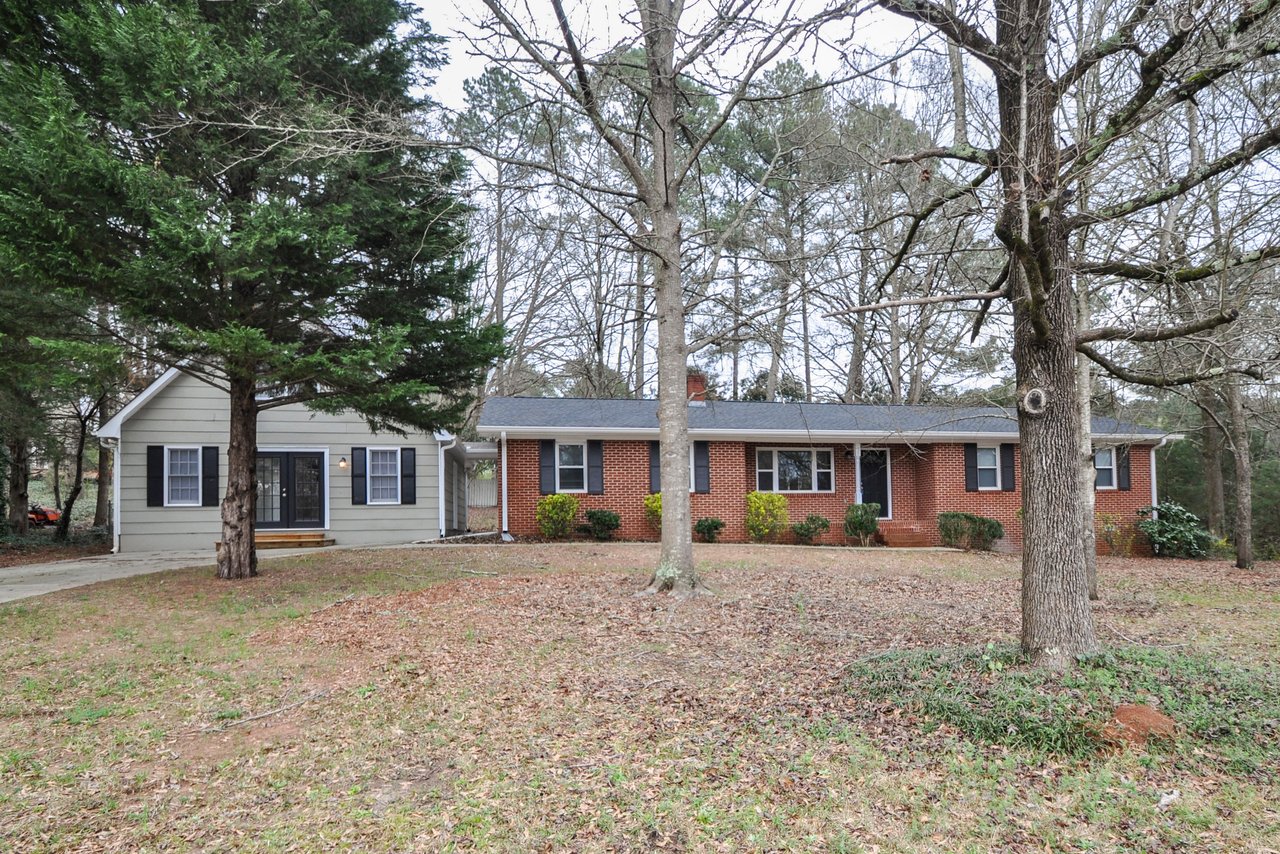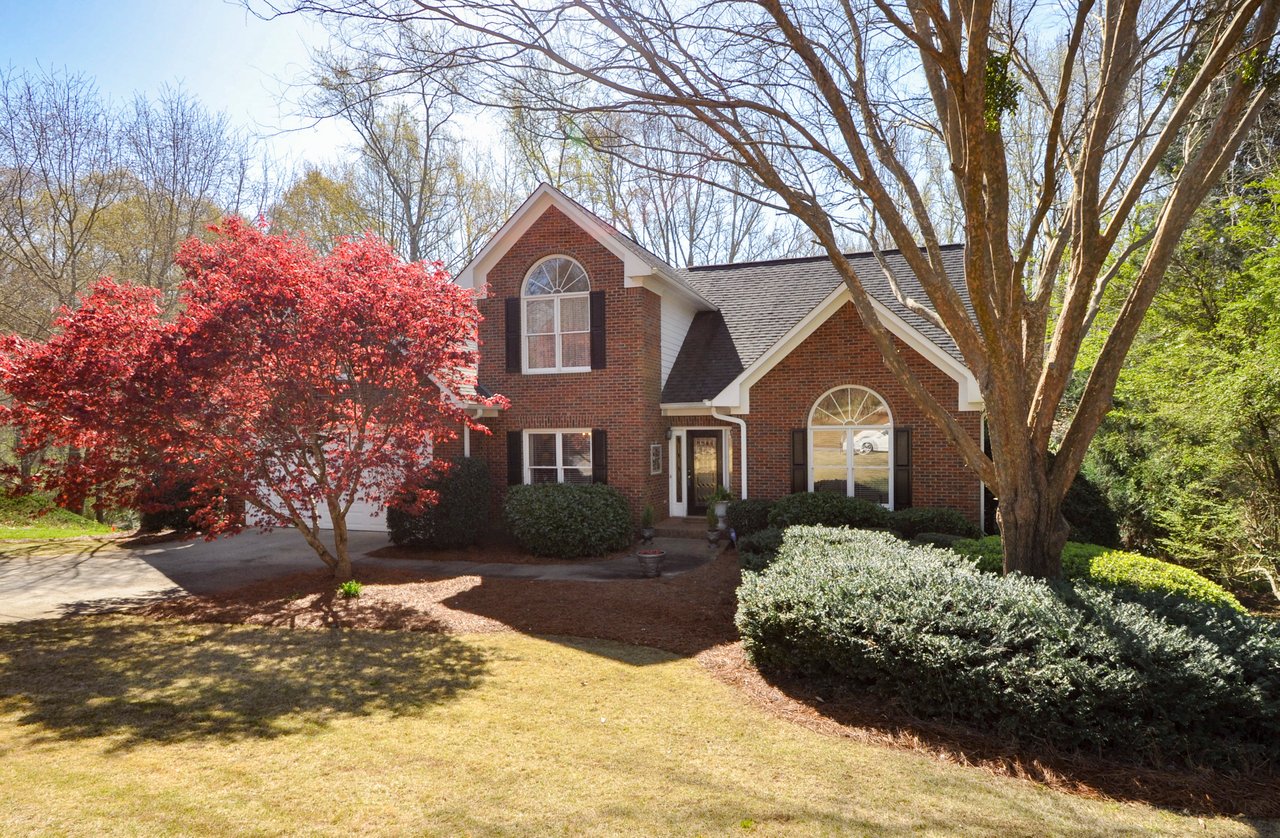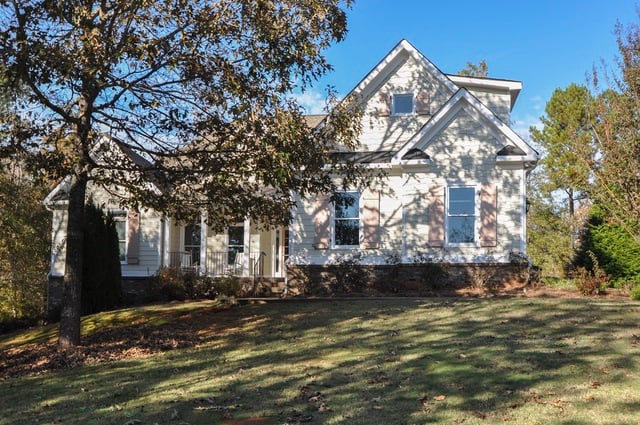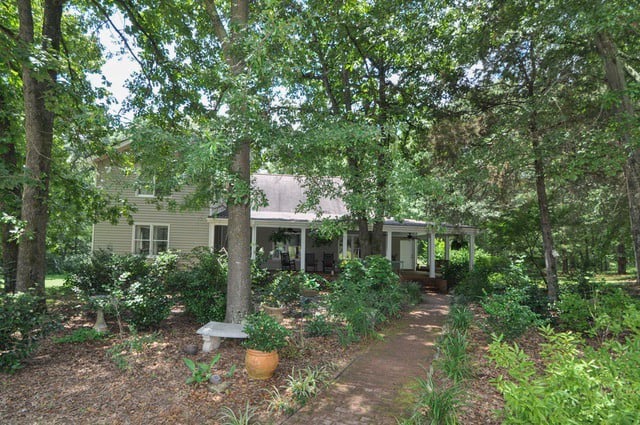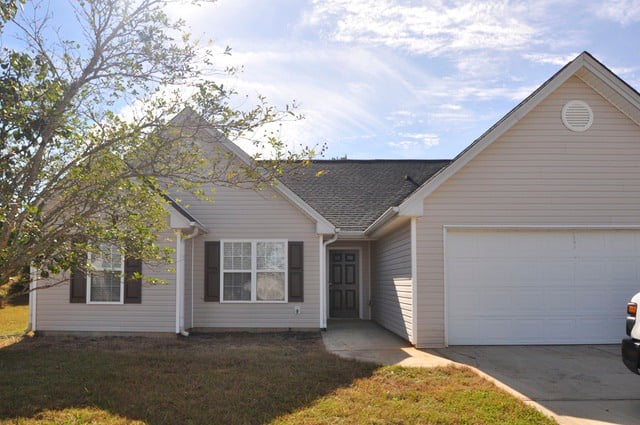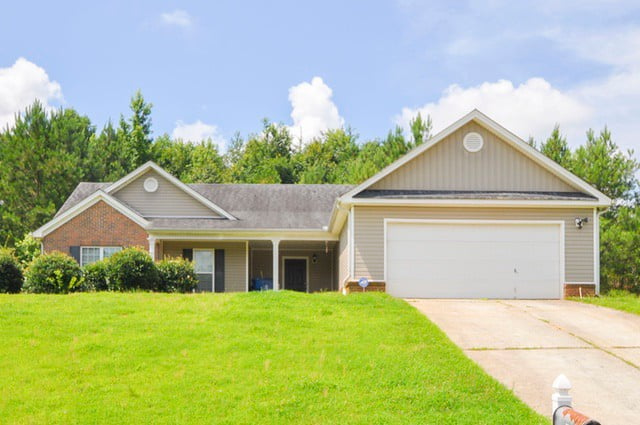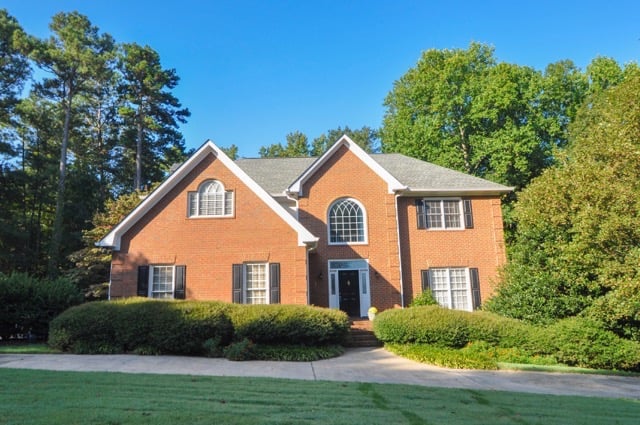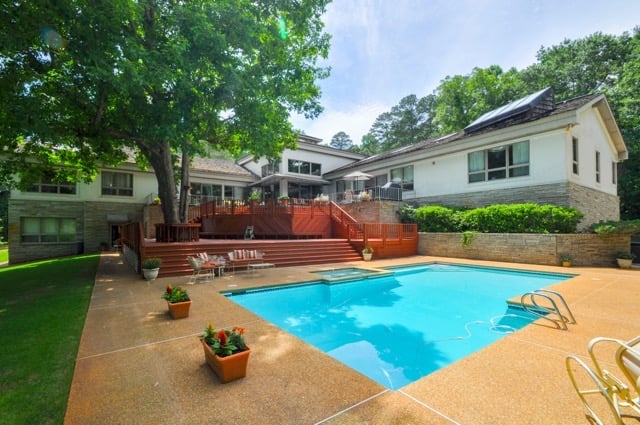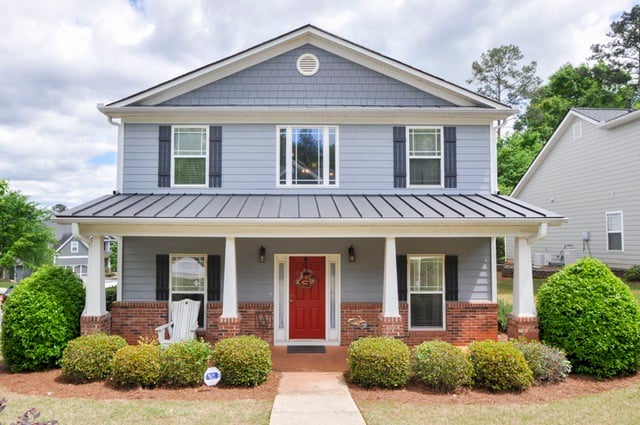
Two neighbors close on nearly identical homes in Oconee County this fall. Same subdivision, same square footage, same purchase price. Their tax bills can grow at different rates, and the reason has nothing to do with their homes. It comes down to which local governments tax them: Oconee County's school board opted out of the cap while the county and city governments stayed in.
That choice is easy to miss on a listing sheet. It shows up on a tax bill, months after closing, as a number that grew faster or slower than expected depending on how the underlying assessment was capped.
A Statewide Vote, a Local Split
In November 2024, Georgia voters approved a constitutional amendment letting local governments cap how fast a homesteaded property's taxable value can rise each year, tying the increase to inflation instead of the open market. Statewide, 62.9 percent of voters said yes. In Oconee County, the margin was even wider at 64.3 percent. The enabling law, House Bill 581, gave every county, city, and school board in the state a single chance to opt out if they filed a resolution with the Secretary of State by March 1, 2025.
The Board of Commissioners and the city councils of Watkinsville, Bishop, Bogart, and North High Shoals all stayed in. The Oconee County Board of Education went the other direction, voting 4 to 1 in early February 2025 to opt out, with Post 4 member Adam Hammond casting the lone dissenting vote.
The rationale, laid out by Chief Financial Officer Peter Adams across three required public hearings, was straightforward from a budget standpoint. Adams told the board that under the floating exemption, Oconee County Schools would have collected roughly $13.9 million less in local revenue over the prior seven years had the cap already been in place. Board Chair Michael Ransom framed the decision around local control, saying opting out let the district make decisions suited to its own community rather than operate under a one-size-fits-all state formula.
The result is that Oconee County Tax Commissioner Jennifer Riddle's office now has to run two separate tax digests for the same properties: one where county and municipal taxes are capped against inflation, and another where school taxes are not.
Why the Portion That Opted Out Is the Portion That Matters Most
School millage typically makes up the largest single piece of a Georgia property tax bill, often 50 to 70 percent of the total. That means the entity that chose not to cap assessment growth is the one collecting the biggest check.
The 2026 numbers illustrate the gap in practice. After three public hearings, the Oconee County Board of Commissioners adopted a 2026 unincorporated millage rate of 4.124 mills, actually a slight decrease from the calculated rollback rate. The incorporated rate, which applies inside city limits, was set at 5.154 mills. The Board of Education's maintenance and operations levy, ratified separately, sits at 13.836 mills, roughly two and a half to three times the size of the county rate.
A former state representative put it bluntly to county commissioners during one of the HB 581 debates, arguing that the millage rate itself matters less than the size of the check homeowners actually write each year. That framing applies directly here. A capped 4.124 mills next to an uncapped 13.836 mills means the piece of the bill doing most of the growing is the piece the cap does not touch.
None of this changes anyone's exemptions retroactively. The 2025 opt-out affects how future assessment increases are taxed, not the exemptions Oconee County voters separately expanded on the May 2024 ballot, which raised the basic homestead exemption on a schedule running toward $10,000 by 2035.
What Buyers Actually Run Into at the Closing Table
Set the digest split aside for a moment. Every buyer in Oconee County, regardless of which side of the HB 581 decision applies to their address, runs into the same set of mechanical surprises that Georgia's tax calendar creates.
Oconee County's Tax Commissioner FAQ says property taxes are due November 15 each year. The Georgia Title & Escrow Company explains that if a closing happens before the county issues that year's bill, which is typical for anything closing between January and late summer, the settlement statement includes a proration: the seller credits the buyer for their share of the year's taxes based on the most recent prior-year bill, since the actual bill for the current year usually has not been calculated yet. The buyer then owes the full amount when the real bill arrives in the fall. If the assessed value jumped between those two years, the credit at closing can end up smaller than the actual amount due.
The Georgia Department of Revenue says a new owner has to file their own application with the county, generally by April 1 of the year they want it applied. Georgia law also requires that the buyer have owned and occupied the home as their primary residence as of January 1 of that tax year, so someone closing in the spring or summer typically cannot claim the exemption until the following January 1, leaving a gap year where the bill runs at the full assessed rate.
Assessment notices in Oconee County tend to reach mailboxes by mid-May each year. Georgia law gives property owners a deadline to file an appeal with the county Board of Tax Assessors, a hard deadline regardless of when the buyer closed.
The Rate Looks Low. The Bill Does Not.
Property tax data aggregators consistently put Oconee County's effective property tax rate somewhere between 0.70 and 0.75 percent as of 2026, comfortably below both the Georgia average and the national median rate. On its own, that number reads as a selling point.
The median annual bill tells a different story. Estimates for Oconee's median tax bill cluster between roughly $3,000 and $3,200 a year, which sits above the national median typically cited in the $2,400 to $2,700 range. The explanation is not a hidden fee or an aggressive assessor. It is simply that Oconee County home values run high enough that a below-average rate still produces an above-average bill.
For a buyer comparing Oconee to a neighboring county purely on the advertised rate, that comparison alone can be misleading. The rate answers one question. The bill answers a different one, and it depends on the assessed value the county actually applies.
The Split Is Running on a Clock
The two-digest situation is not a permanent feature of Oconee County's tax system. Georgia lawmakers passed Senate Bill 33 this spring, and starting in January 2027 its provisions make the floating homestead exemption mandatory for every county, city, and school board in the state, closing the opt-out door that Oconee's school board used in 2025. The original House Bill 92, which would have required Oconee's school board to hold three new public hearings in 2027 just to keep its opt-out status, effectively gets overtaken by that broader mandate.
That means a buyer closing on an Oconee County home today is buying into a temporary arrangement. The gap between capped county and municipal taxes and uncapped school taxes is scheduled to close within the next year, not stay in place indefinitely. Anyone budgeting several years out on carrying costs should factor that transition in rather than assume today's growth pattern holds steady.
Frequently Asked Questions
Does the homestead exemption I see on a seller's current tax bill transfer to me when I buy the home? The new owner must file a new application with the county, generally by April 1 for that tax year, and must have owned and occupied the property as of the preceding January 1.
Why did my actual November tax bill come in higher than the credit I received at closing? Because the closing proration is usually estimated from the prior year's tax bill, not the current year's, since the current bill often has not been issued yet. If the assessed value rose between those two years, the gap shows up when the real bill arrives.
Does buying inside Watkinsville city limits protect me from the school tax increase? Not entirely. Watkinsville's city council opted into the floating exemption, so the municipal portion of the bill is capped against inflation. The county portion is capped as well. The school portion, which is typically the largest single line, is not capped until Georgia's 2027 statewide mandate takes effect.
Property tax mechanics rarely show up in a listing description, but they shape what a home actually costs to own year over year, and Oconee County's split digest is exactly the kind of detail that only surfaces once you are close to a transaction. If you are weighing a purchase or sale in Watkinsville or elsewhere in Oconee County and want to understand how these rules apply to a specific address, Jennifer Westmoreland can walk through the numbers with you before you're at the closing table.
This article is general information, not legal, tax or financial advice. Consult a qualified professional about your situation.